Category

Food & Health

Food & Health

Gelatin Health Benefits: Surprising Benefits for Your Body and Mind

Gelatin Health Benefits

Gelatin, a flavorless and colorless substance obtained from collagen, has been part of cooking and health for centuries. In recent times, the limelight is back on gelatin benefits with its ability to aid our well-being in more ways than one. Rich in nutrients such as proteins, antioxidants, calcium, magnesium, and selenium, gelatin is no longer a simple kitchen ingredient. This article discusses gelatin health benefits, scientifically proven, and how to prepare gelatin at home.

What is gelatin?

Before diving into gelatin health benefits, let’s discover how gelatin powder is produced and what gelatin is.

Gelatin is a common ingredient in soups, broths, sauces, gummy candies, cosmetics, and medicines. It is a widely used thickening and gelling agent derived from animal sources, containing high protein content.

Manufacturers produce gelatin by processing animal bones, cartilage, and skin. The process involves extracting collagen—a fibrous protein that connects muscles, bones, and skin—and transforming it into gelatin, a jelly-like substance that is odorless and colorless. After being refined, softened, and dried, this ingredient is presented in the form of gelatin powder, making it easy to use for various purposes and allowing for long-term storage.

Because of its animal origin, gelatin is considered a high-protein product. For example, 100 grams of dry gelatin powder contains more than 85 grams of protein. The protein in gelatin consists of various amino acids. The specific amino acids found in gelatin-based foods depend on the type of food, the source of the gelatin, and how it is processed. The most abundant amino acids in gelatin are glycine and proline. In other words, the bones and organs of certain animals contain the amino acids found in gelatin, and by consuming gelatin, the body can obtain these amino acids.

Because of this, gelatin is not suitable for vegetarians and vegans. Vegetarian and vegan substitutes for gelatin are, however, common on the market. Moreover, gelatin is also gluten-free and is safe for individuals who suffer from gluten allergies. Certain foods made with gelatin, including desserts and soups, though, might also contain gluten.

What Are Gelatin Health Benefits?

Nutrients

A 7-gram serving of gelatin contains:

  • Calories: 10
  • Protein: 6 grams
  • Sugar: 2 grams
  • Carbohydrates: 2 grams
  • Fat: 0 grams
  • Fiber: 0 grams

Benefits of Gelatin

Strengthen Body Tissues

In its purest form (e.g., powder), gelatin is very rich in protein. It is a macronutrient, which means the body requires large quantities to operate. Daily nutritional guidelines suggest that adults need 46–56 grams of protein per day based on gender and age. Protein should, on average, constitute 10–35% of the daily calorie intake of an individual. This is because protein is responsible for

  • Constructing and sustaining body structures
  • Aiding the normal functioning of different organs
  • Functioning as enzymes and hormones

Skin Care

Other benefits of gelatin are to supply our skin with nutrients. Collagen has a helpful function as an elastic scaffolding for the skin. With time, due to aging, the body loses collagen. The skin loses its firmness, and wrinkles begin to develop. At this time, the amount of gelatin consumed may also enhance the amount of collagen and also ensure the elasticity of the skin.

Aid digestion

Gelatin contains glutamic acid, which the body can convert to glutamine. Glutamine is an important substance that can aid in maintaining a healthy mucosal lining in the stomach and aiding digestion.

Regulate stable blood glucose levels

Glycine is an amino acid present in gelatin and potentially helps to maintain blood sugar level, particularly among those with type 2 diabetes. As such, they are able to add gelatin health benefits in their treatment. Nonetheless, certain foods rich in gelatin, like candies or marshmallows, use a lot of sugar and possibly are not that good for people with diabetes.

Increase Bone Strength

Gelatin is rich in lysine, which is important for muscle and bone function. Lysine assists the body in the absorption of calcium, which ensures strong bones and prevents bone loss. Observational studies have identified a correlation between amino acid intake and higher bone density. But in individuals with osteoporosis, the efficacy of increasing gelatin intake to enhance bone function requires further research to establish.

Enhance Sleep Quality

Gelatin includes a great amount of the amino acid glycine. A number of studies indicate that glycine might help sleep and assist other brain functions. However, there are no specialists that advise anyone to take gelatin alone as a method to improve sleep.

Improve Brain Function

Discussing gelatin health benefits, we can’t overlook its effect in supporting brain function. Gelatin contains a high amount of glycine, which significantly enhances memory and increases focus. Additionally, glycine is one of the amino acids studied in individuals with schizophrenia, and glycine supplements have been shown to help reduce some symptoms of the condition. It may also help alleviate symptoms of obsessive-compulsive disorder (OCD).

Support Weight Loss

Adding gelatin foods to the diet can facilitate weight loss based on its good source of protein and low caloric value. Protein facilitates feelings of fullness and decreases overall calorie consumption. A few types of foods with gelatin are very high in sugar, e.g., marshmallows and chewy candy. To advance weight loss objectives, one needs to select lower sugar sources of gelatin.

Preserve Hair Health

As per research, gelatin consumption also has the advantage of improving hair health. In one study, males with male-pattern baldness have shown improvement in the growth of their hair upon the consumption of gelatin-cystine supplements.

Gelatin health benefits compared to other commonly used forms of protein

If you prefer a vegan-friendly option, pectin or agar-agar can serve as substitutes. These plant-based alternatives provide similar gelling properties without relying on animal sources.

Gelatin vs. Collagen

Collagen is a protein that is used in the formation of bones, muscles, and skin and is vital for general well-being. Collagen processing industries tend to get it from animals to create gelatin. When compared to collagen, gelatin has the same proteins. Clinical tests have proved that the ingestion of gelatin as part of a balanced diet can offer equal benefits as gained through the consumption of collagen.

Gelatin vs. Pectin

Pectin is utilized as a thickener or to form a gel-like consistency. In the kitchen, it plays the same roles as gelatin. Pectin is, however, plant-based, which makes it a good option for vegetarians and vegans. Pectin is usually manufactured by companies from the peels of fruits and vegetables. Therefore, pectin has a high level of carbohydrates but minimal protein content compared to gelatin. In particular, 100 grams of dried pectin powder has only 1 gram of protein.

Gelatin vs. Agar

Similar to pectin, agar is a plant-based gelling and thickening agent. It is usually made from seaweed extracts.

Unlike gelatin, agar contains little or no nutritional value. However, it can be used as a good gelatin substitute in vegetarian and vegan cuisine.

Important Notes

Although gelatin provides many benefits, it isn’t for everybody. Individuals suffering from food allergy or sensitivity towards products derived from animals should desist from taking them. Even individuals with heart failure, blood clotting problems, liver failure, or kidney failure should avoid using it if they don’t exercise caution. Further, individuals following a diet under medical advice or with basic medical conditions ought to consult the physician before adopting gelatin consumption into their daily meals.

How to Incorporate Gelatin Health Benefits into Your Diet

Gelatin is utilized in the majority of pre-prepared foods and is easy to add to home recipes. You can try these:

  • Add gelatin powder to smoothies to boost necessary protein intake.
  • Use gelatin to add structure and texture to sweet and savory dishes.

To prepare gelatin powder, first “bloom” the product in cold water, then dissolve it in hot water. Varying products have different instructions for amount and duration, but more water will create a more tender gelatin texture.

How to Make Gelatin at Home

You can make gelatin-rich broth at home by simmering leftover poultry or beef bones with these simple steps:

  1. To enhance the flavor, add carrots, onions, and some fresh herbs.
  2. Cover the bones and other ingredients with water, bring to a boil, then reduce to a simmer.
  3. Check occasionally to ensure the mixture does not boil dry, adding water if needed.
  4. Once the broth cools, it will form a gel-like consistency on the surface. This can be used immediately for soups or stews or frozen for later use. Utilizing leftovers in this way helps reduce food waste and benefits the environment.

Bottom line

The gelatin health benefits make it a valuable and useful addition to any healthy diet. From hydrating the skin to fortifying joints, the benefits of gelatin are backed by scientific evidence. For individuals with certain dietary needs, plant-based alternatives like pectin or agar-agar are great options. Regardless of whether you utilize gelatin in liquid or powdered form, its nutrient-dense profile brings tremendous value to your meal. Always consult your doctor before implementing major diet changes, particularly if you have chronic medical conditions.

You may also like:
Top 5 foods poisoning home treatment16 hormone balancing foods

Food & Health

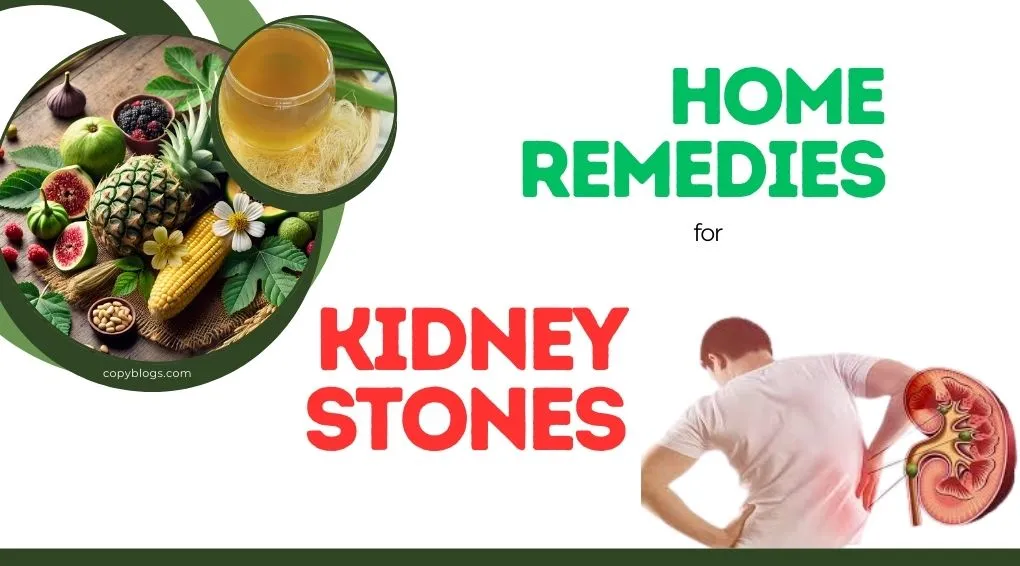
10 Home Remedies for Kidney Stones

Best remedy to remove kidney stones

If and when you get kidney stones, you might wonder if surgery is the only option. The good news is that small, uncomplicated kidney stones can be treated in the comfort of your own home. If you are interested in simple and safe alternatives, I’ve compiled a list of 10 Home Remedies for Kidney Stones that do not require medication. These treatments employ the body’s own natural energy of hydration, fruits, herbs, and natural methods to encourage kidney well-being and aid in natural stone expulsion.

Kidney stones and 10 Home Remedies for Kidney Stones

If the kidney stones are small and without complications, individuals can completely treat them at home without medication. Below are 10 home remedies for kidney stones that you can try. Yet, the duration for natural kidney stones dissolution depends on these two main factors, including location and size of kidney stones.

  • About 79% of stones located at the end of the ureter are expelled more easily.
  • 48% of stones near the bladder pass naturally without medical intervention.
  • 80% of kidney stones, which are smaller than 4mm, pass through urine within one month.
  • Stones between 4-6mm may require treatment, but 60% of cases still pass naturally within 45 days.
  • Stones larger than 6mm often need medical intervention. Only 20% pass naturally, and it may take up to a year.

10 Home Remedies for Kidney Stones Without Medication

Water

Water makes up about 70% of body weight and plays an essential role in disolving kidney stones. So, having enough water dissolves minerals and flushes them out through the urine. Recommended intake of water is about 2 – 2.5 liters, distributed throughout the day. But you don’t have to drink too much at one time because that could tire out the urinary system.  You may also drink fruit juices, such as lemon juice, orange juice, or watermelon juice, about 1-2 times everyday to support the expulsion of kidney stones and overall well-being.

Always check your urine color to adjust your fluid intake. If the urine color is light yellow, then it is normal. Contrarily, you need to immediately drink more water in case of dark yellow urine.

Pineapple

This tropical fruit is often used as one of 10 home remedies for kidney stones because of its high citric acid content. This compound helps prevent the crystallization of calcium, uric acid, or oxalate—the primary components in stones. Pineapple also contains plenty of water, vitamin C, and B1, which help boost the body’s immunity and prevent infectious complications in the kidneys. We can combine this fruit with sour alum or egg in the treatment of kidney stones.

We can utilize one of these two remedies with pineapple.

Method 1: Pineapple and Alum

  • Thoroughly peel one pineapple.
  • Carve a hole in the center of its core and stuff approximately 0.3g of sour alum into the hole.
  • Wrap it with aluminum foil.
  • Steam, or grill the pineapple over charcoal until well-cooked.
  • Squeeze out the juice, divide it into two portions.
  • Drink one portion in the morning and the other in the evening before bedtime.
  • Follow this method continuously for 7 days.

Method 2: Pineapple and Chicken Egg

  • Wash one ripe pineapple thoroughly.
  • Keep the skin on and grill it over charcoal until the outer skin becomes partially charred.
  • Peel its skin and extract the juice.
  • Beat one farm chicken egg until smooth, then mix in the pineapple juice.
  • Drink this mixture twice a day.
  • Continue with this remedy for 3 days.

However, some certain people may need to avoid this remedy.

  • Individuals who are overweight or obese.
  • People with stomach issues.
  • Those with high blood pressure.
  • Pregnant women.
  • Diabetics.

Rice Paddy Herb

Among top 10 home remedies for kidney stones, rice paddy herb is popular for its diuretic, anti-inflammatory, and detoxifying properties. These properties help break down kidney stones, and pass the stones through the urinary tract.

Rice paddy herb is utilized as a medicinal herb to treat various ailments because of its high therapeutic value. According to traditional medicine, rice paddy herb has a pungent, cooling, and mildly bitter taste with excellent properties for detoxification, heat relief, diuresis, antibacterial action, pain alleviation, and reducing inflammation and swelling. Moreover, some components in this herb exhibit antioxidant properties and can inhibit smooth muscle spasms.

Approach 1: Rice Paddy Herb with Salt

  • Wash and soak 50g of rice paddy herb in salt water.
  • Chop finely, then crush with a pinch of salt and extract the juice.
  • Drink twice daily for 7 days.

Approach 2: Herbal Tea from Rice Paddy Herb

  • Use 50g of rice paddy herb, finely chopped.
  • Place it in a decoction pot (or teapot) with 2 bowls of water.
  • When the water boils, continue boiling for 10 minutes.
  • Drink this decoction daily for 15 to 30 days, depending on the size of the stone, to help dissolve kidney stones.

Wild Banana

This fruit is known for its diuretic and stone-eroding effects.

Method 1: Wild Banana Decoction

  • Slice 7 mature wild bananas thinly and dry them.
  • Roast until golden brown.
  • Boil with 3 cups of water, reducing to 1 cup.
  • Drink warm after meals, 4 times daily for 1 month.

Method 2: Wild Banana Powder

  • Slice and dry wild bananas, then roast until crisp.
  • Grind into a fine powder.
  • Mix 12g (1 teaspoon) with warm water, drink 2-3 times daily for 10-20 days.

Corn Silk Tea

This drink is a natural diuretic. Corn silk is commonly used to help reduce heat, eliminate accumulated residues in the urinary tract, and support the treatment of kidney stones. In addition, corn silk contains vitamins A, B, C, and K, as well as calcium and potassium, which help cool the liver and detoxify the body. It also helps stabilize blood sugar levels, improve kidney function, and enhance overall health.

How to Prepare Corn Silk Tea

  • Use 50g dried corn silk (or 100g fresh).
  • Boil with 1 liter of water for 10 minutes.
  • Drink 3 times daily, preferably 1 hour before meals.

Tip: You can combine corn silk with plantago, sugarcane, or Imperata cylindrica root for better results.

10 Home Remedies for Kidney Stones – Simple Preparation

Green Papaya

Green papaya is one of the well-known folk remedies for kidney stones. Traditional medicine acknowledges that the green papaya fruit contains ingredients that help reduce inflammation, detoxify, and promote urination. In particular, the latex of the papaya contains substances capable of dissolving stones, making it easier for the body to expel kidney stones through the urinary tract. Therefore, this traditional remedy is suitable for patients with 4mm kidney stones.

How to Use Green Papaya for Kidney Stones

  • Choose a medium-sized green papaya.
  • Keep the skin on, wash thoroughly, and cut off the ends.
  • Remove the seeds, sprinkle with 10g salt inside.
  • Steam until soft and eat 1-2 times daily after meals for 7 days.

If you have a latex allergy, use caution with papaya or products that contain papaya. If you are allergic to papain, avoid unripe papaya.

False Daisy

False daisy is a natural herb with pain-relieving, anti-inflammatory, and diuretic properties. It is particularly effective in improving conditions such as painful urination, intermittent urination, or the presence of blood in the urine in patients suffering from kidney stones.

Two ways to use it:

  • Fresh: Crush 50g of fresh false daisy and extract the juice to drink.
  • Dried: Dry and roast false daisy, then brew a handful of it into a tea for daily consumption.

Indian Borage

Indian borage leaves help cool the body, detoxify, and relieve kidney stone symptoms.

How to use it:

  • Take a handful of fresh Indian borage leaves.
  • Wash, crush, and extract the juice.
  • Drink 2-3 times daily for best results.

Mulberry Leaves

Mulberry leaves are very effective for people who suffer from frequent nighttime urination due to kidney stones. Both young and mature leaves can be used, although they are applied differently.

How to Use It:

Young leaves:

  • Rinse the young mulberry leaves thoroughly with salt water.
  • Then, blend them until smooth with one glass of purified water.
  • Strain the juice and drink it regularly every day.

Mature leaves:

  • Dry and roast them, then brew into a tea for daily use.
  • Take the mature mulberry leaves and place them in a pan, roast until they turn golden.
  • Cool the roasted leaves down.
  • Then, boil them to obtain a concentrated decoction which should be consumed for a specified period to help alleviate the symptoms of the disease.

Figs

Fig fruit has a cooling nature and an astringent taste, and it works to detoxify, reduce inflammation, promote urination, and alleviate abnormal urinary symptoms in patients with kidney stones. Additionally, certain organic acids present in the fig fruit help erode and shrink the stones, making them easier to pass through the urinary tract.

How to prepare fig tea:

  • Prepare about 200 grams of fresh figs. Wash them thoroughly, drain, then slice them thinly and dry.
  • Stir-fry the dried figs until they turn yellow, reducing their inherent heat.
  • Decoction: Boil the figs with 500 ml of water until the volume reduces to 200 ml.
  • Divide the resulting decoction into three equal parts and drink after your main meals.
  • Follow this method consistently every day for 2–3 consecutive weeks.

Additionally, you can combine the figs with other herbs such as ginger, codolopsis sp root (bastard ginseng), Alpinia japonica, and turmeric. Prepare the decoction to be taken in the morning, at noon, and in the evening after a full meal.

Important Notes

  1. These remedies are only effective for small kidney stones.
  2. Results vary depending on stone size, body condition, and consistency in treatment.

Bottom line

Dealing with kidney stones can be uncomfortable, but these “10 Home Remedies for Kidney Stones” offer effective, natural ways to alleviate symptoms and promote healing. By incorporating these time-tested methods into your routine, you can take proactive steps to manage kidney stones without relying on medication. However, always consult with a healthcare provider if your symptoms persist or worsen, as medical intervention may be necessary for larger or more complex stones. Your health is worth the extra care and attention!

You may also like:
Home remedies for heatstroke | Top 5 herbals support your liver and kidneys  |  Is aloe vera toxic?

Food & Health

Is Aloe Vera Toxic?

side effects of aloe vera

Aloe vera, with its versatility and medicinal properties, is a cactus plant that blooms in dry, hot weather. Often touted as a solution for health issues such as diabetes, obesity, and skin diseases, aloe vera has been welcomed into traditional as well as conventional medicine. As with any home remedy, however, the query remains: is aloe vera toxic? Is it a miraculous cure for health, or does its abuse have latent dangers? Its benefits, side effects, and precautions are crucial to know if one is going to use this plant safely and effectively.

Advantages of Aloe Vera

The useful components of aloe vera are its gel and latex. The gel is obtained from the inner cell layer of the leaf, whereas the latex is from beneath the skin of the leaf. Aloe vera gel has the ability to treat conditions like psoriasis and promote the healing of wounds by enhancing blood flow and avoiding cell death around the wound. It also possesses properties that fight some bacteria and fungi. The latex of the plant includes chemicals that have the effect of natural laxatives. Studies are behind the application of aloe vera in external skin remedies for disorders including:

  • Psoriasis
  • Seborrhea
  • Dandruff
  • Mild burns
  • Skin abrasions
  • Radiation burns of the skin
  • Herpes lesions
  • Acne
  • Anal fissures

There is also evidence of aloe vera juice as a good laxative. But since safety was an issue, the FDA prohibited over-the-counter aloe vera laxatives in 2002. Aloe vera gel taken orally can also decrease diabetics’ blood sugar levels and lower cholesterol. Although there are those advantages, it’s important to answer: is aloe vera toxic? As we’ll explore in the following sections, while aloe vera can be beneficial, it also carries risks, particularly when misused.

Is Aloe Vera Toxic? Side Effects of Aloe Vera

When Taken by Mouth: Aloe vera gel is usually safe for short-term use when ingested in suitable dosages (e.g., 15 ml daily for 42 days or less). But oral intake as a laxative can lead to cramping and diarrhea, which result in electrolyte disturbances. Latex, or the yellow sap, is not safe for ingestion in large amounts and has been known to produce grave problems such as kidney disease, low potassium levels, weak muscles, and even death when taken excessively. Long-term consumption can heighten risks of colorectal cancer. When it comes to whether aloe vera is toxic or not, it’s important to understand that while the gel itself is usually safe in moderation, the latex is toxic if overused.

When Applied to the Skin: Aloe vera gel is safe when applied to the skin as a medicine or cosmetic.

Precautions While Using Aloe Vera

Pregnancy and Breastfeeding: Ingestion of aloe vera gel or latex is not safe, as it can cause miscarriages or birth defects.

Children: Topical use of aloe vera gel is safe, but ingestion of latex can cause stomach cramps or diarrhea in children younger than 12.

Medical Conditions: Individuals with diabetes, intestinal disease, hemorrhoids, kidney problems, or surgery should not use aloe vera latex and seek advice from a healthcare provider before taking aloe vera products. To answer questions regarding the toxicity of aloe vera, individuals with the following conditions need to exercise extra caution to prevent possible side effects.

Drug Interactions

Aloe vera may interact with drugs such as diabetes medications, laxatives, diuretics, and anticoagulant drugs (e.g., warfarin). A doctor should be consulted prior to taking aloe vera together with any medication to avoid potential side effects.

Bottom line

While aloe vera has numerous advantages, ranging from external skin application to possible overall health enhancement, it is not risk-free. For those asking “is aloe vera toxic,” it is important to mention that abuse, especially with the latex part, can cause severe health problems. It is important to be aware of its side effects, drug interactions, and contraindications, particularly for susceptible populations such as pregnant women, children, and patients with certain medical conditions. By balancing its benefits with responsible use, you can unlock the potential of aloe vera safely, so that it is a positive addition to your health program and not an agent of damage.

You may also like:
16 hormone balancing foods | Benefits of amla juice |

Food & Health

Top 5 Food Poisoning Home Treatment

Top 5 Food Poisoning Home Treatment

Food poisoning may attack without warning and make people feel weak and ill. Although the serious ones need medical care, there are good home remedies to treat it and recover from it. These top 5 food poisoning home treatment are easy to find, natural, and can give relief from the usual symptoms of nausea, diarrhea, and stomach cramps.

Top 5 Food Poisoning Home Treatment

What is food poisoning?

Food poisoning is a syndrome resulting from the ingestion of contaminated, spoiled, or toxic food. It can be due to bacterial infection, spoiled food, too much additives or preservatives, or rancid and spoiled food.

Mild food poisoning can be cured within a few days, but in severe cases, if not treated early and properly, it can cause serious health hazards and can even be fatal.

Common symptoms of food poisoning

Abdominal pain

Stomach pain after consuming some food could be a sign of food poisoning. Toxins produced by harmful organisms can irritate the intestinal and stomach lining, leading to inflammation and pain. Stomach muscle spasms cause pain usually around the upper abdomen or around the small intestine as the digestive system ramps up its normal movement to flush out harmful organisms. Abdominal pain, however, is not a clinical indicator of food poisoning, as it can be present in numerous other illnesses.

Nausea and vomiting

These are standard features as the body attempts to remove toxic substances from the stomach. Vomiting is a built-in defense system. In most instances, vomiting can persist for several hours, causing dehydration and fatigue, which needs immediate medical care.

Repeated diarrhea

Repeated loose stools (three or more times per 24 hours) are a common symptom of food poisoning. This is due to inflammation of the intestines that weakens their function to absorb fluids. Diarrhea may be followed by nausea, vomiting, abdominal cramps, bloating, and the need to defecate.

Fever

A temperature of more than 37.5°C (99.5°F) is a frequent sign of numerous diseases, such as food poisoning. Fever is the human body’s natural mechanism to combat infections by raising the white blood cells’ activity. Pyrogens, which are chemicals that deceive the brain into producing more heat as a reaction to infections, also bring about fever.

Loss of appetite and tiredness

Nausea and diarrhea may result in dehydration and loss of appetite, producing fatigue. Resting is imperative at this stage. When there are symptoms such as severe fatigue or tingling, prompt medical care is required.

Headache

Dizziness and headaches are typical in food poisoning, usually accompanied by dehydration or fever.

Muscle and joint pain

Viral food poisoning can cause reactive arthritis as a result of inflammation in the intestines. When the immune system fights infections, it releases chemicals such as histamine, which dilates blood vessels in affected tissues and leads to pain in muscles and joints.

Vision changes

Symptoms like blurred or double vision can be linked to botulinum poisoning, often caused by improperly canned foods, foil-wrapped baked potatoes, or fermented fish.

Top 5 Food Poisoning Home Treatment

First-aid and treatment for food poisoning

Inducing vomiting

Clean your hands and use your index finger to press on the back of the tongue, causing vomiting to expel as much food as possible from the stomach. Ensure the patient lies on their side with the head elevated to prevent aspiration or choking. If possible, collect a sample of the vomit for identifying the cause.

Rehydrating

Replace lost fluids with oral rehydration solutions (ORS) prepared according to instructions. Do not use pre-mixed or reheated solutions or solutions prepared over 24 hours prior.

Seeking medical help

If symptoms like unconsciousness, convulsions, or difficulty breathing occur, do not induce vomiting. Seek medical attention immediately.

Even after initial first-aid, a visit to a medical facility for accurate diagnosis and treatment is essential.

 Top 5 food poisoning home treatment

In case of mild food poisoning, you can try this quick cure for food poisoning.

Ginger and honey

First of the list of top 5 food poisoning home treatment, the power of ginger and honey can work wonders. All you need to do is crushing a few slices of ginger, mix with a teaspoon of honey, and let it dissolve in the mouth for 15-20 minutes. This soothes stomach discomfort and pain.

Garlic

With natural antibacterial and anti-inflammatory properties, chewing 2-3 fresh garlic cloves can relieve stomach pain and prevent diarrhea.

Basil

This herb helps treat stomach and throat infections. Eating basil leaves can alleviate symptoms.

Lemon

Other top 5 food poisoning home treatment can’t overlook lemon. Drinking 2-3 glasses of warm lemon water helps kill bacteria due to its acidity and boosts energy with its high vitamin C content.

Apple cider vinegar

With its alkaline properties, apple cider vinegar can reduce symptoms by neutralizing harmful bacteria.

Precautions

Although all these top 5 food poisoning home treatment are effective in general, some individuals must use them carefully or avoid them. For example, those with anticoagulant medication or on garlic allergy, or sensitivity must avoid garlic-based remedies, as they may worsen the discomfort. Basil might not be suitable for individuals with anticoagulant drugs because it is a blood thinner. Apple cider vinegar, being very acidic, is best avoided by those suffering from acid reflux, stomach ulcers, or sensitive teeth. Last but not least, lemon must be consumed with caution by people with dental sensitivity or acid-based gastrointestinal illness, since the former can exacerbate the latter two conditions.

These top 5 food poisoning home treatment are only effective for minor food poisoning. Severe ones with severe stomach cramps or excessive diarrhea should be taken to the doctor immediately. Listen to doctors and drink plenty of fluids to recover. During recovery, take a diet consisting of soft, easy-to-digest, and clean foods to avoid relapse.

Bottom line

Finally, treating food poisoning quickly with effective home remedies can go a long way in alleviating pain and facilitating recovery.

From honey and ginger to apple cider vinegar, these top 5 home remedies for food poisoning provide effective solutions with natural ingredients. It is still very important, though, to get medical attention for extreme symptoms and follow through with plenty of hydration and a healthy diet to avoid recurrence. Being proactive and in the know can be the difference-maker when it comes to dealing with this gross affliction.

You may also like:
How to get alcohol out of your system fast | Holy basil benefits for blodo sugar control

Food & Health

16 Hormone Balancing Foods

16-hormone-balancing-foods

Hormones are critical for keeping us healthy in general. They regulate metabolism, mood, and even the quality of sleep. Selecting the correct food is crucial to balancing hormones and making your body run smoothly. Let’s see 16 hormone balancing foods that science supports as being useful.

Best foods for hormone balance

Eggs

In the top of foods to eat to balance hormones, eggs contain a treasure of nutrients, such as vitamin D and proteins. Research indicates that vitamin D is responsible for regulating sex hormones. For instance, it controls estrogen levels in females. Therefore, eggs are a must in your diet while choosing foods that will balance hormones.

Chicken Breast

Chicken breast offers lean protein, which is responsible for hormone production. Amino acids from protein foods add to the building blocks of hormones. Chicken breast is a great option for those seeking to control weight while promoting hormone health.

Leafy Greens

Spinach, kale, and other leafy greens are rich in magnesium. Magnesium is essential in regulating stress hormones. Adding leafy greens to your 16 hormone balancing foods serves to lower cortisol levels.

Lentils and Beans

Other hormone regulating foods can’t deny lentils and beans. Both are filled with fiber and phytoestrogens. Phytoestrogens mimic estrogen and are capable of regulating hormones naturally. Their fiber also aids in gut health, which indirectly affects hormones. Therefore, lentils and beans are also the best foods to balance hormones.

Nuts

Almonds, walnuts, and peanuts are rich in healthy fats, zinc, and selenium. These foods are important for hormone production and hormone regulation. For instance, almonds tend to reduce cortisol levels, and walnuts promote general hormonal health with omega-3 fatty acids.

16 Hormone Balancing Foods

Seeds

Pumpkin seeds, sesame seeds, sunflower seeds, and flaxseeds are all filled with lignans, zinc, and omega-3s. Flaxseeds contain lignans specifically, which are hormones that keep the estrogen level balanced naturally. Seeds are also simple to incorporate in smoothies, salads, or snacks. So, based on this, you can incorporate these seeds in everyday diet as one of the best foods for hormone balance.

Coconut Oil

Among hormone balancing foods, coconut oil is rich in medium-chain fatty acids that help maintain healthy cholesterol. Cholesterol is needed to make hormones such as testosterone. Incorporating coconut oil into your diet through cooking is a simple means of doing so.

Berries

Berries are also rock stars. Blueberries, strawberries, and raspberries are full of antioxidants. These substances fight inflammation, which can interfere with hormones. Furthermore, they promote overall health, so they’re a must in any hormone-supportive diet.

Green Tea

In the list of best foods for hormone balance, green tea has catechins, a strong antioxidant which increases insulin sensitivity and controls blood sugar. The soothing drink is an ideal inclusion in your lifestyle to maintain hormonal balance.

Turmeric

Turmeric’s active ingredient, curcumin, is anti-inflammatory. Inflammation on a chronic basis hampers the production of hormones, and turmeric prevents that.

Foods to eat to balance hormones

Greek Yogurt

Greek yogurt contains plenty of probiotics, which benefit the gut. A healthy balance of gut bacteria is essential in order to maintain hormonal balance successfully. It also happens to be a rich source of calcium, which helps overall hormonal balance.

Dark Chocolate

Dark chocolate is full of magnesium, which settles stress hormones. Opt for chocolate that is as high as 70% cocoa for best benefits. Don’t hesitate to add these 16 hormone balancing foods in your diet.

Avocado

Placing avocado in the list of Foods to eat to stabilize hormones is an absolute necessity. Avocado is rich in healthy fats and potassium. Therefore, these nutrients help regulate stress hormones and insulin.

Salmon

In the same way, salmon is a good source of omega-3 fatty acids. Omega-3 fatty acids reduce inflammation and promote the production of hormones. Incorporating salmon into your diet can make a huge impact on hormonal stability.

Broccoli

As a cruciferous star, broccoli is full of such substances as sulforaphane that facilitate liver detoxification. Such an action keeps your body processing and utilizing hormones well.

Quinoa

Quinoa is a complete protein with a low glycemic index worthy as one of the best foods for hormone balance naturally. It balances blood sugar levels indirectly favoring hormone well-being.

Precautions

Though these are among the foods to eat to balance hormones, everyone is different. Individuals with food allergies or certain conditions, including thyroid disease, may have to avoid some of these foods, such as soy-laden lentils or cruciferous vegetables like broccoli. Always talk with your physician before making drastic changes in diet, particularly if you have chronic health issues.

Bottom line

Adding 16 hormone balancing foods to your diet can significantly affect your overall health and energy. From regulating blood sugar to lowering inflammation, these are some of the best foods for hormone balance. Keep in mind that everyone is different, and it is always best to consult your physician before changing your diet. Start small, be consistent, and reap the rewards of these amazing foods to eat to balance hormones.

You may also like:
Holy Basil benefits for blood sugar control | Foods that help with collagen production  | Natural Heat Therapy for Back Pain

Food & Health

Natural Heat Therapy for Back Pain

Natural Heat Therapy for Back Pain

Back pain impacts millions of individuals. The simplest way to treat it is with natural heat therapy. This is a technique of applying heat to the affected area, which can heal and relieve pain without surgery or medication. Let’s explore the natural heat therapy for back pain that you can use at home.

Advantages of Natural Heat Therapy for Back Pain

Improve Blood Circulation

Warming up your back facilitates the dilation of blood vessels, which enables more blood to flow into the overused muscles. The flow of blood delivers essential nutrients and oxygen to the muscles and tissues. It therefore helps to facilitate healing and ease pain efficiently.

Reduce Stiffness

Heat treatment advantages to ease tight muscles and relieve stiffness in the back. It also increases flexibility and range of movement, leading to easy execution of activities without pain.

Ease Pain

The soothing warmth of natural heat therapy can easily relieve back pain. It does so by inhibiting pain signals to the brain and reducing the pain.

Homemade Natural Heat Therapy for Back Pain

Rice Sock Heat Packs

The rice retains heat and conforms to your body. Put some uncooked rice in a clean sock with some space for ease of movement. Close the open end of the sock and microwave it for 1-2 minutes or until warm (not hot). Put the rice sock on the painful area for 15-20 minutes.

Warm Towels

Soak a towel in warm water and wring it out. Fold the towel and apply it on the back for 15-20 minutes. To add more warmth, put a dry cloth over the towel.

Hot Water Bottle

If you have a stainless steel thermos water bottle, you can fill it with warm water (not boiling) and cover it with a piece of dry cloth or towel. Then, cover the affected area for 15-20 minutes to relieve the pain.

Hot Bath or Shower

Another simple natural heat therapy for back pain is taking a hot bath or shower. This remedy can help relax muscles and reduce back pain effectively. Adding Epsom salts to the tub can also boost the soothing effect and provide additional relief.

Steam Room

Sitting in your own home steam room can ease back pain by relaxing tight muscles and increasing circulation. The steam heat can also be used to relax generally and reduce stress.

Safety Tips While Applying Natural Heat Therapy for Back Pain at Home

Avoid Burns

Always test the temperature of the heat source before applying it to your skin. It should be warm, not hot, to avoid burns.

Limit Usage

Do not use heat therapy for more than 20 minutes at a time. Prolonged exposure can cause skin damage and other complications.

Precaution—Who needs to avoid heat therapy

Heat therapy should be avoided if you have an open wound, severe swelling, or numbness. Individuals with heart conditions, peripheral vascular disease, and a history of cancer should also consult with a healthcare professional for appropriate treatment options. People with conditions that affect sensory detection, such as diabetic neuropathy, should avoid temperature therapies.

Bottom line

Natural heat therapy for back pain is useful for safely and effectively controlling back pain. Through enhanced circulation, elimination of stiffness, and relief of discomfort, heat therapy can give you dramatic relief and help improve your quality of life. You can easily apply this natural remedy to your daily care with simple homemade remedies and a few safety precautions. Embrace the soothing warmth of heat therapy and start your journey to a pain-free back today!

You may also like:
Home remedies for Heatstroke | Benefits of Passiflora  | Best Foods for Lung Infection

Food & Health

Holy Basil Benefits for Blood Sugar Control

Holy Basil benefits for blood sugar control

With diabetes’s current battle, conventional practitioners and traditional healers are both turning more toward nature for a solution. Holy basil, or Tulsi, is a holy herb that originally comes from India and is admired in Ayurvedic medicine. Current research and clinical findings confirm that the holy basil benefits for blood sugar control are so much more profound than just in the kitchen. It also holds much hope as a natural addition to current diabetes treatment. So, let’s get on with its advantage for diabetes.

How does science support Holy Basil benefits for blood sugar control?

Holy basil has long been celebrated as a versatile plant whose every part—from leaves and stems to seeds and oil—is used medicinally. In both type 1 and type 2 diabetic conditions, this ancient herb plays a vital role in lowering blood sugar levels.

Recent scientific evidence adds weight to these traditional claims. A trial, carried out by researchers at Nottingham University, tested 60 patients with type 2 diabetes. Half of the patients received a daily 250 mg capsule of holy basil on top of their usual medication for 90 days. The outcomes were amazing: patients had better glucose control and lower post-meal peaks. These findings underscore the holy basil benefits for blood sugar that can aid in the holistic management of diabetes.

Learn How to Manage Type 2 Diabetes

Holy Basil Benefits For Blood Sugar Control

Regulates Blood Glucose Levels

Holy basil (tulsi) is also known to improve pancreatic beta-cell function, which can increase the uptake of glucose by muscle cells. Moreover, regular intake of tulsi regulates the blood glucose level. Studies also suggested that holy basil contains essential compounds such as eugenol, methyl eugenol, and caryophyllene that have antidiabetic properties, thereby preventing spikes in blood sugar levels.

Improves Insulin Sensitivity

According to the research, Tulsi helps improve insulin sensitivity. It also reduces the burden on pancreatic beta cells in Type 2 Diabetes Mellitus. Thereby, Tulsi supports lowering blood sugar levels. In addition, it is known to lower cortisol levels and reduce inflammation.

Tulsi’s Anti-inflammatory Properties

Studies have shown that tulsi possesses anti-inflammatory properties that play a vital role in the pathogenesis of diabetes and its associated health complications.

How To Take Holy Basil Benefits For Blood Sugar Control

For everyday use, Tulsi offers several practical methods for integration into one’s regimen. Diabetics can chew fresh Tulsi leaves to reduce blood sugar. They can also prepare a soothing Tulsi tea by steeping the leaves in boiling water for two to three minutes. And they can incorporate the herb into their favorite dishes. A suggested dosage is approximately 3 grams of dried leaf powder on an empty stomach each day.

Precautions

Holy basil offers impressive benefits for blood sugar control, but don’t rush in. If you’re considering using other forms like tulsi supplements, consult your doctor before making it part of your diabetes management plan. This herb complements, rather than replaces, expert medical advice. Avoid tulsi supplements completely if you’re pregnant or breastfeeding. With science backing its effects, tulsi stands out as a natural option worth considering.

Bottom line

While ongoing clinical studies reaffirm its therapeutic properties, the potential of holy basil benefits for blood sugar control keeps getting brighter within the domain of natural diabetes therapy. Bringing age-old Ayurvedic insight into the realm of contemporary science, this miraculous plant comes to play the role of a harmless, affordable, and accessible support towards regulating blood sugar levels. In the ongoing fight against diabetes, holy basil stands poised to offer a holistic pathway toward better health and lasting well-being.

You may also explore:
How to cure diabetes with ladyfingers | Top 5 remedies for diabetes | Foods that make you hungrier 

Food & Health

Herbal Remedies For Vaginal Discharge

best home remedies for vaginal discharge

Vaginal discharge is a common complaint among most women. However, changes in color, consistency, or odor can be indicative of infections or imbalances. Though medical treatments are available, the majority of women resort to herbals for this symptom. Happily, there are herbals that treat vaginal discharge. Let us explore these herbal remedies for vaginal discharge in our blog today.

Some Herbal Remedies for Vaginal Discharge

Calendula

Famous for being antimicrobial and anti-inflammatory, calendula can soothe inflammation and reduce discharge. Scientific research has testified to its effectiveness. To use, prepare a calendula tea and use it as a wash. However, individuals who are allergic to Asteraceae plants should be cautious.

Tea Tree Oil

Tea tree oil is other herbal remedies for vaginal discharge. The tea tree oil has strong antifungal and antibacterial components. It has the potential to combat infections that cause vaginal discharge. It has been discovered to combat Candida species that cause yeast infections. To apply, dilute a few drops in a carrier oil and apply externally. Undiluted tea tree oil may irritate; therefore, proper dilution is required. Some people may also be sensitive; therefore, they should carefully conduct a patch test before application.

Echinacea

Echinacea enhances the immune system. It has the ability to fight infections. Echinacea is ingested to enhance the immune system and combat infection-discharging infections. Take echinacea tea or as a supplement. People suffering from autoimmune disease or allergy to the Asteraceae family should use it after consulting a physician.

Pau D’Arco

Pau d’Arco is antifungal. Its use is backed by research in decreasing discharge. Use the bark to make tea and drink it regularly. But excessive doses are toxic, and it may interfere with blood-thinning medications. Accordingly, consult a healthcare practitioner before use.

Goldenseal

This herb is also among the efficient herbal remedies for vaginal discharge. Goldenseal has berberine, which is a natural antimicrobial. It can treat bacterial infections. You may take the herbal tea by infusing 2 teaspoons of dried goldenseal in 1 cup (240 mL) of hot water for 15 minutes. Pregnant or breastfeeding women must avoid it.

Effective Herbal Remedies for Vaginal Discharge

Oregano Oil

Oregano oil is a powerful antimicrobial substance. It can fight bacterial and fungal infections. Some research shows its efficacy in fighting Candida organisms. Therefore, you may use it as one of the herbal remedies for vaginal discharge. It must be used cautiously since it is strong. It is usually taken orally diluted or applied externally if mixed with a carrier oil. Undiluted oregano oil may be irritating and can react with some medicines. Use under the guidance of a healthcare provider is recommended.

Aloe Vera

Aloe vera assists in calming and healing inflamed tissues. It can be used to ease discomfort caused by discharge. Apply fresh aloe vera gel for optimal results. Apply it to the affected region directly. However, placing aloe vera in the vagina is not advisable as it may cause irritation. Individuals who are allergic to aloe vera should avoid it.

Fenugreek

The seeds have been used traditionally to regulate hormones and can be used to address vaginal health. It can help treat excessive vaginal discharge. Drinking boiled fenugreek seeds can correct the issue of white discharge. Boil 500 ml of water with fenugreek seeds till the water decreases to half a cup. Drink this water after it cools down. Even though it is one of the herbal remedies for vaginal discharge, pregnant women should avoid fenugreek since it may cause uterine contractions.

Tulsi

This herb has another name as holy basil. Ayurvedic medicine values tulsi due to its anti-inflammatory and antimicrobial properties. It may be useful in infections leading to vaginal discharge. Prepare a tea using tulsi leaves. Take it daily for optimal results. However, people taking blood-thinning drugs should take advice from a doctor before taking tulsi since herbal treatments for vaginal discharge.

Guava Leaves

Guava leaves have antimicrobial and anti-inflammatory properties. They have been traditionally used to address various infections. They may also help reduce vaginal discharge. Boil guava leaves and use the water as a wash.

Precautions

Though herbal remedies for vaginal discharge work well, a consultation with a healthcare provider is essential. Indeed, some herbs are not suitable for all individuals. In addition, pregnant or lactating women, persons with allergies, or persons with certain medical conditions should consult an herbalist or physician before employment. On top of that, if symptoms still continue, you need a medical assessment.

Bottom line

These herbal natural remedies for vaginal discharge are relieving. Knowledge of their advantages and precautions enables you to make an informed choice. Always seek personal guidance from your doctor or qualified herbalist. Harness the healing power of nature while keeping yourself healthy.

You may also like:
Diet for constipation | Best natural home remedies for genital warts  | Benefits of Passiflora

Food & Health

Home Remedies For Heatstroke

effective home remedies for heatstroke

During hot summer days, heatstroke and heat exhaustion have the potential to turn a nice day into an emergency situation very rapidly. Knowing the initial symptoms is essential in order to get timely treatment. In this article, we take a look at six traditional medicine-based home remedies for heatstroke that could possibly reduce the symptoms and allow the body to heal naturally. These age-old remedies, from rich juices to skillfully crafted decoctions, offer easy means to cool and balance the body when the heat becomes too intense.

What to Do When Experiencing Heatstroke? – Home Remedies for Heatstroke

If someone is suffering from heatstroke, take the following first aids immediately:

  • Move the patient to a cool, shaded, and well-ventilated area, away from crowds.
  • Remove and loosen clothing to help cool the body.
  • Apply cold compresses to the armpits and groin areas.

In severe cases, where the patient loses consciousness, immediately use your thumb to firmly press the following acupuncture points, one after the other. These remedies help revive the patient and release heat.

  • Use your thumb to firmly press the Ren Zhong acupoint (located at the junction of the upper 1/3 and lower 2/3 of the philtrum, the groove between the nose and upper lip).
  • Press the Shi Xuan acupoints (the highest points in the middle of the 10 fingertips).
  • Gently pull the sideburns to stimulate consciousness.

Home Remedies for Heatstroke and Heat Exhaustion

For individuals suffering from heatstroke, have them drink one of the following remedies:

Remedy 1:

  • Two segments of fresh sugarcane.
  • Pound and squeeze for juice; divide it into 2-3 servings to drink immediately.

Remedy 2:

  • About 150g of green squash.
  • Peel, juice, add a few grains of salt, and divide into 2-3 servings to drink.

Remedy 3:

  • A handful each of bamboo leaves and kudzu leaves.
  • Wash thoroughly, dry, pound, and squeeze out the juice to drink.

Remedy 4:

  • 2-3 tablespoons of arrowroot powder mixed with cooled, boiled water.
  • Add sugar to taste and divide it into 2-3 servings to drink immediately.

Remedy 5:

  • 12g each of pennywort, bamboo leaves, holy basil, and kudzu root (also known as arrowroot).
  • Decoct these ingredients to drink during the day. Take the remedy in 3 days.

Remedy 6:

  • 20g holy basil, 12g pennywort, 20g white lablab (Hyacinth) beans, 12g gardenia fruit, and 12g Magnolia officinalis.
  • Decoct them and drink during the day, taken for 3 days.

In case you don’t have enough ingredients, you can mainly use bamboo leaves, pennywort, or kudzu powder. If the individual is weak, you can add a handful of rice to the remedies.

Home remedies for heatstroke and heat exhaustion prevention

  • A handful each of tamarind leaves, holy basil, kudzu (arrowroots), Eleutherine bulbosa (Iridaceae family), Ophiopogon japonicus (dwarf lilyturf or mondo grass), Radix angelicae, and Sarsaparilla (Smilax Glabra Rhizome (SGR)).
  • Boil thoroughly and drink the decoction in place of water throughout the day. It is recommended to consume this remedy throughout the summer.

Precautions

Prior to adding any herbal remedy to your regimen, be careful. Not all remedies are for everyone—those with existing health issues, pregnant women, or those who have negative reactions should steer clear of or minimize these treatments. Even after seeming recovery, it is important to give your body a few days of rest in a cool, shaded area before resuming hard outdoor activities. Also, in case of serious symptoms like loss of consciousness, seizures, or ongoing chest pain, call your local emergency number right away for immediate assistance and guidance. In case you have any uncertainty or questions regarding the use of these herbal home remedies for heatstroke, seek advice from a trained herbalist or healthcare provider.

Bottom line

These herbal home remedies for heatstroke provide mild, natural methods to fight heatstroke and heat exhaustion, supplementing contemporary treatments with a focus on hydration, cooling, and rest. Although they may be an important component of heat-related discomfort management, your health is always paramount—if symptoms worsen or linger, consult a professional right away. Use these practices as part of a comprehensive strategy to remain safe, refreshed, and resilient in the summer’s searing heat.

You may also like:
Banana flower benefits | How to increase blood pressure immediately

Food & Health

Benefits Of Passiflora

benefits of passionflower

The benefits of Passiflora extend far beyond its calming and sedative properties. Passiflora is also known as passionflower or Passiflora foetida. As a traditional remedy, practitioners have used Passiflora to support mental and physical well-being. From reducing anxiety and insomnia to promoting cardiovascular health, this versatile plant has earned its place in both modern and traditional medicine. With a rich history and scientifically-backed benefits, Passiflora continues to be a valuable natural resource for holistic health. Below are some of the benefits of Passiflora.

What is Passiflora?

Passiflora is a climbing plant with a soft stem covered with soft hairs.

Roots of Passiflora: The Passiflora vine is soft, a climbing plant with hairs, and has heart-shaped leaves arranged alternately.

Leaves: The soft leaves are arranged alternately, heart-shaped, 6 to 10 cm long, 5 to 8 cm wide, with wavy margins, and are slightly divided into three lobes. The leaf base is heart-shaped, with fine hairs on the edges, and the petiole is about 7-8 cm long. The tendrils coil into a spring shape.

Flowers: Passiflora flowers are solitary, with five white or pale purple petals, about 5.5 cm in diameter. The sepals are white with green veins beneath, with three main veins and smaller ones. A disc with two rows of tendrils, the upper part purple within yellow, and inside with fine hairs. The central column is red-purple, with five stamens that have yellow, drooping anthers.

Fruits: The fruits are egg-shaped, 2-3 cm long, wrapped in a net-like outer layer. The flowering season is around April and May, and the fruiting season is from May to July.

Health benefits of Passiflora

According to modern medical research, the complete alkaloid extract derived from the Passiflora helps reduce the hyperactivity of mice stimulated with caffeine. It also helps prolong the sleep-inducing time of the active ingredient hexobarbital.

In a study conducted using a formulation composed of Passiflora, cassia seeds, coral tree leaves, lotus leaves, dodder seeds, mulberry leaves, mimosa seeds, and red ginseng showed the following benefits of Passiflora:

  • It reduced the state of nervous excitement in caffeine-stimulated mice.
  • It lowered blood pressure and increased the frequency and amplitude of respiration in rabbits during the experiment.
  • It exhibited sleep-inducing properties, promoting sound sleep without altering blood pressure.

Other Possible Benefits of Passiflora

The entire Passiflora plant has a sweet, slightly bitter taste and cool properties, helping to clear heat, detoxify, and promote diuresis.

The fruit of Passiflora has a sweet taste, a mild aroma, and functions as a laxative and pain reliever.

Its leaves, when mashed and applied externally, can treat leg ulcers and skin infections.

The benefits of Passiflora include its use as a sedative, sleep aid, menstrual regulator, and treatment for neurological disorders, cough, and swelling. Mashed leaves applied externally can treat leg ulcers, boils, and skin infections.

Benefits of Passiflora in traditional medicine

In tradition practice, people harvest the above-ground parts of the plant, clean, dry them, and cut them into 3-5 cm segments. Before using Passiflora, they lightly roast it until it turns slightly yellow and then gradually introduce it into the regimen. Benefits of Passiflora are also in treating insomnia, dream disturbances, and premature menstruation in women. Extracts are used to create sedative pharmaceuticals for treating depression in mentally stressed individuals.

Young Passiflora shoots are often harvested and boiled for consumption in the afternoon or a few hours before bedtime. You can also add dried passionflower to boiling water to create an herbal tea.

Precautions

While the benefits of Passiflora, or passionflower, are extensive, it is essential to use this plant with great care and attention. Pregnant and breastfeeding women should avoid Passiflora because it is possibly unsafe. In addition, individuals who are taking sedative medications or have an allergy to Passiflora should consult with a medical professional before incorporating it into their regimen. Overconsumption can lead to adverse effects such as dizziness, confusion, and drowsiness. Always talk with your doctor before consuming passionflower, especially in case of supplement or if you have any underlying or certain health condition.

Bottom line

Adding the benefits of passiflora to one’s life can be an easy and efficient means of boosting overall health and well-being. As a tea, supplement, or topical solution, Passiflora is a rich source of therapeutic qualities. With proper knowledge and regard for the guidelines of use, individuals can use this amazing plant safely and reap the many benefits of good health. As with any natural treatment, careful and knowledgeable use will provide the best results for optimum health.

You may also like:
Benefits of amla juice | Health benefits of watercress