Category

Food & Health

Food & Health

FOODS AND DRINKS THAT TRIGGER IBS

Foods And Drinks That Trigger IBS

Irritable Bowel Syndrome (IBS) can disrupt daily activities with symptoms that are uncomfortable, such as bloating, cramping, and irregular bowel movements. Many factors influence IBS, not least of which is diet. To that end, an understanding of what foods and drinks to avoid with IBD is vital to the management of its symptoms. Here are the top foods and drinks that trigger IBS.

Alcohol: A common trigger

It is observed that a majority of people tend to enjoy social drinking. While it can be fun, it can also pose an issue for the IBS symptoms. IBS can take a turn into irritant territory, and social drinking is known to upset the gut. Digestion can get troubling after consuming alcohol, which then can lead to an upset abdomen alongside IBS symptoms. It has been found in research that alcohol has a negative impact on gut motility. Hence, alcohol is at the very top of the list of foods and drinks that trigger IBS. If you are a social drinker, opting out for non-alcoholic alternatives can help in avoiding stir-ups.

Insoluble Fiber: Not all fiber is equal.

While it is essential to consume fiber, it is important to note that insoluble fiber can raise concerns and worsen IBS symptoms. It can be detrimental for an individual suffering from the condition if they consume nuts, whole seeds, and whole grains in medium to high amounts, as it can crank up the bloating levels along with discomfort. Contrarily, soluble fiber is easier on the stomach.

Gluten: An Overlooked Enemy

Celiac sprue is more common in regions like North America, Central America, and parts of Europe where gluten is common. Even if you don’t suffer from celiac sprue, gluten is still the bane to those who have an IBS-intolerant gut. Hence, gluten is also on the list of foods to avoid with an IBS flare-up. Options for gluten-free foods like rice and quinoa are a safer choice.

Dairy: A Double Threat

Dairy contains two potential hazards: lactate and fats. In many cases, those with IBS are lactose intolerant. This means that they are unable to digest carbohydrates properly. For this reason, it can create gas, then result in bloating. In addition, fat in milk products can aggravate diarrhea. It is always better to use lactose-free or plant-based milk, as it is more easily tolerated.

Caffeinated Drinks: Energy With Consequences

Caffeine acts as a stimulant in the intestine. This activates IBS, which would result in some patients having cramps and some experiencing diarrhea. Coffee, tea and some energy drinks are some of the common offenders. Therefore, caffeinated drinks are beverages to avoid with IBS. Herbal teas, especially chamomile, are in the field as good substitutes.

Beans and Legumes: Nutrient-Rich but Problematic

Beans and legumes are nutrient dense, but they can also produce excessive amounts of gas, leading to a lot of bloating. As a result, these foods have a high ‘FODMAP’, which makes them not so friendly for those dealing with IBS. Lentils and chickpeas should, hopefully, be alright to nibble, but in small quantities.

Garlic and Onions: Flavorful but Risky

Those herbs are on the list of foods and drinks that trigger IBS. Garlic and onions are delicious and healthy vegetables. However, they are rich in FODMAPS as well. Thus, they can result in bloating and gas. Alternatively, if you cook them completely or use garlic-infused oil, it should reduce their impacts.

Cruciferous Vegetables: Hard to Digest

An example of some of the cruciferous vegetables that can exacerbate the signs and symptoms of IBS are broccoli, cauliflower, and cabbages. These vegetables have a reputation for making things ‘gassier’. The reason is that they are tough on digestion and, hence, can cause gas and discomfort. Vegetables which are cooked or even zucchinis tend to work more smoothly.

Fried Foods: Heavy on the Stomach

The intensity of the discomfort is from the arduous process fried food needs to go through to be digested and from the resultant aggravation of IBS symptoms. This heavy fat during digestion and slows it down. Choose barbequed, baked, or boiled foods to keep your stomach safe.

Highly Processed Foods: Best Left Out

These are other foods to avoid with an ibs flare-up. Highly processed foods often contain additives, preservatives, and poor fats that can worsen IBS symptoms or cause gut irritations. Meanwhile, fresh and whole foods are the best choice.

Sugar-Free Sweeteners: Misleading Alternatives

Most sugar alcohols (sorbitol, mannitol) as suitable sweeteners can end up in a person’s gut. They take a little too long to digest; therefore, sooner or later, causing bloating and increased bowel movement. Use a bit of honey or maple syrup instead of those artificial sweeteners.

Chocolate: A Surprising Trigger

Chocolate has caffeine and fat, especially popular milk varieties. Therefore, in sensitive cases, consumables made of chocolate can be an irritant. Low-sugar and lower-fat dark chocolate could be a more suitable option in moderation.

Irritable Bowel Syndrome Relief: Helpful Changes in Lifestyle

IBS does not restrict itself to what one eats and drinks, but lifestyle changes can also offer some remedy. For one, decrease the amount of food, but eat frequently, as this eases the work put on your gut. Keep your body well hydrated, but try not to take much water with food. It boosts digestion, reduces stress, and ensures regular exercise. Recording diet habits will help identify the elements in your daily intake which can aggravate your condition. Various techniques may help in managing stress, which worsens the symptoms of IBS and includes yoga, meditation, or deep relaxation.

Bottom line

Avoidance of typical triggers and adoption of new and healthy habits will significantly change the welfare of an individual. Always listen to your body and seek help when needed. Along with the above avoidance, you can also try some effective home treatments and herbals for IBS. If, after all the effort you try to keep away from these foods or drinks and cannot control your syndrome, consult your healthcare provider, doctor, or dietitian. There are professional people to help you customize your diet in line with your needs and to determine the existence of any other possible cause.

You may also like:

Top foods and drinks to avoid with diabetes | Best vitamin D-rich foods| Top 6 health benefits of cauliflower

Food & Health

Side Effects of Bitter Melon

bitter gourd side effects on health

In previous posts, we went through the health benefits of bitter melon to diabetes. Used as traditional medicine, bitter melon supports lowering blood sugar levels, cancer prevention, and other diseases. Yet, it should be noted that bitter melon has side effects. Understanding the side effects of bitter melon will enable consumers to make informed decisions and use this potent vegetable safely within their diet and health regimes.

What are the side effects of bitter melon?

1. Faint due to sudden low blood sugar level

As we have known, bitter melon can help lower blood sugar levels to support diabetes treatment. If you have a stable blood glucose level, you should avoid consuming bitter melon too much. In case you overconsume this vegetable, you might confront with side effects of bitter melon, including a sudden low blood glucose level, headache, and dizziness. It may also lead to sweat profusely or frighten. The worst situation may happen to shock, then get fainted. To avoid any unexpected symptom, you should not take bitter melon excessively on an empty stomach or when you are tired.

2. Cause a miscarriage and reduce chances of getting pregnant

Other side effects of bitter melon are to cause a miscarriage and reduce chances of getting pregnant. Some studies have shown that bitter melon can stimulate smooth muscle contraction, then increase contraction of the uterine muscle, which runs the risk of leading to miscarriage. As a consequence, pregnant women, new mothers, and nursing mothers should avoid or limit bitter melons.

Additionally, some studies have shown that overconsumption of bitter melon may hurt testicles, which impacts reproductive ability. Those who are planning to have babies should skip bitter melons or seek professional consulting before consuming this vegetable.

3. Impact on health and growth of children

The red arils covering the seeds of bitter melon can be toxic to humans. It can cause diarrhea, vomiting, nausea, and possibly death. Therefore, you should not feed bitter melon to certain kids, who are at a higher risk of toxic reactions. Also, you should remove all the seeds of bitter melon when you prepare food from this vegetable.

4. Negative effects to patients with kidney and liver failure

Let’s go through what side effects bitter melon can cause to the kidney and liver. As mentioned above, the seeds of bitter melon can be toxic to cells of the liver. This vegetable is not digested easily, so those who have problems in the kidney and liver must avoid consuming bitter melon. The people facing G6PD deficiency (enzyme glucose-6-phosphate dehydrogenase), which helps red blood cells, should also stay away from bitter melon.

5. Cause hemolytic anemia

The seeds of bitter melon can cause hemolytic anemia. Hemolytic anemia is a condition in which red blood cells are destroyed and removed from the bloodstream faster than they are made. Bittermelon’s seeds contain an element named vicine, which is capable of producing oxidation-reduction (redox) enzymes on the cell membranes. If this enzyme is overproducing in blood cell membranes, red blood cells and cell membranes might be damaged. This can lead to hemolytic anemia. So all of the patients with G6PD deficiency have to avoid consuming bitter melon.

Bottom line

Apart from its benefits in nutrition, bitter melon can sometimes result in bad effects like nausea and lowering of the blood sugar and sometimes works against certain medications. The above side effects of bitter melon should be seriously considered by those having one of the mentioned health problems to avoid any sidesteps. Also, always remember that “too much of anything is bad.” Some groups of people who should avoid or be wary of bitter melon, including:

  • Pregnant and breastfeeding women
  • Children
  • People with hypoglycemia
  • Those allergic to certain substances
  • Glucose-6-phosphate dehydrogenase (G6PD) deficiency
  • Surgery: Bitter melon can disrupt blood sugar control during surgery and even after recovery. Avoid bitter melon for at least 2 weeks prior to any scheduled surgery.

People suffering from certain specific medical situations or underlying health conditions should consult a doctor before adding this vegetable to their diets.

You may also like:
Top 5 foods for natural colon cleanse

Food & Health

TOP HERBALS FOR HEART DISEASE

TOP HERBALS FOR HEART HEALTH

Heart disease is one of the top health concerns across the globe, but nature also offers some of the most potent allies in herbal remedies. Some of the most effective herbals for heart diseases include powerful plants because of their properties such as cholesterol reduction, improved blood circulation, reduction of inflammation, and antioxidant support. All of these herbs will complement your body, especially supporting heart health through natural holistic measures.

The below are top herbals for heart disease that can be found easily around you.

1. Garlic

Among the top herbals for heart disease, garlic has been shown in many studies that it can help reduce bad cholesterol while increasing good cholesterol. Garlic can also support regulating blood pressure and improving blood circulation. It is beneficial to inhibit thrombocytopenia (a blood disorder in which the body does not produce enough platelets), which may cause a stroke. Garlic extract is helpful to protect the heart and decrease the risk of abnormal heartbeats.

How to use garlic for heart disease

  • Eat one or two cloves of raw garlic daily.
  • Add garlic to your food.
  • If you find difficulty consuming raw garlic, take garlic extract or supplement.

2. Green tea

Green tea is one of the top herbals for heart disease. Drinking green tea every day can reduce the risk of coronary heart disease, heart attack, and strokes. Antioxidant properties in green tea are effective in reducing bad cholesterol and improving the function of blood vessels.

How to use green tea for heart disease

  • Consume 5 to 6 cups of green tea daily.
  • Alternatively, you can take a green tea supplement.

3. Turmeric

Turmeric contains anti-inflammatory and antioxidant compounds, which are beneficial to increase blood circulation and prevent blood clots. It helps reduce bad cholesterol, enhance blood thinning properties, and prevent vein inflammation.

How to use turmeric for heart disease

  • Wash fresh turmeric. Grind it and filter to get its pure water (curcumin). It is able to help the body repair some damage caused in the immediate aftermath of a stroke.
  • You can take turmeric powder or supplement to replace fresh ones if you do not have much time.
  • Mix one teaspoon of turmeric powder into a glass of warm water or milk.

4. Ginger

Top herbals for heart disease cannot overlook ginger. This herb is good at lowering blood sugar levels and regulating blood circulation. Ginger is effective to remove bad cholesterol and prevent cardiovascular diseases and blood clots. The antioxidant properties in ginger can lower the risks of heart disease and hypertension.

How to use ginger for heart disease

  • Boil some water with some slices of fresh ginger. Add a little honey for good taste.
  • You can take ginger extract, supplements, or tea bags.

5. Basil

Among the top herbals for heart disease, basil is a rich source of antioxidants, slowing down the effects of time. Antibacterial and antioxidant properties in basil are able to fight off cancer and inflammation. Wise consumption of basil will lower bad cholesterol and triglycerides (fatty acids) in the bloodstream and reduce the risk of stroke and heart disease.

How to use basil for heart disease

  • Add to daily food (salad, or spices, flavor).
  • Boil water and basil leaves for tea.
  • Chew some fresh basil leaves every day.

6. Hibiscus

Hibiscus is used in traditional medicine to fight off high blood pressure and liver problems. Some researchers have said that hibiscus is beneficial to the heart. The plant contains strong antioxidants controlling cholesterol levels and blood pressure.

How to use hibiscus for heart disease

  • Drink two cups of hibiscus tea per day.
  • Dry some hibiscus leaves and flowers in the shadow. Boil it with water to drink. Add some honey for good taste.
  • Take convenient hibiscus tea bags.

Top herbals for heart disease: early start, early prevention

Modern lifestyle impacts a lot on our health these days, which includes heart disease. Combination of healthy food, lifestyle, and exercise, we can add these herbals to our daily diet or drink to protect the heart. Whichever herbs you consume, it should be moderate. Additionally, it’s always advised to get consulting from your doctor or herbalist for safety.

You may also like:
Top natural foods that support your heart health | 9 impressive health benefits of coconut water

Food & Health

Top 5 Remedies for Diabetes

Top 5 Remedies for Diabetes

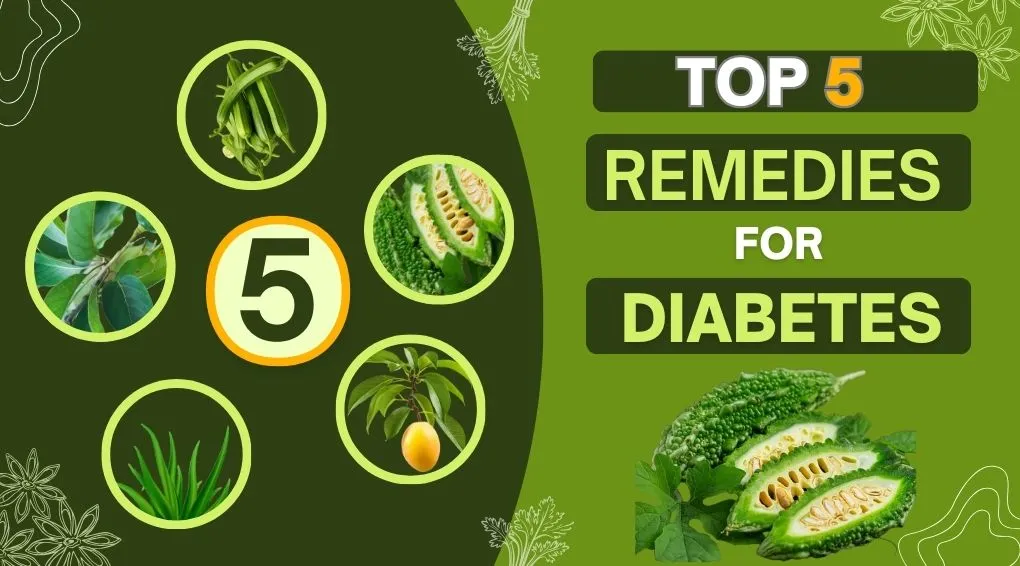
Top 5 remedies for diabetes. Considered a “silent killer”, diabetes is a disease involving high blood glucose levels in the body. Diabetes is one of the major causes of brain, eye, and cardiovascular diseases, among others. This disease has become more popular and serious worldwide, with the rate of diagnosed diabetes increasing with age. In addition to Western medicine, there are several herbal medicines that support diabetes treatment. The following are the top 5 remedies for diabetes.

1. Lady finger

One of the top 5 remedies for diabetes includes ladyfinger. This vegetable is a rich source of fiber and antioxidant qualities, which help in better digestion, avoid high blood pressure by reducing cholesterol absorption into the bloodstream, and prevent coronary artery disease and colitis. With diabetes, fiber contained in the ladyfinger supports controlling blood sugar level. Using the ladyfinger, the level of blood sugar will not drop suddenly compared to insulin injection.

How to use the lady finger for diabetes:

  • Wash 2 ears of raw lady finger and soak them into salt water in 15 minutes.
  • Cut the ends of lady finger;
  • Slit them into two halves vertically (lengthwise);
  • Immerse those pieces of lady finger in a glass of cooled, boiled water.
  • Cover the glass of water and leave it overnight.
  • Remove the lady fingers from the glass of water in the next morning, before breakfast;
  • Drink all the sticky content released from lady fingers.


2. Bitter melon

As written in the previous post Health benefits of bitter melon to diabetes, bitter melon is another of the top 5 remedies for diabetes.

Bitter melon contains the active substances, including charantin and steroidal glycosides, which help lower blood sugar levels and reduce the risks of eye disorders such as retinal and cataracts. This vegetable is an active antioxidant, supporting removing free radicals—one of the major causes of diabetes.

How to use bitter melon for diabetes:

Approach 1:

  • Wash one medium-sized piece of raw bitter melon; soak it into salt water for 15 minutes.
  • Remove seeds of bitter melon before extracting its juice in a juicer or blender;
  • Drink this juice every morning for at least two months.

Approach 2:

  • Wash raw bitter melons;
  • Slice them into thin pieces (remove seeds)
  • Dry them with the sun;
  • Grind them into powder;
  • Take 12 to 20 grams of the powder of bitter melon daily and divide it into two doses twice a day, after meals. Mix the powder with cooled, boiled water.
  • After 2 months, reduce the quantity to 6 to 10 grams per day.


3. Mango leaves

Mango leaves contain anthocyanin, which is helpful to lower blood sugar levels in the body. In traditional herbal medicine, mango leaves are used for diabetes and the prevention of its complications to eyes and blood vessels.

How to use mango leaves for diabetes:

  • Wash 4 to 5 tender leaves of mango.
  • Slice them into small pieces, and keep them in a clean glass or mug.
  • Boil water and pour it into the glass or mug.
  • Leave it till the next morning; remove mango leaves in the glass.
  • Drink the water with an empty stomach.
  • Have breakfast after 15 to 20 minutes.

4. Avocado leaves

In addition to mango, the leaves of avocado are also listed in the top 5 remedies for diabetes thanks to the glycoside content. Glycoside gives much support in controlling the overconsumption of calories of ordinary sugar.

How to use avocado leaves for diabetes:

  • Wash 7 – 10 fresh avocado leaves;
  • Add 10 soup bowls of water to a sauce pan;
  • Cook avocado leaves until the volume of water reduces a half (about 5 soup bowls);
  • Cool the avocado; leave water. You can store it in the refrigerator.
  • Drink 3 times a day, before meals;

5. Aloe vera

Considered one of the top 5 remedies for diabetes, aloe vera is an incredible herbal medicine full of nutritional benefits. Aloe vera contains fiber, calcium, magnesium, zinc, manganese, chromium, and other properties that are important for glucose metabolism by improving the insulin effect. Aloe vera’s gel assists in regulating blood sugar levels and fighting diabetes effectively. It helps eliminate toxins out of the body and reduce excess sugar in the bloodstream.

3 ways to use aloe vera for diabetes

1.1.

  • 1 medium leaf of aloe vera; wash it carefully to remove dust.
  • Leave it in salt water for 10 minutes; wash it with clean water again.
  • Remove the firm white teeth (thorns) at its leaf margins.
  • Grind it in a clean blender; filter it for juice.
  • Drink one tablespoon of aloe vera juice 3 times a day (15 minutes before meals).

1.2.

  • Boil 1 medium leaf of aloe vera (must wash it before use);
  • Cool it. Take one tablespoon of boiled water of aloe vera. Drink three times per day, 15 minutes before meals. You can also eat the cooked leaves of aloe vera.

1.3:

  • Eat raw aloe vera leaf, maximum 3 times a day. You can prepare it as salad. This way might be unappetizing for some people.


Conclusion

Each of the remedies for diabetes requires patience and optimism. In order to avoid any unpleasantness while taking those herbal medicines, you should have consultation with your doctors or herbalists. You also check your blood sugar levels regularly and improve your lifestyle to prevent diabetes.

I hope you find helpful information in this blog and share your experience in applying herbal medicines. You can also get details on Top 10 foods for diabetes.

You may like:
Side effects of bitter melon|Foods and drinks that trigger IBS

Food & Health

Best Herbal Remedies for Depression

Best Herbal Remedies for Depression

What are the best herbal remedies for depression? We’ll check them out in our topic today.

According to the Cambridge dictionary, depression is a mental illness in which a person is very unhappy and anxious for long periods and cannot have a normal life during these periods. In common, depression is a negative feeling (or mood disorder) that might cause a loss of interest in activities at work, school, or home. It can cause serious emotional and physical problems; gradually, it might become a life-threatening factor in case we ignore it.

In addition to western medicines and psychological treatments, we can combine with herbs. The following are the best herbal remedies for depression that we can consider.

1. Ginseng

One of the best herbal remedies for depression is ginseng. This herb has been used in treatment for cancer, chronic fatigue, heart attack, and high blood pressure (hypertension). It is also proven that it’s effective to ease anxiety and depression. Ginseng helps prevent mental disorders, slow heart rate down, and increase mental excitement and interest in various positive activities. Ginseng is considered an adaptogen, relieving stress and depression effectively.

You can boil 100 ml of water and 1 to 1.5 grams of ginseng within 10 minutes and enjoy it. In another way, drinking ginseng tea (in a ready-to-use tea bag) saves much time for you.

Attention:

  • Take Ginseng only in the morning or afternoon to avoid losing sleep at night.
  • Should not eat seafood or radish after Ginseng.

2. Mint

Among the best herbal remedies for depression, mint is considered an amazing treatment for the nervous system thanks to its essential oil and menthol. Indeed, mint has been used for menstrual cramps, anti-insomnia, deep relaxation of nerves, and management of heart rates. Furthermore, mint is beneficial to calm and relieve stress and depression.

You can boil 4 to 8 grams of mint leaves with water to drink every day. Or you can drink mint tea. Menthol in mint will bring us a good sleep at night and release stress for better mood.

Attention:

  • People with high blood pressure, constipation, or under-2-year-old children should not consume mint.

3. Lingzhi (reishi) mushroom

Lingzhi or Reishi mushroom is among the best herbal remedies for depression. It is beneficial to the heart, releases headaches, relaxes the entire body, lowers blood sugar levels, reduces fatigue, and promotes blood circulation.

You can cook Lingzhi mushrooms to eat with rice or boil them with water to drink as tea.

Attention:

  • Those who have allergies to mushrooms should not consume them.

4. Chrysanthemum tea

Chrysanthemum supports reducing anger, stress, and depression. However, it helps relieve headaches and dizziness. Chrysanthemum tea is helpful in treating anxiety and depression through relaxation and anti-insomnia.

You can boil water, add 3 to 6 organic dried chrysanthemum flowers, and enjoy your tea. You can add some honey to your cup of tea.

Attention:

  • Chrysanthemum will never go along with warfarin.

5. Green tea

Some studies have shown that green tea can be one of the best herbal remedies for depression. L-theanine in green tea is an amino acid that might help us fight off anxiety and depression. It helps us calm and relax.

You can boil water and fresh, clean green tea, or take tea bags. One cup of tea can be consumed per day.

Attention:

  • Never drink green tea that is left overnight.
  • Do not drink green tea at night to avoid insomnia.
  • Should not drink green tea with an empty stomach to prevent inducing gastric mucosa.

Best herbal remedies for depression: Do’s and Don’ts

  1. Do’s:
  • Always talk with your doctor or herbalist before taking any medicine or herbs.
  • Use organic herbs for safety and hygiene.
  • Wash herbs carefully before consumption, especially fresh green leaves or roots.
  1. Don’ts:
  • Overconsume any herbs.
  • Take any of those herbs if you have an allergy to them.

Read Natural foods for stress relief for better stress and depression management.

Food & Health

Best Foods for Alcohol Detox: Nutrient-Rich Nutrition for Recovery

Detox Alcohol Naturally

Detoxification from alcohol can be a bit challenging. However, there are some foods that can make it easier. If you’re looking for the best foods for alcohol detox, you’re on the right page. A healthy diet will help you minimize withdrawal effects and detoxification in a more effective manner. Along with these healthy foods, you can incorporate some remedies to get alcohol out of your system fast for a better result.

Best Foods for Alcohol Detox

Some foods are more helpful than others during the detoxification process from alcohol. If you’re in the process of undergoing alcohol detoxification, you should consider adding these best foods for alcohol detox. Here are a few of the most effective foods for detoxification from alcohol.

Fruits and vegetables

Those foods are rich in fiber. Therefore, they help in controlling blood sugar as well as the hunger level. They cure your sugar cravings and are not heavyweight in the stomach, either. So, any berries, citrus peaches, melons, and bananas can be picked. They hydrate and are very antioxidant-rich.

Whole grains

Carbohydrates are necessary for recovery since they provide the energy required and vitamins B, which are depleted by heavy drinking. Whole grains such as brown rice and oats and whole wheat bread contain a lot of fiber, which ensures that the gut is healthy, keeping the kidneys and liver as the body’s principal organs to detoxify effectively.

Foods rich in Vitamin B

Long-term alcohol consumption depletes vitamin B levels. This vitamin needs to be replenished during detox. Foods rich in Vitamin B include salmon and poultry, dairy products, leafy greens and beans, lentils, and whole grains.

Low-fat proteins

Many people who are detoxing have a low appetite. So, bone broth is a good source of protein for those who cannot take much. Other good sources of protein include lean meat, eggs, soy, and lentils. Those are among the best foods for alcohol detox.

Cayenne Pepper

Though this sounds unattractive, cayenne pepper is known to suppress the craving for alcohol. It also makes the withdrawal symptoms such as nausea, stomach discomfort, and headaches bearable. Additionally, it is beneficial in improving the digestive system’s health.

Omega-3 Fats

Omega-3 may reduce damage from chronic alcohol use by normalizing mesolimbic pathway function, protecting the glutamatergic system, and stabilizing neuronal membranes. These healthy fats include walnuts, salmon, flaxseeds, and chia seeds.

Bottom line

During alcohol detox, feeding the body sufficient nutrients will mitigate the discomfort associated with the alcohol detox process while reducing the possibility of cravings. There are, however, some serious withdrawal symptoms, which may require detox in a clinical setting. Alongside diet, adequate intake of fluids must be encouraged when detoxing from alcohol. Drinking enough water can replace liquids lost through excessive diarrhea, vomiting, and sweating resulting from symptoms caused by detoxifying from alcohol. Hydration, in turn, can support one’s overall well-being and contribute to the more efficient elimination. Furthermore, always drink enough water and seek advice from a physician in case of severe symptoms.

The path to recovery for you can be more comfortable and manageable if you follow the right nutrition and treatment.

You may also like:
Home remedies for colon cleansing | Health benefits of bitter melon to diabetes

Food & Health

HOW TO GET ALCOHOL OUT OF YOUR SYSTEM FAST

Home Remedies to Flush Alcohol Out of Your System

How to get alcohol out of your system fast? Whether it’s a night out with friends or a special occasion, sometimes we end up consuming more alcohol than planned. The next day, we regret and wish to detoxify our body fast. The following are some effective home remedies to flush alcohol out of your system fast.

How to get alcohol out of your system fast

Drink lots of fluids

One of the best ways to get alcohol out of your system fast is by drinking a lot of fluids. Hydration by water will help dilute the toxins in the body and support the work of the kidneys, flushing waste products. Other than water, coconut water and sports drinks rich in electrolytes will replace lost salts and restore fluid balance.

Get Food in Your Body

Another critical detoxifying activity is eating nutritious food. Alcohol is absorbed in the stomach slowly, so the liver takes much time to break it down. Healthy foods level out your blood sugar levels and give your body healthy vitamins and minerals. Foods with vitamins B and C primarily aid this. Indeed, oranges and leafy greens can help elevate your immune system and raise your energy. You can check out the list of the best foods for alcohol detox that I shared in another blog.

Sweat the Alcohol Out

Physical exercise allows the body to sweat out alcohol. The body’s blood circulation and metabolism improve due to moderate exercise. Thus, the process encourages the breakdown and excretion of alcohol through sweat and detoxification. However, you must stay hydrated and not exercise strenuously since excessive exercises cause dehydration.

Get Some Sleep

Rest allows your body to renew and cleanse naturally. Rest also supports better functionality in the liver in metabolizing alcohol, flushing out more toxic elements in the body. As much as you can, sleep is around 7-9 hours to maximize your chances for effectiveness. Proper sleep will even get you well on a new day.

Other home remedies to flush alcohol out of your system

Herbal teas, such as green and dandelion teas, contain antioxidants that are helpful in soothing the body and alleviating symptoms from alcohol detoxification, including anxiety and nausea. Chamomile helps reduce anxiety and promotes relaxation. Other teas like ginger and peppermint may also help alleviate nausea and digestive distress. However, keep away from teas that have caffeine since caffeine is known to worsen anxiety symptoms and act as a sleep disruptor.

Lemon water may also help balance your body’s pH and support liver function.

Precautions and Recommendations

If you suspect alcohol poisoning or have moderate to severe symptoms like confusion, vomiting, or seizures, you should see a doctor. Home remedies to flush alcohol out of your system are not a substitute for professional medical help in such situations.

Bottom line

Detoxifying your body after a night of drinking doesn’t have to be such a daunting task. It is advisable to give your body enough time to clear itself from the toxins left by the alcohol. Even though these home remedies to flush out alcohol in your system speed up the process, there is no magic pill to make it work overnight. Hydrate, eat well, rest adequately, and focus on your health. Don’t hesitate to seek professional attention if you’re feeling quite ill.

You may also like:
Healthy diet for good liver function | Top 5 foods for natural colon cleanse | Wonderful health benefits of bananas

Food & Health

Impressive Benefits of Lemon Water

Health Benefits of Lemon

Lemon and its related products are very familiar to you, especially lemon water. We may acknowledge and recognize many health benefits of lemon. And today, I’d like to share with you some impressive benefits of lemon water.

Detox Your Body

The way you start your new day in the early morning is really important for your health. Some of you may do exercise, or some walk the dog out for fresh air, or some are busy with family and kids. Although you don’t have enough time, try to drink one glass of warm lemon water to detoxify your body as the first thing in the morning. This drink will definitely keep you healthy and even looking younger thanks to its impressive effects.

Lemon is rich in vitamin C, which helps to strengthen our body by rejuvenating the skin from inside the body. Thanks to it, our skin is refreshed and becomes brighter. Vitamin C is a popular home remedy for the common cold. Also, it supports the immune system, heart, and skin, as well as the eyes. Additionally, vitamin C is an antioxidant, which may prevent cancer by blocking damage caused by free radicals.

So, what benefits does lemon water bring to our health? Let’s check it out.

Impressive benefits of lemon water to our health

  1. Protect the body by boosting the immune system with its rich content of vitamin C, which is one of the safest and most effective nutrients in case of wise use. A healthy immune system will fight against microbes, bacteria, and viruses that may destroy our health. Our body often consumes antioxidant vitamins to boost the immune system. Additionally, vitamin C protects cells from oxidative damage.
  2. Balance pH levels and detoxify the body. Lemon water has an effect on the enzyme functions in the body, stimulates the liver, and flushes toxins out. Also, lemon is an amazing alkaline food that is low in calories and can affect the acidity as well as pH level of bodily fluids.
  3. Play a key role as a strong antibacterial agent because it contains pectin, which is helpful to the colon (large intestine in our body).
  4. Being useful to eliminate toxins inside the body.
  5. Support the digestive system and retain the intestine in good condition. The drink helps to relieve indigestion or ease an upset stomach. Lemon water contains acid, which is similar to the natural juices produced by the stomach.
  6. Providing the body with a lot of micronutrients like calcium, magnesium, potassium, citric acid, phosphorus, etc.
  7. Preventing the increase of harmful bacteria, which cause many diseases to us.
  8. Treating common cold.
  9. Giving nourishment to the brain and nerve cells.
  10. Applying to relieve knee and joint pain as it dissolves uric acid.
  11. Providing sodium to the body after morning exercise.
  12. Strengthening the liver by energy provision to liver enzymes.
  13. Protecting eyes and preventing eye diseases.
  14. Protecting the skin from wrinkles and acne.
  15. Maintaining the level of oxygen and calcium in the liver.
  16. Controlling weight (weight loss).

Bottom line

Lemon water is not very harmful, but a few precautions can be taken to keep the dental health safe. Lemon juice has an acid in it, and gradually, it erodes the enamel on your teeth, causing them to be more prone to tooth cavities. Drink lemon water through a straw, and rinse your mouth after consuming it. It’s also recommended not to brush your teeth right after having lemon water, as the acid may soften the enamel temporarily. Therefore, those who like it very much in the morning can brush before breakfast to keep the enamel.

You may also like:
Best herbal remedies for hair loss | Home remedies for dandruff

Food & Health

The Amazing Health Benefits of Banana: A Complete Health Guide

Wonderful Health Benefits of Banana

The health benefits of banana are amazing. Bananas are a popular fruit. They are soft, sweet and packed with essential nutrients. With a creamy texture and mild flavor, bananas are easy to add to daily meal or snack.

Banana Nutrition Facts

Nutritional Content of a Banana

A medium banana (about 7–8 inches long) has around 105 calories. It is rich in carbohydrates (27g), including 14.4g of natural sugars. This fruit has 3.1g of fiber (10% DV) and very little fat (0.4g). It also contains 1.3g protein.

Key nutrients in a medium banana:

  • Potassium: 422mg (9% DV) helps the heart and muscles stay healthy.
  • Vitamin C: 10.3mg (12% DV) to support the immune system.
  • Vitamin B6: 0.43mg (25% DV) for brain and nerve support.
  • Magnesium: 31.9mg (8% DV) helps relax muscles and gives you energy.
  • Folate: 23.6mcg (6% DV) supports cell growth and is important during pregnancy.

Health Benefits of Bananas

Digestive Health

One of the top banana benefits is improving gut health. Bananas are rich in dietary fiber. This nutrition helps maintain regular bowel movements and prevent constipation.

  • Soluble fiber helps slow down digestion and control blood sugar. It also lowers cholesterol and keep you feeling full.
  • Insoluble fiber adds bulk to stool. It speeds food passage through intestines. This aids digestive health and reduces bloating.

Unripe bananas contain resistant starch. This starch doesn’t get digested right away but feeds the good bacteria to the gut. This keeps your digestion and immune system healthy.

If your stomach feels upset, bananas are a gentle food to eat. They’re part of the BRAT diet (Bananas, Rice, Applesauce, Toast), which helps when you have diarrhea, vomiting, or nausea. Bananas also aid hydration and calm the stomach.


Heart Health and Blood Pressure

Bananas are rich in potassium, which is good for heart. Potassium helps balance sodium in the body. It may lower high blood pressure and reduce the risk of stroke.

Studies show a potassium-rich diet can cut heart disease risk by up to 25%. Research found higher potassium intake reduce the risk of heart diseases.

Bananas also have magnesium, which helps keep your heartbeat steady and relaxes your blood vessels. Together with potassium, it aids heart health and lowers high blood pressure (hypertension).


Blood Sugar Control and Diabetes

Bananas have a low to moderate glycemic index (GI):

  • Unripe bananas: GI 47 (low)
  • Ripe bananas: GI 57 (moderate)

The glycemic load (GL) in a medium banana is 7–9. Fiber and resistant starch help the body absorb sugar more slowly. This stops blood sugar from rising too fast.

People with diabetes can still eat bananas but in small amounts. It’s best to eat a banana with protein or healthy fat like peanut butter or Greek yogurt. This keeps blood sugar more steady.

Notes:

  • Glycemic index (GI): A score that shows shows how quickly a food raises blood sugar. Low GI foods cause a slower rise; moderate GI foods cause a moderate rise.
  • Glycemic load (GL): A measure of how much sugar in one serving will impact blood sugar. Lower GL means less impact.


Weight Loss and Satiety

Bananas can help with weight control. One banana has about 105 calories and a lot of fiber. The fiber helps you feel full, so you’re less likely to overeat.

Studies show that eating more fiber can help lose weight.

A banana snack gives you key nutrients without much calories. It benefits for weight control.


Energy Boost and Athletic Performance

Athletes often choose bananas for quick energy. They have glucose, fructose, and sucrose. These natural sugars give a fast boost. Unlike processed snacks, bananas do not cause a crash.

Electrolytes (like potassium and magnesium) help prevent muscle cramps and boost recovery. Studies show bananas may improve endurance and ease muscle soreness. They’re great before or after a workout.


Immunity and Disease Prevention

Bananas support the immune system with vitamin C and antioxidants. A medium banana gives about 12% of daily vitamin C needs. This vitamin enhances white blood cells and fights infections.

They also have dopamine and catechins. These antioxidants reduce inflammation and fight oxidative stress. They may help prevent chronic diseases such as cancer, heart disease, and brain issues.


Benefits of Banana for Skin and Hair

Bananas have antioxidants and vitamin C that are good for your skin. They help make collagen and protect skin from damage. A banana face mask can hydrate dry skin and give it a fresh glow.

Mashed bananas also work as a natural hair mask. They have healthy oils and vitamins that reduce breakage and add shine.


Banana Benefits in Special Diet

During Pregnancy

Bananas can ease morning sickness. Their soft texture and natural sugars calm nausea. They also provide folate for baby growth.

Children

Bananas are soft and easy to eat. They give children energy and nutrients for growth.

Older Adults

Eating more fiber and potassium is great for older adults. Fiber helps with smooth digestion, while potassium keeps muscles strong. Both nutrients also keep the heart healthy.

Green vs. Ripe Bananas

Infographic comparing health benefits and nutrition of green and ripe bananas.The choice depends on the body’s needs:

  • Green bananas have more resistant starch. They may help control blood sugar and support digestion.
  • Ripe bananas have more natural sugars and antioxidants. They give quick energy and help your immune system.

Other Science-Backed Health Benefits of Banana


Myths – Facts on Health Benefits of Banana

1. Myth: Bananas cause weight gain.

  • Fact: Bananas are low in calories but full of fiber. They help you feel full and support weight control.

2. Myth: Bananas are bad for people with diabetes.

  • Fact: When eaten with protein or healthy fats (like peanut butter or yogurt), bananas can fit into a diabetes-friendly diet..

3. Myth: Eating bananas at night makes you fat.

  • Fact: Bananas have magnesium and potassium, which may help relax muscles and improve sleep.

Precautions

Some people should be careful with banana intake:

  • Latex-Fruit Allergy: Individuals with latex allergy might react to bananas.
  • Kidney Disease: Bananas have a lot of potassium, which can be harmful for people with kidney disease.
  • Diabetes: Ripe bananas can raise blood sugar. Eat them in small amounts and pair with protein or healthy fat.


Storage Tips and Easy Banana Recipes

  • Infographic with tips for storing bananas to prevent browning and extend their shelf life.Keep ripe bananas at room temperature and out of direct sunlight.
  • To ripen faster, put bananas in a paper bag with an apple or avocado.
  • Peel and freeze overripe bananas in a bag. Use later for smoothies, banana ice cream, or baking.

Simple Banana Recipes

Banana Smoothie

Blend a ripe banana with some yogurt, oats, and milk for a creamy breakfast.

banana sandwich with peanut butter snack recipeBanana and Peanut Butter Snack

Slice a banana and top with peanut or almond butter for a protein-rich snack.

Frozen Banana Ice Cream

Freeze banana pieces. Then blend them until smooth for a dairy-free dessert.

Banana Oatmeal

Add sliced bananas to hot oatmeal with cinnamon for a warm meal.

FAQs

1. Are bananas good for high blood pressure?

  • Yes. Bananas have potassium, which helps lower blood pressure and keeps the heart healthy.

2. Can people with diabetes eat bananas?

  • Yes. It’s best to eat slightly green bananas and eat them with protein or healthy fat to keep blood sugar steady.

3. How many bananas can I eat daily?

  • 1 to 2 bananas a day are fine. If you have kidney problems or diabetes, ask your doctor first.

4. Do bananas help with digestion?

  • Yes. The fiber and resistant starch in bananas help your digestion and keep things regular.

5. Which banana is better: green or ripe?

  • Green bananas help control blood sugar and support gut health. Ripe bananas give quick energy and have antioxidants.


Conclusion

The health benefits of banana are real and backed by science. Bananas bring good nutrition, great taste, and are easy to add to any meal. They help keep the heart, digestion, immune system, and weight in check. Plus, their natural sugars give a quick energy, while fiber and resistant starch help keep the blood sugar steady and digestion smooth.

Most people can enjoy 1 or 2 bananas a day. If you have any health concerns, just check with your doctor about what’s best for you. So, go ahead and enjoy the amazing health benefits of banana by making them a regular part of your diet!

Food & Health

Home Remedies for Diarrhea for Adults: Easy Solutions to Calm Your Stomach

Quick Home Remedies For Diarrhea

Diarrhea is one of those issues that comes out of the blue and wreaks havoc on your life. Most adults who have suffered from this illness usually get over it because diarrhea for most adults is self-limiting. Moreover, for most individuals, the use of some home remedies helps alleviate diarrhea; they will also return normal digestion and prevent dehydration while making it easy to control the symptoms. Here we discuss some of the best home remedies for diarrhea for adults.

Most effective home remedies for diarrhea for adults

 Hydration

When diarrhea happens, hydration is the most important step. The minute that someone suffers diarrhea, their foremost thing they remember is hydration. Diarrhea takes with it a lot of fluids and electrolytes that can culminate into dehydration; however, sometimes in severe terms, that can happen if one becomes of elderly age or by associated illnesses. For rehydration, consuming some clear soup and oral solutions can work wonders. Coconut water is also a great option because it contains potassium and electrolytes that help restore balance in the body.

You could also try drinking herbal teas such as ginger and chamomile, which are wonderful to soothe the upset stomach. Hydration is key, so make sure to drink enough fluids in small quantities with frequent intake throughout the day.

Probiotics

Probiotics are living bacteria that aid in balancing the gut flora. Probiotics are beneficial as a home remedy for adult diarrhea as they support the proper digestion process. There are several food sources where probiotics are present. Here are a few of them:

  • Aged soft cheeses
  • Beet kvass
  • Cottage cheese
  • Dark chocolate
  • Green olives
  • Kefir
  • Kimchi
  • Kombucha
  • Sauerkraut
  • Miso
  • Natto
  • Pickles
  • Sourdough bread
  • Tempeh
  • Yogurt

Some of these probiotic-rich foods replenish the beneficial bacteria that may be depleted during bouts of diarrhea. Scientific studies show that probiotics can reduce the duration of diarrhea and speed up the restoration of gut health. Therefore, you can consume probiotics as quick home remedies for diarrhea for adults.

Foods to Try When Experiencing Diarrhea

Some foods are soothing for the stomach and will help diarrhea to subside. The most recommended is BRAT: bananas, rice, applesauce, and toast.

  • Bananas: They are full of potassium that is lost through electrolytes; bananas are very easy on the stomach.
  • Rice (white): White rice is an easy-to-digest food; it will help firm up the stool, providing energy at the same time.
  • Applesauce: This has pectin, which bulks up stool and calms the digestive tract.
  • Toast: Plain toast is not irritating to the stomach, providing some energy without irritating the gut.
  • Oatmeal: Oatmeal, similar to rice, is easy on the stomach and helps absorb excess liquid in the intestines.
  • Boiled or baked potatoes (with skins peeled): Potatoes are bland and help provide the needed carbohydrates without irritating the stomach.
  • Baked chicken with the skin removed: Lean protein, easy to digest, and not stressful on the digestive system.
  • Chicken soup: This is one of the classic comfort foods. It soothes and also aids in rehydration.

These foods are usually prescribed as home remedies for diarrhea among adults because they are not too severe and easy to digest, thus less stressful on the digestive system.

Other home remedies for diarrhea in adults

Other than the hydration, probiotics, and the BRAT diet, there are more remedies that you may consider. For instance, ginger is recognized as an anti-inflammatory and has digestive properties. You can easily make ginger tea by boiling a few slices of fresh ginger in water. Peppermint tea can be applied to soothe the stomach and reduce digestive distress. Additionally, many studies have shown that green tea may help heal stomach ulcers and treat issues like diarrhea when consumed in moderation. Much like green tea, black tea may help reduce diarrhea when consumed in moderation. In addition to these remedies, you can also try fennel tea,

When to See a Doctor

While these home remedies for diarrhea do help in relieving the condition, it is also essential to know when to seek medical attention. Diarrhea should not last beyond two days and should not be accompanied by fever, severe abdominal pain, or blood in stool. In those conditions, you should consult a doctor immediately. People suffering from other health conditions or a weakened immune system should not try any of these home remedies without first consulting a healthcare provider.

Warning for Certain People

The above quick home remedies for diarrhea are considered safe for most adults, but some should avoid certain foods. For instance, a person with lactose intolerance should avoid dairy products such as yogurt or kefir, and a person who is gluten-sensitive should avoid sourdough bread and so forth. Try the remedy only under the prescription of your doctor, especially when a person has some pre-existing condition in his life.

Bottom line

In summary, there are many home remedies available to alleviate symptoms of diarrhea in an adult while healing. Really, hydration, probiotics, and light foods tend to facilitate the body through recovery. Of course, persistent or worsening symptoms require medical help. Just keep in mind that home remedies can be comforting and helpful, but by no means do they replace necessary professional healthcare when needed.

You might also like:

Diet for constipation relief | Health benefits of custard apples