
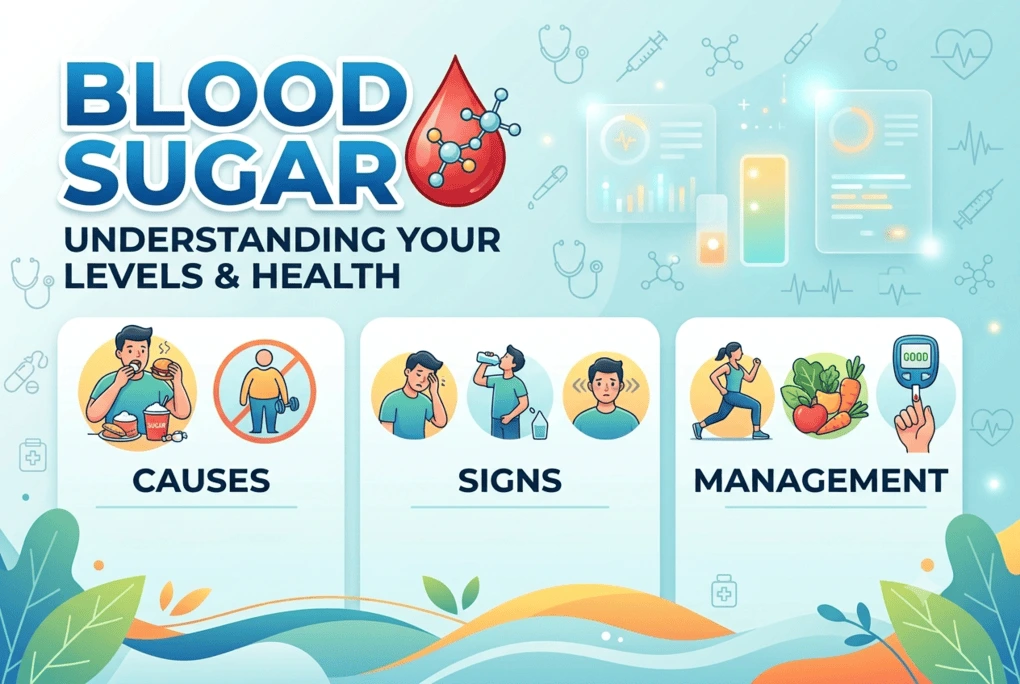
Blood sugar naturally goes up and down throughout the day depending on what you eat, how much you move, and your overall health. Keeping your glucose levels in a healthy range helps your body use energy properly and supports better long-term health. Whether you are living with diabetes, managing prediabetes, or simply trying to stay healthy, knowing how to maintain balanced glucose levels can make a real difference.
What Is Blood Sugar?
Blood sugar, also called blood glucose, is the amount of glucose in your bloodstream. Your body gets this glucose mainly from carbohydrates in food.
Glucose gives your cells energy. Insulin, a hormone made by the pancreas, helps move it into your cells. When this process does not work properly, glucose levels can become too high or too low.
How to Check Blood Glucose at Home
Checking your glucose levels helps you understand how food, exercise, medication, and stress affect your health.
There are two common ways to monitor your glucose.
Use a Blood Glucose Meter
A blood glucose meter, also called a glucometer, measures a small drop of blood. Most people prick the side of a fingertip for the sample.
The device gives a reading within seconds. Many people use it several times a day.
Use a Continuous Glucose Monitor (CGM)
A continuous glucose monitor uses a tiny sensor placed under your skin. It measures glucose levels throughout the day and night.
A CGM shows trends instead of a single reading. However, you may still need a finger-stick test to confirm the results.
Glucose Measurement: When?
The right schedule depends on your health condition and treatment plan. Your doctor will recommend the best routine.
Many people check their blood sugar at these times:
- Before eating breakfast.
- Before meals.
- About two hours after meals.
- Before bedtime.
People using insulin or those with frequent low glucose levels may need extra checks before and after exercise.
Regular monitoring helps you notice patterns and improve glucose control over time.
What Is a Healthy Glucose Range?
A healthy glucose range depends on your health condition. General targets are:
- Fasting glucose: 80–130 mg/dL before meals.
- Post-meal glucose: Less than 180 mg/dL about two hours after eating.
Your healthcare provider may recommend different goals based on your medical needs.
Low Blood Sugar: Causes and Warning Signs
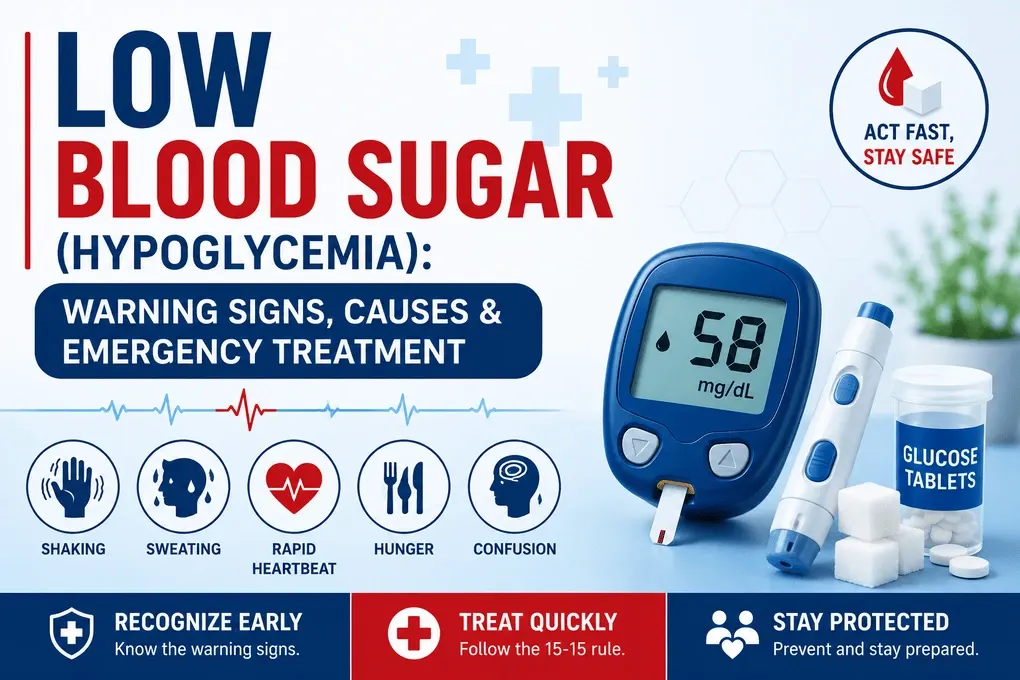
Low blood sugar, also called hypoglycemia, happens when blood glucose falls below 70 mg/dL.
Several things can cause this condition.
- Skipping meals.
- Taking too much insulin.
- Taking certain diabetes medicines.
- Exercising more than usual.
- Drinking alcohol without enough food.
Common Signs of Hypoglycemia
Watch for symptoms such as:
- Shaking.
- Sweating.
- Hunger.
- Dizziness.
- Fast heartbeat.
- Confusion
- Blurred vision.
Treating hypoglycemia quickly helps prevent serious complications.
High Blood Sugar: Causes and Warning Signs
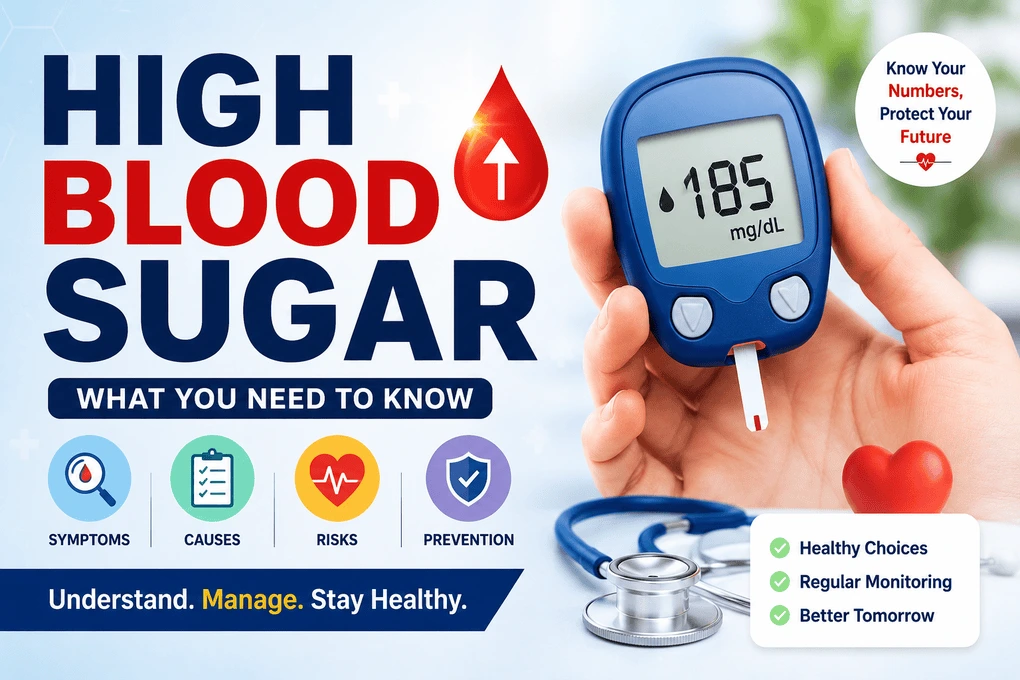
High blood sugar, also known as hyperglycemia, develops when too much glucose builds up in the bloodstream.
Common causes include:
- Illness.
- Stress.
- Eating more carbohydrates than usual.
- Missing diabetes medicine.
- Not enough insulin.
Warning signs may include:
- Increased thirst
- Frequent urination
- Fatigue
- Blurred vision
If your glucose reading reaches 240 mg/dL or higher, your doctor may recommend checking for ketones. High ketones may be a warning sign of diabetic ketoacidosis (DKA). This condition needs immediate medical care. Fortunately, healthy habits can help reduce the risk of both high and low readings.
For a deeper look at high blood sugar, including its causes, symptoms, and ways to manage it, read our complete guide on high blood glucose levels.
How to Manage Blood Glucose Naturally
The following simple daily habits can help maintain healthy glucose levels effectively.
Eat Balanced Meals
Add more fiber-rich foods like vegetables, beans, lentils, and whole grains. Pair carbohydrates with protein or healthy fats to slow glucose increases after meals.
Avoid Skipping Meals
Eating at regular times helps prevent sudden changes in glucose. Additionally, a consistent meal schedule supports better energy.
Stay Active
Walking, cycling, swimming, or other exercises help your body use glucose more efficiently. Even a short walk after meals may improve post-meal glucose.
Drink More Water
Water supports normal body functions and helps prevent dehydration.
Choose water instead of sugary drinks whenever possible.
Maintain a Healthy Weight
Losing excess body weight, if recommended by your doctor, may improve insulin sensitivity and glucose control.
Manage Stress
Stress hormones can increase glucose levels.
Deep breathing, meditation, quality sleep, and regular exercise may help reduce stress. For more natural ways to manage daily stress, explore our guide on Ayurvedic remedies for stress relief and discover simple techniques to support relaxation and overall wellness.
Key point:
- Healthy habits work even better when combined with smart food choices.
How Do Carbohydrates Affect Glucose Levels?
Carbohydrates have the biggest effect on glucose levels.
Foods rich in carbs break down into glucose during digestion. This raises blood glucose levels more than protein or fat.
Healthy carbohydrates include:
- Vegetables.
- Whole grains.
- Beans.
- Lentils.
- Fruits.
Many people with diabetes benefit from counting carbohydrates. Tracking carb intake helps you maintain healthier glucose levels more effectively without giving up nutritious foods.
Simple Tips to Keep Glucose Levels Stable Every Day
Small daily changes often produce lasting results.
These following ways can help control the blood glucose levels:
- Monitor glucose levels regularly.
- Eat meals at consistent times.
- Watch portion sizes.
- Choose foods lower in added sugar.
- Reduce saturated fat.
- Limit salty processed foods.
- Stay physically active.
- Drink enough water.
- Limit alcohol.
- Choose fruit instead of sugary desserts.
Practicing these habits supports healthier glucose control and overall wellness.
When Should You Contact a Doctor?
Seek medical advice if:
- Your glucose readings stay high despite treatment.
- You often experience hypoglycemia.
- Your readings change suddenly without a clear reason.
- You have symptoms of diabetic ketoacidosis, including nausea, vomiting, deep breathing, or confusion.
Regular check-ups help prevent long-term complications.
Frequently Asked Questions
Can healthy people have high blood sugar?
Yes. Illness, stress, or certain medications can temporarily raise glucose levels, even without diabetes.
Can exercise lower blood sugar?
Yes. Physical activity helps muscles use glucose more efficiently. This naturally lowers glucose levels.
Do all carbohydrates raise blood sugar equally?
No. Whole grains, beans, and vegetables usually raise glucose levels more slowly than sugary foods and drinks.
Is checking blood sugar every day necessary?
It depends on your diabetes type, treatment plan, and your healthcare provider’s advice.
Conclusion
Blood sugar is easier to manage when healthy habits become part of your daily routine. Regular monitoring, balanced meals, physical activity, and following your healthcare provider’s advice can help maintain healthy glucose levels and support long-term health.
Disclaimer: This article is for educational purposes only and does not replace professional medical advice. Always consult your healthcare provider for personal recommendations.
Reference:
CDC
——————————–
You may also be interested in:
Natural foods for stress relief
Best 5 foods for gut health
Are grape seeds good for you?
Top vitamins for mental health
Natural remedies for arthritis


One thought on “Blood Sugar: Causes, Symptoms, Healthy Ranges, and Management”
Comments are closed.