Category

Food & Health

Food & Health

Type 2 Diabetes Management Guide: Tips, Treatments & Lifestyle Hacks

Illustration showing tips for managing type 2 diabetes through healthy food, exercise, and medication.

Managing type 2 diabetes may feel tough. But a healthy lifestyle can help.

Learning its symptoms and how to control type 2 diabetes help control blood sugar and prevent complications.

What Is Type 2 Diabetes?

Type 2 diabetes is a long-term condition. It stops the body from using insulin properly. This condition causes sugar buildup in the blood. Thus, high blood sugar levels can harm the heart, kidneys, nerves, and eyes.

According to IDF, diabetes around the world in 2024 reached 589 million adults (20 – 79 years). Over 90% of people with diabetes have type 2 diabetes (approximately 530 million).

Common Risk Factors of Type 2 Diabetes

Risk factors of type 2 diabetes include:

  • Excess body weight.
  • Age over 45.
  • Having family members with diabetes.
  • Lack of physical activity.
  • Some ethnic groups may have a higher genetic risk.

Early detection and lifestyle changes can help manage or even achieve remission of type 2 diabetes.

Symptoms of Type 2 Diabetes

Look out for these common symptoms:

  • feeling very thirsty
  • losing weight
  • feeling tired
  • blurred vision
  • slow-healing cuts or wounds
  • going for urination more than usual
  • acanthosis nigricans (darkened skin patches on the neck or armpits)

Source: NHS; PMC 

How Is Type 2 Diabetes Diagnosed?

Early diagnosis helps manage type 2 diabetes effectively.

According to NIDDK, doctors use several tests to confirm type 2 diabetes.

A1C blood test

  • Measure average amount of sugar (glucose) in the blood over the last 2 – 3 months.
  • Don’t need to fast before the test.
  • A result of 6.5% or higher usually indicates type 2 diabetes.

Fasting blood sugar test

  • Measure glucose after an 8-hour fast.
  • A fasting blood sugar level less than 100 mg/dL is normal.
  • A level of 126 mg/dL or higher indicates diabetes.

Glucose challenge test (GCT)

  • Measure blood sugar 1 hour after drinking a sweet glucose liquid (50 grams).
  • No fasting is required.
  • A result of 140 mg/dL or higher may require further tests (e.g., oral glucose tolerance test).

Oral glucose tolerance test (OGTT)

  • Measure blood glucose after fasting for at least 8 hours.
  • A result of 200 mg/dL or higher indicates diabetes.

Tests may be repeated for accuracy. Consult a healthcare provider for a personalized test and diagnosis.

Potential Complications of Type 2 Diabetes

Type 2 diabetes can lead to serious health issues if not managed properly.

Long-term problems include:

  • Heart disease and stroke due to blood vessel damage.
  • Foot ulcers and infections that may require surgery.
  • Kidney disease from high blood sugar over time.
  • Eye problems include retina damage and blindness.
  • Gum disease.

Regular care helps prevent these complications and supports overall wellness.

How to Manage Type 2 Diabetes

Eating A Balanced Diet

Eating well helps manage type 2 diabetes and supports health.

Low-glycemic foods to control blood sugar include:

  • Most fruits (e.g. avocado, berries, grapefruits), but consume in moderation.
  • Bran breakfast cereals
  • Green vegetables
  • Kidney beans
  • Chickpeas
  • Raw carrots
  • Sweet potatoes
  • Broccoli
  • Spinach
  • Lentils
  • Fatty Fish
  • Lean meats
  • Eggs
  • Oats
  • Quinoa
  • Nuts (almonds, pistachios, walnuts, cashews, etc.)
  • Seeds (chia, sesame, flaxseeds)

These foods are helpful to manage glucose. But eat them in small amounts, and follow doctor’s advice.

Important Notes:

  • Eat 45 – 60 grams carbohydrates (carbs) per meal. Some people may need less than 10 grams.
  • Skip sugary foods and drinks.
  • Avoid processed foods, such as chips and fast food.
  • Build a balanced plate: half vegetables, one-quarter protein, and one-quarter whole grains.

Regular Exercise

Moving the body every day also helps manage type 2 diabetes. It keeps blood sugar steady, boosts energy, and supports overall health.

Best physical activity for diabetes:

  • Daily cardio (30+ minutes): take a walk, ride a bike, swim, or dance.
  • Strength exercises (2 times a week): use body weight, stretchy bands, or small weights to build muscle.
  • Flexibility: try yoga or stretches.
  • Quick movement breaks: take 5-minute movement breaks every hour.
  • Fun activities: play a sport, join a class, or work in garden.

Getting active in ways you enjoy makes managing diabetes easier and keeps you feeling better.

Diabetes Medications and Treatment

Along with healthy eating and exercise, some people need medications to keep type 2 diabetes under control.

Common medicines include:

  • Metformin: tells the liver to make less glucose, and helps the body lower the sugar in your blood.
  • Sulfonylureas: tells the pancreas make more insulin.
  • DPP-4 inhibitors: helps the body keep insulin-triggering hormones working longer, so they only lower the blood sugar when needed.
  • GLP-1 receptor agonists: signals the pancreas to make insulin when blood sugar rises, and supports weight loss.
  • SGLT2 inhibitors: helps the kidneys remove extra sugar through urine and may also lower weight and blood pressure.
  • Insulin: used when other medicines aren’t enough to control blood sugar.

Important Notes:

  • Always follow doctor’s instructions.
  • Report side effects to your doctor.
  • Check blood sugar regularly to adjust doses if needed.

Summary:

Eating healthy, staying active, and taking medications when needed help control type 2 diabetes.

Blood Sugar Control and Complications Prevention

Blood Sugar Monitoring

Keeping an eye on blood sugar levels prevents complications.

Ways to check blood sugar:

  • Fingerstick tests: check before meals and at bedtime.
  • Continuous Glucose Monitoring (CGM): wear a small sensor to track sugar levels all day.
  • A1C Test: get this test every 3 – 6 months to see average blood sugar over time.
  • Keep a record: write down what you eat, how you move, your mood and medicines to share with doctor.

Complications Prevention

Practice these steps to prevent complications of type 2 diabetes:

  • Foot care: check the feet daily for cuts or redness.
  • Eye exams: visit an eye doctor yearly for a retinal check-up.
  • Kidney test: test blood and urine once a year.
  • Blood pressure: keep it below 130/80 mm Hg.
  • Cholesterol: aim for LDL cholesterol under 100 mg/dL.
  • Dental visit: diabetes can affect gums, so see a dentist twice a year.

Summary:

Regular blood sugar checks and simple healthy habits help prevent diabetes complications.

Stress Management for Type 2 Diabetes

Stress has a damaging impact on cortisol levels. This stress hormone can affect blood sugar. So, managing diabetes means caring for both physical and mental health.

Simple ways to reduce stress

  • Breathe slowly and deeply to feel calm.
  • Try meditation or yoga to relax the mind.
  • Write in a diary to understand your feelings.
  • Set small goals that you can reach.
  • Spend time with family, friends or pets.
  • Enjoy hobbies, such as drawing or music.

Community and Professional Support

  • Join a diabetes support group to share experiences.
  • Talk to a counsellor for stress relief.
  • Work with nutritionist for balanced diet.

Summary:

Caring for emotions makes diabetes management easier and more effective.

Natural Foods and Herbs for Diabetes

Certain foods and herbs with anti-diabetic activity may support blood sugar control. But always talk with doctor before trying them.

  • Cinnamon may help lower blood sugar. Try 1–2 grams daily.
  • Fenugreek may improve insulin function. Use soaked seeds or powder.
  • Bitter melon juice could also help reduce blood sugar.
  • Berberine is a plant extract that may help control sugar.
  • Green tea might improve insulin sensitivity.

Healthy Living Tips for Diabetes

Apply these good habits to manage type 2 diabetes. Always check with a doctor before making big changes.

  • Plan meals early and freeze healthy options.
  • Drink enough water to stay hydrated.
  • Stay active: set reminders to move every hour.
  • Sleep routine: go to bed and wake up at the same time.
  • Eat whole foods like grains and low-fat dairy.
  • Use apps to track meals, blood sugar and exercise.
  • Stay connected: talk to family or friends weekly.
  • Pack for trips: bring healthy snacks and medicines when travelling.
  • Prepare for sick days: have a plan and call doctor if needed.

Healthy habits help manage diabetes and improve well-being.

FAQs About Type 2 Diabetes

1. Can I reverse type 2 diabetes?

Yes. With early changes, such as a balanced diet and exercise, some people can reach remission.

2. Can I eat sweets?

Yes. You can enjoy sweets in small amounts and medical advice.

3. Is diet soda safe?

It’s sugar-free but may increase appetite. Thus, water is the best choice.

4. Does smoking affect diabetes?

Yes. It makes insulin less effective. Quitting helps blood sugar control.

5. Can I drink alcohol?

A little (1 drink/day for women, 2 for men) is okay with food, but always monitor blood sugar.

Summary:

You can enjoy life with diabetes; just follow a healthy lifestyle.

How to Track Your Progress

Monitor

  • Check A1C and daily blood sugar levels.
  • Note down the progress.
  • Celebrate small wins with non-food treats (g. walking 10,000 steps, a new book).

Stay Inspired

  • Set one goal (g. try new recipe) each month.
  • Connect with others in diabetes support groups.

Adjust & Reflect

  • Review logs with the healthcare team.
  • Change meals, activities, or medicines if needed.

Summary:

Check blood sugar, celebrate small wins, set goals, and adjust habits with the healthcare team.

Conclusion

Managing type 2 diabetes is about small, steady steps. A good plan includes eating well, staying active, taking medicines, checking blood sugar, handling stress, and preventing problems.

Every choice helps build a healthier you.

Always talk to doctor for personalized treatment plans.


Disclaimer: This information on type 2 diabetes management is for general purposes only and not a substitute for medical advice. Consult a doctor for personalized treatment.
Food & Health

How to Maintain a Healthy Lifestyle: Balanced Diet, Exercise & Wellness Tips

Healthy lifestyle infographic: yoga, balanced diet, exercise, sleep, stress relief, "Eat Well, Thrive!"

How to maintain a healthy lifestyle and balanced diet?

The journey starts with informed daily choices. A healthy lifestyle combines a balanced diet, regular physical activity, stress management, and proper sleep and hydration habits to boost energy, mood, and overall well-being.

What Is a Healthy Lifestyle?

A healthy lifestyle is characterized by continually maintaining specific actions that keep one well and functioning at their best.

Adopting healthy eating, regular exercise, sufficient relaxation, staying hydrated, and caring for one’s mind all strengthen and optimize wellness. Such straightforward routines mitigate chronic diseases like diabetes and heart disease.

This approach falls under lifestyle medicine, where daily choices like diet and activity levels serve to prevent and treat disease. Feeling more energetic, thinking more clearly, and even living a longer life are benefits of adopting a healthy lifestyle.

Benefits of a Healthy Lifestyle

A healthy lifestyle offers numerous benefits:

  • Support heart, brain, and digestive health
  • Help manage weight and blood sugar levels
  • Strengthen immunity
  • Improve mood, sleep, and mental focus
  • Lower risk of chronic diseases

You don’t need to achieve health all at once. It is a long-term journey, and should be approached gradually to form lasting and positive healthy habits for your daily routines.

Healthy Lifestyle Checklist

A daily healthy lifestyle checklist includes:

  • Nutritious food: Eat from a balanced plate.
  • Physical activity: Move your body for at least 30 minutes.
  • Sleep and hydration tips: Establish a healthy routine for 7 to 9 hours of sleep, and drink more water.
  • Reduce stress naturally: Breathe, journal, take breaks.
  • Avoid harmful habits: Quit smoking, limit alcohol and sugar.
  • Active living: Walk, stretch and stand frequently.
  • Meal plan: For at home or dining out.
  • Portion control for weight loss.
  • Track progress with apps or pen and paper.

How to Eat a Balanced Diet

What to Include

Maintaining a balanced diet will ensure that your body gets all the necessary nutrients to help it function properly.

Nourishing the body includes carbohydrates, proteins, fats, fibers, vitamins, and minerals.

A simple way to improve eating habits is using the balanced meal plate.

  • ½ plate: fruits and vegetables
  • ¼ plate: whole grains (carbohydrates)
  • ¼ plate: protein

Add a small portion of healthy fats paired with a dairy or plant-based alternative to complete the meal.

Tips for Planning a Balanced Diet

  • Proteins: eggs, fish, chicken, tofu, legumes, nuts
  • Whole grains: brown rice, oats, quinoa, whole wheat bread
  • Fats: olive oil, avocado, seeds, nuts
  • Fruits & vegetables: colorful variety for antioxidants, fiber, and vitamins
  • Dairy or alternatives: yogurt, milk, fortified plant-based options

Summary:

To get all the essential vitamins, minerals, and antioxidants, eat foods from different categories.

Healthy Eating Tips for Beginners

If you’re just starting out, try these easy steps:

  • Have a healthy breakfast: Try oats with a banana or toast topped with egg.
  • Increase the amount of vegetables in the meals.
  • Opt for fiber-rich foods like brown rice and beans.
  • Drink water instead of soda.
  • Increase cooking at home.
  • Limit alcohol consumption.

These tips for balanced nutrition help improve gut health, metabolism, and emotional well-being.


Meal Planning for a Balanced Diet

A balanced diet is easy to follow with basic planning and good food swaps. Planning meals saves time while promoting a healthy lifestyle. Check out these ideas:

  • Plan meals for the week.
  • Focus on whole foods with your grocery list.
  • Pre-chop vegetables.
  • Prepare large quantities of grains or soups.
  • Make healthy snacks: boiled eggs, yogurt, fruit, nuts, and vegetables.

Healthy balanced diet snacks include:

  • Peanut butter and apple slices
  • Greek yogurt and berries
  • Carrots and hummus
  • Roasted chickpeas

Physical Activity for Better Health

Exercise plays a key role in a healthy life. It aids in weight loss, heart health, good mood and sleep. The WHO suggests doing 150 minutes of moderate exercise per week.

Person practicing wellness with sleep, hydration, and daily movementSimple ways to be more active:

  • Walk on a treadmill or go for a 10–30 minute walk.
  • Keep heart strong with fun physical activity like dancing, biking, or a fast walk.
  • Do strength exercises twice a week to make muscles stronger.
  • Try yoga to stretch your body, feel lighter, and become more flexible.
  • Use things at home for exercise: lift water bottles, or walk up and down the stairs.

Physical activity and balanced diet help boost fitness and overall health.


Sleep and Hydration Tips for Daily Wellness 

Improve Sleep Quality

Healthy habits for better sleep, energy, and stress reliefGetting enough rest helps your body heal and your mind stay sharp. Try these easy tips:

  • Go to bed and wake up at the same time every day.
  • Turn off phones, tablets, and TVs an hour before bed.
  • Make room dark and quiet.
  • Skip coffee, tea, or big meals before sleeping.
  • Read a book or stretch the body to relax.

Sleep affects everything, from immune system to mood and weight. Thus, good sleep should be part of a healthy lifestyle.

Drink More Water

Daily routine showing good hydration, sleep, and fitness goalsWater helps the body work well and stay in balance. It can:

  • Make digestion easier.
  • Boost energy and keep skin healthy.
  • Reduce food intake by making you feel full.

Tips to stay hydrated:

  • Aim for 6 to 8 glasses of water each day.
  • Add lemon, mint, or cucumber for a tasty twist.
  • Try to skip sugary drinks like soda or sweet juices.


Limit Alcohol

New report revealed on European Brain Council stated that drinking less alcohol leads to better physical and mental health.

Balanced life with water, sleep, exercise, and limited alcoholIt can:

  • Keep brain healthy
  • Support a strong heart
  • Help with managing weight
  • Lower the risk of liver problems and cancer
  • Improve sleep
  • Protect reproductive health
  • Reduce the chance of addiction
  • Boost mood and clear thinking
  • Increase longevity

Even small reductions in consumption can have significant positive effects, contributing to an overall better quality of life.

To stay healthy, try to limit alcohol to 1–2 drinks a day.


Stress Management

Natural Stress Management Techniques

Stress relief, fitness, and clean habits for better livingToo much stress over time can quietly harm the body, mind, and happiness. Managing it naturally helps you feel better and stay healthy long term.

Easy ways to lower stress:

  • Try deep breathing (inhale for 4 seconds, exhale for 6 seconds)
  • Walk outside or around home.
  • Write in a gratitude or reflection journal.
  • Practice meditation or gentle yoga.
  • Talk to someone you care about.
  • Listen to calming music.

Support Stress Relief with Food

What you eat also affects how you handle stress (Source). Some foods support stress management by calming the nervous system.

Try adding these to regular meals:

  • Foods with magnesium like spinach and nuts.
  • Omega-3 rich foods such as salmon or flaxseeds.
  • Herbal teas including chamomile or peppermint.


Avoid Harmful Habits

Healthy living means cutting down on things that hurt the body:

  • Quit smoking. It lowers the risk of cancer and heart problems.
  • Eat fewer processed foods. Try to reduce salt, sugar, and unhealthy fats.
  • Cut back on sugary treats. Choose fresh fruit or plain yogurt instead.
  • Skip extreme diets. But focus on balance, not strict rules.
  • Move more during the day. Don’t sit too long; take breaks to stretch or walk.

Tips for Eating Out & Emotional Eating

An individual can still eat out and stay healthy. Try these simple tips:

  • Pick grilled foods instead of fried.
  • Skip sugary drinks like soda.
  • Ask for sauces and dressings on the side.
  • Eat smaller portions to help with weight control.

If you eat when you’re feeling emotional:

  • Write down what you eat and how you feel.
  • Find comfort in hobbies, music, or light activity.
  • Pause and check in with yourself before eating.

Simple Diet Tips for Health & Weight Loss

You don’t need a strict diet, just aim for:

  • Eating a mix of fresh, whole foods.
  • Controlling portion sizes.

Easy meal planning ideas for weight loss

  • Build meals with protein, fiber, and healthy fats.
  • Try a few plant-based dishes each week for variety and balance.


FAQs About Healthy Living

What are the mental health benefits of a balanced diet?

  • It supports brain function, reduces anxiety, and boosts mood naturally.

What is a nutritional habit?

  • A way of eating that includes all food groups in proper amounts—grains, proteins, fruits, vegetables, healthy fats, and dairy.

How to eat a healthy meal daily?

  • Use the meal plate method, eat fresh and whole foods, and drink enough water.

Which dairy alternatives work well in a whole food diet?

  • Almond milk, oat milk, soy milk, and coconut yogurt with added calcium and B12.

What is lifestyle medicine?

  • A science-based approach where healthy habits like eating right, moving more, and sleeping well help prevent or treat health issues.

What are gut-friendly foods?

  • Yogurt, kefir, whole grains, bananas, and fiber-rich vegetables.


Conclusion: Start Your Healthy Lifestyle Today

Adopting a healthy lifestyle is a process. With the proper focus, it can yield positive results. Focus on balanced eating, fitness, and simple sleep and hydration tips to improve daily health.

Start small with these tips—eat well, move more, and rest deeply—to enjoy better health and happiness. By following these tips, anyone can enjoy the long-term benefits of a healthy lifestyle.


More references:

Alcohol’s effects on health

Food & Health

Bleeding Gums: Causes, Treatments, and Prevention

Are Bleeding Gums Serious

Bleeding gums can worry anyone. This often means there is gum inflammation, also known as gingivitis. If left unchecked, it can progress into serious gum disease like periodontitis. Early care at home and professional treatment both play key roles in stopping gums from bleeding. Along the way, good oral hygiene and proper nutrition protect your happy smile.

In this article, you will learn what causes bleeding gums, how to treat them at home, when to see a dentist, and how to prevent future problems.

What Are Bleeding Gums?

Bleeding gums mean your gums bleed easily, usually while brushing, flossing or eating. It usually happens when the gums are weak, swollen, or not healthy. This may indicate gum irritation, inflammation, or early sign of gum problems.

What Causes Bleeding Gums?

Poor oral hygiene causes plaque buildup. For example, dental plaque causes bleeding gums when you skip brushing. Consequently, bacteria collect along the gum line. As a result, it leads to gum inflammation or gingivitis (inflammation of the gums).

According to PubMed, brushing too vigorously can also injure gum tissue.

Gum disease symptoms (red, swollen, or tender gums) also cause bleeding gums. Furthermore, if you do not treat gingivitis, it can progress into periodontitis.

Other medical conditions can lead to hemorrhaging gums. For instance, diabetes reduces blood flow to gums and impairs healing. Likewise, a vitamin C or vitamin K deficiency weakens blood vessels. Therefore, gums bleed more easily.

Additionally, clotting problems (e.g., platelet disorders) can trigger gum bleeding, as noted by NIH.

Certain medications such as blood thinners increase bleeding risk. Consequently, you may see bleeding gums when brushing.

Smoking and tobacco use worsen gum health. Tobacco use lowers blood flow in gum tissue. Therefore, gums do not heal well. Hence, quitting smoking can improve your overall gum health.

Hormonal changes can also cause gum bleeding. For example, during pregnancy, rising hormones can lead to swollen gums and easy bleeding.

Similarly, puberty can trigger gum changes. Likewise, menopause can reduce bone density in the jaw. As a result, women may notice more gum bleeding at these stages.

Sometimes, leukemia relate to bleeding gums.

Other causes include:

  • Stress
  • HIV/AIDS
  • Oral herpes
  • Hemophilia
  • Thrombocytopenia
  • Pernicious anemia
  • Von Willebrand disease

Symptoms and Diagnosis

 Bleeding gums often show these gum disease symptoms:

  • Gums that look red or swollen.
  • Bleeding when you brush or floss.
  • Persistent gum infection or soreness.
  • Bad breath or a bad taste in your mouth.
  • Receding gums or loose teeth in advanced cases.

If you notice these signs for more than two weeks, see a dentist.

Dentists will check pocket depth around teeth. Pockets deeper than 3 mm often signal periodontitis.

They also take X-rays to check bone loss. Early diagnosis can halt gum disease progression.

Moreover, NHS advises you to visit dentist regularly for checkups. In addition, NHS reminds you to brush twice a day and clean between your teeth.

Home Care and Natural Treatments to Stop Bleeding Gums

 You can find proven home treatments in our previous article, “7 Home Remedies for Bleeding Gums: Science-Based Natural Tips That Work”.

The post covers methods like saltwater mouth rinse, oil pulling, turmeric paste, aloe vera gel, and more. It also explains how to use gentle brushing and dental flossing correctly for gingivitis treatment.

If you need step-by-step guidance on home remedies for gum bleeding, visit above link.

Here, we focus on overall care, prevention, and when to seek professional help.

Professional Treatments for Gum Disease

 In some cases, dentists may consult these treatments for gum disease.

Antibiotic Therapy

  • Dentists may apply antibiotic gels directly into gum pockets.
  • They may also prescribe oral antibiotics to reduce bacteria.

This cure is used for mild to moderate gum infections, often as a first step or alongside cleaning.

Scaling and Root Planing (Deep Cleaning)

This treatment is often used when gums are red, swollen, or bleed easily. These symptoms may be signs of gingivitis or early periodontitis (gum) disease.

Cleaning tools used for tooth surfaceScaling is a deep cleaning that removes hardened plaque (called tartar) from above and below the gum line.

Root planing smooths the surface of the tooth roots. This method helps the gums stick back to the teeth and heal properly.

Both treatments reduce infection, shrink gum pockets, and prevent the disease from getting worse.

Gum Surgery

This method is used in advanced periodontitis when deep infection and tissue damage occur.

Two common types of gum surgery include:

Surgical flap lifted to access rootFlap Surgery (Traditional Gum Surgery)

A dentist makes small cuts in the gums to lift back the tissue. This step allows deep cleaning of the roots and removal of hardened plaque and bacteria.

After cleaning, the gums are stitched back in place to heal tightly around the teeth.

Laser Periodontal Surgery

Laser used for gentle gum careA less invasive option where a dental laser removes diseased tissue and bacteria without cutting. This method reduces pain, bleeding, and healing time.

Both surgeries help shrink deep pockets, reattach healthy gums, and prevent tooth loss.

Bone and Tissue Grafts

This approach is used in severe gum disease when the gums or bone around the teeth are badly damaged.

Bone Grafts

Reinforcing jaw with bone transplantA bone graft adds new bone to parts of your jaw where bone has been lost due to gum disease.

The dentist inserts small pieces of bone (from your body, a donor, or synthetic material) into the damaged area. Over time, your body grows new bone around it. This makes the jaw stronger and helps keep your teeth firm and in place.

Tissue Grafts

Tissue patch applied in mouthA tissue graft replaces or rebuilds gum tissue that has pulled away from the teeth (called gum recession).

The dentist takes a small piece of healthy gum tissue, usually from the roof of your mouth, and places it where it’s needed. This helps cover exposed roots, protect your teeth, and make your gums look healthier.

Important Notes

Always inform your dentist about your full medical history, including any clotting problems.

If you have diabetes, your dentist will coordinate care plan with your physician. If you’re taking blood-thinning medications, they’ll work with your doctor before treatment.


How to Keep Your Gums Healthy

It’s much easier to prevent gum disease than to treat it once it gets worse. Follow these oral hygiene tips for gum disease prevention.

Brush Twice a Day

Use a soft toothbrush and brush gently in small circles.

Hold your brush at a 45-degree angle to clean along the gum line without hurting your gums.

Clean Between Your Teeth

Floss once every day to remove plaque stuck between your teeth. If you have bigger gaps, try interdental brushes or water flossers to clean better.

Use an Antiseptic Mouthwash

Rinse your mouth daily with a mouthwash that kills bacteria. This helps stop plaque buildup and keeps your gums healthy.

Replace Your Toothbrush Regularly

Change your toothbrush every three months or sooner if you’ve been sick. Old brushes don’t clean well and may carry germs.

Visit Your Dentist

Go for regular checkups and cleanings at least twice a year. Dentists can see early signs of gum problems and help prevent serious issues.

Monitor your gums closely

Watch your gums for swelling, pulling back (receding), or bleeding that happens often. If you notice these signs, improve your oral care and see a dentist.


Nutrition and Lifestyle Tips for Healthy Gums

Good diet and habits are important to gum health.

Do regular exercise

Exercise improves blood flow, bringing nutrients and oxygen to your gums. This helps keep gums and teeth healthy.

Hydration

Drinking enough water washes away food particles and bacteria. Water helps produce saliva. Saliva protects the gums from harmful acids and infections.

Add omega-3 fatty acids to your diet

Foods such as salmon, flaxseeds, and walnuts reduce gum inflammation and support healing.

A study showed omega-3s lower gum inflammation. Thus, include these foods regularly.

Eat foods rich in vitamin K

Vitamin K helps your blood clot properly, which can prevent gum bleeding. Eating kale, spinach, and broccoli daily benefits your gum health.

Include plenty of vitamin C

Vitamin C is essential for healing gum tissue. Oranges, strawberries, and bell peppers are great sources of vitamin C. 

Avoid tobacco and excessive alcohol

These habits weaken your gums and increase the risk of gum disease. Quitting them will benefits gum health.

Conclusion

You should always observe the symptoms of bleeding gums. They may be an early sign of gum disease such as gingivitis or even periodontitis.

With proper oral hygiene tips, early care, and professional treatment, you can stop gum bleeding and protect your smile. Whether it’s through daily brushing, flossing, lifestyle changes, or dental visits, taking action can help you prevent gum disease. Prioritize your gum health now to avoid pain, tooth loss, and further complications.

You may also explore: Boost Metabolism and Engergy Naturally

Frequently Asked Questions

How to stop bleeding gums?

Learn simple daily habits like gentle brushing, flossing, and saltwater rinses. If bleeding persists, see a dentist. They can check for gum disease or periodontitis.

Why do my gums bleed when I brush?

Bleeding can come from brushing too hard or early gum disease (gingivitis). Other health issues may also cause bleeding gums.

Can bleeding gums heal on their own?

Mild gum inflammation from poor hygiene can heal at home. Follow oral hygiene tips and use natural remedies. But persistent bleeding may signal gingivitis or gum infection. Therefore, professional treatment is necessary.

When should I see a dentist for bleeding gums?

If your gums bleed for more than two weeks, even after improving your brushing and flossing habits, it’s time to see a dentist. 

Ongoing bleeding may signal gingivitis, gum infection, or even periodontitis. Early dental care can stop the problem before it gets worse.

What are gum disease symptoms?

Red, swollen, or bleeding gums, bad breath, and loose teeth are common symptoms. Advanced disease can cause gum recession and bone loss.

Are there home remedies for gum bleeding?

Yes, natural treatments like oil pulling and turmeric can help. See our detailed guide for safe home remedies.


References:

  1. Gum health
  2. HIV and oral health
  3. Gum health and stress relationship
Food & Health

7 Home Remedies for Bleeding Gums: Science-Based & Natural Tips That Work

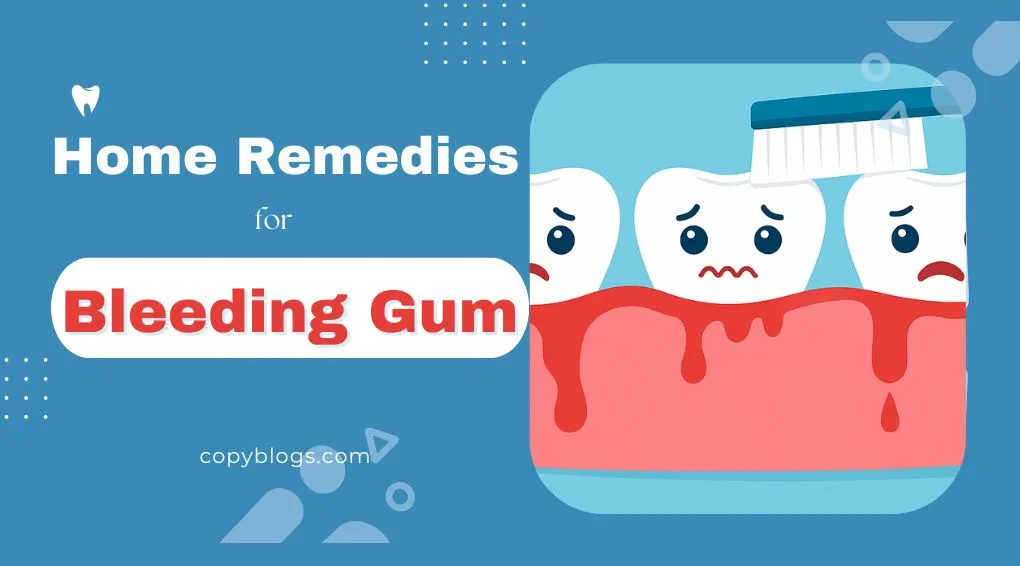
Illustration of bleeding gums with sad teeth and toothbrush – home remedies for bleeding gums concept.

Home remedies for bleeding gums help soothe discomfort and support gum health. They also prevent more serious dental issues. Poor oral hygiene, gum disease, or deficiencies can lead to bleeding gums. But the right cure helps restore a healthy smile.

Below are 7 best natural gum treatments that help stop gums from bleeding. Let’s start learning how to fix bleeding gums with verified cures.

Quick Relief Remedies for Bleeding Gums

1. Use Gauze to Stop Immediate Bleeding

One of the simplest remedies for bleeding gums is gauze. A gentle pressure with gauze helps blood clot and stops bleeding quickly. This basic first-aid helps stop the bleeding.

Gauze is an effective cure for bleeding gums. It’s used in clinical and dental settings for its reliability.

This natural gum treatment is also recommended by health professionals for minor oral injuries.

Clean gauze pad pressed on bleeding gum areaHow to fix bleeding gums with gauze:

  • Take a clean, damp piece of gauze.
  • Gently press it against the bleeding area.
  • Hold it for a few minutes until the bleeding stops.
  • Always use sterile gauzes to prevent infection.

Important Notes:

  • Consult a dentist in these conditions:
    • Bleeding continues in several minutes; or
    • You have a weakened immune system.
  • Excessive or recurring bleeding may indicate a serious underlying issue.


2. Cold Compress (Ice Pack)

Cold temperatures tighten blood vessels. The remedy reduces blood flow and bleeding. It also helps ease swelling and pain in inflamed gums. Dental professionals recommend them for managing gingivitis symptoms.

Cold compresses help soothe minor oral injuries and gum discomfort from gingivitis. They give quick relief by calming inflammation. So, it is an effective treatments for bleeding gums .

Besides, the method is helpful for post-dental procedures or injuries.

Ice pack wrapped in cloth for swollen gum reliefHow to approach this cure for bleeding gums:

  • Take a small ice pack, cool compress, or ice cube.
  • Wrap it in a clean cloth.
  • Hold against the bleeding spot for 10 minutes.
  • Take a 10-minute break.
  • Repeat as needed.

Precautions:

  • If bleeding continues despite using a cold compress, contact your healthcare provider.
  • Moreover, avoid direct ice contact to prevent tissue damage.


Soothing Home Remedies for Bleeding Gums

3. Warm Saltwater Rinse

Saltwater has natural antibacterial properties. Warm saltwater soothes gums and helps healing. So, it stops the bleeding quickly.

Saltwater rinses are a common home remedy for oral health. This natural gum treatment helps reduce bacteria and ease inflammation. It also speeds up the healing process. Hence, this method is beneficial for bleeding gums.

A journal article confirmed saltwater rinses as effective treatment for bleeding gums. Additionally, these rinses can also soothe sore throats. So we can apply this remedy for bleeding gums.

Sea salt rinse in a glass for daily gum cleansingHow to fix bleeding gums by warm saltwater:

  • Dissolve ½ teaspoon of salt in a cup of warm water.
  • Rinse the mixture in your mouth for 30 seconds to 1 minute.
  • Spit it out.
  • Repeat several times a day, or as advised by your dentist.

Precautions:

  • Use warm water to avoid burning your mouth.
  • If you have open sores or wounds, consult your dentist first.

You can also use sea saltwater to rinse your mouth to stop bleeding gums.


4. Turmeric Paste: Stop Gums from Bleeding

Turmeric contains curcumin. The compound has antibacterial properties. It helps reduce swelling, gum inflammation and fight bacteria in mouth.

Traditional medicine has used turmeric for its healing properties. While not a cure for gum disease, it helps soothe inflamed gums. Thus, it offers a natural way for gum bleeding cure.

A study found curcumin gel is as effective as chlorhexidine with 10-minute use twice daily. Another study also confirmed that turmeric strengthens gums and teeth.

Homemade turmeric paste applied to gums for soothing effectHow to apply:

  • Mix a small amount of turmeric powder with water to form a paste.
  • Apply it directly to the gums.
  • Leave on for 10 minutes.
  • Rinse thoroughly to prevent staining teeth.
  • Use twice daily.

Precautions:

  • Turmeric may stain teeth if not rinsed properly.
  • Avoid if allergic to turmeric.


Herbal Oils and Natural Gum Treatments

5. Coconut Oil or Sesame Oil Pulling

Oil pulling therapy (OPT) has been applied for years in natural medicine. This natural treatment helps prevent tooth decay and bleeding gums. It also strengthens teeth and gums.

Oil pulling involves moving the oil around your mouth to remove bacteria and plaque. Coconut and sesame oils, known for their antimicrobial properties, may improve gum health. These oils are used in Ayurvedic medicine for this purpose.

Some studies also suggest that oil pulling may reduce plaque and gingivitis.

Spoon of coconut oil for daily oil pulling routineHow to apply these bleeding gums remedies:

  • Take a tablespoon of coconut or sesame oil.
  • Rinse your mouth for 5 to 10 minutes.
  • Spit it out and rinse again with warm water.
  • Repeat daily for a week or more.

Precautions:

  • Do not swallow the oil, as it may contain toxins from your mouth.
  • Oil pulling is time-consuming and should not replace brushing or flossing.


6. Clove Oil

Clove oil contains eugenol, a natural pain-relief compound. It helps eliminate bacteria and numb the area, reducing pain and inflammation.

The oil has been used in dentistry for centuries because it helps fight oral bacteria and relieve pain. It also prevents toothaches and cavity, making it a resourceful gum bleeding cure.

Specific studies focusing solely on clove oil’s effects on bleeding gums are limited. However, some research suggest that essential oil-based mouth rinses, including clove oil, may reduce gingival bleeding.

Clove oil bottle with whole cloves for oral careHow to apply:

  • Dilute 1-2 drops of clove oil in 1 teaspoon of carrier oil (such as olive, coconut, or almond).
  • Using a cotton swab, apply it to the affected gums.
  • Use twice daily until improvement is noticed.

Precautions:

  • Avoid if you have an allergy to cloves or a natural pain-relief compound.
  • Always dilute clove oil to prevent irritation, as it is strong.
  • Do not swallow it.
  • Overuse may lead to gum irritation or burning sensation.
  • If you are pregnant, breastfeeding, or have a bleeding disorder, consult your doctor first.
  • Children should avoid it.


7. Tea Tree Oil: Natural Treatment for Bleeding Gums 

Tea tree oil helps kill germs and reduce gum inflammation.

Its antimicrobial action makes it a popular remedy for oral health, especially for reducing plaque and gingivitis. Derived from the Melaleuca alternifolia tree, tea tree oil has been used for centuries for its medicinal benefits.

Tea tree oil remedy applied to gums for irritation reliefHow to apply:

  • Dilute 2-3 drops of tea tree oil in 1 teaspoon of carrier oil (such as olive or coconut).
  • Apply the mixture to the gums with a cotton swab. You can also mix it into mouthwash.
  • Use twice daily.

Important Notes:

  • Dilute tea tree oil to prevent irritation.
  • Do not swallow it.
  • Discontinue if any side effects occur.
  • It’s not recommended for children.

Summary:

  • Sterile gauze helps stop gum bleeding, while cold compresses reduce swelling and pain.
  • Other remedies, such as saltwater rinses, turmeric paste, oil pulling, and tea tree oil, help fight bacteria and promote healing.


When to See a Dentist

Home remedies for bleeding gums provide relief, but they do not replace professional dental care.

See a dentist immediately if:

  • Bleeding continues despite these remedies.
  • You experience symptoms: bad breath, receding gums, or severe pain. These signs may indicate advanced gum disease (periodontitis) or other serious conditions.
  • You have health conditions like diabetes or take medications that affect oral health.


Prevention Tips for Healthy Gums

Preventing bleeding gums requires consistent oral hygiene and healthy habits. Keep your gums strong with these simple practices:

  • Brush twice a day with a soft-bristled toothbrush and fluoride toothpaste.
  • Floss every day to remove plaque and food between teeth, but avoid hurting your gums.
  • Clean your tongue to reduce bacteria buildup and retain good breath.
  • Use alcohol-free mouthwash to soothe gums.
  • Eat a balanced diet with leafy greens, crunchy vegetables, and vitamin-rich foods.
  • Drink enough water to flush bacteria and support saliva production.
  • Avoid smoking to lower the risk of gum disease.
  • Limit sugar and processed foods to prevent plaque buildup and tooth decay.
  • Regular visit a dentist for check-ups and cleanings.

Consistency is key. By following these practices regularly, you can prevent bleeding gums and maintain a healthy smile.

Conclusion

Gum bleeding may be irritating. Home remedies for bleeding gums can help manage it. While these treatments offer natural relief, regular dental check-ups remain essential for gum health. Maintain good oral hygiene to protect your gums and keep your smile healthy.

Food & Health

Natural Metabolism Booster: Science-Backed Foods, Supplements, and Lifestyle for Energy and Weight Loss

A variety of natural metabolism-boosting foods including green tea, chili peppers, lemon water, and fresh herbs, on a wooden table.

In an era of instant cures and chemical remedies that dominate the wellness landscape, it’s reassuring to find science-driven methods for maximizing your body’s metabolism.

From what we eat to what we do, our daily lifestyle plays a role in our healthy metabolic rate.

With natural metabolism booster at the forefront, you can reveal a long-term path to energy, vitality, and wellness without going the chemical remedy route.


What is metabolism?

Metabolism converts food and drink into energy for breathing, movement, and repair. It is dependent upon homeostasis to maintain body’s functions in equilibrium.

Basal Metabolic Rate (BMR) refers to calories burned at rest. This rate bases on age, muscle, genes, and physical activity.

For example, 1 kg of muscle burns ~13 kcal/day and fat ~4.5 kcal (TrustedSource)

Natural metabolism help boost energy consumption, aiding in weight management and energy. Let’s discuss the foods to increase metabolism and efficient ways.


Natural metabolism boosters with foods

Some foods increase metabolism because of the Thermic Effect of Food (TEF). It is the energy required to digest and metabolize nutrients. 

The following are eight science-backed choices in natural metabolism boosters.


1. High-protein foods: natural metabolism boosters for long-term energy

Diagram explaining how protein, carbs, and fats affect TEF in metabolism

Protein boosts metabolism for hours due to its TEF.

It can oxidize 20-30% of calories during digestion whereas carbs burn 5-10% and fats burn 0-3%.

Protein-rich foods (chicken, tofu, Greek yogurt, and nuts) maintain muscle and curb overeating.

Study found that high-protein diets enhance energy expenditure by ~100 kcal/day. 

Quick tip

  • Eat two eggs (12g protein) with spinach for breakfast.
  • Have whey protein and almond smoothie post-workout.
  • Serve with mint tea to digest.


2. Green tea: refreshing way to boost metabolism naturally

Catechins, especially epigallocatechin gallate (EGCG), and caffeine in green tea increase fat oxidation and thermogenesis.

Green tea rises energy expenditure by 4% (approx. 80 kcal/day on a 2,000-kcal diet) and enhances fat oxidation by 17% (2010 meta-analysis). It also enhances insulin sensitivity and cholesterol. (Source)

For best results, drink 2–3 cups of unsweetened tea daily (250–750 mg EGCG) to boost metabolism naturally. Also, use loose-leaf green tea for its highest concentration.

Yet, excessive intake can put pressure on the liver or the stomach. So, consume moderate amount.


3. Chili peppers (capsaicin): spicy foods to increase metabolism

Another natural metabolism booster can’t ignore this fruit.

Capsaicin, the spicy compound found in chili peppers, enhances thermogenesis. It has the ability to burn ~50 kcal/day at 2–6 mg doses. (Source)

In addition, it reduces appetite and increases fat oxidation, then boosts metabolism naturally.


How to incorporate capsaicin into your diet

  • Use 1 tsp of chili flakes in meals for a metabolic boost; however,
  • Spice-sensitive individuals should begin with a smaller amount to prevent irritation; and
  • Avoid chili flakes if you have ulcers, GERD, or digestive issues, unless you consult a doctor; and
  • Store fresh chili flakes under proper conditions to preserve strength and avoid contamination.


4. Coffee: a daily drink to boost metabolism naturally

Caffeine stimulates the central nervous system, rising metabolic rate by 3–11% for up to 3 hours

Certain compounds in coffee aid fat burning. Thus, it becomes top foods to increase metabolism naturally.

Its effects but differ according to weight, age and sensitivity to caffeine.


Points to note

  • Have black coffee or with least sugar for best results.
  • Restrict the dose of caffeine to 400 mg/day to prevent side effects.
  • Excessive consumption can lead to anxiety, insomnia, or palpitations.
  • Consult your doctor first if you have heart or anxiety issues.


5. Legumes and pulses: nutrient-dense foods to increase metabolism

Legumes, lentils, peanuts and chickpeas are rich in protein, fiber, and resistant starch. Those nutrients support gut health and increase TEF.

Fiber also helps increase satiety, aiding weight control. (Source)

A 2020 study found that pulses enhance metabolic markers, including insulin sensitivity. You can include those foods to boost metabolism naturally.

But if quick introduction, resistant starch and high fiber can result in bloating. Regulate intake and drink plenty of fluids to prevent discomfort.

Legume advantage also relies on preparation and individual tolerance.


Quick tip

  • Eat a lentil salad with vegetables for lunch. Complement it with detox foods for extra benefits.
  • Make your meal according to particular health requirements.


6. Mineral-dense foods: necessary elements for a natural metabolism booster

Iron and selenium are important nutrients to support metabolism and thyroid health. Research indicates that lack of either slows down metabolism.

To increase consumption, consider incorporating food such as:

  • Sources of iron-rich foods: lean meats, spinach, lentils, and iron-fortified cereals.
    • Combine plant sources of iron with vitamin C for improved absorption.
  • Sources of selenium: Brazil nuts (1–2 nuts provide daily intake), seafood, eggs, and whole grains.

Consult doctor for nutrient adjustments based on health, age, and gender.


7. Water: the easiest method to boost metabolism naturally

Drinking water increases metabolism by 24–30% for up to 60 minutes thanks to the thermic effect.

But its effect varies based on body weight and hydration levels.


8. Seaweed: nutrient-dense foods to increase metabolism

It is a natural metabolism booster because seaweed is high in iodine. The substance is essential for thyroid function and hormone regulation.

Besides, fucoxanthin in brown seaweed can also improve lipid metabolism.

Daily consumption of seaweed sustains iodine and metabolic status.

Yet, thyroid patients or those iodine-sensitive individuals should first talk with their doctors.

Top metabolism boosters in diet

Summary

Protein, green tea, chili peppers, coffee, legumes, minerals, water, and seaweed boost metabolism naturally through TEF, fat oxidation, and hormonal control.

Add these metabolism-boosting foods to your diet today for health benefits!


Metabolism-boosting supplements

Supplements can increase metabolism. Yet, a medical advice is required.

1. Green tea extract: natural metabolism booster supplement for fat burning

High in EGCG, green tea extract helps increase fat burning by 17% within 24 hours. Doses of 270–540 mg/day are effective. Contrarily, dosages over 800 mg can damage the liver.

Choose a trusted brand with 250–500 mg of EGCG per capsule. Additionally, take it with breakfast to prevent stomach discomfort.


2. Berberine: an effective metabolism-boosting supplement

Berberine activates AMPK (AMP-activated protein kinase). It’s a key enzyme regulating metabolism and preserving insulin sensitivity.

A 2020 meta-analysis found that 500–1,500 mg daily lowered fasting glucose by 0.87 mmol/L and triglycerides by 0.24 mmol/L.

Take 500 mg with each meal, twice daily, alongside a high-fiber diet to support gut health. Be aware that high doses may cause diarrhea.


3. Capsaicin supplements: the spicy key to increase metabolism

Capsaicin (a 2–6 mg/day dose) helps enhance thermogenesis and fat oxidation. Doses of more than 10 mg, on the other hand, may cause gastrointestinal discomfort.

Take 2 mg per day with meals, and watch symptoms of gastrointestinal upset.


4. Caffeine supplements: a second supplement to boost metabolism naturally

100–200 mg caffeine tablets may increase metabolic rate by 5–10% for up to 3 hours. A tolerance will develop with long-term use and its effects also declines.


Notes

  • Take most 100 mg/day (about one cup of coffee).
  • Avoid taking in the evening to cut the risk of insomnia and palpitations.

Top 4 natural metabolism-boosting supplements and daily dosages

Summary

Always consult a qualified doctor and follow doses when using metabolism-boosting supplements.


Lifestyle habits to enhance metabolism

A healthy lifestyle is essential to maintaining long-term metabolic well-being.

Below are five evidence-based habits to support metabolism.

1. Hydration

Hydration supporting metabolism and energy balanceStudies shows that 500 ml of water increases energy expenditure by 20–30% for 90 minutes. And this is one of the most important lifestyle habits for metabolism.

Furthermore, substituting water for sweetened beverages reduces calorie consumption and improves health.


Tip

  • Drink 2–3 liters of fluid daily.
  • Add lemon or mint for flavor and digestive benefits. 


2. Proper sleep: metabolism booster

Quality sleep supporting metabolic health and hormone balanceSleeping is also vital in metabolism. Lack of sleep can raise hunger hormones and reduces energy expenditure by ~100 kcal/day.

It’s important to achieve 7–9 hours of quality sleep each night for balanced metabolism.

Improve your sleep quality by:

  • No screens 1 hour before bedtime;
  • Soft lights;
  • Experiment with herbal teas such as mint for relaxation


3. Stress Management

Reducing stress to balance hormones and improve metabolismChronic stress may raise cortisol, which contributes to visceral fat storage.

Fortunately, yoga helps reduce cortisol by ~15%, as per research

Meditation and deep breathing also boost metabolism naturally.

Practice 10-minute guided meditation or yoga poses daily for relaxation.

Along with stress control, you can combine some natural detox foods. 


4. High-intensity interval training (HIIT): metabolic rate-boosting exercise


High-intensity interval training (HIIT) for boosting metabolism and burning fat


HIIT alternates between intense exercise and short recovery period. Thus, it elevates metabolic rate by 5–15% for hours post-workout.

It also enhances insulin sensitivity by 20–30%, aiding blood sugar control.

A 20-minute workout can be very effective.

You can try following exercise 3 times a week to gain strength, endurance, and energy.

  • 30s jumping jacks, 30s rest (5 rounds);
  • 10 push-ups, 10 squats (3 rounds).


5. Strength training: a metabolism-boosting lifestyle

Strength training boosts metabolism and builds muscleBuilding muscle is a good lifestyle habit for boosting metabolism. Muscle burns ~13 kcal/kg/day at rest, whereas fat only ~4.5 kcal.

Practise 2–3 times weekly aids basal metabolic rate (BMR) and body composition.

Best metabolism-boosting exercises

  • Squats & deadlifts – Activate many muscles to have most impact.
  • Squats (3 sets of 12) & dumbbell rows (3 sets of 10)
    • Excellent starting point before going on to heavier weights.


Summary

Regular HIIT, strength training, sleep, hydration, and stress control optimize metabolism by increasing fat burning, energy, and hormone balance.


How elderberry juice increases metabolism

New science showed that elderberry juice might help support metabolism.


Elderberry juice supports metabolism and immunityA 2024 study by Washington State University discovered that 12 oz once a day for a week resulted in:

  • 24% lower blood glucose
  • Better gut microbiota
  • Greater fat oxidation


Rich in anthocyanins (720 mg/355 g), elderberry juice reduces inflammation and regulate blood sugar.

Though the result is promising, more trials needed.


Quick tip

  • Take 12 oz of unsweetened elderberry juice in the morning or blend it with sparkling water.
  • Use high-quality brands to maximize anthocyanin content.


 Natural metabolism boosters for over 40

Metabolism decreases by 1–2% per decade after 30 due to muscle loss and hormonal changes.

To meet this, you may use these methods

  • Strength training: 2–3 times weekly (lunges, resistance bands) to maintain muscle mass.
  • Berberine: Maintains insulin regulation, and assists in metabolism.
  • Protein: Take 20–30g/meal (grilled salmon, quinoa) to maintain muscle.

This infographic shows a sample daily meal plan to support natural metabolism through high-protein foods, balanced calories, and healthy habits.

Infographic of daily metabolism-boosting meal plan with meals, protein, and calories

Visual daily meal plan to support metabolism naturally, featuring protein-rich foods and calorie counts


Quick Tip

For a metabolism-friendly dinner, enjoy baked salmon (25g protein) with lentils and mint water.


Conclusion

Metabolism boost involves calorie burning and optimizing your body’s capacity to function efficiently.

With proven lifestyle changes, natural metabolism boosters and supplements, you can enhance your body’s function.

Take hold of these methods for an energetic, balanced, and naturally flourishing you!


FAQs

What foods increase metabolism most quickly?

Protein burns 20–30% of its calories, whereas chili peppers and green tea rapidly increase energy consumption.

Can I increase my metabolism without exercise?

Yes. Food, supplements, and hydration increase metabolism slightly, but HIIT significantly increases its impact.

How does elderberry juice aid metabolism?

Elderberry juice lowers blood glucose by 24%, boosts fat burning, and support gut health.

Can I increase my metabolism after 40?

Yes. Strength training, protein, and berberine decelerate age-related metabolic decline.


References:

  1. https://www.sciencedirect.com/science/article/abs/pii/S0308814605005959
  2. https://pmc.ncbi.nlm.nih.gov/articles/PMC2855614/
  3. https://pmc.ncbi.nlm.nih.gov/articles/PMC6520897/
  4. https://pubmed.ncbi.nlm.nih.gov/32708949/
  5. https://pmc.ncbi.nlm.nih.gov/articles/PMC4258944/
  6. https://ods.od.nih.gov/factsheets/list-all/#G
  7. https://ajcn.nutrition.org/article/S0002-9165(23)23508-X/fulltext
  8. https://pubmed.ncbi.nlm.nih.gov/23235664/
  9. https://www.healthline.com/nutrition/berberine-powerful-supplement#how-it-works
  10. https://onlinelibrary.wiley.com/doi/10.1155/2021/2074610
  11. https://www.sci.news/medicine/anthocyanin-dense-elderberry-juice-weight-management-13573.html
  12. https://pmc.ncbi.nlm.nih.gov/articles/PMC8077470/
Food & Health

10 Amazing Mint Leaves Benefits & How to Use Them

benefits of mint plant

Mint leaves, well-known for their cooling flavor and fragrance, have many health benefits that make them greater than just a gastronomic pleasure. These wonderful leaves are a treasure trove of vital nutrients and antioxidants. Bringing mint leaves into your lifestyle can change your life, giving it a dash of nature’s goodness. Let’s delve into mint leaves benefits and discover the secrets of this humble herb.

What are mint leaves?

Before discussing the advantages of mint plants, let’s define mint leaves.

Mint leaves belong to the Mentha genus and are well-known varieties such as spearmint (Mentha spicata) and peppermint (Mentha piperita). They’re recognized for their refreshing menthol taste that flavor foods, beverages, and cosmetics.

Difference between spearmint vs peppermint

Feature Spearmint Peppermint
Taste Mild, sweet Strong, cool, sharp
Smell Light and fresh Intense and minty
Main Use Cooking, teas, skin care IBS relief, muscle rubs, aromatherapy
Strength Gentle Stronger and more concentrated
Cooling effect Light cooling Very cooling (due to high menthol)
Good for digestion? Yes – gentle on the stomach Yes – strong relief for cramps, IBS
Safe for skin? Yes, generally safe Can be irritating if not diluted
Best for Everyday use, flavoring food/drinks Targeted relief (headaches, IBS, etc.)
Caution for Rarely needed Not for babies, GERD, or large doses


Traditional use of mint

 Mint was prized for centuries in ancient Ayurveda, Greece, and Egypt for its medicinal properties and is now available in products such as toothpaste, tea, and skincare.

Rich in active compounds and nutrients such as rosmarinic acid and menthol, the incredible health benefits of mint leaves are worth exploring.

Nutritional profile of mint leaves

To appreciate mint leaves benefits, let’s look at their nutritional profile. Although mint is usually consumed in small quantities, it’s exceptionally nutrient-rich, providing a variety of vitamins, minerals, and antioxidants.

Nutrient

Nutrient Amount (2 tbsp, 11.4g) % Daily Value
Calories 5
Dietary Fiber 0.8 g 3%
Vitamin A 138.6 mcg RAE (462 IU) 15%
Iron 1.4 mg 8%
Manganese 0.13 mg 6%
Folate 12 mcg DFE 3%

Note: Daily Values are calculated based on a 2,000-calorie diet for adults. Values may be different for individual needs.

Why is this important?

The health benefits of mint leaves come from their high nutrient content. For instance, vitamin A aids eye health, and iron is for oxygen transport. Manganese also supports antioxidant activity.

The benefits of mint plants also include aiding digestion and reducing inflammation thanks to the fiber and rosmarinic acid.


10 incredible mint leaves benefits

Below are 10 scientifically backed mint leaves benefits that make this herb a health game-changer. These benefits are supported by research or traditional use, so you can confidently add mint to your routine.

1. Digestive health support

One of the most renowned health advantages of mint leaves is that they soothe digestive ailments.

Peppermint, for instance, has menthol, which eases muscles in the stomach, easing bloating, gas, and cramps. A 2019 meta-analysis discovered, for example, that peppermint oil strongly alleviates symptoms of irritable bowel syndrome (IBS), including abdominal pain.

In addition, consuming mint tea or steeping leaves in water provides less potent relief. The benefit of mint leaves in water is how easy it is. Simply add some leaves for a digestion-friendly beverage.

If you’re feeling bloated, give mint tea a try next time. Note that if you have GERD, avoid mint.


2. Natural, fresh breath

Having bad breath? Mint is your friend. The benefit of eating mint leaves is covering up bad breath and combating oral bacteria.

Menthol and chemicals such as thymol are antibacterial, attacking pathogens such as Streptococcus mutans, according to a 2020 study. These days, mint is popular in toothpaste and mouthwash.

For an instant remedy, chew fresh mint leaves after meals. Or, drink mint-infused water to maintain fresh breath. This easy practice makes mint a staple of oral health.


3. Cold and respiratory relief

If you’ve used a menthol chest rub, you would have experienced the benefit of peppermint leaf for respiratory health.

Menthol acts as a natural decongestant, clearing nasal passages and easing breathing. A 2018 study in Respiratory Medicine confirmed menthol’s ability to improve airflow in colds or asthma.

Steep fresh mint leaves in hot water for steam inhalation or have mint tea to harness this effect. Not only may it soothe a sore throat, but it may also help you breathe easier. But, if you’re allergic to mint, it may trigger asthma symptoms, so be careful.


4. Skin health enhancement

Mint’s anti-inflammatory and cooling properties make it a skin superstar.

Mint leaves help reduce acne, soothe irritation, and calm redness.

Rosmarinic acid, an antioxidant, possesses anti-inflammatory properties, while menthol gives a cooling effect, according to a 2016 study. For instance, diluted peppermint oil or a paste of mint leaf can soothe acne-prone skin.

Always dilute oils, as undiluted oil may lead to irritation. Using mint in homemade face masks is the natural way to glow! Use carefully, as undiluted oil may develop rashes.


5. Weight loss support

Although mint is not a weight-loss miracle, it can help you somehow.

The benefits of eating mint leaves are improved digestion and lessened cravings.

A 2017 study in Appetite indicated that peppermint’s scent could suppress appetite, preventing you from snacking.

Another benefit of mint leaves in water is its calorie-free hydration, eliminating thirst-induced hunger. Experiment by adding mint and lemon to water for a healthy drink.

Although more research must be conducted, the digestive properties of mint place it as an added weapon for weight loss.


6. Brain function booster

You might know that mint can improve your concentration. The benefit of peppermint leaf involves possible mental improvements.

A 2018 Nutrient study indicated that peppermint oil’s scent enhanced memory and alertness among healthy adults. Menthol’s invigorating aroma can maintain your concentration.

While studying, experiment with having mint tea at work or smelling peppermint essential oil.

Green leaves have more subtle effects but also have a smell that will invigorate you. For that reason, mint can be a natural brain enhancer on hectic days.


7. Soreness and headaches relief

Mint may also help ease tension headaches through its menthol’s analgesic properties.

A 2019 study found that topical peppermint oil can reduce headache intensity comparable to acetaminophen.

Rub diluted peppermint oil on temples or drink mint tea for mild headaches or muscle soreness. It’s a natural remedy for pain relief with mint leaves benefits.


8. Anxiety and stress relief

The health benefits of mint leaves also support mental well-being.

Peppermint’s scent can help relax the mind and body. It’s often used in aromatherapy for stress relief and peace of mind.

According to a study in 2019, inhaling peppermint oil may ease anxiety.

Sipping mint tea or sniffing diluted peppermint oil can promote a quick mood boost. Chewing fresh mint leaves can also provide rejuvenation.

While evidence is limited, mint’s calming properties offer a simple but effective relaxing way.


9. Bacterial infection prevention

Antimicrobial properties also add value to the health benefits of mint leaves.

The benefits of mint plant include combating harmful bacteria thanks to its menthol and thymol compounds.

In 2020, a study in Phytotherapy affirmed peppermint oil’s activity against E. coli and Staphylococcus aureus. Though milder, green mint leaves supported traditional uses of antimicrobial agents.

Garling with mint tea can help soothe a sore throat. A mint balm can also be applied externally to relieve minor injuries.


10. Reduction of harmful compounds in cooking

Another unique advantage of mint leaves is their ability to make food safer.

Cooking meat at high temperatures may produce heterocyclic amines (HCAs). A 2016 study found that mint extracts inhibited HCA formation in grilled meat due to antioxidants such as rosmarinic acid.

Although derived from laboratory research, incorporating fresh mint into sauces or marinades could offer similar benefits. It’s a delicious way to enhance both flavor and nutrition.

benefit of peppermint leaf

Brief:

  • Various studies back the health benefits of mint leaves.
  • The advantages of mint leaves include digestive health, fresh breath, headache and stress relief, and skin enhancement.
  • Their adaptability makes mint leaves a great addition to wellness.


Simple ways to enjoy the health benefits of mint leaves

Following are some simple ways to enjoy the benefits from mint leaves.

Mint-infused water

benefit of mint leaves in water

Require:

  • Rinse 8-10 fresh mint leaves thoroughly.
  • 16-20 oz (500-600 ml) of boiled or purified cool water.
  • Some slices of lemon or cucumber.

Prepare:

  • Lightly rub or smash mint leaves to release oils.
  • Add leaves to a water bottle or jar.
  • Add lemon or cucumber.
  • Store it in refrigerator for 1-3 hours for best flavor.
  • Gently shake or stir before drinking.

Benefits of mint leaves in water: hydration, digestive health.


Fresh mint tea

benefit of mint leaves tea

  • 8-10 clean, fresh mint leaves (rinse with water).
  • 1 cup (240ml) of hot water.
  • 1-2 tsp of honey for taste (optional).
  • Some slices of lemon (optional).
  • Boil water:
    • Cool it down to 175 – 185oF (80-85oC).
  • Add mint leaves to a mug and pour water over it.
  • Steep 3-5 mins. Add honey and lemon.

The Benefit of mint leaves tea: supports digestion or stress


Food

benefit of eating mint leaves

  • Salad: toss 8-10 fresh mint leaves for aromatic boost.
  • Yogurt: chop 8-10 mint leaves, add to plain yogurt for healthy topping.
  • Smoothies: blend 8-10 mint leaves with fruits (pineapple, mango, berries, etc.) for extra nutrients.

The benefit of eating mint leaves: enhances taste and aroma.


Skincare

A mixture of mint leaves and honey in a DIY face mask can calm acne.


advantage of mint leaves

Ingredients

  • 8-10 fresh mint leaves.
  • 1-2 tsp honey (prefer to organic honey).

Apply

  • Rinse mint leaves thoroughly to remove dirt.
  • Pat dry; blend or crush into a paste.
  • Mix it with honey in a clean bowl.
  • Apply on a clean face evenly; avoid eye areas.
  • Stay relaxed for 15 minutes.
  • Then rinse off with warm water.
  • Continue your skincare routine.


Aromatherapy

Diffuse diluted peppermint oil or inhale steam of mint tea for relaxation.

health benefits of mint leaves

Brief:

  • Always wash mint leaves to get rid of dirt, and;
  • Dilute peppermint oil with a carrier oil (e.g., coconut oil) before topical use to prevent irritation.

Precautions – Mint leaves benefits: side effects

Though the benefits of mint plants are impressive, moderation is a must to keep their possible side effects at bay.

Following are proven precautions for safe usage, backed by WebMD  and Medical News Today.

Infant safety

Avoid applying mint oil on the face of infants or small kids. The menthol compound may cause breathing issues or spasms.

Pregnancy and nursing

Excessive amounts of mint may induce menstruation or suppress the milk supply. Thus, pregnant or breastfeeding women should use mint sparely, and consult their doctors.

Gallstone

  • Menthol may affect bile flow.
  • If you have had gallstones, talk with a doctor before using mint.

Heartburn

Even without GERD, consuming too much mint can trigger heartburn due to menthol’s muscle-relaxing effects, so moderation is key.

GERD

Mint may worsen GERD by relaxing the esophageal sphincter and causing heartburn. So it’s best to avoid it or consult your doctor first.

Toxicity from peppermint oil

  • High doses of peppermint oil can cause toxicity.
  • Pure menthol is also poisonous if swallowed.

Consequently, use oils minimally and diluted at all times.

Allergies

While rare, mint allergies may cause skin rashes, hives, asthma symptoms, or mouth irritation. If you’re allergic, avoid mint entirely.

Medication interactions

  • Mint, especially peppermint oil, may interact with medications like cyclosporine, pimozide, and those for heartburn, GERD, diabetes, or high blood pressure.
  • Consult your doctor before using mint if you’re on any of these treatments.

Skin irritation

  • Undiluted peppermint oil may cause skin irritation or rashes, so always dilute it with a carrier oil.
  • Avoid using it on sensitive areas like the face without a patch test.

Long-term effects

The long-term effects of mint intake are not well-studied, so it’s best to use it in moderation. Consult your doctor to enjoy the benefits from mint leaves safely.

benefit of mint leaves tea

Quick recap

  • Consume mint in moderation to prevent side effects like heartburn, allergies, or toxicity from peppermint oil.
  •  Consult your doctor if you’re pregnant, on medication, or have specific conditions like GERD or gallstones.


Conclusion

From digestive health to fresh breath, the mint leaves benefits are impressive. This herb provides a natural way to improve overall health, whether in mint tea, infused water, or topical application.

Supported by research and traditional medicine, this makes mint leaves valuable to overall well-being.

Yet, moderation is the key. Taking precautions allows you to enjoy the benefits from mint leaves without any risks.

How do you incorporate mint into your life? Please share your tips in the comments, and follow our Facebook page for more natural health and beauty tips!

FAQs – Benefits from mint leaves

What is the benefit of mint leaves in water daily?

Infused mint leaf water helps digestion and hydration and can minimize cravings.
Do avoid in case of GERD.

Are mint leaves a weight loss remedy?

Mint can support weight control by aiding digestion and curbing appetite, but it is not a standalone solution.
Pair it with a balanced diet for best results.

What are the side effects of eating mint leaves?

Excessive mint intake can lead to heartburn, allergies, or GERD symptoms.
Peppermint oil is toxic in large amounts, and the effects of prolonged use need further study.
Use it in moderation.

What is the difference between peppermint and spearmint in terms of benefits?


Peppermint is best for respiratory and pain relief thanks to its menthol.
Spearmint, less pungent, is excellent for digestion and oral health.

Food & Health

11 Surprising Papaya Benefits

advantage of papaya fruit

Christopher Columbus called papaya the “fruit of the angels,” and it’s easy to see why. Packed with essential vitamins, enzymes, and antioxidants, papaya is a nutritional powerhouse that supports numerous aspects of health. From aiding digestion to promoting eye health, papaya offers science-backed benefits—but like any natural remedy, it’s important to understand its risks and interactions as well. In this article, we’ll explore the verified papaya benefits, its nutritional value, medicinal applications, possible side effects, and how it interacts with medications.

Papaya Nutrition Facts

Papaya is a low-calorie, hydrating fruit loaded with essential nutrients. A 100-gram serving delivers vitamins, minerals, and the unique papain enzyme, central to its digestive benefits. Here’s the breakdown:

Nutrient Amount per 100g % Daily Value (DV)
Calories 43 kcal 2%
Water ~88 g
Carbohydrates 10.8 g 4%
Sugars 7.8 g
Dietary Fiber 1.7 g 6%
Protein 0.5 g 1%
Total Fat 0.3 g <1%
Vitamin C 60.9 mg 68%
Vitamin A (RAE) 47 µg 5%
Folate (Vitamin B9) 37 µg 9%
Vitamin E 0.3 mg 2%
Potassium 182 mg 4%
Magnesium 21 mg 5%
Calcium 20 mg 2%
Iron 0.25 mg 1%
Lycopene Present
Beta-carotene Present
Lutein + Zeaxanthin Present
Papain (enzyme) Present

Note: Percent Daily Values (% DV) are based on a 2,000-calorie diet. Actual daily values may vary depending on individual nutritional needs.

11 Proven Health Benefits of Papaya

From boosting immunity to supporting digestive health, the health benefits of papaya are impressive. This tropical fruit, rich in essential vitamins, enzymes, and antioxidants, offers protection against a wide range of chronic conditions. Here’s a breakdown of the top health benefits of papaya, including its role in fighting disease, promoting gut health, and more.

1. Protect Vision and Eye Health

One of the key advantages of papaya is its strong support for eye health. Papaya is an excellent source of vitamin A and a rich provider of carotenoids like beta-carotene, lutein, zeaxanthin, and lycopene — compounds known to protect eyesight and reduce the risk of age-related eye diseases.

  • A cup of sliced papaya contains around 68 mcg of vitamin A, meeting about 33% of the daily value.
  • Beta-carotene in papaya helps prevent night blindness and supports overall visual clarity.
  • Zeaxanthin acts as a natural filter, protecting the retina from harmful blue light.
  • Lycopene, found more abundantly in red-fleshed papayas, protects retinal cells from oxidative stress and inflammation, both of which are key contributors to vision decline. (Trusted source)

These nutrients work together to delay the progression of conditions like macular degeneration and cataracts, especially as we age.

You might also like:
Best foods for good eyesight

2. Fight Diseases and Reduce Cancer Risk

Another major advantage of eating papaya is its role in reducing the risk of chronic disease, including certain cancers. Papaya vitamins, particularly vitamin C and vitamin A, alongside antioxidants like lycopene, beta-carotene, and zeaxanthin, help neutralize free radicals, reduce inflammation, and protect DNA from oxidative damage.

  • Research has shown that diets rich in fruits like papaya are linked to a reduced risk of cancers of the breast, colon, prostate, lung, and stomach.
  • Lycopene, in particular, is noted for its ability to inhibit the growth of cancerous cells and reduce oxidative stress markers.
  • Clinical studies also support the use of fermented papaya extracts in reducing oxidative stress, which plays a major role in chronic inflammation and disease progression. (Trusted Source)

3. Keep Joints Healthy

Maintaining joint health is another advantage of eating papaya. Due to its anti-inflammatory enzymes such as papain, in addition to vitamin C, papaya supports the reduction in swelling of the joints and potentially alleviates symptoms of arthritis.

Research indicates that papaya extracts maintain cartilage health and reduce inflammation in joints, providing a natural alternative to those with chronic joint conditions to manage.

4. Promote Wound Healing

Papaya facilitates quicker healing of wounds, ulcers, and burns. Papaya enzymes, specifically papain, remove dead skin and facilitate the growth of healthy tissue, while vitamin C stimulates the production of collagen, which is critical in the repair of skin.

Wound dressings from papaya have been utilized successfully in tropical medicine for decades to enhance the healing of open wounds and ulcers.

5. Nurture Skin, Hair, and Nails with Collagen Synthesis

Vitamin C in papaya is very effective in stimulating the production of collagen. Collagen is a body-building protein responsible for tightening the skin, keeping hair tough, and having strong nails.

Consistent papaya consumption may slow down premature aging, combat facial lines and wrinkles, and stimulate the natural healing mechanisms for healthy hair and nails.

benefits of papaya enzymes

Advantage of Papaya

6. Body Anti-Inflammation

The anti-inflammatory benefits of papaya are derived from its content of flavonoids, vitamin C, and proteolytic enzymes such as chymopapain and papain.

These constituents lower the levels of inflammatory mediators like CRP and TNF-alpha, which play roles in chronic conditions such as asthma, arthritis, and IBS.

7. Enhance Digestion and Gut Health

One of the most well-known papaya benefits is its beneficial effect on digestion. Papaya digestive aid is mainly attributed to papain, a natural enzyme that degrades protein and facilitates nutrient absorption.

In addition to digestive enzymes, papaya is also rich in fiber, which ensures bowel regularity, alleviates bloating, and prevents constipation.

8. Help Regulate Blood Sugar

A further benefit of papaya is its ability to assist with blood sugar regulation. Due to its low glycemic index, high fiber content, and antioxidant density, papaya is a potential fruit option for type 2 diabetic patients.

Evidence indicates that consuming papaya in moderation can assist in stabilizing blood glucose and lowering insulin resistance.

9. Promote Heart Health

The benefits of eating papaya are not limited to digestion. Papaya also has positive effects on cardiovascular health. Potassium, fiber, and antioxidants present in papaya regulate blood pressure, reduce LDL cholesterol, and promote general heart function.

Regular intake can lower the risk of heart disease and enhance circulatory system health.

10. Additional Health Benefits of Papaya for Diabetes Management

Aside from controlling blood sugar, the benefits of eating papaya for diabetics is its nutrient and fiber density. It supplies energy without increasing blood sugar when taken in correct amounts.

Papaya’s low calorie and high fiber content can also contribute into healthy weight loss and control.

papaya vitamins

11. Other Papaya Benefits: Edible Seeds

Though often discarded, papaya seeds are packed with powerful compounds that offer several health-promoting effects:

Anti-parasitic properties help eliminate intestinal worms.

    • A controlled trial in Nigeria tested the effectiveness of air-dried papaya seeds blended with honey in clearing intestinal parasites among 60 children. The trial revealed that 76.7% of children who took the papaya seed blend had the parasites cleared from their stools after seven days compared to just 16.7% in the control group. No side effects were reported, showing both effectiveness and safety. (Trusted Source)
    • Laboratory trials have shown papaya seed extracts to have profound anthelmintic activity. In a test, papaya seed extracts had greater activity compared to albendazole, the reference antiparasitic compound, in terms of inhibiting paralysis and death times of the worms in an in vitro environment. The existence of fixed oils in the seeds was determined as a contributing component to this action.

Though antiparasitic activities, papaya seed uses should be careful:

  • Moderation is essential: Overindulgence might result in possible toxicity.
  • Consult Healthcare Providers: Before using papaya seeds as a treatment, especially for kids or pregnant women, it is important to consult with medical practitioners.
  • Not a Substitute for Medical Treatment: With confirmed parasitic infections, vitamin treatment or the usual medical therapies should not be substituted with papaya seeds without the advice of experts.

Papaya seeds may also have potential advantages in liver detoxification support.

  • The addition of papaya seeds to food items, e.g., cakes, has been known to guard against liver damage, holding promise as functional foods that can maintain liver health.

Papaya seeds also has antibacterial properties that fight off harmful microbes.

  • Papaya seeds are rich in alkaloids, flavonoids, tannins, saponins, and phenols which have been found to destroy bacteria thus preventing them from growing.

⚠️ Note: Papaya seeds must be eaten in moderation since they have compounds that are toxic when taken in large amounts.

Quick recap: Papaya Benefits- Why Papaya Deserves a Spot in Your Diet

With moderate consumption in foods, papaya supports a wide spectrum of health advantages—from gut healing and immune boosting to eye protection and chronic disease prevention.
Whether enjoyed fresh, in smoothies, or used for its seeds, the benefits of eating papaya are truly worth the spotlight in any healthy diet.

Potential Side Effects and Risks of Papaya

  1. Pregnant Women: Papaya’s papain in unripe papaya could induce contractions or fetal damage. Ripe papaya is safe in normal amounts.
  2. Latex Allergy: Papaya latex can trigger hives, itching, or anaphylaxis.
  3. Asthma: Papain could lead to asthma-like breathing trouble.
  4. Blood Clots: Papaya could have interactions with blood thinners, and raise the risk of bleeding.
  5. Surgery: Avoid 2 weeks prior to surgery because it affects blood sugar and clotting.
  6. Breastfeeding: Safety data inadequate; adhere to food quantities.
  7. Papain Allergy: Can lead to skin irritation or esophageal injury.
  8.  Excessive Use: Too much papaya can lead to diarrhea or esophageal injury.
  9. Drug Interactions:
    • Blood Thinners (e.g., Warfarin): Increases the risk of bleeding.
    • Diabetes Medications: Can lead to hypoglycemia.
    • Amiodarone: Enhances side effects.
    • Levothyroxine: Large doses can decrease effectiveness.
    • Anticoagulants

How to Add Papaya to Your Diet

You can consume papaya in a variety of ways.

  • When unripe, the flesh is green and can only be consumed if cooked.
  • Green papaya is utilized for stir-fries and curries in most Asian dishes.
    As it ripens, it turns yellow-orange in color and its characteristic sweetness. A ripe papaya has orange skin that yields to pressure when pressed.
  • If you buy a papaya to be consumed the same day, pick one that has a reddish-orange skin and is softer. It will probably be ready in a few days on the countertop if it’s still yellow on the outside.
  • Consume the fruit at room temperature to allow the sweet flavors and the characteristic papaya taste to be developed.
  • If you are going to chop it up, make sure to consume immediately upon cutting to be able to get the most out of the flavor.
  • The seeds are warm and can be substituted with pepper to add some spice to salad dressings and sauces.

Various methods to consume this tropical fruit to reap health benefits of papaya.

advantage of eating papaya

Conclusion

The papaya benefits—digestion, heart health to skin and eyes—are scientifically substantiated, hence a nutritional wonder. Its papain enzyme, antioxidants, and vitamins provide broad benefits, though in moderation. Talk to your doctor if pregnant, allergic, or on drugs such as blood thinners. Include this “fruit of angels” in your diet for the tasty kick towards wellness!
Choosing organic, non-GMO fruit and adding it to a healthy, balanced diet is an excellent way to reap its special health rewards.

Remember, this article is for informational purposes only and is not a substitute for medical advice. If you have any health conditions or concern, talk with your doctor first.

FAQs

Can I eat papaya on an empty stomach?

Yes, it aids digestion and delivers nutrients. Pair with protein for balance.

Can I eat papaya seeds daily?

They can be beneficial in moderation but not for long-term use.

Does papaya help with weight loss?

Its low calories and high fiber promote fullness, aiding weight loss.

Is papaya safe for everyone?

Generally yes, but pregnant women and people on blood thinners, latex allergy and other health conditions needs a caution.

References:
https://pmc.ncbi.nlm.nih.gov/articles/PMC6286506/
https://pmc.ncbi.nlm.nih.gov/articles/PMC6017803/
https://health.clevelandclinic.org/papaya-benefits
https://www.drugs.com/drug-interactions/papaya.html?
https://www.webmd.com/vitamins/ai/ingredientmono-488/papaya
https://www.sciencedirect.com/science/article/abs/pii/S0889157521001848#https://www.rjptonline.org/HTMLPaper.aspx?Journal=Research%20Journal%20of%20Pharmacy%20and%20Technology;PID=2024-17-9-34

Food & Health

Is Green Tea Hard on Stomach? Myths, Side Effects & Safe Tips

best teas for upset stomach

Curious if green tea is harsh on stomach? Although green tea has been famous for its health benefits, bloating, cramps, or nausea might happen after drinking it. Let’s take a look at what science says about how green tea affects your stomach and digestive health.

With spring in full swing, here’s how green tea can support your wellness without stomach woes.

Green tea, in moderation, may help improve heart health and memory, aid in weight loss, and combat certain cancers. I already shared its amazing health benefits in previous blog here.

Highlights:

  • Improve heart health
  • Improve memory
  • Protect against tooth decay
  • Aid in weight loss
  • Combat cancer & leukemia
  • Manage diabetes
  • Treat bad breath (Trusted Source)

Is Green Tea Hard on Stomach?

Green Tea and Digestion: Side Effects

There are several reasons why green tea might cause digestive issues. Let’s break down the main impacts and how green tea digestion problems occur.

1. Drinking Green Tea Too Hot or Too Cold

  • Extremely hot or cold tea can irritate the stomach lining.
  • This can result in green tea bloating, indigestion, or pain in the abdomen.

2. Strong Green Tea and Tannins

Strongly brewed green tea contains high levels of tannins, which can induce:

  • A bitter flavor.
  • Bloating and discomfort.
  • Inflammation of digestive tissues, which can lead to stomach aches.
  • Sensitivity is different from individual to individual. (Trusted Source)

3. High Caffeine Content

Green tea has caffeine, which can:

  • Stimulate the GI tract.
  • Make stomach upset or even diarrhea in sensitive people.

How Green Tea Bloating Hurts Stomach

4. Consuming Green Tea on Empty Stomach

  • Possibly raise stomach acidity.
  • Can cause green tea bloating, nausea, or digestive issues.

5. Excessive Green Tea Consumption

Consuming too much green tea may:

  • Worsen acid reflux
  • Raise acidity and stomach discomfort

6. Taking Green Tea Right Before or After Meals

Tea leaves are acidic and can interfere with digestion:

  • Before meals: Acid can stiffen food proteins, making them more difficult to digest
  • After meals: Tannins can inhibit iron absorption and cause abdominal pain

🧠 Green Tea & Stomach Side Effects – Quick Recap

  • Sipping too hot or concentrated, or with an empty stomach can lead to green tea bloating.
  • Acidity, caffeine, and tannins could cause bloating, stomach discomfort, or acid reflux—particularly if taken excessively or close to meals.

Quick Answer: Is Green Tea Hard on Stomach?

It can — if you drink it too concentrated or hot, or on an empty stomach. Individuals with ulcers, acid reflux, or sensitivity to caffeine need more caution. If taken properly, green tea actually facilitates digestion and general health.

You might also like: Health benefits of kombucha tea

Best Time to Drink Green Tea

1. During Exercise

There are some studies that show drinking green tea may especially benefits prior to exercise.

A trial in 13 females showed that drinking 3 cups of green tea the previous day and an additional cup 2 hours before exercise increased fat oxidation during exercise.

A further study in 12 males showed that pre-exercise ingestion of green tea extract increased fat oxidation by 17% compared with a placebo. (TrustedSource)

2. In the Morning

Brain-alerting effects are due in part to the presence in green tea of caffeine, which is a stimulant proven to enhance attention and alertness. (TrustedSource)

Green tea also contains L-theanine, an amino acid that has calming effects.

Combining L-theanine and caffeine promote brain function and mood — without the aftereffects commonly associated with caffeine.

Overall, green tea has both caffeine and L-theanine that can both increase attention and alertness, which is particularly great in the morning. Furthermore, consuming this tea prior to exercise can enhance fat burning and minimize muscle damage.

3. One to two hours after meals to avoid green tea bloating

For some people, best time to enjoy the drink is one to two hours after meals. This can help minimize the risk of gastrointestinal distress and interferes with nutrient absorption.

Quick Recap – What is best time to drink green tea?

  • Green tea possibly hurt your stomach if it’s too strong or hot, or sipping on an empty stomach.
  • For best results, drink it in the morning, before exercise, or 1–2 hours after meals.

Who Needs to Take Precaution with Green Tea Digestion

These particular individuals must abstain from or restrict green tea intake.

1. Stomach Problems, Caffeine Sensitive

  • In most cases, people with stomach problems, including stomach ulcers or acid reflux, may take green tea in moderate amounts. It is nonetheless recommended to be careful of side effects and vary intake accordingly.
  • The green tea’s caffeine will cause insomnia, anxiety, irritability, nausea, or stomach upset if consumed in excessive amounts.

2. Iron Deficiency or Anemia and Bleeding Disorders

  • Excessive consumption of tea can cause iron deficiency as tea contains a lot of tannins, which can combine with iron and inhibit its absorption in the gut.
  • Many people enjoy a warm cup of tea after meals to help digest their food. Green tea can have the opposite effect if taken immediately following an iron-containing meal, though.  Therefore, you should take green tea at least 1 hour post meals.
  • In exceptional instances, green tea may result in bleeding disorders. Green tea’s compounds lower fibrinogen levels, an integral blood clotting protein. Fatty acid oxidation is also inhibited by green tea, causing the blood to thin.

3. Pregnant and Nursing Women

  • If you are pregnant or lactating, having green tea in moderation—approximately 2 cups a day—is safe. This gives you about 200 mg of caffeine. Drinking more than two cups a day, however, can enhance the risk of miscarriage and other adverse effects. Moreover, overconsumption by pregnant women can enhance the risk of birth defects in newborns.
  • Caffeine is able to pass through breast milk and impact the baby. Excessive consumption of caffeine during breast-feeding may produce sleep disturbances, irritability, and elevated bowel movement in breastfed infants. If you are breast-feeding, it is advisable that you consume no more than 200mg daily or best to consult your healthcare professional.

4. Issues related to Heart, Liver, High Blood Pressure, Diabetes

  • Though tea drinking could lower the risk of coronary heart disease and other cardiovascular conditions like stroke, angina, heart attack, and cardiac arrest; individuals with cardiovascular conditions should be careful.
  • Excessive drinking of strong tea can increase blood pressure in individuals with high blood pressure.
  • Supplements of green tea extract have been associated with a few instances of liver injury. The extracts make liver disease worse if high doses are taken. In advanced liver disease, caffeine accumulates in the blood and is metabolized more slowly, taxing the liver.
  • The green tea caffeine may influence blood glucose control.

5. Individuals who have Irritable Bowel Syndrome (IBS) or Diarrhea

  • The caffeine from green tea, particularly when consumed in large quantities, is known to exacerbate diarrhea and IBS symptoms.
  • The caffeine is a laxative since it activates the colon to contract more often. This produces more frequent bowel movements and can upset the stomach.

Summary:

Individuals with stomach problems, iron deficiency anemia, pregnancy, liver or heart conditions, hypertension, or IBS are advised to moderate green tea consumption. Excessive caffeine or tannin may exacerbate conditions or affect drugs—moderate and timing is essential.

You might also like: Top 5 natural herbs support your liver and kidney

Tea and the Stomach: Myths vs. Facts About Green Tea and Digestion

Myths vs. Facts About Green Tea and Digestion

You might also like: Top herbal tea for heart health

Enjoying Green Tea Without Stomach Problems

Green tea Bloating Solutions

1. Take warm tea (Brew Appropriately)

Use water between 160 and 180°F (70 and 80°C) to brew the green tea. Do not boil the tea excessively for a long time.

2. Take it between meals

Do not drink tea on an empty stomach, or immediately after meals.

3. Moderate Your Consumption

Limit your intake of green tea, particularly if you are caffeine or tannin sensitive, or if you have other medical issues.

4. Choose Decaffeinated Alternatives

If you are caffeine sensitive, use decaffeinated green tea.

5. Look for alternatives

If you experience uneasiness after drinking a particular variety of tea, you might think of switching to another one or quitting completely. This might indicate that the tea is no longer compatible with your body, and drinking it will only put extra pressure on your digestive system.

6. Drink less fresh picked tea (freshly released tea)

Fresh tea can easily cause stomach irritation. So, it ought to be preserved for roughly ten days before drinking it. Once ten days have passed, it can be steeped. While making fresh tea, use a moderate quantity of leaves and attempt to select a lighter variety of tea.

best ways to drink green tea

green tea bloating solutions

How to Drink Green Tea without Bloating

Quick tip: Drink green tea 1-2 hours post-meals to prevent bloating!

Did you find these tips helpful? Share them with a tea lover!

You might also like: Holy Basil Benefits for Blood Sugar Control

Best Teas for Sensitive Stomachs: Green Tea and Herbal Options

Wishing to indulge in tea without stomach discomfort? The secret is selecting soothing choices.

Here are some of the best green tea combinations and herbal teas that promote digestion and soothe irritation.

Tea Type Description Tips
Fresh Green Tea High-grade young leaves, rich in antioxidants and anti-inflammatory agents. Gentle and energizing, great for delicate stomachs.
  • Top teas from first flush.
  • Drink warm (not boiling).
  • Avoid drinking on an empty stomach.
  • Limit to 1–2 cups daily.
Ginger Green Tea Contains warming and anti-inflammatory ginger. Helps digestion and colds.
  • Boil 1–2g fresh ginger; infuse mild green tea.
  • Add honey if preferred.
  • Avoid on an empty stomach.
  • 1–2 cups max per day.
  • Not for ulcers or gastritis.
Peppermint Green Tea Peppermint soothes digestion; green tea provides antioxidants. Beneficial for most but not all.
  • Use mild green tea + fresh peppermint leaves or oil drops.
  • Avoid on an empty stomach.
  • Discontinue if reflux occurs.
Licorice Green Tea Eases cramps and digestive discomfort. Licorice root combines with green tea for soothing effects.
  • Brew mild green tea + <1g licorice root.
  • 1 cup per day.
  • Avoid with heart conditions.
Chamomile Green Tea Chamomile’s anti-inflammatory properties combined with green tea alleviate acid reflux and tension.
  • Brew 1–2g dried chamomile with mild green tea.
  • Avoid if allergic to ragweed.
  • Don’t drink on an empty stomach.
Holy Basil (Tulsi) Tea Relieves stress and inflammation; gentle on digestion when paired with green tea.
  • Steep 1–2g dried tulsi leaves with green tea.
  • Limit to 1–2 cups/day.
  • Check with your doctor if on medications (e.g., blood thinners).
Lotus Green Tea Anti-inflammatory and calming. Mild for acid reflux relief.
  • Use fresh lotus flower.
  • Brew at 160–180°F for 2–3 minutes.
  • Drink after meals (1–2 hours later).
Rice Green Tea (Genmaicha) Blends roasted rice with green tea for a smooth, stomach-friendly flavor.
  • Use 1 tsp for 8 oz water.
  • Steep at 160–180°F for 1–2 minutes.
  • Drink after meals.
  • Start with a small cup to test tolerance.

⚠️Sensitive Stomach Must-Knows

  • Balance is key: Restrict to 1–2 cups per day.
  • Start low: Have 4–6 oz and note how the stomach reacts.
  • Drink with food: Preferably 1–2 hours after a meal.
  • Use the herbal-only options if caffeine/tannins are an issue: (Ginger, lotus, licorice, tulsi, and chamomile are all caffeine-free and stomach-friendly)
  • Consult your doctor: Especially if you have ulcers, reflux, allergies, or take medication—these teas may interact or exacerbate symptoms

🍵 Final Thoughts: Is Green Tea Hard on Stomach? Safe Tips

Although green tea is full of health benefits, it’s not always easy on every stomach—particularly when taken in excess, on an empty stomach, or brewed too concentrated.

The solution is careful consumption: drink it warm (not hot), don’t have it right before or after meals, and pay attention to how your body responds.

✅ Want to have the benefits without green tea bloating? Keep it to 1–2 cups a day. Have it with food if you’re sensitive, and try milder options if necessary.

👉 Learn more on green tea’s health benefits in our Amazing Benefits of Green Tea article.

By learning how green tea works on your digestive health, you can benefit from it with less side effects. Let us know your best tea secret in the comments below!

Conclusion

Finding the question, “Is green tea hard on stomach? Myths, truth, side effects and safe tips,” unfolds green tea to be a palatable digestive beverage when taken properly.

Despite myths that claim it is always pleasant or troublesome for everyone, in reality, lies moderation and proper preparation.

Strong brews, hollow stomachs, or excessive imbibing may be unpleasant, but astute planning—like brewing 160-180°F, consuming 1-2 cups after meal, or consuming soothing blends like lotus, chamomile, or rice green tea—may render it stomach-friendly.

In sensitive stomachs, decaf herbal teas like ginger or lotus flower provide gentler consolation.

Always try it out first in small amounts and consult with a doctor if you have ulcers or acid reflux, or any other medical conditions. With these safe guidelines, green tea will be able to boost your well-being without a problem.

You may also like:
Home remedies for period pain | How to make kombucha tea at home | Gelatin health benefits

FAQs – Green Tea Digestion and Gentle Options

Will green tea cause gastritis?

Yes, green tea can cause gastritis in some individuals—especially when consumed on an empty stomach or in strong concentrations. Green tea tannins activate stomach acid, which irritates the stomach lining and worsens symptoms like nausea, bloating, or cramping. Those with pre-existing gastritis or ulcers should consume green tea cautiously and avoid high-strength brews.

Is it OK to drink green tea before sleep?

It depends on your caffeine sensitivity. Green tea contains low to moderate caffeine, which can disrupt sleep in sensitive individuals. You can opt for caffeine-free or low-caffeine herbal blends like chamomile or tulsi tea for nighttime.

What green tea is easiest on the stomach?

The easiest on the stomach are low-caffeine, light-brewed, or mixed green teas, including:

  • Young leaf green tea—sensitive and low in tannins
  • Ginger green tea—warming and relaxing for digestion
  • Chamomile green tea—anti-inflammatory and relaxing
  • Rice tea (Genmaicha)—mild and starchy, very stomach-accommodating

Does green tea interact with medicines?

It may interact with some drugs, such as blood thinners, some antidepressants, and blood pressure drugs. You should talk to a health professional if you are on medication and contemplating regular consumption of green tea.

Food & Health

How To Make Kombucha Tea At Home – Easy Homemade Recipe With Scoby

Homemade-Recipe-For-Kombucha-tea

Kombucha is well known for its delicious taste and high nutritional value. Beyond the traditional flavor, kombucha is often infused with various fruits to create unique taste combinations. There’s nothing more exciting than brewing your own delicious and nutritious kombucha, right? In previous blog, I shared with you the health benefits of drinking kombucha tea. Today, we’ll learn how to make kombucha tea at home.

What Are the Main Ingredients of Kombucha?

The standard recipe for homemade kombucha drink includes a combination of green or black tea, organic sugar, and a SCOBY (Symbiotic Culture of Bacteria and Yeast). The mixture ferments for one to two weeks, after which the SCOBY is removed, leaving behind the finished kombucha tea.

Alternatively, you can use different types of tea, such as herbal tea, and various natural sweeteners (but avoid artificial sweeteners and sugar-free substitutes). A 2020 study found that different tea types can alter the microbial composition and properties of kombucha.

You may also like Amazing benefits of green tea

How to Make Kombucha Tea at Home – A Delicious and Nutritious Fermented Tea

To make kombucha tea at home, combine brewed tea with sugar and a SCOBY, let it ferment for 7–10 days, then flavor with fruit or herbs if desired.

Ingredients for Making Kombucha Tea

For Scoby

  • 800g pineapple (peeled, eyes removed)
  • 150ml beer
  • 150g sugar
  • 5 liters of boiled, cooled water

For Kombucha

  • 1 Scoby culture
  • 10g black tea (or green tea)
  • 100g sugar
  • 1 liter of water

Tools

  • Juicer
  • Glass jar
  • Clean cloth
  • Wooden spoon, etc.

Step-By-Step Recipe For Kombucha Drink

How To Grow A Scoby: Steps to grown your own scoby

  • Step 1: Extract pineapple juice using a juicer or blend the pineapple and strain out the pulp.
  • Step 2: Pour the pineapple juice into a clean glass jar along with 1.5 liters of boiled, cooled water, 150g sugar, and 150ml beer. Stir with a wooden spoon until the sugar dissolves.
  • Step 3: Cover the jar with a clean cloth and secure it with a string. Place the jar in a cool, undisturbed area. After about 3–5 days, a thin film will form on the surface and gradually grow—this is the Scoby. You can let it grow for a few more days to thicken before using.
  • Step 4: Once the Scoby is ready, seal the jar lightly and let it sit for about a month to produce vinegar. This vinegar can be used to cultivate new Scoby cultures.

Important Note:

A healthy Scoby should have an off-white color, a smooth and intact surface. If it turns dark, grayish, or develops mold spots, it has been contaminated and should not be used.

Once you have a Scoby, you can start making kombucha right away. Here’s how to make kombucha tea.

You may also like to discover Homemade beer face masks

Kombucha Brewing Instructions – Kombucha Fermentation Stages

  • Step 1: Rinse the Scoby lightly with filtered water.
  • Step 2: Add 10g of black tea to a jar, pour in 200ml of boiling water, and steep for 10 minutes. Strain out the tea leaves using a sieve or clean cloth.
  • Step 3: Pour the brewed tea into a glass jar with 100g sugar, then add 800ml of filtered water. Stir well with a wooden spoon.
  • Step 4: Gently place the Scoby into the jar and cover the mouth of the jar with a thin, clean cloth. Store in a cool, shaded place, away from direct sunlight.

How to store kombucha

  • After 7–10 days, taste the tea to see if it has reached the desired sourness. Once ready, strain the liquid—this is your first fermentation kombucha (F1 kombucha).
  • F1 kombucha can be bottled and stored in the refrigerator for gradual use. You can also enjoy it over ice or mix it with fruit juice for extra flavor.

Tips to Make Best Homemade Kombucha Tea

  1. Use fresh ingredients. Always choose fresh fruits, herbs, and spices for the best flavor.
  2. Monitor fermentation. Taste your kombucha regularly during the second fermentation to achieve the desired flavor.
  3. Store properly. Keep kombucha in a cool, dark place during fermentation and refrigerate it once it’s ready to stop the fermentation process.
  4. You should use black or green tea. Avoid other flavored teas like jasmine, lotus, or peach tea, because their scent compounds may interfere with Scoby development.
  5. The type of sugar will affect the color and taste of kombucha. Pick up palm or rock sugar, molasses, or raw sugar instead of refined white sugar.
  6. All equipment, including jars and spoons, is thoroughly sterilized and completely dry before use. Glass and wooden tools are preferable over metal.

A glass of kombucha has a mild sweet-sour taste, a fruity aroma, and a slight fizz, making it a refreshing and enjoyable drink. Give it a try, and you’ll surely love it! Happy brewing!

Preparing your own kombucha in the home is a creative and enjoyable process in which you are able to create a refreshing, delicious, and healthy beverage that’s tailored to your taste. Working with this step-by-step tutorial for making kombucha tea or through this recipe for homemade kombucha tea, you can experiment with ingredients, monitor the fermentation process, and brew up a unique drink that’s just as enjoyable to make as it is to drink. What are you waiting for? Let’s gather your jars, round up ingredients, and brew your way toward a healthier, tastier existence! Start enjoying your kombucha tea DIY.

In below section, we’ll discover some recipes for homemade kombucha tea with fruits. Are you ready to prepare your own drink with favorite fruit flavor to enjoy kombucha tea benefits for gut health? Here we go.

How to Flavor Kombucha After First Fermentation (F2 Kombucha)

Once you ferment the kombucha with different fruit juices, it becomes a distinct and cool drink. Just add some ice cubes and an appropriate quantity of fruit-flavored kombucha. You’ll have the pleasant smell of tea coupled with the specific smell of fruits. The flavor is equally well balanced between sour and sweet depending upon the kind of fruit juice used for fermentation, e.g., watermelon, pineapple, or apple. This is certainly a soothing drink to relax you after a long, exhausting day!

Combining Kombucha with Fruits, and Juice (Fruit-Infused Kombucha)

To create flavored kombucha (F2 kombucha), you can follow two methods:

Approach 1:

  • Choose fruits like apples, pineapple, peach, lychee, strawberries, blueberries, or raspberries. Wash and drain.
  • Cut larger fruits like apples, pineapple, and strawberries into small pieces. Keep smaller berries whole or lightly crush them.
  • Divide the fruit into small bottles, then pour kombucha over it in a ratio of 20g fruit to 300ml tea.
  • Seal the bottles and leave them in a cool place for 2 days to continue fermentation.

Approach 2:

  • Choose your preferred fruits and juice them.
  • Mix the juice with kombucha at a 1:2 ratio.
  • Seal the bottle and leave it out for 2 days for a second fermentation.
  • To serve, pour kombucha over ice and enjoy.

What is the difference between F1 and F2 kombucha?

Feature F1 Kombucha (First Fermentation) F2 Kombucha (Second Fermentation)
Definition Tea + sugar + SCOBY fermented for 7–10 days F1 kombucha + fruit/herbs fermented 2–5 days
Main Purpose Create the base kombucha with probiotics Add flavor and carbonation (if sealed)
Flavor Lightly sweet and tangy Fruitier, more flavorful, sometimes fizzy
Fermentation Time 7–10 days 2–5 days (can be longer based on taste)
Carbonation Very low or none Yes, if bottled tightly during F2
SCOBY Needed? Yes No (uses tea from F1)
Common Add-ins None (just tea and sugar) Fruits, herbs, juices (e.g., lemon, ginger, berries)
Storage Room temp during fermentation, refrigerate after Room temp during F2, refrigerate after to stop fermentation
Final Use Can be consumed directly or used for F2 Ready-to-drink, flavored kombucha

Best Kombucha Flavoring Ideas

Kombucha comes in many popular variations. Among these, lemon kombucha is widely favored due to its familiar, refreshing taste. It’s also easier to drink compared to the ginger version. Besides, lemons are rich in vitamin C, vitamin B6, potassium, folic acid (vitamin B9), and flavonoids. Particularly, limonene, a compound found in lemons, effectively supports the liver’s detoxification process.

You may also like Impressive benefits of lemon water  and Healing power of ginger honey

Lemon Kombucha Cocktail Recipe

lemon kombucha mocktailKombucha is naturally carbonated with a low alcohol content. Consequently, it becomes a great base for cocktails. Below is a fermented tea recipe for a lemon kombucha cocktail.

Ingredients

  • 2–3 mint leaves (stems removed)
  • 6 fresh strawberries (hulled and sliced)
  • 15ml fresh lemon juice
  • 60ml vodka or rum
  • 180ml kombucha
  • Sparkling water
  • Ice cubes

Preparation

  • Add mint leaves, strawberries, and lemon juice to a glass. Gently muddle them together.
  • Pour in 60ml of vodka and 180ml of kombucha.
  • Add ice to fill the glass, then top up with sparkling water.
  • Garnish with fresh mint leaves and strawberries for a vibrant look.

Lemon Kombucha Recipe

Contrary to the first fermented tea recipe, this way is simpler and quicker to prepare kombucha tea with only lemon.

Ingredients:

  • 2 cups of homemade Kombucha
  • 2 fresh lemons
  • 1 cup of water
  • 1 tablespoon of sugar

How to make kombucha at home with lemon:

  • Squeeze the juice from 2 lemons and pour it into the prepared Kombucha tea.
  • Dissolve 1 tablespoon of sugar in a small bowl with water, then add this mixture to the lemon-Kombucha blend from Step 1. Pour everything into a bottle.
  • Store the bottle at room temperature for 3 days, opening the cap daily to release carbon dioxide pressure. Taste it each day to check the flavor.
  • Refrigerate and enjoy!

Lemon Ginger Kombucha

Lemon-Kombucha-RecipeAnother recipe for homemade kombucha that you must try is with lemon and ginger.

Ingredients

  • 100ml kombucha tea
  • 1 small piece of ginger
  • 1 lemon
  • 4-5 teaspoons of sugar or honey (adjust to taste)

How to make Kombucha tea with lemon-ginger

  • Peel and crush the ginger. Slice the lemon into thin rounds.
  • In a large jar, mix the kombucha tea with the crushed ginger and lemon slices.
  • If you prefer a sweeter taste, add sugar and stir well.
  • If using honey, add it after mixing the lemon and kombucha.
  • Seal the jar and shake gently to blend the kombucha, ginger, and lemon flavors.
  • Infuse the tea. Place the jar in the fridge and let it chill for at least 1-2 hours to allow the flavors to infuse.
  • Once chilled, pour the tea into a glass and add ice if desired. Enjoy your refreshing lemon-ginger kombucha!

Fresh Peach Kombucha

peach-kombuchaIngredients

  • 200ml of fermented kombucha tea
  • 1 fresh peach, peeled and chopped into small pieces
  • 1 liter of chlorine-free warm water
  • 8-10g of black tea bags
  • 100g sugar

Steps to prepare flavored kombucha tea with peach

  • Boil water and dissolve the sugar in it. Turn off the heat and steep the black tea bags for about 5 minutes.
  • Remove the tea bags and allow the tea to cool to room temperature. Avoid using hot tea as it may kill the beneficial bacteria in kombucha.
  • Pour the fermented kombucha tea into a non-metallic container. Add the chopped peach and seal the container.
  • Store in a warm, undisturbed place for 7-10 days at a room temperature of around 20-25°C (68-77°F).
  • Once fermented, enjoy immediately or refrigerate to stop fermentation. Shake before drinking to mix the flavors.

Best Fruit Flavors for Homemade Kombucha Recipes

How to Make Apple Kombucha

apple-kombuchaIngredients

  • 4 black tea bags
  • 200g sugar
  • 1 liter of warm water
  • 1 fresh apple, thinly sliced
  • 1 kombucha SCOBY (fermentation culture)

Instructions

  • Brew tea with hot water for 10 minutes, then remove the tea bags.
  • Dissolve sugar in the tea and let it cool to room temperature.
  • Pour the tea into a clean fermentation jar and add the apple slices.
  • Place the kombucha SCOBY on top and cover the jar with a cloth.
  • Ferment at room temperature for 7-14 days until it reaches the desired tanginess.
  • Refrigerate before drinking and garnish with fresh apple slices. Enjoy your fermented tea recipe!

Kombucha Recipe with Pomegranate

Pomegranate KombuchaYou will need:

  • 2-3 black tea bags
  • 100g sugar
  • 1 liter of warm water
  • 200ml of kombucha starter
  • 500ml fresh pomegranate juice
  • Fresh pomegranate seeds (optional)

Steps to prepare pomegranate kombucha tea:

  • Steep the black tea bags in warm water for 10 minutes, then remove the tea bags.
  • Dissolve sugar in the warm tea and let it cool completely.
  • Pour the cooled tea into a fermentation jar containing kombucha starter.
  • Seal the jar and let it ferment at room temperature for 7-10 days.
  • Once fermented, add fresh pomegranate juice and seeds. Seal and refrigerate for 1-2 days before drinking.

You may also like Health benefits of pomegranate

How to Make Grape Kombucha

Grape KombuchaIngredients

  • 1 liter of chlorine-free warm water
  • 2 black tea bags
  • 100g sugar
  • 200ml kombucha tea
  • ½ cup fresh grapes

Steps to prepare kombucha recipe with grapes

  • Boil 500ml water, dissolve the sugar, and let it cool.
  • Brew the tea bags in the remaining 500ml water for 5-10 minutes.
  • Once cooled, mix the sweetened water and tea together.
  • Add the kombucha tea and pour the mixture into a fermentation jar.
  • Add the grapes, ensuring they are clean.
  • Cover the jar with a cloth and ferment at room temperature.
  • After about 9 days, taste the kombucha. If it’s still too sweet, allow more time to ferment.
  • Once fermented to your liking, remove the grapes and refrigerate.

You may also like DIY AHA face masks with grapes and other fruits

Key Points While Making Homemade Kombucha Recipes with Fruits

While kombucha tea has a lot of health benefits for gut health, some key points to remember are:

  1. Make sure all the ingredients and utensils are clean to prevent contamination.
  2. Keep kombucha properly stored to avoid over-fermentation.
  3. Indulge in your homemade kombucha for a healthy and refreshing beverage!
  4. Don’t let children have it too often in a day. If given, give it diluted with water.
  5. Pregnant women must not drink it because the fermentation process yields approximately 1% alcohol content.
  6. Diabetics must ask their physician whether to consume or not consume kombucha.
  7. High levels of lactic acid are found in the tea, which, if taken regularly over a period of time, can cause sinus infection, arthritis pain, and dizziness.
  8. Prolonged menstrual bleeding women must discontinue consuming it at least seven days prior to their menstrual cycle.
  9. Kombucha cultures spoil and become useless if not brewed correctly.
  10. Both lemon-flavored kombucha and kombucha tea in general have numerous health benefits. Nevertheless, for chronic diseases, there isn’t a final conclusion yet. For best results, always brew and prepare using the right methods.

Conclusion

Embarking on the journey of how to make kombucha tea at home is enjoyable and rewarding, with the ability to make a beverage that not only tastes great but also contains a high amount of probiotics. With these DIY kombucha recipes, you can taste fermentation and find your own unique blend to enjoy. From classic fermented tea recipes to experimenting with different fruits and herbs when flavoring your kombucha, the possibilities are endless. So grab your SCOBY and start brewing—your taste buds will thank you for the healthy and tasty ride! Happy fermenting and enjoy kombucha tea benefits for gut health!

Want more natural healthy recipes? Bookmark my page or follow me on Facebook page  for daily DIY health and beauty tips.

You may also like:

Is aloe vera toxic? | Natural heat therapy for back pain

Kombucha FAQs for Home Brewing

How long does it take to make kombucha?

About 7–10 days for the first fermentation and 2–3 days for flavoring (second fermentation).

Can I reuse my SCOBY?

Yes! After each batch, you can reuse it or share it with friends.

How long F1/F2 kombucha lasts in the fridge?

Home-brewed kombucha (both first and second ferment) can last in the refrigerator for at least 1-3 months. Its taste, however, becomes increasingly sour and less sweet over time.

What to do if your kombucha smells bad or mold forms?

Immediately discard the entire batch, including the SCOBY and liquid, as it is unsafe to consume.

How to reuse SCOBY or store SCOBY for future use?

Store the SCOBY in a glass jar with sweet tea or a sweet tea-kombucha mix. Cover it with a breathable cloth, and kept at room temperature.

Food & Health

7 Evidence-Based Health Benefits of Drinking Kombucha Tea

benefits of kombucha

The health benefits of drinking kombucha tea have also drawn the interest of health-conscious individuals and scientists. Being a fermented tea whose origins are traced to China or Japan, kombucha tea is not only valued for its cool taste but also for its array of possible health benefits. Loaded with probiotics, antioxidants, and bioactive substances, the advantages of kombucha tea surpass those of plain teas, helping with digestion, heart well-being, and even liver function. This article delves into the evidence-based advantages that make kombucha an exceptional addition to a healthy regimen.

What are the health benefits of kombucha?

Kombucha tea not only provides health benefits similar to regular tea, but it is also rich in beneficial probiotics and contains a high amount of antioxidants, which can eliminate harmful bacteria and help protect against certain diseases. Below are the top 7 evidence-based health benefits of kombucha.

1. Rich source of probiotic bacteria

One of the health benefits of drinking kombucha tea is that kombucha is a rich source of probiotic bacteria. This tea is made by adding specific strains of bacteria, yeast, and sugar to black or green tea. The mixture is then left to ferment for a week or more. During fermentation, bacteria and yeast form a floating, mushroom-like layer on the surface of the tea. This is why kombucha is sometimes called “mushroom tea.” These microorganisms form a symbiotic colony of bacteria and yeast (SCOBY), which can be used to ferment more kombucha. The fermentation process produces acetic acid (also found in vinegar), other acidic compounds, a small amount of alcohol, and gases. A large number of bacteria also grow in this mixture. While the probiotic benefits of kombucha have not been fully proven, it contains lactic acid bacteria, which may have biological functions.

Probiotics supply the gut with beneficial, healthy bacteria. These bacteria can improve digestion, reduce inflammation, and even aid in weight loss. For this reason, adding kombucha to your diet may benefit your health in several ways.

You may also be interested in Gelatin Health Benefits, including digestion support.

2. Kombucha may provide the same benefits as green tea

Green tea is one of the healthiest beverages available. This is because green tea contains many bioactive compounds, such as polyphenols, which act as powerful antioxidants in the body. Since kombucha can be made from green tea, it also contains many of these plant compounds and likely shares some of its benefits.

Studies suggest that drinking green tea regularly can help burn excess calories, reduce belly fat, improve cholesterol levels, regulate blood sugar, and provide other health benefits. Some research also indicates that people who drink green tea have a lower risk of prostate, breast, and colon cancer. Consequently, you can enjoy the benefits of kombucha tea by consuming it moderately.

You may also interest in Amazing benefits of green tea

3. Kombucha contains antioxidants

Other health benefits of kombucha are its antioxidant properties. Antioxidants help protect the body from free radicals—reactive molecules that can damage cells. Scientific evidence suggests that antioxidants from foods and beverages are more beneficial to health than antioxidant supplements.

Kombucha, especially when made from green tea, has been found to have antioxidant effects on the liver. Studies on rats have shown that regularly drinking kombucha reduces toxin buildup in the liver caused by harmful chemicals, improving detoxification by at least 70% in some cases. While no human studies have yet confirmed this effect, it appears to be a promising area of research for those with liver conditions.

You may also like Healthy diet for good liver function

4. Kombucha may help fight harmful bacteria

One of the main substances produced during kombucha fermentation is acetic acid, which is also abundant in vinegar. Similar to the polyphenols in tea, acetic acid can kill many harmful microorganisms.

Kombucha made from black or green tea has strong antibacterial properties, particularly against infection-causing bacteria and Candida yeast. These antimicrobial effects prevent the growth of harmful bacteria and yeast while leaving beneficial bacteria intact.

Health Benefits of Drinking Kombucha Tea

5. Kombucha may lower the risk of heart disease

Other health benefits of drinking kombucha tea include supporting heart health. Heart disease is the leading cause of death worldwide. Studies on rats suggest that kombucha can significantly improve two key markers of heart disease: reducing bad LDL cholesterol and increasing good HDL cholesterol within just 30 days.

Additionally, tea (especially green tea) helps protect LDL cholesterol particles from oxidation, a process that contributes to heart disease. In fact, people who drink green tea have up to a 31% lower risk of developing heart disease, a benefit that kombucha may also provide. In summary, kombucha has been shown to lower LDL cholesterol and increase HDL cholesterol in rats, which may help protect against heart disease.

You may also interest in Top herbals for heart health

6. Kombucha may help regulate type 2 diabetes

Type 2 diabetes affects over 300 million people worldwide. This condition is characterized by high blood sugar levels and insulin resistance. A study on diabetic rats found that kombucha slowed the digestion of carbohydrates and reduced blood sugar levels. Kombucha also significantly improved liver and kidney function in these rats.

Kombucha made from green tea may be even more beneficial, as green tea itself has been shown to lower blood sugar levels. A study of nearly 300,000 people found that those who drank green tea had an 18% lower risk of developing diabetes. More human studies are needed to confirm kombucha’s effects on blood sugar control.

In summary, kombucha has been shown to improve diabetes markers in rats, including better blood sugar regulation. You may interest in How to cure diabetes with ladyfingers and Health benefits of bitter melon to diabetes

7. Kombucha may help protect against cancer

Cancer is one of the leading causes of death worldwide. This disease is characterized by uncontrolled cell growth and mutations. Research found other benefits of kombucha in cancer prevention.

Test-tube studies have found that kombucha can help prevent the growth and spread of cancer cells, likely due to its high polyphenol and antioxidant content. The exact mechanism behind the anti-cancer properties of tea polyphenols is not yet fully understood. However, researchers believe they help prevent genetic mutations, inhibit cancer cell growth, and promote programmed cancer cell death. For this reason, it is not surprising that people who drink tea regularly have a lower risk of developing various types of cancer.

You may also like health benefits of custard apples in anti-cancer.

Important Notes

Kombucha is a probiotic-rich tea that offers many health benefits. You can purchase kombucha at stores or make it at home. However, it must be prepared and consumed properly.

Contaminated or overly fermented kombucha can cause serious health issues and, in rare cases, even death. Additionally, homemade kombucha can contain up to 3% alcohol. A safer option is to buy kombucha from stores or online. Commercially available kombucha is tasty and typically contains less than 0.5% alcohol, making it safe to consume. However, always check the ingredients and avoid kombucha varieties with high sugar content.

Bottom line

The benefits of kombucha tea make it a desirable option for individuals seeking to boost their general well-being. From enhancing digestive health to helping reduce the risk of chronic illness, kombucha’s dense mixture of probiotics and antioxidants presents a host of wellness benefits. Yet responsible consumption of kombucha, whether store-bought or homemade, is necessary to prevent any negative consequences. By adding kombucha tea to a healthy diet, you can unleash a range of health benefits along with its characteristic and refreshing taste. Cheers to a glass of good health!

You may also like:
Is aloe vera toxic? | Top 15 natural hair masks