Beauty

13 Best Aloe Vera Face Masks For Glowing Skin At Home

A bowl of fresh aloe vera gel with sliced leaves and a wooden spoon.

Aloe vera face masks offer a natural and easy way to nourish skin at home. The facial masks also suit all skin types.

This guide shares the best aloe vera face mask recipes for glowing skin, using trusted ingredients and easy steps.

Benefits of Aloe Vera Face Masks

Aloe vera is a natural skincare ingredient that works for many skin types and concerns.

The study review on ScienceDirect in 2024 also verified aloe vera’s benefits.

Natural Medicine Journal also confirmed the effects on skin of this medicinal plant.

Hydration

  • Aloe vera gel contains 96% water.
  • Hydrate and soften skin without clogging pores.

Soothe Inflammation

  • Calm redness, or sunburned skin.
  • Ease discomfort from eczema or sensitivity.

Heal Skin

  • Help repair cuts, burns, and acne scars.
  • Increase collagen for skin refresh.

Fight Acne

  • Help cure acne.
  • Deep clean and reduce breakouts.

Brighten Skin

  • Fade dark spots and uneven tone.
  • Boost glow with regular use.

Anti-Aging Effects

  • Reduce wrinkles and fine lines.
  • Keep skin firm and elastic.

How to Make Aloe Vera Gel at Home

Here’s how to prepare fresh aloe vera gel:

Scooping fresh aloe gel from a leaf with a spoon into a glass bowl.Pick a leaf

  • Choose a thick, healthy leaf from the base of an aloe vera plant.

Cut and drain latex

  • Slice off the leaf’s spiky edges.
  • Let it stand upright for 10 minutes to drain the yellow latex (which can irritate skin).

Extract gel

  • Remove the skin surface with a knife or spoon to get the clear gel.
  • Put it into a clean bowl.

Store

  • Use aloe vera gel at once.
  • Keep leftovers in a glass jar with lid in the fridge. Use it within a week.
  • For longer lifetime, freeze the gel in ice cube trays.

Notes:

  • If the gel smells bitter, cool it in the fridge first to soften its strong scent.
  • No fresh aloe? Try 100% pure aloe vera gel from a good brand.
  • Use plain gels only. Alcohol or artificial scent can hurt the skin.

13 Easy Aloe Vera Face Masks for Every Skin Type

Let’s start trying dermatologist‑approved aloe vera masks. These DIY aloe vera face masks at home are simple but powerful.

Each skincare remedy is for specific concerns.

1. Tea Tree Oil Aloe Vera Face Mask for Acne

Benefits of this skincare solution

  • Tea tree oil and aloe calm breakouts.
  • Lemon juice helps clean pores.

Best for

  • Acne-prone and oily skin.

How to make aloe vera for acne

Aloe vera gel mixed with tea tree oil in a small bowl for acne treatment.Ingredients:

  • 2 tbsp aloe vera gel
  • 2-3 drops tea tree oil
  • 1 tsp lemon juice (optional)

Instructions:

  • Mix all ingredients well.
  • Apply to affected areas or entire face.
  • Keep the mask on for 10-15 minutes.
  • Wash with warm water.
  • Use once weekly to avoid dryness.
  • Store leftovers in the fridge.

2. Anti-Aging Aloe Vera and Banana Mask

Benefits

  • Banana nourishes with vitamins, while aloe vera boosts collagen.
  • Olive oil moisturizes for youthful skin.

Best for

  • Mature or dull skin

How to make anti-aging facial treatment

Mashed banana and aloe vera blend for anti-aging skin care.Ingredients:

  • 1 tbsp aloe vera gel
  • ½ mashed banana
  • 1 tsp olive oil

Instructions:

  • Mix all ingredients well in a bowl.
  • Apply to face and neck. Avoid eyes and mouth.
  • Stay relaxed for 20 minutes.
  • Rinse with warm water.
  • Use once weekly for firmer skin.

3. Aloe Vera and Cucumber Face Masks for Sensitive Skin

Benefits

  • Cucumber and aloe vera calm redness.
  • Rosewater refreshes and balances skin.

Best for

  • Sensitive or irritated skin

How to make an aloe vera face mask at home

Cooling blend of cucumber pulp, rosewater, and gel in a clear glass bowl.Ingredients:

  • 1 tbsp aloe vera gel
  • 1 tbsp blended cucumber
  • 1 tsp rosewater

Instructions:

  • Mix ingredients into a paste.
  • Apply to face, leave for 15 minutes.
  • Rinse off with cool water.
  • Use 2-3 times weekly.

4. Aloe Vera and Honey Face Mask for Hydration

Benefits of aloe vera face mask for dry skin

  • Honey keeps skin soft by locking in water.
  • Aloe vera and coconut oil make skin moist and gentle.

Best for

  • Dry or dull skin.

How to make aloe vera for hydration

Smooth mixture of honey, gel, and coconut oil in a small ceramic bowl.Ingredients:

  • 2 tbsp of aloe vera gel
  • 1 tbsp raw honey
  • 1 tsp coconut oil (optional)

Instructions:

  • Add all ingredients in a bowl. Mix them well.
  • Apply the paste to a clean face.
  • Keep the mask on for 15-20 minutes.
  • Rinse with warm water.
  • Use 2-3 times weekly for a natural shine.

5. Aloe Vera and Vitamin C Mask for Anti-Aging

Benefits

  • Vitamin C fades dark spots and increases collagen for skin.
  • Aloe vera hydrates and soothes aging skin.

Best for

  • Mature, dull, or uneven skin tone.

How to make natural glow boost

Aloe vera gel and vitamin C powder mixed in a small skincare dish.Ingredients:

  • 2 tbsp aloe vera gel
  • ¼ tsp vitamin C powder

Steps:

  • Stir all ingredients quickly to avoid clusters.
  • Apply thin layer to a clean face.
  • Leave on for 10 minutes.
  • Rinse off and apply moisturizer.
  • Use 1–2 times
  • Store leftovers in the fridge.

6. Aloe Vera-Oatmeal Mask for Sensitive Skin

Benefits

  • Oats reduce inflammation and calm sensitive skin.
  • Aloe vera hydrates and supports skin barrier repair.

Best for

  • Sensitive, or red skin

How to make soothing aloe vera facial mask

Creamy aloe vera and oatmeal paste for calming red, sensitive skin.Ingredients:

  • 2 tbsp aloe vera gel
  • 1 tbsp finely ground oat powder

Instructions:

  • Mix aloe vera and oat powder into a smooth paste.
  • Apply evenly to clean skin.
  • Relax for 15 minutes.
  • Rinse with warm water and pat dry.
  • Use 2–3 times a week for healthy skin.

7. Exfoliating Aloe Vera and Sugar Face Mask

Benefits

  • Sugar removes dead skin cells.
  • Aloe vera soothes the skin, while lemon juice lightens skin.

Best for

  • Rough or shedding skin.

A textured mix of brown sugar, aloe vera, and lemon for facial exfoliation.How to make exfoliating facial pack

Ingredients:

  • 1 tbsp aloe vera gel
  • 1 tsp brown sugar
  • ½ tsp lemon juice

Instructions:

  • Mix ingredients.
  • Apply to a clean face and neck.
  • Massage skin gently in circles for 30 seconds.
  • Keep on for 10 minutes, then rinse with warm water.
  • Use once weekly for smooth texture.

Bonus exfoliating scrub

The scrub also counts as a favorite aloe vera face pack recipe.

  • For a gentle polish, use coconut oil and sugar.
  • The recipe follows the same method above, but scrubs softly.

8. Aloe Vera and Papaya for Skin Brightening

Benefits

  • Papaya enzymes exfoliate and remove dull skin.
  • Aloe vera soothes and boosts natural glow.

Best for

  • Dull, rough, or uneven skin

How to make aloe vera for skin brightening

Bright orange papaya mixed with aloe vera gel in a bowl.Ingredients:

  • 2 tbsp aloe vera gel
  • 2 tbsp mashed ripe papaya

Instructions:

  • Blend aloe vera gel and mashed papaya until smooth.
  • Apply to clean face and neck.
  • Relax for 15 minutes.
  • Rinse with warm water and pat dry.
  • Use 2–3 times a week for glowing, refreshed skin.

9. Matcha-Aloe Vera Face Mask for Antioxidant Boost

Benefits

  • Matcha protects skin with antioxidants and refreshes dull, tired skin.
  • Aloe vera calms while honey adds deep moisture.

Best for

  • Dull, tired, or stressed skin

How to make antioxidant face mask

Green matcha powder blended with aloe vera and honey for skincare.Ingredients:

  • 2 tbsp aloe vera gel
  • ½ tsp matcha powder (or green tea powder)
  • 1 tbsp honey

Instructions:

  • Mix aloe vera, matcha, and honey into a smooth paste.
  • Apply to clean face.
  • Leave on for 15 minutes.
  • Rinse with warm water and pat dry.
  • Use 2-3 times per week for healthy, radiant skin.

10. Aloe Vera and Yogurt Mask for Glowing Skin

Benefits

  • Yogurt lifts dull cells.
  • Aloe vera soothes and hydrates for a soft, radiant glow.

Best for

  • Dull, dry, or uneven skin

How to make brightening skin mask

Smooth blend of plain yogurt and aloe vera gel in a white dish.Ingredients:

  • 2 tbsp aloe vera gel
  • 1 tbsp plain yogurt

Instructions:

  • Blend aloe vera gel and yogurt until creamy.
  • Spread a thin layer over face and neck.
  • Leave on for 15 minutes.
  • Rinse with warm water and pat dry.
  • Use 2–3 times weekly for lasting brightness.
  • Store leftovers in fridge.

11. Aloe Vera Gel Mask for Sunburn Relief

Benefits of aloe vera for sunburn

  • Cucumber cools the skin and reduces heat from sunburn.
  • Aloe vera hydrates and repairs sun-damaged skin.

Best for

  • Sunburned, or overheated skin

How to make cooling aloe vera for sunburn

Chilled aloe vera and cucumber mix for sunburned skin relief.Ingredients:

  • 2 tbsp aloe vera gel
  • 2 tbsp blended cucumber (strained for less water if needed)

Instructions:

  • Mix aloe vera gel and blended cucumber until smooth.
  • Chill mixture in the fridge for 10 minutes (optional).
  • Apply to clean skin and relax for 20 minutes.
  • Rinse with cool water and pat dry.
  • Use as needed for post-sun relief or on hot days.

12. Lemon-Aloe Vera Face Mask for Oily Skin

Benefits

  • This DIY aloe vera skin treatment helps reduce excess oil.
  • It also brightens skin naturally.

Best for

  • Oily, acne-prone, or blemished skin

How to make oil-control aloe vera mask

Clear aloe vera gel with lemon juice on a wooden tray.Ingredients:

  • 2 tbsp aloe vera gel
  • A few drops of fresh lemon juice (no more than ¼ tsp)

Instructions:

  • Mix aloe vera gel with lemon juice.
  • Apply a thin layer to clean face.
  • Leave on for 8 minutes
  • Rinse well and follow with moisturizer.
  • Use 1-2 times per week. Avoid sun exposure after use.

13. Aloe Vera and Turmeric Mask for Dark Spots

Benefits

  • Turmeric’s curcumin lightens spots.
  • Aloe vera and yogurt make skin glow and refreshed.

Best for

  • Dull or uneven skin tone.

Guides on DIY facial mask recipe

A golden blend of turmeric, yogurt, and aloe vera for pigmentation.Ingredients:

  • 1 tbsp aloe vera gel
  • ½ tsp turmeric powder
  • 1 tbsp plain yogurt or milk

Instructions:

  • Mix ingredients into a paste.
  • Apply to a clean face.
  • Relax for 10-15 minutes.
  • Wash with cold water to prevent stains.
  • Use once weekly for a radiant complexion.
Prefer a PDF version of all these DIY masks?
Click here to download the complete recipe eBook.

Map Masks to Skin Types

As skin changes with weather and lifestyle, choose the best aloe vera face mask recipes to match.

  • Oily skin loves the lemon or clay blend.
  • Dry skin asks for honey, shea butter, or almond.
  • Sensitive skin likes cucumber or oat.
  • Dull, uneven tones prefer papaya or turmeric.
  • During humid months, lighter formulas work better.

Warnings on Aloe Vera Face Masks

Aloe vera face packs are safe for most people. But a few may need extra care.

Skip if acne is painful

  • Don’t apply to severe, inflamed, or cystic acne.

Stop if allergic symptoms appear

  • If any redness, itching or swelling, stop using immediately.

Rinse off the yellow aloe sap

  • The layer near the leaf edge can irritate skin—wash it off before use.

Avoid cuts or open wounds

  • Use only on unbroken, healthy skin.

Be cautious if allergic to garlic or tulips

  • You may also be sensitive to aloe vera.

Dilute strong ingredients

  • Lemon or tea tree oil may hurt.
  • Always dilute and patch test.

Check food-based ingredients

  • Yogurt, honey, or turmeric in masks can trigger skin reactions in some people.

DIY Aloe Vera Face Mask: Tips for Best Results

Follow these tips to use aloe vera for face safely and effectively.

Consult a skin doctor

Talk with a dermatologist first if you have eczema, rosacea, or very sensitive skin.

Cleanse before applying

Wash face with a gentle, oil-free cleanser.

Patch test first

Test on a small skin area before full use, especially with lemon or tea tree oil.

Use 1 – 3 times a week

Overuse may cause dryness or irritation.

Limit mask duration

Leave it on for 10 – 20 minutes max to avoid side effects.

Moisturize after use

Apply a light moisturizer to lock in hydration.

Apply sunscreen

Always protect skin with sunscreen before going outside or working on screens.

Store aloe gel

Keep fresh aloe vera gel in the fridge and use within 7 days.

External use only

DIY aloe vera face masks are for skin only. Never eat the mixture.

DIY Aloe Vera Face Masks vs. Store-Bought

Side-by-side view of DIY aloe mask in a jar and a store-bought tube product.A natural aloe vera remedy is simple, safe, and budget-friendly. It also gives you more control.

Low cost

Natural ingredients like aloe vera, turmeric, and honey are affordable and easy to find at home.

Easy to customize

You can adjust aloe vera facial treatments to match each skin type.

Fresh and eco-friendly

DIY masks use only natural ingredients without harsh chemicals.

So DIY face mask recipes are a better choice.

FAQs About Aloe Vera Face Masks

Can aloe vera face packs help with acne?

Yes, aloe vera reduces inflammation and kills bacteria.

Is aloe vera good for dry skin?

Yes. Aloe vera softens and hydrates dry skin.

How often should I use an aloe vera mask?

2 – 3 times a week to avoid side effects.

Can I sleep with an aloe vera mask on?

No. Rinse after 20 minutes unless it’s an overnight-safe formula.

Can I use aloe vera gel from store?

Yes. But choose one without alcohol, fragrance, or additives.

Explore: Top 10 DIY Natural Lip Masks for Rosy Lips

Conclusion

Aloe vera face masks are a gentle skincare remedy to care for skin.

Pick a recipe that suits your skin type and start glowing.

Share your favorite mask and tag #copyblogz on social media.

Beauty

5 Seeds for Hair Growth: DIY Natural Remedy for Thicker Hair

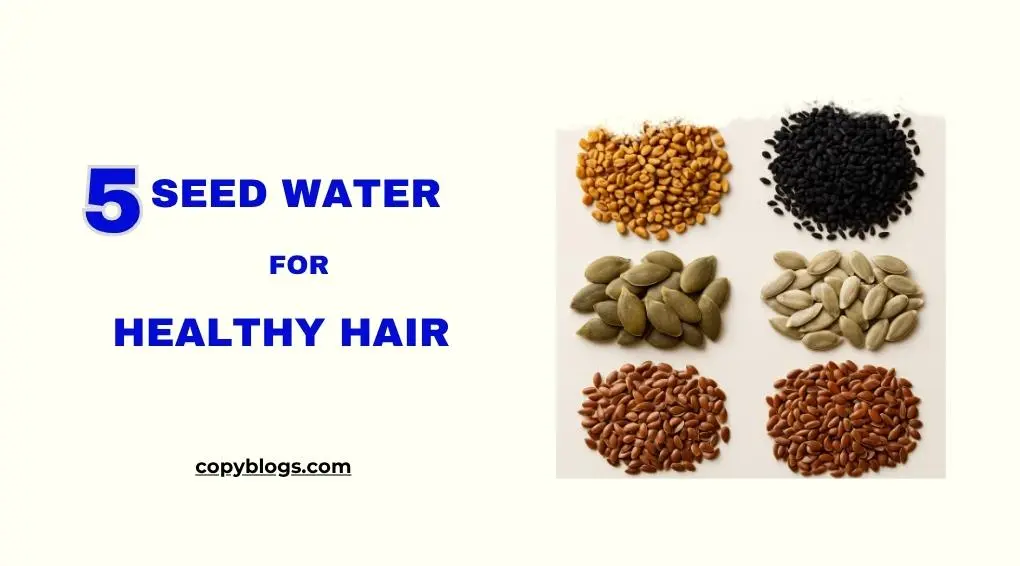
Flat lay of 5 seeds used in homemade hair growth remedies.

Five (5) seeds for hair growth have been trending across TikTok and Google Trends.

A DIY 5-seed hair growth water infusion is easy to make and fits any routine. People use it to boost hair growth and prevent hair loss.

Here’s how a seed water boosts active hair growth. There’s also a bonus to make seed-water combinations.

Why Seeds for Hair Growth?

Benefits of 5 Seeds for Hair Growth

Seeds are small but packed with many benefits.

Soaked in water, the seeds release nutrients that support healthy hair from root to tip.

Close-up of fenugreek seeds highlighting hair benefits.Fenugreek Seeds

  • Rich in protein and iron.
  • Strengthens weak strands.
  • Helps reduce dandruff and scalp irritation.
  • Traditionally used in natural hair growth remedies.

Kalonji (Black Cumin) Seeds

  • Contains thymoquinone, a compound that calms the scalp.
  • May help stimulate dormant hair follicles.
  • A trusted Ayurvedic seed for hair and scalp care.

Sunflower Seeds

  • High in vitamin E.
  • Improves blood flow to the scalp.
  • Adds shine and softness to hair.

Pumpkin Seeds

  • Rich in zinc and omega-3 fatty acids.
  • May help block DHT, linked to hair thinning.
  • Known to support hair growth and reduce shedding.

Flaxseeds

  • Full of omega-3s and vitamin E.
  • Reduces scalp inflammation.
  • Helps strengthen hair and prevent breakage.

Science Benefits of the 5 Seeds for Hair Growth

Though limited research on the full 5-seed blend, individual studies show promise.

  • Fenugreek improved hair volume in over 80% of users in a clinical trial.
  • Kalonji (black cumin) has shown results in alopecia and scalp inflammation in multiple studies.
  • Sunflower seed oil, rich in vitamin E, supports scalp health and hair shine.
  • Pumpkin seed oil improved hair growth by 30% in men with androgenetic alopecia.
  • Flaxseed supports anti-inflammatory action and strengthens hair, as seen in cosmetic research.

Ayurveda has trusted seeds for hair care for centuries. Now, TikTok and blogs are also catching on.

People love DIY 5-seed water for hair growth. It’s easy to make a natural seed mixture for hair at home.

Who Should Use 5 Seeds for Hair Growth Remedy

5 seed water for hair growth suits most hair concerns.

  • Helpful for those with hair loss or thinning.
  • A gentle option to avoid harsh or chemical-based products.
  • Works well for individuals with early signs of hair fall.
  • A good choice for fans of DIY hair growth seed infusion.
  • Supports recovery from stress-related or seasonal shedding.

Regular use may support thicker and stronger hair over time.

Homemade Hair Growth Treatment: 6 Easy Recipes

These remedies draw from research, Tiktok user reviews, and Ayurvedic insights.

1. DIY Fenugreek Seeds for Hair Growth

Fenugreek seeds soaked in water for natural hair growth.Ingredients:

  • 1 tbsp fenugreek seeds
  • 2 cups filtered water

Instructions:

  • Rinse the seeds thoroughly.
  • Soak in water overnight (8–12 hours).
  • The next morning, strain the water.
  • Use as a final rinse after shampoo. No need to wash out.
  • Store leftovers in the fridge for up to 2 days.

2. Kalonji Seeds Hair Remedy

Black cumin seeds in a bowl next to a glass of infused hair water.Ingredients:

  • 1 tbsp kalonji seeds
  • 2 cups filtered water

Instructions:

  • Lightly crush the seeds to release active oils.
  • Soak overnight.
  • Strain the infusion the next morning.
  • Apply the seed water directly to the scalp using a cotton pad or spray bottle.
  • Leave on for 30 minutes to 1 hour.
  • Rinse or leave in.

3. Sunflower Seeds for Hair Growth

Sunflower seeds and water infusion for boosting hair shine.Ingredients:

  • 1 tbsp raw sunflower seeds
  • 2 cups warm water

Steps:

  • Soak the seeds in warm water for 4 – 6 hours.
  • Blend with water, strain the liquid.
  • Apply to the scalp and ends.
  • Leave for 30 minutes, then rinse.

Tip:

  • Mix with aloe vera gel for added shine.

4. Pumpkin Seeds Hair Growth Water

Pumpkin seeds steeped in water as a natural hair remedy.Ingredients:

  • 1 tbsp pumpkin seeds
  • 2 cups boiled water

Steps:

  • Crush seeds lightly (or blend briefly).
  • Soak in warm boiled water for 4 – 6 hours.
  • Strain and apply as a hair mist or scalp massage.
  • Use the scalp tonic 2 – 3 times a week for best results.

5. Flaxseeds Infused Hair Growth Gel-Water

Thick flaxseed gel for homemade treatment to strengthen hair.Ingredients:

  • 1 tbsp flaxseeds
  • 2 cups water

Instructions:

  • Boil flaxseeds in water until a gel-like texture forms.
  • Let cool and strain using a muslin cloth.
  • Use the water-gel as a hair conditioner or scalp tonic.
  • Store in fridge for up to 5 days.

6. DIY 5-Seed Hair Growth Water Infusion

The 5 seeds for hair growth can be used in two natural ways:

  • Drink the water for internal support; or
  • Apply the seed paste on the scalp.

Both ways help boost active hair growth and reduce hair loss.

A bowl of five mixed seeds for natural hair growth infusion.Ingredients

  • 1tsp fenugreek seeds
  • 1tsp kalonji seeds (black cumin)
  • 1tsp sunflower seeds
  • 1tsp pumpkin seeds
  • 1tsp flaxseeds
  • 1 glass of water (250 ml)

Instructions:

1. Drinking 5-Seed Water for Hair Growth

Steps to make seed water

  • Mix all ingredients well in a glass or jug.
  • Add water.
  • Soak overnight (8 – 12 hours).
  • The next morning, drink the seed-infused water.
  • Chew the soaked seeds slowly, or add to a smoothie.
How often to drink the seed infusion
  • Most adults can drink it daily, on an empty stomach.
  • Follow for 3 – 4 weeks, then pause for 1 week.
Who should avoid drinking seed water hair growth
  • People with gut problems, or autoimmune conditions.
  • Those on blood thinners or hormone medications.
  • Pregnant or breastfeeding individuals.

In these cases, drink it 2 – 3 times a week. Also, check with a doctor before use.

2. Seeds Infused in Water for Scalp

Among natural hair growth remedies, some individuals soak seeds in water for scalp and root care.

Steps to make hair rinse seeds

  • Soak all five seeds overnight in water.
  • Blend into a smooth paste the next morning.
  • Apply the paste to the scalp and hair.
  • Leave it on for 30 to 45 minutes.
  • Rinse with lukewarm water and mild shampoo.
  • Use this seed-infused hair treatment 1 – 2 times a week.

Tip:

Try it with other seed-water combinations like chia or hemp seeds hair masks for extra results.

Safety Tips in Using 5 Seeds for Hair Growth

Follow these tips while using seeds infused in water to avoid side effects.

  • Do not overuse. Large amounts may cause upset stomach or scalp irritation.
  • Perform a patch test before using the seed paste on the scalp.
  • Avoid this remedy if allergic to any seeds.
  • If pregnant, have health conditions, or take medication, ask a doctor first.
  • Do not use for young children.

Tips to Boost Results from 5 Seeds for Hair Growth

Stick to below tips for better results from DIY 5-seed hair growth water infusion:

Balanced diet

Add foods like spinach, eggs, and nuts for stronger hair.

Regular use

  • Drink daily for 3 – 4 weeks.
  • Apply topically 1 – 2 times weekly for 6 – 8 weeks.
  • Both follow a 1-week break.

Clean the scalp

Wash hair and scalp gently to remove buildup and help nutrients absorb.

Stay hydrated

Hair care tip card with hydration advice for healthy hair growth.Drink water often to support healthy growth.

Talk to a doctor

If hair loss continues, check with a doctor for specific treatment.

Summary:

  • A natural hair growth remedy works best with a balanced lifestyle.
  • Patience and consistency help support active hair growth over time.

Other Natural Ways to Use Seeds for Hair Growth

Seed-infused hair treatments offer flexible options.

Scalp oil massage

  • Scalp oil massage with pumpkin or kalonji seeds nourishes the roots.
  • It may also boost blood flow to support hair growth.

Seed hair mask

  • Apply a paste of soaked seeds with yogurt or aloe vera.
  • Use weekly to hydrate, strengthen, and soften the hair.

Add to daily diet

  • Sprinkle chia, hemp, or sesame seeds on meals.
  • These seeds support healthy hair from the inside out.

These remedies can enhance the 5-seed hair growth water or work well on their own. Each offers a natural way for healthy hair.

Frequently Asked Questions

When does a 5-seed water mixture show results?

Most people notice changes in 6 to 8 weeks with regular use. Results vary based on hair type and consistency.

Can the 5-seed remedy be used on oily scalps?

Yes. Apply lightly and rinse well.

It nourishes the scalp and supports growth.

Are there other natural remedies for hair growth?

Yes. Rosemary oil, aloe vera, and coconut oil are also popular.

Conclusion: 5 Seeds for Hair Growth as a Natural Remedy

The 5-seed mix offers a gentle, natural way to care for the hair.

Fenugreek, kalonji, sunflower, pumpkin, and flaxseeds are rich in nutrients. They help feed the roots, reduce shedding, and support growth.

With a balanced diet and regular care, these remedies fit into any natural routine.

Have you tried seed water yet? Tag us #copyblogz on social media and share your favorite seed remedies for hair.


Medical disclaimer: For educational purposes only. Consult a healthcare professional for specific advice before use.


You may also like:

7 Surprising Turmeric Skin Uses
10 DIY Lip Masks
19 Natural Skin Whitening Remedies
Skincare Benefits of Sea Salt

Natural Remedies to Stop Snoring
Are Bleeding Gums Serious?
Home Treatments for Bleeding Gums
Natural Foods for Metabolism Boost
Type 2 Diabetes Management

Beauty

DIY Turmeric Face Masks: 12 Easy Ways to Fade Dark Spots & Treat Acne

Natural turmeric face mask with brush and glowing skin ingredients.

DIY turmeric face masks are a natural way to care for the skin. They’re easy to make and use at home.

Suitable for all skin types, these herbal face packs fit well into any skincare routine.

Let’s explore guides on DIY turmeric face masks for healthy, glowing skin.

Benefits of Turmeric Face Masks

Turmeric offers several natural benefits that support bright and healthy skin.

As per research and dermatology, turmeric face mask benefits include:

Reduce Inflammation

Turmeric contains curcumin, which calms swelling and redness on the skin.

Fight Bacteria

Turmeric has natural antibacterial power. It helps fight acne and keeps skin clean.

Treat Acne and Pimples

Curcumin kills acne-causing bacteria. It helps reduce painful pimples and inflamed spots.

Fade Dark Spots

Turmeric is often used to lighten scars and marks. It helps fade dark spots over time.

List of turmeric face mask benefits with glowing skin visuals.

Boost Antioxidants

Curcumin protects skin from damage by neutralizing free radicals. It also supports natural healing.

Even Skin Tone

Turmeric brightens the skin and helps reduce pigmentation. It also supports collagen and faster skin repair.

Soothe Irritation

Turmeric helps clear pores, calm redness, and soothe irritated skin.

Fight Signs of Aging

It improves skin elasticity and may reduce fine lines and wrinkles over time.

12 Easy DIY Turmeric Face Masks for Glowing Skin

Ready to glow naturally? Keep scrolling for 12 DIY turmeric face mask recipes.

1. Turmeric and Coconut Oil Face Mask

Benefits

  • Help balance skin oils and calm inflammation.
  • Support healing and protect against minor skin infections.

How to make turmeric mask for glowing skin

Turmeric and coconut oil paste in a white bowl with brush.Ingredients: 

  • 1 – 1.5 tbsp pure coconut oil
  • 1 tsp pure turmeric powder

Steps: 

  • Mix oil and turmeric into a smooth paste.
  • Apply with a brush or fingers on clean, dry skin.
  • Leave on for 10 – 15 minutes.
  • Rinse off with warm water.


2. Turmeric and Honey Mask

Benefits of this glowing skin remedy

  • Help treat acne and minor wounds.
  • Deeply moisturize and soothe the skin.

How to make turmeric and honey mask for acne

Golden turmeric honey face mask mix on spoon beside a glass jar.Ingredients: 

  • 1 tsp pure turmeric powder
  • 2 tbsp pure honey

Steps: 

  • Mix turmeric and honey until a smooth, sticky paste.
  • Apply to clean face and neck.
  • Relax for 15 – 20 minutes.
  • Rinse off with warm water and pat dry.


3. Turmeric and Lemon Juice Mask

Benefits of turmeric lemon mask

  • Help treat acne and fade dark spots.
  • Brighten and refresh dull skin.

Natural remedies for dark spots – guides

Turmeric and lemon juice face pack in a clear bowl with sliced lemons.Ingredients: 

  • 1 tsp pure turmeric powder
  • 2 tbsp fresh lemon juice

Steps: 

  • Mix lemon juice and turmeric in a bowl until smooth.
  • Apply to the face with a clean brush.
  • Leave on for 10 – 15 minutes.
  • Wash off with warm water, and pat dry.
  • Use moisturizer afterward.


4. Turmeric and Yogurt Mask

Turmeric Yogurt Mask Benefits

  • Brighten dull skin and even skin tone.
  • Help treat acne and repair sun damage.

How to make face mask for glowing skin

Turmeric and plain yogurt mixed into a creamy face mask.Ingredients: 

  • 1 tsp turmeric powder
  • 1 tablespoon plain yogurt
  • 1 tablespoon honey

Steps: 

  • Mix turmeric, honey, and yogurt into a smooth paste.
  • Apply to clean face and neck. Avoid the eyes and mouth.
  • Massage gently in circles for 30 seconds.
  • Leave it on for 15 – 20 minutes.
  • Rinse off with clean water and pat dry.


5. Turmeric and Aloe Vera Mask

Benefits of this natural face mask

  • Calm irritated skin and help heal breakouts.
  • Fade acne marks and dark spots for clearer, glowing skin.

How to make herbal face pack for skin hydration

Soothing turmeric aloe gel blend in a small glass dish.Ingredients: 

  • 1 tsp turmeric powder
  • 1 tablespoon fresh aloe vera gel
  • A few drops of water

Instructions: 

  • Mix turmeric and aloe vera gel in a clean bowl.
  • Add water slowly until smooth and easy to apply.
  • Apply a thin layer to the face.
  • Relax for 15 – 20 minutes.
  • Rinse with warm water.
  • Follow up with light toner or serum.

6. Turmeric and Chickpea Flour Mask

Benefits of the herbal face pack

  • Absorb excessive oil and help prevent breakouts.
  • Exfoliate dead skin cells to reveal a natural glow.

How to make turmeric besan face mask

Chickpea flour and turmeric mixed with rose water in a bowl.Ingredients: 

  • 1 tsp turmeric powder
  • 2 tbsp chickpea flour (also known as besan)
  • Rose water as needed

Steps: 

  • In a clean bowl, mix turmeric and chickpea flour.
  • Slowly add rose water until smooth paste.
  • Apply to the face. Avoid the eyes and mouth.
  • Leave on for 10 – 15 minutes.
  • Rinse off in circular motions with warm water.


7. Turmeric and Rice Bran Mask

Turmeric rice bran mask benefits

  • Help fade dark spots and reduce uneven skin tone.
  • Brighten dull skin for a natural, healthy glow.

How to make skin brightening mask

Thick paste of turmeric and rice bran beside milk and spoon.Ingredients: 

  • 1 tsp turmeric powder
  • 1 tablespoon rice bran
  • Unsweetened fresh milk

Turmeric mask guides: 

  • Mix turmeric and rice bran in a bowl.
  • Slowly add milk, stir until a thick and sticky paste.
  • Apply to a clean face.
  • Massage in circles for 30 seconds.
  • Let it sit for 10 – 15 minutes.
  • Wash off with warm water.


8. Turmeric and Fresh Milk Mask

Benefits of this moisture boost

  • Brighten skin and help even out skin tone.
  • Reduce dark circles and soften fine lines.

How to make turmeric milk face pack

Milk and turmeric mixed in a ceramic bowl with brush.Ingredients: 

  • 1 – 2 tbsp fresh milk
  • 1 tsp turmeric powder

Steps: 

  • Mix turmeric and milk to form a thick paste.
  • Apply to face and neck.
  • Stay relaxed for 15 – 20 minutes.
  • Rinse off with warm water, then pat dry.


9. Turmeric, Honey, Apple Cider Vinegar, and Yogurt Mask

Turmeric ACV honey mask Benefits

  • Treat acne, even out skin tone, and tighten pores.
  • Gently hydrate and soothe irritated skin.

 How to make turmeric ACV face mask

DIY turmeric face mask with apple cider vinegar and honey.Ingredients: 

  • 1 tsp turmeric powder
  • 1 tsp apple cider vinegar (ACV)
  • 5 tbsp honey
  • 1 tsp plain yogurt

Steps: 

  • Combine all ingredients in a clean bowl or glass jar.
  • Mix well until smooth paste.
  • Apply to face and neck. Avoid sensitive areas.
  • Relax for 10 – 15 minutes.
  • Rinse with warm water.


10. Turmeric, Almond Milk, and Baking Soda Mask

Benefits of turmeric mask

  • Gently exfoliate dead skin cells and unclog pores.
  • Soften rough texture and brighten dull skin.

How to make scrub for oily skin

Whipped turmeric and baking soda mask with almond milk.Ingredients: 

  • ½ tsp turmeric powder
  • 3 tsps. almond milk (or fresh cow’s milk)
  • 3 tsps. baking soda

Steps: 

  • Mix all ingredients in a small bowl to form a paste.
  • Apply to a clean face.
  • Massage gently in circles for 1 – 2 minutes.
  • Leave on for 5 minutes.
  • Then rinse with clean water.
  • Follow with a light moisturizer or serum.


11. Turmeric and Egg Yolk Mask

Benefits of natural face mask

  • Brighten skin and boost natural firmness.
  • Fight early signs of aging and dryness.

How to make DIY mask for dull skin

Turmeric and egg yolk face mask in a bowl with olive oil bottle.Ingredients: 

  • ½ tsp turmeric powder
  • 1 egg yolk (preferably free-range)
  • 3 tsps. olive oil

Steps: 

  • Mix all ingredients into a thick paste.
  • Apply to a clean face and neck.
  • Relax and leave it on for 20 minutes.
  • Rinse with lukewarm water and pat dry.

Learn how to make anti-aging mask with Egg Yolk and Carrot | Olive Masks for Wrinkles

12. Turmeric, Mung Bean, and Cucumber Mask

Benefits of this natural remedy

  • Soothe irritation and hydrate tired skin.
  • Gently brighten and refresh dull complexion.

Turmeric mask for acne-prone skin – guide

Cooling turmeric cucumber and mung bean face mask paste.Ingredients: 

  • ⅓ tsp turmeric powder
  • ½ tsp coconut milk
  • 2 tsps. mung bean powder
  • 1 tsp cucumber juice

Steps: 

  • Mix all ingredients to form a smooth, creamy paste.
  • Apply to clean skin.
  • Massage gently in circular motions.
  • Let it sit for 15 minutes.
  • Rinse off with water and pat face dry.


Tips for Using Turmeric Face Masks 

Follow these easy tips to get the best results from turmeric face masks.

  • Wash the face with warm water before application to help open pores.
  • Apply a DIY turmeric face mask in the evening to avoid direct sun exposure.
  • Use rose water or a gentle toner after rinsing to restore hydration.
  • Perform a patch test on the wrist and wait 24 hours to check for any skin reaction.
  • Apply the mask 2 – 3 times a week.
  • Mix turmeric with calming ingredients like honey, aloe vera, or yogurt to reduce staining.
  • Do not leave turmeric masks on overnight, as this may cause dryness.
  • Apply sunscreen afterward, since turmeric may increase sun sensitivity.

DIY Turmeric Face Masks: Side Effects and Fixes

A turmeric face pack is usually gentle. But skin may react in some cases. This can happen if the turmeric is harsh or impure.

Side Effects

Red irritated skin with small bumps after using turmeric face mask.Common signs from homemade turmeric face masks include:

  • Itching or burning feeling
  • Red patches or rashes
  • Swelling, breakouts, or rough skin

How to Treat Turmeric Face Mask Side Effects

  • Rinse the skin with warm water to remove leftover turmeric.
  • Gently clean the area using chilled rose water or cooled green tea.
  • Rub a fresh orange peel on the spot for 5 – 10 minutes to balance the turmeric effect.
  • Apply plain yogurt or aloe vera gel to soothe and cool the skin.
  • Keep the area clean and avoid scratching or rubbing.
  • If the irritation lasts more than two days, consult a skin specialist.


FAQs about DIY Turmeric Face Masks

Which turmeric mask for dark spots on face?

Turmeric, aloe vera, lemon, and yogurt mask may fade spots.

Is turmeric face mask good for dry skin?

Yes. DIY turmeric honey mask (or milk) helps soothe and moisturize dry skin.

Do turmeric mask work for oily skin and acne?

Yes. Try turmeric face mask with chickpea flour and rose water. It controls oil and helps clear pimples.

Conclusion

DIY turmeric face masks are rooted in both traditional use and modern dermatology.

Use pure turmeric and proven recipes for safety and effective results. With regular care, homemade turmeric face packs support brighter and healthier skin.

Found this guide helpful? Share it on Facebook with #copyblogz to inspire others.

Beauty

DIY Charcoal Face Masks: 11 Ways to Detox Your Skin Naturally

DIY charcoal face masks with natural ingredients for clear and healthy skin.

DIY charcoal face masks are a natural way to detox skin, remove dirt, and fight acne. These easy-to-make recipes use kitchen-friendly ingredients and help save money on skincare.

Let’s explore how charcoal works and the best mask recipes to try at home.

What Is Activated Charcoal?

High heat changes carbon-rich materials into activated charcoal. This process creates tiny pores in the charcoal.

These pores help the charcoal trap oil, dirt, and toxins like a magnet.

Dermatologists also note that this adsorption power can clear clogged pores.

Benefits of Activated Charcoal Face Masks

Activated charcoal is used in many personal care products like toothpaste, face wash, lotion, oils, and soap.

Studies and experts support its skincare benefits.

Removes dirt

The tiny pores in charcoal absorb dirt, oil, and toxins from the skin.

Exfoliates

Charcoal clears dead skin and leaves the skin soft and bright.

Controls oil

Charcoal soaks up extra oil and helps reduce shine.

Prevents acne

Charcoal removes dirt and bacteria, helping reduce pimples and breakouts.

Soothes irritation

Charcoal may calm redness, itching, or swelling from skin irritation.


How to Make a DIY Charcoal Face Mask at Home

These activated charcoal face mask recipes are simple to make.

Below are the top 11 trending DIY charcoal masks for face. Each formula contains short and safe ingredient lists.

1. DIY Charcoal Mask with Yogurt and Oats

Benefits

  • Yogurt and oats hydrate and gently exfoliate the skin.
  • This mild mask suits all skin types.

How to make a homemade charcoal face mask

DIY charcoal face mask with yogurt and oats.Ingredients:

  • 1 tsp activated charcoal powder
  • 2 tbsp plain yogurt
  • 2 tbsp ground oats

Instructions:

  • Mix all ingredients until a smooth paste.
  • Wash the face with clean water.
  • Apply the paste evenly to the face and neck.
  • Leave it on for 15 minutes.
  • Rinse off with water.
  • Apply a light moisturizer or serum.


2. DIY Charcoal and Aloe Vera Mask

Benefits of this charcoal mask DIY

  • This brightening face pack hydrates, soothes, and removes dead skin.
  • It helps lighten the skin, tighten pores, and reduce breakouts.

How to make a charcoal aloe vera face mask

Fresh aloe vera and charcoal powder blend for soothing hydration.Ingredients:

  • 1 activated charcoal capsule (to get powder)
  • 1 tbsp fresh aloe vera gel (from its leaf)

Instructions:

  • Clean and peel one fresh aloe vera leaf.
  • Scoop out the gel.
  • Mix the gel with charcoal powder.
  • Stir well until smooth.
  • Apply the mixture to clean skin.
  • Leave it on for 10 minutes.
  • Rinse off with cool water.


3. Charcoal, Lemon, and Yogurt Mask for Oily Skin

Benefits of this natural skincare recipe

  • Brighten skin, remove dead cells, and reduce oil.
  • Help clear acne and may lighten dark spots.

How to make a charcoal mask at home

Charcoal, yogurt, and lemon brightening blend for oily skin.Ingredients:

  • 1 tbsp activated charcoal powder
  • 5 tbsp plain yogurt
  • 2 drops fresh lemon juice

Instructions:

  • Mix all ingredients until smooth.
  • Clean the skin before applying.
  • Spread charcoal mask on face and neck.
  • Stay relaxed for 15 minutes.
  • Rinse off with cold water.
  • Continue the skincare routine.


4. DIY Charcoal Face Mask with Turmeric and Milk

Benefits of this charcoal mask

  • Lighten the skin, reduce acne, and fade dark spots.
  • Soothe damage, support smooth skin, and clear pores.

How to prepare a charcoal mask for acne and dark spots

Turmeric, milk, and charcoal paste reduces spots and redness.Ingredients:

  • 3 tbsp activated charcoal powder
  • 1 tbsp turmeric powder
  • 2 tbsp fresh milk

Instructions:

  • Mix all ingredients into a smooth paste.
  • Apply the paste to a clean face and neck.
  • Leave this mask on for 15 minutes.
  • Rinse well with cold water to remove turmeric stains.
  • Pat dry and follow up with moisturizer.


5. Charcoal and Clay Face Mask for Deep Pore Cleansing

Benefits

  • Cleanse pores, remove oil, and lift dirt.
  • Help unclog skin and leave a fresh look.

How to make a charcoal clay face mask DIY

Deep pore cleansing DIY charcoal face mask with bentonite clay.Ingredients:

  • 1 tsp activated charcoal powder
  • 1 tsp bentonite clay (or kaolin clay)
  • 2 – 3 tsp water or rose water

Instructions:

  • Mix charcoal and clay in a small bowl.
  • Slowly add water until smooth.
  • Apply the paste to a clean face and neck.
  • Let it sit for 10 – 15 minutes.
  • Rinse with lukewarm water and pat dry.


6. Charcoal and Honey Face Mask for Hydration

Benefits

  • Hydrate dry skin and gently clean without removing natural moisture.
  • Soothe irritation and work well for sensitive skin.

How to make a DIY charcoal and honey mask

Raw honey mixed with charcoal powder for soft, hydrated skin.Ingredients:

  • 1 tsp activated charcoal powder
  • 1 tbsp raw honey

Instructions:

  • Mix charcoal and honey until smooth.
  • Apply to a clean face with fingertips.
  • Leave the mask on for 15 minutes.
  • Rinse off with warm water.
  • Continue with daily skincare steps.


7. Charcoal and Tea Tree Oil Face Mask for Acne-Prone Skin

Benefits

  • Fight acne bacteria and reduce redness.
  • Control oil and clear clogged pores.

How to make a DIY charcoal mask for acne

Charcoal and tea tree infused gel targets acne-prone areas.Ingredients:

  • 1 tsp activated charcoal powder
  • 1 tbsp aloe vera gel or water
  • 2 – 3 drops of tea tree essential oil

Instructions:

  • Mix charcoal with aloe gel or water.
  • Add tea tree oil and stir well.
  • Apply the paste to clean face or acne-prone areas.
  • Leave it on for 10 – 15 minutes.
  • Rinse with cool water.


8. Charcoal and Gelatin Peel-Off Mask for Blackheads

Benefits

  • Remove blackheads, whiteheads, and fine hair.
  • Unclog pores and make skin smooth and clean.

How to make a charcoal peel-off mask DIY

DIY charcoal face mask peel‑off mix with gelatin removing blackheads.Ingredients:

  • 1 tsp activated charcoal powder
  • 1 tbsp unflavored gelatin
  • 2 tbsp warm water or milk

Instructions:

  • Mix gelatin and warm water or milk until smooth.
  • Add charcoal powder and stir quickly.
  • Apply the warm mixture to clean skin using a brush.
  • Avoid eyebrows and hairline.
  • Leave the facial mask on for 15 – 20 minutes until fully dry.
  • Peel and rinse off the leftover.


9. Charcoal and Coffee Face Mask for Dull Skin

Benefits

  • Gently exfoliate and boost circulation.
  • Refresh dull skin and give a natural glow.

How to make a homemade charcoal coffee mask

Ground coffee and charcoal exfoliating blend revives dull complexion.Ingredients:

  • 1 tsp activated charcoal powder
  • 1 – 2 tsp plain yogurt or raw honey
  • 1 tsp ground coffee

Instructions:

  • Mix charcoal and coffee in a clean bowl.
  • Add yogurt or honey; stir into a paste.
  • Apply it to clean face and neck.
  • Massage skin in circles for 30 seconds.
  • Leave the mask on for 10 – 15 minutes.
  • Rinse off with lukewarm water.


10. DIY Antioxidant Charcoal and Green Tea Mask

Benefits

  • Fight aging signs and protect skin from damage.
  • Soothe irritation and leave skin calm and soft.

Steps to make a charcoal face mask at home

Antioxidant mix of green tea, aloe, and charcoal calms skin irritation.Ingredients:

  • 1 tsp activated charcoal powder
  • 2 tsp brewed green tea (cooled)
  • 1 tsp aloe vera gel or honey

Instructions:

  • Mix all the ingredients in a bowl.
  • Stir until the mixture is smooth.
  • Apply evenly to clean face. Avoid eyes and lips.
  • Stay relaxed for 15 minutes.
  • Rinse off with cool water.


11. Homemade Charcoal Balm for Skin Repair

Benefits

  • Help repair dry, flaky, or irritated skin.
  • Soothe minor damage and protect skin from further dryness.

How to make natural charcoal mask for skin repair

Charcoal and coconut oil balm nourishes and repairs dry patches.Ingredients:

  • 1 tsp activated charcoal powder
  • 1 tbsp organic coconut oil

Instructions:

  • Melt coconut oil if solid.
  • Mix in charcoal powder until smooth.
  • Apply a thin layer to clean face.
  • Leave the mask on for 10 – 15 minutes.
  • Wipe off with a warm, damp cloth.


Basic Steps to Apply Any DIY Charcoal Face Mask

Note: Always follow the specific instructions in each mask recipe. This is a general guide to help apply any charcoal mask properly.

1. Cleanse

Wash the face to remove makeup, dirt, or oil.

2. Apply

Use a clean brush or fingers. Avoid the eye and lip areas.

3. Massage

Gently massage the skin to help nutrients absorb.

4. Wait

Leave the facial mask on for 10 – 20 minutes, depending on the recipe.

5. Rinse or Peel

  • Wash off with warm water.
  • For peel-off masks, wait until fully dry.

6. Moisturize

Apply moisturizer or serum to restore hydration.

Precautions for DIY Charcoal Face Masks

While DIY charcoal face masks are generally safe, keep in mind these notes:

Patch test

  • Apply a small amount of the charcoal mask on the inner arm or behind the ear.
  • Wait 15–20 minutes to check for irritation or allergic reactions.
  • For sensitive skin, wait for 24 hours.
  • If there’s no redness, itching, or swelling, it’s likely safe to use.

Frequency

  • Use these DIY charcoal face masks 1–2 times per week.
  • For sensitive or dry skin, use only once a week.

Check skin reaction

  • Keep watching for signs like burning, itching, redness, or swelling after use.
  • Stop if irritation occurs

Avoid sensitive areas

Do not apply the mask near the eyes or lips. These areas are thin and can get irritated easily.

Consult a dermatologist

If there are skin problems, get advice from a skin doctor before using a DIY charcoal face mask.

Safe Use and Storage of DIY Charcoal Masks

Follow these easy tips to avoid irritation and keep the mask fresh.

1. Choose Right Ingredients

Activated Charcoal Powder

  • Pick food-grade or cosmetic-grade for clean and pure charcoal.

Bentonite Clay

  • Use pure clay with no added chemicals. It’s available in health stores.

Essential Oils

  • Choose high-quality, therapeutic-grade oils.
  • Always dilute to avoid irritation.

Other Natural Additions

  • Use fresh ingredients like honey, yogurt, or lemon juice for better results.

2. How to Store DIY Charcoal Face Masks

  • Keep the mask in a clean, airtight container.
  • Store in the fridge immediately.
  • Use the refrigerated charcoal masks within 3 – 5 days.
  • Do not leave it at room temperature.
  • Always use clean hands or a spoon to scoop.
  • Throw it away if the smell, color, or texture changes.

Who Should Be Careful with DIY Charcoal Face Masks

Homemade charcoal masks are often safe. But some skin types may need extra care.

Sensitive skin

Charcoal and clays may cause dryness or redness.

Dry or eczema-prone skin

These natural charcoal face masks can make the skin feel tighter or more irritated.

Open wounds or active acne

Applying the mask on broken skin may sting or cause an infection.

Allergy to ingredients

Essential oils, honey, or lemon juice may cause a reaction. Thus, always do a patch test.

Rosacea

Charcoal and clay may worsen redness.

Using acne treatments (e.g. retinoids)

Charcoal face masks may increase irritation or peeling.

First-time users or teens

Skin may react easily; therefore, a patch test is important.


FAQS About DIY Charcoal Face Masks

Can I use a charcoal mask every day?

Use only 1–2 times per week to avoid dryness or irritation.

What should I do if my skin feels tight after using it?

Apply a gentle moisturizer and reduce mask use to once a week.

Can I store leftover mask for later use?

Yes. Refrigerate in a sealed container. Use within 3 – 5 days.

Conclusion

DIY charcoal face masks offer a natural way to cleanse and rejuvenate your skin. With 11 homemade charcoal face mask recipes, you can customize your skincare routine affordably. From acne-fighting to brightening masks, there’s a recipe for everyone.

Try these natural charcoal face mask recipes and share your results with us!

Have you tried a homemade charcoal mask? Tags us #copyblogs.

Beauty

DIY Strawberry Face Mask: Best 10 Beauty Recipes For Glowing Skin in 2025

Bowl of mashed strawberries and face brush on a towel.

A DIY strawberry face mask is an easy way to refresh the skin.

It takes just a few minutes to make a natural skincare mask. Ripe strawberry face pack recipes help clean pores and boost natural glow.

This guide explains how to pick fresh berries and make simple homemade facial masks. All ingredients come from common kitchen items.

Benefits of Strawberries for Skin

Strawberries are rich in vitamin C, natural acids, and antioxidants.

According to articles on ResearchGate and TJNPR, the benefits of strawberries for skin include:

  • Brighten dull skin. Vitamin C fades dark spots and improves skin tone.
  • Clears pores. Natural acids in strawberries fight blemishes and reduce buildup.
  • Slow aging. Antioxidants protect skin from damage and fine lines.
  • Gently exfoliate. Mild fruit acids remove dead cells for a softness.
  • Moisturize the skin. High water content of strawberries keeps skin hydrated without adding oil.

Thus, strawberries are gentle but effective. These benefits make them a good match for all skin types.

Benefits of a DIY Strawberry Face Mask

DIY strawberry face masks offer a simple, natural way to care for skin. Here’s why they’re worth trying:

Natural and Safe

Strawberries are free from harsh chemicals, making them a gentle choice for natural skincare.

Budget-Friendly

These DIY masks cost less than store-bought ones, using simple natural ingredients.

Customizable

It’s easy to adjust recipes for each skin type.

Fresh Ingredients

Fresh strawberries provide maximum nutrients for glowing skin.

DIY strawberry face masks also give full control over ingredients. They skip harsh chemicals often found in commercial products.

Fun Activity

Making fruit facial masks at home feels calm and creative. It’s a simple way to enjoy personal care and self-achievement.

How to Choose and Prepare Strawberries for DIY Face Masks

Before going through recipes, follow these steps for the best DIY strawberry face masks:

  • Choose ripe, bright-red berries with no soft spots.
  • Rinse them under cool water, pat dry.
  • Remove the green tops and slice.
  • For a smoother paste, blend or mash with a fork until no chunks remain.

Tools for DIY Strawberry Face Masks

  • Small, clean ceramic or glass bowl
  • Fork or mini whisk
  • Measuring spoons
  • Face brush, clean hands
  • Soft towel

Top 10 Trending DIY Strawberry Face Mask Recipes

Each mask takes under five minutes to prepare.

Below are instructions on how to make strawberry face masks at home.

1. Strawberry and Honey Mask for Acne

Benefits

This homemade face pack calms breakouts. It also kills surface bacteria and reduces redness.

How to make a strawberry face mask for acne

DIY strawberry face mask with honey for acne-prone skin.Ingredients

  • 3 ripe strawberries
  • 1 tablespoon raw honey

Steps

  • Puree berries into a smooth pulp.
  • Add honey, mix well.
  • Spread the paste on the clean face and neck. Avoid the eyes.
  • Relax for 15 minutes, then rinse with cool water.
  • Follow up with the skincare routine.

Best for

  • Oily, acne-prone, or inflamed skin.


2. Strawberry and Yogurt Mask for Skin Brightening

Benefits of this DIY beauty strawberry mask

Lactic acid softens, vitamin C brightens, and probiotics soothe.

How to make a brightening strawberry face mask

Strawberry and yogurt mixture for a homemade brightening face mask.Ingredients

  • 2 strawberries
  • 2 teaspoons plain yogurt

Instructions

  • Blend strawberries until creamy.
  • Add yogurt, mix well.
  • Apply to face and neck. Avoid the eyes.
  • Leave for 10-15 minutes.
  • Rinse with lukewarm water, pat dry.

Best for

  • Dull, uneven, or sun-tired skin.


3. Strawberry and Oatmeal Mask for Exfoliation

Benefits

This popular skincare trend removes dead skin cells. The mask also balances oil and smooths texture.

How to make a strawberry face mask with oatmeal

DIY strawberry face mask with oatmeal for gentle exfoliation.Ingredients

  • 2 strawberries
  • 1 tablespoon fine oatmeal
  • Splash of water if needed

Steps

  • Crush berries until smooth.
  • Add oatmeal in, mix into a thick paste.
  • Apply to clean face and neck.
  • Massage in circles gently for one minute.
  • Let the strawberry mask sit for 5 minutes.
  • Rinse with warm water, then cold water.

Best for

  • Combination, rough skin


4. Strawberry and Lemon Face Mask for Oil Control

Benefits of this natural strawberry face mask

  • Tighten pores, reduce excess oil, and fade scar marks.

How to make a DIY face pack for oil control

Fresh lemon and strawberry mix in a bowl for oily skin treatment.Ingredients

  • 2 strawberries
  • ½ teaspoon fresh lemon juice

Step-by-step strawberry face mask

  • Blend berries until smooth.
  • Add lemon juice and mix well.
  • Apply to clean face and neck.
  • Leave for 10 minutes.
  • Rinse with cool water.

Best for

  • Oily skin and post-acne marks.

Notes

  • Skip this strawberry face mask if skin is very sensitive or sunburned.


5. Strawberry and Aloe Vera Mask for Hydration

Benefits

This DIY beauty strawberry mask helps cool irritation.

It also hydrates and heals the skin.

How to make a strawberry face mask for hydration

Smooth pink aloe vera and strawberry mask in a small glass container.Ingredients

  • 2 strawberries
  • 1 tablespoon pure aloe gel

Steps

  • Puree fresh strawberries until smooth.
  • Mix in aloe gel gently.
  • Apply a thick layer to clean face and neck. Avoid eye areas.
  • Stay relaxed for 15-20 minutes.
  • Rinse off with cool water.

Best for

  • Dry, itchy, or sensitive skin that needs a calming boost.


6. Strawberry and Egg White Mask for Pore Tightening

Benefits of this skincare trend

  • Firm loose skin
  • Reduce excessive oil
  • Leave skin soft, fresh, and even tone

How to make homemade face masks for pore tightening

Light foamy strawberry and egg white mask for facial care.Ingredients

  • 3 strawberries
  • 1 egg white

Instructions

  • Whisk egg white until light and foamy.
  • Blend berries until smooth.
  • Mix both together.
  • Apply to clean face and neck.
  • Leave for 15 minutes.
  • Peel off the natural strawberry face pack gently.
  • Rinse face with cool water.

Best for

  • Enlarged pores and oily skin.


7. Strawberry and Banana Mask for Nourishment

Benefits of this homemade strawberry face mask

  • Help skin stay hydrated and smooth.
  • Reduce wrinkles.
  • Boost glow.

How to make a strawberry and banana face mask

Nourishing DIY strawberry face mask with banana and olive oil.Ingredients

  • 1 strawberry
  • ¼ ripe banana
  • 1 teaspoon olive oil (optional)

Steps

  • Smash banana until smooth paste.
  • Add crushed strawberry and olive oil.
  • Mix all ingredients well.
  • Apply to a clean face. Avoid the eyes.
  • Relax for 15-20 minutes.
  • Rinse with warm water.

Best for

  • Dry, mature, or stressed skin.


8. Strawberry, Honey, and Lemon Mask for Acne Control

Benefits

This natural face mask helps clear acne and reduce excessive oil. It also gives the skin a fresh look.

How to make this Diy strawberry face mask

 Strawberry face mask for acne control with honey and lemon.Ingredients

  • 2-3 strawberries
  • 1 tablespoon of honey
  • 1 teaspoon of lemon juice

Instructions

  • Smash strawberries.
  • Add honey and lemon juice.
  • Mix well, then apply to face.
  • Leave for 10-15 minutes.
  • Rinse off with water.

Best for

  • Oily or acne-prone skin


9. Strawberry, Honey, and Brown Sugar Scrub

Benefits

  • Strawberries help remove impurities and brighten the skin.
  • Brown sugar acts as a natural exfoliant.
  • Honey soothes and hydrates the skin.

Thus, this homemade strawberry face scrub makes skin soft, bright and smooth.

How to make the best DIY strawberry face mask

Thick exfoliating scrub made with strawberries, brown sugar, and honey.Ingredients

  • 6 strawberries
  • 1 tablespoon honey
  • 1 tablespoon brown sugar

Instructions

  • Puree the strawberries.
  • Add honey and brown sugar. Mix them well.
  • Gently rub the mix on the face for 5 minutes.
  • Leave for another 5 minutes.
  • Rinse off with water.

Best for

  • Dry, dull skin


10. Strawberry and Cocoa Face Mask for Glowing, Hydrated Skin

Benefits

  • Strawberries cleanse pores and add a natural glow.
  • Cocoa is rich in antioxidants that fight dullness and dryness.

So, this natural face mask nourishes, hydrates, and brightens the skin.

How to make this DIY glowing face pack

Rich homemade strawberry mask with cocoa powder for glowing skin.Ingredients

  • 3 strawberries
  • 1 tablespoon honey
  • 1 tablespoon cocoa powder

Instructions

  • Mash the strawberries until smooth.
  • Add honey and cocoa powder.
  • Mix well, then apply to a clean face.
  • Stay relaxed for 15 minutes.
  • Rinse off with warm water.

Best for

  • Dry or dull skin


Side Effects of a DIY Strawberry Face Mask

DIY strawberry face mask recipes are usually safe. But they may not suit everyone.

Some possible side effects include:

Skin Irritation

Strawberries or lemon juice may cause redness, especially if the skin is very sensitive.

Allergic Reaction

Some people may get itching or rashes from strawberries.

Dryness

Lemon juice or natural acids in berries can dry the skin if overused.

Sun Sensitivity

Lemon juice can make skin more sensitive to sunlight. Always wear sunscreen after applying natural face packs.

Notes:

  • If the skin reacts badly, rinse off the mask right away.
  • Blueberries or other mild fruits can be a safer swap.

Safety Tips for DIY Strawberry Face Masks

To ensure safe and effective use, follow these tips:

Patch a Test

Apply a small amount to the inner wrist or behind the ear. Wait for 24 hours to observe any reaction.

American Academy of Dermatology Association also shared details on patch testing.

Avoid Sensitive Areas

Keep homemade strawberry face masks away from the eyes and mouth.

Limit Lemon Juice

Use lemon juice a maximum of twice a week to prevent skin dryness or irritation.

Check for Allergies

Individuals with strawberry allergies can use raspberries or blackberries instead.

Use Only Fresh Ingredients

Fresh ingredients give better results and reduce risk. Discard any spoiled or overripe strawberries.

Notes:

For those with sensitive skin or allergy concerns, always consult a dermatologist before use.

Storage Tips for DIY Strawberry Face Mask

Proper storage helps keep the freshness and benefits of homemade strawberry face masks.

Follow these simple steps:

  • Store any leftover mixture in a clean, sealed glass jar.
  • Refrigerate and use within 24 hours.
  • Discard if the mixture smells sour or changes color.
  • Do not freeze because it ruins the texture.

FAQs about DIY Strawberry Face Masks

Can I use a strawberry face mask daily?

Use 2-3 times a week to avoid irritation from natural acids.

How long should I leave the face mask on?

10-20 minutes. Leave it longer may cause dryness or redness.

Can strawberry masks help with acne scars?

Yes. Vitamin C and gentle acids in strawberries can fade mild scars with regular use and sunscreen.

Conclusion – Enjoy Glowing Skin with DIY Strawberry Face Mask

DIY strawberry face mask recipes make natural skincare easy and affordable. With fresh ingredients and simple recipes, the facial masks offer spa-quality glowing skin in 2025 at home. Try one of these natural beauty recipes today, and share your glowing results.

Tried this mask? Tag us with #CopyBlogs

Food & Health

Type 2 Diabetes Management Guide: Tips, Treatments & Lifestyle Hacks

Illustration showing tips for managing type 2 diabetes through healthy food, exercise, and medication.

Managing type 2 diabetes may feel tough. But a healthy lifestyle can help.

Learning its symptoms and how to control type 2 diabetes help control blood sugar and prevent complications.

What Is Type 2 Diabetes?

Type 2 diabetes is a long-term condition. It stops the body from using insulin properly. This condition causes sugar buildup in the blood. Thus, high blood sugar levels can harm the heart, kidneys, nerves, and eyes.

According to IDF, diabetes around the world in 2024 reached 589 million adults (20 – 79 years). Over 90% of people with diabetes have type 2 diabetes (approximately 530 million).

Common Risk Factors of Type 2 Diabetes

Risk factors of type 2 diabetes include:

  • Excess body weight.
  • Age over 45.
  • Having family members with diabetes.
  • Lack of physical activity.
  • Some ethnic groups may have a higher genetic risk.

Early detection and lifestyle changes can help manage or even achieve remission of type 2 diabetes.

Symptoms of Type 2 Diabetes

Look out for these common symptoms:

  • feeling very thirsty
  • losing weight
  • feeling tired
  • blurred vision
  • slow-healing cuts or wounds
  • going for urination more than usual
  • acanthosis nigricans (darkened skin patches on the neck or armpits)

Source: NHS; PMC 

How Is Type 2 Diabetes Diagnosed?

Early diagnosis helps manage type 2 diabetes effectively.

According to NIDDK, doctors use several tests to confirm type 2 diabetes.

A1C blood test

  • Measure average amount of sugar (glucose) in the blood over the last 2 – 3 months.
  • Don’t need to fast before the test.
  • A result of 6.5% or higher usually indicates type 2 diabetes.

Fasting blood sugar test

  • Measure glucose after an 8-hour fast.
  • A fasting blood sugar level less than 100 mg/dL is normal.
  • A level of 126 mg/dL or higher indicates diabetes.

Glucose challenge test (GCT)

  • Measure blood sugar 1 hour after drinking a sweet glucose liquid (50 grams).
  • No fasting is required.
  • A result of 140 mg/dL or higher may require further tests (e.g., oral glucose tolerance test).

Oral glucose tolerance test (OGTT)

  • Measure blood glucose after fasting for at least 8 hours.
  • A result of 200 mg/dL or higher indicates diabetes.

Tests may be repeated for accuracy. Consult a healthcare provider for a personalized test and diagnosis.

Potential Complications of Type 2 Diabetes

Type 2 diabetes can lead to serious health issues if not managed properly.

Long-term problems include:

  • Heart disease and stroke due to blood vessel damage.
  • Foot ulcers and infections that may require surgery.
  • Kidney disease from high blood sugar over time.
  • Eye problems include retina damage and blindness.
  • Gum disease.

Regular care helps prevent these complications and supports overall wellness.

How to Manage Type 2 Diabetes

Eating A Balanced Diet

Eating well helps manage type 2 diabetes and supports health.

Low-glycemic foods to control blood sugar include:

  • Most fruits (e.g. avocado, berries, grapefruits), but consume in moderation.
  • Bran breakfast cereals
  • Green vegetables
  • Kidney beans
  • Chickpeas
  • Raw carrots
  • Sweet potatoes
  • Broccoli
  • Spinach
  • Lentils
  • Fatty Fish
  • Lean meats
  • Eggs
  • Oats
  • Quinoa
  • Nuts (almonds, pistachios, walnuts, cashews, etc.)
  • Seeds (chia, sesame, flaxseeds)

These foods are helpful to manage glucose. But eat them in small amounts, and follow doctor’s advice.

Important Notes:

  • Eat 45 – 60 grams carbohydrates (carbs) per meal. Some people may need less than 10 grams.
  • Skip sugary foods and drinks.
  • Avoid processed foods, such as chips and fast food.
  • Build a balanced plate: half vegetables, one-quarter protein, and one-quarter whole grains.

Regular Exercise

Moving the body every day also helps manage type 2 diabetes. It keeps blood sugar steady, boosts energy, and supports overall health.

Best physical activity for diabetes:

  • Daily cardio (30+ minutes): take a walk, ride a bike, swim, or dance.
  • Strength exercises (2 times a week): use body weight, stretchy bands, or small weights to build muscle.
  • Flexibility: try yoga or stretches.
  • Quick movement breaks: take 5-minute movement breaks every hour.
  • Fun activities: play a sport, join a class, or work in garden.

Getting active in ways you enjoy makes managing diabetes easier and keeps you feeling better.

Diabetes Medications and Treatment

Along with healthy eating and exercise, some people need medications to keep type 2 diabetes under control.

Common medicines include:

  • Metformin: tells the liver to make less glucose, and helps the body lower the sugar in your blood.
  • Sulfonylureas: tells the pancreas make more insulin.
  • DPP-4 inhibitors: helps the body keep insulin-triggering hormones working longer, so they only lower the blood sugar when needed.
  • GLP-1 receptor agonists: signals the pancreas to make insulin when blood sugar rises, and supports weight loss.
  • SGLT2 inhibitors: helps the kidneys remove extra sugar through urine and may also lower weight and blood pressure.
  • Insulin: used when other medicines aren’t enough to control blood sugar.

Important Notes:

  • Always follow doctor’s instructions.
  • Report side effects to your doctor.
  • Check blood sugar regularly to adjust doses if needed.

Summary:

Eating healthy, staying active, and taking medications when needed help control type 2 diabetes.

Blood Sugar Control and Complications Prevention

Blood Sugar Monitoring

Keeping an eye on blood sugar levels prevents complications.

Ways to check blood sugar:

  • Fingerstick tests: check before meals and at bedtime.
  • Continuous Glucose Monitoring (CGM): wear a small sensor to track sugar levels all day.
  • A1C Test: get this test every 3 – 6 months to see average blood sugar over time.
  • Keep a record: write down what you eat, how you move, your mood and medicines to share with doctor.

Complications Prevention

Practice these steps to prevent complications of type 2 diabetes:

  • Foot care: check the feet daily for cuts or redness.
  • Eye exams: visit an eye doctor yearly for a retinal check-up.
  • Kidney test: test blood and urine once a year.
  • Blood pressure: keep it below 130/80 mm Hg.
  • Cholesterol: aim for LDL cholesterol under 100 mg/dL.
  • Dental visit: diabetes can affect gums, so see a dentist twice a year.

Summary:

Regular blood sugar checks and simple healthy habits help prevent diabetes complications.

Stress Management for Type 2 Diabetes

Stress has a damaging impact on cortisol levels. This stress hormone can affect blood sugar. So, managing diabetes means caring for both physical and mental health.

Simple ways to reduce stress

  • Breathe slowly and deeply to feel calm.
  • Try meditation or yoga to relax the mind.
  • Write in a diary to understand your feelings.
  • Set small goals that you can reach.
  • Spend time with family, friends or pets.
  • Enjoy hobbies, such as drawing or music.

Community and Professional Support

  • Join a diabetes support group to share experiences.
  • Talk to a counsellor for stress relief.
  • Work with nutritionist for balanced diet.

Summary:

Caring for emotions makes diabetes management easier and more effective.

Natural Foods and Herbs for Diabetes

Certain foods and herbs with anti-diabetic activity may support blood sugar control. But always talk with doctor before trying them.

  • Cinnamon may help lower blood sugar. Try 1–2 grams daily.
  • Fenugreek may improve insulin function. Use soaked seeds or powder.
  • Bitter melon juice could also help reduce blood sugar.
  • Berberine is a plant extract that may help control sugar.
  • Green tea might improve insulin sensitivity.

Healthy Living Tips for Diabetes

Apply these good habits to manage type 2 diabetes. Always check with a doctor before making big changes.

  • Plan meals early and freeze healthy options.
  • Drink enough water to stay hydrated.
  • Stay active: set reminders to move every hour.
  • Sleep routine: go to bed and wake up at the same time.
  • Eat whole foods like grains and low-fat dairy.
  • Use apps to track meals, blood sugar and exercise.
  • Stay connected: talk to family or friends weekly.
  • Pack for trips: bring healthy snacks and medicines when travelling.
  • Prepare for sick days: have a plan and call doctor if needed.

Healthy habits help manage diabetes and improve well-being.

FAQs About Type 2 Diabetes

1. Can I reverse type 2 diabetes?

Yes. With early changes, such as a balanced diet and exercise, some people can reach remission.

2. Can I eat sweets?

Yes. You can enjoy sweets in small amounts and medical advice.

3. Is diet soda safe?

It’s sugar-free but may increase appetite. Thus, water is the best choice.

4. Does smoking affect diabetes?

Yes. It makes insulin less effective. Quitting helps blood sugar control.

5. Can I drink alcohol?

A little (1 drink/day for women, 2 for men) is okay with food, but always monitor blood sugar.

Summary:

You can enjoy life with diabetes; just follow a healthy lifestyle.

How to Track Your Progress

Monitor

  • Check A1C and daily blood sugar levels.
  • Note down the progress.
  • Celebrate small wins with non-food treats (g. walking 10,000 steps, a new book).

Stay Inspired

  • Set one goal (g. try new recipe) each month.
  • Connect with others in diabetes support groups.

Adjust & Reflect

  • Review logs with the healthcare team.
  • Change meals, activities, or medicines if needed.

Summary:

Check blood sugar, celebrate small wins, set goals, and adjust habits with the healthcare team.

Conclusion

Managing type 2 diabetes is about small, steady steps. A good plan includes eating well, staying active, taking medicines, checking blood sugar, handling stress, and preventing problems.

Every choice helps build a healthier you.

Always talk to doctor for personalized treatment plans.


Disclaimer: This information on type 2 diabetes management is for general purposes only and not a substitute for medical advice. Consult a doctor for personalized treatment.
Food & Health

How to Maintain a Healthy Lifestyle: Balanced Diet, Exercise & Wellness Tips

Healthy lifestyle infographic: yoga, balanced diet, exercise, sleep, stress relief, "Eat Well, Thrive!"

How to maintain a healthy lifestyle and balanced diet?

The journey starts with informed daily choices. A healthy lifestyle combines a balanced diet, regular physical activity, stress management, and proper sleep and hydration habits to boost energy, mood, and overall well-being.

What Is a Healthy Lifestyle?

A healthy lifestyle is characterized by continually maintaining specific actions that keep one well and functioning at their best.

Adopting healthy eating, regular exercise, sufficient relaxation, staying hydrated, and caring for one’s mind all strengthen and optimize wellness. Such straightforward routines mitigate chronic diseases like diabetes and heart disease.

This approach falls under lifestyle medicine, where daily choices like diet and activity levels serve to prevent and treat disease. Feeling more energetic, thinking more clearly, and even living a longer life are benefits of adopting a healthy lifestyle.

Benefits of a Healthy Lifestyle

A healthy lifestyle offers numerous benefits:

  • Support heart, brain, and digestive health
  • Help manage weight and blood sugar levels
  • Strengthen immunity
  • Improve mood, sleep, and mental focus
  • Lower risk of chronic diseases

You don’t need to achieve health all at once. It is a long-term journey, and should be approached gradually to form lasting and positive healthy habits for your daily routines.

Healthy Lifestyle Checklist

A daily healthy lifestyle checklist includes:

  • Nutritious food: Eat from a balanced plate.
  • Physical activity: Move your body for at least 30 minutes.
  • Sleep and hydration tips: Establish a healthy routine for 7 to 9 hours of sleep, and drink more water.
  • Reduce stress naturally: Breathe, journal, take breaks.
  • Avoid harmful habits: Quit smoking, limit alcohol and sugar.
  • Active living: Walk, stretch and stand frequently.
  • Meal plan: For at home or dining out.
  • Portion control for weight loss.
  • Track progress with apps or pen and paper.

How to Eat a Balanced Diet

What to Include

Maintaining a balanced diet will ensure that your body gets all the necessary nutrients to help it function properly.

Nourishing the body includes carbohydrates, proteins, fats, fibers, vitamins, and minerals.

A simple way to improve eating habits is using the balanced meal plate.

  • ½ plate: fruits and vegetables
  • ¼ plate: whole grains (carbohydrates)
  • ¼ plate: protein

Add a small portion of healthy fats paired with a dairy or plant-based alternative to complete the meal.

Tips for Planning a Balanced Diet

  • Proteins: eggs, fish, chicken, tofu, legumes, nuts
  • Whole grains: brown rice, oats, quinoa, whole wheat bread
  • Fats: olive oil, avocado, seeds, nuts
  • Fruits & vegetables: colorful variety for antioxidants, fiber, and vitamins
  • Dairy or alternatives: yogurt, milk, fortified plant-based options

Summary:

To get all the essential vitamins, minerals, and antioxidants, eat foods from different categories.

Healthy Eating Tips for Beginners

If you’re just starting out, try these easy steps:

  • Have a healthy breakfast: Try oats with a banana or toast topped with egg.
  • Increase the amount of vegetables in the meals.
  • Opt for fiber-rich foods like brown rice and beans.
  • Drink water instead of soda.
  • Increase cooking at home.
  • Limit alcohol consumption.

These tips for balanced nutrition help improve gut health, metabolism, and emotional well-being.


Meal Planning for a Balanced Diet

A balanced diet is easy to follow with basic planning and good food swaps. Planning meals saves time while promoting a healthy lifestyle. Check out these ideas:

  • Plan meals for the week.
  • Focus on whole foods with your grocery list.
  • Pre-chop vegetables.
  • Prepare large quantities of grains or soups.
  • Make healthy snacks: boiled eggs, yogurt, fruit, nuts, and vegetables.

Healthy balanced diet snacks include:

  • Peanut butter and apple slices
  • Greek yogurt and berries
  • Carrots and hummus
  • Roasted chickpeas

Physical Activity for Better Health

Exercise plays a key role in a healthy life. It aids in weight loss, heart health, good mood and sleep. The WHO suggests doing 150 minutes of moderate exercise per week.

Person practicing wellness with sleep, hydration, and daily movementSimple ways to be more active:

  • Walk on a treadmill or go for a 10–30 minute walk.
  • Keep heart strong with fun physical activity like dancing, biking, or a fast walk.
  • Do strength exercises twice a week to make muscles stronger.
  • Try yoga to stretch your body, feel lighter, and become more flexible.
  • Use things at home for exercise: lift water bottles, or walk up and down the stairs.

Physical activity and balanced diet help boost fitness and overall health.


Sleep and Hydration Tips for Daily Wellness 

Improve Sleep Quality

Healthy habits for better sleep, energy, and stress reliefGetting enough rest helps your body heal and your mind stay sharp. Try these easy tips:

  • Go to bed and wake up at the same time every day.
  • Turn off phones, tablets, and TVs an hour before bed.
  • Make room dark and quiet.
  • Skip coffee, tea, or big meals before sleeping.
  • Read a book or stretch the body to relax.

Sleep affects everything, from immune system to mood and weight. Thus, good sleep should be part of a healthy lifestyle.

Drink More Water

Daily routine showing good hydration, sleep, and fitness goalsWater helps the body work well and stay in balance. It can:

  • Make digestion easier.
  • Boost energy and keep skin healthy.
  • Reduce food intake by making you feel full.

Tips to stay hydrated:

  • Aim for 6 to 8 glasses of water each day.
  • Add lemon, mint, or cucumber for a tasty twist.
  • Try to skip sugary drinks like soda or sweet juices.


Limit Alcohol

New report revealed on European Brain Council stated that drinking less alcohol leads to better physical and mental health.

Balanced life with water, sleep, exercise, and limited alcoholIt can:

  • Keep brain healthy
  • Support a strong heart
  • Help with managing weight
  • Lower the risk of liver problems and cancer
  • Improve sleep
  • Protect reproductive health
  • Reduce the chance of addiction
  • Boost mood and clear thinking
  • Increase longevity

Even small reductions in consumption can have significant positive effects, contributing to an overall better quality of life.

To stay healthy, try to limit alcohol to 1–2 drinks a day.


Stress Management

Natural Stress Management Techniques

Stress relief, fitness, and clean habits for better livingToo much stress over time can quietly harm the body, mind, and happiness. Managing it naturally helps you feel better and stay healthy long term.

Easy ways to lower stress:

  • Try deep breathing (inhale for 4 seconds, exhale for 6 seconds)
  • Walk outside or around home.
  • Write in a gratitude or reflection journal.
  • Practice meditation or gentle yoga.
  • Talk to someone you care about.
  • Listen to calming music.

Support Stress Relief with Food

What you eat also affects how you handle stress (Source). Some foods support stress management by calming the nervous system.

Try adding these to regular meals:

  • Foods with magnesium like spinach and nuts.
  • Omega-3 rich foods such as salmon or flaxseeds.
  • Herbal teas including chamomile or peppermint.


Avoid Harmful Habits

Healthy living means cutting down on things that hurt the body:

  • Quit smoking. It lowers the risk of cancer and heart problems.
  • Eat fewer processed foods. Try to reduce salt, sugar, and unhealthy fats.
  • Cut back on sugary treats. Choose fresh fruit or plain yogurt instead.
  • Skip extreme diets. But focus on balance, not strict rules.
  • Move more during the day. Don’t sit too long; take breaks to stretch or walk.

Tips for Eating Out & Emotional Eating

An individual can still eat out and stay healthy. Try these simple tips:

  • Pick grilled foods instead of fried.
  • Skip sugary drinks like soda.
  • Ask for sauces and dressings on the side.
  • Eat smaller portions to help with weight control.

If you eat when you’re feeling emotional:

  • Write down what you eat and how you feel.
  • Find comfort in hobbies, music, or light activity.
  • Pause and check in with yourself before eating.

Simple Diet Tips for Health & Weight Loss

You don’t need a strict diet, just aim for:

  • Eating a mix of fresh, whole foods.
  • Controlling portion sizes.

Easy meal planning ideas for weight loss

  • Build meals with protein, fiber, and healthy fats.
  • Try a few plant-based dishes each week for variety and balance.


FAQs About Healthy Living

What are the mental health benefits of a balanced diet?

  • It supports brain function, reduces anxiety, and boosts mood naturally.

What is a nutritional habit?

  • A way of eating that includes all food groups in proper amounts—grains, proteins, fruits, vegetables, healthy fats, and dairy.

How to eat a healthy meal daily?

  • Use the meal plate method, eat fresh and whole foods, and drink enough water.

Which dairy alternatives work well in a whole food diet?

  • Almond milk, oat milk, soy milk, and coconut yogurt with added calcium and B12.

What is lifestyle medicine?

  • A science-based approach where healthy habits like eating right, moving more, and sleeping well help prevent or treat health issues.

What are gut-friendly foods?

  • Yogurt, kefir, whole grains, bananas, and fiber-rich vegetables.


Conclusion: Start Your Healthy Lifestyle Today

Adopting a healthy lifestyle is a process. With the proper focus, it can yield positive results. Focus on balanced eating, fitness, and simple sleep and hydration tips to improve daily health.

Start small with these tips—eat well, move more, and rest deeply—to enjoy better health and happiness. By following these tips, anyone can enjoy the long-term benefits of a healthy lifestyle.


More references:

Alcohol’s effects on health

Food & Health

Bleeding Gums: Causes, Treatments, and Prevention

Are Bleeding Gums Serious

Bleeding gums can worry anyone. This often means there is gum inflammation, also known as gingivitis. If left unchecked, it can progress into serious gum disease like periodontitis. Early care at home and professional treatment both play key roles in stopping gums from bleeding. Along the way, good oral hygiene and proper nutrition protect your happy smile.

In this article, you will learn what causes bleeding gums, how to treat them at home, when to see a dentist, and how to prevent future problems.

What Are Bleeding Gums?

Bleeding gums mean your gums bleed easily, usually while brushing, flossing or eating. It usually happens when the gums are weak, swollen, or not healthy. This may indicate gum irritation, inflammation, or early sign of gum problems.

What Causes Bleeding Gums?

Poor oral hygiene causes plaque buildup. For example, dental plaque causes bleeding gums when you skip brushing. Consequently, bacteria collect along the gum line. As a result, it leads to gum inflammation or gingivitis (inflammation of the gums).

According to PubMed, brushing too vigorously can also injure gum tissue.

Gum disease symptoms (red, swollen, or tender gums) also cause bleeding gums. Furthermore, if you do not treat gingivitis, it can progress into periodontitis.

Other medical conditions can lead to hemorrhaging gums. For instance, diabetes reduces blood flow to gums and impairs healing. Likewise, a vitamin C or vitamin K deficiency weakens blood vessels. Therefore, gums bleed more easily.

Additionally, clotting problems (e.g., platelet disorders) can trigger gum bleeding, as noted by NIH.

Certain medications such as blood thinners increase bleeding risk. Consequently, you may see bleeding gums when brushing.

Smoking and tobacco use worsen gum health. Tobacco use lowers blood flow in gum tissue. Therefore, gums do not heal well. Hence, quitting smoking can improve your overall gum health.

Hormonal changes can also cause gum bleeding. For example, during pregnancy, rising hormones can lead to swollen gums and easy bleeding.

Similarly, puberty can trigger gum changes. Likewise, menopause can reduce bone density in the jaw. As a result, women may notice more gum bleeding at these stages.

Sometimes, leukemia relate to bleeding gums.

Other causes include:

  • Stress
  • HIV/AIDS
  • Oral herpes
  • Hemophilia
  • Thrombocytopenia
  • Pernicious anemia
  • Von Willebrand disease

Symptoms and Diagnosis

 Bleeding gums often show these gum disease symptoms:

  • Gums that look red or swollen.
  • Bleeding when you brush or floss.
  • Persistent gum infection or soreness.
  • Bad breath or a bad taste in your mouth.
  • Receding gums or loose teeth in advanced cases.

If you notice these signs for more than two weeks, see a dentist.

Dentists will check pocket depth around teeth. Pockets deeper than 3 mm often signal periodontitis.

They also take X-rays to check bone loss. Early diagnosis can halt gum disease progression.

Moreover, NHS advises you to visit dentist regularly for checkups. In addition, NHS reminds you to brush twice a day and clean between your teeth.

Home Care and Natural Treatments to Stop Bleeding Gums

 You can find proven home treatments in our previous article, “7 Home Remedies for Bleeding Gums: Science-Based Natural Tips That Work”.

The post covers methods like saltwater mouth rinse, oil pulling, turmeric paste, aloe vera gel, and more. It also explains how to use gentle brushing and dental flossing correctly for gingivitis treatment.

If you need step-by-step guidance on home remedies for gum bleeding, visit above link.

Here, we focus on overall care, prevention, and when to seek professional help.

Professional Treatments for Gum Disease

 In some cases, dentists may consult these treatments for gum disease.

Antibiotic Therapy

  • Dentists may apply antibiotic gels directly into gum pockets.
  • They may also prescribe oral antibiotics to reduce bacteria.

This cure is used for mild to moderate gum infections, often as a first step or alongside cleaning.

Scaling and Root Planing (Deep Cleaning)

This treatment is often used when gums are red, swollen, or bleed easily. These symptoms may be signs of gingivitis or early periodontitis (gum) disease.

Cleaning tools used for tooth surfaceScaling is a deep cleaning that removes hardened plaque (called tartar) from above and below the gum line.

Root planing smooths the surface of the tooth roots. This method helps the gums stick back to the teeth and heal properly.

Both treatments reduce infection, shrink gum pockets, and prevent the disease from getting worse.

Gum Surgery

This method is used in advanced periodontitis when deep infection and tissue damage occur.

Two common types of gum surgery include:

Surgical flap lifted to access rootFlap Surgery (Traditional Gum Surgery)

A dentist makes small cuts in the gums to lift back the tissue. This step allows deep cleaning of the roots and removal of hardened plaque and bacteria.

After cleaning, the gums are stitched back in place to heal tightly around the teeth.

Laser Periodontal Surgery

Laser used for gentle gum careA less invasive option where a dental laser removes diseased tissue and bacteria without cutting. This method reduces pain, bleeding, and healing time.

Both surgeries help shrink deep pockets, reattach healthy gums, and prevent tooth loss.

Bone and Tissue Grafts

This approach is used in severe gum disease when the gums or bone around the teeth are badly damaged.

Bone Grafts

Reinforcing jaw with bone transplantA bone graft adds new bone to parts of your jaw where bone has been lost due to gum disease.

The dentist inserts small pieces of bone (from your body, a donor, or synthetic material) into the damaged area. Over time, your body grows new bone around it. This makes the jaw stronger and helps keep your teeth firm and in place.

Tissue Grafts

Tissue patch applied in mouthA tissue graft replaces or rebuilds gum tissue that has pulled away from the teeth (called gum recession).

The dentist takes a small piece of healthy gum tissue, usually from the roof of your mouth, and places it where it’s needed. This helps cover exposed roots, protect your teeth, and make your gums look healthier.

Important Notes

Always inform your dentist about your full medical history, including any clotting problems.

If you have diabetes, your dentist will coordinate care plan with your physician. If you’re taking blood-thinning medications, they’ll work with your doctor before treatment.


How to Keep Your Gums Healthy

It’s much easier to prevent gum disease than to treat it once it gets worse. Follow these oral hygiene tips for gum disease prevention.

Brush Twice a Day

Use a soft toothbrush and brush gently in small circles.

Hold your brush at a 45-degree angle to clean along the gum line without hurting your gums.

Clean Between Your Teeth

Floss once every day to remove plaque stuck between your teeth. If you have bigger gaps, try interdental brushes or water flossers to clean better.

Use an Antiseptic Mouthwash

Rinse your mouth daily with a mouthwash that kills bacteria. This helps stop plaque buildup and keeps your gums healthy.

Replace Your Toothbrush Regularly

Change your toothbrush every three months or sooner if you’ve been sick. Old brushes don’t clean well and may carry germs.

Visit Your Dentist

Go for regular checkups and cleanings at least twice a year. Dentists can see early signs of gum problems and help prevent serious issues.

Monitor your gums closely

Watch your gums for swelling, pulling back (receding), or bleeding that happens often. If you notice these signs, improve your oral care and see a dentist.


Nutrition and Lifestyle Tips for Healthy Gums

Good diet and habits are important to gum health.

Do regular exercise

Exercise improves blood flow, bringing nutrients and oxygen to your gums. This helps keep gums and teeth healthy.

Hydration

Drinking enough water washes away food particles and bacteria. Water helps produce saliva. Saliva protects the gums from harmful acids and infections.

Add omega-3 fatty acids to your diet

Foods such as salmon, flaxseeds, and walnuts reduce gum inflammation and support healing.

A study showed omega-3s lower gum inflammation. Thus, include these foods regularly.

Eat foods rich in vitamin K

Vitamin K helps your blood clot properly, which can prevent gum bleeding. Eating kale, spinach, and broccoli daily benefits your gum health.

Include plenty of vitamin C

Vitamin C is essential for healing gum tissue. Oranges, strawberries, and bell peppers are great sources of vitamin C. 

Avoid tobacco and excessive alcohol

These habits weaken your gums and increase the risk of gum disease. Quitting them will benefits gum health.

Conclusion

You should always observe the symptoms of bleeding gums. They may be an early sign of gum disease such as gingivitis or even periodontitis.

With proper oral hygiene tips, early care, and professional treatment, you can stop gum bleeding and protect your smile. Whether it’s through daily brushing, flossing, lifestyle changes, or dental visits, taking action can help you prevent gum disease. Prioritize your gum health now to avoid pain, tooth loss, and further complications.

You may also explore: Boost Metabolism and Engergy Naturally

Frequently Asked Questions

How to stop bleeding gums?

Learn simple daily habits like gentle brushing, flossing, and saltwater rinses. If bleeding persists, see a dentist. They can check for gum disease or periodontitis.

Why do my gums bleed when I brush?

Bleeding can come from brushing too hard or early gum disease (gingivitis). Other health issues may also cause bleeding gums.

Can bleeding gums heal on their own?

Mild gum inflammation from poor hygiene can heal at home. Follow oral hygiene tips and use natural remedies. But persistent bleeding may signal gingivitis or gum infection. Therefore, professional treatment is necessary.

When should I see a dentist for bleeding gums?

If your gums bleed for more than two weeks, even after improving your brushing and flossing habits, it’s time to see a dentist. 

Ongoing bleeding may signal gingivitis, gum infection, or even periodontitis. Early dental care can stop the problem before it gets worse.

What are gum disease symptoms?

Red, swollen, or bleeding gums, bad breath, and loose teeth are common symptoms. Advanced disease can cause gum recession and bone loss.

Are there home remedies for gum bleeding?

Yes, natural treatments like oil pulling and turmeric can help. See our detailed guide for safe home remedies.


References:

  1. Gum health
  2. HIV and oral health
  3. Gum health and stress relationship
Food & Health

7 Home Remedies for Bleeding Gums: Science-Based & Natural Tips That Work

Illustration of bleeding gums with sad teeth and toothbrush – home remedies for bleeding gums concept.

Home remedies for bleeding gums help soothe discomfort and support gum health. They also prevent more serious dental issues. Poor oral hygiene, gum disease, or deficiencies can lead to bleeding gums. But the right cure helps restore a healthy smile.

Below are 7 best natural gum treatments that help stop gums from bleeding. Let’s start learning how to fix bleeding gums with verified cures.

Quick Relief Remedies for Bleeding Gums

1. Use Gauze to Stop Immediate Bleeding

One of the simplest remedies for bleeding gums is gauze. A gentle pressure with gauze helps blood clot and stops bleeding quickly. This basic first-aid helps stop the bleeding.

Gauze is an effective cure for bleeding gums. It’s used in clinical and dental settings for its reliability.

This natural gum treatment is also recommended by health professionals for minor oral injuries.

Clean gauze pad pressed on bleeding gum areaHow to fix bleeding gums with gauze:

  • Take a clean, damp piece of gauze.
  • Gently press it against the bleeding area.
  • Hold it for a few minutes until the bleeding stops.
  • Always use sterile gauzes to prevent infection.

Important Notes:

  • Consult a dentist in these conditions:
    • Bleeding continues in several minutes; or
    • You have a weakened immune system.
  • Excessive or recurring bleeding may indicate a serious underlying issue.


2. Cold Compress (Ice Pack)

Cold temperatures tighten blood vessels. The remedy reduces blood flow and bleeding. It also helps ease swelling and pain in inflamed gums. Dental professionals recommend them for managing gingivitis symptoms.

Cold compresses help soothe minor oral injuries and gum discomfort from gingivitis. They give quick relief by calming inflammation. So, it is an effective treatments for bleeding gums .

Besides, the method is helpful for post-dental procedures or injuries.

Ice pack wrapped in cloth for swollen gum reliefHow to approach this cure for bleeding gums:

  • Take a small ice pack, cool compress, or ice cube.
  • Wrap it in a clean cloth.
  • Hold against the bleeding spot for 10 minutes.
  • Take a 10-minute break.
  • Repeat as needed.

Precautions:

  • If bleeding continues despite using a cold compress, contact your healthcare provider.
  • Moreover, avoid direct ice contact to prevent tissue damage.


Soothing Home Remedies for Bleeding Gums

3. Warm Saltwater Rinse

Saltwater has natural antibacterial properties. Warm saltwater soothes gums and helps healing. So, it stops the bleeding quickly.

Saltwater rinses are a common home remedy for oral health. This natural gum treatment helps reduce bacteria and ease inflammation. It also speeds up the healing process. Hence, this method is beneficial for bleeding gums.

A journal article confirmed saltwater rinses as effective treatment for bleeding gums. Additionally, these rinses can also soothe sore throats. So we can apply this remedy for bleeding gums.

Sea salt rinse in a glass for daily gum cleansingHow to fix bleeding gums by warm saltwater:

  • Dissolve ½ teaspoon of salt in a cup of warm water.
  • Rinse the mixture in your mouth for 30 seconds to 1 minute.
  • Spit it out.
  • Repeat several times a day, or as advised by your dentist.

Precautions:

  • Use warm water to avoid burning your mouth.
  • If you have open sores or wounds, consult your dentist first.

You can also use sea saltwater to rinse your mouth to stop bleeding gums.


4. Turmeric Paste: Stop Gums from Bleeding

Turmeric contains curcumin. The compound has antibacterial properties. It helps reduce swelling, gum inflammation and fight bacteria in mouth.

Traditional medicine has used turmeric for its healing properties. While not a cure for gum disease, it helps soothe inflamed gums. Thus, it offers a natural way for gum bleeding cure.

A study found curcumin gel is as effective as chlorhexidine with 10-minute use twice daily. Another study also confirmed that turmeric strengthens gums and teeth.

Homemade turmeric paste applied to gums for soothing effectHow to apply:

  • Mix a small amount of turmeric powder with water to form a paste.
  • Apply it directly to the gums.
  • Leave on for 10 minutes.
  • Rinse thoroughly to prevent staining teeth.
  • Use twice daily.

Precautions:

  • Turmeric may stain teeth if not rinsed properly.
  • Avoid if allergic to turmeric.


Herbal Oils and Natural Gum Treatments

5. Coconut Oil or Sesame Oil Pulling

Oil pulling therapy (OPT) has been applied for years in natural medicine. This natural treatment helps prevent tooth decay and bleeding gums. It also strengthens teeth and gums.

Oil pulling involves moving the oil around your mouth to remove bacteria and plaque. Coconut and sesame oils, known for their antimicrobial properties, may improve gum health. These oils are used in Ayurvedic medicine for this purpose.

Some studies also suggest that oil pulling may reduce plaque and gingivitis.

Spoon of coconut oil for daily oil pulling routineHow to apply these bleeding gums remedies:

  • Take a tablespoon of coconut or sesame oil.
  • Rinse your mouth for 5 to 10 minutes.
  • Spit it out and rinse again with warm water.
  • Repeat daily for a week or more.

Precautions:

  • Do not swallow the oil, as it may contain toxins from your mouth.
  • Oil pulling is time-consuming and should not replace brushing or flossing.


6. Clove Oil

Clove oil contains eugenol, a natural pain-relief compound. It helps eliminate bacteria and numb the area, reducing pain and inflammation.

The oil has been used in dentistry for centuries because it helps fight oral bacteria and relieve pain. It also prevents toothaches and cavity, making it a resourceful gum bleeding cure.

Specific studies focusing solely on clove oil’s effects on bleeding gums are limited. However, some research suggest that essential oil-based mouth rinses, including clove oil, may reduce gingival bleeding.

Clove oil bottle with whole cloves for oral careHow to apply:

  • Dilute 1-2 drops of clove oil in 1 teaspoon of carrier oil (such as olive, coconut, or almond).
  • Using a cotton swab, apply it to the affected gums.
  • Use twice daily until improvement is noticed.

Precautions:

  • Avoid if you have an allergy to cloves or a natural pain-relief compound.
  • Always dilute clove oil to prevent irritation, as it is strong.
  • Do not swallow it.
  • Overuse may lead to gum irritation or burning sensation.
  • If you are pregnant, breastfeeding, or have a bleeding disorder, consult your doctor first.
  • Children should avoid it.


7. Tea Tree Oil: Natural Treatment for Bleeding Gums 

Tea tree oil helps kill germs and reduce gum inflammation.

Its antimicrobial action makes it a popular remedy for oral health, especially for reducing plaque and gingivitis. Derived from the Melaleuca alternifolia tree, tea tree oil has been used for centuries for its medicinal benefits.

Tea tree oil remedy applied to gums for irritation reliefHow to apply:

  • Dilute 2-3 drops of tea tree oil in 1 teaspoon of carrier oil (such as olive or coconut).
  • Apply the mixture to the gums with a cotton swab. You can also mix it into mouthwash.
  • Use twice daily.

Important Notes:

  • Dilute tea tree oil to prevent irritation.
  • Do not swallow it.
  • Discontinue if any side effects occur.
  • It’s not recommended for children.

Summary:

  • Sterile gauze helps stop gum bleeding, while cold compresses reduce swelling and pain.
  • Other remedies, such as saltwater rinses, turmeric paste, oil pulling, and tea tree oil, help fight bacteria and promote healing.


When to See a Dentist

Home remedies for bleeding gums provide relief, but they do not replace professional dental care.

See a dentist immediately if:

  • Bleeding continues despite these remedies.
  • You experience symptoms: bad breath, receding gums, or severe pain. These signs may indicate advanced gum disease (periodontitis) or other serious conditions.
  • You have health conditions like diabetes or take medications that affect oral health.


Prevention Tips for Healthy Gums

Preventing bleeding gums requires consistent oral hygiene and healthy habits. Keep your gums strong with these simple practices:

  • Brush twice a day with a soft-bristled toothbrush and fluoride toothpaste.
  • Floss every day to remove plaque and food between teeth, but avoid hurting your gums.
  • Clean your tongue to reduce bacteria buildup and retain good breath.
  • Use alcohol-free mouthwash to soothe gums.
  • Eat a balanced diet with leafy greens, crunchy vegetables, and vitamin-rich foods.
  • Drink enough water to flush bacteria and support saliva production.
  • Avoid smoking to lower the risk of gum disease.
  • Limit sugar and processed foods to prevent plaque buildup and tooth decay.
  • Regular visit a dentist for check-ups and cleanings.

Consistency is key. By following these practices regularly, you can prevent bleeding gums and maintain a healthy smile.

Conclusion

Gum bleeding may be irritating. Home remedies for bleeding gums can help manage it. While these treatments offer natural relief, regular dental check-ups remain essential for gum health. Maintain good oral hygiene to protect your gums and keep your smile healthy.

Beauty

DIY Toner Guide: 12 Natural Skin Toner Recipes You Can Make at Home

Assorted natural ingredients and glass spray bottles arranged for skincare crafting

Want to know how to make a DIY toner using safe and natural ingredients? Our easy guide shares 12 effective recipes, perfect for any skin type, from oily to dry.

These 12 simple methods use natural ingredients to make face toner that’s pure and fragrant.

DIY Toner – How To Make Skin Toner At Home

These homemade face tone recipes are to answer your question: “How can I make a skin toner at home?

1. Pure Rose Water Toner

This is the foundation for making rose water at home in various recipes. It’s super easy, fast, and all-natural.

Delicate rose petals surrounding a soft pink liquid bottleYou’ll need:

  • 10–20 fresh roses
  • 5 cups purified water

Instructions:

  • Remove petals, soak in salt water, and rinse with cold water.
  • Place petals in a pot with water. Boil gently on low heat. (High flame will reduce rose oil)
  • Simmer for 5–10 minutes until petals turn clear.
  • Cool and strain the liquid.
  • Store in a dark-colored bottle, in a cool place or refrigerator.

This DIY rose water toner recipe is simple and versatile. You can also use it as a base for other recipes below.

I shared the benefits of rose water toner for skin in a previous blog; you may love to read them here.


2. Aloe Vera Toner

A cooling homemade toner soothes dry or sun-exposed skin. It’s perfect for hot days.

Aloe vera leaves and a moisturizing spray bottle on a bamboo trayTo make this DIY face toner, you’ll need:

  • 1–2 fresh aloe vera leaves
  • 1 vitamin E capsule (optional, if you have dry skin)
  • 300ml purified water
  • A clean, sterilized glass jar

Instructions:

  • Rinse aloe leaves with salt water to remove yellow sap because this sap may irritate your skin.
  • Peel the aloe vera.
  • Extract the gel, strain it to get pure aloe juice.
  • Mix the juice with water and vitamin E.
  • Your aloe vera toner is ready for use.
  • Storage:
    • Pour the DIY toner into a clean jar.
    • Refrigerate and use within 2–3 days.

3. Apple Cider Vinegar Toner Recipe (ACV toner) 

This homemade face toner for oily skin is effective. Apple Cider Vinegar helps control oil and bacteria.

How to make toner at home with apple cider vinegar (ACV)?

Apple cider vinegar in a glass jar with cotton pads and a spray bottleIngredients:

  • 100ml organic ACV
  • 300ml purified water, or rose water (taken from method 1)
  • A spray bottle

Instructions:

  • Mix ACV and water (or rose water) in a 1:3 ratio (e.g., 100ml ACV to 300ml water).
  • Pour into the bottle and gently shake the mixture.
  • Store this homemade toner in the fridge and use it within 7 days.

4. DIY Green Tea Toner

Rich in antioxidants, green tea makes skin softer and helps slow aging. This DIY skin toner retains full antioxidants and anti-aging benefits.

Steeped green tea with leafy herbs beside a small mist bottleRequire:

  • 500g fresh green tea leaves
  • 500 ml of purified water
  • Deep pot with lid
  • Steaming tray
  • Clean glass bottle
  • Glass bowl and ice cubes

How to make DIY green tea toner:

  • Wash tea leaves with saltwater. Rinse again and drain.
  • Put leaves in the pot with water.
  • Set up the steam system with a bowl on a tray.
  • Close the pot with the lid upside down. So, the condensation drips into the bowl.
  • Place some ice cubes on the lid when the water boils.
  • Steam until the bowl fills up with liquid. Your DIY skin toner is ready.
  • Storage:
    • Store homemade face toner in the fridge.
    • Use within 3–4 days.

5. Homemade Cucumber Toner

 If you prefer something easier than aloe vera, cucumber is a great choice to cool your skin.

What ingredients are required to make a cucumber toner?

Sliced cucumber and a soothing DIY face spray in a frosted bottleFor this DIY face toner, you’ll need:

  • 1 cucumber
  • 200g green tea leaves (or 2 tbsp dried)
  • 1 tbsp honey
  • 200ml purified water

Instructions on how to make toner at home:

  • Wash and blend the cucumber, and strain the juice.
  • Boil green tea leaves with water. Let it cool and strain.
  • Mix tea, cucumber juice, and honey.
  • Pour into a clean bottle.
  • Store your homemade face toner in the refrigeratoruse within 3–4 days.

6. Acne-Fighting Witch Hazel Toner

Witch hazel contains powerful anti-inflammatory agents.

This homemade skin toner is ideal for acne-prone skin. Skip this method if your skin is sensitive.

Witch hazel extract in a glass container with green leaves beside itIngredients for DIY witch hazel toner:

  • 200ml cooled green tea
  • 100ml of witch hazel extract
  • 1 tbsp aloe vera gel

Instructions:

  • Mix all ingredients in a clean bowl.
  • Pour the DIY toner into a clean glass bottle.
  • Then store your skin toner in the fridge, use within 5–7 days.

7. Tea Tree Oil Toner

 This natural toner recipe helps fight breakouts. Tea tree oil is great for acne and has a refreshing scent.

Tea tree oil bottle and small DIY spray on a white towel backgroundIngredients for tea tree oil toner:

  • 50ml purified water
  • 50ml apple cider vinegar (ACV)
  • 15 drops of tea tree oil
  • Clean spray bottle

How to make skin toner at home: instructions

  • Mix all ingredients well.
  • Pour the mixture into the spray bottle.
  • Preserve DIY face toner in the fridge, use within 1 week.

8. Calming Chamomile Toner For Dry Skin

Chamomile has a gentle scent and calming effect.

Dried chamomile flowers and a bottle of herbal-infused facial mistIngredients to make chamomile toner:

  • 200ml purified water
  • 50g dried chamomile flowers
  • ½ tsp honey
  • 1 tbsp glycerin

Instructions:

  • Rinse chamomile and place it in a glass bowl.
  • Boil water and pour it over the flowers. Cover for 15 minutes.
  • Strain the flowers. Mix in honey and glycerin.
  • Stir and pour homemade toner into a clean bottle.
  • Storage: Keep this DIY face toner in the fridge. Use it within 10 days.

9. DIY Rice Toner for Brightening Skin

Rice water is a Japanese and Korean traditional skin-whitening remedy. This method helps extract more nutrients.

How to make skin toner at home using rice water: step-by-step guidelines.

Bowl of rice beside a clear toner bottle on a bamboo matIngredients:

  • 100g rice
  • 300ml purified water

Instructions:

  • Wash and remove dirt from rice.
  • Blend rice with water.
  • Strain 2–3 times until smooth.
  • Boil the liquid for 3 minutes.
  • Cool and pour into a glass bottle.
  • Keep diy rice toner in the fridge and use within 3–4 days.

10. DIY Toner: Citrus Lemon Skin Brightener

Lemon helps brighten skin quickly, but makes skin more sensitive to the sun. Avoid sun exposure without SPF.

Sliced lemons and a yellow-hued toner mix in a small glass bottleYou’ll need:

  • 1 lemon (preferred yellow one)
  • 200ml purified water
  • 50ml witch hazel extract
  • Glass spray bottle

Instructions:

  • Mix all ingredients well.
  • Pour in the spray bottle.
  • Storage: Keep lemon toner in the fridge, use it within 3–4 days.

11. Homemade Vitamin C Toner

Citrus oils are full of vitamin C and natural acids to cleanse and brighten skin. This homemade skin toner is also as great as a refreshing body mist.

Small amber dropper bottle with citrus oils and peelsIngredients and equipment

  • 50ml purified water
  • 50ml apple cider vinegar
  • 5 drops of organic citrus essential oil
  • Clean spray bottle

How to make herbal mist at home

  • Mix all ingredients and pour into the glass spray bottle.
  • Storage: Refrigerate the organic citrus toner and use within 7 days.

12. DIY Face Toner: Rosemary Essential Oil Refreshing Spray

Rose toner recipe offers a clean, refreshing scent and is good for skin.

Fresh rosemary sprigs with a DIY facial toner bottle on wooden surfaceIngredients

  • 100ml purified water
  • 5 drops rosemary essential oil

Instructions:

  • Mix all ingredients well.
  • Pour into a glass spray bottle.
  • Storage:
    • Preserve this homemade toner for oily skin in fridge.
    • Use rosemary oil spray within 1 week.

Tips for Making Your Own Skin Toner

  1. Always use fresh or organic ingredients.
  2. Rinse with salt water to remove chemicals.
  3. Don’t overcomplicate it. Stick to 1–2 herbs per recipe to avoid unwanted reactions.
  4. Store in a sealed, clean glass bottle. Keep it refrigerated.
  5. Use a dark spray bottle for daily use. It protects the active ingredients from sunlight.

FAQs About DIY Toners

1. How long does a DIY toner last?

    • Homemade toner doesn’t contain preservatives.
    • Store it in the fridge, and it typically lasts 3–7 days.
    • For a longer shelf life, freeze it; you can use it up to 3 months.

2. Is herbal toner good for my skin?

Yes, but it depends on your needs.

  • Pros:
    • Free from harsh chemicals
    • Naturally hydrating
    • Easy to make at home
  • Cons:
      • Short shelf life
      • Time-consuming
    • Ingredient quality can vary

3. How is rose water made?

Rose water is made by simmering rose petals in water to extract their natural oils, then straining and cooling the liquid.

 4. Which DIY toner is best for dry skin?

Aloe vera DIY face toner and chamomile toner. Both hydrate and calm dry, sensitive skin.

Conclusion

Now that you know how to make toner at home, you can enjoy its refreshing benefits in countless ways.

Whether you’re using these DIY toners as a skincare essential or a fragrant addition to recipes, it’s a simple and rewarding craft. With these 12 easy methods, you can create high-quality toner tailored to your preferences, free from additives and packed with natural goodness.

References:

  1. Assessment of Rose Water and Antioxidant Properties 
  2. Rose Water Toner Benefits 
  3. Global Research on DIY Skin Formulations