Food & Health

Are Grape Seeds Good for You?

Benefits of grape seeds for skin, hair, and overall health with natural antioxidants.

Grapes are one of the most loved fruits in the world, but few people think about their seeds. The benefits of grape seeds may surprise you. These tiny seeds are rich in essential nutrients and contain strong antioxidants that support overall health.

Many people ask, are grape seeds safe to eat, or should you eat grapes with seeds? The answer is yes, in moderation.

Eating grape seeds regularly provides several important health benefits for the brain, heart, skin, and even weight management.

Grape seeds nutrition

The grape seeds nutrition profile includes compounds like flavonoids, linoleic acid, proanthocyanidins, and vitamin E. These components are known for their antioxidant and anti-inflammatory properties. They help protect cells from damage and improve blood flow.

Grape seeds also contain small amounts of protein and healthy fats that strengthen the body from within.

For those who want to add more nutrients to their diet naturally, eating grape seeds is a simple, effective way.

Key benefits of grape seeds

Grape seed health benefits for the heart

One of the main grape seed health benefits is its positive effect on cardiovascular health.

Studies show that grape seeds for heart health can help reduce blood pressure and protect blood vessels.

The antioxidants in grape seeds prevent arteries from hardening and lower the risk of heart disease. Flavonoids and procyanidins enhance blood circulation and support strong, flexible arteries. To support your cardiovascular system further, explore these foods to support heart health that help keep blood flowing smoothly.

People with high cholesterol levels can also benefit. Grape seeds and cholesterol are closely linked because these seeds help reduce LDL cholesterol while improving HDL cholesterol. If you’re looking to manage cholesterol naturally, include more natural foods for high cholesterol in your diet for lasting results.

This balance reduces plaque buildup in arteries and supports long-term heart protection. You can also enjoy natural drinks to lower cholesterol alongside grape seeds for extra heart-friendly support.

Role of grape seeds in healthy blood pressure

High blood pressure is a serious health risk, but the grape seeds and blood pressure relationship is promising.

The compounds in grape seeds improve blood vessel flexibility and promote circulation. They also stimulate collagen production, which strengthens veins and arteries.

Adding grape seeds or grape seed extract benefits to your diet may lower the risk of hypertension and other vascular conditions.

For extra support, check out these top drinks to lower blood pressure quickly that work naturally to keep your blood pressure balanced.

Benefits of grape seeds for immune system strength

The grape seeds for immune system benefit comes from their rich antioxidant and vitamin content.

Vitamin E and compounds in grape seeds help strengthen the immune response. They fight harmful free radicals that cause illness. For more ways to protect your body naturally, try these top foods for immunity boost.

Because the antioxidant properties of grape seeds are 30 to 50 times stronger than vitamin C, they protect the body from infections and aging effects.

These natural antioxidants in grape seeds also support quick recovery when you are sick.

Brain health benefits of grape seeds

Grape seeds contain a compound called oligomeric proanthocyanidin. This helps improve memory, concentration, and alertness.

Many people exploring grape seeds and brain health have found that they protect brain cells from oxidative stress and support long-term cognitive function. If you want to enhance focus and mood naturally, you might also like this guide on the best vitamins and supplements for mental health.

Regular intake can even reduce the risk of neurological diseases such as Alzheimer’s.

Eating whole grapes rather than discarding the seeds ensures you get these brain-boosting benefits.

Grape seeds to reduce inflammation

Strong anti-inflammatory effects are among the lesser-known benefits of grape seeds.

The flavonoids and phenolic compounds in grape seeds reduce swelling, pain, and inflammation. People with arthritis, sinusitis, or skin inflammation may notice relief when including grape seeds in their diet.

The grape seeds to reduce inflammation property also helps in recovery after surgery and lessens leg swelling caused by sitting for long periods.

Grape seeds for skin and hair care

Many beauty experts highlight grape seeds for skin and hair as a natural remedy.

Grape seed oil for skin care is a popular ingredient thanks to its antioxidant and moisturizing properties. It helps keep the skin hydrated, reduces acne, fights wrinkles, and protects against UV damage.

If you’re dealing with sun exposure or uneven tone, these sun-tanned skin home treatments can further help restore your glow naturally.

The grape seed oil benefits also extend to hair. It can help strengthen hair roots, reduce dryness, and add shine. For even stronger, thicker hair, don’t miss the best vitamins for hair growth – a perfect addition to your natural hair care routine.

You can use grape seed oil topically or include the seeds in your diet for internal support.

Weight loss support

If you are managing your weight, benefits of grape seeds for weight loss are worth noting.

Grape seeds help speed up metabolism and minimize fat storage. By reducing fat absorption, they encourage the body to burn more calories effectively. This makes grape seeds a valuable addition to a balanced diet and active lifestyle.

To stay consistent with your goals, it’s also helpful to know about foods that make you hungrier – so you can avoid the ones that slow your progress.

The benefits of grape seeds go beyond general health; they can also support long-term fitness goals.

Cancer prevention effects

Research continues to explore does eating grape seeds prevent cancer, and early findings are encouraging.

The antioxidants in grape seeds can slow tumor growth and reduce the spread of cancer cells. These compounds may protect against breast, skin, prostate, and colon cancers. However, experts emphasize that more research is needed to confirm these effects in humans as a preventative or treatment measure.

Consuming grape seeds or grape seed extract benefits helps the body fight oxidative stress, one of the triggers of cancer cell formation.

Antioxidant properties

One of the most studied natural antioxidants in grape seeds is proanthocyanidin. It is a powerful defender against cell damage caused by free radicals.

Grape seed oil and extract are known to have stronger antioxidant effects than many fruits and vegetables. These antioxidants are key to slowing down aging and preventing chronic diseases.

How to eat grape seeds safely

If you wonder how to eat grape seeds safely, start by chewing them together with the fruit. Otherwise, they may pass through the digestive tract undigested.

You can also dry and crush them into powder and add the powder to yogurt, smoothies, or salad dressings.

Can you eat grape seeds every day? Yes, but only in moderate amounts. A few seeds each day are enough to gain the benefits. For more concentrated nutrition, grape seed extract benefits are available as supplements. Choose high-quality, natural products for safety and effectiveness.

When giving grapes with seeds to children, be cautious. Whole seeds can be a choking hazard for small kids. For adults with weak digestion, it’s best to chew thoroughly or use grape seed extract instead of whole seeds.

Side effects of eating grape seeds

While the benefits of grape seeds are impressive, it’s important to know the possible side effects.

Most people can eat grape seeds without problems, but too much can cause discomfort or react with certain health conditions.

Common side effects of eating grape seeds include:

  • Mild stomach upset if consumed in large quantities.
  • Possible throat irritation if swallowed whole and not chewed properly. If that happens often, you may find relief from these natural sore throat remedies.
  • Allergic reactions, though rare, may occur in people sensitive to grapes.
  • Excessive consumption of grape seed extract supplements may cause nausea or headache. You can also look into natural remedies for headaches and migraines to ease such discomfort naturally
  • Drug interactions

If you take medication for blood pressure, cholesterol, or blood thinning, consult a doctor before regular use.

Grape seed health benefits include improved circulation, which can interact with such drugs.

  • Children should avoid swallowing grape seeds directly to prevent choking risks.

By following recommended amounts and using high-quality grape seed products, these side effects can easily be avoided, allowing you to enjoy the many grape seed health benefits safely.

Grape seeds vs seedless grapes

There’s a big difference between grape seeds vs seedless grapes.

Seedless grapes are easy to eat but miss out on several nutrients.

Grape seeds provide valuable antioxidants and plant compounds not found in seedless varieties.

So, when possible, choose grapes with seeds to get the full grape seed health benefits.

Final thoughts

The benefits of grape seeds extend across many areas of health – heart care, immunity, skin, and even brain function.

These seeds are tiny but powerful sources of nutrition. They help prevent chronic diseases, reduce inflammation, and protect cells with strong antioxidants.

Including grape seeds or grape seed oil benefits in your daily routine can make a real difference in your wellness.

So, when you enjoy grapes next time, don’t rush to remove the seeds; embrace their natural goodness for a healthier life.

You may also like:
5 Seeds for hair growth
Sore eye remedies
9 Herbal home remedies for everyday wellness
10 Amazing benefits of mint leaves
Home remedies for cold and flu
Grandma’s secret home remedies for hair fall
Best remedies for glowing skin


Disclaimer: This article is for general information only. It is not medical advice. The details about the benefits of grape seeds come from research. Talk to your doctor before eating grape seeds or using supplements, especially if you have health problems or take medicine.

Beauty

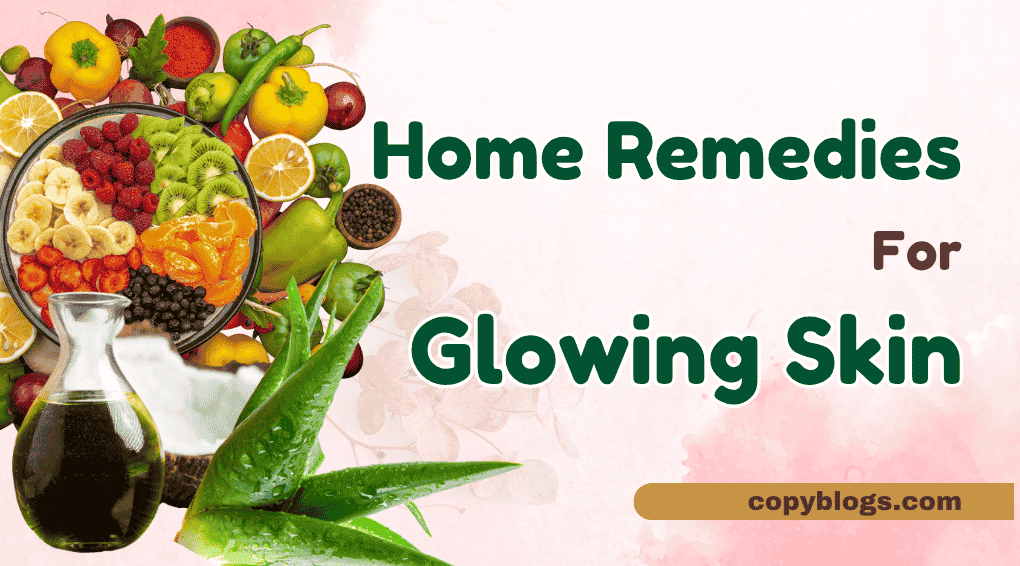
10 Home Remedies for Glowing Skin

Fruits, aloe vera, and natural oils used as home remedies for glowing skin.

Having home remedies for glowing skin helps you keep your skin healthy and beautiful without expensive products. Clear, radiant skin often reflects inner health and consistent care. You can achieve it by following simple natural remedies for glowing skin at home.

This guide explains ten proven ways to make your skin glow using easy DIY glowing skin at home steps. It also shares practical home beauty tips for radiant skin, lifestyle suggestions, and safety advice.

Best 10 home remedies for glowing skin

1. Apply coconut oil for skin glow

Using coconut oil for skin is one of the best and oldest home remedies for glowing skin. It contains antioxidants and fatty acids that repair damage and improve moisture. It helps brighten dull complexions and make skin soft. However, it’s generally not recommended for people with oily or acne-prone skin because it can clog pores.

Ingredients:

  • 1 teaspoon virgin coconut oil
  • Cotton pad or clean fingers

Instructions:

  • Warm the oil slightly by rubbing it between your hands.
  • Massage on your face and neck using gentle circular strokes.
  • Leave it on for 10–15 minutes, then rinse with mild cleanser.

Frequency:

  • Use 2–3 times a week, preferably at night, to avoid breakouts in acne-prone or oily skin.

This oil also helps remove makeup, repair dry patches, and nourish skin cells naturally. It’s one of the most effective natural ingredients like coconut oil and aloe vera for skin glow.

Coconut oil is a versatile beauty remedy used in itchy scalp treatments, DIY lip masks for soft lips, and dark lip removal remedies.

2. Use aloe vera for glowing skin

Aloe vera for glowing skin helps soothe irritation, reduce acne, and give a natural glow. It hydrates deeply without clogging pores, improving elasticity and tone.

Ingredients:

  • Fresh aloe vera leaf or pure aloe gel

Instructions:

  • Scoop out aloe gel from a clean leaf.
  • Apply a thin layer to cleansed skin.
  • Leave on for 15–20 minutes and rinse off with lukewarm water.

Frequency:

  • Use daily for best results.

Aloe vera is part of the best DIY skincare routine and works well with other natural moisturizers to support healthy skin.

For even better results, explore these 13 radiant aloe vera mask ideas that deeply hydrate and refresh dull complexions naturally.

3. Moisturise after washing

Moisturising is a simple yet powerful habit that helps keep skin fresh, smooth, and glowing. It seals moisture, supports barrier repair, and protects against dryness and fine lines.

What you need:

  • Suitable moisturizer that matches your skin type
  • Optional: few drops of natural oil like jojoba or almond

Steps to follow:

  • After washing your face, pat dry slightly, but keep skin damp.
  • Apply moisturizer all over your face and neck.
  • Massage in circular motion until fully absorbed.

Frequency:

  • Twice daily – morning and before sleep.

This habit is one of the simple ways to achieve glowing skin while maintaining a balanced home skincare routine for healthy skin. Always moisturise after cleansing or showering for maximum gain.

If dryness persists, try hydrating recipes like our DIY strawberry face masks for glowing skin or carrot face mask recipes to lock in natural moisture.

4. Apply sunscreen daily

Daily sun protection is essential to prevent premature aging and hyperpigmentation. Sunscreen protects from harmful UV rays and supports bright, healthy skin.

What you need:

  • Broad-spectrum sunscreen SPF 30 or higher

Steps to follow:

  • Apply a generous amount evenly on face, neck, and exposed areas before stepping out.
  • Reapply every 2–3 hours when outdoors.
  • Choose lightweight matte sunscreen for oily skin.

Frequency:

  • Use daily, even on cloudy or rainy days.

Following these sunscreen and skin glow tips helps block damage and preserve your natural glowing skin over time.

If you’ve struggled with UV damage, these sun-tanned skin home remedies can help restore your skin’s natural radiance.

5. Follow a gentle cleansing routine

Overwashing or using harsh cleansers can cause dullness and dryness. A balanced skin cleansing routine helps remove dirt without stripping natural oils.

What you need:

  • Mild cleanser (gel or cream-based) depending on skin type
  • Clean towel

Steps to follow:

  • Clean your face twice – once in the morning and once before bed.
  • Gently massage cleanser in circular motion for 20–30 seconds.
  • Rinse well and pat dry. Avoid scrubbing harshly to protect the skin barrier.

Frequency:

  • Two times daily, or after heavy sweating.

A consistent skin cleansing routine is vital to maintain smooth and glowing skin. Clean skin absorbs nutrients better and helps other products work effectively. It is a key part of your glowing skin routine at home.

You can also refresh your skin naturally using sea salt for skincare and cleansing.

For an extra glow boost, exfoliate once or twice a week using natural face masks. Try our DIY AHA face masks for gentle exfoliation and cell renewal, or DIY charcoal face masks to detox pores and draw out impurities. These natural treatments complement your daily cleansing and moisturizing routine for radiant, refreshed skin.

6. Avoid smoking

Smoking leads to wrinkles and dull, tired-looking skin. The toxins in cigarettes reduce blood flow and oxygen, affecting collagen production. If you stop smoking, your skin can recover its natural shine and firmness.

Practical tips:

  • Limit smoking gradually if quitting feels difficult.
  • Avoid exposure to secondhand smoke.
  • Replace cigarette habits with gum, herbal tea, or short walks.

Frequency:

  • Commit to a smoke-free lifestyle daily.

Quitting is one of the most important lifestyle changes for glowing skin that benefits your health as much as your looks. It’s a valuable avoidance of these habits for dull skin tip.

7. Drink more water

Hydration is crucial for skin brightness. Water supports cell repair, flushes out toxins, and keeps skin plump and clear.

What you need:

  • Clean drinking water
  • Optional: lemon slices, mint, or cucumber for flavor

Steps to follow:

  • Drink a glass of water every few hours during the day.
  • Start mornings with warm water to boost circulation.
  • Reduce alcohol and sugary drinks.

Frequency:

  • 8–10 glasses daily.

Drinking water daily improves hydrated skin benefits and works as a natural hydration tip for glowing skin. Hydration plays a major role in your beauty routine – complement it with rice water for skin benefits to enhance your glow naturally.

8. Eat foods for glowing skin

Diet strongly affects your skin. Eating antioxidant-rich foods helps protect skin against free radicals and dryness. The best foods for glowing skin come from nature, not packages.

Ingredients (examples):

Instructions:

  • Add a variety of colorful fruits and vegetables daily.
  • Reduce processed, salty, and fried items.
  • Include enough protein to support cell repair.

Frequency:

  • Maintain as part of a daily best diet for healthy skin.

A balanced diet supports natural remedies for glowing skin, increases collagen, and boosts long-lasting brightness.

9. Take probiotics

The science behind the gut-skin connection is strong. Probiotics are an excellent addition for internal health. Adding probiotic for skin health can reduce acne and inflammation.

Steps to follow:

  • Eat one serving of probiotic-rich food daily.
  • If using supplements, follow the dosage on the label or doctor’s prescription.
  • Pair with fiber-rich meals for best results.

Frequency:

  • Include daily in your meal plan.

With consistent intake, probiotics can balance gut health. Consequently, it can help improve skin clarity, making one of the best home remedies for radiant skin that works internally.

10. Limit hot showers

Hot water removes the natural oils that keep skin soft and moisturized. Reducing heat exposure helps your skin maintain its protective barrier. Lukewarm is best.

What you need:

  • Lukewarm water
  • Soft towel and moisturizing lotion

Steps to follow:

  • Keep shower time under 10 minutes.
  • Use mild soap or cleanser only when necessary.
  • Moisturize immediately after to retain water.

Frequency:

  • Follow daily as part of good skincare after shower practice.

This routine reduces dryness and helps you achieve glowing skin naturally without harsh conditions.

Caution and side effects

Even though these home remedies for glowing skin use natural ingredients, they may not suit everyone. Patch testing and safe usage are important steps.

General cautions

  • Perform a patch test on your arm before applying any new product to your face.
  • Avoid lemon, baking soda, or harsh scrubs that may irritate sensitive skin.
  • If redness, itching, or burning occurs, rinse immediately and stop using.
  • Over-moisturizing or heavy oils can cause pore blockage in oily skin types.
  • People with severe acne, eczema, or medical skin issues should consult a dermatologist first.

Possible side effects

  • Allergic reactions to coconut oil or aloe vera.
  • Breakouts with overuse of oils or thick creams.
  • Dry patches if skipping moisturizer after hot showers.
  • Sunburn if sunscreen is not used daily.
  • Understanding the side effects and adjusting your skincare habits help ensure visible, safe, and lasting glow.

 Additional home beauty tips for radiant skin

Include these home beauty tips for radiant skin in your daily routine to support glow and elasticity:

  • Use honey, turmeric, or cucumber as kitchen ingredients for glowing skin masks.
  • Sleep at least 7–8 hours a night for repair and recovery. If you struggle with rest, try these home remedies for insomnia to sleep better naturally for a healthier glow.
  • Include short facial massages to improve blood flow.
  • Clean makeup tools weekly to avoid bacteria buildup.
  • Manage stress with meditation or light exercise.
  • Keep a consistent home skincare routine for healthy skin both morning and night.
  • Avoid touching your face frequently.
  • Always remove makeup before sleeping.
  • Eat balanced meals rich in nutrients and hydration.

These daily practices work together with your DIY skincare routine and other natural remedies for glowing skin to maintain long-term brightness.

Conclusion

Following home remedies for glowing skin can give you healthy, fresh, and radiant skin using natural methods. Through proper natural remedies for glowing skin, balanced diet, hydration, and protection, you can achieve beauty that lasts.

These best home remedies for radiant skin not only enhance your outer glow but also improve overall wellness. Whether you choose coconut oil for skin, aloe vera for glowing skin, or adopt simple lifestyle changes, consistency will show results.

Keep your skin hydrated, nourished, and protected – this is how you truly learn how to get glowing skin naturally and maintain it every day.

You may also like:
Best 12 DIY Turmeric Face Masks for Radiant Skin
5 Best Vitamins for Hair Growth
How to Manage a Healthy Lifestyle
Top 14 Natural Ways to Treat Acne Scars at Home
Grandma’s Hairfall Remedies
How to Make Skin Toners at Home (12 Easy DIY Recipes)


Disclaimer: The information in this article is for educational purposes only and not a substitute for professional medical advice. Always perform a patch test before trying new remedies and consult a dermatologist if you have any skin conditions, allergies, or persistent concerns. Results may vary depending on individual skin types.

Beauty

5 Best Vitamins for Hair Growth

Woman with long curly hair smiling, showing results of vitamins for hair growth.

Healthy hair depends on proper nutrition. The right vitamins for hair growth help build strong strands and reduce breakage. Lacking them can lead to thin or weak hair. Each vitamin supports hair in a different way, from root strength to shine.

Balanced eating that includes key hair growth vitamins and minerals gives the scalp what it needs for new growth.

If you prefer time-tested home solutions, explore Grandma’s Secret Natural Hair Fall Remedies Home That Actually Work for traditional tips that pair well with these vitamins.

Top vitamins for hair growth

Vitamin B

Vitamin B, especially Vitamin H (also called biotin or vitamin B7), supports hair strength and thickness. Biotin for hair growth helps produce keratin, the main hair protein. It improves structure and prevents damage.

Low biotin can cause dull or brittle hair. Taking enough vitamins that help hair growth – mainly B vitamins – improves blood flow to the scalp by creating more red blood cells.

To enhance your biotin intake naturally, discover 5 Seeds for Hair Growth, simple seed-based recipes to boost hair strength.

Among these, vitamin B12 for hair growth is important for healthy follicles and encouraging thicker growth.

Foods rich in vitamin B include:

  • Eggs and dairy products
  • Meat, poultry, and fish
  • Whole grains and nuts
  • Leafy vegetables
  • Fortified cereals and plant milks

When food intake is poor, a B‑complex supplement can support nutrients for healthy hair.

Vitamin A

Vitamin A for hair growth is critical. It helps skin glands produce sebum, a natural oil that moisturizes the scalp and keeps it healthy. Sebum prevents hair from becoming dry, brittle, or breaking easily.

All cells in the body need vitamin A to grow, including your hair cells. However, lack or excess of vitamin A may lead to vitamin deficiency hair loss. So, maintaining the right balance is essential.

Good natural sources of vitamin A:

  • Carrots, pumpkins, and sweet potatoes
  • Spinach and kale
  • Dairy products, eggs, and cod liver oil

A small portion of these foods daily ensures your body has enough for nutrients for healthy hair without risking overconsumption.

Vitamin C

When it comes to protecting hair from damage, vitamin C for hair is a powerful antioxidant. It helps reduce oxidative stress, which can block new hair growth and weaken existing strands.

Vitamin C also plays a role in collagen production, which gives hair its structure and elasticity. Another benefit is improved nutrient absorption – especially iron – which helps supply oxygen to the hair follicles.

Foods rich in vitamin C include:

  • Oranges, lemons, and strawberries
  • Guavas, bell peppers, and tomatoes
  • Kiwi and citrus fruits

Adding these foods regularly can improve shine, strength, and long-term growth for healthy hair.

If you often struggle with scalp dryness or irritation, explore Best 12 Natural Itchy Scalp Remedies for soothing, expert-backed tips.

Vitamin D

If you experience excessive hair shedding, vitamin D deficiency and hair loss might be linked. Research shows that low levels of vitamin D are associated with alopecia, a condition causing baldness or patchy hair loss.

Vitamin D helps form new hair follicles, improving overall scalp health and promoting regrowth. The easiest way to get vitamin D is through safe sun exposure for at least 10 to 15 minutes daily.

Dietary sources of vitamin D include:

  • Fatty fish (salmon, sardines, and mackerel)
  • Mushrooms and egg yolks
  • Fortified milk, juices, and cereals

If you have limited sun exposure, your doctor may recommend a vitamin D supplement to improve hair nourishment and restore growth.

For full food lists, check out our guide in Vitamin D-rich Foods.

Vitamin E

Vitamin E for hair growth is another strong antioxidant that protects the scalp against oxidative stress. It restores shine, improves texture, and helps repair damaged strands. Studies show that it can lead to noticeable improvement in hair thickness over time.

Great sources of vitamin E include:

  • Almonds, sunflower seeds, and peanuts
  • Spinach, kale, and avocados
  • Olive oil, wheat germ, and other plant oils

When paired with other best vitamins for hair growth like vitamin C and biotin, vitamin E boosts circulation and strengthens the scalp. It’s also beneficial for repairing sun-damaged and brittle hair.

Besides vitamin-based care, explore Best Herbal Remedies for Hair Loss to discover proven botanical ingredients that naturally reduce shedding.

Essential nutrients for hair growth

Besides vitamins, your hair requires key minerals and proteins. These essential nutrients for hair growth play a vital role in forming healthy strands and preventing breakage.

Iron for hair

Iron supports the production of red blood cells, which transport oxygen to every part of the body, including the scalp. A shortage if iron can lead to fatigue and significant hair loss.

Iron-rich foods include:

  • Lean red meat and fish
  • Lentils, beans, and spinach

Zinc for hair

Zinc helps in tissue growth and repair. It keeps the oil glands near hair follicles functioning properly. Both zinc and iron for hair are critical nutrients that work together to maintain strength and structure.

Zinc-rich foods include:

  • Oysters, beef, and poultry
  • Pumpkin seeds, cashews, and chickpeas

Protein

Since hair is made of keratin, getting enough protein for hair is essential. A lack of protein may lead to weak hair strands and slower growth.

Include good protein sources such as:

  • Eggs, tofu, fish, dairy products, beans, and quinoa

Combining these nutrients ensures steady growth and thicker strands.

Learn about more nutrient-rich options in Top Natural Foods for Healthy Hair.

Hair growth supplements

Whole foods should always be your main source of vitamins and minerals for hair, but supplements can be helpful when your diet falls short.

A hair growth supplement can combine vitamins that help hair growth and minerals in one capsule. Options include those containing biotin, vitamin D, zinc, and iron.

However, before using supplements:

  • Get a blood test to identify deficiencies
  • Choose doctor-recommended brands
  • Avoid excess intake to prevent toxicity

Vitamins to prevent hair loss work best when taken under medical guidance. Overuse may harm your health instead of helping it.

For extra nourishment beyond supplements, explore 15 Natural Hair Masks to deeply condition, repair, and restore healthy shine.

Lifestyle and diet for healthy hair

In addition to vitamins for hair growth, improving habits can make your hair naturally fuller and stronger. Consider these healthy routines:

  • Eat foods rich in vitamins for hair growth such as fruits, nuts, and green vegetables.
  • Drink at least eight glasses of water daily to stay hydrated.
  • Massage your scalp using oils like coconut, almond, or argan oil to increase blood flow.

You can even try Homemade Rosemary Oil for Hair, a simple DIY oil that helps stimulate new strands naturally.

  • Sleep 7–8 hours to give your body time to repair itself.
  • Manage stress through yoga, deep breathing, or light exercise.
  • Avoid frequent use of heat styling tools or harsh hair chemicals, as they damage follicles. Natural remedies are often safer and more effective long-term.

These habits protect natural oils and support continuous collagen production.

Best vitamins for hair growth: FAQs

What are the best vitamins for hair growth and thickness?

The best vitamins for hair growth and thickness include biotin (vitamin B7), vitamin D, and vitamin E. They support both strength and volume.

Which vitamin deficiency causes hair loss?

A lack of vitamin D, iron, or zinc often leads to significant shedding. You can correct this through food or supplements.

Do vitamin supplements help with hair growth?

Yes. Vitamin supplements can help with hair growth.

Studies suggest they aid people with deficiencies, especially those low in biotin, D, or iron.

How can I improve hair growth naturally?

You can improve hair growth naturally with vitamins by eating balanced meals, staying active, and keeping your scalp clean.

Does vitamin D help with hair regrowth?

Yes, vitamin D can help with hair regrowth by stimulating new follicle formation on the scalp.

How much biotin should I take for hair growth?

Biotin supplements usually range from 2,000 to 5,000 mcg daily but consult your doctor before use.

Longterm care for healthy hair

Keeping hair thick and strong requires proper nutrition and regular care. Consistent intake of top vitamins for hair growth helps maintain shine and reduces hair fall.

Long‑term nutrition can correct vitamin deficiency hair loss and strengthen hair roots. A balanced routine that includes natural vitamins for hair growth, enough protein for hair, and a clean scalp keeps follicles active for years.

Watch for any change in hair texture or an increase in hair shedding. If this happens, adjust your diet or supplements to maintain healthy growth and prevent future damage.

To keep your scalp healthy and flake-free, explore Best Natural Remedies for Dandruff – simple, proven solutions for lasting relief.

Conclusion

Getting the right balance of vitamins for hair growth makes a visible difference in hair strength, shine, and volume. From vitamin A for hair growth to vitamin E, each nutrient has a vital role in maintaining a healthy scalp and strong strands.

Focus on a nutritious diet for hair growth that includes leafy greens, fruits, lean proteins, and nuts. If necessary, take best vitamins for hair loss or supplements after medical guidance.

Healthy hair begins inside your body. Nourish it with essential vitamins and minerals for hair, and your hair will naturally become stronger, thicker, and more radiant over time.

You may also like:
Natural remedies for sun tanned skin
14 Natural ways to treat acne scars
DIY lip masks
Home treatments for dark lips
Home remedies for insomnia
Remedies for itchy eyes and sore eyes


Disclaimer: This article is for informational purposes only and does not replace professional medical advice. Consult a healthcare provider before starting any vitamin or supplement for hair growth. Individual results may vary based on health conditions and nutritional needs.

Food & Health

8 Proven Home Remedies for Insomnia to Sleep Better Naturally

Home remedies for insomnia using natural methods like meditation, lavender oil, and magnesium for better sleep.

Lack of quality sleep weakens the mind and body. Home remedies for insomnia can help calm your mind and restore natural sleep. These insomnia home treatment focus on simple lifestyle changes, relaxation methods, and balanced bedtime habits. Good sleep is essential for both mental and physical health. If sleeplessness continues, natural approaches can help you rest better before seeking medical advice.

Symptoms and causes of insomnia

Insomnia causes and symptoms vary widely. The most common triggers include:

  • Stress
  • Anxiety
  • Depression
  • Caffeine
  • Irregular bedtime
  • Screen exposure

Short-term insomnia may resolve on its own. Chronic difficulties might indicate deeper issues like hormonal imbalance or lifestyle stress.

Poor sleep affects focus, mood, and immunity. Continuous sleep deprivation and health risks include high blood pressure, anxiety, heart disease, and depression.

Learning how to improve sleep quality naturally can prevent these long-term effects. It can also promote a stable bedtime routine.

Home Remedies for Insomnia

Below are top 8 home remedies for sleep problems that support better rest and recovery.

1. Mindfulness meditation for sleep

Mindfulness meditation for sleep can help ease the mind and slow down racing thoughts. Sitting quietly and focusing on your breathing can build awareness and encourage mental stillness.

Benefits:

  • Reduces anxiety, relaxes the body, and improves focus
  • Helpful for those with stress and insomnia connection issues.

Instructions:

  • Practice 15–20 minutes daily, morning or evening.
  • Try guided meditations or calm background music.

Caution:

  • If meditation triggers emotional distress, stop and resume only when comfortable.

Regular meditation supports natural sleep remedies by improving your ability to unwind and fall asleep naturally.

If you struggle with restless nights due to blocked breathing, try these natural remedies to stop snoring to improve airflow and sleep quality naturally.

2. Mantra repetition and natural relaxation techniques

Mantra repetition is one of the simplest natural relaxation techniques for sleeplessness. Repeating calming words or phrases promotes focus and emotional release.

Benefits:

  • Clears mental clutter and establishes peace before bedtime.

Instructions:

Repeat your chosen mantra in a calm space each night. It may be in English, Sanskrit, or your native language.

Caution:

  • If chanting causes restlessness or discomfort, stop immediately.

This mindful rhythm encourages insomnia relief naturally, helping the body enter a restful state.

3. Yoga for sleep problems and relaxation

Practicing yoga for sleep problems combines gentle body movements and deep breathing. It relieves tension, restores circulation, and sharpens mental clarity.

Benefits:

  • Lowers cortisol
  • Lightens mood
  • Promotes deeper rest.

Instructions:

  • Choose calming forms like restorative, Yin, or gentle Hatha yoga.
  • Do stretches for 20 minutes daily, especially before bedtime.

Caution:

  • Avoid forceful postures that strain muscles or joints.

Yoga is among the best remedies for insomnia that support both relaxation and physical well-being. Pair it with mindful breathing to enhance how to cure insomnia naturally through daily balance.

4. Regular exercise as a natural insomnia cure

Exercise stimulates hormone balance and boosts energy levels during the day, leading to better rest at night.

Benefits:

  • Enhances fitness
  • Eases stress
  • Regulates sleep-wake rhythm.

Instructions:

  • Engage in moderate activity for 30 minutes most days.
  • Try brisk walking, swimming, or cycling.

Caution:

  • Avoid intense workouts close to bedtime.

Physical activity remains an effective home remedy for better sleep and is one of the most reliable non-medication treatments for insomnia.

Regular movement and balanced meals support deeper rest. Learn more in our guide on natural metabolism boosters that improve energy and overall wellness.

5. Massage therapy and relaxing touch

Gentle massage can release stored body tension and improve rest. It is a proven approach in holistic sleep remedies.

Benefits:

  • Lowers anxiety
  • Soothes sore muscles
  • Improves circulation.

Instructions:

  • Apply light pressure on the shoulders, neck, arms, or feet.
  • Use calming essential oils to amplify results.

Caution:

  • Test oils for allergies before full use.
  • Avoid massage if you have open wounds or inflamed skin.

This home treatment for sleeplessness supports relaxation through touch and sensory comfort.

6. Magnesium benefits for sleep

Magnesium plays an important role in nerve and muscle relaxation. Deficient levels often worsen insomnia.

Benefits:

  • Calms the nervous system
  • Supports melatonin production
  • Balances stress hormones.

Instructions:

Take 300–400 mg daily, preferably with food or before bed.

Alternatively, soak in a magnesium flake bath for skin absorption.

Side effects:

  • Excess may cause stomach upset.

Caution:

  • Avoid continuous supplementation; take breaks regularly.

Understanding magnesium benefits for sleep helps promote both relaxation and consistent restfulness. Combined with good habits, it can serve as a safe insomnia natural cure.

For more ways vitamins and nutrients can support deep rest and brain health, see our guide to the best vitamins and supplements for your mental health.

7. Lavender essential oil for insomnia

Many consider lavender essential oil for insomnia one of the best herbal supplements for sleep. It creates a calm environment and supports deep relaxation.

Benefits:

  • Reduces anxiety
  • Stabilizes mood
  • Enhances overall sleep quality.

Instructions:

Add a few drops to a diffuser or pillow spray, or take 20–80 mg lavender capsules daily. You can also drink lavender tea.

Side effects:

  • Mild nausea
  • Headache
  • Constipation

This aromatic therapy is among the herbal remedies for insomnia supported by traditional and modern studies alike. If headaches often disrupt your sleep, explore safe natural remedies for headaches and migraines.

8. Melatonin supplements for sleep balance

Melatonin supplements for sleep regulate your natural body clock. They are useful for those whose sleep cycles are disrupted by stress, jet lag, or shift work.

Benefits:

  • Promotes faster sleep onset
  • Enhances deep sleep quality.

Instructions:

  • Take 1–5 mg of melatonin 30 minutes to one hour before bed.
  • Use the lowest effective dose.

Side Effects:

  • Drowsiness
  • Dizziness
  • Stomach discomfort.

Caution:

  • Use the supplement short-term only.

When combined with good sleep hygiene tips, melatonin can help restore a balanced routine and lessen sleep problems naturally.

Behavioral Therapy and Non-Medication Treatments for Insomnia

If home remedies for insomnia are not providing enough relief, healthcare professionals often suggest cognitive behavioral therapy for insomnia (CBT-I). This therapy helps identify behaviors, thoughts, and patterns that interfere with restful sleep. It focuses on replacing them with routines that encourage a healthier sleep cycle.

Benefits:

  • Promotes better long-term sleep
  • Reduces dependence on medicines
  • Improves daily function.

Methods used:

  • Sleep scheduling
  • Stimulus control
  • Relaxation training
  • Relaxation therapy
  • Sleep hygiene education

CBT-I remains the gold standard natural insomnia treatment at home for chronic cases.

Studies show that CBT-I offers lasting benefits and usually leads to more stable results than relying on pills alone. It is one of the most trusted non-medication treatments for insomnia that helps rebalance your body’s natural rhythm.

For soothing tired eyes and reducing strain from sleeplessness, try gentle sore eye remedies and itchy eyes natural treatments.

Medication for Short-Term Insomnia Relief

When necessary, doctors may prescribe sleep medicines for short-term support. These should only be used when behavioral or natural remedies for insomnia do not work quickly enough. Medication is generally meant for temporary relief while adopting lifestyle or behavioral changes.

Usage:

  • Sleeping pills are for short-term use only.
  • Limit use to no more than ten consecutive days.

Excessive or frequent use can lead to dependency and reduced effectiveness. Over time, your body may develop tolerance, requiring higher doses.

To avoid side effects and ensure safety, always follow your doctor’s prescribed dosage and duration.

Common over-the-counter (OTC) options:

The following OTC medications may help some people fall asleep temporarily.

  • Benadryl (diphenhydramine)
  • Unisom SleepTabs (doxylamine succinate)

Prescription medications:

Doctors may also prescribe low-dose medications for limited periods, including:

  • doxepin (Silenor)
  • eszopiclone (Lunesta)
  • zolpidem (Ambien)

Medicines can provide short-term relief from insomnia causes and symptoms, but they are most effective when combined with healthy habits.

Pair medication with natural relaxation techniques, therapy, and good sleep hygiene tips for better results. The goal is to use them only for a short period while you rebuild your body’s natural sleep rhythm through consistent routines and home treatments for sleep problems.

Daily Sleep Hygiene Tips for Better Rest

Following consistent sleep hygiene tips strengthens your bedtime habits and complements natural treatments.

  • Limit caffeine, nicotine, and alcohol.
  • Keep a steady bedtime and wake-up time.
  • Use dim light in the evening and avoid phone screens before bed.
  • Create a calm, cool, and dark sleeping environment.
  • Eat light meals at least two hours before bed.
  • Try soft music or breathing exercises to relax.

These home remedies for sleepless nights can help reduce interruptions and enhance relaxation.

To maintain your wellness routine beyond sleep, explore herbal home remedies for daily health that promote relaxation, stress relief, and balanced living naturally.

Home remedies for insomnia: FAQs

What are the best natural remedies for insomnia and anxiety?

Meditation, yoga, lavender, and magnesium are safe and effective choices.

Can I treat insomnia without medication?

Yes. Adopt home treatments for sleep problems like breathing exercises, natural sleep therapy, and bedtime consistency.

How can I relax my mind before bed naturally?

Use natural relaxation techniques such as deep breathing, gentle stretching, or mindfulness practice.

Which herbal supplements help sleep?

Chamomile, valerian root, and lavender are among the best herbal supplements for sleep.

When to see a doctor?

If insomnia lasts longer than three weeks or affects daytime function, seek medical advice.

Conclusion

Home remedies for insomnia can help you get back your nights through natural care and mindful living. From meditation to magnesium and lavender essential oil for insomnia, each remedy promotes inner calm and physical ease.

Combining natural sleep aids for insomnia with sleep hygiene tips and CBT-based habits strengthens your overall rest. These methods reduce stress, balance hormones, and help restore stable rhythms.

Minor adjustments – like meditating, adopting a bedtime routine, or managing stress – can bring major improvements. Start small, stay consistent, and experience how to improve sleep quality naturally through gentle, lasting habits.

You may also like:
Natural remedies for arthritis
Nutrition tips for healthy bones
Top vitamin D-rich foods
Best foods for good eyesight


Disclaimer: This content is for informational purposes only and does not replace professional medical advice, diagnosis, or treatment. Always consult your healthcare provider before using any remedy or supplement mentioned on this site.

Food & Health

7 Soothing Home Treatments for Itchy Eyes You Can Try Right Now

Natural home treatments for itchy eyes and dryness relief using safe remedies.

Experiencing home treatments for itchy eyes can be uncomfortable and annoying. However, most cases don’t last long and often improve with simple home care. This guide covers the best home remedies for itchy eyes to provide effective relief itchy eyes at home. These home treatments include natural remedies for itchy eyes, eye drops for itchy eyes, and other proven methods. Understanding how to prevent itchy eyes at home and managing symptoms with home treatment for eye irritation can help you maintain healthy, comfortable eyes.

Common Causes of Itchy Eyes

Itchy eyes are most often caused by allergies but can result from a combination of environmental, medical, or lifestyle factors.

The major causes include:

Allergic conjunctivitis (eye allergies)

The most common cause of itchy eyes is allergic conjunctivitis. It is triggered by allergens such as pollen, dust mites, pet dander, mould spores, or cosmetics. When allergens contact the eye surface, the immune system releases histamine. This leads to inflammation, redness, tearing, and itching. This condition can be seasonal (hay fever-related) or perennial (year-round allergies).​

Dry eye syndrome

Though it can cause burning more than itching, dry eye occurs when tear production is insufficient or poor in quality, leading to dryness, irritation, and a gritty feeling. Itchiness may occur secondarily, especially when dryness leads to inflammation or rubbing.​

To support overall eye health and prevent issues like dry eyes, consider including best foods for eye sight in your diet. These foods provide essential nutrients that nourish your eyes and help maintain clear vision.

Eye infections (conjunctivitis or blepharitis)

Bacterial or viral conjunctivitis, sometimes called “pink eye,” can cause itchiness along with redness, discharge, and swelling. Blepharitis, an inflammation of the eyelids, can also contribute to persistent itching due to debris and bacterial buildup near the lashes.​

Contact lens irritation

Poor contact lens hygiene, wearing lenses for too long, or reactions to the lens material or cleaning solutions can irritate the ocular surface and trigger itching. Giant papillary conjunctivitis (GPC) is common among frequent lens users.​

Environmental irritants

Smoke, pollution, chlorine, perfumes, makeup, or strong wind can act as irritants that dry and inflame the eyes, leading to itching or discomfort.​

Eczema and atopic dermatitis

Individuals with eczema or atopic dermatitis around the eyes often experience itching and irritation due to skin inflammation spreading to the delicate eyelid area.​

Medication side effects

Certain medications such as antihistamines, antidepressants, birth control pills, or painkillers can reduce tear production, temporarily worsening dryness and causing itchy sensations.

Knowing these triggers helps determine the right home treatments for itchy eyes and when medical care is necessary.

Effective Home Treatments for Itchy Eyes

Here are several trusted home remedies for itchy eyes, including some lesser-known but effective options:

Over-the-counter eye drops for itchy eyes

Using eye drops for itchy eyes can provide quick and targeted relief. Types include:

  • Allergy-specific drops targeting itching and redness.
  • Artificial tears to treat dryness.
  • Preservative-free eye drops to reduce irritation.

Important notes:

  • Follow usage instructions.
  • Avoid overuse of eye drops to prevent rebound redness or dryness.
  • Consult a professional if symptoms persist beyond a few days.

Cold compress for immediate itchy eyes relief

A cold compress for itchy eyes provides soothing relief by reducing inflammation and tightening blood vessels.

Research shows cold compresses are an effective measure, especially for symptoms of allergic conjunctivitis (a common cause of itchy eyes).

Instructions:

  • Soak a clean cloth in cold water, wring excess water, and place on closed eyelids for 5-10 minutes.
  • Repeat as needed.
  • Avoid direct ice to prevent skin damage.

If your eyes feel sore or strained in addition to itching, explore more sore eye remedies to help reduce irritation and promote overall eye comfort.

Warm compress for eye irritation

A warm compress for eye irritation can relieve swelling, styes, or ingrown eyelashes by promoting drainage and muscle relaxation.

This itchy eye remedy is primarily recommended for conditions like dry eyes, by helping unclog oil glands, improving tear film quality. It is also for relieving swelling from a stye or blepharitis (inflammation of the eyelids).

Instructions:

  • Use a warm, damp cloth or a microwavable sock filled with rice.
  • Apply for 5-10 minutes, several times daily.

Cautions:

  • Avoid overheating the compress to prevent burns.
  • Do not use if there is active eye infection without consulting a doctor.

For beauty-focused eye care, try reducing puffiness or dark circles with simple home techniques. Check out these remedies for dark circles and eye bags. They use warm compresses, natural oils, and soothing treatments to refresh tired eyes.

Other Natural Soothing Itchy Eyes Remedies

Cucumber

Slices of cucumber on closed eyes can support for soothing.

Cucumbers are high in water, providing a cooling and hydrating effect on the skin around the eyes. Chilled slices act like a simple, gentle cold compress to reduce puffiness and soothe irritation, which can help with minor itching.

Aloe vera gel

Aloe vera has anti-inflammatory and moisturizing properties beneficial for the skin around the eyes (to relieve redness, irritation, and dryness).

Only use pure, clean aloe gel applied gently around the outside of the eyes and eyelids can help reduce inflammation. Avoiding direct eye contact.

For similar soothing effects on other skin areas, including the scalp, explore our remedies for itchy scalp that also feature aloe vera and other natural treatments.

Green tea bags

Chilled or cooled green (and black) tea bags act as a compress. Green tea contains antioxidants and has been noted in studies for its anti-inflammatory properties, which can help calm irritated eyes.

Use this natural remedy for itchy eyes at a warm or cold temperature (not hot) and ensuring they are clean.

For more soothing skincare solutions, explore our guide on green tea face masks that harness the power of antioxidants for refreshed and healthy skin.

Saline rinse

Saline rinses can safely flush out allergens, irritants and debris from the eyes, which often cause itchiness.

Only use sterile prepared saline rinse specifically intended for eye care. Do not use tap water as this can introduce contaminants or damage the eye.

For tips on making a safe, homemade saline rinse, check out our guide on remedies for snoring. It includes simple instructions for saline rinse solutions. You can also learn other effective nasal care methods there.

Summary of each home treatments for itchy eyes

  • Overuse of eye drops can cause rebound irritation or dryness.
  • Cold compresses should not be applied directly with ice. Use cloth-soaked cold water only.
  • Warm compresses must be comfortably warm, not hot, to avoid burns.
  • Natural remedies like aloe vera should not enter the eye directly to prevent irritation.
  • Homemade saline rinses must use sterile water and proper salt amounts to avoid further irritation.
  • If allergic or infection symptoms worsen, discontinue home remedies and consult a doctor immediately.
  • Avoid rubbing eyes to prevent irritation and secondary infections.

Preventive and Supportive Natural Eye Care Tips

  • Use a humidifier in dry indoor environments to assist in dry eyes home remedies.
  • Adhere to the 20-20-20 rule to reduce eye strain: every 20 minutes, look 20 feet away for 20 seconds.
  • Wear sunglasses outdoors for allergy eye relief at home and to block allergens.
  • Practice good eye hygiene – remove makeup before bed and avoid rubbing eyes.
  • Hydrate well to support eye moisture.

When to Seek Medical Care

Although many cases of itchy eyes improve with home treatments for itchy eyes, you should see a healthcare professional if you experience:

  • Foreign objects lodged in your eye.
  • Signs of infection like discharge or severe redness.
  • Worsening vision or blurred eyesight.
  • Moderate to severe eye pain alongside itchiness.
  • Persistent symptoms that do not respond to home remedies.

Conclusion

Using home treatments for itchy eyes offers a natural, safe, and accessible way to relieve discomfort from dry eyes, allergies, and minor irritations. Combined with preventive measures like natural eye care tips and avoiding triggers, these remedies effectively relieve itchy eyes at home without harsh medications.

If symptoms persist, seek professional medical advice to ensure proper diagnosis and treatment. By using these proven home treatments for itchy eyes, you can enjoy healthy, comfortable vision and reduce the risk of recurring irritation.

You may also like:
Natural remedies for sore throat
9 Home herbal remedies for everyday health
Home remedies for arthritis
Best natural foods for healthy bones
7 Unheard-of uses of turmeric for skin
13 Best aloe vera masks for glowing skin


Disclaimer: This content is for informational purposes only and does not replace professional medical advice. Always consult a qualified healthcare provider for diagnosis or treatment related to eye conditions.

Food & Health

Sore Eye Remedies That Actually Work: Safe Home Treatments and Care Tips

Sore eye remedies using cold compress and natural home treatments.

If your eyes feel irritated or tired, trying sore eye remedies can bring quick, gentle relief. These home remedies for sore eyes help soothe discomfort caused by dryness, strain, or irritants. The right care can protect your eyes and promote healing naturally.

Common causes of sore eyes

Knowing the root causes is key before using any natural treatment for eye pain. Some irritants are mild, while others may signal more serious issues.

Lifestyle and environmental triggers

  • Extended screen time causing eye strain from screens and fatigue.
  • Sun glare and UV exposure without sunglasses.
  • Dry indoor air, smoke, and pollution.
  • Dehydration or not blinking enough.
  • Contact lens misuse or poor hygiene.
  • Sleep deprivation affecting tear production and healing.

Medical conditions

  • Conjunctivitis (pink eye): Infection causing redness, itching, and discharge.
  • Blepharitis: Inflammation on eyelid margins, leading to crusty lashes.
  • Dry eyes: Weak tear film causing burning or stinging.
  • Keratitis: Inflammation from bacteria, viruses, or contact lenses.
  • Uveitis/Iritis: Eye inflammation marked by deep pain or light sensitivity.
  • Glaucoma: Elevated pressure in the eye causing severe pain and vision issues.
  • Foreign body in eye: Tiny particles like dust or debris.
  • Allergic irritation: From pollen or cosmetics.

Avoiding irritants and following consistent eye care at home prevents recurring soreness.

Best sore eye remedies and safety tips

Cold compress for eye pain

A cool compress reduces swelling and irritation fast.

How to use:

Soak a clean cloth in cool water, place over your closed eyes for 5–10 minutes, and repeat several times a day as needed.

Learn more about effective home remedies for bleeding gums and discover how cold compresses can ease headache and migraine pain.

Caution:

  • Avoid using ice directly on the skin.
  • For infections or open wounds, skip this remedy and seek medical advice.

To understand the wide-ranging benefits of cold compresses, it helps to look at how they provide relief for different conditions beyond just eye pain. Cold compresses are also a proven natural remedy for relieving bleeding gums and headaches or migraines.

Castor oil eye drops benefits

Approved castor oil eye drops lubricate the eyes and reduce inflammation. They help relieve home treatment for eye irritation and dryness.

How to use:

Use sterile, pharmacy-grade eye drops only. Apply one drop in each eye before bed.

Caution:

  • Do not use non-sterile or kitchen castor oil – it may cause infections or allergic reactions.​
  • Temporary blurred vision and mild redness can occur; stop if irritation persists.
  • Avoid using with contact lenses or mixing with other prescription drops.​

Aloe vera for sore eyes

Aloe vera for sore eyes is soothing due to its anti-inflammatory action.

How to use:

Mix one teaspoon of fresh aloe gel with two tablespoons of chilled water. Soak cotton pads and apply on closed eyes for 10 minutes.

Caution:

  • Always dilute aloe vera; pure gel can irritate the eyes.
  • Do not place aloe directly inside the eyes.
  • Use only natural, additive-free gel.

For more details on aloe vera toxicity and safe use, see Is Aloe Vera Toxic?

Warm compress for eye strain

Useful for eye irritation remedies from dry eyes or blepharitis.

How to use:

Dip a cloth in warm (not hot) water and rest it on closed eyelids for 5 minutes.

Benefit:

Helps unblock oil glands and relieve sore eyes relief at home.

Eye care tips for sore eyes

In addition to natural remedies for sore eyes, daily habits can help prevent future discomfort.

  • Limit screen exposure and follow the 20-20-20 rule.
  • Wear sunglasses outdoors to reduce glare.
  • Stay hydrated to prevent dry eyes home remedies from becoming frequent.
  • Get enough sleep for eye recovery.
  • Avoid rubbing your eyes and ensure hands are clean before touching them.
  • Keep makeup and lenses clean.
  • Practice eye care at home for long-term comfort.

These steps help keep the eyes healthy and support other home treatment for eye irritation methods.

Additionally, maintaining a healthy diet rich in vitamins and nutrients is essential for supporting eye health and preventing soreness. Learn more about the best foods for good eyesight and how nutrition plays a vital role in eye care here.

When to see an eye doctor

Even the best sore eye remedies may not be enough for certain conditions.

See a specialist immediately if:

  • Pain, redness, or swelling worsens after 24–48 hours.
  • Vision changes, light sensitivity, or sudden blurriness occur.
  • You have discharge, crusting, or pus.
  • A foreign object is stuck or eye trauma occurs.
  • You recently had eye surgery or an injection.
  • You have headaches or nausea along with eye pain.

Prompt care prevents serious complications and supports healing.

Takeaway

Safe and effective sore eye remedies – like cold compress, aloe vera, and castor oil eye drops – can bring soothing relief at home. Always use sterile, diluted ingredients and avoid sharing products. If irritation or vision problems persist, consult a doctor. By combining natural care with smart precautions, you can enjoy lasting comfort and stronger eye health.

You may also like:
15 Natural sore throat remedies
Remedies for arthritis
9 Herbal remedies for Everday Wellness
Top 14 natural remedies for acne scars
Best 12 itchy scalp remedies
Homemade aloe vera face masks for glowing skin


Disclaimer: Always consult an eye care professional (ophthalmologist or optometrist) for persistent, worsening, or severe eye pain, vision changes, or suspected infections. Home remedies are typically for mild, temporary relief.

Food & Health

15 Natural Remedies for a Sore Throat

Herbal teas, honey, lemon, and ginger arranged on a table for natural remedies for sore throat.

Symptoms of a sore throat include pain, particularly when swallowing. Possible natural remedies for sore throat include honey, lemon water, chicken soup, peppermint tea, and more. Throat lozenges may also help relieve a sore throat.

A sore throat can be very uncomfortable. The main symptoms are pain and irritation, especially when swallowing. A sore throat is part of the body’s immune response to viral or bacterial infections.

The natural immune response leads to inflammation and swelling of the mucous membranes in the throat. However, several home remedies for sore throat may provide relief, including some with scientific evidence.

This article shares 15 natural sore throat remedies that promote healing and sore throat relief naturally.

1. Marshmallow root for sore throat relief

Since ancient times, people have used extracts from the marshmallow plant Althaea officinalis to treat sore throats and other conditions – a classic herbal remedy for sore throat.

Its root contains mucilage that coats and lubricates the throat when swallowed – one of the most soothing natural sore throat cures.

Researchers have tested lozenges containing marshmallow root in animals and found them effective and nontoxic, even at very high doses.

It may also help soothe a dry cough.

Marshmallow root infusion

Here is a recipe for a cold marshmallow root infusion to soothe a sore throat naturally:

Ingredients:

  • one liter (l) of cold water
  • one ounce, or 28 grams (g), of dried marshmallow root

Directions:

  • Fill a jar with the cold water.
  • Place the marshmallow root in cheesecloth and tie it up in a bundle.
  • Lower the bundle into the water until it is completely submerged.
  • Place the tied end of the bundle over the lip of the jar, place the lid on the jar, and screw it on.
  • Infuse overnight or for at least 8 hours, then remove the bundle.
  • Pour the desired amount into a glass. Add an optional sweetener of choice.
  • When it is ready, take sips throughout the day to help reduce symptoms.

Choosing high quality dried marshmallow root from a reliable source is important.

Marshmallow has a long history of use for treating sore throats. Its root contains a gelatinous substance called mucilage, which coats and soothes the throat.

2. Sage and echinacea: Effective herbal remedies for sore throat

Sage and echinacea are traditional herbal remedies for sore throat.

Sage is a popular herb in cooking, but it also has several medicinal uses. Sage, also called Salvia officinalis, originated in the Mediterranean. Now, people grow it around the world.

Studies suggest they can help relieve pain and inflammation, providing natural throat pain remedies.

Echinacea is another herb that people use in traditional medicine. It can fight bacteria, reduce inflammation, and help treat respiratory conditions.

Sage-echinacea throat spray

Follow this recipe to make a sage-echinacea throat spray at home to achieve sore throat relief naturally:

Ingredients:

  • one teaspoon (tsp) of ground sage
  • one tsp of ground echinacea
  • 1/2 cup of water

Directions:

  • Boil the water.
  • Place the sage and echinacea in a small jar, then fill it with boiling water.
  • Let it steep for 30 minutes.
  • Pour the mixture through a strainer. Add 1/2 cup of hard liquor if desired.
  • Place the mixture in a small spray bottle and spray into the throat every 2 hours or as needed.

Research suggests that a sage-echinacea spray can help relieve a sore throat as effectively as an antiseptic medication spray. These are effective natural remedies for sore throat that are easy to make.

To learn more about using echinacea for immune support, see our related guide on Remedies for cold and flu.

3. Apple cider vinegar: A powerful natural remedy for sore throat

Apple cider vinegar is one of the natural remedies for sore throat and health tonic. It has been a staple in folk medicine for centuries. Its main active ingredient, acetic acid, helps fight bacteria.

The ancient Greek physician Hippocrates, known as the father of medicine, prescribed a combination of apple cider vinegar and honey, called oxymel, to treat flu symptoms, such as coughs and sore throats.

To help relieve throat pain, drink one cup of warm water mixed with one tablespoon (tbsp) of apple cider vinegar and one optional tbsp of honey.

The possible risks of apple cider vinegar include tooth decay and digestive problems. People can find apple cider vinegar in supermarkets, health stores, and online.

Apple cider vinegar has antibacterial properties and, when mixed with warm water, could help supports sore throat relief.

You can also explore home remedies for food poisoning that include apple cider vinegar for natural relief and faster recovery.

4. Saltwater gargle: Easy home remedy for sore throat

Gargling salt water is one of the simplest home remedies for sore throat.

The salt helps reduce swelling by pulling water out of the throat tissue. It may also help kill harmful microbes in the throat.

Combine one cup of warm water with one tsp of salt and stir to dissolve. Gargle with a mouthful of this mixture for 30 seconds once per hour.

Gargling hourly with warm salt water may help reduce swelling and ease throat discomfort. This classic natural sore throat treatment works quickly and is easily available.

You can also explore home remedies for bleeding gums that include a saltwater rinse as a simple and effective natural treatment for oral health.

5. Honey: Naturally soothing sore throat treatment

Honey is among the best natural sore throat treatments.

Honey is a sweetener that people often combine with other natural remedies for sore throat. People use honey as a medicine because it has anti-inflammatory, antioxidant, and antimicrobial effects.

In addition to helping fight infection and providing pain relief, honey can also make certain remedies taste better.

Honey may be especially effective when a person combines it with warm water and apple cider vinegar or herbs. Some people choose to use raw honey or manuka honey.

However, children under the age of one should avoid honey. They have not yet acquired healthy bacteria that can fight off some germs, such as botulism spores, that sometimes occur in honey.

Also, people who avoid sugar or follow a low carb diet may want to choose another remedy since honey is a form of sugar.

Honey can help relieve throat pain naturally, particularly when a person combines it with vinegar or herbs in warm water. Never give honey to children under one.

For more soothing ideas, explore natural home remedies for everyday wellness that include ginger tea with honey to boost overall health naturally.

6. Licorice root: Traditional herbal remedy for sore throat

Licorice root tea is one of the most trusted natural sore throat remedies.

The licorice plant, also called Glycyrrhiza glabra, is native to Europe and South Asia. Best known for its sweet flavor, licorice also has uses in traditional medicine.

It has properties similar to aspirin that may help reduce sore throat pain. It also has antiviral, antibacterial, and anti-inflammatory effects.

There is little research into its ability to relieve illness-related sore throats. However, one much older study found that gargling with licorice water before surgery reduced the risk of getting a sore throat by 50%, compared with gargling with sugar water.

To make licorice tea, combine ground licorice root with hot water, let it steep for 5 minutes, then strain it before drinking. Licorice root tea is also available at natural grocery stores and online.

Drinking or gargling licorice tea may help soothe a sore throat naturally and support other natural sore throat remedies.

You can also read about licorice green tea, a natural remedy that combines licorice root with green tea to ease digestive discomfort and support overall wellness.

7. Lemon water: Refreshing natural sore throat cure

Lemon water is a refreshing beverage that may also reduce throat pain during a cold or flu. Lemon water provides vitamin C and other antioxidants, assisting with sore throat relief.

Lemon also increases the amount of saliva the body produces, which can help keep the mucous membranes moist.

Lemon water works perfectly when combined with honey or salt water as part of natural remedies for sore throat.

Learn more about the impressive benefits of lemon water, a natural remedy that boosts immunity and supports throat health naturally.

8. Ginger root tea: Powerful anti-inflammatory home remedy

Ginger is a spice with antibacterial and anti-inflammatory effects that may help relieve throat pain.

Some laboratory studies have found that ginger extract can kill some bacteria and viruses that cause respiratory illnesses. It can also reduce inflammation in people with tuberculosis, which is a lung disease.

Ginger tea is available from most markets and online retailers. People can also make their own from fresh ginger.

Ginger root tea

Follow this recipe to make ginger root tea at home:

Ingredients:

  • fresh ginger root
  • one l of water
  • one tbsp (21 g) of honey or a sweetener of choice
  • a squeeze of lemon juice

Directions:

  • Peel the ginger root and grate it into a small bowl.
  • Boil the water in a large saucepan, then remove it from the heat.
  • Place one tbsp of grated ginger into the saucepan and cover it with a lid.
  • Let it steep for 10 minutes.
  • Add the sweetener and lemon juice, then stir to combine.

This tea works well, reheated as needed or served cold.

Ginger root tea may help fight infection, reduce inflammation, and relieve sore throat pain.

Ginger tea is also used in natural remedies to stop snoring and home remedies for kidney stones, supporting airway relaxation, throat comfort, and overall wellness naturally.

9. Coconut oil: Soothing natural remedy for dry throat

Coconut oil lubricates and soothes irritation, fitting well among natural throat pain remedies and home remedies for sore throat.

Coconut oil is a versatile food with several health benefits. Some studies suggest that it may help fight infection and reduce inflammation in exposed areas.

Coconut oil is also very soothing because it helps lubricate the mucous membranes in the throat.

Here are a few ideas to try:

  • Add a spoonful to hot tea or hot cocoa.
  • Add a spoonful to soup.
  • Put a spoonful in the mouth, letting it melt and coat the throat.

Limit coconut oil consumption to about 2 tbsp (30 milliliters [ml]) daily, as it can have a laxative effect at higher dosages. When using coconut oil for the first time, start with one tsp (5 ml) at a time to minimize potential side effects.

Coconut oil is very soothing on the throat and may have anti-inflammatory effects. These properties make coconut oil one of the best home remedies for sore throat relief. Take up to 2 tbsp (30 ml) daily alone or in warm beverages.

Coconut oil is also featured in natural itchy scalp remedies and hormone-balancing foods, helping to nourish the scalp and support overall hormonal wellness naturally.

10. Cinnamon: Antioxidant-rich sore throat home treatment

Cinnamon is a fragrant and delicious spice with a high antioxidant content. It can also provide antibacterial benefits.

In Chinese medicine, cinnamon is a traditional natural remedy for sore throat and cold symptoms.

Cinnamon tea is available for purchase in most grocery stores, in both herbal and regular varieties, and online. People can also add cinnamon to herbal or black tea.

Another option is to make cinnamon almond milk, which may be especially soothing for a sore throat.

Cinnamon almond milk

Follow this recipe to make cinnamon almond milk at home:

Ingredients:

  • one cup of almond milk
  • ½ tsp (2.5 ml) of ground cinnamon
  • 1/8 tsp (0.6 ml) of baking soda
  • one tbsp (15 ml) of honey or a sweetener of choice

Directions:

  • Place the cinnamon and baking soda in a saucepan and mix together.
  • Add the almond milk and mix again until it is well combined.
  • Heat the mixture until it just begins to simmer, then remove it from the heat.
  • Stir in the honey or sweetener.

Cinnamon may help fight throat pain and infection due to a cold or flu. Try drinking cinnamon tea or adding cinnamon to a warm beverage to ease throat discomfort.

For more natural remedies, see best foods to regulate periods naturally, where cinnamon is recommended to support hormone balance and overall wellness.

11. Hydration: Simple way to soothe a sore throat naturally

Although swallowing may be uncomfortable, drinking plenty of water or other fluids will ultimately make the throat feel better. Hydration supports healing and keeps mucous membranes moist. It is one of the easiest sore throat reliefs at home methods.

Drink tea, herbal infusions, water, or other beverages at the most comfortable temperature.

Staying hydrated by drinking enough fluid throughout the day will allow the throat to remain moist so that it can heal.

13. Soup: Nourishing home remedy for sore throat relief

Soup is a well-known natural cold and sore throat remedy. It is also a comfort food that allows people to get more fluids when they are sick.

Try adding garlic to the soup as comforting natural remedies for sore throat while also boosting immunity. Garlic contains bioactive compounds that can also provide benefits during times of illness.

A person can buy canned soup ahead of time and store it until needed, or they can prepare it with added vegetables that boost immunity.

Soup is a comfort food that may help soothe a sore throat. Adding garlic enhances this natural sore throat remedy by supporting immunity.

13. Peppermint tea: Cooling and soothing for throat pain

Peppermint contains anti-inflammatory compounds and can soothe a sore throat naturally. Peppermint tea is caffeine-free, and its naturally sweet taste often requires no additional sweetener.

There are many peppermint herbal teas in stores and online.

To make peppermint tea at home, steep fresh peppermint leaves in boiling water for 3–5 minutes, then strain off the leaves.

Peppermint tea is a tasty, refreshing beverage that may help reduce inflammation and throat discomfort.

14. Chamomile tea: Natural bedtime remedy for sore throat

Chamomile is a daisy-like plant that people have used for medicinal purposes since ancient times. Some research suggests that chamomile tea promotes restful sleep, which is important for healing.

Chamomile tea has a pleasant, mild aroma and flavor. Like other herbal teas, chamomile contains no caffeine.

Chamomile tea may promote restorative sleep, which is important for healing.

Indeed, chamomile tea offers relaxation and recovery, assisting in how to soothe a sore throat naturally while promoting better rest.

15. Herbal lozenges: Quick herbal remedies for sore throat pain

This is also one of the effective herbal remedies for sore throat, providing moisture and easing irritation.

Teas, infusions, and other drinks are soothing and provide hydration, but sometimes sucking on a throat lozenge can also be comforting.

Herbal throat lozenges are available for purchase online and in some natural grocery stores. People can also make homemade throat lozenges with some of the herbs listed in this article.

Slippery elm is a popular herb for lozenges. It contains mucilage that coats and soothes the throat, similar to marshmallow root.

Try making lozenges ahead of time to have them on hand when a sore throat develops.

Purchase herbal throat lozenges or make a batch ahead of time to stay prepared for a sore throat.

Medications

Over-the-counter medications also can help ease a sore throat, including:

Nonsteroidal anti-inflammatory drugs (NSAIDs): NSAIDs relieve inflammation and sore throat pain without causing stomach discomfort. Two common types include ibuprofen and aspirin.

Sprays: Lidocaine sprays and other numbing throat sprays can effectively reduce pain.

Lozenges: Throat lozenges containing lidocaine or other types of numbing medicine can help soothe a sore throat.

Summary: Natural remedies for sore throat

Everyone experiences throat irritation sometimes, but natural remedies for sore throat like honey, saltwater gargle, or herbal teas can encourage faster healing. These 15 home remedies for sore throat offer safe, gentle, and scientific ways to promote recovery and long-lasting sore throat relief.

Be sure to see a qualified healthcare professional if a sore throat lasts for longer than a few days or is extremely painful. Severe or persistent pain may indicate strep throat, tonsillitis, or another serious infection that requires medical treatment.

(According to Medical News Today)


You may also like:
Healthy foods for bones
Best vitamins for mental health
Natural arthritis remedies
Top 5 seeds for hair growth
Dark Lip Remedies

Food & Health

Best Vitamins and Supplements for Your Mental Health

Person feeling relaxed after taking vitamins for mental health.

Maintaining good vitamins for mental health is essential for overall well-being. Along with a balanced diet and healthy lifestyle, certain supplements for brain health can provide crucial support for mood regulation and emotional balance. This article explores natural vitamins and nutrients that promote mental wellness and how they contribute to a healthier mind-body connection.

The Mind-Body Connection

Our mental health is closely linked to our physical well-being. While vitamins for mental health and natural mood-boosting vitamins aren’t a cure-all, they can help support good mental health. Talk to your doctor before you take any supplements. They may have specific recommendations or warnings, depending on your overall health and any medicines you take.

Vitamin D: Essential Vitamins for Mental Health

Vitamin D isn’t just for strong bones – it’s crucial for your mood too. Many of us don’t get enough sunlight, leading to vitamin D deficiency. Low levels have been linked to depression and other mental health issues. Consider getting your vitamin D levels checked by a doctor. If your levels are low, they might recommend supplements or more time outdoors. Understanding how vitamin D affects your mood can empower you to make mindful health choices.

Curious about where to get more vitamin D from your diet? Here’s a helpful list of foods naturally high in vitamin D that you might want to include in your meals.

B Vitamins for Mental Health and Energy

B vitamins, especially B12 and folate, are essential nutrients for emotional wellness and brain health. They help make brain chemicals that affect mood and other brain functions. Low B12 levels have been linked to depression. While you can get B vitamins from foods like eggs, poultry, and leafy greens, some people might benefit from supplements. If you’re feeling down or fatigued, talk to your doctor about checking your B vitamin levels. Wondering can B12 improve depression? It’s an important question to discuss with your healthcare provider.

You could also explore natural foods that help ease stress and support better mood balance here.

Omega-3s for Brain Health

Omega-3 fatty acids, found in fish oil, are crucial for brain function and may help with depression and mood disorders. While you can get omega-3s from fatty fish like salmon, many people don’t eat enough fish regularly. If that’s you, a fish oil supplement might be helpful. Many ask, do omega-3s help with mental health? Research suggests they do support brain function and mood regulation.

Magnesium: Calming Vitamin for Mental Health

Feeling stressed or anxious? Magnesium might help. This mineral plays a role in regulating neurotransmitters, which send messages throughout your brain and body. Low magnesium levels have been linked to an increased risk of depression. You can boost your magnesium intake through foods like nuts, seeds, and whole grains, or consider a supplement. Additionally, mint leaves are known to help reduce stress and anxiety, promoting relaxation and mental clarity.

Zinc: Vital Nutrient for Mental Health

Zinc is an essential mineral that plays a vital role in brain health and mood regulation. Some studies suggest that zinc supplements may help reduce depression symptoms, especially in people with a deficiency. Good food sources include oysters, beef, and pumpkin seeds. If you’re considering a zinc supplement, be careful not to overdo it. Taking too much zinc for a long time can have serious health risks. Adults should get no more than 40 milligrams a day from all sources, both supplements and food. Zinc is one of the best supplements for mood and energy balance.

SAM-e: Natural Remedy for Depression

S-adenosyl methionine (SAM-e) is a compound naturally produced in your body. It’s involved in the production of mood-boosting neurotransmitters. Some studies suggest SAM-e supplements may help with depression, especially when combined with other treatments. But it can interact with certain medications and isn’t right for everyone.

For more natural approaches to easing depression, explore some of the best herbal remedies that many find helpful.

St. John’s Wort for Mental Wellness

St. John’s wort is an herb that’s been used for centuries to treat mental health issues. Some studies suggest it may help with mild to moderate depression. Be aware that it can interact with many medications, including birth control pills and blood thinners.

5-HTP: Mood-Boosting Vitamin for Mental Health

5-hydroxytryptophan (5-HTP) is a compound that your body uses to make serotonin, a neurotransmitter that affects mood. Some people take 5-HTP supplements to boost their serotonin levels and potentially improve mood. While some studies show promise, more research is needed. 5-HTP can interact with antidepressants and other medications. This is one of the natural ways to boost serotonin levels safely under professional guidance.

Conclusion

Incorporating the right vitamins for mental health and brain vitamins for depression can play a significant role in supporting emotional wellness and reducing symptoms of anxiety and stress. Remember to consult with a healthcare professional before starting any new supplement regimen, especially when exploring natural supplements to improve mood or addressing questions like what supplements are good for brain function? Taking an informed and personalized approach helps optimize your mental and physical health naturally and effectively.

(According to WebMD)


You may also like:
Best natural foods for healthy bones
Natural remedies for arthritis
Natural solutions for everyday wellness
Remedies for snoring
Top foods for metabolism boost

Food & Health

Top Natural Remedies for Arthritis: Ease Pain and Improve Mobility

Healthy lifestyle and natural remedies for arthritis pain relief and improved mobility.

Remedies for arthritis can help reduce joint pain, improve mobility, and enhance overall quality of life. By combining lifestyle changes, dietary strategies, and complementary therapies, you can manage discomfort naturally and effectively. These approaches provide practical, proven ways to achieve natural relief for arthritis pain without relying solely on medication.

Remedies for arthritis: self-care and complementary therapies

Self-care and complementary therapies help ease arthritis pain relief and provide effective remedies for arthritis.

There are many ways to manage arthritis pain. However, no single treatment is guaranteed to produce complete and consistent natural relief for arthritis pain. Doctors say many patients have unrealistic expectations about how much improvement medicine can provide.

The goal, they say, isn’t necessarily to eliminate all pain, but to learn to manage it so it isn’t the focus of your life. Using a combination of remedies for arthritis can help you reach this goal.

Many nondrug options are available to help you achieve that goal, either alone or in combination with medical therapies. It starts with being good to your body and using effective remedies for arthritis.

Combining medical treatments with these natural arthritis remedies can make a real difference.

Remedies for arthritis: diet for pain relief

A healthy diet can play a major role in reducing arthritis pain and improving joint health.

Anti-inflammatory foods

It’s hard to overestimate the benefits of a healthy, anti-inflammatory eating plan.

Hundreds of studies have shown that a mostly plant-based diet can significantly cut inflammation and arthritis pain. One 2021 meta-analysis of seven randomized controlled trials looked at several anti-inflammatory eating patterns. These patterns include Mediterranean, vegan, vegetarian and keto diets. All led to a profound reduction in arthritis pain.

Not every trial has shown such positive results for every plant-based diet, but most have proven effective for chronic pain and as part of natural remedies for arthritis.

For more ways to support joints, see the guide on Healthy Foods for Bones.

Natural remedies for arthritis: exercise and active lifestyle

Regular exercise is just as important as diet.

It strengthens muscles that support joints, improves flexibility, and lifts your mood.
Consistent activity can reduce arthritis pain and boost mobility. Try to get at least 150 to 300 minutes of moderate-intensity aerobic exercise every week.

To start, try a brisk 30-minute walk on at least five days along with two days of weight lifting or resistance training. If you’re new to exercise, ask your doctor for a referral to a physical therapist. They can show you how to get the most from your workout and help maximize arthritis pain relief and other remedies for arthritis.

Explore effective natural metabolism boosters to complement your active lifestyle.

Take an active break

Balance your workouts with active recovery. This allows your body time to repair muscles after exercise.

Active recovery doesn’t mean doing nothing. It means doing less intense exercise, like walking or biking, after higher intensity workouts.

Active recovery is also an important part of natural arthritis remedies and long-term pain control.

Work on posture

Years of compensating for a sore hip or knee can cause pain in other parts of your body.

Poor posture or uneven movement can cause new aches. Slouching at a computer can lead to back pain. Staring at screens can also pull neck muscles out of alignment.

If you have new pain or old pain gets worse, consult a physical therapist. They can help you correct posture, sit, and move safely. This can help prevent future problems. So, good alignment supports lasting arthritis pain relief and mobility.

Arthritis pain relief : heat and cold therapy

Heat and cold are simple yet powerful remedies for arthritis.

Heat boosts blood flow to painful joints, relaxes tight muscles and helps eliminate waste products.

Cold reduces swelling, slows the transmission of pain signals through nerves and eases inflammatory chemicals.

Cold therapy is best for arthritis pain and swelling after exercise. You can use cold remedy during a flare or in the first 48 to 72 hours after an injury. Later, try alternating hot and cold packs (switching back and forth after about 10 minutes).

Explore how natural heat therapy techniques used for back pain can also ease stiffness and support arthritis relief.

For an even bigger chill:

  • Freeze half a paper cup of water.
  • Rub the ice on sore spots for about 10 minutes.
  • Be sure to protect your skin with a thin cloth or paper towel.

Warm paraffin wax can also take the edge off arthritis pain in your hands or feet. Leave the wax on while it hardens, then peel it off.

Bonus:

Paraffin wax is an occlusive moisturizer that can plump and soften skin. This is one of the simple remedies for arthritis you can try at home.

Proven complementary remedies for arthritis

Acupuncture

Acupuncture for arthritis pain relief and joint health improvement.Since becoming popular in the West decades ago, acupuncture has been closely and often skeptically scrutinized.

The vast majority of research – and there is plenty – has found that acupuncture can help a range of conditions, especially chronic pain and arthritis pain relief. Still, skeptics remain, and some findings have been mixed.

For example, a 2020 analysis of both randomized controlled trials and review articles found that acupuncture was effective for knee osteoarthritis, back pain and fibromyalgia, but not hip osteoarthritis or rheumatoid arthritis.

Another analysis of 32 randomized controlled trials found that fire acupuncture, which uses heated needles, worked better for arthritis pain relief than traditional acupuncture. Other studies suggest traditional acupuncture is equally effective for all types of pain.

These varying results may be due to the quality and length of studies, not to a problem with acupuncture itself. Overall, acupuncture remains one of the most trusted remedies for arthritis.

Massage

Foot massage for arthritis pain relief and better mobility.Massage is a highly recommended remedy for arthritis.

Various forms of bodywork can provide temporary natural relief for arthritis pain.

Try full-body Swedish massage for stress relief, relaxation, and deep-tissue massage. The remedy helps release knots or myofascial release, which uses long, stretching strokes to relieve tension around connective tissue.

Psychotherapy

Certain counseling techniques may help ease anxiety, reduce emotional distress and improve sleep, which can make living with arthritis pain easier.

Psychotherapy can be a supportive remedy for arthritis for mental well-being.

Hypnosis or hypnotherapy

Psychotherapy techniques to manage stress and arthritis pain naturally.This relaxed state of focused attention makes you more open to suggestions.

Like acupuncture, hypnotherapy can be used to treat a number of conditions, including arthritis pain, but there is less quality research to back it up. Many randomized controlled trials have shown major improvements in pain after about eight hypnosis sessions. Fewer sessions seem to have less effect.

Hypnotherapy may be part of holistic remedies for arthritis.

Biofeedback

Biofeedback for arthritis pain management and stress control.In biofeedback, a machine will show how thoughts and actions can affect your autonomic nervous system. This controls the heart, lungs, stomach and intestines, as well as the release of stress hormones.

Learning how to control breathing and heart rate will allow you to control other physical reactions, including arthritis pain, making it a useful remedy for arthritis.

Cognitive Behavioral Therapy (CBT)

In CBT, a psychotherapist helps you identify problematic behaviors (like becoming less active or doing fewer fun activities in response to pain), negative thoughts (about self, others and the future) and feelings (depression, guilt, anxiety).

This can increase your awareness of how problematic patterns develop and help you understand the connection between thought patterns and feelings. You are then trained in pain coping skills and natural arthritis remedies, such as relaxation techniques, imagery, and goal setting, encouraging you to have an active role in managing and controlling arthritis pain.

CBT is also recognized as one of the effective remedies for arthritis.

Conclusion: living better with remedies for arthritis

Remedies for arthritis don’t have to be complicated. From natural therapies like heat/cold treatments, massage, and acupuncture to lifestyle changes such as anti-inflammatory diets and regular exercise, there are proven ways to reduce pain and improve mobility.

Start exploring these remedies for arthritis today to take control of your joint health, ease discomfort, and boost your overall quality of life. Remember, the right combination of strategies can make natural relief for arthritis pain a real, achievable goal.

(Source: Arthritis Foundation)


You may also like:
9 Herbal Remedies for Everyday Wellness
12 Natural Remedies for Itchy Scalp
Home Treatments for Sun-tanned Skin
14 Natural Ways to Treat Acne Scars
Grandma’s Secret Natural Hair Fall Remedies

Food & Health

Nutrition Tips for Strong and Healthy Bones

Foods for healthy bones including milk, broccoli, almonds, and salmon.

Eating the right foods for healthy bones is essential to build strong bones from an early age and maintain them throughout your life.

You need sufficient calcium to keep your bones healthy and vitamin D to help your body absorb calcium.

Poor bone health can cause conditions such as rickets and osteoporosis and increase the risk of breaking a bone from a fall later in life.

You should be able to get all the nutrients you need for healthy bones by eating a balanced diet.

A good diet is only one of the building blocks for healthy bones, which also includes exercise and avoiding certain risk factors for osteoporosis.

Calcium for strong bones

Eating calcium-rich foods for healthy bones is one of the easiest ways to maintain strong bones naturally.

Adults need 700mg of calcium a day. You should be able to get all the calcium you need by eating a varied and balanced diet.

For an extra boost, some fruits like papaya can also support calcium absorption and bone health – learn more here.

Good sources of calcium include:

  • milk, cheese and other dairy foods
  • green leafy vegetables, such as broccoli, cabbage and okra, but not spinach
  • soya beans
  • tofu
  • plant-based drinks (such as soya drink) with added calcium
  • nuts
  • bread and anything made with fortified flour
  • fish where you eat the bones, such as sardines and pilchards

Although spinach contains a lot of calcium, it also contains oxalate, which reduces calcium absorption, and it is therefore not a good source of calcium.

Vitamin D for healthy bones

Adults need 10 micrograms (400 International Units or IU) of vitamin D a day.

It’s difficult to get all the vitamin D we need from our diet and we get most of our vitamin D from the action of the sun on our skin.

From late March or early April to the end of September, you can make vitamin D from sunlight by having short daily periods of sun exposure without sunscreen. However, everyone should consider taking a daily vitamin D supplement during the autumn and winter when we cannot make vitamin D from sunlight.

Good food sources of vitamin D:

  • oily fish, such as salmon, sardines and mackerel
  • egg yolks
  • fortified foods, such as some fat spreads and breakfast cereals

Combining vitamin D sources with calcium-rich foods for healthy bones gives your body the best foundation for bone health.

At-risk groups for Vitamin D deficiency

Some groups of the population are at greater risk of not getting enough vitamin D, and the Department of Health and Social Care recommends that these people should take a daily 10 microgram (400IU) vitamin D supplement all year round. These groups are:

  • people who are not often outdoors, for example if they are frail, housebound or living in a care home;
  • people who usually wear clothes that cover up most of their skin when outdoors;
  • people with dark skin such as those of African, African-Caribbean or south Asian origin;

Osteoporosis and diet

If you’ve been diagnosed with osteoporosis, your doctor may prescribe calcium and vitamin D supplements as well as osteoporosis drug treatments if they have concerns that your calcium intake may be low.

Bone health during menopause

Women lose bone more rapidly for a number of years after the menopause when their ovaries almost stop producing oestrogen, which has a protective effect on bones.

There are no specific calcium or vitamin D recommendations for the menopause. However, a healthy balanced diet, including calcium, summer sunlight and vitamin D supplements, will help slow down the rate of bone loss.

Vegan sources of calcium and vitamin D

Non-vegans get most of their calcium from dairy foods (milk, cheese and yoghurt), but vegans will need to get it from other foods.

Good sources of calcium for vegans include:

  • fortified soya, rice and oat drinks
  • soya beans
  • calcium-set tofu
  • sesame seeds and tahini
  • pulses
  • brown and white bread
  • dried fruit such as raisins, prunes, figs and dried apricots
  • green leafy vegetables such as kale, cabbage and broccoli

The vegan diet contains little, if any, vitamin D without fortified foods or supplements but, for everyone, sunlight on the skin in spring and summer is the main source of vitamin D. Remember to cover up or protect your skin before it starts to turn red or burn (remedies for sun-tanned skin can help).

Other vegan sources of vitamin D are:

  • fortified fat spreads, breakfast cereals and plant-based drinks such as soya drink (with vitamin D added)
  • vitamin D supplements

During pregnancy and when breastfeeding, women who follow a vegan diet need to make sure they get enough vitamins and minerals for their child to develop healthily.

If you’re bringing up your baby or child on a vegan diet, you need to ensure they get a wide variety of foods to provide the energy and nutrients they need for growth.

Vegans can also include plant-based foods for healthy bones, such as fortified soya drinks and green leafy vegetables, to meet their calcium needs.

Too much vitamin A

Some research has suggested a link between too much vitamin A and an increased risk of bone fractures. As a precaution, people who regularly eat liver (a rich source of vitamin A) are advised not to eat liver more than once a week, and not to take supplements containing retinol (a form of vitamin A usually found in foods that come from animals).

People at risk of osteoporosis, such as postmenopausal women and older people, are advised to limit their retinol intake to no more than 1.5mg (1,500 micrograms) a day by eating less liver and liver products and avoiding supplements containing retinol (including those containing fish liver oil).

Conclusion

In summary, eating nutrient-rich foods for healthy bones, exercising regularly, and getting safe sunlight exposure supports lifelong strong bones and helps prevent osteoporosis.

(According to NHS)


You may also like:
Herbal Home Remedies – Nature’s secret cures
Turmeric Skin Benefits – Glow with golden turmeric
Mint Leaves Benefits – Mint’s surprising health perks
Top Foods for Immunity – Boost immunity naturally
DIY Turmeric Face Masks – Simple turmeric mask tips