Food & Health

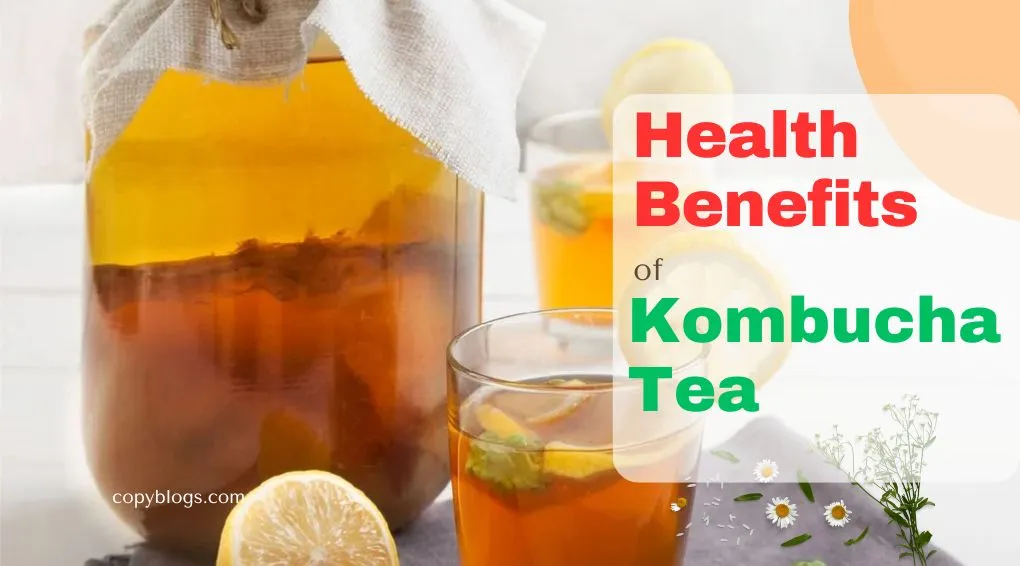
7 Evidence-Based Health Benefits of Drinking Kombucha Tea

benefits of kombucha

The health benefits of drinking kombucha tea have also drawn the interest of health-conscious individuals and scientists. Being a fermented tea whose origins are traced to China or Japan, kombucha tea is not only valued for its cool taste but also for its array of possible health benefits. Loaded with probiotics, antioxidants, and bioactive substances, the advantages of kombucha tea surpass those of plain teas, helping with digestion, heart well-being, and even liver function. This article delves into the evidence-based advantages that make kombucha an exceptional addition to a healthy regimen.

What are the health benefits of kombucha?

Kombucha tea not only provides health benefits similar to regular tea, but it is also rich in beneficial probiotics and contains a high amount of antioxidants, which can eliminate harmful bacteria and help protect against certain diseases. Below are the top 7 evidence-based health benefits of kombucha.

1. Rich source of probiotic bacteria

One of the health benefits of drinking kombucha tea is that kombucha is a rich source of probiotic bacteria. This tea is made by adding specific strains of bacteria, yeast, and sugar to black or green tea. The mixture is then left to ferment for a week or more. During fermentation, bacteria and yeast form a floating, mushroom-like layer on the surface of the tea. This is why kombucha is sometimes called “mushroom tea.” These microorganisms form a symbiotic colony of bacteria and yeast (SCOBY), which can be used to ferment more kombucha. The fermentation process produces acetic acid (also found in vinegar), other acidic compounds, a small amount of alcohol, and gases. A large number of bacteria also grow in this mixture. While the probiotic benefits of kombucha have not been fully proven, it contains lactic acid bacteria, which may have biological functions.

Probiotics supply the gut with beneficial, healthy bacteria. These bacteria can improve digestion, reduce inflammation, and even aid in weight loss. For this reason, adding kombucha to your diet may benefit your health in several ways.

You may also be interested in Gelatin Health Benefits, including digestion support.

2. Kombucha may provide the same benefits as green tea

Green tea is one of the healthiest beverages available. This is because green tea contains many bioactive compounds, such as polyphenols, which act as powerful antioxidants in the body. Since kombucha can be made from green tea, it also contains many of these plant compounds and likely shares some of its benefits.

Studies suggest that drinking green tea regularly can help burn excess calories, reduce belly fat, improve cholesterol levels, regulate blood sugar, and provide other health benefits. Some research also indicates that people who drink green tea have a lower risk of prostate, breast, and colon cancer. Consequently, you can enjoy the benefits of kombucha tea by consuming it moderately.

You may also interest in Amazing benefits of green tea

3. Kombucha contains antioxidants

Other health benefits of kombucha are its antioxidant properties. Antioxidants help protect the body from free radicals—reactive molecules that can damage cells. Scientific evidence suggests that antioxidants from foods and beverages are more beneficial to health than antioxidant supplements.

Kombucha, especially when made from green tea, has been found to have antioxidant effects on the liver. Studies on rats have shown that regularly drinking kombucha reduces toxin buildup in the liver caused by harmful chemicals, improving detoxification by at least 70% in some cases. While no human studies have yet confirmed this effect, it appears to be a promising area of research for those with liver conditions.

You may also like Healthy diet for good liver function

4. Kombucha may help fight harmful bacteria

One of the main substances produced during kombucha fermentation is acetic acid, which is also abundant in vinegar. Similar to the polyphenols in tea, acetic acid can kill many harmful microorganisms.

Kombucha made from black or green tea has strong antibacterial properties, particularly against infection-causing bacteria and Candida yeast. These antimicrobial effects prevent the growth of harmful bacteria and yeast while leaving beneficial bacteria intact.

Health Benefits of Drinking Kombucha Tea

5. Kombucha may lower the risk of heart disease

Other health benefits of drinking kombucha tea include supporting heart health. Heart disease is the leading cause of death worldwide. Studies on rats suggest that kombucha can significantly improve two key markers of heart disease: reducing bad LDL cholesterol and increasing good HDL cholesterol within just 30 days.

Additionally, tea (especially green tea) helps protect LDL cholesterol particles from oxidation, a process that contributes to heart disease. In fact, people who drink green tea have up to a 31% lower risk of developing heart disease, a benefit that kombucha may also provide. In summary, kombucha has been shown to lower LDL cholesterol and increase HDL cholesterol in rats, which may help protect against heart disease.

You may also interest in Top herbals for heart health

6. Kombucha may help regulate type 2 diabetes

Type 2 diabetes affects over 300 million people worldwide. This condition is characterized by high blood sugar levels and insulin resistance. A study on diabetic rats found that kombucha slowed the digestion of carbohydrates and reduced blood sugar levels. Kombucha also significantly improved liver and kidney function in these rats.

Kombucha made from green tea may be even more beneficial, as green tea itself has been shown to lower blood sugar levels. A study of nearly 300,000 people found that those who drank green tea had an 18% lower risk of developing diabetes. More human studies are needed to confirm kombucha’s effects on blood sugar control.

In summary, kombucha has been shown to improve diabetes markers in rats, including better blood sugar regulation. You may interest in How to cure diabetes with ladyfingers and Health benefits of bitter melon to diabetes

7. Kombucha may help protect against cancer

Cancer is one of the leading causes of death worldwide. This disease is characterized by uncontrolled cell growth and mutations. Research found other benefits of kombucha in cancer prevention.

Test-tube studies have found that kombucha can help prevent the growth and spread of cancer cells, likely due to its high polyphenol and antioxidant content. The exact mechanism behind the anti-cancer properties of tea polyphenols is not yet fully understood. However, researchers believe they help prevent genetic mutations, inhibit cancer cell growth, and promote programmed cancer cell death. For this reason, it is not surprising that people who drink tea regularly have a lower risk of developing various types of cancer.

You may also like health benefits of custard apples in anti-cancer.

Important Notes

Kombucha is a probiotic-rich tea that offers many health benefits. You can purchase kombucha at stores or make it at home. However, it must be prepared and consumed properly.

Contaminated or overly fermented kombucha can cause serious health issues and, in rare cases, even death. Additionally, homemade kombucha can contain up to 3% alcohol. A safer option is to buy kombucha from stores or online. Commercially available kombucha is tasty and typically contains less than 0.5% alcohol, making it safe to consume. However, always check the ingredients and avoid kombucha varieties with high sugar content.

Bottom line

The benefits of kombucha tea make it a desirable option for individuals seeking to boost their general well-being. From enhancing digestive health to helping reduce the risk of chronic illness, kombucha’s dense mixture of probiotics and antioxidants presents a host of wellness benefits. Yet responsible consumption of kombucha, whether store-bought or homemade, is necessary to prevent any negative consequences. By adding kombucha tea to a healthy diet, you can unleash a range of health benefits along with its characteristic and refreshing taste. Cheers to a glass of good health!

You may also like:
Is aloe vera toxic? | Top 15 natural hair masks

Beauty

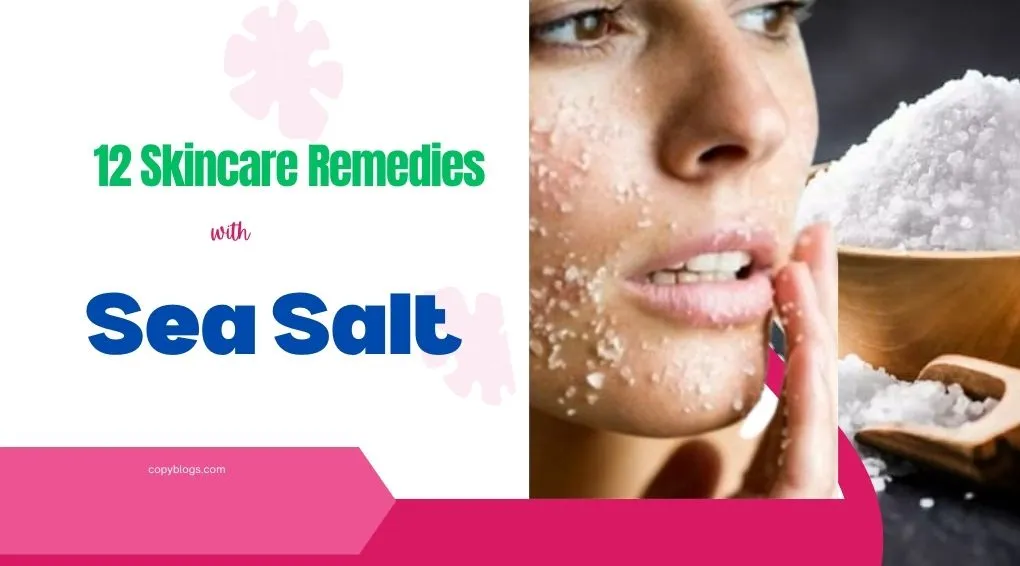
The Benefits of Sea Salt in Skincare

Top 12 skincare remedies with sea salt

The benefits of sea salt in skincare have become progressively recognized as an organic and efficacious remedy to improve skin wellness and beauty. Rich in mineral content such as calcium, zinc, and magnesium, sea salt provides numerous benefits, ranging from brightening and reviving the complexion to normalizing oil and addressing common dermatological issues such as acne and inflammation. Unlike traditional table salt, the dense mineral profile of sea salt is absorbed by the skin to promote regeneration and resilience. In masks, exfoliants, or just in a simple saltwater rinse, this product is a cheap, do-it-yourself way to obtain radiant, healthy skin and thus is becoming an integral part of contemporary skincare.

What are the benefits of sea salt in skincare?

Sea salt has many beneficial effects on the skin.

Sea salt contains significantly more minerals compared to regular salt. It consists of up to 80% sodium chloride and 20% minerals. Additionally, sea salt contains 21 essential minerals that help nourish healthy skin, such as calcium, zinc, chlorine, magnesium, and vitamin A. Regularly using sea salt for skincare enhances the skin’s ability to heal, regenerate, and maintain a healthy, radiant appearance.

Another benefit of sea salt for the skin is its ability to regulate excess oil effectively. Applying salt water to the T-zone and massaging gently on a regular basis can reduce oiliness and make the skin firmer.

Sea salt also helps firm the skin and detoxify the body, particularly for postpartum women. This method helps expel toxins from the body while firming the skin and slimming the waist.

Additionally, sea salt is used to treat skin inflammation and hives effectively. Dissolve 40g of sea salt in 100ml of warm water, apply it to the affected skin, then rinse. The antibacterial properties of sea salt help significantly improve skin infections.

Furthermore, regularly applying sea salt water to the skin can help treat whiteheads and acne on the face, back, or chest. Another effective method is steaming or taking a hot bath to open the pores, then directly rubbing sea salt on the affected skin.

12 Simple Ways to take benefits of sea salt in skincare

1. Cleanse the Face with Sea Salt Water

A simple method to utilize the benefits of sea salt in skin care is to wash your face with it. Sea salt has antibacterial properties, making it an excellent natural facial cleanser.

How to use it:

  • Mix 1 teaspoon of sea salt with 500 ml of warm water.
  • Rinse your face with warm water to remove dirt and oil.
  • Use a clean towel soaked in the salt water to gently wipe your face, then rinse again with warm water.

2. Exfoliate with Sea Salt

A sea salt mask helps control oil, reduce inflammation, and prevent acne. Exfoliation is a crucial step in daily skincare. Regular exfoliation helps brighten the skin, improve texture, and enhance nutrient absorption. Below are 4 approaches with sea salt masks for removing dead skin.

Method 1: Sea Salt and Olive Oil

  • Mix sea salt and olive oil in a 1:1 ratio.
  • Apply the mixture to the face and massage gently in circular motions.
  • Let it sit for 15 minutes, then rinse with cool water.

Method 2: Sea Salt and Honey

  • Mix sea salt and honey in a 50:50 ratio.
  • Apply the mixture to the skin without waiting for the salt to dissolve. This ensures better absorption of nutrients into the skin.
  • Gently massage in circular motions.
  • Relax for about 15 minutes.
  • Rinse with cold water.

Approach 3: Sea Salt and Coconut Oil

  • Mix 3 tablespoons of sea salt with 2 tablespoons of coconut oil.
  • Apply the mixture to the skin, massage gently, and leave for 20 minutes.
  • Rinse thoroughly with clean water.

Approach 4: Sea Salt and Fresh Milk

  • Mix 3 tablespoons of sea salt with 2 tablespoons of fresh milk.
  • Apply the mixture to the skin, relax for 15 minutes, then rinse with cold water.

3. Treat Acne with Sea Salt

Sea salt is effective in reducing acne, especially when combined with yogurt. Yogurt is rich in vitamin C, calcium, zinc, and lactic acid, which help cleanse the skin, control oil, and treat pimples.

How to use it:

  • Mix sea salt with 2 tablespoons of unsweetened yogurt.
  • Apply the mixture to clean skin and leave it on for 10 minutes.
  • Rinse with cool water and apply moisturizer.

4. Treat Blackheads

Other benefits of sea salt in skincare are treating unwanted blackheads.

  • Use diluted salt water at a 30% concentration.
  • Apply it directly to the blackhead-affected areas.
  • Use once a week for a month, but avoid excessive use to prevent dry skin.

The solution penetrates the skin, helping blackheads loosen and be removed easily without causing damage.

5. Minimize Pores

Large pores can make the skin appear rough and oily. Here’s how to use sea salt to tighten pores:

  • Dissolve 1/3 teaspoon of sea salt in a cup of water and bring it to a boil.
  • Pour the hot water into a bowl and steam your face for 10-15 minutes.
  • The steam opens pores, allowing dirt and oil to be removed.
  • Finish by rinsing with cold water to tighten the pores.

Benefits of Sea Salt in Skincare

6. Soothe Sunburned Skin

If your skin is red and irritated after sun exposure, mix 2 teaspoons of sea salt into a glass of water and gently pat it onto the affected areas. Within minutes, your skin will feel cooler and more comfortable.

7. Control Oily Skin

To reduce excess oil:

  • Use a spray bottle filled with warm water and 1 teaspoon of sea salt.
  • Mist your face and pat dry with a clean towel.

This will help remove excess oil without drying out the skin. Consequently, this method is regarded as one of 13 simple ways to take the benefits of sea salt in skincare.

8. Reduce Back Acne

Since sea salt has strong antibacterial properties, it is effective in reducing back acne.

How to use it:

  • After showering, while your pores are still open, apply a small amount of fine sea salt to your back.
  • Massage gently for a few minutes, then rinse with salt water.

10. Firm the Skin

Sea salt is rich in vitamins and minerals essential for skin health, helping to firm the skin and reduce oiliness effectively. This method is especially suitable for postpartum women.

Steps:

  • Crush sea salt finely.
  • Place it in a fabric pouch and warm it over a fire.
  • Apply the warm pouch to the skin until it cools.
  • Use this method 2-3 times per week for firmer skin.

Precautions When Applying the Benefits of Sea Salt in Skincare

  1. Using sea salt for skincare offers amazing benefits at a low cost, but keep these points in mind for the best results:
  2. Salt can make your skin more sun-sensitive, so apply sunscreen and shield your skin from sunlight during use.
  3. Cleanse your face with a facial wash before applying a mask, and limit use to 2-3 times a week to avoid drying out your skin.
  4. Massage gently during application—avoid rubbing too hard, as it can damage the skin.
  5. While salt is generally safe, it may cause allergies in some cases. Those with thin or sensitive skin may experience irritation or itching. Test it on your hand first to ensure it’s safe for your skin.

Bottom line

The benefits of sea salt in skincare go far deeper than simple cleansing, providing a full body care treatment to leave the skin glowing with youthful vigor. With its powers to detoxify, tighten the skin, and combat such concerns as oil and acne, it is an effective tool for any individual looking for a natural beauty solution. Although its mineral content produces impressive results, wise use is necessary—meticulous application and sunscreen protection guarantee its benefits are leveraged without risk. By adding sea salt to your regimen, you can tap into its tried-and-true ability to correct and rejuvenate your skin with a humble yet potent gift of nature.

You may also like:
Best herbal remedies for hair loss | Natural face masks for anti-aging |

Beauty

Top 15 Natural Hair Masks for Stronger, Shinier, and Healthier Hair at Home

DIY hair mask

Natural hair masks are a simple, chemical-free way to revive your hair.
Made with ingredients like honey, coconut oil, and yogurt, they fight dryness, reduce hair fall, and add shine.
These masks nourish from root to tip for healthier, softer hair at home.

Why Use Natural Hair Masks?

Damaged hair is a constant concern that troubles many people. Environmental factors, chemicals, and improper hair care habits can make hair dry, brittle, split at the ends, prone to breakage, and lose its natural shine.

Instead of spending money on expensive hair care products, you can use simple ingredients to make natural hair masks that effectively nourish and restore your hair.

Benefits of Natural Hair Masks

  • For dry hair. Hair masks can improve and enhance moisture levels to prevent dryness, static, frizz, and breakage.
  • For damaged hair. Hair masks help nourish and repair, especially improving split ends.
  • For dyed hair. Hair masks simultaneously restore damage while maintaining hair color.

How to Make Natural Hair Masks at Home

Along with hair loss herbal remediesfoods for hair growth, these Top 15 natural hair masks can help nourish and strengthen your hair effectively.

1. Hair Mask Recipes with Honey

A popular recipe among Top 15 natural hair masks is with easy-found ingredient: honey.

This natural substance is rich in vitamins B6, B12, vitamin C, calcium, protein, and other nutrients essential for hair growth. Additionally, honey helps soften hair, prevents hair loss, and effectively improves dryness and tangles.

Ingredients for hair mask:

  • 2 tablespoons honey
  • 1 tablespoon coconut oil
  • 1 tablespoon apple cider vinegar
  • A small amount of olive oil

How to make the hair mask:

  • Mix honey, coconut oil, and apple cider vinegar thoroughly to form a blend.
  • Add olive oil and continue mixing to create a nourishing, smooth hair mask.
  • Wash your hair with shampoo.
  • Apply the mask from the roots to the ends.
  • Gently massage and leave the mask on for 10–15 minutes.
  • Rinse your hair thoroughly with water.
  • Repeat this method 1–2 times a week  for noticeable improvements.

2. Hair Mask with Yogurt

Yogurt is packed with vitamins and minerals beneficial to health. It also contains lactic acid and protein, two key components that strengthen hair structure, protect hair follicles, and promote thick, strong hair.

Ingredients:

  • 1 cup of yogurt
  • 1 tablespoon honey
  • 1 tablespoon apple cider vinegar

How to make:

  • Combine all ingredients in a bowl and mix until smooth.
  • Wash your hair with shampoo.
  • Apply the mixture from roots to ends.
  • Gently massage and leave it on for 15 minutes to allow nutrients to penetrate deeply.
  • Rinse your hair with water.
  • Use this method 1–2 times a week for optimal results.

3. Natural hair masks with Banana

Bananas are rich in silica, which helps the body produce collagen, making hair thicker and stronger. Honey, abundant in antioxidants, soothes the scalp and effectively moisturizes hair.

Ingredients:

  • 2 ripe bananas
  • 3 tablespoons honey
  • 1 tablespoon olive oil

How to Make:

  • Mash the bananas into a smooth paste in a bowl.
  • Add honey and olive oil, then mix well.
  • Apply the mixture to your hair after shampooing.
  • Cover your hair with a towel or hair cap and leave it on for 20–30 minutes.
  • Rinse your hair thoroughly with water.
  • Repeat this 1–2 times a week for desired results.

4. Hair Mask with Aloe Vera

Aloe vera helps eliminate dandruff and strengthens hair from within. Don’t miss out on this recipe if you want to upgrade your hair!

Ingredients:

  • 1 fresh aloe vera leaf
  • 1 tablespoon olive oil

How to Make:

  • Extract the gel from the aloe vera leaf and blend it until smooth.
  • Mix the blended aloe vera with olive oil.
  • Stir well to form a thick, creamy mixture.
  • Apply the mixture to your hair and leave it on for 15 minutes to absorb the nutrients.
  • Rinse your hair with clean water.
  • Use this method 1–2 times a week for satisfactory results.

5. Hair Mask with Olive Oil

Olive oil is rich in antioxidants and fatty acids that help soften and promote faster hair growth. Its antibacterial properties also remove dead skin cells from the scalp and effectively reduce dandruff..

Ingredients:

  • 3 tablespoons olive oil

How to Make:

  • Heat the olive oil in the microwave for about 10 seconds.
  • Wet your hair and apply the oil evenly from roots to ends.
  • Wrap your hair in a clean, soft towel and leave it on for 20–30 minutes for optimal nutrient absorption.
  • Rinse your hair with cool water.
  • Apply this method twice a week to achieve shiny, silky and black hair.

Top 15 Natural Hair Masks – Simple but Effective

6. Hair Mask with Egg

Eggs are packed with vitamins A, B, D, and protein, promoting strong hair, stimulating growth, and adding shine. This egg-based hair mask is a favorite among many moms. It’s also easy for you to get ingredients to prepare this DIY hair mask.

Ingredients:

  • 1–2 eggs
  • 1 packet of fresh milk
  • 1 slice of lemon
  • 2 tablespoons olive oil

How to Make:

  • Separate the yolk and white into a bowl.
    • ✔ Use yolks for dry hair.
    • ✔ Whites for oily hair.
    • ✔ The whole egg for normal hair.
  • Add olive oil and a few drops of lemon juice, then whisk until smooth.
  • Apply evenly to your hair, leave it on for 10–15 minutes, and rinse with water.
  • Shampoo again to remove any egg smell.
  • Use this method once a week for glossy hair.

7. Natural hair masks with Beer

Beer is an excellent hair care ingredient as it contains proteins that help repair damaged hair. Its natural sugars add shine, thickness, and strength to your hair.

Ingredients:

  • 1 cup of beer
  • 1/4 cup of apple cider vinegar

Prepare:

  • Mix the two ingredients in a clean bowl.
  • Apply the mixture evenly to your hair, massage gently, and leave it on for 10–15 minutes.
  • Rinse thoroughly with water.
  • Shampoo your hair again to remove the beer scent.
  • Use this hair mask once a week to repair damaged hair.

8. Hair Mask with Unsweetened Fresh Milk

For strong, shiny hair, this mask with unsweetened fresh milk and avocado is perfect. Both ingredients are rich in vitamins A, D, B6, B12, and protein, which reduce hair breakage and promote growth.

Ingredients:

  • 1 ripe avocado
  • 2 tablespoons unsweetened fresh milk

How to Make:

  • Peel and mash the avocado in a bowl.
  • Gradually add the milk, mixing into a thick paste.
  • Wet your hair and apply the mixture evenly, relaxing for 20 minutes.
  • Rinse thoroughly  with cool water.
  • Use this recipe 1–2 times per week for stronger hair.

9. Natural Hair Mask with Pumpkin

This vegetable is not only used for cooking, but it can also benefits your hair and skin.

In previous post, I shared with you the methods to make homemade pumpkin face masks. You can read it here.

Indeed, pumpkin is loaded with vitamins A and C, plus iron, zinc, and potassium, which make hair strong, smooth, and vibrant. Combined with honey, this mask nourishes hair effectively.

Ingredients:

  • 30g pumpkin
  • 2 tablespoons honey

Steps:

  • Peel, wash, and blend the pumpkin.
  • Mix with honey until well combined.
  • Dampen your hair and apply the mixture from roots to ends.
  • Massage gently and relax for 15–20 minutes.
  • Rinse with cool water.
  • Repeat 1–2 times a week for glossy hair.

Natural Hair Masks – Top 15 Simple Approaches

10. Hair Mask with Coconut Milk

Coconut milk naturally smoothens hair and provides long-lasting moisture, while lemon juice adds volume and vitality.

Ingredients:

  • 1/2 cup of coconut milk
  • 4 tablespoons of lemon juice

How to Make:

  • Mix the lemon juice and coconut milk, then refrigerate.
  • After an hour, a creamy layer will form; apply this to your hair and massage gently.
  • Cover with a towel or cap for 1 hour.
  • Shampoo to clean your hair.
  • Use 1–2 times a week for strong and healthy hair.

11. Hair Mask with Oatmeal

Oatmeal has antibacterial properties, reduces oiliness, and cleanses hair roots safely. Paired with lemon nutrients, it promotes healthy, dandruff-free, soft hair.

Ingredients:

  • 2 tablespoons of oatmeal
  • 1 cup of lemon juice
  • 1 cup of water

How to Make:

  • Mix all ingredients in a bowl.
  • Wet your hair and apply the mixture evenly.
  • Massage gently, then cover with a towel or cap for 20–30 minutes.
  • Rinse with cool water.
  • Use this hair mask 1–2 times a week for best results.

12. Hair Mask with Strawberries

If you have thin or weak hair, try this strawberry hair mask. Vitamin A and C in strawberries help strengthen and smoothen hair.

Ingredients:

  • 5 strawberries
  • 1 egg yolk
  • 1 tablespoon olive oil

How to Make:

  • Blend all ingredients in a bowl.
  • Wet your hair and apply the mixture evenly.
  • Massage gently, then cover with a towel or cap for 20–30 minutes.
  • Rinse your hair with clean water.
  • Use the mask twice a week to reduce hair fall.

13. Natural Hair Mask with Mayonnaise

Beyond cooking, mayonnaise shines in haircare, reducing breakage and softening hair. Combined with honey, it’s a fantastic treatment.

Ingredients:

  • 5 tablespoons of mayonnaise
  • 2 tablespoons of honey

How to Make:

  • Mix the ingredients in a bowl.
  • Wet your hair and apply the mixture evenly.
  • Cover with a towel or cap for 5–10 minutes.
  • Rinse with cool water.
  • Apply the mask twice a week to improve weak hair.

14. Natural Hair Mask with Coconut Oil

Coconut oil, rich in vitamin E, lauric acid, and capric acid, reduces frizz, cleanses dandruff, and promotes natural shine with its antibacterial and antifungal properties.

Ingredients:

  • 1 tablespoon of coconut oil
  • 1 tablespoon of cinnamon powder

Prepare:

  • Mix the two ingredients in a clean bowl.
  • Wet your hair and apply the mixture from top to ends.
  • Massage gently with your fingertips to stimulate growth.
  • Cover with a towel or cap for 30–45 minutes.
  • Rinse with cool water.
  • Use this method 2–3 times a week for best results.

15. Hair Mask with Vitamin B1

The last one in top 15 Natural hair masks combines with supplement. You can also easy to get it in OTC. Vitamin B1 boosts metabolism, reduces hair loss, protects follicles, and promotes faster growth, making it a trusted choice for many moms.

Ingredients:

  • 10 tablets of vitamin B1
  • 3 tablespoons of honey

How to Make:

  • Crush the tablets of vitamin B1 into powder.
  • Mix with honey to form a thick paste.
  • Shampoo and dry your hair with towel, then apply the mixture from roots to ends.
  • Massage gently and leave on for 20–30 minutes.
  • Rinse with cool water.
  • Apply the mask 1–2 times a week for stronger hair.

Conclusion

Natural hair masks provide an affordable and flexible way to achieve strong, shiny, and healthy hair without shelling out money.

From coconut milk’s moisturizing qualities to beer and eggs’ repairing attributes, these hair masks draw upon nature’s wealth to treat anything from dandruff to thinning hair. Regular use (1–2 times a week) can produce apparent benefits, however, with a careful rinse and adjustment of ingredients to your hair type.

Accepting Natural hair masks not only adds to your hair’s radiance but also introduces a sense of satisfaction and hands-on intimacy to self-grooming.

You may also like:
Homemade yogurt face mask for glowing skin
Homemade papaya face mask
10 DIY Lip Masks
Aloe Vera Glow Blends
Turmeric Facial Packs
Charcoal Masks for Clearer Skin
Anti-Snoring Solutions
Type 2 Diabetes Management
Healthy Lifestyle Tips

Beauty

DIY AHA face masks: Top 4 AHA Face Mask Recipes

Natural AHA face mask with fruit ingredients like papaya, pineapple, and citrus on a spa table.

Getting radiant and healthy skin doesn’t always need to break the bank with expensive products or mean weekly salon trips. Unlock the secrets of natural Alpha Hydroxy Acids (AHAs) right in your kitchen with homemade AHA face masks! These DIY AHA face masks are easy to make and provide amazing benefits like lightening skin, erasing fine lines, and enhancing overall texture. From antioxidant-laden grape tartaric acid mask to deeply exfoliating sugarcane glycolic acid mask, check out these four recipes that will step up your skincare game and remain natural and affordable.

Before diving into our DIY AHA face masks: Top 4 AHA Face Mask Recipes, let’s explore some benefits of AHA. (TrustedSource)

AHA Benefits to the Skin

AHA is a water-soluble acid that occurs in fruits, vegetables, and milk sugars. AHA is extremely water-absorbent. AHA is considered safe on the skin and also stimulates the skin to produce collagen and elastin. Because of its safety and ability to encourage the production of collagen and elastin, AHA-containing cosmetics are perfect for treating skin conditions like exfoliation, anti-aging, skin whitening, and preventing acne.

AHA is derived from seven acids:

  • Glycolic Acid (sugarcane-derived)
  • Citric Acid (naturally occurring from citrus fruits)
  • Lactic Acid (sugar- and milk-derived)
  • Hydroxycaproic Acid (derived from royal jelly, secreted by bees)
  • Malic Acid (fruit-derived from pears and apples)
  • Hydroxy Caprylic Acid (derived from animals)
  • Tartaric Acid (derived from grapes)

Among the most popular AHAs are glycolic acid and lactic acid. Research shows that these two acids are considered the best due to their gentle nature and minimal skin irritation.

Benefits of AHA

1. Glow the Skin and Enhance Hyperpigmentation

Uneven skin tone worsens with age, and typical signs of aging like moles, acne scars, and hyperpigmentation tend to surface. With its capacity to stimulate the regeneration of new cells, AHA feeds the skin to attain a glowing complexion, eliminating dullness and sallow tones. Additionally, the elimination of dead cells enables red blood cells to take in oxygen and other nutrients more efficiently, leading to a brighter, more radiant look with less hyperpigmentation.

2. Stimulate Collagen Production

AHA has been found to act on the epidermis by stimulating growth and thickening the structure of the skin, in addition to strengthening the quality of elastin and collagen fibers. When applied to the skin, AHA quickly strips away the outer keratin layer and dead cells via ionic cell interactions, stimulating the sloughing off of aged cells and natural regeneration. It functions as a chemical exfoliant that speeds up the natural “skin turnover” process, resulting in smoother and brighter skin. AHA also offers great hydration because of its high water-holding capacity, dissolving the outer layer of dead skin and stimulating the growth of new, healthy cells.

3. Ease Hyperpigmentation

AHA is acclaimed as a “star” ingredient for its power to regulate melanin overproduction in the skin. It is also effective in diminishing hyperpigmentation, freckles, and dark spots.

4. Facilitate Acne Treatment

One of the key reasons for acne—whiteheads, pimples, and cysts—is blocked pores due to excess oil, bacteria, or dead skin. AHA functions as an exfoliant if used properly by removing clogged pores, stopping the formation of acne. AHA can even prevent the size of pores from increasing, particularly in acne-prone skin.

5. Slow down Aging Skin

AHA plays a crucial role in preventing signs of aging by reducing wrinkles and enhancing skin firmness through the stimulation of collagen and elastin production—the two “adhesives” critical for skin elasticity. However, AHA mainly affects superficial wrinkles; deeper wrinkles may require more advanced medical treatments and modern procedures to effectively smooth them out.

6. Chemically Exfoliating Dead Skin Cells

This is likely the most commonly recognized advantage of AHA for the skin. AHA chemical exfoliation washes off dull dead layers of skin, removes impurities that block pores (like sebum and dirt), and quickly rebuilds new skin cells, leading to a smoother-looking, younger-looking complexion.

Thanks to its water-soluble nature, AHA easily penetrates the skin’s surface to renew the outermost epidermal layer. It is recommended for dry, dull, or aging skin as it helps reduce fine lines, treat blackheads, improve rough texture, and maintain long-lasting smooth and hydrated skin.

Why should we prepare AHA face masks at home? – Risks of chemical AHA face masks

While chemical AHA face masks are highly effective at exfoliating and improving skin texture, they carry certain risks, especially when used improperly. These include burning, redness, and itching, particularly for beginners or those using higher concentrations. Skin irritation, rashes, or even peeling may occur as AHAs work to remove dead skin cells. Additionally, chemical AHAs significantly increase sun sensitivity, raising the likelihood of sunburn without proper SPF protection. More severe issues like changes in skin color, blisters, welts, or even chemical burns can arise if the concentration is too strong or if the mask is left on for too long. DIY AHA face masks, while not entirely risk-free, generally safer due to their milder, natural ingredients and lower concentrations, making them a gentler alternative for skincare enthusiasts looking for a secured, customizable option.

DIY AHA face masks – Top 4 AHA Face Mask Recipes

1. Grape Tartaric Acid Mask

The first DIY AHA face mask is with grape. Tartaric acid is naturally found in grapes and bananas. It smooths the skin, improves firmness, and naturally brightens the complexion. Champagne—made from grapes—is a rich source of tartaric acid, so you can use any sparkling wine for this anti-aging mask recipe. Using wine also provides the benefit of Resveratrol, a powerful antioxidant found in red grape skins and wine. This antioxidant repairs damage from UV rays and pollutants (dust) that cause premature aging, while also encouraging your skin cells to produce more natural antioxidants. Nothing beats combining it with clay and yogurt. The clay acts like a magnet, drawing out impurities, while yogurt exfoliates dead skin cells and boosts hydration.

Ingredients:

  • Red or white wine: 2 tablespoons
  • Grapes: 1 bunch
  • Organic white clay powder: 1 tablespoon
  • Honey: 1 teaspoon

Instructions:

  • In a ceramic bowl (avoid metal), mix the clay, honey, and wine together.
  • Squeeze a few grapes to extract the grape juice and add it to the mixture. Mix until the consistency is thick and smooth. If it’s too thick, add a little more wine.
  • Evenly apply the mixture to a clean face and neck, avoiding the eye area.
  • Relax and let the mask absorb for 10–15 minutes.
  • Rinse off and apply a thin layer of moisturizer.

2. Citrus Mask with Citric Acid

Among Top 4 AHA face mask recipes, citrus mask is also good pickup. Citric acid offers many benefits for the skin—from brightening dark spots and acne scars to improving overall texture. Cosmetic companies commonly use citric acid in products that tighten pores and brighten skin. Try a lemon and milk mask – a DIY AHA face mask – it may quickly become a staple in your beauty routine.

Ingredients:

  • Whole milk or yogurt: 2 tablespoons
  • Fresh lemon juice: 1 tablespoon

Instructions:

  • Mix the ingredients thoroughly.
  • Apply the mixture to your face and neck, avoiding the eye area.
  • Leave on for at least 20 minutes. Your skin will feel tightened as it dries.
  • Rinse off with warm water, then follow up with a moisturizer.

Note: Avoid using lime (round, green, thin-skinned); opt for yellow lemons instead. Lime’s high acid content can cause rashes or dermatitis when applied to the face or exposed to sunlight within 48 hours. If yellow lemons aren’t available, reduce the lemon juice to 2/3 of the recipe.

3. Apple Mask with Malic Acid

Malic acid is most abundant in apples. It helps reduce signs of aging, diminishes acne, brightens skin tone, and promotes collagen production. It also provides moisture and is ideal for sensitive skin since its pH is balanced and does not disturb the skin’s natural acidity. For that reason, don’t overlook this DIY AHA face mask to benefits your natural beauty.

Ingredients:

  • Apple juice: 2 tablespoons
  • Oats: 1 tablespoon
  • Honey: 1 teaspoon
  • Lemon juice (optional): 2 teaspoons (omit if you have sensitive skin)

Instructions:

  • Combine all ingredients in a bowl.
  • Apply the mixture to your face and neck and leave on for maximum 10 minutes.
  • Gently massage your face in circular motions with your fingertips while rinsing.
  • Pat dry with a towel and apply a moisturizer.

Note: If you don’t have an apple, you can use malic acid from apple cider vinegar.

4. Sugarcane Glycolic Acid Mask

Glycolic acid is one of the fastest and most effective exfoliants and a popular ingredient in many anti-aging products. It can hold up to 1,000 times its weight in water, providing both intense hydration and improved skin elasticity. So, using this mask among Top 4 AHA face mask receipes once a week can visibly reduce freckles and age spots.

Ingredients:

  • Coarse sugarcane (preferably organic): 2 tablespoons
  • Honey: 2 tablespoons
  • Juice of half a lemon

Instructions:

  • In a bowl, combine the coarse sugar and honey.
  • Squeeze the juice from half a lemon and mix well with the other ingredients.
  • Apply the mixture to your face and neck, avoiding the eye area.
  • Leave on for 5–10 minutes.
  • Enjoy your natural, DIY AHA face masks and reveal a healthier, more radiant.
  • Then rinse off with warm water.

Note: Glycolic acid is gentle when used at the right concentration. Limit the application time if you have sensitive skin, as many with easily flushed or reactive skin might experience adverse effects. Do not try this DIY AHA face mask if you fall into that group.

Bottom line

Incorporating DIY AHA face masks into your routine is a fantastic way to pamper your skin while reaping the benefits of natural ingredients. Whether you choose the rejuvenating grape mask, the brightening citrus mask, the collagen-boosting apple mask, or the hydrating sugarcane mask, each recipe offers unique advantages tailored to your skin’s needs. So, gather your ingredients, experiment with these Top 4 AHA face mask receipes, and let your skin glow with health and vitality. Remember, with a little creativity, skincare can be both effective and fun.

You may also like:
5 most effective ways to treat freckles at home | How to make detox face masks at home | 5 ways to treat blackheads at home

Beauty

Top 10 Honey Face Masks DIY: Brightening Skin and Clearing Acne

honey diy mask

Looking for a natural way to achieve glowing, blemish-free skin? Honey is a powerful ingredient packed with antibacterial and hydrating properties, making it perfect for DIY skincare. In this article, we’ll explore the Top 10 Honey Face Masks DIY for Brightening Skin and Clearing Acne—simple yet effective recipes that can help nourish your skin, reduce acne, and restore its natural radiance.

Honey Face Masks DIY

Is a Honey Face Mask Good for the Skin?

A honey mask is very beneficial for the skin as it contains many components that help speed up healing and reduce skin inflammation. One of the greatest benefits of honey is its ability to eliminate all types of bacteria on the skin. Specifically:

  • Anti-inflammatory properties. Honey has strong anti-inflammatory effects, making it useful for treating eczema, psoriasis, and allergic dermatitis.
  • Antibacterial and antimicrobial properties. Honey helps prevent skin infections due to its strong antibacterial and antifungal properties.
  • Promotes healing and cell regeneration.
  • Natural humectant and moisturizer. Honey acts as a natural moisturizer, preventing aging.
  • Beneficial nutrients. Honey contains amino acids, antioxidants, vitamins, and minerals that help fight free radicals and improve overall skin health.

What Are the Benefits of a Honey Mask?

Deep Hydration and Moisturization

Honey’s natural humectant properties make it an effective moisturizer. The enzymes in honey allow it to penetrate deep into the skin, providing hydration to the dermis layers.

Reduce Early Signs of Aging

Honey draws moisture from the air and binds it to the skin. This additional hydration prevents and slows down skin aging. It also contains natural antioxidants that fight free radicals, a major cause of premature aging.

Cleanse Pores and Gently Exfoliates

A turmeric honey mask has natural antibacterial and exfoliating properties. It cleans pores by removing dirt and sebum, preventing clogged pores that contribute to skin problems.

Fade Scars and Enhances Skin Pigmentation

Honey contains small amounts of hydrogen peroxide, which helps reduce acne scars and improve dull skin pigmentation.

Treat Acne

The antibacterial and anti-inflammatory effects of honey masks play a crucial role in reducing acne. They also kill bacteria that cause pimples, blackheads, and whiteheads.

Soothe Sunburns

With its ability to promote tissue healing and reduce inflammation, a honey mask is beneficial in soothing and healing sunburns.

How to Make Honey Face Masks DIY for brightening skin and clearing acne

Green Tea and Honey Mask for Inflammation

Green tea and honey both have anti-inflammatory properties that help reduce redness and skin irritation. Both are also powerful antioxidants that restore damaged skin.

Ingredients:

  • 1 teaspoon matcha powder
  • 1 teaspoon honey
  • 1 teaspoon almond or jojoba oil

Instructions:

  • Mix matcha powder, honey, and oil in a small bowl.
  • Apply the mixture to your face
  • Leave it on for 15 minutes before rinsing with warm water.

Turmeric, Honey, and Yogurt Mask for Hyperpigmentation

Honey is often combined with turmeric and yogurt to even out skin tone and reduce fine lines, dark spots, and scars. Yogurt provides gentle exfoliation, removing dead skin cells and encouraging new cell growth. Definitely, you can add this honey DIY mask to your skin care routine.

Ingredients:

  • 1 teaspoon lemon juice
  • 1 teaspoon honey
  • 1 teaspoon yogurt
  • ¼ teaspoon turmeric powder

Instructions:

  • Mix all ingredients in a small bowl.
  • Apply a thin layer to your face and neck.
  • Relax for 20 minutes before rinsing with warm water.
  • Use the mask 2-3 times weekly. Visible skin improvement appears after 2–3 months.

Note: Although this mask is great for the skin, using it daily or for too long can be counterproductive. Turmeric contains small amounts of acid that can make the skin sensitive to sunlight. Limit application to 20–30 minutes.

Honey and Lemon Mask for Acne

Other honey DIY mask can’t overlook lemon. Baking soda has anti-inflammatory and antibacterial properties. Combined with lemon juice for exfoliation and honey for soothing, this mask effectively controls acne.

Ingredients:

  • 1 teaspoon lemon juice
  • 1 teaspoon honey
  • 1 teaspoon baking soda

Instructions:

  • Mix the lemon juice, honey, and baking soda in a small bowl.
  • Gently apply the mixture to your face and neck, avoiding the eye area.
  • Leave it on for 15 minutes, then rinse with warm water, followed by cold water.

Note: Lemon brightens the skin but can also increase sensitivity. After using this mask, wash your face thoroughly and apply minimum SPF 30+ sunscreen if you plan to go outside.

Royal Jelly and Honey Mask for Acne

In addition to honey, royal jelly is another beauty trick that serves to treat acne, hyperpigmentation, and freckles. It has vitamins A, B, and E and amino acids that enhance skin pigmentation and fight the signs of aging. So, don’t hesitate to utilize the honey face masks DIY to glow your skin naturally.

Prepare:

  • 1 teaspoon royal jelly
  • 1 teaspoon honey
  • 1 teaspoon aloe vera gel (optional)

Apply:

  • Blend all ingredients to a smooth paste.
  • Put a thin layer on your face.
  • Relax for 30–40 minutes before washing off with warm water.
  • Do not leave the mask on long because the nutrients can clog pores and cause acne.

Egg White and Honey Mask for Smooth Skin

Have you ever tried this honey DIY mask? Egg whites are rich in vitamins B6, B2, and B8; phosphorus; iron; calcium; and protein, which make them great for skin care. Adding honey to egg whites increases the vitamin B2 content, and the mask formed becomes great for smoothing out the texture of the skin, aiding in the production of red blood cells, and rejuvenating the skin.

Ingredients:

  • 1 egg white
  • 1 teaspoon honey
  • ½ teaspoon lemon juice

How to apply:

  • Combine all ingredients well.
  • Beat the mixture until it becomes frothy.
  • Spread it evenly over your face and leave it on for 20 minutes before rinsing with warm water.
  • Use this mask 2–3 times a week for smooth, tightened pores.

Tip: Don’t peel off the mask, as this can hurt the skin. Instead, massage off gently with warm water.

Honey Face Masks DIY

Banana and Honey Mask for Brightening and Wrinkle Reduction

Bananas contain vitamins A, B6, C, E, and silica, which increase collagen production. This DIY honey face mask keeps the skin hydrated, even-toned, and blemish-free and also fades dark spots.

Ingredients:

  • 2–3 teaspoons honey
  • 1 small ripe banana

Instructions:

  • Mash the banana in a bowl and combine with honey.
  • Wash your face, pat it dry, and apply the mask.
  • Leave it on for 15–20 minutes before washing with cold water.
  • Apply the DIY honey face mask twice a week.

Avocado and Honey Mask for Young, Healthy Skin

Avocados contain vitamins A, B, K, and E and omega-3 fatty acids, which enhance skin elasticity, fade dark spots, and stop acne.

Ingredients:

  • 2–3 teaspoons honey
  • ½ ripe avocado

Instructions:

  • Mash the avocado and mix with honey.
  • Wash your face and put on the mask.
  • Leave on for 15–20 minutes, then rinse with cold water.
  • Use a DIY honey face mask about 1–2 times a week.

Honey and Oatmeal Mask for Acne and Dark Spots

In the list of top 10 honey face masks DIY, this mask is effective to cleanse, exfoliate, and cure acne naturally. It also helps reduce inflamed skin and smoothen skin tone.

Ingredients:

  • 1 tbsp oatmeal powder
  • 1 tbsp turmeric powder
  • ½ tbsp honey (adjust as needed for consistency)

Instructions:

  • Mix the ingredients into a paste.
  • Apply on clean, dry skin and leave on for 15–20 minutes.
  • Wash off and use toner or moisturizer after.
  • Do it 2–3 times a week for optimal results.

Vitamin E and Honey Mask against Aging

Vitamin E reduces wrinkles and sunburn and hydrates the skin.

Ingredients:

  • 2 tsp honey
  • 1 vitamin E capsule

Instructions:

  • Mix honey and vitamin E extract.
  • Massage for 2–3 minutes on clean skin.
  • Leave on for 15 minutes, then rinse.
  • Use 1–2 times a week.

Important Notes

  1. Choose pure honey with a clear origin to avoid skin irritation and achieve the best acne treatment results.
  2. People who have never used honey on their skin should test it on a small patch first to check for allergies
  3. Always maintain good skin hygiene by washing your face twice a day with a cleanser and exfoliating twice a week.
  4. In addition to using honey masks, it is recommended to combine them with a balanced daily diet and routine.
  5. Protect your skin from harmful environmental factors (like sunlight, dust, and wind). Pay special attention to using suitable sunscreen and shielding your skin carefully when going outside.

Bottom line

Adding these honey face masks DIY to your skincare regimen can be a life-changer when it comes to having a clearer, brighter face. From fighting acne, dullness, and dryness, these homemade masks are a natural and effective answer.

You may also like:
5 most effective ways to treat freckles at home5 ways to treat blackheads at home |

Food & Health

Gelatin Health Benefits: Surprising Benefits for Your Body and Mind

Gelatin Health Benefits

Gelatin, a flavorless and colorless substance obtained from collagen, has been part of cooking and health for centuries. In recent times, the limelight is back on gelatin benefits with its ability to aid our well-being in more ways than one. Rich in nutrients such as proteins, antioxidants, calcium, magnesium, and selenium, gelatin is no longer a simple kitchen ingredient. This article discusses gelatin health benefits, scientifically proven, and how to prepare gelatin at home.

What is gelatin?

Before diving into gelatin health benefits, let’s discover how gelatin powder is produced and what gelatin is.

Gelatin is a common ingredient in soups, broths, sauces, gummy candies, cosmetics, and medicines. It is a widely used thickening and gelling agent derived from animal sources, containing high protein content.

Manufacturers produce gelatin by processing animal bones, cartilage, and skin. The process involves extracting collagen—a fibrous protein that connects muscles, bones, and skin—and transforming it into gelatin, a jelly-like substance that is odorless and colorless. After being refined, softened, and dried, this ingredient is presented in the form of gelatin powder, making it easy to use for various purposes and allowing for long-term storage.

Because of its animal origin, gelatin is considered a high-protein product. For example, 100 grams of dry gelatin powder contains more than 85 grams of protein. The protein in gelatin consists of various amino acids. The specific amino acids found in gelatin-based foods depend on the type of food, the source of the gelatin, and how it is processed. The most abundant amino acids in gelatin are glycine and proline. In other words, the bones and organs of certain animals contain the amino acids found in gelatin, and by consuming gelatin, the body can obtain these amino acids.

Because of this, gelatin is not suitable for vegetarians and vegans. Vegetarian and vegan substitutes for gelatin are, however, common on the market. Moreover, gelatin is also gluten-free and is safe for individuals who suffer from gluten allergies. Certain foods made with gelatin, including desserts and soups, though, might also contain gluten.

What Are Gelatin Health Benefits?

Nutrients

A 7-gram serving of gelatin contains:

  • Calories: 10
  • Protein: 6 grams
  • Sugar: 2 grams
  • Carbohydrates: 2 grams
  • Fat: 0 grams
  • Fiber: 0 grams

Benefits of Gelatin

Strengthen Body Tissues

In its purest form (e.g., powder), gelatin is very rich in protein. It is a macronutrient, which means the body requires large quantities to operate. Daily nutritional guidelines suggest that adults need 46–56 grams of protein per day based on gender and age. Protein should, on average, constitute 10–35% of the daily calorie intake of an individual. This is because protein is responsible for

  • Constructing and sustaining body structures
  • Aiding the normal functioning of different organs
  • Functioning as enzymes and hormones

Skin Care

Other benefits of gelatin are to supply our skin with nutrients. Collagen has a helpful function as an elastic scaffolding for the skin. With time, due to aging, the body loses collagen. The skin loses its firmness, and wrinkles begin to develop. At this time, the amount of gelatin consumed may also enhance the amount of collagen and also ensure the elasticity of the skin.

Aid digestion

Gelatin contains glutamic acid, which the body can convert to glutamine. Glutamine is an important substance that can aid in maintaining a healthy mucosal lining in the stomach and aiding digestion.

Regulate stable blood glucose levels

Glycine is an amino acid present in gelatin and potentially helps to maintain blood sugar level, particularly among those with type 2 diabetes. As such, they are able to add gelatin health benefits in their treatment. Nonetheless, certain foods rich in gelatin, like candies or marshmallows, use a lot of sugar and possibly are not that good for people with diabetes.

Increase Bone Strength

Gelatin is rich in lysine, which is important for muscle and bone function. Lysine assists the body in the absorption of calcium, which ensures strong bones and prevents bone loss. Observational studies have identified a correlation between amino acid intake and higher bone density. But in individuals with osteoporosis, the efficacy of increasing gelatin intake to enhance bone function requires further research to establish.

Enhance Sleep Quality

Gelatin includes a great amount of the amino acid glycine. A number of studies indicate that glycine might help sleep and assist other brain functions. However, there are no specialists that advise anyone to take gelatin alone as a method to improve sleep.

Improve Brain Function

Discussing gelatin health benefits, we can’t overlook its effect in supporting brain function. Gelatin contains a high amount of glycine, which significantly enhances memory and increases focus. Additionally, glycine is one of the amino acids studied in individuals with schizophrenia, and glycine supplements have been shown to help reduce some symptoms of the condition. It may also help alleviate symptoms of obsessive-compulsive disorder (OCD).

Support Weight Loss

Adding gelatin foods to the diet can facilitate weight loss based on its good source of protein and low caloric value. Protein facilitates feelings of fullness and decreases overall calorie consumption. A few types of foods with gelatin are very high in sugar, e.g., marshmallows and chewy candy. To advance weight loss objectives, one needs to select lower sugar sources of gelatin.

Preserve Hair Health

As per research, gelatin consumption also has the advantage of improving hair health. In one study, males with male-pattern baldness have shown improvement in the growth of their hair upon the consumption of gelatin-cystine supplements.

Gelatin health benefits compared to other commonly used forms of protein

If you prefer a vegan-friendly option, pectin or agar-agar can serve as substitutes. These plant-based alternatives provide similar gelling properties without relying on animal sources.

Gelatin vs. Collagen

Collagen is a protein that is used in the formation of bones, muscles, and skin and is vital for general well-being. Collagen processing industries tend to get it from animals to create gelatin. When compared to collagen, gelatin has the same proteins. Clinical tests have proved that the ingestion of gelatin as part of a balanced diet can offer equal benefits as gained through the consumption of collagen.

Gelatin vs. Pectin

Pectin is utilized as a thickener or to form a gel-like consistency. In the kitchen, it plays the same roles as gelatin. Pectin is, however, plant-based, which makes it a good option for vegetarians and vegans. Pectin is usually manufactured by companies from the peels of fruits and vegetables. Therefore, pectin has a high level of carbohydrates but minimal protein content compared to gelatin. In particular, 100 grams of dried pectin powder has only 1 gram of protein.

Gelatin vs. Agar

Similar to pectin, agar is a plant-based gelling and thickening agent. It is usually made from seaweed extracts.

Unlike gelatin, agar contains little or no nutritional value. However, it can be used as a good gelatin substitute in vegetarian and vegan cuisine.

Important Notes

Although gelatin provides many benefits, it isn’t for everybody. Individuals suffering from food allergy or sensitivity towards products derived from animals should desist from taking them. Even individuals with heart failure, blood clotting problems, liver failure, or kidney failure should avoid using it if they don’t exercise caution. Further, individuals following a diet under medical advice or with basic medical conditions ought to consult the physician before adopting gelatin consumption into their daily meals.

How to Incorporate Gelatin Health Benefits into Your Diet

Gelatin is utilized in the majority of pre-prepared foods and is easy to add to home recipes. You can try these:

  • Add gelatin powder to smoothies to boost necessary protein intake.
  • Use gelatin to add structure and texture to sweet and savory dishes.

To prepare gelatin powder, first “bloom” the product in cold water, then dissolve it in hot water. Varying products have different instructions for amount and duration, but more water will create a more tender gelatin texture.

How to Make Gelatin at Home

You can make gelatin-rich broth at home by simmering leftover poultry or beef bones with these simple steps:

  1. To enhance the flavor, add carrots, onions, and some fresh herbs.
  2. Cover the bones and other ingredients with water, bring to a boil, then reduce to a simmer.
  3. Check occasionally to ensure the mixture does not boil dry, adding water if needed.
  4. Once the broth cools, it will form a gel-like consistency on the surface. This can be used immediately for soups or stews or frozen for later use. Utilizing leftovers in this way helps reduce food waste and benefits the environment.

Bottom line

The gelatin health benefits make it a valuable and useful addition to any healthy diet. From hydrating the skin to fortifying joints, the benefits of gelatin are backed by scientific evidence. For individuals with certain dietary needs, plant-based alternatives like pectin or agar-agar are great options. Regardless of whether you utilize gelatin in liquid or powdered form, its nutrient-dense profile brings tremendous value to your meal. Always consult your doctor before implementing major diet changes, particularly if you have chronic medical conditions.

You may also like:
Top 5 foods poisoning home treatment16 hormone balancing foods

Food & Health

10 Home Remedies for Kidney Stones

Best remedy to remove kidney stones

If and when you get kidney stones, you might wonder if surgery is the only option. The good news is that small, uncomplicated kidney stones can be treated in the comfort of your own home. If you are interested in simple and safe alternatives, I’ve compiled a list of 10 Home Remedies for Kidney Stones that do not require medication. These treatments employ the body’s own natural energy of hydration, fruits, herbs, and natural methods to encourage kidney well-being and aid in natural stone expulsion.

Kidney stones and 10 Home Remedies for Kidney Stones

If the kidney stones are small and without complications, individuals can completely treat them at home without medication. Below are 10 home remedies for kidney stones that you can try. Yet, the duration for natural kidney stones dissolution depends on these two main factors, including location and size of kidney stones.

  • About 79% of stones located at the end of the ureter are expelled more easily.
  • 48% of stones near the bladder pass naturally without medical intervention.
  • 80% of kidney stones, which are smaller than 4mm, pass through urine within one month.
  • Stones between 4-6mm may require treatment, but 60% of cases still pass naturally within 45 days.
  • Stones larger than 6mm often need medical intervention. Only 20% pass naturally, and it may take up to a year.

10 Home Remedies for Kidney Stones Without Medication

Water

Water makes up about 70% of body weight and plays an essential role in disolving kidney stones. So, having enough water dissolves minerals and flushes them out through the urine. Recommended intake of water is about 2 – 2.5 liters, distributed throughout the day. But you don’t have to drink too much at one time because that could tire out the urinary system.  You may also drink fruit juices, such as lemon juice, orange juice, or watermelon juice, about 1-2 times everyday to support the expulsion of kidney stones and overall well-being.

Always check your urine color to adjust your fluid intake. If the urine color is light yellow, then it is normal. Contrarily, you need to immediately drink more water in case of dark yellow urine.

Pineapple

This tropical fruit is often used as one of 10 home remedies for kidney stones because of its high citric acid content. This compound helps prevent the crystallization of calcium, uric acid, or oxalate—the primary components in stones. Pineapple also contains plenty of water, vitamin C, and B1, which help boost the body’s immunity and prevent infectious complications in the kidneys. We can combine this fruit with sour alum or egg in the treatment of kidney stones.

We can utilize one of these two remedies with pineapple.

Method 1: Pineapple and Alum

  • Thoroughly peel one pineapple.
  • Carve a hole in the center of its core and stuff approximately 0.3g of sour alum into the hole.
  • Wrap it with aluminum foil.
  • Steam, or grill the pineapple over charcoal until well-cooked.
  • Squeeze out the juice, divide it into two portions.
  • Drink one portion in the morning and the other in the evening before bedtime.
  • Follow this method continuously for 7 days.

Method 2: Pineapple and Chicken Egg

  • Wash one ripe pineapple thoroughly.
  • Keep the skin on and grill it over charcoal until the outer skin becomes partially charred.
  • Peel its skin and extract the juice.
  • Beat one farm chicken egg until smooth, then mix in the pineapple juice.
  • Drink this mixture twice a day.
  • Continue with this remedy for 3 days.

However, some certain people may need to avoid this remedy.

  • Individuals who are overweight or obese.
  • People with stomach issues.
  • Those with high blood pressure.
  • Pregnant women.
  • Diabetics.

Rice Paddy Herb

Among top 10 home remedies for kidney stones, rice paddy herb is popular for its diuretic, anti-inflammatory, and detoxifying properties. These properties help break down kidney stones, and pass the stones through the urinary tract.

Rice paddy herb is utilized as a medicinal herb to treat various ailments because of its high therapeutic value. According to traditional medicine, rice paddy herb has a pungent, cooling, and mildly bitter taste with excellent properties for detoxification, heat relief, diuresis, antibacterial action, pain alleviation, and reducing inflammation and swelling. Moreover, some components in this herb exhibit antioxidant properties and can inhibit smooth muscle spasms.

Approach 1: Rice Paddy Herb with Salt

  • Wash and soak 50g of rice paddy herb in salt water.
  • Chop finely, then crush with a pinch of salt and extract the juice.
  • Drink twice daily for 7 days.

Approach 2: Herbal Tea from Rice Paddy Herb

  • Use 50g of rice paddy herb, finely chopped.
  • Place it in a decoction pot (or teapot) with 2 bowls of water.
  • When the water boils, continue boiling for 10 minutes.
  • Drink this decoction daily for 15 to 30 days, depending on the size of the stone, to help dissolve kidney stones.

Wild Banana

This fruit is known for its diuretic and stone-eroding effects.

Method 1: Wild Banana Decoction

  • Slice 7 mature wild bananas thinly and dry them.
  • Roast until golden brown.
  • Boil with 3 cups of water, reducing to 1 cup.
  • Drink warm after meals, 4 times daily for 1 month.

Method 2: Wild Banana Powder

  • Slice and dry wild bananas, then roast until crisp.
  • Grind into a fine powder.
  • Mix 12g (1 teaspoon) with warm water, drink 2-3 times daily for 10-20 days.

Corn Silk Tea

This drink is a natural diuretic. Corn silk is commonly used to help reduce heat, eliminate accumulated residues in the urinary tract, and support the treatment of kidney stones. In addition, corn silk contains vitamins A, B, C, and K, as well as calcium and potassium, which help cool the liver and detoxify the body. It also helps stabilize blood sugar levels, improve kidney function, and enhance overall health.

How to Prepare Corn Silk Tea

  • Use 50g dried corn silk (or 100g fresh).
  • Boil with 1 liter of water for 10 minutes.
  • Drink 3 times daily, preferably 1 hour before meals.

Tip: You can combine corn silk with plantago, sugarcane, or Imperata cylindrica root for better results.

10 Home Remedies for Kidney Stones – Simple Preparation

Green Papaya

Green papaya is one of the well-known folk remedies for kidney stones. Traditional medicine acknowledges that the green papaya fruit contains ingredients that help reduce inflammation, detoxify, and promote urination. In particular, the latex of the papaya contains substances capable of dissolving stones, making it easier for the body to expel kidney stones through the urinary tract. Therefore, this traditional remedy is suitable for patients with 4mm kidney stones.

How to Use Green Papaya for Kidney Stones

  • Choose a medium-sized green papaya.
  • Keep the skin on, wash thoroughly, and cut off the ends.
  • Remove the seeds, sprinkle with 10g salt inside.
  • Steam until soft and eat 1-2 times daily after meals for 7 days.

If you have a latex allergy, use caution with papaya or products that contain papaya. If you are allergic to papain, avoid unripe papaya.

False Daisy

False daisy is a natural herb with pain-relieving, anti-inflammatory, and diuretic properties. It is particularly effective in improving conditions such as painful urination, intermittent urination, or the presence of blood in the urine in patients suffering from kidney stones.

Two ways to use it:

  • Fresh: Crush 50g of fresh false daisy and extract the juice to drink.
  • Dried: Dry and roast false daisy, then brew a handful of it into a tea for daily consumption.

Indian Borage

Indian borage leaves help cool the body, detoxify, and relieve kidney stone symptoms.

How to use it:

  • Take a handful of fresh Indian borage leaves.
  • Wash, crush, and extract the juice.
  • Drink 2-3 times daily for best results.

Mulberry Leaves

Mulberry leaves are very effective for people who suffer from frequent nighttime urination due to kidney stones. Both young and mature leaves can be used, although they are applied differently.

How to Use It:

Young leaves:

  • Rinse the young mulberry leaves thoroughly with salt water.
  • Then, blend them until smooth with one glass of purified water.
  • Strain the juice and drink it regularly every day.

Mature leaves:

  • Dry and roast them, then brew into a tea for daily use.
  • Take the mature mulberry leaves and place them in a pan, roast until they turn golden.
  • Cool the roasted leaves down.
  • Then, boil them to obtain a concentrated decoction which should be consumed for a specified period to help alleviate the symptoms of the disease.

Figs

Fig fruit has a cooling nature and an astringent taste, and it works to detoxify, reduce inflammation, promote urination, and alleviate abnormal urinary symptoms in patients with kidney stones. Additionally, certain organic acids present in the fig fruit help erode and shrink the stones, making them easier to pass through the urinary tract.

How to prepare fig tea:

  • Prepare about 200 grams of fresh figs. Wash them thoroughly, drain, then slice them thinly and dry.
  • Stir-fry the dried figs until they turn yellow, reducing their inherent heat.
  • Decoction: Boil the figs with 500 ml of water until the volume reduces to 200 ml.
  • Divide the resulting decoction into three equal parts and drink after your main meals.
  • Follow this method consistently every day for 2–3 consecutive weeks.

Additionally, you can combine the figs with other herbs such as ginger, codolopsis sp root (bastard ginseng), Alpinia japonica, and turmeric. Prepare the decoction to be taken in the morning, at noon, and in the evening after a full meal.

Important Notes

  1. These remedies are only effective for small kidney stones.
  2. Results vary depending on stone size, body condition, and consistency in treatment.

Bottom line

Dealing with kidney stones can be uncomfortable, but these “10 Home Remedies for Kidney Stones” offer effective, natural ways to alleviate symptoms and promote healing. By incorporating these time-tested methods into your routine, you can take proactive steps to manage kidney stones without relying on medication. However, always consult with a healthcare provider if your symptoms persist or worsen, as medical intervention may be necessary for larger or more complex stones. Your health is worth the extra care and attention!

You may also like:
Home remedies for heatstroke | Top 5 herbals support your liver and kidneys  |  Is aloe vera toxic?

Food & Health

Is Aloe Vera Toxic?

side effects of aloe vera

Aloe vera, with its versatility and medicinal properties, is a cactus plant that blooms in dry, hot weather. Often touted as a solution for health issues such as diabetes, obesity, and skin diseases, aloe vera has been welcomed into traditional as well as conventional medicine. As with any home remedy, however, the query remains: is aloe vera toxic? Is it a miraculous cure for health, or does its abuse have latent dangers? Its benefits, side effects, and precautions are crucial to know if one is going to use this plant safely and effectively.

Advantages of Aloe Vera

The useful components of aloe vera are its gel and latex. The gel is obtained from the inner cell layer of the leaf, whereas the latex is from beneath the skin of the leaf. Aloe vera gel has the ability to treat conditions like psoriasis and promote the healing of wounds by enhancing blood flow and avoiding cell death around the wound. It also possesses properties that fight some bacteria and fungi. The latex of the plant includes chemicals that have the effect of natural laxatives. Studies are behind the application of aloe vera in external skin remedies for disorders including:

  • Psoriasis
  • Seborrhea
  • Dandruff
  • Mild burns
  • Skin abrasions
  • Radiation burns of the skin
  • Herpes lesions
  • Acne
  • Anal fissures

There is also evidence of aloe vera juice as a good laxative. But since safety was an issue, the FDA prohibited over-the-counter aloe vera laxatives in 2002. Aloe vera gel taken orally can also decrease diabetics’ blood sugar levels and lower cholesterol. Although there are those advantages, it’s important to answer: is aloe vera toxic? As we’ll explore in the following sections, while aloe vera can be beneficial, it also carries risks, particularly when misused.

Is Aloe Vera Toxic? Side Effects of Aloe Vera

When Taken by Mouth: Aloe vera gel is usually safe for short-term use when ingested in suitable dosages (e.g., 15 ml daily for 42 days or less). But oral intake as a laxative can lead to cramping and diarrhea, which result in electrolyte disturbances. Latex, or the yellow sap, is not safe for ingestion in large amounts and has been known to produce grave problems such as kidney disease, low potassium levels, weak muscles, and even death when taken excessively. Long-term consumption can heighten risks of colorectal cancer. When it comes to whether aloe vera is toxic or not, it’s important to understand that while the gel itself is usually safe in moderation, the latex is toxic if overused.

When Applied to the Skin: Aloe vera gel is safe when applied to the skin as a medicine or cosmetic.

Precautions While Using Aloe Vera

Pregnancy and Breastfeeding: Ingestion of aloe vera gel or latex is not safe, as it can cause miscarriages or birth defects.

Children: Topical use of aloe vera gel is safe, but ingestion of latex can cause stomach cramps or diarrhea in children younger than 12.

Medical Conditions: Individuals with diabetes, intestinal disease, hemorrhoids, kidney problems, or surgery should not use aloe vera latex and seek advice from a healthcare provider before taking aloe vera products. To answer questions regarding the toxicity of aloe vera, individuals with the following conditions need to exercise extra caution to prevent possible side effects.

Drug Interactions

Aloe vera may interact with drugs such as diabetes medications, laxatives, diuretics, and anticoagulant drugs (e.g., warfarin). A doctor should be consulted prior to taking aloe vera together with any medication to avoid potential side effects.

Bottom line

While aloe vera has numerous advantages, ranging from external skin application to possible overall health enhancement, it is not risk-free. For those asking “is aloe vera toxic,” it is important to mention that abuse, especially with the latex part, can cause severe health problems. It is important to be aware of its side effects, drug interactions, and contraindications, particularly for susceptible populations such as pregnant women, children, and patients with certain medical conditions. By balancing its benefits with responsible use, you can unlock the potential of aloe vera safely, so that it is a positive addition to your health program and not an agent of damage.

You may also like:
16 hormone balancing foods | Benefits of amla juice |

Beauty

5 Most Effective Ways to Treat Freckles at Home

5 Most Effective Ways to Treat Freckles at Home

Freckles, or melasma, while often seen as charming, can sometimes leave us longing for a more even complexion. These little spots are influenced by factors such as sun exposure, genetics, and melanin production. The good news is, you don’t need costly treatments to address them. With the 5 most effective ways to treat freckles at home, you can naturally fade these marks and enhance your skin’s radiance. These simple remedies are safe, easy to follow, and perfect for anyone looking to rejuvenate their skin from the comfort of home.

5 Most Effective Ways to Treat Freckles at Home

What are melasma and freckles?

Melasma and freckles are two common pigmentation issues that usually appear in women due to various factors such as genetics, sun exposure, and hormonal changes.

Causes of melasma

Melasma is a condition of hyperpigmentation that often appears as brown or gray patches on the face, particularly on the forehead, cheeks, chin, and nose.

Melasma is often triggered by sun exposure, hormonal changes (such as during pregnancy or when taking birth control pills), genetics, and stress.

Causes of freckles

Freckles are small, flat, brown or light-brown spots that appear on the skin, often concentrated in areas exposed to sunlight such as the face, arms, and shoulders. They tend to increase in number and darken when exposed to sunlight.

Freckles are caused by an increase in melanin production due to UV rays from sunlight. Genetics also play a significant role, leading to more freckles appearing.

5 Effective Ways to Treat Freckles at Home

Freckles are common skin concerns, especially for women, affecting both aesthetics and self-confidence. However, you can reduce the appearance of melasma and freckles using natural remedies. Below, CopyBlogs shares with you the 5 most effective ways to treat freckles at home that you should try.

Lemon Juice

Lemon is rich in vitamin C and citric acid, which helps brighten the skin and fade brown spots.

How to Use

  • Squeeze the juice of one lemon.
  • Use a cotton pad to dab the lemon juice onto areas with melasma and freckles.
  • Leave it on for 10-15 minutes, then rinse with warm water.
  • Repeat 2-3 times a week.

Note: Avoid applying lemon juice directly if you have sensitive skin or open wounds. Always apply sunscreen after using this remedy to protect your skin.

Plain Yogurt Mask

Yogurt contains lactic acid, which gently exfoliates dead skin cells and brightens the skin. Consequently, you can try a plain yogurt mask as one of the 5 most effective ways to treat freckles at home.

How to Use

  • Apply 2-3 tablespoons of plain yogurt evenly on your face.
  • Gently massage for 5 minutes, then leave it on for another 15-20 minutes.
  • Wash off with warm water.
  • Use 2-3 times a week.

Aloe Vera Mask

Aloe vera has soothing and moisturizing properties, which help effectively improve the condition of melasma and freckles.

How to Use

  • Extract the gel from a fresh aloe vera leaf.
  • Apply the gel to areas with melasma and freckles.
  • Leave it on for 20-30 minutes, then rinse with warm water.
  • Apply daily for the best results.

Turmeric and Honey Mask

Turmeric contains curcumin, a powerful anti-inflammatory and antioxidant compound, which brightens the skin and fades pigmentation. Honey also has antioxidant properties, which may help to brighten freckles and melasma over time. This mask, accordingly, can be among the 5 most effective ways to treat freckles at home.

How to Use

  • Mix 1 tablespoon of turmeric powder with 1 tablespoon of honey.
  • Apply the mixture to your face and leave it on for 15-20 minutes.
  • Wash off with warm water.
  • Repeat 2-3 times a week.

Tomato Juice

Tomatoes are rich in lycopene and vitamins, which brighten the skin and reduce melasma and freckles.

How to Use

  • Extract the juice from one tomato.
  • Use a cotton pad to apply the tomato juice to areas with pigmentation.
  • Leave it on for 15-20 minutes, then rinse with warm water.
  • Apply daily to see noticeable improvement.

Important Notes While Applying the 5 Most Effective Ways to Treat Freckles at Home

  1. Consistency is Key: Natural remedies take time to show results, so be patient and perform them regularly.
  2. Protect your skin from the sun: Always apply sunscreen when going outdoors or working with computers to shield your skin from UV rays, which are the primary cause of melasma and freckles.
  3. Moisturize your skin: Ensure your skin stays adequately moisturized to boost its recovery and regeneration.
  4. Maintain a healthy diet: Consume plenty of fruits and vegetables, and stay hydrated to nourish your skin from the inside.

Bottom line

When it comes to improving the appearance of freckles, consistency and care are essential. By using the 5 most effective ways to treat freckles at home, along with sun protection and proper skincare, you can gradually achieve a smoother, brighter complexion. Combine these natural treatments with a balanced lifestyle, and you’ll notice a significant transformation in your skin over time. Embrace the journey to healthier, more confident skin with these effective at-home solutions.

You may also like:
Homemade face masks for dry skin  | How to make detox face masks at home |

Beauty

5 Ways to Treat Blackheads at Home: Safe and Effective for Your Skin

5 Ways to Treat Blackheads at Home

Blackheads may be a stubborn and annoying skin issue, leaving our complexion uneven and textured. The best part is, you don’t have to spend a fortune getting these spots taken care of. With the 5 ways to treat blackheads at home, you can take care of and minimize blackheads with ease using simple natural remedies. These treatments are safe, inexpensive, and easy to integrate into your skincare regimen, giving you smooth and glowing skin.

5 Ways to Treat Blackheads at Home

What are blackheads?

Blackheads are a common type of acne that appears as small, tiny spots on the skin’s surface. They are often white or black in color and most commonly appear in areas like the nose, chin, and forehead.

Blackheads are generally smaller than other types of acne, such as cystic acne or pustules. Unlike inflammatory acne, blackheads don’t cause pain or redness. Blackheads also reside on the skin’s surface, creating a rough texture.

Causes of Blackheads

Clogged Pores: The most common cause of blackheads is clogged pores caused by excessive oil, dead skin cells, and dirt.

Excess Sebum Production: The skin secretes too much oil, particularly in the T-zone (nose, chin, forehead), providing a suitable environment for the development of blackheads.

Hormonal Changes: Hormonal changes, particularly during puberty, menstruation, or pregnancy, may cause an increased susceptibility to blackheads.

Diet and Lifestyle: Eating greasy or sweet foods, stress, and sleeping less can also exacerbate blackhead conditions.

Improper Products: The use of oil-based products or failure to properly clean the skin can cause blackheads.

5 Ways to Treat Blackheads at Home

Aloe Vera Gel

Aloe vera contains vitamins and minerals that soothe the skin, reduce inflammation, and effectively treat acne. Apply this remedy daily for the best results

Approach

  • Extract gel from a fresh, clean aloe vera leaf.
  • Apply directly to areas with blackheads.
  • Leave it for about 20 minutes and rinse with cool water.

Note: Test for allergies before use.

Honey and Lemon

Honey has antibacterial and moisturizing properties, while lemon is rich in vitamin C and citric acid, helping brighten the skin and remove dead cells. Consequently, this mask is among the top 5 ways to treat blackheads at home. Yet, you should limit it to 2-3 times a week to prevent dryness.

Instructions

  • Mix 1 tablespoon of honey with 1 tablespoon of lemon juice.
  • Apply the mixture to your face, focusing on areas with blackheads.
  • Leave it for 15-20 minutes and rinse with warm water.

Note: Use in the evening to avoid sun sensitivity.

Egg White and Turmeric Mask

Egg whites are rich in protein and enzymes that deeply cleanse pores, while turmeric has anti-inflammatory and skin-brightening properties.

How to Use

  • Lightly whisk the egg white.
  • Add 1 tablespoon of turmeric powder and mix well.
  • Apply the mixture to your face and let it dry for 15-20 minutes.
  • Wash off with warm water.
  • Use twice a week.

Note: Add a few drops of lemon juice for enhanced acne treatment.

Yogurt and Honey Mask

Yogurt contains lactic acid, which gently exfoliates dead skin and moisturizes, while honey enhances the acne treatment effect. So, you can definitely add this mask to the top 5 ways to treat blackheads at home.

How to Use

  • Mix 2 tablespoons of plain yogurt with 1 tablespoon of honey.
  • Apply the mixture to your face and massage gently.
  • Leave it for 15-20 minutes, then rinse with warm water.
  • Apply 2-3 times per week.

Note: Use plain yogurt to avoid skin irritation.

Potato and Milk Mask

Potatoes are rich in vitamin C, B6, and minerals that brighten skin, reduce acne scars, and treat blackheads.

Instructions

  • Choose one fresh potato without sprouts to avoid toxins.
  • Boil and mash it well.
  • Mix mashed potatoes with 2 tablespoons of unsweetened milk.
  • Apply the mixture to your face and rest it for about 20 minutes.
  • Rinse off with warm water.
  • Use twice a week.

Important Notes While Using these 5 Ways to Treat Blackheads at Home

Although these treatments work, one must be careful in using them. Always do a patch test before using any new ingredient on your skin, particularly if you have sensitive skin. Consistency is the key, so use these treatments regularly but not too much to avoid dryness or irritation. Remember, having a healthy skincare regimen and shielding your skin from environmental aggressors, like sun exposure and pollution, are the best ways to keep blackheads from coming back.

Bottom line

By adopting the 5 ways to treat blackheads at home that I have unveiled today, you can manage your skincare naturally and successfully. These treatments not only reduce blackheads but also help improve the general health and beauty of your skin. Be regular, have patience, and complement these treatments with a healthy lifestyle to achieve long-term results. Here’s to healthier, smoother, brighter, and more confident skin!

You may also like:
Homemade papaya face mask | How to prevent aging naturally