Category

Beauty

Beauty

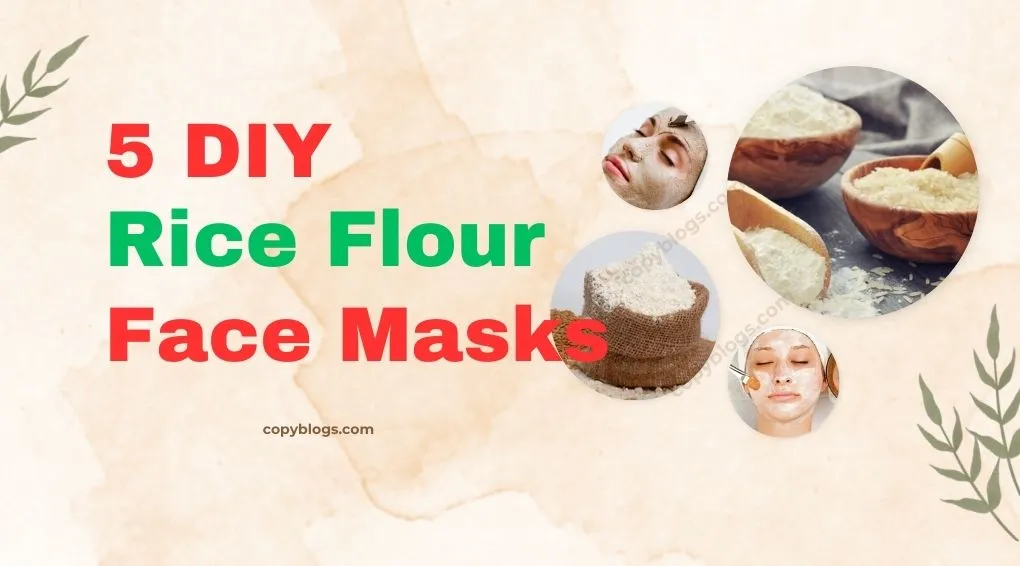
Top 5 DIY Rice Flour Face Mask: How to Get Korean Glass Skin at Home

face pack with rice flour

Rice flour face mask is a beauty secret to achieving the glowing, flawless glass skin. It’s a hallmark of flawless beauty in Korean skincare and popularized by K-dramas. That transparent, dewy complexion may seem like a pipe dream, but with the right products, it’s well within reach at home.

Rice has been a consistent beauty staple in both Japanese and Korean skincare routines for thousands of years. Ancient Asian ladies would splash the remnants of rice water across their faces or apply ground rice as a face mask in order to whiten and soften the complexion. These antiquated face masks have stood the test of time—happily exfoliating, hydrating, and evening out skin tone.

In this blog, we’ll find out how to harness the energy of a DIY rice powder face pack to make your skin shine. Whether you’re battling dullness, dryness, or uneven texture, this easy home beauty treatment can give you the radiant, glass-like complexion you desire—naturally.


Key benefits of rice flour face mask

1. Exfoliation

Rice flour is a soft exfoliant that gently removes dead skin cells without irritating sensitive skin. It’s an excellent option for a natural face mask.

2. Brightening

Research indicates that chemicals in rice assist in reducing pigmentation and evening out the complexion, making your face appear bright and radiant. (Trusted Source)

3. Hydration

Rice retains moisture and forms a shield, which assists in keeping your skin soft and moist—a fundamental characteristic of glass skin.

4. Sun protection

One standout ingredient is ferulic acid, a strong antioxidant in rice that protects the skin from free radicals and sun damage. This renders homemade rice facepack not just revitalizing but also protective.

rice flour mask benefits

Quick Recap:

Rice has been used for generations in Asia in beauty practices. From Japanese masks to Korean skincare practices, rice is relied on for naturally brightening complexion.


What is rice flour?

Rice flour is made by milling down rice grains into a powder. Not all rice flours are produced the same, which can affect their effects.

Three common types of rice flour currently include:

Type of Rice Flour Source Color Texture/Taste
Sticky Rice Flour Sticky (glutinous) rice Pure white Extremely soft, smooth, sticky, sticks to hands
Regular Rice Flour Normal rice grains Milky white Soft and fine
Brown Rice Flour Brown rice grains Dark or light brown Faintly rich taste, weak aroma


Best rice powder for face

The best rice powder for face mask depends on your skin type and goals.

Type Texture Skin Benefits Considerations
Regular Rice Flour Fine Gentle exfoliation, brightening Great for overall healthy skin
Brown Rice Flour Grainier Rich in antioxidants, good for mature skin May be abrasive for sensitive skin
Glutinous Rice Flour (Sweet Rice) Sticky, soft Hydrating, smooth finish Best for dry or flaky skin


Sum up:

  • For a face mask, regular rice flour is usually the overall best choice because it’s gentle, easily found, and suitable for most skin types, particularly if you’re new to this.
  • If you have dry skin, prefer sticky rice flour.
  • If you’d like a little more brightening and can handle a slightly grainier texture, use brown rice powder.


How to make rice powder for face

In case you don’t prefer store-bought rice flour, you can prepare it at home with these methods.

1. Grinding rice bran powder from paddy

What You Need:

  • 1 kg of paddy (unhusked rice).
  • Grinder.
  • Glass container with a lid.

Steps:

  • Sift the paddy to get rid of dirt and dust.
  • Grind the cleaned paddy on a low setting. This blends the husk and rice bran powder.
  • Strain the mixture through a sieve to discard the husk. Grind the remaining powder again on a higher setting until it is smooth and not gritty.
  • Store the powder in a closed container to keep it dry and free of mold.


2. Making powder from rice

Requirement:

  • 1 kg of good-quality rice (large, even grains, no mold or damage).
  • Grinder.
  • Airtight glass jar.

Instructions:

  • De-stone the rice.
  • Grind the rice into a fine, smooth powder.
  • Store the powder in an airtight glass jar. Use just enough for each face mask.
  • If you don’t want to store a lot, grind only the amount needed for each mask.


3. Rice bran powder from rice water

You’ll need:

  • 1 kg of rice or as many cups of rice as you use for normal cooking.
  • A saucepan or pot.
  • A bowl.

Approach:

  • Place the rice in a pot, add some water, and wash the rice gently like you do for cooking.
  • Pour cloudy water into a clean bowl. Wash again 2–3 times more, collecting water each time.
  • Let the accumulated rice water remain in a refrigerated place for 10 hours. It would stratify to two layers: powder at the bottom and water at the top, which should be clear.
  • Drain out the clear water, reserve the thick powder below, and allow it to dry.
  • When it becomes dry, grind or pound it until very fine to yield rice bran powder.


Brief:

Three methods to prepare rice powder for face at home: grind and sift paddy, grind rice to flour, or dry rice water sediment; retaining the fine powder in air tight containers.


DIY rice flour face mask – Unseal Korean glass skin with your kitchen’s rice powder!

The below are top five effective trending rice flour face mask recipes, customized for various skin requirements.

All of them utilize easy-to-find ingredients and support your intention of natural, homemade beauty.

1. Rice flour face pack with honey, and yogurt (viral Korean classic)

rice flour and honey face pack
One of the top five trending and effective rice powder face packs has exploded on TikTok due to its exfoliating and moisturizing properties.

  • Fit to all skin types, particularly uneven or dull skin tones.
  • The mask helps brighten, hydrate, and softly exfoliate a glass-skin glow.

Ingredients for rice facepack

  • 1 tbsp of rice flour
  • 1 tsp of honey
  • 1 tbsp of unsweetened yogurt
  • 2–3 drops of rose water (for extra soothing, optional)

Steps to enjoy your homemade beauty

  • Blend rice flour, honey, and yogurt in the clean bowl until smooth.
  • Add rose water if a thinner consistency is desired.
  • Spread evenly over your face with clean fingers or a brush, excluding the eye area.
  • Leave on for 15–20 minutes until slightly dry.
  • Rinse off with lukewarm water, massaging gently in a circular motion for light exfoliation.
  • Pat dry and apply moisturizer, or continue with your skincare routine.
  • 2–3 times a week.


2. Korean skincare with rice flour, lemon, and rose water mask (brightening boost)

white rice flour face mask


Another trending rice flour face pack wins the attention due to its vitamin C-powered brightening effects.

  • Oily or acne-prone skin with dark spots can go with this natural rice facepack.
  • Benefits: Fade pigmentation, control oil, and brighten.

What you need

  • 1 tbsp of rice flour
  • 1 tsp of lemon juice (fresh, for brightening)
  • 1 tbsp of rose water (soothes and balances)

How to make DIY rice flour face pack with lemon

  • Mix rice flour, lemon juice, and rose water in the clean bowl into a smooth paste.
  • Apply a thin layer to your face, avoiding sensitive areas like around the eyes.
  • Leave on for 10 minutes (lemon can irritate if left longer).
  • Rinse thoroughly with cool water.
  • Apply a gentle moisturizer and broad-spectrum sunscreen (SPF 30 or higher) if used during the day.
  • Use this natural rice powder face pack for 1–2 times a week.


Get a professional-looking with DIY face pack with rice flour!

3. Natural face mask with rice flour and milk (anti-aging glow)

face mask of rice flour


The DIY rice bran powder face mask is also raved about its “glass-like skin” results, with milk’s lactic acid enhancing exfoliation on Instagram.

  • Suitable with dry or mature skin showing signs of aging.
  • Effects: Nourish, reduce fine lines, and boost radiance.

What you need

  • 2 tbsp of rice flour
  • 2 tbsp of milk (whole milk for extra hydration)
  • 1 tsp of honey (optional, for added moisture)

Apply

  • Combine rice flour, milk, and honey (if using) in the sanitized bowl to form a smooth paste.
  • Spread evenly over your face and neck with clean hands.
  • Let it sit for 10–15 minutes.
  • Rinse with lukewarm water, massaging gently to exfoliate.
  • Moisturize to lock in hydration.
  • Frequency: 2 times a week.


4. Rice flour and green tea mask (antioxidant power)

green tea and rice flour mask


Korean DIY masks, blending rice flour with green tea for a fresh twist.

  • Good for combination or acne-prone skin.
  • Effects: Fight free radicals, reduce inflammation, and control oil.

Require

  • 1 tbsp of rice flour
  • 1 tbsp of brewed green tea
  • 1 tsp of honey (optional, for hydration)

Prepare and apply:

  • Mix rice flour, cooled green tea, and honey (if using) in the clean bowl until smooth.
  • Apply evenly to your face with a brush or clean fingers.
  • Let it rest for 15–20 minutes.
  • Rinse with lukewarm water, gently massaging.
  • Moisturize to seal in benefits.
  • For best result, apply this rice powder face mask 2 times a week.


Glow naturally with this easy homemade rice powder face pack!

5. Aloe vera and rice powder face pack (soothing hydration)

rice flour and aloe vera face mask

This natural face mask is trending thanks to its non-greasy moisture, ideal for sensitive skin.

  • Good for: Sensitive or irritated skin.
  • Benefits: Calm redness, hydrate, and soften.

Requirement

  • 1 tbsp of rice flour
  • 1 tbsp of fresh aloe vera gel (or store-bought, pure)
  • 1 tsp of yogurt (for extra soothing, optional)

Instructions

  • Blend rice flour and aloe vera gel (and yogurt, if using) in the sanitized bowl into a creamy paste.
  • Gently apply to your face, focusing on irritated areas.
  • Leave on for 15 minutes.
  • Rinse with cool water and pat dry.
  • Follow with a lightweight moisturizer.
  • Enjoy this homemade beauty 2–3 times a week.


Summary: Why these face pack with rice flour work for glass skin?

  • These trending rice powder face mask recipes make achieving Japanese and Korean glass skin easy and fun right from your kitchen!
  • Whether you’re after brightness, hydration, or calm skin, there’s a mask for you.


Precautions for Rice Flour Face Masks

To protect your skin and make it glow, obey these vital guidelines:

  1. Clean hands and face: Wash your face and hands thoroughly prior to preparing and using masks in order to get rid of grime, oil, and bacteria that can result in irritation or pimples.
  1. Sanitize gear: Sterilize spoons, mixing bowls, or brushes with rubbing alcohol or boiling water before use to prevent contamination so that your homemade masks are safe for your skin.
  1. Patch a test: Put a small amount of the mask on your behind ear or inner arm for 24 hours to test for allergy, especially with ingredients like honey or lemon, which may irritate sensitive skin.
  1. Sunscreen: Following the use of masks, use broad-spectrum sunscreen (SPF 30 or greater) during the day to protect your skin from UV damage, sun exposure, and photosensity.
  1. Moderation: Apply masks 1–3 times a week to avoid over-exfoliating, which may cause dryness or redness.
  1. Use fresh ingredients: Grind rice flour fresh or keep it in an airtight jar. Use fresh yogurt, milk, or aloe vera to prevent spoilage and bacterial growth.
  1. Moisturizer: ice flour is oil-absorbing, thus drying out your skin. Always use a moisturizer after the mask to moisturize your skin.
  1. Apply the mask at night to prevent photosensitivity.
  1. Sensitive skin: If you have sensitive skin, skip lemon, Otherwise, let the mask sit on your face 5–10 minutes to prevent redness.
  1. See a dermatologist: If you have skin problems such as eczema or rosacea, consult a physician prior to experimenting with new masks.

Quick recap:

  • Just follow the precautions while using face pack with rice flour to keep your skin safe.


white rice flour face mask

Conclusion

A simple DIY rice flour face pack can actually make a big difference in your skincare.

With its whitening, exfoliating, and moisturizing properties, rice is a timeless ingredient in Korean skincare that enables you to have the dream of glass skin naturally and affordably.

Whether you’re personalizing the mask for your specific skin type or trying rice water as a toner, these rituals link you to ancient beauty traditions that still shine till date.

Try this recipe out and glow brighter than ever—because your skin deserves the best the world has to offer.


Feel free share your experience below or tag us with your results on social media!

FAQs- Rice Powder Mask

Can I use uncooked rice for the mask?

Yes, grind it finely into flour for the best texture and absorption.

How often should I use a rice powder face mask?

  • 1–2 times a week is ideal for visible improvements without over-exfoliating.

Is it safe for all skin types?

Yes, with proper patch testing and adjustments, it works for most skin types.

Beauty

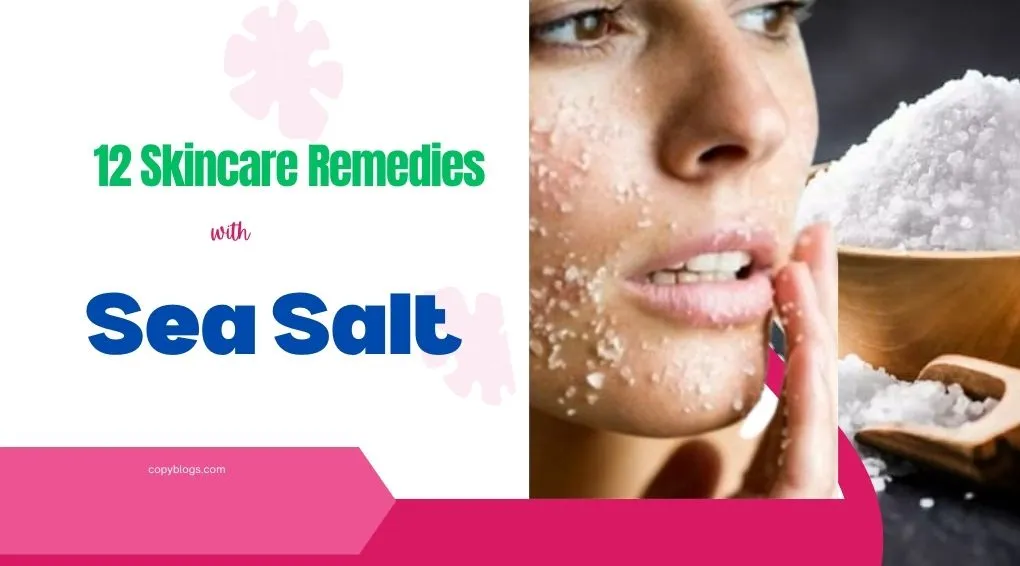
The Benefits of Sea Salt in Skincare

Top 12 skincare remedies with sea salt

The benefits of sea salt in skincare have become progressively recognized as an organic and efficacious remedy to improve skin wellness and beauty. Rich in mineral content such as calcium, zinc, and magnesium, sea salt provides numerous benefits, ranging from brightening and reviving the complexion to normalizing oil and addressing common dermatological issues such as acne and inflammation. Unlike traditional table salt, the dense mineral profile of sea salt is absorbed by the skin to promote regeneration and resilience. In masks, exfoliants, or just in a simple saltwater rinse, this product is a cheap, do-it-yourself way to obtain radiant, healthy skin and thus is becoming an integral part of contemporary skincare.

What are the benefits of sea salt in skincare?

Sea salt has many beneficial effects on the skin.

Sea salt contains significantly more minerals compared to regular salt. It consists of up to 80% sodium chloride and 20% minerals. Additionally, sea salt contains 21 essential minerals that help nourish healthy skin, such as calcium, zinc, chlorine, magnesium, and vitamin A. Regularly using sea salt for skincare enhances the skin’s ability to heal, regenerate, and maintain a healthy, radiant appearance.

Another benefit of sea salt for the skin is its ability to regulate excess oil effectively. Applying salt water to the T-zone and massaging gently on a regular basis can reduce oiliness and make the skin firmer.

Sea salt also helps firm the skin and detoxify the body, particularly for postpartum women. This method helps expel toxins from the body while firming the skin and slimming the waist.

Additionally, sea salt is used to treat skin inflammation and hives effectively. Dissolve 40g of sea salt in 100ml of warm water, apply it to the affected skin, then rinse. The antibacterial properties of sea salt help significantly improve skin infections.

Furthermore, regularly applying sea salt water to the skin can help treat whiteheads and acne on the face, back, or chest. Another effective method is steaming or taking a hot bath to open the pores, then directly rubbing sea salt on the affected skin.

12 Simple Ways to take benefits of sea salt in skincare

1. Cleanse the Face with Sea Salt Water

A simple method to utilize the benefits of sea salt in skin care is to wash your face with it. Sea salt has antibacterial properties, making it an excellent natural facial cleanser.

How to use it:

  • Mix 1 teaspoon of sea salt with 500 ml of warm water.
  • Rinse your face with warm water to remove dirt and oil.
  • Use a clean towel soaked in the salt water to gently wipe your face, then rinse again with warm water.

2. Exfoliate with Sea Salt

A sea salt mask helps control oil, reduce inflammation, and prevent acne. Exfoliation is a crucial step in daily skincare. Regular exfoliation helps brighten the skin, improve texture, and enhance nutrient absorption. Below are 4 approaches with sea salt masks for removing dead skin.

Method 1: Sea Salt and Olive Oil

  • Mix sea salt and olive oil in a 1:1 ratio.
  • Apply the mixture to the face and massage gently in circular motions.
  • Let it sit for 15 minutes, then rinse with cool water.

Method 2: Sea Salt and Honey

  • Mix sea salt and honey in a 50:50 ratio.
  • Apply the mixture to the skin without waiting for the salt to dissolve. This ensures better absorption of nutrients into the skin.
  • Gently massage in circular motions.
  • Relax for about 15 minutes.
  • Rinse with cold water.

Approach 3: Sea Salt and Coconut Oil

  • Mix 3 tablespoons of sea salt with 2 tablespoons of coconut oil.
  • Apply the mixture to the skin, massage gently, and leave for 20 minutes.
  • Rinse thoroughly with clean water.

Approach 4: Sea Salt and Fresh Milk

  • Mix 3 tablespoons of sea salt with 2 tablespoons of fresh milk.
  • Apply the mixture to the skin, relax for 15 minutes, then rinse with cold water.

3. Treat Acne with Sea Salt

Sea salt is effective in reducing acne, especially when combined with yogurt. Yogurt is rich in vitamin C, calcium, zinc, and lactic acid, which help cleanse the skin, control oil, and treat pimples.

How to use it:

  • Mix sea salt with 2 tablespoons of unsweetened yogurt.
  • Apply the mixture to clean skin and leave it on for 10 minutes.
  • Rinse with cool water and apply moisturizer.

4. Treat Blackheads

Other benefits of sea salt in skincare are treating unwanted blackheads.

  • Use diluted salt water at a 30% concentration.
  • Apply it directly to the blackhead-affected areas.
  • Use once a week for a month, but avoid excessive use to prevent dry skin.

The solution penetrates the skin, helping blackheads loosen and be removed easily without causing damage.

5. Minimize Pores

Large pores can make the skin appear rough and oily. Here’s how to use sea salt to tighten pores:

  • Dissolve 1/3 teaspoon of sea salt in a cup of water and bring it to a boil.
  • Pour the hot water into a bowl and steam your face for 10-15 minutes.
  • The steam opens pores, allowing dirt and oil to be removed.
  • Finish by rinsing with cold water to tighten the pores.

Benefits of Sea Salt in Skincare

6. Soothe Sunburned Skin

If your skin is red and irritated after sun exposure, mix 2 teaspoons of sea salt into a glass of water and gently pat it onto the affected areas. Within minutes, your skin will feel cooler and more comfortable.

7. Control Oily Skin

To reduce excess oil:

  • Use a spray bottle filled with warm water and 1 teaspoon of sea salt.
  • Mist your face and pat dry with a clean towel.

This will help remove excess oil without drying out the skin. Consequently, this method is regarded as one of 13 simple ways to take the benefits of sea salt in skincare.

8. Reduce Back Acne

Since sea salt has strong antibacterial properties, it is effective in reducing back acne.

How to use it:

  • After showering, while your pores are still open, apply a small amount of fine sea salt to your back.
  • Massage gently for a few minutes, then rinse with salt water.

10. Firm the Skin

Sea salt is rich in vitamins and minerals essential for skin health, helping to firm the skin and reduce oiliness effectively. This method is especially suitable for postpartum women.

Steps:

  • Crush sea salt finely.
  • Place it in a fabric pouch and warm it over a fire.
  • Apply the warm pouch to the skin until it cools.
  • Use this method 2-3 times per week for firmer skin.

Precautions When Applying the Benefits of Sea Salt in Skincare

  1. Using sea salt for skincare offers amazing benefits at a low cost, but keep these points in mind for the best results:
  2. Salt can make your skin more sun-sensitive, so apply sunscreen and shield your skin from sunlight during use.
  3. Cleanse your face with a facial wash before applying a mask, and limit use to 2-3 times a week to avoid drying out your skin.
  4. Massage gently during application—avoid rubbing too hard, as it can damage the skin.
  5. While salt is generally safe, it may cause allergies in some cases. Those with thin or sensitive skin may experience irritation or itching. Test it on your hand first to ensure it’s safe for your skin.

Bottom line

The benefits of sea salt in skincare go far deeper than simple cleansing, providing a full body care treatment to leave the skin glowing with youthful vigor. With its powers to detoxify, tighten the skin, and combat such concerns as oil and acne, it is an effective tool for any individual looking for a natural beauty solution. Although its mineral content produces impressive results, wise use is necessary—meticulous application and sunscreen protection guarantee its benefits are leveraged without risk. By adding sea salt to your regimen, you can tap into its tried-and-true ability to correct and rejuvenate your skin with a humble yet potent gift of nature.

You may also like:
Best herbal remedies for hair loss | Natural face masks for anti-aging |

Beauty

Top 15 Natural Hair Masks for Stronger, Shinier, and Healthier Hair at Home

DIY hair mask

Natural hair masks are a simple, chemical-free way to revive your hair.
Made with ingredients like honey, coconut oil, and yogurt, they fight dryness, reduce hair fall, and add shine.
These masks nourish from root to tip for healthier, softer hair at home.

Why Use Natural Hair Masks?

Damaged hair is a constant concern that troubles many people. Environmental factors, chemicals, and improper hair care habits can make hair dry, brittle, split at the ends, prone to breakage, and lose its natural shine.

Instead of spending money on expensive hair care products, you can use simple ingredients to make natural hair masks that effectively nourish and restore your hair.

Benefits of Natural Hair Masks

  • For dry hair. Hair masks can improve and enhance moisture levels to prevent dryness, static, frizz, and breakage.
  • For damaged hair. Hair masks help nourish and repair, especially improving split ends.
  • For dyed hair. Hair masks simultaneously restore damage while maintaining hair color.

How to Make Natural Hair Masks at Home

Along with hair loss herbal remediesfoods for hair growth, these Top 15 natural hair masks can help nourish and strengthen your hair effectively.

1. Hair Mask Recipes with Honey

A popular recipe among Top 15 natural hair masks is with easy-found ingredient: honey.

This natural substance is rich in vitamins B6, B12, vitamin C, calcium, protein, and other nutrients essential for hair growth. Additionally, honey helps soften hair, prevents hair loss, and effectively improves dryness and tangles.

Ingredients for hair mask:

  • 2 tablespoons honey
  • 1 tablespoon coconut oil
  • 1 tablespoon apple cider vinegar
  • A small amount of olive oil

How to make the hair mask:

  • Mix honey, coconut oil, and apple cider vinegar thoroughly to form a blend.
  • Add olive oil and continue mixing to create a nourishing, smooth hair mask.
  • Wash your hair with shampoo.
  • Apply the mask from the roots to the ends.
  • Gently massage and leave the mask on for 10–15 minutes.
  • Rinse your hair thoroughly with water.
  • Repeat this method 1–2 times a week  for noticeable improvements.

2. Hair Mask with Yogurt

Yogurt is packed with vitamins and minerals beneficial to health. It also contains lactic acid and protein, two key components that strengthen hair structure, protect hair follicles, and promote thick, strong hair.

Ingredients:

  • 1 cup of yogurt
  • 1 tablespoon honey
  • 1 tablespoon apple cider vinegar

How to make:

  • Combine all ingredients in a bowl and mix until smooth.
  • Wash your hair with shampoo.
  • Apply the mixture from roots to ends.
  • Gently massage and leave it on for 15 minutes to allow nutrients to penetrate deeply.
  • Rinse your hair with water.
  • Use this method 1–2 times a week for optimal results.

3. Natural hair masks with Banana

Bananas are rich in silica, which helps the body produce collagen, making hair thicker and stronger. Honey, abundant in antioxidants, soothes the scalp and effectively moisturizes hair.

Ingredients:

  • 2 ripe bananas
  • 3 tablespoons honey
  • 1 tablespoon olive oil

How to Make:

  • Mash the bananas into a smooth paste in a bowl.
  • Add honey and olive oil, then mix well.
  • Apply the mixture to your hair after shampooing.
  • Cover your hair with a towel or hair cap and leave it on for 20–30 minutes.
  • Rinse your hair thoroughly with water.
  • Repeat this 1–2 times a week for desired results.

4. Hair Mask with Aloe Vera

Aloe vera helps eliminate dandruff and strengthens hair from within. Don’t miss out on this recipe if you want to upgrade your hair!

Ingredients:

  • 1 fresh aloe vera leaf
  • 1 tablespoon olive oil

How to Make:

  • Extract the gel from the aloe vera leaf and blend it until smooth.
  • Mix the blended aloe vera with olive oil.
  • Stir well to form a thick, creamy mixture.
  • Apply the mixture to your hair and leave it on for 15 minutes to absorb the nutrients.
  • Rinse your hair with clean water.
  • Use this method 1–2 times a week for satisfactory results.

5. Hair Mask with Olive Oil

Olive oil is rich in antioxidants and fatty acids that help soften and promote faster hair growth. Its antibacterial properties also remove dead skin cells from the scalp and effectively reduce dandruff..

Ingredients:

  • 3 tablespoons olive oil

How to Make:

  • Heat the olive oil in the microwave for about 10 seconds.
  • Wet your hair and apply the oil evenly from roots to ends.
  • Wrap your hair in a clean, soft towel and leave it on for 20–30 minutes for optimal nutrient absorption.
  • Rinse your hair with cool water.
  • Apply this method twice a week to achieve shiny, silky and black hair.

Top 15 Natural Hair Masks – Simple but Effective

6. Hair Mask with Egg

Eggs are packed with vitamins A, B, D, and protein, promoting strong hair, stimulating growth, and adding shine. This egg-based hair mask is a favorite among many moms. It’s also easy for you to get ingredients to prepare this DIY hair mask.

Ingredients:

  • 1–2 eggs
  • 1 packet of fresh milk
  • 1 slice of lemon
  • 2 tablespoons olive oil

How to Make:

  • Separate the yolk and white into a bowl.
    • ✔ Use yolks for dry hair.
    • ✔ Whites for oily hair.
    • ✔ The whole egg for normal hair.
  • Add olive oil and a few drops of lemon juice, then whisk until smooth.
  • Apply evenly to your hair, leave it on for 10–15 minutes, and rinse with water.
  • Shampoo again to remove any egg smell.
  • Use this method once a week for glossy hair.

7. Natural hair masks with Beer

Beer is an excellent hair care ingredient as it contains proteins that help repair damaged hair. Its natural sugars add shine, thickness, and strength to your hair.

Ingredients:

  • 1 cup of beer
  • 1/4 cup of apple cider vinegar

Prepare:

  • Mix the two ingredients in a clean bowl.
  • Apply the mixture evenly to your hair, massage gently, and leave it on for 10–15 minutes.
  • Rinse thoroughly with water.
  • Shampoo your hair again to remove the beer scent.
  • Use this hair mask once a week to repair damaged hair.

8. Hair Mask with Unsweetened Fresh Milk

For strong, shiny hair, this mask with unsweetened fresh milk and avocado is perfect. Both ingredients are rich in vitamins A, D, B6, B12, and protein, which reduce hair breakage and promote growth.

Ingredients:

  • 1 ripe avocado
  • 2 tablespoons unsweetened fresh milk

How to Make:

  • Peel and mash the avocado in a bowl.
  • Gradually add the milk, mixing into a thick paste.
  • Wet your hair and apply the mixture evenly, relaxing for 20 minutes.
  • Rinse thoroughly  with cool water.
  • Use this recipe 1–2 times per week for stronger hair.

9. Natural Hair Mask with Pumpkin

This vegetable is not only used for cooking, but it can also benefits your hair and skin.

In previous post, I shared with you the methods to make homemade pumpkin face masks. You can read it here.

Indeed, pumpkin is loaded with vitamins A and C, plus iron, zinc, and potassium, which make hair strong, smooth, and vibrant. Combined with honey, this mask nourishes hair effectively.

Ingredients:

  • 30g pumpkin
  • 2 tablespoons honey

Steps:

  • Peel, wash, and blend the pumpkin.
  • Mix with honey until well combined.
  • Dampen your hair and apply the mixture from roots to ends.
  • Massage gently and relax for 15–20 minutes.
  • Rinse with cool water.
  • Repeat 1–2 times a week for glossy hair.

Natural Hair Masks – Top 15 Simple Approaches

10. Hair Mask with Coconut Milk

Coconut milk naturally smoothens hair and provides long-lasting moisture, while lemon juice adds volume and vitality.

Ingredients:

  • 1/2 cup of coconut milk
  • 4 tablespoons of lemon juice

How to Make:

  • Mix the lemon juice and coconut milk, then refrigerate.
  • After an hour, a creamy layer will form; apply this to your hair and massage gently.
  • Cover with a towel or cap for 1 hour.
  • Shampoo to clean your hair.
  • Use 1–2 times a week for strong and healthy hair.

11. Hair Mask with Oatmeal

Oatmeal has antibacterial properties, reduces oiliness, and cleanses hair roots safely. Paired with lemon nutrients, it promotes healthy, dandruff-free, soft hair.

Ingredients:

  • 2 tablespoons of oatmeal
  • 1 cup of lemon juice
  • 1 cup of water

How to Make:

  • Mix all ingredients in a bowl.
  • Wet your hair and apply the mixture evenly.
  • Massage gently, then cover with a towel or cap for 20–30 minutes.
  • Rinse with cool water.
  • Use this hair mask 1–2 times a week for best results.

12. Hair Mask with Strawberries

If you have thin or weak hair, try this strawberry hair mask. Vitamin A and C in strawberries help strengthen and smoothen hair.

Ingredients:

  • 5 strawberries
  • 1 egg yolk
  • 1 tablespoon olive oil

How to Make:

  • Blend all ingredients in a bowl.
  • Wet your hair and apply the mixture evenly.
  • Massage gently, then cover with a towel or cap for 20–30 minutes.
  • Rinse your hair with clean water.
  • Use the mask twice a week to reduce hair fall.

13. Natural Hair Mask with Mayonnaise

Beyond cooking, mayonnaise shines in haircare, reducing breakage and softening hair. Combined with honey, it’s a fantastic treatment.

Ingredients:

  • 5 tablespoons of mayonnaise
  • 2 tablespoons of honey

How to Make:

  • Mix the ingredients in a bowl.
  • Wet your hair and apply the mixture evenly.
  • Cover with a towel or cap for 5–10 minutes.
  • Rinse with cool water.
  • Apply the mask twice a week to improve weak hair.

14. Natural Hair Mask with Coconut Oil

Coconut oil, rich in vitamin E, lauric acid, and capric acid, reduces frizz, cleanses dandruff, and promotes natural shine with its antibacterial and antifungal properties.

Ingredients:

  • 1 tablespoon of coconut oil
  • 1 tablespoon of cinnamon powder

Prepare:

  • Mix the two ingredients in a clean bowl.
  • Wet your hair and apply the mixture from top to ends.
  • Massage gently with your fingertips to stimulate growth.
  • Cover with a towel or cap for 30–45 minutes.
  • Rinse with cool water.
  • Use this method 2–3 times a week for best results.

15. Hair Mask with Vitamin B1

The last one in top 15 Natural hair masks combines with supplement. You can also easy to get it in OTC. Vitamin B1 boosts metabolism, reduces hair loss, protects follicles, and promotes faster growth, making it a trusted choice for many moms.

Ingredients:

  • 10 tablets of vitamin B1
  • 3 tablespoons of honey

How to Make:

  • Crush the tablets of vitamin B1 into powder.
  • Mix with honey to form a thick paste.
  • Shampoo and dry your hair with towel, then apply the mixture from roots to ends.
  • Massage gently and leave on for 20–30 minutes.
  • Rinse with cool water.
  • Apply the mask 1–2 times a week for stronger hair.

Conclusion

Natural hair masks provide an affordable and flexible way to achieve strong, shiny, and healthy hair without shelling out money.

From coconut milk’s moisturizing qualities to beer and eggs’ repairing attributes, these hair masks draw upon nature’s wealth to treat anything from dandruff to thinning hair. Regular use (1–2 times a week) can produce apparent benefits, however, with a careful rinse and adjustment of ingredients to your hair type.

Accepting Natural hair masks not only adds to your hair’s radiance but also introduces a sense of satisfaction and hands-on intimacy to self-grooming.

You may also like:
Homemade yogurt face mask for glowing skin
Homemade papaya face mask
10 DIY Lip Masks
Aloe Vera Glow Blends
Turmeric Facial Packs
Charcoal Masks for Clearer Skin
Anti-Snoring Solutions
Type 2 Diabetes Management
Healthy Lifestyle Tips

Beauty

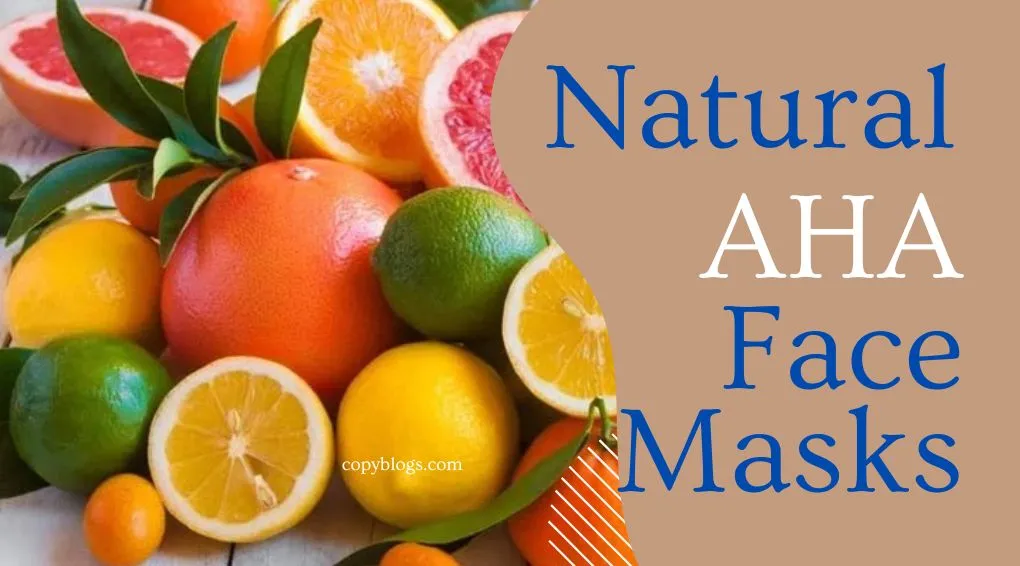
DIY AHA face masks: Top 4 AHA Face Mask Recipes

Natural AHA face mask with fruit ingredients like papaya, pineapple, and citrus on a spa table.

Getting radiant and healthy skin doesn’t always need to break the bank with expensive products or mean weekly salon trips. Unlock the secrets of natural Alpha Hydroxy Acids (AHAs) right in your kitchen with homemade AHA face masks! These DIY AHA face masks are easy to make and provide amazing benefits like lightening skin, erasing fine lines, and enhancing overall texture. From antioxidant-laden grape tartaric acid mask to deeply exfoliating sugarcane glycolic acid mask, check out these four recipes that will step up your skincare game and remain natural and affordable.

Before diving into our DIY AHA face masks: Top 4 AHA Face Mask Recipes, let’s explore some benefits of AHA. (TrustedSource)

AHA Benefits to the Skin

AHA is a water-soluble acid that occurs in fruits, vegetables, and milk sugars. AHA is extremely water-absorbent. AHA is considered safe on the skin and also stimulates the skin to produce collagen and elastin. Because of its safety and ability to encourage the production of collagen and elastin, AHA-containing cosmetics are perfect for treating skin conditions like exfoliation, anti-aging, skin whitening, and preventing acne.

AHA is derived from seven acids:

  • Glycolic Acid (sugarcane-derived)
  • Citric Acid (naturally occurring from citrus fruits)
  • Lactic Acid (sugar- and milk-derived)
  • Hydroxycaproic Acid (derived from royal jelly, secreted by bees)
  • Malic Acid (fruit-derived from pears and apples)
  • Hydroxy Caprylic Acid (derived from animals)
  • Tartaric Acid (derived from grapes)

Among the most popular AHAs are glycolic acid and lactic acid. Research shows that these two acids are considered the best due to their gentle nature and minimal skin irritation.

Benefits of AHA

1. Glow the Skin and Enhance Hyperpigmentation

Uneven skin tone worsens with age, and typical signs of aging like moles, acne scars, and hyperpigmentation tend to surface. With its capacity to stimulate the regeneration of new cells, AHA feeds the skin to attain a glowing complexion, eliminating dullness and sallow tones. Additionally, the elimination of dead cells enables red blood cells to take in oxygen and other nutrients more efficiently, leading to a brighter, more radiant look with less hyperpigmentation.

2. Stimulate Collagen Production

AHA has been found to act on the epidermis by stimulating growth and thickening the structure of the skin, in addition to strengthening the quality of elastin and collagen fibers. When applied to the skin, AHA quickly strips away the outer keratin layer and dead cells via ionic cell interactions, stimulating the sloughing off of aged cells and natural regeneration. It functions as a chemical exfoliant that speeds up the natural “skin turnover” process, resulting in smoother and brighter skin. AHA also offers great hydration because of its high water-holding capacity, dissolving the outer layer of dead skin and stimulating the growth of new, healthy cells.

3. Ease Hyperpigmentation

AHA is acclaimed as a “star” ingredient for its power to regulate melanin overproduction in the skin. It is also effective in diminishing hyperpigmentation, freckles, and dark spots.

4. Facilitate Acne Treatment

One of the key reasons for acne—whiteheads, pimples, and cysts—is blocked pores due to excess oil, bacteria, or dead skin. AHA functions as an exfoliant if used properly by removing clogged pores, stopping the formation of acne. AHA can even prevent the size of pores from increasing, particularly in acne-prone skin.

5. Slow down Aging Skin

AHA plays a crucial role in preventing signs of aging by reducing wrinkles and enhancing skin firmness through the stimulation of collagen and elastin production—the two “adhesives” critical for skin elasticity. However, AHA mainly affects superficial wrinkles; deeper wrinkles may require more advanced medical treatments and modern procedures to effectively smooth them out.

6. Chemically Exfoliating Dead Skin Cells

This is likely the most commonly recognized advantage of AHA for the skin. AHA chemical exfoliation washes off dull dead layers of skin, removes impurities that block pores (like sebum and dirt), and quickly rebuilds new skin cells, leading to a smoother-looking, younger-looking complexion.

Thanks to its water-soluble nature, AHA easily penetrates the skin’s surface to renew the outermost epidermal layer. It is recommended for dry, dull, or aging skin as it helps reduce fine lines, treat blackheads, improve rough texture, and maintain long-lasting smooth and hydrated skin.

Why should we prepare AHA face masks at home? – Risks of chemical AHA face masks

While chemical AHA face masks are highly effective at exfoliating and improving skin texture, they carry certain risks, especially when used improperly. These include burning, redness, and itching, particularly for beginners or those using higher concentrations. Skin irritation, rashes, or even peeling may occur as AHAs work to remove dead skin cells. Additionally, chemical AHAs significantly increase sun sensitivity, raising the likelihood of sunburn without proper SPF protection. More severe issues like changes in skin color, blisters, welts, or even chemical burns can arise if the concentration is too strong or if the mask is left on for too long. DIY AHA face masks, while not entirely risk-free, generally safer due to their milder, natural ingredients and lower concentrations, making them a gentler alternative for skincare enthusiasts looking for a secured, customizable option.

DIY AHA face masks – Top 4 AHA Face Mask Recipes

1. Grape Tartaric Acid Mask

The first DIY AHA face mask is with grape. Tartaric acid is naturally found in grapes and bananas. It smooths the skin, improves firmness, and naturally brightens the complexion. Champagne—made from grapes—is a rich source of tartaric acid, so you can use any sparkling wine for this anti-aging mask recipe. Using wine also provides the benefit of Resveratrol, a powerful antioxidant found in red grape skins and wine. This antioxidant repairs damage from UV rays and pollutants (dust) that cause premature aging, while also encouraging your skin cells to produce more natural antioxidants. Nothing beats combining it with clay and yogurt. The clay acts like a magnet, drawing out impurities, while yogurt exfoliates dead skin cells and boosts hydration.

Ingredients:

  • Red or white wine: 2 tablespoons
  • Grapes: 1 bunch
  • Organic white clay powder: 1 tablespoon
  • Honey: 1 teaspoon

Instructions:

  • In a ceramic bowl (avoid metal), mix the clay, honey, and wine together.
  • Squeeze a few grapes to extract the grape juice and add it to the mixture. Mix until the consistency is thick and smooth. If it’s too thick, add a little more wine.
  • Evenly apply the mixture to a clean face and neck, avoiding the eye area.
  • Relax and let the mask absorb for 10–15 minutes.
  • Rinse off and apply a thin layer of moisturizer.

2. Citrus Mask with Citric Acid

Among Top 4 AHA face mask recipes, citrus mask is also good pickup. Citric acid offers many benefits for the skin—from brightening dark spots and acne scars to improving overall texture. Cosmetic companies commonly use citric acid in products that tighten pores and brighten skin. Try a lemon and milk mask – a DIY AHA face mask – it may quickly become a staple in your beauty routine.

Ingredients:

  • Whole milk or yogurt: 2 tablespoons
  • Fresh lemon juice: 1 tablespoon

Instructions:

  • Mix the ingredients thoroughly.
  • Apply the mixture to your face and neck, avoiding the eye area.
  • Leave on for at least 20 minutes. Your skin will feel tightened as it dries.
  • Rinse off with warm water, then follow up with a moisturizer.

Note: Avoid using lime (round, green, thin-skinned); opt for yellow lemons instead. Lime’s high acid content can cause rashes or dermatitis when applied to the face or exposed to sunlight within 48 hours. If yellow lemons aren’t available, reduce the lemon juice to 2/3 of the recipe.

3. Apple Mask with Malic Acid

Malic acid is most abundant in apples. It helps reduce signs of aging, diminishes acne, brightens skin tone, and promotes collagen production. It also provides moisture and is ideal for sensitive skin since its pH is balanced and does not disturb the skin’s natural acidity. For that reason, don’t overlook this DIY AHA face mask to benefits your natural beauty.

Ingredients:

  • Apple juice: 2 tablespoons
  • Oats: 1 tablespoon
  • Honey: 1 teaspoon
  • Lemon juice (optional): 2 teaspoons (omit if you have sensitive skin)

Instructions:

  • Combine all ingredients in a bowl.
  • Apply the mixture to your face and neck and leave on for maximum 10 minutes.
  • Gently massage your face in circular motions with your fingertips while rinsing.
  • Pat dry with a towel and apply a moisturizer.

Note: If you don’t have an apple, you can use malic acid from apple cider vinegar.

4. Sugarcane Glycolic Acid Mask

Glycolic acid is one of the fastest and most effective exfoliants and a popular ingredient in many anti-aging products. It can hold up to 1,000 times its weight in water, providing both intense hydration and improved skin elasticity. So, using this mask among Top 4 AHA face mask receipes once a week can visibly reduce freckles and age spots.

Ingredients:

  • Coarse sugarcane (preferably organic): 2 tablespoons
  • Honey: 2 tablespoons
  • Juice of half a lemon

Instructions:

  • In a bowl, combine the coarse sugar and honey.
  • Squeeze the juice from half a lemon and mix well with the other ingredients.
  • Apply the mixture to your face and neck, avoiding the eye area.
  • Leave on for 5–10 minutes.
  • Enjoy your natural, DIY AHA face masks and reveal a healthier, more radiant.
  • Then rinse off with warm water.

Note: Glycolic acid is gentle when used at the right concentration. Limit the application time if you have sensitive skin, as many with easily flushed or reactive skin might experience adverse effects. Do not try this DIY AHA face mask if you fall into that group.

Bottom line

Incorporating DIY AHA face masks into your routine is a fantastic way to pamper your skin while reaping the benefits of natural ingredients. Whether you choose the rejuvenating grape mask, the brightening citrus mask, the collagen-boosting apple mask, or the hydrating sugarcane mask, each recipe offers unique advantages tailored to your skin’s needs. So, gather your ingredients, experiment with these Top 4 AHA face mask receipes, and let your skin glow with health and vitality. Remember, with a little creativity, skincare can be both effective and fun.

You may also like:
5 most effective ways to treat freckles at home | How to make detox face masks at home | 5 ways to treat blackheads at home

Beauty

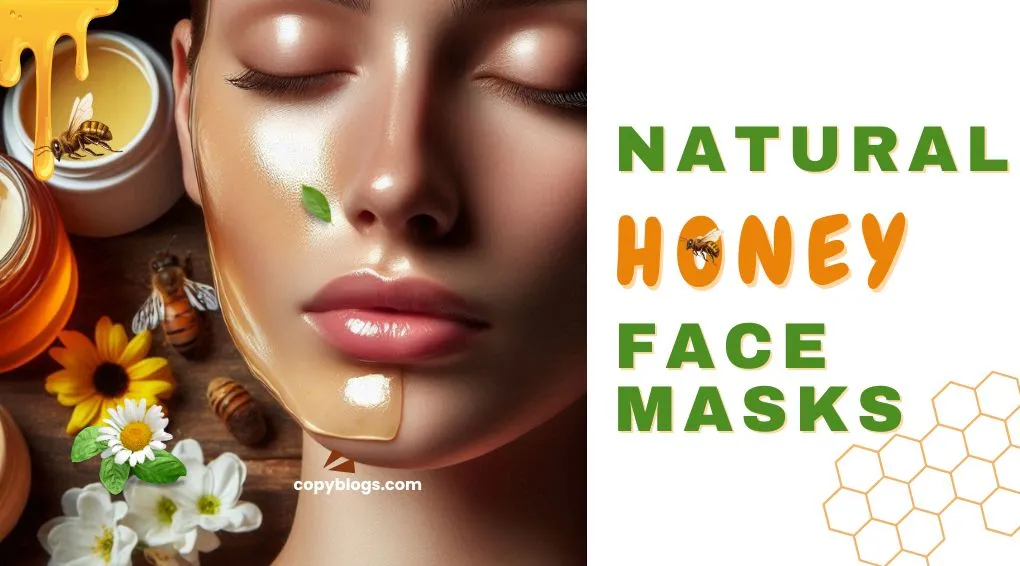
Top 10 Honey Face Masks DIY: Brightening Skin and Clearing Acne

honey diy mask

Looking for a natural way to achieve glowing, blemish-free skin? Honey is a powerful ingredient packed with antibacterial and hydrating properties, making it perfect for DIY skincare. In this article, we’ll explore the Top 10 Honey Face Masks DIY for Brightening Skin and Clearing Acne—simple yet effective recipes that can help nourish your skin, reduce acne, and restore its natural radiance.

Honey Face Masks DIY

Is a Honey Face Mask Good for the Skin?

A honey mask is very beneficial for the skin as it contains many components that help speed up healing and reduce skin inflammation. One of the greatest benefits of honey is its ability to eliminate all types of bacteria on the skin. Specifically:

  • Anti-inflammatory properties. Honey has strong anti-inflammatory effects, making it useful for treating eczema, psoriasis, and allergic dermatitis.
  • Antibacterial and antimicrobial properties. Honey helps prevent skin infections due to its strong antibacterial and antifungal properties.
  • Promotes healing and cell regeneration.
  • Natural humectant and moisturizer. Honey acts as a natural moisturizer, preventing aging.
  • Beneficial nutrients. Honey contains amino acids, antioxidants, vitamins, and minerals that help fight free radicals and improve overall skin health.

What Are the Benefits of a Honey Mask?

Deep Hydration and Moisturization

Honey’s natural humectant properties make it an effective moisturizer. The enzymes in honey allow it to penetrate deep into the skin, providing hydration to the dermis layers.

Reduce Early Signs of Aging

Honey draws moisture from the air and binds it to the skin. This additional hydration prevents and slows down skin aging. It also contains natural antioxidants that fight free radicals, a major cause of premature aging.

Cleanse Pores and Gently Exfoliates

A turmeric honey mask has natural antibacterial and exfoliating properties. It cleans pores by removing dirt and sebum, preventing clogged pores that contribute to skin problems.

Fade Scars and Enhances Skin Pigmentation

Honey contains small amounts of hydrogen peroxide, which helps reduce acne scars and improve dull skin pigmentation.

Treat Acne

The antibacterial and anti-inflammatory effects of honey masks play a crucial role in reducing acne. They also kill bacteria that cause pimples, blackheads, and whiteheads.

Soothe Sunburns

With its ability to promote tissue healing and reduce inflammation, a honey mask is beneficial in soothing and healing sunburns.

How to Make Honey Face Masks DIY for brightening skin and clearing acne

Green Tea and Honey Mask for Inflammation

Green tea and honey both have anti-inflammatory properties that help reduce redness and skin irritation. Both are also powerful antioxidants that restore damaged skin.

Ingredients:

  • 1 teaspoon matcha powder
  • 1 teaspoon honey
  • 1 teaspoon almond or jojoba oil

Instructions:

  • Mix matcha powder, honey, and oil in a small bowl.
  • Apply the mixture to your face
  • Leave it on for 15 minutes before rinsing with warm water.

Turmeric, Honey, and Yogurt Mask for Hyperpigmentation

Honey is often combined with turmeric and yogurt to even out skin tone and reduce fine lines, dark spots, and scars. Yogurt provides gentle exfoliation, removing dead skin cells and encouraging new cell growth. Definitely, you can add this honey DIY mask to your skin care routine.

Ingredients:

  • 1 teaspoon lemon juice
  • 1 teaspoon honey
  • 1 teaspoon yogurt
  • ¼ teaspoon turmeric powder

Instructions:

  • Mix all ingredients in a small bowl.
  • Apply a thin layer to your face and neck.
  • Relax for 20 minutes before rinsing with warm water.
  • Use the mask 2-3 times weekly. Visible skin improvement appears after 2–3 months.

Note: Although this mask is great for the skin, using it daily or for too long can be counterproductive. Turmeric contains small amounts of acid that can make the skin sensitive to sunlight. Limit application to 20–30 minutes.

Honey and Lemon Mask for Acne

Other honey DIY mask can’t overlook lemon. Baking soda has anti-inflammatory and antibacterial properties. Combined with lemon juice for exfoliation and honey for soothing, this mask effectively controls acne.

Ingredients:

  • 1 teaspoon lemon juice
  • 1 teaspoon honey
  • 1 teaspoon baking soda

Instructions:

  • Mix the lemon juice, honey, and baking soda in a small bowl.
  • Gently apply the mixture to your face and neck, avoiding the eye area.
  • Leave it on for 15 minutes, then rinse with warm water, followed by cold water.

Note: Lemon brightens the skin but can also increase sensitivity. After using this mask, wash your face thoroughly and apply minimum SPF 30+ sunscreen if you plan to go outside.

Royal Jelly and Honey Mask for Acne

In addition to honey, royal jelly is another beauty trick that serves to treat acne, hyperpigmentation, and freckles. It has vitamins A, B, and E and amino acids that enhance skin pigmentation and fight the signs of aging. So, don’t hesitate to utilize the honey face masks DIY to glow your skin naturally.

Prepare:

  • 1 teaspoon royal jelly
  • 1 teaspoon honey
  • 1 teaspoon aloe vera gel (optional)

Apply:

  • Blend all ingredients to a smooth paste.
  • Put a thin layer on your face.
  • Relax for 30–40 minutes before washing off with warm water.
  • Do not leave the mask on long because the nutrients can clog pores and cause acne.

Egg White and Honey Mask for Smooth Skin

Have you ever tried this honey DIY mask? Egg whites are rich in vitamins B6, B2, and B8; phosphorus; iron; calcium; and protein, which make them great for skin care. Adding honey to egg whites increases the vitamin B2 content, and the mask formed becomes great for smoothing out the texture of the skin, aiding in the production of red blood cells, and rejuvenating the skin.

Ingredients:

  • 1 egg white
  • 1 teaspoon honey
  • ½ teaspoon lemon juice

How to apply:

  • Combine all ingredients well.
  • Beat the mixture until it becomes frothy.
  • Spread it evenly over your face and leave it on for 20 minutes before rinsing with warm water.
  • Use this mask 2–3 times a week for smooth, tightened pores.

Tip: Don’t peel off the mask, as this can hurt the skin. Instead, massage off gently with warm water.

Honey Face Masks DIY

Banana and Honey Mask for Brightening and Wrinkle Reduction

Bananas contain vitamins A, B6, C, E, and silica, which increase collagen production. This DIY honey face mask keeps the skin hydrated, even-toned, and blemish-free and also fades dark spots.

Ingredients:

  • 2–3 teaspoons honey
  • 1 small ripe banana

Instructions:

  • Mash the banana in a bowl and combine with honey.
  • Wash your face, pat it dry, and apply the mask.
  • Leave it on for 15–20 minutes before washing with cold water.
  • Apply the DIY honey face mask twice a week.

Avocado and Honey Mask for Young, Healthy Skin

Avocados contain vitamins A, B, K, and E and omega-3 fatty acids, which enhance skin elasticity, fade dark spots, and stop acne.

Ingredients:

  • 2–3 teaspoons honey
  • ½ ripe avocado

Instructions:

  • Mash the avocado and mix with honey.
  • Wash your face and put on the mask.
  • Leave on for 15–20 minutes, then rinse with cold water.
  • Use a DIY honey face mask about 1–2 times a week.

Honey and Oatmeal Mask for Acne and Dark Spots

In the list of top 10 honey face masks DIY, this mask is effective to cleanse, exfoliate, and cure acne naturally. It also helps reduce inflamed skin and smoothen skin tone.

Ingredients:

  • 1 tbsp oatmeal powder
  • 1 tbsp turmeric powder
  • ½ tbsp honey (adjust as needed for consistency)

Instructions:

  • Mix the ingredients into a paste.
  • Apply on clean, dry skin and leave on for 15–20 minutes.
  • Wash off and use toner or moisturizer after.
  • Do it 2–3 times a week for optimal results.

Vitamin E and Honey Mask against Aging

Vitamin E reduces wrinkles and sunburn and hydrates the skin.

Ingredients:

  • 2 tsp honey
  • 1 vitamin E capsule

Instructions:

  • Mix honey and vitamin E extract.
  • Massage for 2–3 minutes on clean skin.
  • Leave on for 15 minutes, then rinse.
  • Use 1–2 times a week.

Important Notes

  1. Choose pure honey with a clear origin to avoid skin irritation and achieve the best acne treatment results.
  2. People who have never used honey on their skin should test it on a small patch first to check for allergies
  3. Always maintain good skin hygiene by washing your face twice a day with a cleanser and exfoliating twice a week.
  4. In addition to using honey masks, it is recommended to combine them with a balanced daily diet and routine.
  5. Protect your skin from harmful environmental factors (like sunlight, dust, and wind). Pay special attention to using suitable sunscreen and shielding your skin carefully when going outside.

Bottom line

Adding these honey face masks DIY to your skincare regimen can be a life-changer when it comes to having a clearer, brighter face. From fighting acne, dullness, and dryness, these homemade masks are a natural and effective answer.

You may also like:
5 most effective ways to treat freckles at home5 ways to treat blackheads at home |

Beauty

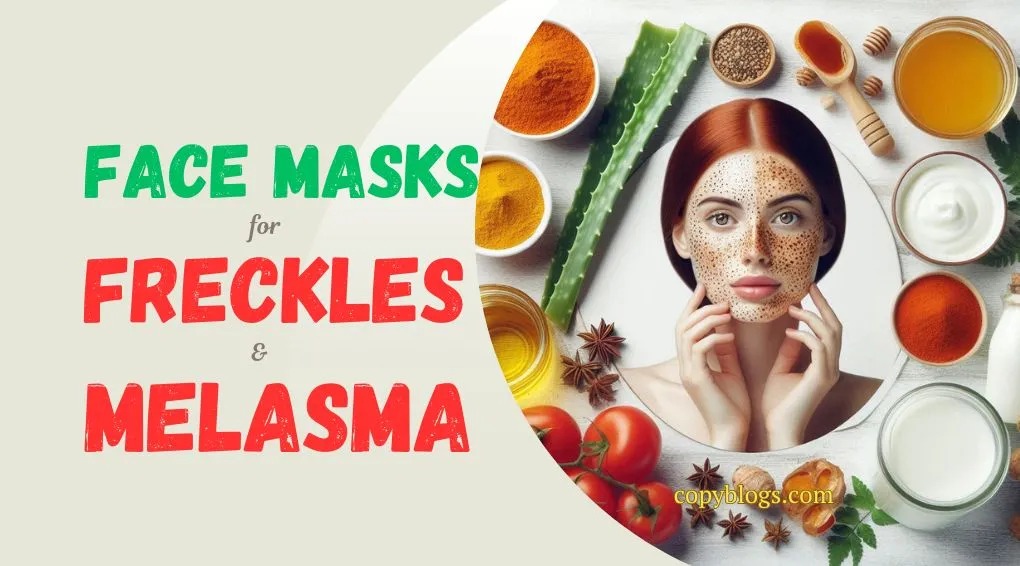
5 Most Effective Ways to Treat Freckles at Home

5 Most Effective Ways to Treat Freckles at Home

Freckles, or melasma, while often seen as charming, can sometimes leave us longing for a more even complexion. These little spots are influenced by factors such as sun exposure, genetics, and melanin production. The good news is, you don’t need costly treatments to address them. With the 5 most effective ways to treat freckles at home, you can naturally fade these marks and enhance your skin’s radiance. These simple remedies are safe, easy to follow, and perfect for anyone looking to rejuvenate their skin from the comfort of home.

5 Most Effective Ways to Treat Freckles at Home

What are melasma and freckles?

Melasma and freckles are two common pigmentation issues that usually appear in women due to various factors such as genetics, sun exposure, and hormonal changes.

Causes of melasma

Melasma is a condition of hyperpigmentation that often appears as brown or gray patches on the face, particularly on the forehead, cheeks, chin, and nose.

Melasma is often triggered by sun exposure, hormonal changes (such as during pregnancy or when taking birth control pills), genetics, and stress.

Causes of freckles

Freckles are small, flat, brown or light-brown spots that appear on the skin, often concentrated in areas exposed to sunlight such as the face, arms, and shoulders. They tend to increase in number and darken when exposed to sunlight.

Freckles are caused by an increase in melanin production due to UV rays from sunlight. Genetics also play a significant role, leading to more freckles appearing.

5 Effective Ways to Treat Freckles at Home

Freckles are common skin concerns, especially for women, affecting both aesthetics and self-confidence. However, you can reduce the appearance of melasma and freckles using natural remedies. Below, CopyBlogs shares with you the 5 most effective ways to treat freckles at home that you should try.

Lemon Juice

Lemon is rich in vitamin C and citric acid, which helps brighten the skin and fade brown spots.

How to Use

  • Squeeze the juice of one lemon.
  • Use a cotton pad to dab the lemon juice onto areas with melasma and freckles.
  • Leave it on for 10-15 minutes, then rinse with warm water.
  • Repeat 2-3 times a week.

Note: Avoid applying lemon juice directly if you have sensitive skin or open wounds. Always apply sunscreen after using this remedy to protect your skin.

Plain Yogurt Mask

Yogurt contains lactic acid, which gently exfoliates dead skin cells and brightens the skin. Consequently, you can try a plain yogurt mask as one of the 5 most effective ways to treat freckles at home.

How to Use

  • Apply 2-3 tablespoons of plain yogurt evenly on your face.
  • Gently massage for 5 minutes, then leave it on for another 15-20 minutes.
  • Wash off with warm water.
  • Use 2-3 times a week.

Aloe Vera Mask

Aloe vera has soothing and moisturizing properties, which help effectively improve the condition of melasma and freckles.

How to Use

  • Extract the gel from a fresh aloe vera leaf.
  • Apply the gel to areas with melasma and freckles.
  • Leave it on for 20-30 minutes, then rinse with warm water.
  • Apply daily for the best results.

Turmeric and Honey Mask

Turmeric contains curcumin, a powerful anti-inflammatory and antioxidant compound, which brightens the skin and fades pigmentation. Honey also has antioxidant properties, which may help to brighten freckles and melasma over time. This mask, accordingly, can be among the 5 most effective ways to treat freckles at home.

How to Use

  • Mix 1 tablespoon of turmeric powder with 1 tablespoon of honey.
  • Apply the mixture to your face and leave it on for 15-20 minutes.
  • Wash off with warm water.
  • Repeat 2-3 times a week.

Tomato Juice

Tomatoes are rich in lycopene and vitamins, which brighten the skin and reduce melasma and freckles.

How to Use

  • Extract the juice from one tomato.
  • Use a cotton pad to apply the tomato juice to areas with pigmentation.
  • Leave it on for 15-20 minutes, then rinse with warm water.
  • Apply daily to see noticeable improvement.

Important Notes While Applying the 5 Most Effective Ways to Treat Freckles at Home

  1. Consistency is Key: Natural remedies take time to show results, so be patient and perform them regularly.
  2. Protect your skin from the sun: Always apply sunscreen when going outdoors or working with computers to shield your skin from UV rays, which are the primary cause of melasma and freckles.
  3. Moisturize your skin: Ensure your skin stays adequately moisturized to boost its recovery and regeneration.
  4. Maintain a healthy diet: Consume plenty of fruits and vegetables, and stay hydrated to nourish your skin from the inside.

Bottom line

When it comes to improving the appearance of freckles, consistency and care are essential. By using the 5 most effective ways to treat freckles at home, along with sun protection and proper skincare, you can gradually achieve a smoother, brighter complexion. Combine these natural treatments with a balanced lifestyle, and you’ll notice a significant transformation in your skin over time. Embrace the journey to healthier, more confident skin with these effective at-home solutions.

You may also like:
Homemade face masks for dry skin  | How to make detox face masks at home |

Beauty

5 Ways to Treat Blackheads at Home: Safe and Effective for Your Skin

5 Ways to Treat Blackheads at Home

Blackheads may be a stubborn and annoying skin issue, leaving our complexion uneven and textured. The best part is, you don’t have to spend a fortune getting these spots taken care of. With the 5 ways to treat blackheads at home, you can take care of and minimize blackheads with ease using simple natural remedies. These treatments are safe, inexpensive, and easy to integrate into your skincare regimen, giving you smooth and glowing skin.

5 Ways to Treat Blackheads at Home

What are blackheads?

Blackheads are a common type of acne that appears as small, tiny spots on the skin’s surface. They are often white or black in color and most commonly appear in areas like the nose, chin, and forehead.

Blackheads are generally smaller than other types of acne, such as cystic acne or pustules. Unlike inflammatory acne, blackheads don’t cause pain or redness. Blackheads also reside on the skin’s surface, creating a rough texture.

Causes of Blackheads

Clogged Pores: The most common cause of blackheads is clogged pores caused by excessive oil, dead skin cells, and dirt.

Excess Sebum Production: The skin secretes too much oil, particularly in the T-zone (nose, chin, forehead), providing a suitable environment for the development of blackheads.

Hormonal Changes: Hormonal changes, particularly during puberty, menstruation, or pregnancy, may cause an increased susceptibility to blackheads.

Diet and Lifestyle: Eating greasy or sweet foods, stress, and sleeping less can also exacerbate blackhead conditions.

Improper Products: The use of oil-based products or failure to properly clean the skin can cause blackheads.

5 Ways to Treat Blackheads at Home

Aloe Vera Gel

Aloe vera contains vitamins and minerals that soothe the skin, reduce inflammation, and effectively treat acne. Apply this remedy daily for the best results

Approach

  • Extract gel from a fresh, clean aloe vera leaf.
  • Apply directly to areas with blackheads.
  • Leave it for about 20 minutes and rinse with cool water.

Note: Test for allergies before use.

Honey and Lemon

Honey has antibacterial and moisturizing properties, while lemon is rich in vitamin C and citric acid, helping brighten the skin and remove dead cells. Consequently, this mask is among the top 5 ways to treat blackheads at home. Yet, you should limit it to 2-3 times a week to prevent dryness.

Instructions

  • Mix 1 tablespoon of honey with 1 tablespoon of lemon juice.
  • Apply the mixture to your face, focusing on areas with blackheads.
  • Leave it for 15-20 minutes and rinse with warm water.

Note: Use in the evening to avoid sun sensitivity.

Egg White and Turmeric Mask

Egg whites are rich in protein and enzymes that deeply cleanse pores, while turmeric has anti-inflammatory and skin-brightening properties.

How to Use

  • Lightly whisk the egg white.
  • Add 1 tablespoon of turmeric powder and mix well.
  • Apply the mixture to your face and let it dry for 15-20 minutes.
  • Wash off with warm water.
  • Use twice a week.

Note: Add a few drops of lemon juice for enhanced acne treatment.

Yogurt and Honey Mask

Yogurt contains lactic acid, which gently exfoliates dead skin and moisturizes, while honey enhances the acne treatment effect. So, you can definitely add this mask to the top 5 ways to treat blackheads at home.

How to Use

  • Mix 2 tablespoons of plain yogurt with 1 tablespoon of honey.
  • Apply the mixture to your face and massage gently.
  • Leave it for 15-20 minutes, then rinse with warm water.
  • Apply 2-3 times per week.

Note: Use plain yogurt to avoid skin irritation.

Potato and Milk Mask

Potatoes are rich in vitamin C, B6, and minerals that brighten skin, reduce acne scars, and treat blackheads.

Instructions

  • Choose one fresh potato without sprouts to avoid toxins.
  • Boil and mash it well.
  • Mix mashed potatoes with 2 tablespoons of unsweetened milk.
  • Apply the mixture to your face and rest it for about 20 minutes.
  • Rinse off with warm water.
  • Use twice a week.

Important Notes While Using these 5 Ways to Treat Blackheads at Home

Although these treatments work, one must be careful in using them. Always do a patch test before using any new ingredient on your skin, particularly if you have sensitive skin. Consistency is the key, so use these treatments regularly but not too much to avoid dryness or irritation. Remember, having a healthy skincare regimen and shielding your skin from environmental aggressors, like sun exposure and pollution, are the best ways to keep blackheads from coming back.

Bottom line

By adopting the 5 ways to treat blackheads at home that I have unveiled today, you can manage your skincare naturally and successfully. These treatments not only reduce blackheads but also help improve the general health and beauty of your skin. Be regular, have patience, and complement these treatments with a healthy lifestyle to achieve long-term results. Here’s to healthier, smoother, brighter, and more confident skin!

You may also like:
Homemade papaya face mask | How to prevent aging naturally

Beauty

How to Make Detox Face Masks at Home: Easy DIY Recipes

how-to-make-detox-face-masks-at-home-easy-diy-recipes

Your skin can experience stress from environmental pollution, daily habits (such as frequent makeup, unhealthy eating, and lack of sleep), or emotional factors like anxiety and tension. During those times, your skin needs relaxation, and using detox face masks is a great option to try. Besides detoxifying your body through exercise and diet, making your own detox face masks can contribute to healthier, brighter skin and help reduce acne and redness. And how to make detox face masks at home: easy DIY recipes will be our topic today. Let’s explore these detox mask DIY.

How to Make Detox Face Masks at Home: Easy DIY Recipes

Oatmeal, Unsweetened Milk, and Honey Mask

Oatmeal is a natural exfoliant with antioxidant and anti-inflammatory properties, alongside cinnamon and honey. This detox mask DIY helps prevent wrinkles and fine lines while reducing dryness or tight skin symptoms.

  • 1/2 small cup of oatmeal
  • 1 small cup of clean water or unsweetened milk
  • 1 teaspoon of honey
  • 1/2 teaspoon of cinnamon powder
  • 1/2 teaspoon of lemon juice
  • Mix all ingredients into a thick mixture (adjust water or milk as needed). Apply evenly on the skin, and after 20 minutes, rinse with warm water.

Precaution: Cinnamon may cause mild itching or redness in some certain people, so it’s better to test a small amount on your arm and wait for 24 hours to see if there is any allergy.

Detox Face Mask with Coffee – Other Detox Mask DIY

The first of Detox mask DIY is with coffee grounds. Coffee helps reduce cellulite, making the skin firm and smooth. Cocoa has anti-aging properties, and yogurt naturally moisturizes the skin.

  • 1 tablespoon of ground coffee or coffee grounds
  • 1 tablespoon of cocoa powder
  • 2 tablespoons of unsweetened yogurt or olive oil
  • 1 small spoon of pure honey (optional)
  • Mix all ingredients in a clean bowl until they become smooth. Apply the mixture on your face for about 20 minutes.
  • Rinse off with warm water. Then continue with your skincare routine.

Note: This mixture can also be effective to body scrub.

How to Make Detox Face Masks at Home: Easy DIY Recipes

Turmeric and Honey Detox Mask

Turmeric is a powerful antioxidant that naturally brightens the skin. It helps nourish the skin, and keep it wrinkle-free and healthy.

  •  1 tablespoon of turmeric powder
  • 1 tablespoon of pure honey
  • 1 tablespoon of yogurt or unsweetened milk
  • Mix all ingredients into a paste (adjust yogurt or milk to reach desired thickness). Apply the mask for 20 minutes and rinse with warm water.

You can apply a layer of olive oil and wipe off after using the mask to remove any yellow residue from turmeric.

Bottom line

With the recipes and tips above, you now have all that you need to make your own detox mask DIY at home. These simple DIY processes can assist you in having healthier, glowing skin with the help of natural ingredients. Washing your face and toning are suggested before applying the mask for enhanced skincare benefits.

Let’s begin your journey to stress-free, glowing skin today by discovering the easy and efficient ways of “How to Make Detox Face Masks at Home: Easy DIY Recipes.” Your skin will appreciate it!

You may also like:
Homemade Coffee Face Mask | Homemade Beer Face Masks  | How to make a carrot face mask

Beauty

13 Best Carrot Face Mask Recipes for Glowing Skin (Easy DIY Guide)

How to make a carrot face mask

Looking for natural carrot face mask recipes for glowing skin? You’re at the right place.

Carrots are rich in vitamins and antioxidants. They benefit for their remarkable skin-enhancing properties. Besides their benefits for eyesight and weight loss, carrots are a wonderful ingredient for natural beauty.

The use of carrot in the beauty field is becoming more and more popular. Let’s spend a few minutes with Copyblogs to learn how to make a carrot face mask at home.

Beauty Benefits of Carrots for Skin

1. Moisturize the Skin

Carrots are rich in potassium and vitamin E, which help treat dry skin by going deep into the skin layers. A carrot face mask deeply moisturizes your skin and makes it look brighter and fresher.

2. Fade Dark Spots, Scars, and Brighten Skin

Vitamin E in carrots is both a nutrient and an antioxidant. It helps reduce the appearance of scars and dark spots.

In addition, vitamin C in carrots helps lighten brown spots and protects your skin from sun damage.

3. Protect and Improve Skin Conditions

Carrots are full of vitamin A and also contain vitamin K. These antioxidants help reduce the production of harmful free radicals that damage skin cells.

They also support overall skin health and reduce signs of aging.

4. Smooth and Strengthen Skin

Vitamin A in carrots helps fight acne effectively. Plus, the vitamin C in carrots boosts collagen production, which makes your skin firmer.

It also helps reduce inflammation and skin irritation. Thus, a natural carrot face mask give your skin a younger and healthier look.

5. Exfoliate Dead Skin and Rejuvenate

Carrots contain beta-carotene. It’s an important compound that helps remove dead skin, lock in moisture, and speed up the growth of new skin cells.

Other Amazing Benefits of Carrot Face Masks

Besides the 5 major effects above, carrot face masks also bring these extra benefits:

  • Strengthens your skin’s natural protection against UV rays.
  • Removes excess oil and keeps skin fresh and toxin-free.
  • Fights bacteria that cause skin infections and helps wounds heal faster.

Summary:

  • Carrots moisturize skin, brighten complexion, and fade scars with vitamins A, C, and E.
  • They fight acne, boost collagen, and exfoliate dead skin for a firmer, healthier glow.

For those reasons, it’s worth trying natural carrot face mask recipes for glowing skin.

DIY Carrot Face Mask Recipes

Best Carrot Face Masks for Oily and Acne-Prone Skin

1. Carrot and Honey Face Mask for Controlling Oily Skin

Honey helps remove dirt and impurities from the skin. Its antibacterial properties also prevent blemishes. The mixture of carrot and honey benefits for removing excessive oil and preventing acne.

Orange blend of fresh carrot and golden honey in a small ceramic bowlIngredients:

  • small carrot
  • 1 teaspoon honey

Instructions:

  • Wash and peel the carrot.
  • Blend it until a smooth paste.
  • Add honey and mix well.
  • Apply to your face and neck.
  • Massage gently for 1 minute.
  • Leave it on for 15–20 minutes.
  • Rinse your face and neck with warm water.


2. Carrot and Lemon Juice Mask to Balance Sebum

Benefits:

It helps brighten skin and control oil.

Zesty lemon and carrot pulp mixture with a smooth texture for oily skinIngredients:

  • 1 carrot
  • Juice of ½ lemon

Instructions:

  • Wash and peel carrot.
  • Blend it into smooth paste.
  • Mix the paste with lemon juice.
  • Apply to clean and dry face, and neck.
  • Gently massage in circulations.
  • Leave it on for 15–20 minutes.
  • Then rinse with warm water.
  • Follow up with your skin care routine.


3. Carrot, Honey, and Lemon Mask for Excess Oil and Shine

Moist yellow-orange paste with visible lemon zest and carrot mashIngredients:

  • 1 carrot
  • 1 teaspoon honey
  • Juice of ½ lemon

How to make a carrot face mask for oily and acne-prone skin:

  • Wash, peel, and blend the carrot.
  • Mix with honey and lemon juice.
  • Apply to your face and neck.
  • Let it sit on for 10–15 minutes. Stay relaxed.
  • Rinse with warm water.

Benefits:

This natural carrot mask helps cleanse and brighten skin. It also reduces acne.


Carrot Face Masks for Dry and Dehydrated Skin

4. Carrot and Coconut Oil Face Mask for Deep Moisture

Benefits:

The homemade carrot and coconut oil mask deeply moisturizes and restores softness for skin.

Glowing blend of mashed carrot and coconut oil with a shiny skinIngredients:

  • 1 carrot
  • 1 teaspoon coconut oil

Instructions:

  • Blend the carrot after washing and peeling.
  • Mix well with coconut oil.
  • Apply to your face and neck.
  • Stay relaxed for 15–20 minutes.
  • Then rinse with warm water.


5. Carrot and Plain Yogurt Mask to Soothe Dry Skin

Creamy orange-white mix made from plain yogurt and blended carrotsIngredients:

  • 1 carrot
  • 1 tablespoon plain yogurt

Instructions:

  • Wash, peel, and blend the carrot.
  • Mix with yogurt.
  • Apply to your neck and face.
  • Massage gently, leave for 15–20 minutes.
  • Rinse your face and neck with warm water.

Benefits:

This DIY carrot face mask provides moisture and soothes irritation. It’s best for dry and sensitive skin.


6. Carrot and Fresh Milk Mask for Soft, Nourished Skin

Pale orange mixture of steamed carrot and milk for dry, dull skinIngredients:

  • 1 carrot
  • 2 tablespoons fresh milk

How to make a carrot face mask at home:

  • Wash, peel, and blend the carrot until a smooth paste.
  • Mix it with milk.
  • Apply to a clean and dry face. You can also use the mask for neck.
  • Massage your skin in circular movements.
  • Let it sit on for 15–20 minutes.
  • Rinse your face with warm water.
  • Continue your skin care steps.

Benefits:

This natural carrot mask moisturizes, brightens complexion and makes your skin glow.


Carrot Face Masks for Sensitive Skin

7. Carrot and Oatmeal Face Mask for Sensitive Skin

Rustic natural mixture of oat flakes and carrot mashIngredients:

  • 1 carrot
  • 1 teaspoon oatmeal

Instructions:

  • Wash, peel, and blend the carrot until paste.
  • Mix with oatmeal and a little warm water or milk.
  • Apply to your face and neck.
  • Stay relaxed for 15–20 minutes.
  • Rinse with warm water.

Benefits of carrot face masks for sensitive skin:

This homemade face mask exfoliates and reduces inflammation. It suits for sensitive and oily skin.


8. Carrot and Cucumber Mask to Soothe Irritated Skin

Smooth green-orange mix of pureed cucumber and carrot for skin coolingIngredients:

  • 1 carrot
  • ½ cucumber

Instructions:

  • Wash, peel both carrot and cucumber.
  • Blend them into a paste.
  • Apply the mixture to your face.
  • Massage skin gently for 30 seconds – 1 minute.
  • Let it sit on for 15–20 minutes.
  • Rinse your face with warm water.

Skincare Benefits of this diy carrot mask:

Regular use of the mask helps soothe, hydrate and reduce puffiness.


9. Carrot and Aloe Vera Mask for Calming Sensitivity

Natural skincare blend of carrot pulp and aloe vera gel for skin healingIngredients:

  • 1 carrot
  • 1 tablespoon aloe vera gel

Instructions:

  • Wash, peel, and blend the carrot.
  • Mix with aloe vera gel.
  • Apply to face, massage gently.
  • Leave for 15–20 minutes,
  • Rinse with warm water.

Benefits:

This natural skin care recipe helps soothe, heal and hydrate skin. It’s best for sensitive and sunburned skin.


Carrot Face Masks for Skin Brightening

10. Pure Carrot Face Mask for Glowing and Radiant Skin

Simple carrot puree for glowing, even-toned skinIngredients:

  • 1 carrot

How to make a pure carrot face mask at home:

  • Wash, peel, and blend the carrot.
  • Mix with a little warm water to form a paste.
  • Apply to your face and neck.
  • Stay relaxed for 15–20 minutes.
  • Then rinse with warm water.

Benefits:

This carrot for skin recipe provides antioxidants and brightens skin. You can also prepare a DIY carrot and lemon juice face pack for skin whitening.


11. Carrot and Papaya Face Pack for Dull Skin

Bright orange paste made from ripe papaya and carrot, great for glowIngredients:

  • 1 carrot
  • A small piece of ripe papaya

Instructions:

  • Wash carrot thoroughly.
  • Peel it and papaya. Blend both into a smooth paste.
  • Apply to clean face and neck.
  • Leave it on for 15–20 minutes, then rinse with warm water.

Benefits of carrot skin care recipe:

This DIY face pack helps brighten and exfoliate the skin naturally.


Carrot Face Masks for Anti-Aging

12. Carrot and Egg Yolk Mask for Wrinkles and Firmness

Velvety yellow mask with egg yolk and mashed carrot, anti-aging blendIngredients:

  • 1 carrot
  • 1 egg yolk

Instructions:

  • Wash, peel, and blend the carrot.
  • Mix with beaten egg yolk.
  • Apply the mixture to your face; massage gently.
  • Leave it on for 15–20 minutes,
  • Rinse face with warm water.
  • Follow up your skincare routine.

Benefits of this natural carrot face pack:

The DIY face pack helps nourish, moisturize and firm skin.


13. Carrot and Green Tea Powder Mask to Fight Aging Signs

Herbal green-orange paste combining carrot and matcha for gentle careIngredients:

  • 1 carrot
  • 1 teaspoon green tea powder
  • Few drops of water or milk.

Instructions:

  • Wash, peel, and blend the carrot.
  • Mix with green tea powder and a little water or milk.
  • Apply the paste to face and neck.
  • Let it sit on for 15–20 minutes.
  • Rinse with warm water.

Benefits:

This homemade carrot face pack is antioxidant-rich, which helps reduce signs of aging.


Important Notes While Applying DIY Carrot Face Masks

Be consistent

When using carrots for beauty, you need to be persistent with your routine. Since these ingredients are completely natural and free of harmful chemicals, they may take time to show results.

Use moderately

It is important to use these natural skincare recipes in moderation. Overuse can lead to adverse effects on your skin rather than the intended benefits. Apply 2-3 times a week to have the best outcome and avoid any side effects.

Patch Test

Always test the mask on a small skin area few hours before full application to check for allergies. If you experience itching, redness, or irritation, discontinue use immediately.

Clean Skin

Ensure your face is clean before applying any mask.


Conclusion

Embracing the natural carrot face mask recipes into your skincare routine can pave the way toward a brighter, healthier complexion. Now that you know how to make a carrot face mask at home using simple, natural ingredients, you can look forward to reaping the long-term benefits of a routine that celebrates nature’s finest gifts. Stay consistent and enjoy the transformation your skin experiences as you indulge in this delightful, homemade remedy.

You may also like:
Homemade Coffee Face Mask | Homemade Beer Face Mask

Beauty

Homemade Coffee Face Mask

Coffee Mask Face

Looking for a natural way to brighten your skin? You might be surprised to know that coffee grounds can do wonders for your face. That’s right—those leftover bits from your morning brew can help you achieve a glowing complexion. Here are five amazing homemade coffee face mask recipes that you can try at home.

Benefits of homemade coffee face mask

Coffee grounds are packed with good stuff for your skin. Caffeine helps clean your skin and gets rid of dead cells, making way for fresh, new skin. There’s also something called niacin, which is like a vitamin that makes your skin soft and even toned. Plus, antioxidants fight off the bad guys that can damage your skin.

Easy Coffee Mask Face

Coffee Grounds and Unsweetened Fresh Milk

Coffee grounds are rich in antioxidant compounds that help keep the skin youthful. When combined with fresh milk, which contains lactic acid that both hydrates and helps make the skin look plump, dewy, and smooth, the benefits are enhanced. So, this DIY face mask coffee with milk is simple and effective—perfect for anyone looking to brighten their skin naturally.

Here’s how you can mix up a homemade coffee face mask with these two ingredients.

  • Mix 4-5 tablespoons of coffee grounds with 50 ml of fresh milk until it forms a thick mixture.
  • Cleanse your face thoroughly, then apply the mixture evenly over your face and neck.
  • Massage your face in circular motions for about 3 minutes.
  • Let it sit for around 20 minutes before rinsing your face with water.
  • Afterward, apply a moisturizer to hydrate your skin.

Coffee Grounds and Coconut Oil

Another great DIY face mask coffee recipe involves coconut oil. It’s super easy and leaves your skin feeling amazing. This coffee face mask recipe helps your skin appear firmer, with a healthy rosy tone with diminished dark spots.

Steps:

  • Mix 3 tablespoons of pure coffee grounds with 1-2 tablespoons of coconut oil to form a cohesive mixture.
  • After cleansing your face, apply the mixture evenly.
  • Massage it gently and let it rest on your skin for about 10 minutes.
  • Rinse thoroughly with water and follow up with a moisturizer.
  • Use this homemade coffee face mask 1–2 times per week.

Coffee Grounds and Plain Yogurt

Yogurt contains vitamin C, vitamin E, and B vitamins that help enhance the skin’s cleansing effect and slow the aging process. With the added benefits of coffee grounds, your skin will become smoother and take on a natural, rosy brightness. Therefore, you can definitely try this coffee face mask recipe if you want to slow down the aging process.

Procedure:

  • Mix 4 tablespoons of coffee grounds with 4 tablespoons of unsweetened yogurt to form a thick paste.
  • Cleanse your face thoroughly, then apply the paste evenly over your skin.
  • Gently massage your face and relax for 15 minutes before rinsing off with water.

Coffee Grounds and Honey

Many women swear by this homemade coffee face mask with honey. It’s like a secret weapon against aging and dryness. Coffee grounds have high levels of anti-aging compounds. Additionally, honey is effective to moisturize and soften the skin from within. As a result, combining these two ingredients can make remarkable skin-whitening results. Indeed, this coffee mask face recipe is popular for its skin-softening magic.

Steps:

  • Mix 4 tablespoons of coffee grounds with approximately 50 ml of honey to create a smooth and thick paste.
  • Deep cleanse your face, and apply the mixture on it evenly.
  • Massage gently and let it sit for 15–20 minutes.
  • Rinse thoroughly with warm water and then complete your skincare routine with moisturizing steps to lock in hydration.

Coffee Grounds and Egg Whites

If you’re looking for a coffee mask face treatment that whitens and exfoliates without irritation, try this one with egg whites. The combination of coffee grounds and egg whites has long been highly recommended due to its dual action of whitening and exfoliating dead skin cells without causing irritation. Thus, this DIY face mask coffee with egg whites is gentle yet effective—perfect for sensitive skin.

Instructions:

  • Mix 5 tablespoons of coffee grounds with egg whites until you have a thick paste.
  • Apply to your clean face evenly.
  • Massage your skin gently, and relax for about 20 minutes before rinsing it off with water.

Important Tips for Best Results While Using Homemade Coffee Face Mask

Remember, these coffee mask face treatments work best when you follow the instructions carefully.

  • Always use pure coffee grounds for the best results and to keep your skin safe.
  • It’s best to do these masks in the evening, and don’t overdo it. Apply the homemade coffee face mask about 2-3 times per week for optimal results.
  • Combine the mask with a facial massage and a moisturizer to enhance its effectiveness.
  • Always apply sunscreen carefully to protect your skin.
  • Be patient and consistent with the routine to truly notice the benefits. Good things take time, so stick with it and you’ll see the difference.

Bottom line

As you seek out a naturally glowing complexion, take to the tradition of a homemade coffee face mask—commonly known as a coffee mask face. This natural skincare treatment is a combination of the age-old advantages of coffee’s inherent antioxidants and exfoliating capabilities coupled with contemporary self-care techniques. With every repeated use, not only will your skin feel smoother and more vibrant, but you will also remind yourself of the importance of sustaining your inner glow. Allow every session with your coffee mask face to remind you that nature provides the solution for a healthier, brighter you.

So there you have it—five easy coffee face mask recipes to brighten your skin naturally. Give them a try and see which homemade coffee face mask works best for you!

You may also like:
Homemade face mask for winter | Homemade papaya face mask