Food & Health

The Amazing Health Benefits of Banana: A Complete Health Guide

Wonderful Health Benefits of Banana

The health benefits of banana are amazing. Bananas are a popular fruit. They are soft, sweet and packed with essential nutrients. With a creamy texture and mild flavor, bananas are easy to add to daily meal or snack.

Banana Nutrition Facts

Nutritional Content of a Banana

A medium banana (about 7–8 inches long) has around 105 calories. It is rich in carbohydrates (27g), including 14.4g of natural sugars. This fruit has 3.1g of fiber (10% DV) and very little fat (0.4g). It also contains 1.3g protein.

Key nutrients in a medium banana:

  • Potassium: 422mg (9% DV) helps the heart and muscles stay healthy.
  • Vitamin C: 10.3mg (12% DV) to support the immune system.
  • Vitamin B6: 0.43mg (25% DV) for brain and nerve support.
  • Magnesium: 31.9mg (8% DV) helps relax muscles and gives you energy.
  • Folate: 23.6mcg (6% DV) supports cell growth and is important during pregnancy.

Health Benefits of Bananas

Digestive Health

One of the top banana benefits is improving gut health. Bananas are rich in dietary fiber. This nutrition helps maintain regular bowel movements and prevent constipation.

  • Soluble fiber helps slow down digestion and control blood sugar. It also lowers cholesterol and keep you feeling full.
  • Insoluble fiber adds bulk to stool. It speeds food passage through intestines. This aids digestive health and reduces bloating.

Unripe bananas contain resistant starch. This starch doesn’t get digested right away but feeds the good bacteria to the gut. This keeps your digestion and immune system healthy.

If your stomach feels upset, bananas are a gentle food to eat. They’re part of the BRAT diet (Bananas, Rice, Applesauce, Toast), which helps when you have diarrhea, vomiting, or nausea. Bananas also aid hydration and calm the stomach.


Heart Health and Blood Pressure

Bananas are rich in potassium, which is good for heart. Potassium helps balance sodium in the body. It may lower high blood pressure and reduce the risk of stroke.

Studies show a potassium-rich diet can cut heart disease risk by up to 25%. Research found higher potassium intake reduce the risk of heart diseases.

Bananas also have magnesium, which helps keep your heartbeat steady and relaxes your blood vessels. Together with potassium, it aids heart health and lowers high blood pressure (hypertension).


Blood Sugar Control and Diabetes

Bananas have a low to moderate glycemic index (GI):

  • Unripe bananas: GI 47 (low)
  • Ripe bananas: GI 57 (moderate)

The glycemic load (GL) in a medium banana is 7–9. Fiber and resistant starch help the body absorb sugar more slowly. This stops blood sugar from rising too fast.

People with diabetes can still eat bananas but in small amounts. It’s best to eat a banana with protein or healthy fat like peanut butter or Greek yogurt. This keeps blood sugar more steady.

Notes:

  • Glycemic index (GI): A score that shows shows how quickly a food raises blood sugar. Low GI foods cause a slower rise; moderate GI foods cause a moderate rise.
  • Glycemic load (GL): A measure of how much sugar in one serving will impact blood sugar. Lower GL means less impact.


Weight Loss and Satiety

Bananas can help with weight control. One banana has about 105 calories and a lot of fiber. The fiber helps you feel full, so you’re less likely to overeat.

Studies show that eating more fiber can help lose weight.

A banana snack gives you key nutrients without much calories. It benefits for weight control.


Energy Boost and Athletic Performance

Athletes often choose bananas for quick energy. They have glucose, fructose, and sucrose. These natural sugars give a fast boost. Unlike processed snacks, bananas do not cause a crash.

Electrolytes (like potassium and magnesium) help prevent muscle cramps and boost recovery. Studies show bananas may improve endurance and ease muscle soreness. They’re great before or after a workout.


Immunity and Disease Prevention

Bananas support the immune system with vitamin C and antioxidants. A medium banana gives about 12% of daily vitamin C needs. This vitamin enhances white blood cells and fights infections.

They also have dopamine and catechins. These antioxidants reduce inflammation and fight oxidative stress. They may help prevent chronic diseases such as cancer, heart disease, and brain issues.


Benefits of Banana for Skin and Hair

Bananas have antioxidants and vitamin C that are good for your skin. They help make collagen and protect skin from damage. A banana face mask can hydrate dry skin and give it a fresh glow.

Mashed bananas also work as a natural hair mask. They have healthy oils and vitamins that reduce breakage and add shine.


Banana Benefits in Special Diet

During Pregnancy

Bananas can ease morning sickness. Their soft texture and natural sugars calm nausea. They also provide folate for baby growth.

Children

Bananas are soft and easy to eat. They give children energy and nutrients for growth.

Older Adults

Eating more fiber and potassium is great for older adults. Fiber helps with smooth digestion, while potassium keeps muscles strong. Both nutrients also keep the heart healthy.

Green vs. Ripe Bananas

Infographic comparing health benefits and nutrition of green and ripe bananas.The choice depends on the body’s needs:

  • Green bananas have more resistant starch. They may help control blood sugar and support digestion.
  • Ripe bananas have more natural sugars and antioxidants. They give quick energy and help your immune system.

Other Science-Backed Health Benefits of Banana


Myths – Facts on Health Benefits of Banana

1. Myth: Bananas cause weight gain.

  • Fact: Bananas are low in calories but full of fiber. They help you feel full and support weight control.

2. Myth: Bananas are bad for people with diabetes.

  • Fact: When eaten with protein or healthy fats (like peanut butter or yogurt), bananas can fit into a diabetes-friendly diet..

3. Myth: Eating bananas at night makes you fat.

  • Fact: Bananas have magnesium and potassium, which may help relax muscles and improve sleep.

Precautions

Some people should be careful with banana intake:

  • Latex-Fruit Allergy: Individuals with latex allergy might react to bananas.
  • Kidney Disease: Bananas have a lot of potassium, which can be harmful for people with kidney disease.
  • Diabetes: Ripe bananas can raise blood sugar. Eat them in small amounts and pair with protein or healthy fat.


Storage Tips and Easy Banana Recipes

  • Infographic with tips for storing bananas to prevent browning and extend their shelf life.Keep ripe bananas at room temperature and out of direct sunlight.
  • To ripen faster, put bananas in a paper bag with an apple or avocado.
  • Peel and freeze overripe bananas in a bag. Use later for smoothies, banana ice cream, or baking.

Simple Banana Recipes

Banana Smoothie

Blend a ripe banana with some yogurt, oats, and milk for a creamy breakfast.

banana sandwich with peanut butter snack recipeBanana and Peanut Butter Snack

Slice a banana and top with peanut or almond butter for a protein-rich snack.

Frozen Banana Ice Cream

Freeze banana pieces. Then blend them until smooth for a dairy-free dessert.

Banana Oatmeal

Add sliced bananas to hot oatmeal with cinnamon for a warm meal.

FAQs

1. Are bananas good for high blood pressure?

  • Yes. Bananas have potassium, which helps lower blood pressure and keeps the heart healthy.

2. Can people with diabetes eat bananas?

  • Yes. It’s best to eat slightly green bananas and eat them with protein or healthy fat to keep blood sugar steady.

3. How many bananas can I eat daily?

  • 1 to 2 bananas a day are fine. If you have kidney problems or diabetes, ask your doctor first.

4. Do bananas help with digestion?

  • Yes. The fiber and resistant starch in bananas help your digestion and keep things regular.

5. Which banana is better: green or ripe?

  • Green bananas help control blood sugar and support gut health. Ripe bananas give quick energy and have antioxidants.


Conclusion

The health benefits of banana are real and backed by science. Bananas bring good nutrition, great taste, and are easy to add to any meal. They help keep the heart, digestion, immune system, and weight in check. Plus, their natural sugars give a quick energy, while fiber and resistant starch help keep the blood sugar steady and digestion smooth.

Most people can enjoy 1 or 2 bananas a day. If you have any health concerns, just check with your doctor about what’s best for you. So, go ahead and enjoy the amazing health benefits of banana by making them a regular part of your diet!

Beauty

Homemade Rosemary Oil for Hair

DIY Rosemary Oil for Hair

Seek out the natural remedies that will benefit your hair growth. Along with other herbal remedies, and natural foods, homemade rosemary oil for hair is such a great tool for your locks. This simple remedy does lots of miracles for your tresses. In the article, you will find your step-by-step guide on preparing DIY rosemary oil for hair, storing it, and then applying it accordingly. We will also focus on the benefits of rosemary in your hair, supported by scientific studies.

Benefits of Rosemary for Hair

Rosemary promotes hair growth, improving scalp health. An overview in 2024, it was compared to minoxidil, an established hair growth drug.

It proved that rosemary oil could encourage hair regrowth as well as relieve irritation in the scalp. Because rosemary has antioxidant and anti-inflammatory properties, it improves the blood flow toward the scalp, supporting hair follicles, thereby preventing the loss of hairs and growing much stronger and healthier ones. Its antifungal properties also fight dandruff and scalp infections.

However, if you are pregnant, nursing, or have sensitive skin, seek a doctor’s advice before using rosemary oil.

How to Make Homemade Rosemary Oil for Hair

1. Ingredients

  • Fresh or dried rosemary leaves (one cup).
  • Carrier oil such as coconut, olive, or almond oil (one cup).

2. Preparation

  • Choose fresh or dried rosemary: If fresh rosemary is available, wash and dry it thoroughly. Ensure there is no moisture.
  • Prepare a clean jar
  • Use a sterilized glass jar with a tight lid. This ensures the oil remains pure.

3. Processing

  • Combine ingredients
  • Add rosemary leaves to the jar. Pour the carrier oil over the leaves until fully submerged.

4. Infuse the oil

  • Seal the jar tightly.
  • Place it in a warm spot, like a sunny windowsill, for 2-4 weeks.
  • Shake the jar every couple of days to mix the ingredients.
    • Alternatively, you could add small quantities of water to the saucepan, place it on the stove, and turn the flame to a low fire.
    • Place the glass jar containing the rosemary and oil inside the saucepan, forming a makeshift double boiler.
    • Heat the oil mixture gently for about 1-2 hours with occasional stirring.

5. Cool the oil

  • After heating, remove the glass jar from the saucepan and allow the oil to cool to room temperature.
  • Once it has cooled, the lid has to be fixed tightly, and the jar has to be kept in a cool and dark place.
  • It has to be left aside at least for a week so that the rosemary flavor gets infused into the oil.
  • Shake the jar gently every day to agitate the mixture.

6. Strain the oil

  • After infusing, strain the oil using a fine mesh or cheesecloth to remove the leaves.
  • Transfer the oil to a clean, dry bottle.

7. Label your jar

Don’t forget to label your homemade rosemary oil with the date of preparation. This will let you know when the oil has been made and a track will be maintained.

8. Store the oil

  • Store your homemade rosemary oil in a dark, cool place away from direct sunlight.
  • Use an amber glass bottle to preserve its potency. Properly stored, the oil lasts up to six months.


How to Use Homemade Rosemary Oil for Hair

1. Scalp Treatment

  • Warm a small amount of the oil slightly.
  • Massage it into your scalp with your fingertips for 5-10 minutes.
  • Leave it on for at least 30 to 60 minutes or overnight.
  • Wash your hair with a mild shampoo.

2. Hair Mask

  • Mix the rosemary oil with coconut or jojoba oil, or aloe vera.
  • Apply it generously to your hair, focusing on the ends.
  • Wrap your hair in a warm towel and leave it for one hour.
  • Rinse thoroughly and shampoo as usual.

3. Leave-In Treatment

  • Dilute a few drops of rosemary oil with water.
  • Transfer to a spray bottle and spritz lightly on your hair.

Important tips and precautions while using DIY rosemary oil for hair

  • Perform a patch test before using rosemary oil. Apply a small amount to your inner wrist and wait 24 hours.
  • Avoid using if you are allergic to rosemary or have a history of scalp sensitivity.
  • Pregnant or nursing individuals should consult a healthcare professional before use.
  • Do not apply undiluted rosemary essential oil directly to your scalp. Always dilute the oil with a carrier oil or other product to avoid skin irritation before applying it.

Conclusion

Homemade rosemary oil for hair is an affordable, natural alternative to commercial products.

You can create a good remedy to support healthy, vibrant hair following these simple steps. Try this DIY rosemary oil for hair today and enjoy the benefits of this time-tested herb.

You may also like:

Winter drinks for weight loss |Healthy diet for good liver function| Home remedies for instant dandruff removal

Food & Health

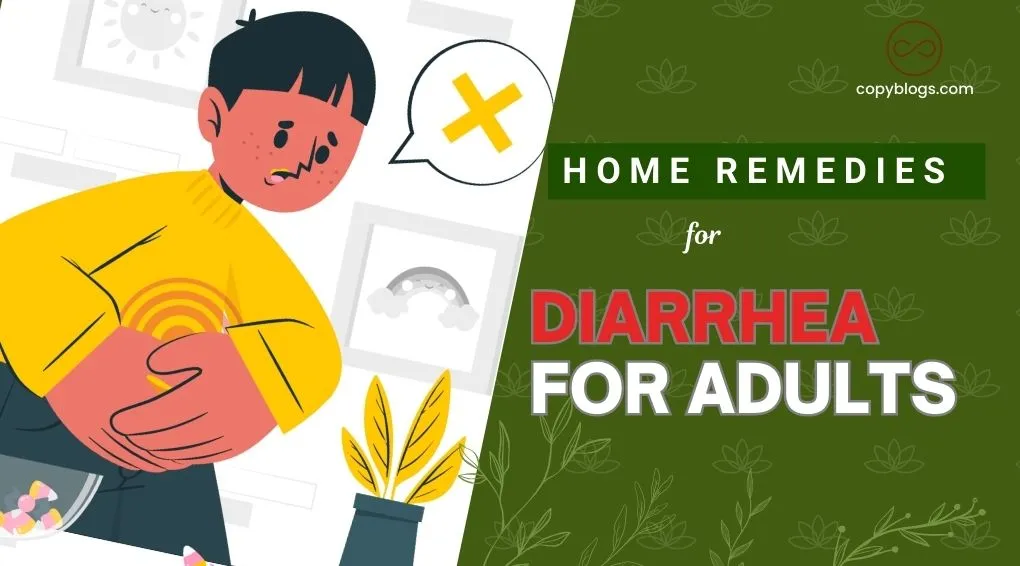
Home Remedies for Diarrhea for Adults: Easy Solutions to Calm Your Stomach

Quick Home Remedies For Diarrhea

Diarrhea is one of those issues that comes out of the blue and wreaks havoc on your life. Most adults who have suffered from this illness usually get over it because diarrhea for most adults is self-limiting. Moreover, for most individuals, the use of some home remedies helps alleviate diarrhea; they will also return normal digestion and prevent dehydration while making it easy to control the symptoms. Here we discuss some of the best home remedies for diarrhea for adults.

Most effective home remedies for diarrhea for adults

 Hydration

When diarrhea happens, hydration is the most important step. The minute that someone suffers diarrhea, their foremost thing they remember is hydration. Diarrhea takes with it a lot of fluids and electrolytes that can culminate into dehydration; however, sometimes in severe terms, that can happen if one becomes of elderly age or by associated illnesses. For rehydration, consuming some clear soup and oral solutions can work wonders. Coconut water is also a great option because it contains potassium and electrolytes that help restore balance in the body.

You could also try drinking herbal teas such as ginger and chamomile, which are wonderful to soothe the upset stomach. Hydration is key, so make sure to drink enough fluids in small quantities with frequent intake throughout the day.

Probiotics

Probiotics are living bacteria that aid in balancing the gut flora. Probiotics are beneficial as a home remedy for adult diarrhea as they support the proper digestion process. There are several food sources where probiotics are present. Here are a few of them:

  • Aged soft cheeses
  • Beet kvass
  • Cottage cheese
  • Dark chocolate
  • Green olives
  • Kefir
  • Kimchi
  • Kombucha
  • Sauerkraut
  • Miso
  • Natto
  • Pickles
  • Sourdough bread
  • Tempeh
  • Yogurt

Some of these probiotic-rich foods replenish the beneficial bacteria that may be depleted during bouts of diarrhea. Scientific studies show that probiotics can reduce the duration of diarrhea and speed up the restoration of gut health. Therefore, you can consume probiotics as quick home remedies for diarrhea for adults.

Foods to Try When Experiencing Diarrhea

Some foods are soothing for the stomach and will help diarrhea to subside. The most recommended is BRAT: bananas, rice, applesauce, and toast.

  • Bananas: They are full of potassium that is lost through electrolytes; bananas are very easy on the stomach.
  • Rice (white): White rice is an easy-to-digest food; it will help firm up the stool, providing energy at the same time.
  • Applesauce: This has pectin, which bulks up stool and calms the digestive tract.
  • Toast: Plain toast is not irritating to the stomach, providing some energy without irritating the gut.
  • Oatmeal: Oatmeal, similar to rice, is easy on the stomach and helps absorb excess liquid in the intestines.
  • Boiled or baked potatoes (with skins peeled): Potatoes are bland and help provide the needed carbohydrates without irritating the stomach.
  • Baked chicken with the skin removed: Lean protein, easy to digest, and not stressful on the digestive system.
  • Chicken soup: This is one of the classic comfort foods. It soothes and also aids in rehydration.

These foods are usually prescribed as home remedies for diarrhea among adults because they are not too severe and easy to digest, thus less stressful on the digestive system.

Other home remedies for diarrhea in adults

Other than the hydration, probiotics, and the BRAT diet, there are more remedies that you may consider. For instance, ginger is recognized as an anti-inflammatory and has digestive properties. You can easily make ginger tea by boiling a few slices of fresh ginger in water. Peppermint tea can be applied to soothe the stomach and reduce digestive distress. Additionally, many studies have shown that green tea may help heal stomach ulcers and treat issues like diarrhea when consumed in moderation. Much like green tea, black tea may help reduce diarrhea when consumed in moderation. In addition to these remedies, you can also try fennel tea,

When to See a Doctor

While these home remedies for diarrhea do help in relieving the condition, it is also essential to know when to seek medical attention. Diarrhea should not last beyond two days and should not be accompanied by fever, severe abdominal pain, or blood in stool. In those conditions, you should consult a doctor immediately. People suffering from other health conditions or a weakened immune system should not try any of these home remedies without first consulting a healthcare provider.

Warning for Certain People

The above quick home remedies for diarrhea are considered safe for most adults, but some should avoid certain foods. For instance, a person with lactose intolerance should avoid dairy products such as yogurt or kefir, and a person who is gluten-sensitive should avoid sourdough bread and so forth. Try the remedy only under the prescription of your doctor, especially when a person has some pre-existing condition in his life.

Bottom line

In summary, there are many home remedies available to alleviate symptoms of diarrhea in an adult while healing. Really, hydration, probiotics, and light foods tend to facilitate the body through recovery. Of course, persistent or worsening symptoms require medical help. Just keep in mind that home remedies can be comforting and helpful, but by no means do they replace necessary professional healthcare when needed.

You might also like:

Diet for constipation relief | Health benefits of custard apples

Beauty

Homemade Skin Whitening Facemask

Homemade Skin Whitening Facemask

Homemade skin whitening facemask will be our topic in this post. If you are looking for fair skin, you can apply the following homemade skin whitening facemask. You can go through them and pick up the most effective homemade skin whitening facemask for yourself. All of them are really easy and time-saving for you to prepare at home.

How to prepare homemade skin whitening facemask

1. Potato and fresh milk:

The first homemade skin whitening facemask is made from potato and fresh milk.

Require:

  • 1 small peeled potato (or half of big potato);
  • 1 tablespoon of fresh milk (pasteurized);
  • Boil a potato (or you can use raw one). But if your skin is sensitive, boiled potatoes are recommended.

How to apply:

  • Smash a boiled potato (or grind it if raw).
  • Mix it with fresh milk until it becomes paste.
  • Apply the paste on your face and keep it for 20 – 30 minutes.
  • Wash your face with lukewarm water, then cold water to minimize the pores.
  • Continue with your nighttime skincare routine.
  • Use this homemade skin whitening facemask maximum 3 times a week.

Effect: Potato contains the catecholase enzyme and vitamin C, which help reduce dark spots and blemishes and maintain skin elasticity, prevent skin aging, and brighten skin. Fresh milk provides moisture and makes skin softer and whiter. Fresh milk especially suits with sensitive skin.


2. Cucumber and yogurt:

Another homemade skin whitening facemask is simpler with cucumber only. Nutrients in cucumber help nourish the skin and make it brighter and softer. Yogurt having a high content of lactic acid and antibacterial properties assists in acne prevention and dark spot reduction.

Prepare:

  • 1 small cucumber;
  • 2 or 3 teaspoons of yogurt

How to apply:

  • Wash cucumber and peel it, then mince it.
  • Mix it with yogurt till paste.
  • Apply the paste on your face.
  • Stay relaxed for 15-20 minutes, then clean your face.

In case you do not want to use yogurt, you can mince or slice cucumber to cover your face. Keep it on your face for 15–20 minutes, then wash your face.

Effect: The combination of cucumber and yogurt will minimize the pores, reduce dark spots, and make the skin fair.


3. Papaya, lemon, and honey:

With this homemade skin whitening facemask, your skin will also be bright and soft. In case your skin is really sensitive, you can opt out of lemon juice.

Prepare:

  • 1 small slice of ripe papaya;
  • 2 or 3 teaspoons of honey;
  • 1 teaspoon of lemon juice.

How to apply:

  • Peel papaya, remove seeds;
  • Smash papaya into a clean bowl;
  • Add honey to the bowl and mix it with papaya until it becomes paste.
  • Cover the mixture on your face in 20–30 minutes.
  • Wash your face with lukewarm water, then cool water to minimize the pores.

Effect: This facemask keeps your skin moisturized, prevents acne, and makes skin white. 


4. Strawberry and yogurt (or milk):

Strawberry and yogurt can also be used as effective homemade skin whitening facemask.

Prepare:

  • 3 or 4 strawberries;
  • 2 teaspoons of yogurt
  • If your skin is sensitive, you can replace yogurt with one tablespoon of pasteurized fresh milk.

How to apply:

  • Smash strawberries in a clean bowl after washing them.
  • Add yogurt (or milk) to strawberries to make a paste.
  • Apply the paste on your face.
  • Keep it on your face for 20–30 minutes; wash your face with lukewarm water. After that, use cool water to wash the face again for minimizing the pores.

Effect: Provide moisture, reduce dark spots, and soften skin.


5. Carrot and lemon juice:

With this homemade skin whitening facemask, you can simply use only carrots or add up lemon juice. All of those materials are easy to get in your local market or supermarket and will not take much time to prepare it.

Prepare:

  • 1/3 of fresh carrot;
  • 2 teaspoons of lemon juice;

How to apply:

  • Boil the carrot after washing it.
  • Smash it into a small, clean bowl.
  • Add lemon juice and mix them till paste.
  • Cover your face with the paste for 20–30 minutes.
  • Clean your face with water.
  • Continue with the skin care routine.

Effect: Provide moisture and anti-aging; make skin white, soft, and fresh.


6. Pumpkin and fresh milk:

To prepare this homemade skin whitening facemask, you will need the following materials:

  • 1 tablespoon of boiled, smashed pumpkin;
  • 2 teaspoons of fresh milk;

How to apply:

  • Mix all materials together.
  • Apply the mixture on your face and keep it for 20 – 30 minutes.
  • Wash your face with warm water for deep removal of dust under your facial skin.
  • Wash once again with cool water to minimize the pores.
  • Apply your skin care routine.

Effect: Increase immunity to facial skin, whiten skin, and reduce dark spots.


7. Red bean (kidney beans) and yogurt:

Another homemade skin whitening facemask that I’d like to share with you today is from red bean and yogurt. In case your skin is sensitive to yogurt, you can use only red beans.

Prepare:

  • 2 tablespoons of smashed red bean (you can put it into a pressure cooker to save time).
  • 2 teaspoons of yogurt

How to apply:

  • Mix red bean and yogurt together.
  • Apply the paste to your face. While applying, you can gently massage your face.
  • Stay relaxed for 20–30 minutes.
  • Wash your face with warm water, then cool water to minimize the pores.
  • Continue your skin care routine.

Effect: Tighten your facial skin; make it brighter and softer.


Homemade skin whitening facemask—the best thing from nature:

Those facemasks are safe for your skin; you can pick up any of them that are most suitable for your skin. There are some facemasks that may bother you because of liquid running down your neck and hair, so you can use a dry paper facemask for support. Also, you can wound your neck with a towel to prevent the liquid from making your body disturbed.

  • The best time to apply the homemade skin whitening facemask is before bedtime.
  • Remember to clean your face and hands before applying the masks.
  • You can do a face sauna twice a month for deep cleaning and dead skin removal.
  • Always apply sun cream or sunblock before you go out, and reapply after every 4 hours.

You may also like:

Homemade olive oil face masks for wrinkles |

Food & Health

WORST FOODS FOR LIVER HEALTH

What to Avoid for Liver Health

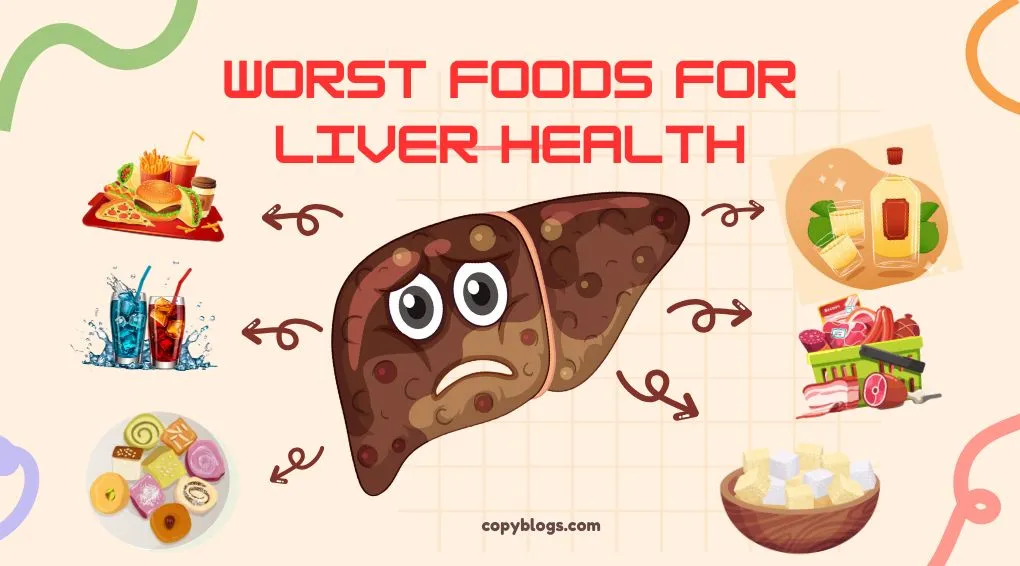
Diet plays a crucial role in the health of the liver. Certain foods harm the liver, and these lead to serious health issues. In today’s blog, we talk about the worst foods for liver health.

Worst Foods for Liver Health: What to Avoid for Liver Health

Fast Food

As one of the worst foods for liver health, fast foods contain unhealthy fats, salt, and sugar. Such can cause fatty liver disease. Scientific studies reveal that excessive intake of fast food poses a serious threat to liver damage. Therefore, avoiding fast foods is important in maintaining a healthy liver.

Carbonated Drinks

Soft drinks and sugary beverages are unhealthy for the liver (A Review published on ScienceDirect in 2025). They contain fructose, which gets converted to fats in the liver. Such practices can lead to fatty liver diseases. Various studies reveal significant associations between liver diseases and sweetened beverage consumption. So, limiting their consumption ensures healthy livers.

Alcohol

Alcohol is one of the worst enemy to the health of the liver, according to a latest review in April 2025 on ScienceDirect. Excessive consumption causes inflammation and scarring, and therefore cirrhosis. This was known ages ago as an injurious component of the diet; hence its check, or even better, the removal from the diet completely.

Ultra-processed foods

What to avoid for liver health? Definitely, ultra-processed foods should be avoided. Those foods contain high levels of unhealthy fats, sugar, and additives. They are likely to cause liver inflammation, thus developing a disease known as fatty liver disease. Scientific research indicates that ultra-processed food in large quantities affects the functionality of the liver. It is essential to skip or consume minimum ultra-processed food for a healthy liver.

Sweetened Foods

Foods that are sweetened, such as candies and baked goods, can be harmful to the liver. They contain high amounts of fructose and other sugars. These sugars can cause fatty liver disease. Studies show a direct relationship between excessive sugar consumption and liver disease. Therefore, the avoidance of sweetened foods is good for healthy liver function.

Artificial Sweeteners

Artificial sweeteners cannot be considered safe options for livers. There are studies that have indicated potential danger to livers, although they are consumed in small doses. For example, some artificial sweeteners might affect liver enzymes and overall function. As a result, artificial sweeteners are the worst foods for liver health.

Refined grains

Refined grains like white bread and pasta contribute to poor health conditions of the liver, as per PubMed Central. Their high glycemic index causes sudden elevation in blood sugar levels, resulting in a fat accumulation within the liver after long periods. Various scientific studies have proven the fact that consuming refined grains results in liver fat. Hence, minimize the intake of refined grains to ensure virtuous liver health. As an alternative, consumption of whole grains is safer for the health of the liver.

Red meat and processed meats

Those meats are further foods to avoid for healthy liver function. There are large amounts of saturated fats that cause inflammation in the liver and diseases such as fatty liver disease (Source). Various types of research outline the ill effects of such products on the liver. The intake of less red meat and processed meat would be beneficial.

Simple Ways to Prevent Liver Damage from Harmful Foods

To protect your liver from damage, it’s important to stay away from the worst foods for liver health. These foods can cause fat accumulation, inflammation, and damage to liver cells.

Instead, focus on protecting and nourishing your liver with:

  • Balanced diet with leafy greens, fruits packed with antioxidants, whole grains, and plenty of water.
  • Minimize toxin exposures (e.g. excessive medications, chemicals).
  • Regular exercise.
  • Healthy weight control.
  • Stress management.
  • Get vaccinated.
  • Practise safe sex.
  • Wash your hands thoroughly.

Conclusion

Summing up, it’s essential to keep away from certain foods for healthy livers. Avoid the worst foods for liver health, including fast food and soft drinks, sugary drinks, alcohol, ultra-processed foods, sweetened foods, artificial sweeteners, refined grains, and red and processed meats. The findings of these foods have always proved to cause liver damage. Dietary intake should be considered in the maintenance of a healthy liver.

If you have other health conditions, you may want to see a doctor for individualized advice about your liver. A healthy diet is one of the key determinants of a healthy liver. Cutting out the worst foods for liver health can make all the difference in your life.

You may also like:

Natural foods for fatty liver disease | Top natural detox foods and drinks

Food & Health

Health Benefits of Custard Apples

Top Health Benefits of Custard Apple (cherimoya)

Today, we are going to dive into the health benefits of custard apples. Many of us enjoy the fruit but might take little notice of the health benefits of custard apples. Custard apple contains vitamins, calcium, iron, magnesium, potassium, fiber, and other minerals that are beneficial to our health. The following are health benefits of custard apples that we can consider adding to our diet for a better life.

Top Health Benefits of Custard Apples (cherimoya)

1. Digestive System

First of the top health benefits of custard apples is supporting the digestive system. Custard apple is rich in dietary fiber, which helps smoothen digestion and flush out toxin from the intestine, then ease constipation. Additionally, a good source of fiber supports reducing bad cholesterol. Also, we can use the powder of a raw, sun-dried custard apple as an herbal remedy for diarrhea.

2. Cardiovascular System

Magnesium and potassium contained in custard apples are helpful to a healthy cardiovascular system. High cholesterol and high blood pressure can cause heart problems. Sufficient consumption of magnesium and potassium helps control blood pressure and heart rate and protects us from strokes. Custard apple with antioxidant properties is helpful to protect the body from free radicals, strengthen resistance, and have a positive effect on the cardiovascular system.

3. Anti-Cancer

Other health benefits of custard apples are to reduce the risk of cancer diseases. Custard apples are a rich source of antioxidants, which is supportive of cancer prevention. Some studies have shown that acetogenins and alkaloids in custard apples are beneficial to overcome renal failure. The antioxidants in this fruit, including polyphenol, asimicin, and bullatacinare, assist in killing malignant cells and preventing cancer, malaria (also known as plasmodium infection), and worm diseases.

4. Brain & Depression Treatment

Source of vitamin B6 in custard apples is good for brain activity. This vitamin helps balance the GABA (an amino acid acting as a neurotransmitter in the central nervous system) level, releases stress as well as headaches, and is effective in depression treatment.

5. Weight Loss

Thanks to its rich source of vitamin C, low sodium content, and no cholesterol or saturated fat, custard apples are beneficial for those who are on a diet and want to lose weight. Custard apple does not only help in weight loss but also gaining weight. By adding some honey to the custard apple, it will help increase calories.

6. Hair & Eye

Rich in vitamin A, custard apple is really good for eyesight. Vitamin C contained in this fruit also helps reduce the risk of eye disorders such as cataracts. Custard apple is also good for skin thanks to its antioxidant properties. It helps to reduce wrinkles and pigments caused by free radicals. Those two vitamins are beneficial for healthy hair growth. Extracting oil from the seeds of a custard apple improves the hair and makes it silky.

7. Pregnant Women

Custard apple contains a lot of minerals that are beneficial to the development of brain, nervous, and immune systems for fetuses. Wise consumption of this fruit helps prevent miscarriage and reduce pain during labor and delivery. Besides, custard apple is helpful for pregnant women in reducing sickness, dazzles, and dizziness during pregnancy. It also supports the induction of lactation.

Conclusion

Custard apples are rich in many health benefits, such as heart health support, digestion facilitation, and the provision of several vitamins and minerals. However, this fruit is to be taken in moderation since it contains much fiber, leading to diarrhea problems if taken in excess. The seeds and skin are also rich in annonacin, a toxin causing neurodegenerative diseases; therefore, make sure to remove them before eating. People who react to some fruits may also get an allergy to this fruit. You are always advised to see a doctor before consuming custard apples, especially those on medication and those with serious body conditions.

You may also like:
Home remedies for colon cleansing

Food & Health

HOME REMEDIES FOR COLON CLEANSING SAFELY

Proven Natural Ways to Cleanse Your Colon

Colon cleansing naturally can bring about better digestion, increased energy, and generally good health. Home remedies are effective and safe means of achieving it. Here are some proven home remedies for colon cleansing safely without bringing about harmful side effects.

Effective Home Remedies for Colon Cleansing Safely

1. Saltwater Flush

Top of home remedies for colon cleansing safely, a saltwater flush is a simple method. Mix two teaspoons of non-iodized sea salt with a glass of warm water. Drink this solution first thing in the morning on an empty stomach. It stimulates bowel movements within hours. According to studies, this method is effective for occasional detox but should not be done frequently. People with high blood pressure should avoid this remedy due to the sodium content.

2. Hydration

Drinking enough water is one of the simplest ways to have a healthy colon. Water helps keep your digestive system running and prevents constipation. Experts suggest at least eight glasses of water per day. Hydration supports the natural colon cleanse without any side effects. It is important to distribute your water intake throughout the day for best results.

3. Aloe Vera

Another natural way to cleanse your colon is with aloe vera. This herb can be used with its soothing and cleansing properties. Drinking aloe vera juice removes toxins from the colon. Various studies have claimed that aloe vera contains anthraquinones with natural laxative effects. Aloe vera juices should be sugar-free and chemical-free. People with diabetes and pregnant women should not consume it as it triggers side effects sometimes.

4. High-Fiber Diet

A natural colon cleanse is also possible through fiber. Fruits, vegetables, nuts, seeds, and whole grains will ensure healthy digestion. Fiber can help bulkify stools and enhance evacuations. Studies have established the fact that a high-fiber diet ensures the prevention of different diseases related to the colon. It is advisable to have varied sources of fiber to obtain maximum benefits. Gradually increase your fiber intake to avoid bloating or discomfort.

5. Probiotics

Home remedies for colon cleansing safely can’t overlook probiotics. Probiotics include good bacteria that are beneficial for gut health. Beneficial intakes of probiotics include yogurt and kefir, as well as fermented foods such as kimchi or sauerkraut. Research indicates that probiotics help correct the gut flora and decrease harmful bacteria. As an effective natural colon cleanse, probiotics improve general digestive health. Use a probiotic supplement if these foods are not accessible, but get it with a prescription from a doctor and for the proper dosage.

6. Flaxseed

Flaxseed contains rich amounts of omega-3 fatty acids and fiber, thus becoming a powerful colon cleanser. Add ground flaxseed to smoothies, cereals, or salads. It absorbs water in the colon and aids in bowel movements and the removal of toxins. Research also suggests that it decreases inflammation in the digestive system. For this reason, flaxseed is worth being a natural way to cleanse your colon safely. Drink enough water with flaxseed to prevent blockage. Pregnant women should first seek a doctor’s advice on its use.

7. Herbal Tea

Herbal teas such as ginger, peppermint, and dandelion root help facilitate a natural colon cleanse. These flush toxins, decrease bloating, and improve digestion. Dandelion tea helps flush the waste out, while ginger is soothing to the digestive tract, and peppermint reduces spasms. The herbal teas can be consumed in moderation since excessive consumption would lead to dependency. Always check if there are allergic reactions before usage.

8. Juices and Smoothies

Fresh fruit, vegetable juices, and smoothies are excellent colon cleansers. Apples, spinach, and carrots are the best options. These are high in fiber, antioxidants, and water content. Pectin is found in apple juice, which binds toxins for their easy removal. Natural ingredients and no added sugars will ensure the best outcome. Consult your doctor if you have a history of kidney issues because some juices contain high amounts of oxalates.

Safety Tips for Natural Colon Detox Remedies

  • Digestive disorders or chronic illness: Always seek your doctor’s advice before attempting any remedy.
  • Overuse: Do not use these remedies excessively to avoid dependence or irritation.
  • Hydration: Drink enough water to aid in cleansing and prevent dehydration.
  • Allergies: Check for allergies before using herbal teas, flaxseed, or other remedies.
  • Pregnancy and breast-feeding: Aloe vera and other remedies might not be suitable for pregnant women or breastfeeding mothers.

Conclusion

Home remedies for colon cleansing can be effective when taken cautiously. Saltwater flushes, high fluid intake, and a diet that is predominantly comprised of fiber are easy practices to follow but very potent. Probiotics, herbal teas, and fresh juices help complete the natural colon cleanse. Always make healthy decisions regarding your health and take your doctor’s recommendation into mind when you are not feeling well. These would be taken in moderation for a well-balanced and healthy digestive system.

You may also like:

Natural detox foods and drinks | 5 best herbal teas for IBS

Food & Health

9 IMPRESSIVE HEALTH BENEFITS OF COCONUT WATER

9 Impressive Health Benefits of Coconut Water

Most people prefer natural drinks to get a great source of nutrition nowadays. Coconut water is definitely a winner among those. Here are 9 impressive health benefits of coconut water, which have been scientifically validated and medically researched.

A Good Source of Magnesium

The first of 9 impressive health benefits of coconut water is its magnesium-rich source. The mineral makes up a significant constituent of biochemical reactions inside the body. It helps sustain normal functioning by muscles, the nervous system, and even the immune system. Besides, it aids in toughening up the bones and strengthening the body organs. Furthermore, magnesium is effective in mood improvement and blood sugar control. Not only that, but magnesium also helps enhance sleep quality.

Rich in Antioxidants

What are the health benefits of coconut water? Coconut water is a good source of antioxidants. These properties help slow down or prevent the cell damage caused by free radicals. Additionally, antioxidants in this beverage can combat oxidative stress. Thus, drinking coconut water helps to protect your cells. This is one of the 9 impressive health benefits of coconut water for your overall health.

Blood sugar control

Other benefits of coconut water are to support blood sugar control. Studies find that amino acids in coconut water have potentially improved insulin sensitivity. For this reason, this beverage is beneficial for diabetes.

Kidney Stones Prevention

Coconut water can help increase the flow of urine for washing out the elements that can build into kidney stones. It has also been researched that the coconut water may help break down the size of kidney stones.

Constipation Prevention

Coconut water is high in dietary fiber, which aids in the prevention of constipation. It also helps soften the stools and stimulate bowel movements. Thus, drinking coconut water daily in moderation is an excellent remedy to relieve constipation.

Heart Health Support

Among the benefits of coconut water, it includes improvement of heart health. The drink is a source of potassium that helps lower blood pressure. Thus, it helps reduce the risk of developing heart problems. It also has the lowest cholesterol content and no fat, making it suitable for the heart.

Hydration

Fresh coconut water is an excellent drink, very beneficial in hydration. It is high in electrolytes. Hence, it helps maintain fluid balance in the body’s systems. And this helps clear the question, “What are the health benefits of coconut water?” This is the reason why it becomes a good choice for people who are engaged in sports or any physical activity.

Rich in Multiple Nutrients

Coconut water is rich in several minerals and vitamins, such as vitamin B and C. Also, this beverage contains potassium and calcium, which are important for a healthy and happy life.

Post-diarrhea Rehydration

Coconut water is packed with electrolytes. This is helpful for diarrhea. Studies found that consumption of natural coconut water would be a good choice if you have diarrhea.

Who should not consume coconut water?

Coconut water is high in potassium. Therefore, those with high potassium levels should avoid it.

Additionally, people with kidney issues should consult their health professional before drinking coconut water. Besides, you should not consume coconut water at least two weeks before a scheduled surgery.

Conclusion

In a word, it provides a myriad of benefits and is quite reliable. Helpful, the coconut water beverage is a completely natural refreshing beverage that has several health benefits. Caution, however, is to be exercised in patients with renal disease, as drinking coconut water is strictly to be avoided due to its very high potassium content and it should be added to the diet considering these factors. It should be incorporated into the daily routine without concern for anything since it would be contributing to overall health and wellness improvement.

You may also like:
Health Benefits of Pomegranate | 5 best herbal teas for Irritable bowel syndrome  | Home Remedies for Heatstroke

Sports

5 FANTASTIC DESTINATIONS IDEAL FOR SOLO TRAVELLERS

5 Incredible Destinations For Solo Travellers

Travelling as a solo traveller can prove to be one of the most fulfilling experiences for any traveller seeking adventure and planning to feel excitement, independence, and empowerment. It’s important to consider the location of the travel destination, as it can be the defining aspect of your trip. Below are 5 fantastic destinations ideal for solo travellers offering to the adventurous spirit.

Seoul, South Korea

Seoul-South-Korea

Seoul City

The first incredible destination should include Seoul. This place is considered to be among the safest cities in Asia. The combination of the shopping districts and Gyeongbokgung Palace makes it more appealing to everyone. Engage in Korean culture by staying at temples, visiting local markets, and enjoying street food.

Lisbon, Portugal

Lisbon, Portugual

Lisbon, Portugual

The locals in Lisbon tend to be nice and friendly, which contributes to making it a safe place. Wandering around the streets and visiting significant places such as the Jerónimos Monastery are fantastic activities that you can join in Lisbon. Additionally, Portugal’s history, music, and food will make sure that you get a good feel for their culture. So, don’t miss Lisbon as a top 5 incredible destination ideal for solo travellers in 2025!

Iceland

Iceland is among the safest countries in the world with the lowest crime rates. Thus, you can absolutely add Iceland to the list of 5 fantastic destinations ideal for solo travellers. There’re plentiful activities to take part in while you’re in Iceland. From the imposing landscapes, glacier traversals, and geothermal spas, prepare to be stunned and amazed by the Santorini tour. The culture of Iceland is unique, and you can participate in the lifestyle of the Icelanders, including folklore, music, and art.

Rishikesh, India

<yoastmark class=

Rishikesh is a peaceful place with a friendly environment. Participate in yoga and meditation retreats, tackle the thrilling white-water rafting courses, and do humorous trekking along the river banks that make Rishikesh so attractive for both Indian and foreign tourists. Skip the beaches of Goa and instead engulf yourself in the spiritual and cultural heritage of India by visiting all the museums, ashrams, and temples in the city. Those cultural experiences will always succeed in pleasing. Definitely, you should include Rishikesh as one of the top 5 incredible destinations for solo travellers in your next journey.

Hampi, India

Hampi, India

Hampi, India

Another incredible destination for solo travellers is Hampi in India. Indeed, this place is a quiet little settlement with an almost exclusively friendly local population. For activities, you can explore the ruins, visit temples, and be one with nature and feel inner peace in its calmness. Hampi became the focal point of the Vijayanagar Empire for a short period, which got it suddenly renowned and acknowledged back then; at present, hands-on, you can observe how the locals live and bask in their ambiance.

Bottom line

These three locations’ comfort, fun, and cultural immersion all contribute to each being a solo traveller’s dream, perfect places for a singular voyager. Have you already considered these destinations for your next trip?

You may also like:
8 unique drives across from the globe

Food & Health

HEALTH BENEFITS OF BITTER MELON TO DIABETES

Health Benefits of Bitter Melon to Diabetes

Health benefits of bitter melon to diabetes will be our topic today. Bitter melon (also known as bitter gourd) is a popular vegetable that is available in tropical and subtropical regions. It’s often used for preparing food in various ways, including stir-fry, broth, fried or steamed, or salad.

It’s also used in oriental medicine for curing various diseases. According to traditional (oriental) medicine, bitter melon is a cold-cool and poison-free medicine. At a sufficient amount, this vegetable can be used for heat and stress relief, detoxification, dysentery, acne reduction, and prevention. Especially bitter melon contains charantin, vicine, and polypeptide-P, supporting diabetes prevention and blood sugar stabilization.

The following are health benefits of bitter melon to diabetes.

Lower blood sugar level

One of the main health benefits of bitter melon to diabetes is lowering blood sugar levels. Unlike other drugs concentrating on only one targeted organ or tissue, bitter melon with charantin creates good conditions for glucose metabolism in the body, and then reduces high blood glucose level.

Reinforce insulin excretion

Other health benefits of bitter melon to diabetes are reinforcing insulin excretion. By improving the uptake of glucose from the blood across cell membranes and into the cells of the body, insulin helps take sugar out of the bloodstream. It will work to regulate the level of glucose in the body to keep it in a healthy range.

Insulin involves transporting glucose from blood to adipose tissues and skeletal muscle for energy transformation. Additionally, insulin prevents glucose production in the liver and its release into the bloodstream. By increasing insulin excretion in the pancreas, bitter melon can assist in treating type I diabetes.

Also, some studies have shown that bitter melon containing glycosides of oleanolic acid helps to improve glucose tolerance in Type II diabetes by preventing or reversing insulin resistance.

Antioxidant food

When glucose level is high in the bloodstream, it may increase the risk of getting Type I and II diabetes. High blood glucose levels may also cause oxidation and inflammation all over the body, and it can cause diabetes, blindness, stroke, heart attack, or kidney failure. By lowering blood glucose levels and with its antioxidant properties, bitter melon can help prevent those diseases.

Speed up carbohydrate digestion

When carbohydrates are digested, they turn into sugar, leading to an increase in blood glucose level. Bitter melon supports lowering blood sugar levels by inhibiting the enzymes that break disaccharides down into two monosaccharides. Bitter melon can help speed up carbohydrate digestion to improve metabolism and prevent high glucose levels in the bloodstream after meals.

Health benefits of bitter melon to diabetes: 4 easy steps to prepare bitter melon juice

  • Wash one medium-sized bitter melon under running water and soak it into salt water in 15 minutes.
  • Slice it into small pieces and grind them in a clean blender.
  • Filter the waste for juice only;
  • Add some lemon juice to bitter melon juice and drink it every morning with an empty stomach for the best result.

In another way, you can use the fruit, flowers, or seeds of bitter melon to brew tea.

Bottom line

I hope these pieces of information are helpful to you. However, everything is too much is not good, so consume bitter melon wisely to avoid any side effects. Also, please consult your doctor in case you have diabetes or other health problems before using bitter melon as herbal medicine.

You may also like:

Top 10 foods for diabetes | Top 5 natural herbs that support liver and kidneys