Food & Health

AMAZING BENEFITS OF GREEN TEA

The Benefits of Green Tea

What are the amazing benefits of green tea to our health? Green tea is really good and helpful to our health thanks to its antioxidants and nutrition. We can find a lot of amazing benefits of green tea. Today, I would like to share with you those wonderful advantages of it.

Benefits of green tea to our health

Moderate consumption can offer the following amazing benefits of green tea:

Weight loss

Green tea is good for digestion and burning fat that have effects on losing weight. Caffeine contained in green tea can enhance succus gastricus to improve the digestive system and burn redundant fat. Also, substances and vitamins in green tea help to reduce fat in the body. The result and performance depend on each of the particular bodies due to their different adaptations.

Prevent diabetes

Green tea contains EGCG, which has effects on harmonizing blood sugar (glucose) levels.

May studies showed that drinking six cups of green tea every day will be helpful to Type 2 diabetes prevention and treatment. However, the caffeine in green tea can increase glucose. So those people who face difficulties in controlling glucose need to meet their doctors before drinking green tea for a type 2 diabetes treatment.

Remove foot odor

Other benefits of green tea are to remove foot odor. To get rid of foot odor, you just need to soak your feet in green tea every night before bedtime. By doing this frequently, you can keep smelly and sweaty feet at bay.

Green tea has another amazing benefit to soothe irritation caused by sunburn. Similar to foot odor, you need to keep your feet in the green tea for a few minutes.

Treat bad breath (halitosis)

The simplest method to completely eliminate this odor is to boil 100 grams of green tea with a large glass of water. Then you add a teaspoon of baking soda to the solution and brush your teeth with it every day. By applying this method frequently, you will get fresh breath and white teeth, as well as healthy gums.

Cancer fighter

Green tea is also considered an effective way to prevent cancer.

Many researchers have believed that antioxidants help to slow down aging and prevent cardiovascular (heart) disease, stroke, and cancer. Green tea contains a lot of antioxidants, which assist in preventing the production of harmful enzymes and tumor invasion as well as slowing down cancer growth. Many studies have shown that green tea does not only protect the body against cancer, but it also helps to reduce the size of tumors. Researchers also believed that the polyphenols contained in green tea may kill and prevent the development of cancer cells.

The benefits of green tea in cancer prevention

  • A Swedish study within 15 years that had done with more than 61,057 women showed that the women who daily drank more than two cups of green tea got a 46% lower risk of ovarian cancer compared to non-tea drinkers.
  • In a study of 472 women with various stages of breast cancer, researchers did find that those who regularly drank green tea had a decrease in the spread of breast cancer. Also, they found that women having early stages of disease who drank 8 cups of green tea per day were less likely to experience a recurrence after completing their treatment. Additionally, the women under 50 years old consuming 3 or more cups of green tea every day were 37% less likely to breast cancer growth compared to non-tea drinkers.
  • The study of a Taiwanese university showed that drinking one or more cups of green tea per day may reduce the risks of lung cancer. Lung cancer is mainly caused by tobacco. The study was experienced with 170 patients having lung cancer and 340 healthy patients. It showed that smokers and non-smokers who did not drink green tea were more likely to get a risk of lung cancer compared to those who had at least one cup of green tea every day. Starting the habit of drinking green tea regularly and giving up smoking can reduce the risk of lung cancer as well as limit the growth of tumors in the body.
  • Other studies found that green tea can prevent bladder cancer. The women who drank black tea or powdered green tea were less likely to spread bladder cancer.
  • Many other studies demonstrated effects of green tea in cancer prevention, including colorectal cancer, esophageal cancer, prostate cancer, skin cancer, stomach cancer, etc.

Although green tea has a lot of benefits, patients with cancer should meet and get consultation from their doctors before adding it to their daily drinks.

Leukemia

Green tea compounds may prevent leukemia, according to research. Patients with leukemia took pills containing EGCG (epigallocatechin gallate) twice a day; the researchers found patients’ health condition was improved.

Heart disease

Green tea may lower heart disease risk. One study with 40,530 adults in Japan found that those who drank more than five cups of green tea daily got a 26% lower risk of death from heart attack or stroke compared to people who drank less than one cup of green tea per day.

Researchers pointed out some effects of green tea on preventing heart disease. Green tea may reduce obesity, which is more likely to develop cardiovascular disease. Combination of drinking green tea and doing exercise had a significant reduction in weight and health improvement.

Additionally, researchers also found that green tea may lower harmful cholesterol (LDL) and increase good cholesterol (HDL).

Wise consumption, maximize the amazing benefits of green tea

In spite of the positive effects of green tea, we should not drink it too much. Overconsumption can cause harmful effects due to its content of caffeine, aluminum, and the effects of polyphenols on iron bioavailability. Green tea also has some side effects for drinkers, such as difficulty sleeping, anxiety, or stomach problems.

Bottom line

Green tea has one of the highest antioxidant levels among teas, offering a potent health boost. Naturally low in calories, it also contains less caffeine than black tea and coffee, making it a lighter choice for tea enthusiasts.

Most people can enjoy green tea daily without adverse effects. Studies say most adults can drink up to 8 cups of plain green tea a day without any trouble. Yet, you need to watch how much caffeine is in the kind of green tea you pick to reduce the amount. Some certain people may face sleep disruptions from its caffeine content, particularly if consumed in large quantities or late in the day. Drinking too much green tea might hurt your liver or mix badly with some medicines.

This article is just for general information. Before taking green tea as your daily beverage, you are advised to meet your doctor, especially those who have cancer issues and cardiovascular disease. Please do not overconsume green tea, which will cause side effects.

You may also like:

Top herbals for heart disease | Flax seeds health benefits | Banana flower benefits

Food & Health

Banana Flower Benefits: A Nutrient Powerhouse Food

Banana Blossoms Benefits

Banana flowers, also known as banana blossoms, are more than an exotic ingredient in Southeast Asian cuisine. Its flowers give outstanding health benefits. Which are supported by scientific research, such as blood sugar regulation. Today, in our blog, we are going to explore some impressive banana flower benefits and how they can help you feel better.

What are banana flower benefits?

Lower Cholesterol and Blood Sugar Levels

Banana flowers contain soluble fiber, which can help lower cholesterol levels. Studies indicate this fiber binds to cholesterol, preventing its absorption into the bloodstream. The high fiber content also assists in reducing blood sugar levels by delaying the absorption of sugar into the bloodstream.

Aid Gut Health

Other banana flower benefits are to support gut health. The high content of fiber possessed in banana flowers also helps promote healthy digestion. Indeed, fiber adds bulk to the stool, facilitating smoother bowel movements. Moreover, banana blossoms contain prebiotics that nourish beneficial gut bacteria, supporting a balanced microbiome.

Prevent Enlarged Prostate

Banana flowers also have anti-inflammatory compounds that may help prevent prostate enlargement. Research suggests that these compounds inhibit the growth of prostate cells, reducing the risk of benign prostatic hyperplasia (BPH). Furthermore, antioxidants in banana flowers, including quercetin, have been shown to help reduce inflammation in the prostate and improve urinary flow when combined with other remedies.

Prevent Bone Loss

Banana flowers are incredibly nutrient-dense, providing fiber, antioxidants, and high amounts of numerous minerals. Therefore, they’re also effective for bone health. These contents are important to maintain bone density and prevent osteoporosis. Regular consumption of banana flowers may help reduce the risk of fractures and bone loss. Consequently, you can start adding banana blossoms to your diet.

Prevent Cancer and Heart Disease

The antioxidant compounds, such as phenolic acids, tannins, and flavonoids, in banana flowers may help prevent cancer and heart disease. The antioxidants benefit to neutralize free radicals and stave off cellular damage, which can cause chronic diseases. Regular intake of banana flowers can give advantages to overall cardiovascular and cellular health.

Control Diabetes

Consuming banana flowers may help control diabetes. As mentioned above, banana flowers are a good source of fiber. Hence, it aids in slowing down the absorption of sugar into the bloodstream. As a result, it prevents the spikes in blood sugar levels. For this reason, banana flower benefits diabetes.

Keep Infections at Bay

The antimicrobial properties in banana flowers can support combating infections in natural ways. Studies have shown that banana blossoms can hold back the growth of pathogenic bacteria and fungi. Thus, it aids in enhancing the body’s defense against infections. Thus, this is also one of the banana flower benefits.

Promote Kidney Health

The diuretic properties of banana flowers promote kidney function effectively. They help flush out toxins and prevent the formation of kidney stones. So, including banana blossoms in your diet can support kidneys and prevent complications.

Banana Blossoms Benefits

Boost Mood and Reduces Anxiety

Banana flowers contain magnesium, a mineral known for its mood-boosting properties. Magnesium helps control neurotransmitters in the brain, reducing anxiety and promoting a sense of calm. Accordingly, including banana blossoms in your diet can enhance your mental well-being.

Support Menstrual Wellness

Other banana blossoms benefits that we can’t overlook are menstruation support. Their compounds help balance hormone levels and minimize menstrual cramps and irregularities. Additionally, their high iron content helps combat anemia, a common symptom during the menstruation cycle.

Boost Iron Levels

Banana flowers are an excellent source of iron, a crucial mineral for producing red blood cells. An increase in iron intake through banana flowers can help prevent anemia and boost energy levels.

Improve Lactation

For breastfeeding mothers, banana flowers can improve breast milk supply. They contain nutrients that stimulate milk production, ensuring an adequate supply for the baby. This traditional remedy has been used for generations to support new mothers. It also supports the uterus and reduces bleeding post-delivery.

Slow the Aging Process

Banana flowers are rich in vitamin C and other antioxidants that help encounter oxidative stress, a significant factor in the aging process. By neutralizing free radicals, these antioxidants help maintain youthful skin and reduce the appearance of wrinkles. For this reason, banana flower benefits should not go unnoticed.

Improve Digestion

Banana flowers can aid in some common digestive problems, such as constipation and bloating. Their high fiber content and other vital nutrients help facilitate digestion and prevent gastrointestinal discomfort. They also promote the growth of beneficial gut bacteria.

Treat Prostate Enlargement

The anti-inflammatory properties of banana flowers can help treat prostate enlargement. On that account, adding banana blossoms to your diet can significantly reduce inflammation and effectively relieve benign prostatic hyperplasia symptoms.

Aid Weight Loss

The low calorie content of banana flowers makes them an ideal addition to a weight-loss diet. Their high fiber content promotes fullness for longer duration. Thus, they diminish overall calorie intake and aid weight management effectively.

Promote Hair Growth

Banana flowers contain essential nutrients that promote hair growth. Their rich vitamin and mineral content nourish the scalp, strengthening hair follicles and preventing hair loss. The flower extracts are a key ingredient in hair serums, oils, creams, and masks. It plays a key role in making your hair follicles stronger and boosting hair growth.

Nutritional Information

Banana flowers are favorable for health and are great sources of essential nutrients. A 100-gram serving of banana flowers provides approximately 51 calories, 9 grams of carbohydrates, 0.3 grams of fat, 56 mg of calcium, and 2 grams of protein. They are also rich in vitamins, minerals, and antioxidants that support overall health.

How to Add Banana Flowers to Your Diet

It’s effortless to add banana blossoms into your diet. You can incorporate them in salads, soups, stir-fries, and curries. To prepare banana flowers, remove the outer layers and use the tender inner parts. Soak them in water with some lemon juice and salt to prevent browning before cooking.

Consideration

Although banana flowers offer many health benefits, you need to see your doctor if you are looking forward to altering your diet radically. Some patients suffering from diseases or allergies might require medical supervision as well because certain complications could occur. People who have problems with renal failure, women during pregnancy, and patients with blood-thinning drugs should consume the banana flower carefully.

Bottom line

Banana flowers are a powerhouse of nutrients with multiple health benefits. Their resourcefulness in diets and medicines makes them valuable to a balanced diet. Embrace the goodness of banana blossoms and experience their positive impact on your well-being.

You may also like:

Best herbal remedies for depression | Impressive benefits of lemon water    | How to cure diabetes with ladyfingers

Food & Health

How To Increase Blood Pressure Immediately

how to increase blood pressure safely

Dealing with low blood pressure (also known as hypotension) can be challenging. It’s essential to know effective ways to address it quickly. Here are some remedies to help you understand how to increase blood pressure immediately. These remedies can be applicable when you are at home or outside. Each tip is practical, easy to implement, and backed by science or medical evidence.

How to increase blood pressure safely

1. Get Low and Go Slow

Changing positions slowly is crucial. Stand up gradually to avoid dizziness and a sudden drop in blood pressure. It helps blood vessels adjust to the change. If you sit, put your head between your legs. If you’re lying down, try to elevate your legs. These are the ways on how to bring blood pressure up quickly. Additionally, avoid stairs, tile floors, and familiar objects if you’re feeling shaky.

2. Hydrate

Drinking plenty of water helps maintain blood volume and prevents dehydration, which can cause low blood pressure. Staying hydrated is a simple yet effective remedy on how to increase blood pressure safely. Indeed, when you’re hydrated, your veins and arteries will expand, which helps improve your circulation.

3. Foods and Drinks Containing Caffeine

Caffeine is another remedy to increase blood pressure immediately. Caffeinated beverages like coffee and tea can increase blood pressure temporarily. Caffeine stimulates the cardiovascular system, making your heart beat faster.

How to increase blood pressure immediately

4. Salty Foods

Another remedy to bring blood pressure up quickly is with salt or salty foods. Foods rich in salt, including olives, bacon, pickles, soy sauce, and condiments, such as mustard or ketchup, can increase blood pressure immediately. However, you need to monitor your salt intake to avoid the risk of high blood pressure. Also, check food packaging labels to keep track of your sodium consumption.

5. Wear Compression Stockings

How to increase blood pressure immediately with compression garments? If you’re prone to sudden dips in your blood pressure, it’s helpful to have some compression socks, stockings, leggings, or straps stored at home or in your car, office, or bag. In fact, compression stockings help improve blood circulation and prevent blood from pooling in your legs. They provide support and can reduce the symptoms of low blood pressure.

How to bring blood pressure up quickly

6. Counterpressure

Applying counterpressure to certain parts of your body can help increase blood pressure. Crossing your legs while sitting or squeezing your fists can provide temporary relief. In another way, you can squeeze a stress ball or something equivalent in your dominant hand as hard as you can for as long as you can (or until you feel better). If you’re standing up, cross your legs like you need to pee, then squeeze all the muscles in your legs, abdomen, and buttocks as hard as you can for as long as you can. In addition, you can also place one hand in the other, like you’re singing in a fancy choir. Until you feel better, tense your arms and try to pull them apart.

7. Chill Out

Overheating can aggravate low blood pressure. If you’re stifling, pass into and gulp down some water. Cooling down helps preserve your blood pressure. That’s how to bring blood pressure up quickly.

8. Reduce Your Stress

Stress management is also an essential point. If you’re experiencing a panic attack or extreme stress, sit or lie down and practice square breathing, five-finger breathing, or 4-7-8 breathing. Those breathing techniques can offer you deep relaxation. As a result, it can help calm your nervous system and raise blood pressure safely.

Generally, these are natural ways on how to increase blood pressure safely. Nevertheless, in case your blood pressure drastically lowers, it’s essential to get urgent medical care. A professional medical practitioner will guide you and help ensure your well-being.

Lifestyle Changes to Keep Hypotension At Bay

In addition to quick remedies on how to increase blood pressure immediately at home, there are some primary preventions of low blood pressure. These lifestyle changes can help you maintain healthy blood pressure levels over time.

1. Consume more Salt

Raise salt consumption. However, the amount should be taken cautiously. Excessive intake of salt would result in high blood pressure. Keep track of your salt usage and ask the doctor for particular advice based on your health condition.

2. Avoid or Limit Alcohol

Alcohol impacts blood pressure as long as 12 hours after drinking it. As a consequence, you should consume alcohol within limitations to avoid reducing blood pressure and maintain your cardiovascular health.

3. Hydrate

Maintaining hydration can help prevent hypotension. Hydrate regularly throughout the day to ensure proper blood flow and circulation.

4. Small Frequent Meals

Regular, small, and frequent meals are helpful to balance blood pressure levels. Therefore, you can have smaller portions throughout the day.

5. Compression Stockings

Wearing compression stockings may be helpful. Wearing these stockings regularly would help improve the circulation of blood. This would reduce blood pooling down your legs.

6. Do Not Change Position immediately

Instead, change positions slowly to prevent dizziness and sudden drops in blood pressure.

7. Sleep with Head Elevated

Elevating the head can help keep blood pressure steady during sleep.

8. Reduce Shower Temperatures

Taking hot showers and baths or staying in a hot environment may worsen the symptoms of orthostatic hypotension for some people. Thus, cooler showers can help prevent blood pressure from dropping due to heat exposure.

9. Engage in Lower Body Strength Training

Engaging in lower body strength training exercises can improve blood circulation and maintain healthy blood pressure levels.

10. Well-Balanced Diet

Ensure that your diet includes foods rich in vitamin B-12 and folate. These nutrients are essential for maintaining healthy blood pressure.

Bottom line

Today we’ve just gone through some effective ways on how to increase blood pressure safely. With immediate solutions and long-term strategies, you would effectively handle blood pressure. It is always recommended that you visit a doctor for proper advice whenever you feel concerned about your blood pressure or significant drops. After all, health matters, and experts can keep you safe and sound.

You may also like:
Worst foods for liver healthNatural detox foods and drinks | Top 7 nuts and seeds keep you healthy and energized

Food & Health

Flax Seeds Health Benefits: A Nutritional Powerhouse

Benefits of flax seeds

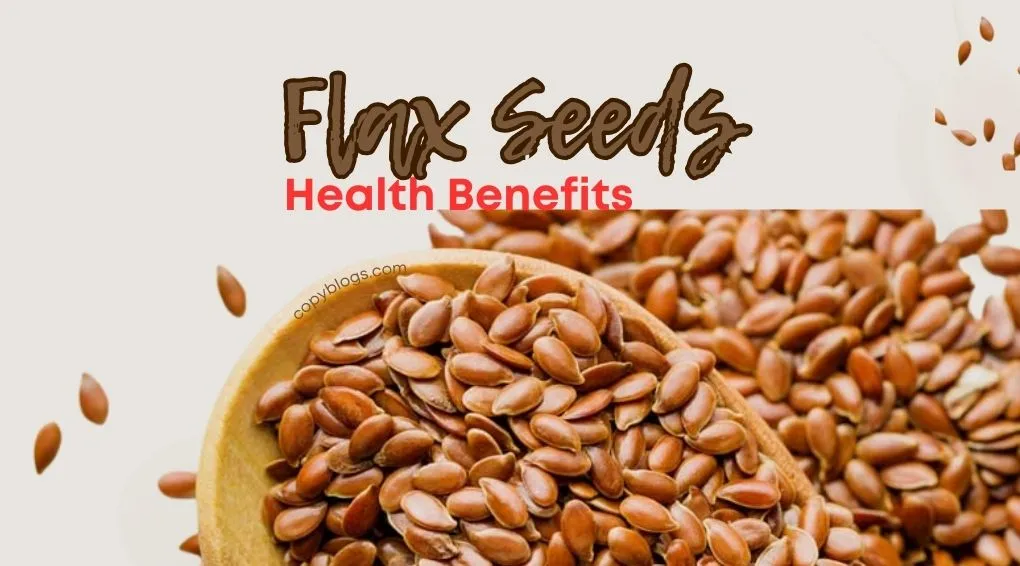
Flax seeds are small but energetic. These have been on the center stage for eras. They bring quite impressive health benefits that can raise the life and make it livelier. In today’s blog, we’ll talk about some flax seeds health benefits as well as why it is a great idea to start including them in the daily diet.

Flax Seeds Health Benefits

Rich Source of Omega-3 Fatty Acids

Flax seeds are one of the richest sources of plant-based sources of omega-3 fatty acids, particularly alpha-linolenic acid. These fats have been deemed essential in the reduction of inflammation, prevention against heart conditions, and proper functioning of the brain. Regular intake of flax seeds could rebalance the usually imbalanced ratio of omega-3 to omega-6 fats in the diets of many people who take highly processed foods. A study released recently points to the evidence that ALA lowers cholesterol, helps prevent the onset of narrowed arteries, a precursor to ischemic heart disease, and may lower the incidence of type 2 diabetes.

Enhances Cardiovascular Health

Other flax seeds health benefits are supporting heart health. Omega-3 fatty acids with lignans combined in flax seeds will play a fundamental role in cardio wellness. Their synergy in bringing down the percentage of LDL (“bad”) cholesterol while elevating HDL (good cholesterol) has additional benefits such as lowering blood pressure and preventing arterial plaque accumulation. Since flax seeds are one of the richest sources of ALA, studies have been able to connect an intake of ALA to a significantly reduced risk of dying from heart disease. Adding flax seeds into your daily diet is the way to a healthy heart and keeping the risks associated with heart conditions at bay.

Enhances Digestive Health

Having packed dietary fiber, flax seeds contain both soluble and insoluble fibers, making them highly important for digestive well-being. The soluble fiber controls the blood sugar and also reduces cholesterol, while the insoluble fibers make one pass the often regularly. A spoonful of flax seeds per day can help in alleviating constipation while balancing gut microbiota and improving overall digestive health. The tiny seed has been associated with benefits like protective effects against cancer and stabilized blood sugar levels. It also has effects that lower blood pressure and cholesterol.

Supports Weight Management

Flax seed has high levels of fiber, thus causing a fullness feeling and reducing the probability of overindulgence in food or inappropriate snacking. Healthy fats give lasting energy that eliminates hunger and hunger pangs as well. Various studies have shown that consumption of flax seed helps with weight loss, especially among individuals with a condition of high cholesterol or those considered overweight. Incorporating flax seeds in your diet effectively helps in maintaining weight by suppressing the urge. According to recent studies, there is an outcome of at least 30 grams of flax seeds every day for 12 weeks in minimum.

Balances hormones

Flax seed is full of lignans, which contain phytoestrogenic activities. They have estrogen-like activities in the body, making it particularly beneficial to women with hormonal imbalances, such as during menopause. It helps alleviate hot flashes and overall hormonal balance in the body. For men, it promotes prostate health. Nevertheless, it should be avoided in people with hormone-sensitive cancers and those undergoing hormone therapy. You may be advised by your physician to avoid consuming it when pregnant or breastfeeding.

Offers Cancer-Protective Effects

Flax seeds are rich in lignans, plant compounds that have been proven to have very strong anti-cancer properties. A review indicates that consumption of flax seeds can help prevent breast cancer, especially in postmenopausal women. Additionally, animal and test-tube studies indicate that flax seeds may protect against cancers of the colon, skin, lungs, and blood.

Improves Skin and Hair Health

The omega-3 fatty acids, antioxidants, and vitamins present in flax seeds enhance beautiful, glowing skin and healthy, strong hair. Omega-3s reduce dryness and flakiness of the skin, while antioxidants inhibit free radicals, which slow down aging. Nutrients from flax seeds strengthen hair follicles, reduce breakage, and work on the scalp for healthy and shinier hair.

Regulates Blood Sugar

Soluble fiber in flax seeds delays carbohydrate digestion and absorption, thus leveling the fluctuation of blood sugar. This would be particularly beneficial for diabetic patients or those with potential chances of suffering from diabetes. Regular consumption may also improve the sensitivity to insulin, preventing sudden spikes or dives in blood glucose.

Improves Immunity

Flax seeds contain antioxidants, lignans, and essential nutrients that boost the immune system. Compounds reduce oxidative stress while fighting inflammation and protect against infections and chronic diseases. Taking flax seed with your meals increases the powers of your body’s defense mechanism and helps you feel great.

Maintains Bone Health

We can’t overlook other flax seeds health benefits in supporting bones. Flax seeds contain minerals like calcium, magnesium, and phosphorus. All these elements are important in maintaining the strength and health of bones. They also have anti-inflammatory qualities, which protect one from diseases like osteoporosis. A teaspoon of flax seed powder or oil added to the diet every day may make a lot of difference in terms of having better bone health or sustained mobility over a lifetime.

Add Flax Seeds to Your Daily Diet

Experts suggest that consumers intake between 1 and 2 tablespoons (7 to 14 grams) of ground flax seeds per day as part of a balanced diet. Raw or unripe flax seeds are not recommended because they may contain toxins that can harm health. Ground flax seed (powder) and flax seed oil are better alternatives. In fact, flax seed oil has more ALA, with a content of 7 grams in every tablespoon, compared to 1.6 grams in ground flax seeds.

Roasted flax seeds are also another healthy and safe addition to your diet. Roasting will remove potential toxins from them while improving their desirable, nutty flavor. Just avoid overheating and prolonged roasting, as these can lead to a decrease in the good nutrients.

Here are some ways that you can enjoy flax seed health benefits in your daily diet:

  • Stir a spoonful of flax seed powder into water or your favorite smoothies.
  • Use flax seed oil on fresh salads for a healthier option rather than dressing.
  • Sprinkle ground flax seeds over hot or cold cereals to make them nutritionally better with some texture to the cereal.
  • Add ground flax seeds to yogurt to provide more fiber content.
  • Blend flax seeds in cookies, muffins, or breads to reap the benefits of baking with improved nutritional content.
  • Blend flax seeds and water together for use as a vegan-friendly egg replacement that holds together baked goods.
  • For extra nutrition and binding properties, mix ground flax seed into your meat or veggie patty.
  • Consume flax seeds in the morning to jump-start your metabolism or before meals to intensify the feeling of fullness. Keep flax seed powder in an airtight container in the fridge to retain its freshness and nutritional integrity.

Potential Side Effects and Precautions

While flax seeds offer numerous health advantages, it’s essential to be mindful of potential side effects.

  • Flax seeds may increase bowel movements and could cause bloating, gas, stomach aches, or nausea, especially if consumed in large amounts.
  • Flax seeds might act like estrogen, potentially affecting pregnant and nursing women. Therefore, pregnant or nursing women should always talk with doctors before taking flax seeds.
  • Some people may be allergic to flax seeds or flax seed oil.
  • Flax seeds can interact with blood thinners and antiplatelet drugs. It is recommended to consult a doctor if you are on any medication.
  • Individuals with hormone sensitivities or those undergoing hormone treatments should seek medical advice prior to consuming flax seeds due to their phytoestrogen content.
  • Consuming too much fiber from flax seeds can lead to digestive issues. Thus, you should gradually include them in your diet to ease the adaptation to your body system.

Bottom line

Flax seeds are without a doubt one of the greatest nutritional treasures, with numerous health benefits, from promoting heart health to aiding in better digestion. But to fully avail of these health benefits, one often prefers the intake of flax seed powder or oil over whole seeds, as they are digested and assimilated better into the body. Yet, to be aware of possible side effects is necessary—mostly the aversion of consuming raw or green flax seeds. If you already suffer from other health conditions or are not sure whether you can introduce flax seeds in your diet, then a consultation with a healthcare professional is the best advice. With knowledge and wise intake, you could enjoy the vast benefits that flax seeds will bring to your health.

You may also like:
Top 5 herbals for liver and kidneys| Worst foods for liver health | Home remedies for diarrhea

Beauty

Homemade Green Tea Face Mask

homemade green face mask

Why is a homemade green tea face mask? As you know, green tea is beneficial to our health. It also has amazing effects on the beauty. Especially, green tea makes skin fresh, tight, and smooth.

Many studies showed that green tea helps to prevent erythema, a skin condition characterized by redness and rash. And it protects skin from sunburn and tan. Furthermore, green tea gives much support in antibacterial and anti-inflammation.

Today, we are going to dive into some homemade green tea face masks for skin.

How to prepare homemade green tea face mask

There are many ways to make a green tea face mask. But I just share with you the most effective and simplest methods in today’s blog. Here we go.

1. Green tea and honey

Honey has antioxidants and various nutrients with antibacterial and anti-inflammatory effects. It also helps to prevent acne and increase the brightness of your skin. The paste of green tea and honey will clean and absorb redundant oil on your skin for freshness and youth. It’s very easy to prepare this homemade green tea face mask. All you need are:

  • 1 spoon of green tea powder
  • 3 spoons of honey (organic honey is recommended)

And here we are close to a glory face:

  • Put green tea and honey into a small, clean bowl and mix them well to a paste.
  • Apply the mixture to your face. You can use fingers or a brush for it. Remember to clean your hands or brush carefully before use.
  • Gently wash your face with warm water after 10 to 15 minutes (when the mask is dry).
  • Dry your face and carry on routine skin care.

In order to have the best result, apply the mask twice a week and before bedtime. Don’t forget to use sun cream 30 minutes before going out. You can keep the paste in the refrigerator for 5 minutes to make it cool before applying it to your face.

2. Green tea and oat powder

This herbal mask has an amazing effect on cleaning and removing dead skin. Additionally, this homemade green tea face mask is supportive to reduce swelling and bruises as well as make skin soft and smooth.

For making this homemade green tea face mask, you will need:

  • 1 spoon of green tea powder
  • 1 spoon of oat flour

Then you carry on the same steps that I mentioned in the part about making honey and green tea masks. You can also add honey and fresh milk to the mixture of green tea and oat powder.

3. Green tea and lemon (lime)

A combination of green tea and lemon helps to remove pimples and acne scars. Also, the mask will cleanup sebum and oil. As you know, lemon has a wonderful effect on antibacterial; therefore, skin will be glowing and gorgeous.

  • 1 teaspoon of green tea powder
  • ½ teaspoon of lemon juice

You need to mix green tea and lemon juice well in a small, clean bowl. Then you take a piece of cotton to apply the mask to your face. When it is dry, use another piece of cotton to apply another layer on the face. Repeat the procedure until you finish the paste and wait for 5 minutes. Finally, wash your face and do routine skin care.

  • Remember not to use much lemon juice in case you are having lots of pimples.
  • Avoid eye area.
  • Store the paste in the refrigerator within a week if you don’t finish it one time. However, stop using it if any bad smell comes out.

4. Green tea and coconut oil (or olive oil)

Coconut oil provides skin with moisture and makes skin white, bright, and smooth. This homemade green tea face mask requires:

  • 3 spoons of green tea powder
  • 1 spoon of coconut oil
  • 1 spoon of lemon juice

You have to make a paste of those materials, then cover it on your face, massage it gently, and keep it dry (about 15 minutes). After that, clean your face with cool water.

5. Green tea and apple vinegar

This mask has effects on oil reduction, acne treatment, and making skin shiny and healthy.

It is quite easy to prepare this homemade green tea face mask. All you need to be:

  • Green tea powder
  • Apple vinegar
  • Put them into a small bowl and make a paste. Apply the mixture to your face for 20 to 30 minutes. After that, wash your face with warm water.

6. Green tea, tomato and fresh milk

This mask brings many benefits in aging-resistant, smooth, and tightened skin.

  • ½ piece of tomato (remove all seeds)
  • Grind the tomato and mix it with green tea powder and milk to make a paste.
  • Apply it on your face and keep for 20 to 30 minutes, then use cool water to wash your face.

7. Green tea and yogurt (sugar-free)

  • 1 spoon of green tea powder
  • 2 spoons of yogurt

Mix green tea powder and yogurt and make them a thick paste. You use clean hand fingers or a brush to apply the mask to your face. Relax in 20 to 30 minutes and wash your face with cool water. This homemade green tea face mask helps to reduce bruises and burns as well as make your skin brighter and younger.

8. Green tea and Aloe Vera

Another homemade green face mask mentioned today is green tea and aloe vera.

To make this mask, you need to wash aloe vera, then extract its gel. You can use a spoon to do this. Grind aloe vera gel and add one spoon of honey (organic honey is recommended) to a small bowl. After having a paste, apply the mask and massage your face gently. Relax in 15 to 20 minutes and wash your face with water.

This homemade green face mask can heal your burns and reduce acne.

9. Green tea and milk (sugar-free)

  • Green tea powder
  • Fresh milk

Pour milk into a small bowl with green tea powder; mix them until a paste forms. Before applying this mask, you need to clean your face for best effectiveness. Cover your face with the paste and wash it after 20 to 30 minutes with water.

As you use the mask of green tea powder and milk, your skin is improved thanks to its antibacterial activity. Your skin is also softer, smoother, and has less acne; even wrinkles can be reduced with this homemade green tea face mask.

10. Green tea and purified water

The last homemade green tea face mask that I’d like to share with you today is green tea and purified water.

This is the easiest and most simple mask to prepare. With this mask, bruises and acne are reduced; skin becomes brighter and whiter.

You just follow similar steps as making the paste of green tea powder and milk (method number 9).

Things to keep in mind:

  • Because those are herbal masks, your patience is highly appreciated. You can pick up any of the above homemade green tea face masks that are suitable for your skin and situation.
  • For best results, apply the mask 2 to 3 times per week.
  • You need to have enough sleep. You can also combine masks and drinking green tea (or matcha).
  • Organic herbs will be totally perfect and beneficial to your skin and health.
  • Always protect your skin with sunscreen whenever you’re outside or even working with screens such as computers or phones.

Depending on your skin situation, you can try other homemade face masks, such as face masks for wrinkles, or face masks for dry skin, or Orange Peel Face Mask for Dark Spot Removal.

Beauty

How To Prepare Homemade Banana Face Masks For Skin

banana masks for face

How to prepare homemade banana face masks for skin. Banana is not only good for health but also beneficial to skin and hair. Banana is rich in vitamins and minerals and has a high content of magnesium, potassium, iron, zinc, folic acid, and tryptophan. Today, I’m going to share with you some homemade banana face masks for skin. It’s quite easy to make these banana masks for the face at home.

1. Homemade banana face masks for skin: anti-aging and pore tightening

Method 1:

To prepare this banana mask, you’ll need the following materials:

  • 1 ripe banana
  • 2 to 3 teaspoons of honey

You can find those materials easily near your place. Banana contains moisture, vitamins, and potassium, which support glowing skin. Honey is rich in vitamins and antibacterial properties, which help effectively in acne treatment and prevention.

How to apply the mask:

  • Mash banana in a clean bowl.
  • Mix honey and banana.
  • Apply the paste all over your face; stay relaxed for 20 to 30 minutes.
  • Clean your face with lukewarm water.
  • Continue with the skin care routine before sleep.

Effect: This combination of banana and honey will promote glowing skin and anti-aging. Also, it helps to tighten pores. Your skin will look younger and glorious.

Approach 2:

Beside the above method, you can also try another way to make banana masks for face, as follows:

  • 1 ripe banana
  • 2 tablespoons of yogurt
  • 1 teaspoon of lemon juice (optional)

Similar to method 1, you also mix all the materials together in a small, clean bowl. After that, cover the paste on your face and keep it for 20 to 30 minutes. Wash your face with warm water. You can use this banana face mask 3 times a week.

Effect: The high content of vitamins and lactic acid in the mixture will help to dissolve dead skin, tighten pores, and reduce wrinkles. Additionally, this face mask also helps to reduce clogged pores.

2. Banana masks for face: remove blackheads

Banana is also helpful to remove blackheads, and antioxidants contained in banana will promote fresh skin.

Require:

  • ½ ripe banana
  • 1 teaspoon of honey
  • 2 teaspoons of lemon juice

Prepare and apply:

  • Mash banana, then mix it with honey and lemon juice.
  • Cover the mixture on the acne area.
  • Wash your face after 20 to 30 minutes with cool water.

3. Homemade banana face masks for skin: acne treatment and prevention

This face mask contains antibacterial properties and makes skin soft, smooth, and minimizes pores, as well as reducing acne.

Require:

  • 1 ripe banana
  • 1 tablespoon of oat flour
  • 2 tablespoons of fresh milk

Prepare and apply:

  • Mix mashed banana with oat powder and fresh milk.
  • Cover the paste on the whole face in 15 to 20 minutes.
  • Clean your face with warm water.
  • Apply the mask two to three times a week.

4. Banana masks for face: to have rosy white skin

Thanks to vitamin E, C, and antioxidants in the mixture, your skin will become rosy white and smoother.

Approach 1:

Require:

  • 1/2 ripe mashed banana
  • 1 yolk
  • 1 or 2 teaspoons of olive oil

Prepare and apply:

  • Whisk the yolk until it is foamy. Mix all of the above materials in a small bowl.
  • Apply the mixture to your face and neck.
  • Keep it in 15 to 20 minutes for absorbing all nutrients and minerals in the skin.
  • Wash your face with cool water and pat your skin gently until it gets dry.

Method 2:

Require:

  • 1 ripe banana
  • 2 teaspoons of honey

Honey and banana will nourish, renew skin cells, and provide moisture to make skin softer, smoother, and glowing.

Prepare and apply:

  • Mash banana and mix it with honey.
  • Cover the paste on the face. While applying it, you can gently massage your face in 5 minutes for well-absorption.
  • Use warm water to wash your face after 15 to 20 minutes.

6. Banana face masks for skin, moisturizing

Require:

  • ½ ripe banana
  • ½ avocado

A face mask made from banana and avocado will provide mildness and moisture to the skin. Avocado helps skin become softer and smoother, while banana nourish your skin.

Prepare and apply:

  • Mash and mix both banana and avocado.
  • Add 2 tablespoons of yogurt, 1 teaspoon of olive oil, or 1 vitamin E capsule to the mixture. This is optional; you can add those materials to banana and avocado if you want.
  • Apply the paste to the face and keep it for 20 to 30 minutes until it gets dry.
  • Wash face with warm water.

In case you are facing acne, avoid avocado but replace it with yogurt and honey.

I hope you find it helpful with today’s tip. Please share with us your experience using homemade banana face masks.
For other homemade face masks, you can find them here. Thank you for reading my blog. See you soon in next coming post 🙂

You might also like:
Homemade Rosemary Oil for Hair
Homemade skin whitening facemask

Beauty

Homemade Pumpkin Face Masks

how to make a pumpkin face mask

Homemade pumpkin face masks are really simple to prepare yourself with materials available around you. Pumpkin contains a lot of vitamins and minerals that are beneficial to skin. Frequent usage of pumpkin helps skin become healthy, brighter, and softer. In today’s blog, we’ll check how to make a pumpkin face mask at home.

You can apply any of the following homemade pumpkin face masks, which is the most effective, to your facial skin two to three times a week.

How to make homemade pumpkin face masks

1. Pumpkin and fresh milk

The first of homemade pumpkin face masks that work wonders with sensitive skin. To prepare this face mask, you will need:

  • 3 tablespoons of boiled, smashed pumpkin;
  • 3 or 4 teaspoons of pasteurized fresh milk (without sugar);

Prepare and apply:

  • Mix boiled, smashed pumpkin and fresh milk till paste;
  • Apply the paste to your face. While applying it, you can gently massage your facial skin so that the nutrients of the mask will be absorbed easily and completely.
  • Keep the mask on your face for 20 to 30 minutes.
  • Wash your face with lukewarm water first, then cool water to minimize the pores.
  • Carry on your skin care routine.

Effect: Provide moisture, soften skin, and get pinkish-white glowing skin.

2. Pumpkin and yogurt

One of the effective homemade pumpkin face masks comes from pumpkin and yogurt. You will need the following materials to make this face mask.

  • 3 tablespoons of boiled, smashed pumpkin;
  • 2 teaspoons of yogurt (without sugar);

Prepare and apply:

  • Add boiled, smashed pumpkin and yogurt into a clean, small bowl.
  • Mix until they become paste;
  • Cover your face with the mixture.
  • Stay relaxed for 20 to 30 minutes.
  • Clean your face with lukewarm water, then cool water.
  • Continue your skin care routine before sleep.

Effect: Provide moisture and reduce acne.

3. Pumpkin and egg white, olive oil

Among homemade pumpkin face masks, you can prepare the mask with a combination of pumpkin, egg white, and olive oil. Egg white and olive oil will soften and tighten your facial skin, while pumpkin provides vitamin A and C to remove dead skin and reduce dark spots.

How to make a pumpkin face mask:

  • 2 tablespoons of boiled, smashed pumpkin;
  • 1 egg white;
  • 2 teaspoons of olive oil

Prepare and apply:

  • Mix all materials until they become a paste.
  • Apply the mixture on your face.
  • Retain it for 20 to 30 minutes.
  • Clean your face with lukewarm water, then cool water.
  • Continue your skin care routine.

Effect: Remove dead skin, provide moisture, and whiten skin.

Homemade pumpkin face mask

4. Pumpkin and lemon juice

Instead of using yogurt, you can replace it with lemon juice while making homemade pumpkin face masks.

  • 3 tablespoons of boiled, smashed pumpkin;
  • 1 teaspoon of lemon juice

Prepare and apply:

  • Mix pumpkin and lemon juice together.
  • Apply the mixture to your face.
  • Keep it for 20 to 30 minutes.
  • Wash face with lukewarm water, then cool water.
  • Carry on with your skin care routine.

Effect: Prevent and reduce acne; moisturize the skin.

5. Pumpkin, honey and fresh milk

A mixture of pumpkin, honey, and fresh milk will be another perfection to prepare your homemade pumpkin face masks.

How to make a pumpkin face mask

  • 3 tablespoons of boiled, smashed pumpkin.
  • 2 teaspoons of honey.
  • 1 teaspoon of pasteurized fresh milk

Prepare and apply:

  • Add all of those materials to a clean bowl.
  • Mix them till the paste.
  • Cover your face with the mixture and keep it for 20 to 30 minutes.
  • Wash your face with lukewarm water, then cool one.
  • Apply your skin care routine.

Effect: Reduce dark spots, brighten skin.

Homemade pumpkin face masksit’s never too late to care for your skin!

I hope you love my post and pick up the most suitable homemade pumpkin face masks for your facial skin.

There are some things to keep in mind while preparing those face masks:

  • Always wash your hands and face before applying the mask.
  • You can do a facial sauna two to three times a month for deep cleaning and dead skin removal.
  • Always use pasteurized fresh milk and yogurt, which are no-sugar contained.
  • You can use a paper sheet mask while applying homemade pumpkin face masks.
  • Also, you can wound your neck with a towel to prevent the liquid from the mask from running down your body.
  • Protect your skin with sunscreen before you go out; reapply it after every 4 hours.
  • Apply the face mask 3 times a week at the maximum, as you know “too much of anything is bad.”
  • Those are natural face masks, so your patience is required; please do not rush yourself.

Thank you for visiting my page. I hope you’ll come back again for my other posts. Meanwhile, you can also check out some other natural face masks for your skin on my website.

You might also like:
Homemade skin-whitening facemask | Homemade papaya face mask | Homemade tomato face masks

Food & Health

Natural Drinks to Lower Cholesterol

Best Juice to Lower Cholesterol

Maintaining heart health is of paramount importance in this world. In addition to natural foods for high cholesterol, you can try some natural drinks to lower cholesterol. Let’s find out how certain beverages can serve as effective remedies.

Green Tea

Green tea is one of the best drinks to lower cholesterol. It is rich in antioxidants, which help to reduce LDL levels. Indeed, studies have shown that regular consumption of green tea leads to a significant reduction in cholesterol. Drinking a cup daily can help maintain heart health.

Tomato Juice

The juice obtained from tomatoes is the next good ingredient for reducing cholesterol. It carries lycopene, which reduces LDL cholesterol. According to scientific research, frequent consumption of tomato juice can enhance cholesterol levels. However, it is not advisable for individuals who face acid reflux.

Pomegranate Juice

The best drink for lowering cholesterol can’t overlook pomegranate juice. You can check out more health benefits of pomegranate on my page. The juice is rich in antioxidants that can reduce cholesterol. It has been proven to lower LDL cholesterol and prevent arterial plaque formation. A glass a day can provide many heart health benefits.

Beet Juice

Beet juice is full of many health benefits and one of the best natural drinks for cholesterol. It contains compounds that help protect your heart and reduce inflammation. Additionally, they can reduce LDL cholesterol levels while increasing HDL. Thus, the juice improves blood flow and general cardiovascular health.

Blueberry Juice

Another natural drink to lower cholesterol is blueberry. This beverage has rich contents of antioxidants, fibers, and other compounds that aid the control of cholesterol and reduction in inflammation. Blueberry juice lowers a great deal of LDL, says a research report. Thus, regular drink of blueberry juice is effective to lower cholesterol.

Pineapple Juice

Bromelain, the enzyme contained within pineapple juice, helps reduce cholesterol levels in the blood. It has been demonstrated to break up harmful cholesterol deposits, forming plaque in arteries. It also reduces inflammation, helps normal lipid metabolism, and slows cardiovascular decline caused by oxidative damage. Thus, a frequent drinker of this juice helps lower LDL and contributes toward a healthy heart. For that reason, pineapple juice is one of the best natural drinks to lower cholesterol.

Cocoa Drinks

Cocoa drinks, especially those that contain dark chocolate, can be beneficial in keeping the cholesterol down. Flavonoids help improve cholesterol levels and contribute a lot to maintaining heart health. Studies have shown that cocoa consumption appeared to lower blood pressure overall, as well as bad cholesterol and blood sugar. So, you can enjoy a cup of cocoa as a treat and a healthy boost. However, you should choose cocoa extract or powder that does not add sugar, salts, or fats. Contrarily, you can make cocoa powder at home with simple steps.

Berry Smoothies

Berry smoothies, made with strawberries, raspberries, blueberries, and blackberries, can be a great source of cholesterol management. They are full of antioxidants and fiber, which are known to lower LDL cholesterol. This may be one tasty way to have a healthy heart. For the best result, you should combine berries with yogurt, low-fat milk, or plant-based milk.

Plant-based milk and smoothies

Plant-based milk and smoothies are also some of the best drinks for lowering cholesterol. Plant-based milk and smoothies have fewer calories, no cholesterol, and are saturated-free. This helps lower the levels of LDL in the body. According to a study in the Annals of Nutrition and Metabolism, five weeks of oat milk consumption by men suffering from high cholesterol decreased their LDL and total cholesterol levels.

Bottom line

These natural drinks to lower cholesterol are the simplest and most effective way of supporting heart health. They will be good ingredients for scientifically backed benefits in your healthy lifestyle. Start sipping your way to better cholesterol management today!

Using such natural drinks daily can make an immense difference in cholesterol levels. However, it would be wise to see a doctor and seek advice based on the health history for any significant diet modification. Some people are allergic to specific drinks, so proper consultation is advised.

You may also like:

Top 5 natural herbs that support your liver and kidneys | Natural foods for fatty liver disease| Best herbs help you get rid of chilblains

Beauty

Foods That Help With Collagen Production

Foods That Help With Collagen Production

In today’s fast-paced world, it is harder than ever to maintain a youthful glow. Collagen, the most abundant protein in our bodies, is the key to healthy skin, hair, nails, and joints. While our bodies naturally produce collagen, this production declines as we age. Therefore, it is essential to include collagen-boosting foods in our diets. In today’s blog, we’re going to dive into top foods that help with collagen production.

Eat Your Way to Ageless Skin: Foods That Help With Collagen Production

Chicken

Chicken is full of connective tissues. These tissues make chicken a rich source of dietary collagen. Collagen content varies throughout the chicken, though. For example, the thigh meat contains more collagen than breast meat. So, you can consider adding chicken to your diet as one of the top foods that help with collagen production. Indeed, when you eat chicken, your body can break down the required amino acids, which will help in the production of collagen.

Egg Whites

Egg whites are rich in proteins. In particular, they contain proline, an amino acid necessary for the synthesis of collagen. Adding egg whites to your diet will help you have elastic and firm skin.

Citrus Fruits

The citrus fruits include oranges, lemons, and grapefruits. These fruits are high in vitamin C, a significant stimulant in the synthesis of collagen. It is said to help facilitate the change from amino acids to collagen. Therefore, their consumption can significantly boost the production of collagen.

Tropical Fruits

Other foods that help with collagen production can’t overlook tropical fruits. Mangoes, kiwis, pineapples, and guavas are rich in vitamin C. This vitamin is essential for the synthesis of collagen. In addition, these fruits hydrate and provide other nutrients that promote healthy skin.

Berries

Those fruits are also natural collagen booster foods. Berries such as strawberries, blueberries, and raspberries are rich in antioxidants. They work by neutralizing free radicals that damage the skin. As a result, they support the collagen structure already present in the body.

Garlic

This vegetable is rich in sulfur, one of the trace minerals that synthesizes and prevents the breakdown of collagen. Garlic should be eaten in moderation, though. When consumed in regular amounts, it’s not toxic, but too much can lead to heartburn and stomach upset. More so, those on blood thinner medication should limit or avoid garlic as it promotes excessive bleeding.

Leafy Greens

Some leafy greens, such as spinach, kale, and Swiss chard, are very rich in vitamins A and C. These two vitamins play an important role in collagen production. These greens are also full of antioxidants that will protect your skin even more. Some studies have shown that consuming chlorophyll increases the precursor to collagen in the skin.

Beans

Beans are a good plant-based protein that contains lysine, an amino acid responsible for collagen production. Additionally, many beans are rich in copper, another nutrient necessary for collagen production. In short, eating beans can contribute to healthy skin and life.

Cashews

Cashews are rich in zinc and copper. Both are essential minerals responsible for collagen formation in the human body. This way, eating cashews often could be the most delicious method to increase your levels of collagen in the body.

Tomatoes

Other foods that help with collagen production include tomatoes. Lycopene, an antioxidant in tomatoes, has the capability to produce collagen. Lycopene provides supplementary protection against skin damage. Having tomatoes in your diet can provide two benefits for good skin.

Bell Peppers

Bell peppers, the red and yellow especially, are high in vitamin C. Such a vitamin is an essential ingredient in making collagen. Consuming these peppers helps support the human body’s collagen production and the quality of the skin.

Bottom line

Incorporation of these foods in your diet can certainly boost collagen production on a large scale. Nonetheless, before making significant changes in your diet, always consult a doctor for advice. Besides, don’t overconsume these just for the sake of collagen, as an overload might lead to certain side effects. Equilibrium is the secret to maintaining a healthy and dynamic lifestyle.

Note that some require avoiding a list of foods for either allergy or medication. Consult with a health care provider to determine which, if any, are safe to consume. Also, some remedies have pre-treatment tests that are needed before using them.

You might also like:
How to prevent aging naturally | Homemade olive oil face masks for wrinkles

Food & Health

FOODS AND DRINKS THAT TRIGGER IBS

Foods And Drinks That Trigger IBS

Irritable Bowel Syndrome (IBS) can disrupt daily activities with symptoms that are uncomfortable, such as bloating, cramping, and irregular bowel movements. Many factors influence IBS, not least of which is diet. To that end, an understanding of what foods and drinks to avoid with IBD is vital to the management of its symptoms. Here are the top foods and drinks that trigger IBS.

Alcohol: A common trigger

It is observed that a majority of people tend to enjoy social drinking. While it can be fun, it can also pose an issue for the IBS symptoms. IBS can take a turn into irritant territory, and social drinking is known to upset the gut. Digestion can get troubling after consuming alcohol, which then can lead to an upset abdomen alongside IBS symptoms. It has been found in research that alcohol has a negative impact on gut motility. Hence, alcohol is at the very top of the list of foods and drinks that trigger IBS. If you are a social drinker, opting out for non-alcoholic alternatives can help in avoiding stir-ups.

Insoluble Fiber: Not all fiber is equal.

While it is essential to consume fiber, it is important to note that insoluble fiber can raise concerns and worsen IBS symptoms. It can be detrimental for an individual suffering from the condition if they consume nuts, whole seeds, and whole grains in medium to high amounts, as it can crank up the bloating levels along with discomfort. Contrarily, soluble fiber is easier on the stomach.

Gluten: An Overlooked Enemy

Celiac sprue is more common in regions like North America, Central America, and parts of Europe where gluten is common. Even if you don’t suffer from celiac sprue, gluten is still the bane to those who have an IBS-intolerant gut. Hence, gluten is also on the list of foods to avoid with an IBS flare-up. Options for gluten-free foods like rice and quinoa are a safer choice.

Dairy: A Double Threat

Dairy contains two potential hazards: lactate and fats. In many cases, those with IBS are lactose intolerant. This means that they are unable to digest carbohydrates properly. For this reason, it can create gas, then result in bloating. In addition, fat in milk products can aggravate diarrhea. It is always better to use lactose-free or plant-based milk, as it is more easily tolerated.

Caffeinated Drinks: Energy With Consequences

Caffeine acts as a stimulant in the intestine. This activates IBS, which would result in some patients having cramps and some experiencing diarrhea. Coffee, tea and some energy drinks are some of the common offenders. Therefore, caffeinated drinks are beverages to avoid with IBS. Herbal teas, especially chamomile, are in the field as good substitutes.

Beans and Legumes: Nutrient-Rich but Problematic

Beans and legumes are nutrient dense, but they can also produce excessive amounts of gas, leading to a lot of bloating. As a result, these foods have a high ‘FODMAP’, which makes them not so friendly for those dealing with IBS. Lentils and chickpeas should, hopefully, be alright to nibble, but in small quantities.

Garlic and Onions: Flavorful but Risky

Those herbs are on the list of foods and drinks that trigger IBS. Garlic and onions are delicious and healthy vegetables. However, they are rich in FODMAPS as well. Thus, they can result in bloating and gas. Alternatively, if you cook them completely or use garlic-infused oil, it should reduce their impacts.

Cruciferous Vegetables: Hard to Digest

An example of some of the cruciferous vegetables that can exacerbate the signs and symptoms of IBS are broccoli, cauliflower, and cabbages. These vegetables have a reputation for making things ‘gassier’. The reason is that they are tough on digestion and, hence, can cause gas and discomfort. Vegetables which are cooked or even zucchinis tend to work more smoothly.

Fried Foods: Heavy on the Stomach

The intensity of the discomfort is from the arduous process fried food needs to go through to be digested and from the resultant aggravation of IBS symptoms. This heavy fat during digestion and slows it down. Choose barbequed, baked, or boiled foods to keep your stomach safe.

Highly Processed Foods: Best Left Out

These are other foods to avoid with an ibs flare-up. Highly processed foods often contain additives, preservatives, and poor fats that can worsen IBS symptoms or cause gut irritations. Meanwhile, fresh and whole foods are the best choice.

Sugar-Free Sweeteners: Misleading Alternatives

Most sugar alcohols (sorbitol, mannitol) as suitable sweeteners can end up in a person’s gut. They take a little too long to digest; therefore, sooner or later, causing bloating and increased bowel movement. Use a bit of honey or maple syrup instead of those artificial sweeteners.

Chocolate: A Surprising Trigger

Chocolate has caffeine and fat, especially popular milk varieties. Therefore, in sensitive cases, consumables made of chocolate can be an irritant. Low-sugar and lower-fat dark chocolate could be a more suitable option in moderation.

Irritable Bowel Syndrome Relief: Helpful Changes in Lifestyle

IBS does not restrict itself to what one eats and drinks, but lifestyle changes can also offer some remedy. For one, decrease the amount of food, but eat frequently, as this eases the work put on your gut. Keep your body well hydrated, but try not to take much water with food. It boosts digestion, reduces stress, and ensures regular exercise. Recording diet habits will help identify the elements in your daily intake which can aggravate your condition. Various techniques may help in managing stress, which worsens the symptoms of IBS and includes yoga, meditation, or deep relaxation.

Bottom line

Avoidance of typical triggers and adoption of new and healthy habits will significantly change the welfare of an individual. Always listen to your body and seek help when needed. Along with the above avoidance, you can also try some effective home treatments and herbals for IBS. If, after all the effort you try to keep away from these foods or drinks and cannot control your syndrome, consult your healthcare provider, doctor, or dietitian. There are professional people to help you customize your diet in line with your needs and to determine the existence of any other possible cause.

You may also like:

Top foods and drinks to avoid with diabetes | Best vitamin D-rich foods| Top 6 health benefits of cauliflower