Tag

stress management

Food & Health

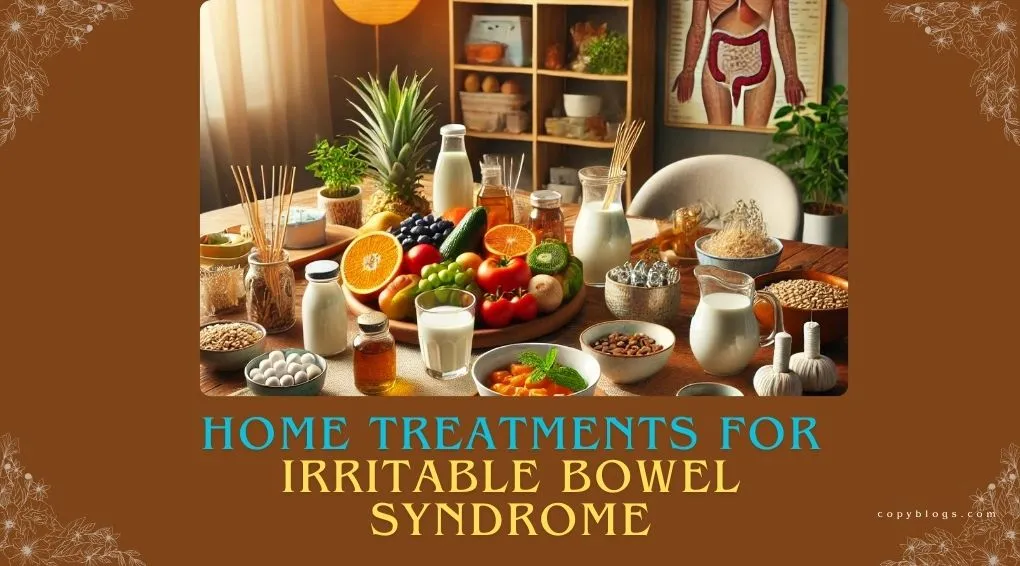
HOME TREATMENTS FOR IRRITABLE BOWEL SYNDROME

Home Remedies for Irritable Bowel Syndrome (IBS)

Irritable Bowel Syndrome (IBS) can cause a lot of discomfort. Fortunately, there are some effective home remedies that can help relieve symptoms. Let’s explore these home treatments for irritable bowel syndrome (IBS), which you can try without medication.

Prevent Trigger Foods

The first of home remedies for IBS is preventing those foods which can trigger to symptoms. Identification and avoidance of trigger foods are the most important things to do. Most common triggers include fatty foods, caffeine, and alcohol. You should observe certain foods that may worsen symptoms with your food notes.

Increase Your Fiber Intake

Adequate amounts of fiber can help prevent constipation. Thus, it supports in promoting proper and regular bowel movements. However, gas and bloating should be avoided. In addition, you should gradually increase the intake of fiber to avoid any side effects.

Limit Dairy Products

Many individuals with IBS have intolerance to lactose. In such cases, they need to reduce dairy intake. In another hand, replacement with lactose-free products can help in IBS treatment and prevention. They also need to be conscious of ensuring intake of sufficient calcium through other sources.

Eat Regularly

Establishing regular mealtimes has proven to be beneficial in smoothening the digestion. Consequently, it aids in reducing the frequency of IBS flare-ups. It is also important to keep in mind that you should not skip any meals.

Exercise Regularly

Other home treatments for irritable bowel syndrome (IBS) can be effective is that you should get regular exercise. Physical activities can help promote bowel movements and reduce stress. Therefore, it helps in managing IBS. It is recommended to have at least 30 minutes of moderate exercise most days of the week. However, avoid high-intensity exercises, such as running, competitive swimming, or cycling, if it triggers symptoms.

Stress Regulation

Stress generally worsens symptoms of irritable bowel syndrome. Meditation, deep breathing activity, and yoga might all help reduce stress and enhance well-being in general.

Acupuncture

Acupuncture may promote relaxation, reduce travel anxiety, and improve digestion – helping to alleviate some of the symptoms of IBS. Although not all of the scientific studies have shown definite proof of effectiveness, one finds much anecdotal evidence pointing toward positive effects.

Hypnosis

Through hypnotherapy, it is possible to alleviate IBS symptoms via this relaxation and changes in perception of pain. A few studies have found that hypnotherapy tends to have positive outcomes, especially among symptomatic individuals suffering considerably.

Peppermint Oil

It is known that peppermint oil has antispasmodic activity and can thus help with avoidable symptoms. Clinical studies have shown this to be effective but should be used with caution since it may induce heartburn in some individuals.

Probiotics

Probiotics are bacteria that help maintain a healthy gut microbiome. You can get these good bacteria in supplements or fermented food items. They assist in digestion improvement, particularly during diarrhea-predominant IBS.

Hydration

The maintenance of plenty of water keeps the gastrointestinal tract well-lubricated and prevents constipation. It prevents dehydration also-especially during bouts of diarrhea.

Herbal teas

It is said that herbal teas have muscle-relaxing properties for the gut, thereby alleviating the symptoms of IBS. However, before using new herbal remedies, please consult your doctor.

Precautions

While these home remedies for IBS may prove effective, it is always advisable to see a doctor when symptoms persist. Some of the remedies might interact with medications or even have nasty side effects, hence specialized advice prior to their use is mandatory.

Bottom line

There are many home remedies to treat IBS which could benefit the life of every person suffering from it. Always seek medical advice before any drastic changes in diet or treatment are implemented.

You may also like:
Top drinks to lower blood pressure quickly | Best Vitamin D-Rich Foods

Food & Health

NATURAL FOODS FOR STRESS RELIEF

NATURAL FOODS FOR STRESS RELIEF

Stress has become an unavoidable part of our lives. While stress is a normal human response, chronic stress can have detrimental effects on our mental and physical health. Yet, there is a way to battle against it naturally. Changing your lifestyles and modify eating habit can help a lot.

Eating certain foods can greatly help in managing stress. The below are some natural foods for stress relief that you can add in your diet.

Natural Foods for Stress Relief

Fatty Fish

Fatty fish including salmon, mackerel, and sardines are rich in omega-3 and other nutrients which can help reduce inflammation and improve mood. Along with Omega-3, protein, vitamin B12, vitamin D and magnesium in fish can help lower levels of cortisol hormone. Consuming salmon and other fish at least twice a week can be beneficial to stress relief.

Green vegetables

Dark greens such as spinach, kale, Swiss chard and broccoli are packed with vitamins, minerals, and antioxidants. They can help reduce oxidative stress, which can contribute to feelings of anxiety and depression. Add these greens to your salads, smoothies, or stir-fries.

Artichokes

Artichokes are an incredible source of fibre and especially rich in prebiotics, a type of fibre that feeds the friendly bacteria in your gut. Consuming ate 5 or more grams of prebiotics per day experienced improved anxiety and depression symptoms, as well as that high quality, prebiotic-rich diets may reduce your risk of stress.
Artichokes are also high in potassium, magnesium, and vitamins C and K, all of which are essential for a healthy stress response.

Berries

Berries, including blueberries, strawberries, and raspberries, are rich in antioxidants and vitamins. They can help reduce inflammation and improve mood. Add berries to your smoothies, yogurt, or cereal to support you in battling depression and boosting your mood.

Nuts and Seeds

Nuts and seeds are excellent sources of healthy fats, fibre, and magnesium. Eating a handful of pistachios, walnuts, sunflower seeds or almonds daily may help lower your cholesterol, ease inflammation in your heart’s arteries, and protect you against the effects of stress. Add nuts and seeds to your yogurt, salads, or baked goods.

Legume

Legumes are packed with stress-fighting vitamins and minerals, including magnesium, potassium, B vitamins, zinc, selenium, manganese, and copper. They are also rich in L-tryptophan, which your body needs to produce mood-regulating neurotransmitters.

Herbal Teas

Herbal teas like chamomile, lavender, and peppermint have calming properties that can help reduce stress and anxiety. Sip on a cup of herbal tea before bed to wind down and promote restful sleep.

Green Tea

Green tea contains L-theanine, an amino acid that promotes relaxation and reduces anxiety. For a calming effect, drink one to two cups of green tea daily, especially in the morning or mid-afternoon.

Sweet Potatoes

Sweet potatoes are a whole food that makes an excellent carb choice. They’re packed with nutrients such as vitamin C and potassium, that are important for stress response.

Eggs

Eggs are good source of vitamin D, amino acids, antioxidants and other protein. Those properties are needed for a healthy stress response. Additionally, whole eggs are rich in choline, which has been shown to play an important role in brain health and may protect against stress.

Turmeric

The active ingredient in turmeric, called curcumin, may help lower anxiety by reducing inflammation and oxidative stress. A study found that 1g of curcumin per day reduced anxiety in adults with obesity.

Yogurt

Yogurt is a good source of probiotics, which can help improve gut health. A healthy gut has been linked to better mental health and reduced stress. Consuming healthy bacteria can increase happiness. Therefore, adding yogurt and other fermented foods in the diet can benefit the natural gut bacteria and may reduce anxiety and stress.

Bottom line

A balanced diet is important to overall wellness. By incorporating these natural stress-relieving foods into your daily meals, you can nourish your body and mind, leading to a more relaxing and balanced life. You can consult with your healthcare professional and registered dietitian nutritionist for your particular diet.

Read more:
Natural foods for fatty liver disease | Health benefits of pomegranate