Tag

skin health

Food & Health

TOP 10 IMPRESSIVE HEALTH BENEFITS OF WATERCRESS

10 Impressive Health Benefits of Watercress

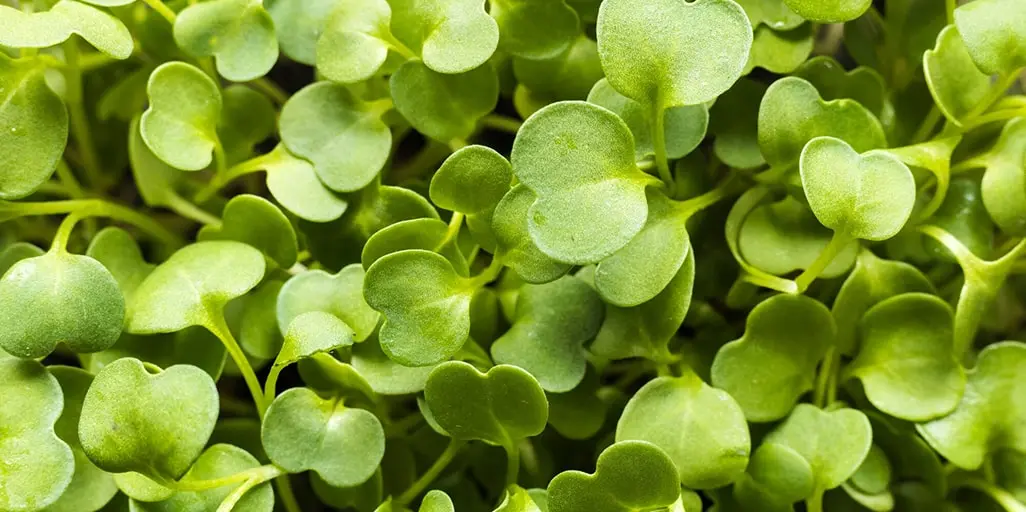
Watercress is a leafy green contained impressive health benefits. This vegetable grows in many water sources and is used in many dishes. Rich in vitamins, antioxidants, and essential minerals, watercress supports reducing the risk of several chronic diseases and overall health. Let’s take a look at the top 10 impressive health benefits of watercress and how to add it in your meals.

Health Benefits of Watercress

1. Packed with Nutrients

Watercress is low in calories but high in vital nutrients. It contains vitamins A, C, and K, as well as calcium and iron.

One cup (approximately 34 grams) of chopped, fresh watercress contains:
3.7 calories
0.2 g fiber
0.8 g protein
0.4 g carbohydrates
1,085 IU vitamin A (22 percent DV)
85 micrograms vitamin K (106 percent DV)
14.6 milligrams vitamin C (24 percent DV)
40.8 milligrams calcium (4 percent DV)
0.1 milligram manganese (4 percent DV)

2. Support Immune System

The high vitamin C content in watercress help enhance the immune system. It helps fight infections and supports faster recovery from injuries. Not only that, watercress also helps produce healthy collagen for the body. Additionally, vitamin A in this vegetable can aid in keeping the organs strong.

3. Improve Heart Health

Watercress may lessen the risk of heart disease. Studies show that antioxidants in watercress helps lower cholesterol levels and improves blood vessel function.

4. Enhance Eye, Bone and Teeth Health

Along with calcium, potassium and magnesium, vitamin K in watercress is essential for bone health. It fosters calcium absorption and reduces the risk of fractures.

Packed with high levels of vitamin A and lutein, watercress help protect the eyes against damages from blue light. These nutrients reduce the risk of macular degeneration.

5. Aid in Cancer Prevention

Compounds in watercress, like beta-carotene and other carotenoids, show their potential in lowering cancer risk. They help neutralize harmful free radicals.

6. Contribute Anti-inflammatory Benefits

This vegetable contains antiviral and antibacterial properties, which can support in reducing inflammation. Some studies have shown that watercress extract can aid in shrinking tissue damages and lumps.

7. Improves Skin Health

Antioxidants in watercress combat skin aging. With high water content, this vegetable nurtures proper hydration. Additionally, vitamin C supports collagen production, keeping skin firm and youthful.

8. Supports Digestive Health

Watercress contains fiber, which improves digestion. It also stimulates bile production, aiding the breakdown of fats. Digestive enzymes help the body utilize essential nutrients in every meal.

9. Strengthen Athletic Performance

Rich in nitrates, watercress improves oxygen delivery to muscles. This can boost endurance and reduce fatigue during workouts. It also helps muscles function effectively and feel less painful.

10. Control the Weight

Low in calories and high in nutrients, watercress is a good pickup for weight control. Its fiber and water content keep you feeling full for longer and hydrated.

Who Should Avoid Watercress?

Despite impressive health benefits of watercress, some individuals should limit or avoid it. Those taking blood-thinning medications should consult a doctor, as vitamin K may interfere with the drugs. Pregnant women should also avoid excessive consumption due to its potential to stimulate uterine contractions.

How to Incorporate Watercress in Your Diet

Adding watercress to your meals is simple and delicious. Toss it into salads for a peppery flavor boost. Blend it into smoothies with fruits for a nutrient-rich drink. Use it as a garnish in soups or stews for added nutrition. You can also sauté it lightly with garlic for a quick side dish.

Bottom Line

Watercress is a powerhouse vegetable with numerous health benefits. Whether you aim to boost immunity, improve heart health, or enhance your diet, this superfood is worth adding to your meals. Make watercress a regular part of your diet and enjoy its incredible health advantages. In case of smoothies or juice, you should drink it immediately or refrigerate and take it within a day to avoid bacterial contamination.

Read more:

Best natural foods for weight loss| Natural foods for kidney health

Beauty

HOMEMADE FACE MASKS FOR DRY SKIN

HOMEMADE FACE MASKS FOR DRY SKIN

Dry skin can be a pesky problem, leading to flakiness, itchiness, and a dull complexion. While there are countless commercial products available, natural remedies often offer gentle and effective solutions. Here are a few homemade face masks for dry skin that you can prepare at home easily.

Honey and Yogurt Mask

Honey is a natural humectant that draws moisture into the skin, while yogurt contains lactic acid, which helps exfoliate dead skin cells.

How to make honey and yogurt face mask

  • Mix 1 tablespoon of honey with 2 tablespoons of yogurt.
  • Apply the mixture to your face and neck.
  • Leave it on for 15-20 minutes.
  • Rinse off with lukewarm water.

Avocado Mask

Avocado is rich in healthy fats that nourish and moisturize the skin. It also contains vitamins and minerals that promote skin health.

How to make avocado face mask

  • Mash half a ripe avocado into a smooth paste.
  • Apply the paste to your face and neck.
  • Leave it on for 20-30 minutes.
  • Rinse off with lukewarm water.

Aloe Vera Mask

Aloe vera gel is known for its soothing and hydrating properties. It can help reduce inflammation and redness. It also has antibacterial properties that can help heal minor skin wounds.

Ingredients:

  • 1/2 cup aloe vera gel
  • 1 tablespoon honey

Instructions:

  • Extract the gel: Carefully extract the gel from an aloe vera leaf.
  • Mix with honey: Combine the aloe vera gel with honey in a bowl.
  • Apply: Gently apply the mixture to your face and neck, avoiding the eye area.
  • Wait: Leave it on for 15-20 minutes.
  • Rinse: Rinse off with lukewarm water.

Oatmeal Mask

Oatmeal has gentle exfoliating properties that can help remove dead skin cells and unclog pores. It can also help soothe irritated skin.

How to make oatmeal face mask

  • Mix 2 tablespoons of oatmeal with warm water to form a paste.
  • Apply the paste to your face and neck.
  • Leave it on for 10-15 minutes.
  • Rinse off with lukewarm water.

Banana Mask

Bananas are a great source of potassium, which can help hydrate the skin. The natural enzymes, vitamins and minerals in bananas help soften and nourish the skin. They can also help soothe inflammation and reduce redness.

Ingredients:

  • 1 ripe banana
  • 1 tablespoon honey

Instructions:

  • Mash the banana: Mash the ripe banana into a smooth paste.
  • Add honey: Mix in the honey to create a smooth consistency.
  • Apply: Apply the mask to your face and neck, avoiding the eye area.
  • Wait: Leave it on for 15-20 minutes.
  • Rinse: Rinse off with lukewarm water.

Bottom line:

  • Use these face masks regularly to keep your skin hydrated and glowing.
  • Always apply the natural homemade masks on a clean face.
  • Always apply sunscreen during the day to protect your skin.
  • Apply the homemade face masks in the evening, before your routine skin care.
  • Combine those homemade face masks for dry skin with gentle massage and regular dead skin removal.

Read more:
Beauty benefits of cucumber
Top 3 homemade cucumber facemasks