Tag

olive oil

Beauty

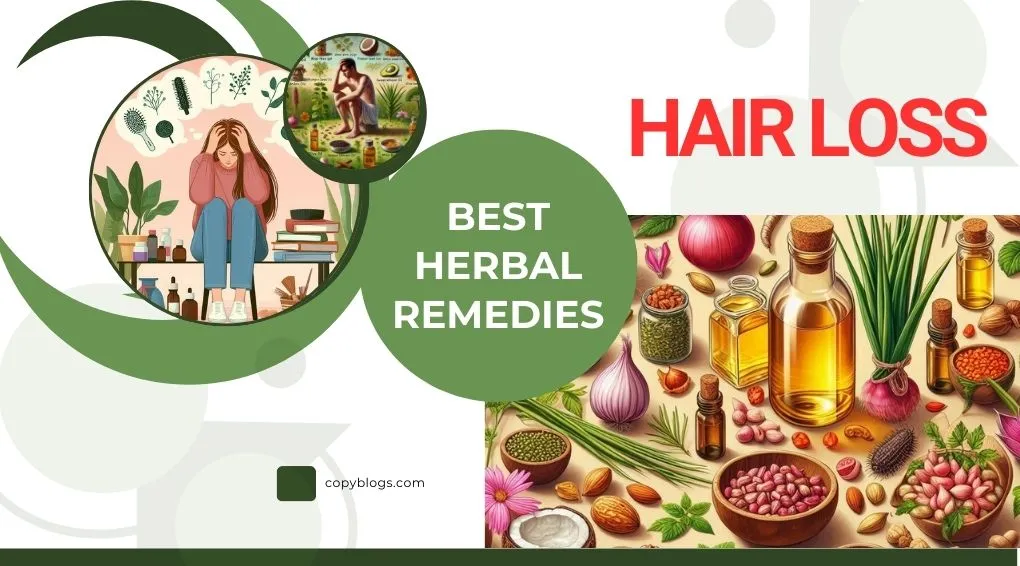
BEST HERBAL REMEDIES FOR HAIR LOSS

Top Natural Herbals for Hair Loss

Hair loss is a worry for a lot of people, but natural approaches abound. In fact, various herbal remedies boast benefits that might aid in preventing and treating hair loss. Here are the best herbal remedies for hair loss, which have shown promising results in both traditional and some scientific studies.

Coconut Oil

Coconut oil has been a favorite concerning the benefits of hair. Extending good fatty acids, the oil’s penetrating property through the hair shaft reduces protein loss and enhances growth. Regular use can moisturize the scalp and prevent dandruff, but find it a bit too greasy if you have an oily scalp.

Aloe Vera Gel

The aloe vera gel contains enzymes that facilitate healthy growth of hair. It is a soothing, conditioning agent that usually can be applied right onto the scalp in order to help reduce issues like dandruff and itching. It also regulates pH level and, therefore, helps promote hair growth. For this reason, aloe vera gel becomes one of the best herbal remedies for hair loss.

Onion Juice

Unadulterated onion juice is packed with sulfur. This chemical element is thought to promote the health and strength of hair and increase collagen production. In one study, direct application of the juice on the scalp was shown to improve hair regrowth, particularly among patients with alopecia areata. Nonetheless, others may find the smell difficult to handle.

Pumpkin Seed Oil

Pumpkin seed oil is natural in its DHT-blocking property. DHT, or dihydrotestosterone, is a hormone associated with hair loss. By quelling its influence, pumpkin seed oil may adhere to a healthy scalp and hair growth. Research studies have attested to its effectiveness against androgenetic alopecia.

Sweet Almond Oil

Sweet almond oil is packed with good vitamins and nutrients for hair. Thus, it is also one of the best natural herbals for hair loss that you can try at home. Applied on the scalp and hair, it helps nourish and strengthen hair shafts, and also reduces foe. It’s very gentle on all hair textures.

Walnut Oil

Walnut oil contains Omega-3 fatty acids, essential to having healthy hair growth. Applying it on the hair can improve its elasticity and thus prevent undue breakage.

Olive Oil

The components of olive oil offer significant benefits for hair nourishment. This oil is rich in antioxidants along with vitamins A and E. Applying olive oil may protect the natural keratin of the hair without drying and make it last longer. This is extremely beneficial for dry hair that is brittle and can be used for split ends, which is very often a natural remedy.

Jojoba Oil

Jojoba oil resembles the natural oils of the scalp. It is highly moisturizing and prevents dryness, flakiness, and dandruff. The anti-inflammatory property could, on the whole, provide a soothing quality for subsequent hair growth.

Wheat Germ Oil

Wheat germ oil is an especially rich source of the fatty acids and vitamins, in particular vitamin E, which is able to nourish the scalp and encourage good hair growth. Regular use can achieve fullness and shine on the hair.

Hibiscus

As natural herbals for hair loss, hibiscus leaves and flowers are high in amino acids and Vitamin C. They promote hair health, and cure as well as prevent premature white. Hibiscus flower extract paste applied to the scalp can revitalize hair follicle and excite hair growth.

Brahmi (Bacopa)

Brahmi is an Ayurvedic herb which is famous for its sedating property. It strengthens hair roots and reduces hair fall. Continued use can be calming to scalp issues and make hair thicker.

Coat Buttons

Extracts from Coat Buttons have been shown to be effective to treat for hair growth in traditional medicine. This crude plant can aid in maintaining the health of hair and also deter hair loss.

Jatamansi

Acclaimed as the herb of rejuvenation, Jatamansi is said to stimulate hair follicle activity to hence promote hair growth. Other associations of Jatamansi include the inhibition of hair loss and treating stress-induced excessive hair loss.

Ginseng

Ginseng infamously declares its name as the king of hairy things. It also highly promotes hair growth. Studies indicate that ginseng increases the number of dermal cells on the scalp, which eventually strengthens hair follicles and roots.

Amla

Amla means gooseberry. Rich in vitamin C and antioxidants, Amla has a history and popularity in hair care. Known since ancient times for its effectiveness in hair growth and in mitigating dandruff, amla’s anti-inflammatory quality grants added boon to the health of the scalp.

Gotu Kola

Gotu Kola increases blood circulation within the scalp, promoting hair growth. It provides adequate nourishment to the depleted hair follicles due to its content of ample antioxidants and amino acids.

Holy Basil

Leaves with anti-inflammatory and antimicrobial properties make Holy Basil a nontreatment option for maintaining a clean scalp, free of dandruff, while promoting growth.

Giant Dodder

Giant Dodder is included in traditional Chinese medicine for hair. Its extracts improve hair follicle, hair quality, and prevent hair loss.

Bitter Apple

Being one of the best herbal remedies for hair loss, bitter apple extract is employed in ancient Ayurvedic preparations for the treatment of alopecia. It strengthens hair roots and prevents hair fall, offering a natural solution for thinning hair.

False Daisy

Known as Bhringraj in Ayurveda, False Daisy is said to nourish the hair of a healthy being and is believed to enhance hair growth, delay premature greying, and thicken the hair.

Night-Flowering Jasmine

Night-flowering jasmine is essential for hair care with its hair protective and anti-seborrheic qualities treating dandruff and so on. Traditionally, it is used for hair health and beauty.

Fenugreek

Fenugreek seeds have a lot of protein and nicotinic acid that strengthen hair shafts against breakage. The application of a fenugreek paste is a remedy for treating the scalp to reverse hair loss.

Marking Nut

The extracts are ancient Ayurvedic remedies for alopecia. It has some properties that stimulate the development of hair and cure the conditions of the scalp.

Oriental Arborvitae

The oil is applied for hair strengthening, as it is especially known for being able to thicken the scalp and promote the growth of hair.

Espinosilla

Espinosilla (Wild Olive) has a long therapeutic tradition in Mexico regarding the stimulation of hair growth. It nourishes the scalp to give healthy hair. Hence, this herb is also known as one of the best herbal remedies for hair loss at home.

Goji Berry

Packed with anti-oxidants, goji berries are said to have vitamin content that is bountiful. It nourishes hair follicles and prevents injury leading to healthy outcomes in hair growth.

Tuber fleeceflower

Tuber fleeceflower is an excellent herb in the traditional Chinese medicine books meant for hair growth. It improves hair follicle and hair color texture.

Bottom line

These remedies might have some effects on the individual; however, it is advisable to consult a physician if hair loss remains. Some people might suffer from certain allergic reactions due to certain herbs. A pre patch test examination should also be conducted before scalp treatment with the newly introduced medication.

Adding one of those natural herbals for hair loss into a treatment will prove their benefits. Consistency combined with patience is the other thing to consider.

You may also like:

Home Remedies for Instant Dandruff Removal | Top Natural Foods for Hair Growth

Food & Health

DIET TO IMPROVE CONSTIPATION

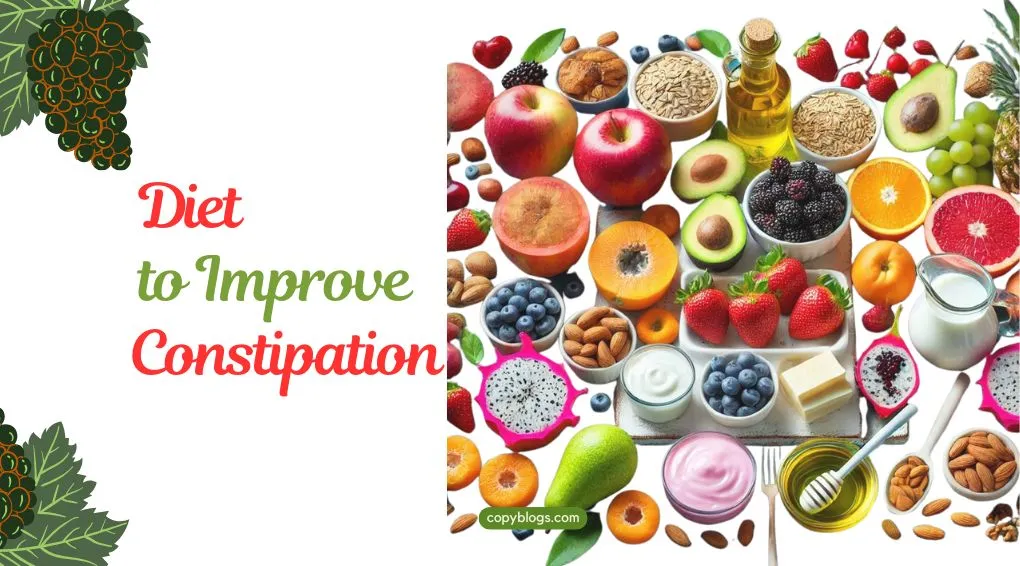
A bowl of high-fiber fruits, vegetables, and whole grains – natural foods for constipation relief and digestive health support

Constipation is a very general ailment, and it is managed mostly through diet. Let’s dive into healthy diet to improve constipation. What are natural foods for constipation that can easily touch a person in creating easy bowel movements?


Diet to Improve Constipation

Vegetables

Green peas, broccoli, collard greens, and carrots are vegetables that are all high in fiber. They help you pass stool and provide the necessary vitamins and minerals for healthy digestion in the body.

Whole grains

Whole grains are very high in fibers as well. They add bulk to the stool and empty stomachs. Some of the fibers in whole grains also act as prebiotics for healthy digestion. Studies found that an increase in bran intake made significant improvement in bowel habits. Most nutrients from whole grain products can be derived when consumed raw or by minimal cooking.

Lemon Juice

Lemon juice serves the purpose of stimulating the digestive system and supporting the bowel movements. Citric acid in lemons flushes out the body from the toxins. Taking warm water with the juice of lemon in the morning does wonders. This combination also promotes fluid intake which is a significant factor in solving the issue of constipation. Try out lemon juice for good diet health improvement in constipation.

Olive Oil

Olive oil is a natural laxative. It is thus possible to lubricate the digestive system and pass stool by one to two tablespoons of olive oil on an empty stomach in the morning.

Coconut Oil

Coconut oil contains medium-chain fatty acids that soften the stool and help in maintaining regularity. You can take it as a teaspoon added in the food daily in your diet as one of the effective natural foods for constipation.

Prune Juice or Dried Prunes

Prune juice or dried prunes have both considered to be natural foods for relieving constipation. Prunes are among the fiber-rich foods and contain sorbitol, a natural laxative. For this reason, drinking prune juice or having dried prunes on a daily basis can greatly contribute toward relieving constipation.

Stewed Apricots

Apricots are excellent sources of fiber and are not restricted to their laxative properties. They help to bulk stool and easier for it to live; they shorten the time to get rid of it. Besides, they help bring out more bowel effects and generally prevent constipation. Stewed apricots are quite easy to prepare at one’s home. Hence, certainly, you must include this fruit in your diet to improve constipation.

Hot Drinks

Hot beverages, including herbal teas and coffee, serve to stimulate the digestive system. These fluids assist in the softening of stools through breaking down food and make emptying the bowels easier. Furthermore, they apply heat into the liquids in order to relax the muscles in your digestive system and speed motility.

Ginger

Drinking ginger tea can really help in getting rid of constipation. Active components of ginger aid in reducing pressure over the lower intestines which good for bowel movements in it. Also, it has anti-inflammatory properties to promote gut health and normal bowel function. It is one of the natural foods for constipation too. You can add ginger to your daily teas or water to cure constipation.

Apples

Apples have pectin, a kind of fiber, that may be helpful in the case of both diarrhea and constipation. They are made up of both soluble and insoluble fiber. They help slow down digestion and ease bowel movements; thus, improving stool consistency. You can eat an apple with skin on. Stewed apples can be eaten or made into juice.

Pears

Other diet to improve constipation can include pears. Like other fruits, pears contain a certain level of fructose, which act as a mild natural laxative. Other than being very high in fiber, these fruits also contain sorbitol. Thus, they help add bulk to stool and make it easier for the stool to pass. However, for maximum benefits, ripe pears may be eaten with the skin.


Natural Foods for Constipation Relief

Fennel

The fennel seeds fall under antispasmodics, inducing the relaxation of muscles in the digestive tract. They also contain some nutritional fibers, besides acting as antioxidants. Thus, it can be concluded that fennels will help relieve constipation, improve the digestive process, facilitate better bowel processing, and maybe act as a preventive measure against these issues. Fennel tea consumption may be practiced or adding seeds with the meals due.

Kiwis

Kiwis are another amazing food for stimulating constipation relief. The outcome of one study revealed that the inclusion of kiwis into a diet can increase the frequency of stools and soften them as well. The enzyme actinidin, found in kiwi fruits, is said to help in the digestive process. These fruits are known to promote increased water retention in the small bowel and colon, thus helping soften stool and regulate bowel movement.

Berries

High on fiber and antioxidant content, berries such as blackberries, strawberries, blueberries and raspberries are rich in water. The aforementioned points lead us to believe that these fruits are among the best natural foods for constipation. Taking them every single day may be very beneficial to digestion and also save from constipation.

Dragon fruits

Another natural food for constipation is dragon fruit. These fruits are very high in fiber that promote regular bowel movement. They also have prebiotics, which make the balance of bacteria, good and bad, in your intestines, improved. They also contain anti-inflammatory properties that reduce inflammation in the gut. It can be eaten in cubes or slices or made smoothies with it.

Omega-3 Oil

Omega-3 oils from fish or flaxseed help in making intestines slippery and thus make passage of stools easier. They assist in performing the function of muscles within the digestive tract. Omega-3s can additionally be helpful in managing irritable bowel syndrome as well as ulcerative colitis and chronic diarrhea. You can include them in your diet for a better digestive state.

Yoghurt & Kefir

Probiotics are found in yoghurt and kefir. Probiotics aid in the balance of gut bacteria. Research shows that probiotics encourage regularity by increasing beneficial bacteria in the digestive system.

Grapes

Grapes can help to relieve constipation as they have a lot of water and fiber. Quercetin, found in the fruit, helps to reduce inflammation and relieve symptoms of constipation. A dozen grapes daily may keep you away from constipation.

Avocados

Avocados are not only creamy and enticing but also high in fiber benefits. Healthy bowel movements are brought about with this fruit. It’s a potassium-rich fruit which promotes healthy digestion. Studies have proven that avocados help to increase good bacteria while reducing inflammation and irritation in the digestive tract.

Oranges

Oranges are quite good sources of fiber and water. Those help bulk up waste and stimulate bowel movements; they also keep you hydrated, which is important in relief and prevention from constipation.

Nuts

Almonds, walnuts, and pecans are all good nuts that offer fiber as well as healthy fats, the contents of which lubricate the digestive tract as well as regularize bowel movements.

Legumes

Legumes are fiber-rich foods responsible for proper nourishment of the digestive system. They include soybeans, chickpeas, lentils, and others. These are efficient in preventing constipation and regularizing bowel movements.

Precautionary Measures

If constipation persists, however, after a consumption of these natural foods, then visit a medical professional. Chronic constipation may be a symptom of an internal health problem that has not been professionally addressed yet. Some nuts or even fruits that are high in fiber may not necessarily work for everybody. A person with allergies to nuts or some gastrointestinal conditions may need to be careful with such natural foods for constipation. Most importantly, drink plenty of fluids. Without sufficient hydration, fiber may worsen constipation.

Conclusion

A diet for constipation doesn’t have to be complicated. Natural foods for constipation such as fruits, vegetables, grains, legumes, nuts, and probiotics would suffice. Add water intake and regular exercise for very effective results. Preferably one should consult a doctor if the condition worsens or doesn’t improve at all since something deeper might be the case. This should bring them closer to their goal of relying on natural remedies towards a more healthy and comfortable digestion.

You may also like:
Best natural home remedies for genital warts | Best foods for good eyesight

Food & Health

HOME REMEDIES TO RELIEVE CONSTIPATION QUICKLY

Home-Remedies-to-Relieve-Constipation-Quickly

Constipation is uncomfortable and even painful at times. Fortunately, there are various home remedies to relieve constipation quickly. These natural remedies for constipation can provide a relief and keep your bowels regular.

Regular Exercise

Engaging in physical activity stimulates regular bowel movements. Exercise encourages muscle contractions in the intestines, which help to move stool through the colon more efficiently. Research has indicated that exercise increases the speed of food moving through the colon. Some of the best activities such as walking, jogging, and yoga. Try to get at least 30 minutes of moderate exercise every day for better improvement.

Consistent Time

Establishing a regular toilet routine helps train your body to have more predictable bowel movements. Try to go to the bathroom at the same time each day, preferably after meals. At this time, your digestive system is most active. This practice leverages the gastrocolic reflex and gives your body signals to defecate.

Proper Toilet Positioning

Sitting position on the toilet affects your bowel movements. For relieving constipation quickly, you can sit with a small stool to raise your feet to make a squatting position. The rectum straightens; hence no strain is felt, and it empties well. This is scientifically proved to be effective in treating constipation. Therefore, you can start employing this remedy for constipation.

Hydration

Adequate water intake will help soften stool. Thus, it can keep you away from constipation pain. As advised, a healthy adult should take about 2 litres of fluid per day. However, the volume will differ from each of individuals and their activities and health condition. Hydration supports in the smooth and proper functioning of your digestive system. Additionally, you can consume herbal teas, which are also helpful and beneficial for hydration and digestion.

Warm Liquids

Drinking warm liquids, especially in the morning, can stimulate digestion. Warm water, herbal teas, or broth help relax the digestive system and encourage bowel movements. Ginger and peppermint teas are particularly beneficial for soothing the stomach.

Healthy Oils Employment

Other home remedies for constipation include healthy oils, such as coconut and olive oils. Those essential oils work as a natural laxative. Both oils can help ease the stool passageway by lubricating the intestines. Research studies found that healthy fats do improve gut motility and reduce inflammation. For that reason, you can add those oils to meals or even consumed directly in a tablespoon.

Sufficient Dietary Fibers

A diet rich in fiber ensures frequent bowel movement. Fiber adds bulk to stool, which facilitates its passing. Many fruits, vegetables, and whole grains are excellent sources of fiber. In addition, apples, pears, kiwis, blackberries, raspberries, grapes, and bananas are great sources of fiber. Furthermore, soluble fiber, in both fruits and grains, feeds friendly gut bacteria.

Probiotic Foods

Probiotic-rich foods like yogurt, kefir, and sauerkraut support a healthy gut. These foods introduce beneficial bacteria, improving digestion and regularity. Research highlights that probiotics can help reduce the severity of chronic constipation. Hence, this is also one of the effective natural constipation remedies.

Prunes and Figs

Prunes and figs are well-known as natural constipation remedies. They contain sorbitol, a natural laxative that helps soften stool and promote bowel movements. Consuming a handful of prunes or figs daily can provide a relief.

Herbal Teas

Certain herbal teas, such as ginger, peppermint, and dandelion, can help stimulate digestion and relieve constipation. These herbal teas aid in relaxing the muscles in the intestines and are helpful for stool passage.

Conclusion

Home remedies to relieve constipation quickly can be very effective. However, if your constipation does not improve with these natural constipation remedies, it is important to seek medical advice. Chronic constipation may indicate an underlying health issue that requires professional attention.

All these home remedies will help you to have better digestive health and regular bowel movements. Consistency and patience are key to lasting results.

You may also like:
Best foods for good eyesight
Home remedies for period pain relief

Beauty

HOMEMADE OLIVE OIL FACE MASKS FOR WRINKLES

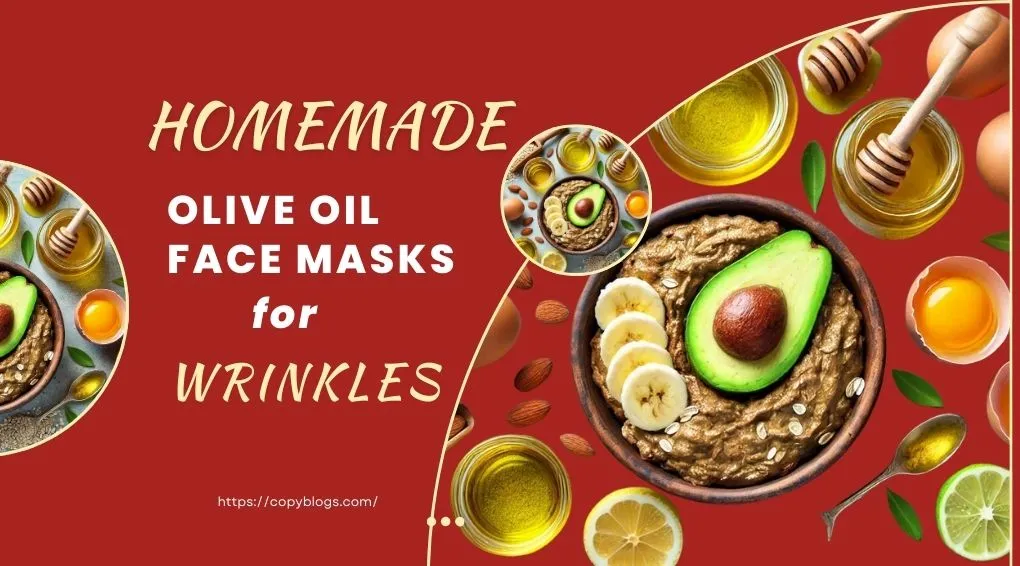
Homemade Olive Oil Face Masks for Wrinkles

Wrinkles and fine lines are common signs of aging. However, homemade olive oil face masks for wrinkles can rejuvenate your skin. These masks use natural ingredients known for their beauty benefits. Let’s explore some effective recipes.


Best Olive Oil Face Masks for Wrinkles and Anti-Aging Skin Care

Olive Oil and Egg Face Mask – Boost Collagen Naturally

This mixture makes a nourishing mask for the skin. Olive oil moisturizes and softens the skin (Source). Additionally, eggs help tighten and firm it. Prepare by mixing one egg yolk with one tablespoon of olive oil. Apply to the face, leave for 15 minutes, then rinse with lukewarm water. Use this mask twice a week. However, you should avoid this remedy if you have egg allergies.

Olive Oil, Oats, and Honey – Gentle Exfoliation for Wrinkle Reduction

This mask incorporates olive oil moisturizing properties, oats exfoliating effect, and honey antibacterial activity. Mix one tablespoon of olive oil, one tablespoon of honey, and two tablespoons of oats. Apply it to your face, let it sit for 20 minutes, then rinse it off. Use this mask once a week. This mask can be used on most types of skin.

Olive Oil, Banana, Honey, and Lemon – Brighten and Tighten Aging Skin

A banana, honey, and lemon mixture with olive oil makes for a strong anti-aging mask. Bananas provide the skin with vitamins, honey moisturizes, and lemon brightens. For that reason, this homemade olive oil face masks for wrinkles is a must-try remedy. Mix one mashed banana, one tablespoon of olive oil, one tablespoon of honey, and a few drops of lemon juice. Apply, leave on for 20 minutes, then rinse off. This mask can be used once a week. Avoid this mask if you have sensitive skin or citrus allergies.

Olive Oil, Argan Oil, Sesame Oil, and Jojoba Oil – Deep Nourishment

This mask is rich in several oils that nourish and rejuvenate the skin. Mix one teaspoon each of olive oil, argan oil, sesame oil, and jojoba oil. Apply on the face, leave it for 15 minutes, then wash off. Use it twice a week for best results. This mask is great for dry and mature skin.

Olive Oil and Avocado – Rich in Anti-Wrinkle Nutrients

Avocado is rich in healthy fats and vitamins, thus, it’s very suitable with olive oil. Mix half an avocado with one tablespoon of olive oil. Apply to your face, let it be for 15 minutes and rinse off. Use it once a week. It deep nourishes and hydrates the skin.

Benefits and Science Behind the Ingredients

  1. Olive Oil: Rich in antioxidants like vitamin E, it helps fight free radicals, reducing wrinkles.
  2. Eggs: High in proteins and vitamins, they tighten and firm the skin.
  3. Oats: Natural exfoliant that removes dead skin cells, promoting a youthful glow.
  4. Honey: Antibacterial and moisturizing properties keep the skin soft and supple.
  5. Banana: Provides vitamins and antioxidants, reducing fine lines.
  6. Lemon: Natural bleaching agent that brightens the skin.
  7. Argan, Sesame, and Jojoba Oils: They offer all the essential fatty acids along with vitamins that nourish as well as repair your skin.
  8. Avocado: These are full of healthy fats and vitamins that hydrate and revitalize your skin.

Precaution

  • Always try a patch test for any mask you are introducing to your skincare routine.
  • Do not apply lemon juice if you are sensitive to it.
  • In case you have any particular condition or allergies in the skin, consult a dermatologist.

Conclusion

Homemade olive oil face masks for wrinkles are natural and efficient ways to get anti-aging benefits. It blends olive oil with other ingredients such as eggs, oats, honey, banana, lemon, argan oil, sesame oil, jojoba oil, and avocado. It moisturizes, nourishes, and gives a youthful look to the skin. In order to get the best outcomes, these remedies must be accompanied by a healthy routine of skincare and frequent usage of sunscreen. Always consult a dermatologist if you have any concerns or skin conditions.

You may also like:

Natural remedies for eye bags and dark circles

Food & Health

NATURAL FOODS FOR FATTY LIVER DISEASE

NATURAL FOODS FOR FATTY LIVER DISEASE

Fatty liver disease is a growing health concern. Fatty liver disease often links to lifestyle factors like excessive alcohol consumption, overweight, and type 2 diabetes. While medical interventions are crucial, incorporating natural foods into your diet can greatly improve liver health. The followings are top natural foods for fatty liver disease.

Natural Foods for Fatty Liver Disease

Diet plays a key role in managing and preventing fatty liver disease. By consuming a balanced diet rich in nutrient-dense foods, it can help reduce liver inflammation and promote liver cell regeneration.

Fatty Fish

Oily fish including salmon, mackerel, and tuna are excellent sources of omega-3 fatty acids, which have anti-inflammatory properties and can reduce liver fat.

Olive and Flaxseed Oil

Extra virgin olive oil and flaxseed oil containing monounsaturated fats and omega-3 fatty acids and other properties. Those properties can support vascular system by reducing bad cholesterol level (LDL). Not only that, olive and flaxseed oil also aid in lowering liver enzymes and liver fat.

Coffee

Regular coffee consumption, particularly black coffee, has been connected with reduction to the risk of fatty liver disease. The compounds in coffee may protect liver cells from damage and prevent progression to a more critical liver disease.

Green Tea

Rich in antioxidants, green tea can help decrease liver enzymes and inflammation and improve liver function.

Nuts

Nuts such as almonds, walnuts, and pistachios are rich in healthy fats, fiber, and antioxidants. Those properties can help regulate blood sugar levels and reduce liver fat. These nuts are amongst the most beneficial natural foods for reducing liver fat.

Berries

Many dark berries including blueberries, raspberries, and cranberries, contain antioxidants which can help protect the liver cells from damage. In addition, those fruits may aid in liver enzyme activity and age-related liver disease.

Green vegetables

Broccoli, spinach, brussel sprouts and other green vegetables can aid in weight loss. Additionally, the greens may help prevent the build-up of fat in the liver and lower blood cholesterol levels.

Avocado

Another natural food for fatty liver disease is avocado. This fruit is rich in fatty acids and really beneficial to health. Avocado may aid in reducing the risks of metabolic syndrome, cardiovascular disease. Furthermore, it can help lower fats and prevent liver damage.

Garlic

Garlic may have benefits to oxidative stress, inflammation and help improve metabolism. It can also support in reducing fat accumulation and fat in the liver. Thus, you can add garlic to your daily diet as top natural foods for fatty liver disease.

Bottom line

Include natural foods into your lifestyle, you can greatly enhance the liver health and reduce the risk of fatty liver disease. While natural foods can be beneficial, they should be part of a comprehensive method to liver health. Talk with a healthcare professional for personalized advice and to address any underlying health conditions.

Read more:
Best natural foods for weight lossTop natural foods for high cholesterol

Food & Health

TOP NATURAL FOODS FOR HIGH CHOLESTEROL

Natural Foods for High Cholesterol

Heart disease remains the leading cause of death throughout the world and having high cholesterol is a major risk. While medications can be beneficial, adding heart-healthy food to your diet will greatly improve your cholesterol levels as well as overall heart health. Let’s dive in the Top natural foods for high cholesterol.

Fatty Fish

Fish that are fatty, such as mackerel, salmon, and herring are high in omega-3 fatty acids. These aid in lowering triglycerides and lessen inflammation. The fatty acids also aid in lowering blood pressure. Make sure to consume fatty fish at least two times per week.

Oats

Among the top natural foods for high cholesterol, oats are beneficial to controlling cholesterol levels. Oats are an excellent source of soluble fibre, which helps lower LDL cholesterol, which is the “bad” cholesterol. They also aid in regulating your blood sugar, which is vital for heart health overall. Include oats in your breakfast by making oatmeal or incorporating them into smoothies.

Nuts and Seeds

The seeds and nuts, like walnuts, almonds, flaxseeds, chia seeds, and flaxseeds, are loaded with nutritious fats, fiber, and protein from plants. They can aid in lowering LDL cholesterol and decrease the risk of developing heart disease. Add seeds and nuts to your yogurt, salads, or oatmeal.

Fruits and Vegetables

Fruits and vegetables are high in fiber, vitamins and minerals that can lower cholesterol levels and improve the health of your heart. Make sure you eat a selection of bright fruits and veggies each day.

Legumes

Legumes, like chickpeas and lentils as well as beans, are great sources of fiber with plant-based proteins. They are a great way to lower cholesterol levels and decrease the risk of developing heart disease. Add legumes to your diet by including them in stews, soups, salads or even as a side dish.

Olive Oil

It is also a nutritious source of monounsaturated oils, which help to reduce LDL cholesterol levels and lower the risk of developing heart disease. You can use olive oil to make salads, dress them, or drizzle over your vegetables.

Bottom line:

Get in touch with a medical expert: Before making significant changes to your diet, talk with a medical expert to make sure it’s appropriate to your specific requirements.
Balance is the key to success: While these foods are healthy however, moderation is vital.
Hydration Get plenty of fluids to rid your body of toxins in your body and keep it well-hydrated.
Incorporating these healthy foods into your diet routine and living a healthy life, it will greatly reduce the risk of developing heart disease and enhance your overall health.

Read more:

Top 10 Foods for Immunity Boost

Top natural foods for high blood pressure