Tag

how to cure IBS naturally

Food & Health

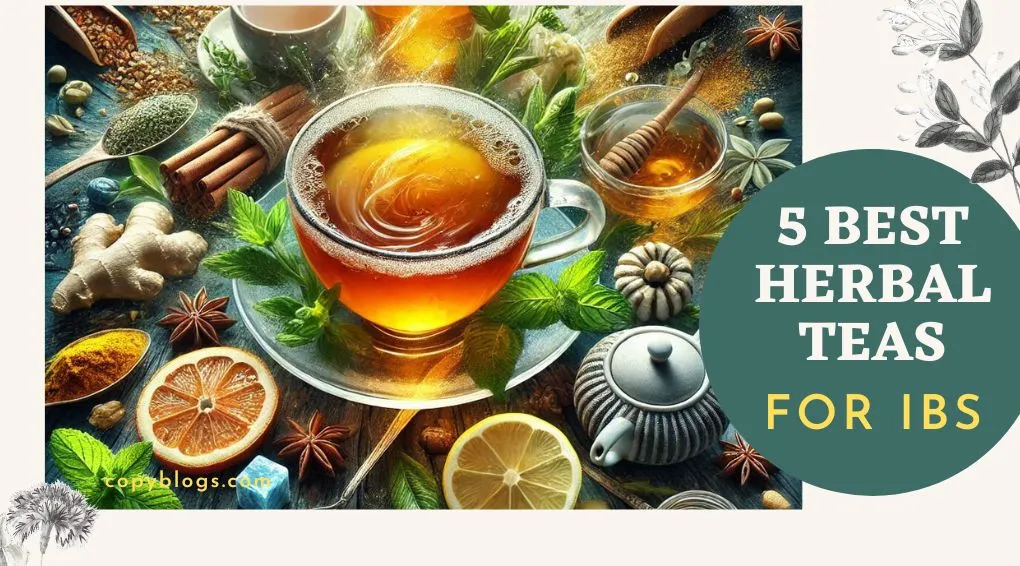
BEST 5 HERBAL TEAS FOR IBS

Top 5 Herbal Teas for IBS

Irritable bowel syndrome (IBS) with its symptoms such as bloating, cramping, and bowel irregularities causes a lot of discomfort. Many people utilize herbal teas as a natural remedy for managing IBS symptoms. We’re diving into the best 5 herbal teas for IBS. Every of these 5 herbal teas offers amazing effects on alleviating IBS symptoms without causing irritation when used appropriately.

Peppermint Tea

One of the best 5 herbal teas for IBS is peppermint tea. This herbal tea is widely recommended for IBS relief. Its menthol content has antispasmodic properties that help relax intestinal muscles, easing cramps and bloating. Studies indicate peppermint oil, a key component in peppermint tea, can soothe the gastrointestinal tract, alleviating pain and discomfort. However, individuals with acid reflux or heartburn should avoid peppermint tea as it may worsen these conditions.

Turmeric Tea

Turmeric tea, known for its anti-inflammatory properties, owes its benefits to curcumin, the active ingredient. Curcumin reduces gut inflammation, easing IBS symptoms. Research, including a 2004 study, highlights turmeric extract’s effectiveness in managing IBS. Besides, its digestion-enhancing properties help relieve IBS flare-ups. However, individuals with gallbladder issues or on blood thinners should check with their doctors before drinking this herbal tea.

Ginger Tea

Ginger tea is also one of the best 5 herbal teas for IBS. The tea helps ease IBS symptoms, including nausea, bloating, and intestinal discomfort. Furthermore, Ginger tea contains an active compound, gingerol, which assists in boosting digestion and diminishing inflammation. Research supports its role in managing IBS symptoms. Though ginger tea is beneficial for IBS, some certain people need to be cautious. Individuals who are taking anticoagulants or prone to gallstones should talk with their doctors before consuming ginger tea.

Fennel Tea

Another herbal tea for IBS is fennel tea. This herbal tea aids in loosening the gut. In addition, fennel tea supports in minimizing bloating, gas, and cramps. Its natural compounds make the intestinal muscles calm down, and help improve digestive system. Fennel also has antibacterial properties, which promote a healthy gut. A study confirmed that symptoms of IBS get improved quickly in case of combining fennel tea with curcumin. People having hormonal sensitivity, and carrot or celery allergies, should talk with their doctors before taking this tea. Moreover, if you’re pregnant and breastfeeding, you should confirm with your doctors about fennel tea consumption.

Chamomile Tea

Chamomile tea provides anti-inflammatory and soothing benefits, making it an excellent option for IBS relief. It relaxes intestinal muscles, reducing cramping and discomfort. Its mild sedative effects can also ease stress and anxiety, common IBS triggers. Research confirms chamomile’s effectiveness for digestive upset. However, individuals having allergy to ragweed or related plants should avoid this herbal tea.

Precautions

These 5 herbal teas provide many health benefits to IBS relief. Thus, they can aid in improving overall health. You should also consult a doctor before any new remedies, especially if you have underlying medical conditions.

For best results, choose organic premium quality herbal teas without contaminants. Steep them for 5–10 minutes to release their beneficial compounds. Begin with one to two cups daily, adjusting based on your tolerance.

Bottom line

Above herbal teas for IBS offer significant benefits. The most important thing about you and your life is having the correct combination of treatments to help you manage IBS most effectively. You should definitely consider seeing a doctor if your IBS symptoms start to be severe or worse than before.

You may also like:
Top Natural Foods for Hair Growth | Best Vitamin D-rich Foods

Food & Health

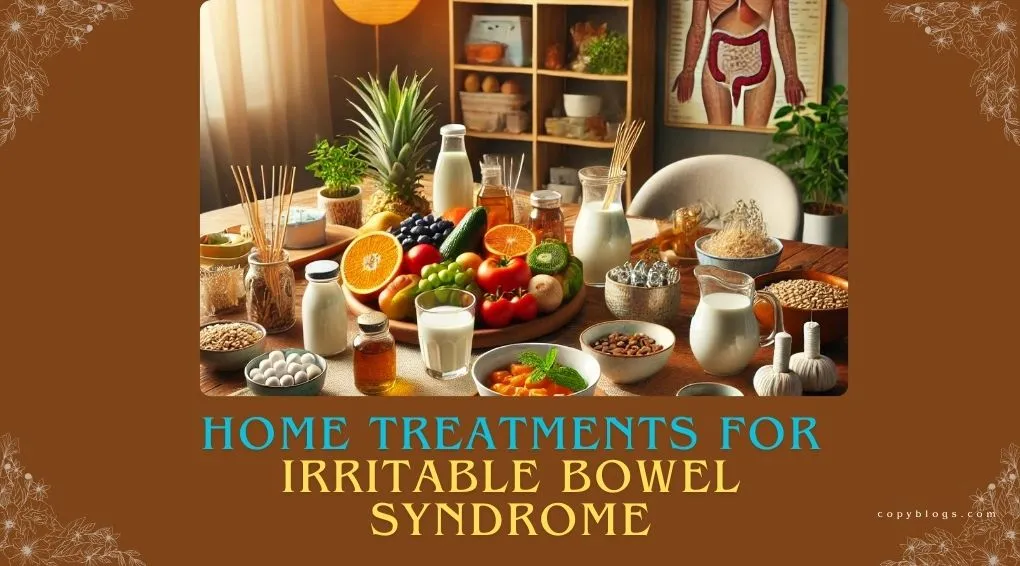
HOME TREATMENTS FOR IRRITABLE BOWEL SYNDROME

Home Remedies for Irritable Bowel Syndrome (IBS)

Irritable Bowel Syndrome (IBS) can cause a lot of discomfort. Fortunately, there are some effective home remedies that can help relieve symptoms. Let’s explore these home treatments for irritable bowel syndrome (IBS), which you can try without medication.

Prevent Trigger Foods

The first of home remedies for IBS is preventing those foods which can trigger to symptoms. Identification and avoidance of trigger foods are the most important things to do. Most common triggers include fatty foods, caffeine, and alcohol. You should observe certain foods that may worsen symptoms with your food notes.

Increase Your Fiber Intake

Adequate amounts of fiber can help prevent constipation. Thus, it supports in promoting proper and regular bowel movements. However, gas and bloating should be avoided. In addition, you should gradually increase the intake of fiber to avoid any side effects.

Limit Dairy Products

Many individuals with IBS have intolerance to lactose. In such cases, they need to reduce dairy intake. In another hand, replacement with lactose-free products can help in IBS treatment and prevention. They also need to be conscious of ensuring intake of sufficient calcium through other sources.

Eat Regularly

Establishing regular mealtimes has proven to be beneficial in smoothening the digestion. Consequently, it aids in reducing the frequency of IBS flare-ups. It is also important to keep in mind that you should not skip any meals.

Exercise Regularly

Other home treatments for irritable bowel syndrome (IBS) can be effective is that you should get regular exercise. Physical activities can help promote bowel movements and reduce stress. Therefore, it helps in managing IBS. It is recommended to have at least 30 minutes of moderate exercise most days of the week. However, avoid high-intensity exercises, such as running, competitive swimming, or cycling, if it triggers symptoms.

Stress Regulation

Stress generally worsens symptoms of irritable bowel syndrome. Meditation, deep breathing activity, and yoga might all help reduce stress and enhance well-being in general.

Acupuncture

Acupuncture may promote relaxation, reduce travel anxiety, and improve digestion – helping to alleviate some of the symptoms of IBS. Although not all of the scientific studies have shown definite proof of effectiveness, one finds much anecdotal evidence pointing toward positive effects.

Hypnosis

Through hypnotherapy, it is possible to alleviate IBS symptoms via this relaxation and changes in perception of pain. A few studies have found that hypnotherapy tends to have positive outcomes, especially among symptomatic individuals suffering considerably.

Peppermint Oil

It is known that peppermint oil has antispasmodic activity and can thus help with avoidable symptoms. Clinical studies have shown this to be effective but should be used with caution since it may induce heartburn in some individuals.

Probiotics

Probiotics are bacteria that help maintain a healthy gut microbiome. You can get these good bacteria in supplements or fermented food items. They assist in digestion improvement, particularly during diarrhea-predominant IBS.

Hydration

The maintenance of plenty of water keeps the gastrointestinal tract well-lubricated and prevents constipation. It prevents dehydration also-especially during bouts of diarrhea.

Herbal teas

It is said that herbal teas have muscle-relaxing properties for the gut, thereby alleviating the symptoms of IBS. However, before using new herbal remedies, please consult your doctor.

Precautions

While these home remedies for IBS may prove effective, it is always advisable to see a doctor when symptoms persist. Some of the remedies might interact with medications or even have nasty side effects, hence specialized advice prior to their use is mandatory.

Bottom line

There are many home remedies to treat IBS which could benefit the life of every person suffering from it. Always seek medical advice before any drastic changes in diet or treatment are implemented.

You may also like:
Top drinks to lower blood pressure quickly | Best Vitamin D-Rich Foods