Tag

health tips

Food & Health

TOP 6 HEALTH BENEFITS OF CAULIFLOWER

TOP 6 HEALTH BENEFITS OF CAULIFLOWER

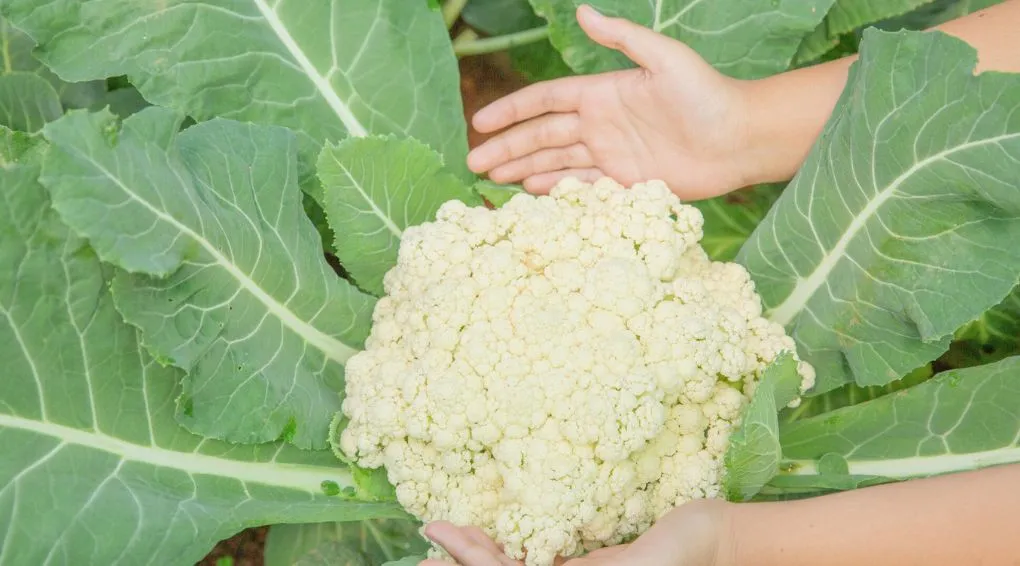
Cauliflower, a versatile cruciferous vegetable, is gaining popularity due to its numerous health benefits. It’s packed with essential nutrients, antioxidants, and fiber. Its mild flavor and low-carb nature make it a perfect ingredient for various dishes. These are the top 6 health benefits of cauliflower.

Nutritional Value of Cauliflower

The nutrients found in 107g of raw cauliflower are:
Calories: 27
Fiber: 2 g
Vitamin C: 58% of the Daily Value (DV)
Vitamin K: 14% of the DV
Vitamin B6: 12% of the DV
Folate: 15% of the DV
Pantothenic acid: 14% of the DV
Potassium: 7% of the DV
Manganese: 9% of the DV
Choline: 8% of the DV
Magnesium: 4% of the DV
Phosphorus: 4% of the DV

Top 6 Health Benefits of Cauliflower 

One of the most significant health benefits of cauliflower vegetables is to support digestive health. Cauliflower is a good source of dietary fiber, which promotes regular bowel movements and prevents constipation. Fiber nourishes beneficial gut bacteria, reducing inflammation.

Another important benefit of cauliflower is its potential to lower the risk of some chronic diseases. Studies have shown that consuming vegetables like cauliflower may reduce the risks of heart disease, stroke, diabetes, and cancer. This is likely due to their high antioxidant content, which helps save cells from damage caused by harmful free radicals.

In addition to its protective effects, cauliflower can also aid in weight management. This vegetable is low in calories but high in water and fiber, thus it may benefit weight control. By consuming cauliflower instead of high-calorie foods, you can manage your overall calorie intake and promote weight loss.

Furthermore, cauliflower is a great source of essential vitamins and minerals, including vitamin C, vitamin K, and potassium. Vitamin C is an important antioxidant that supports immune function, while vitamin K is beneficial for blood clotting and bone health. Potassium helps maintain healthy blood pressure and assists proper nerve function.

Besides, cauliflower is effective for metabolism and cell membrane integrity thanks to its choline. This nutrient is also essential to brain development as well as helping protect the liver from bad cholesterol accumulation.

Finally, cauliflower is rich in sulforaphane, an antioxidant that may lower blood pressure. Sulforaphane compounds may also benefit several chronic diseases, including diabetes, cancer, and heart disease.

Who need to be cautious while consuming cauliflower?

It’s important to note that while cauliflower is generally safe for most people, there are some individuals who should be careful when consuming it.

Cauliflower may cause digestive issues, including gas or bloating. To improve this matter, those people can try eating a smaller amount.

Next, people with hypothyroidism may need to limit their intake of cruciferous vegetables such as cauliflower. Eating a large amount of raw cauliflower can interfere with the body’s ability to absorb thyroid hormones.

Lastly, this vegetable is rich in vitamin K, which can affect people who are on blood thinner. They should also limit cauliflower, as vitamin K aids in blood clotting.

Bottom line

Although there are some side effects of cauliflower, as long as those considerations are kept in mind, consuming this vegetable is a great choice.

To add cauliflower to your diet, there are a few simple ways to do so. You can use it as a low-carb replacement for rice, potatoes, or pizza crust. It can also be roasted, steamed, boiled, or added to soups, stews, and stir-fries. For a healthy and delicious snack, roasting cauliflower florets with olive oil and spices will be delicious.

In conclusion, the health benefits of cauliflower are impressive and well documented. From supporting digestion to reducing the risk of chronic diseases, this vegetable offers a wide range of benefits for overall well-being. By incorporating cauliflower into your diet, you can improve your health and enjoy the many advantages it has to offer. If you have any health concerns, you should consult your doctor about any dietary limitations.

You may also like:
Top natural foods for high blood pressure
Best natural foods for diabetes
Benefits of amla juice

Food & Health

TOP NATURAL FOODS FOR HAIR GROWTH

Natural Foods for Hair Growth

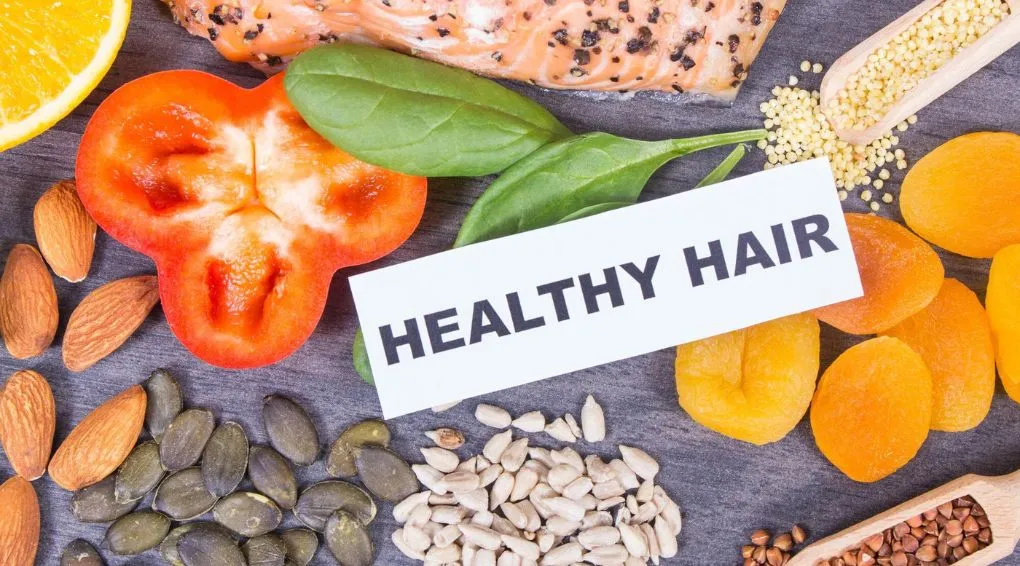
Hair loss can be a distressing issue for many. While there are various medical treatments available, incorporating nutrient-rich foods into your diet can significantly contribute to healthier hair and promote hair growth. Here are some top natural foods for hair growth that you can add in your diet.

Spinach

Spinach is a healthy food that can help with hair growth and prevent hair loss because it contains nutrients like iron, vitamin A, vitamin C, folate, and beta carotene. These nutrients help regulate oil production in the hair follicles, prevent hair loss as well as build and maintain collagen, which provides structure to hair and skin.
You can add spinach to your diet in a variety of ways, such as in a smoothie with other green leafy vegetables, peanut butter, and almond milk.

Sweet Potatoes

Sweet potatoes are one of the top foods for hair growth because they contain beta-carotene, which the body converts into vitamin A. Vitamin A helps with hair thickness, sebum production, and protecting against dry, dull hair. Additionally, sweet potatoes are high in vitamin C, which helps produce collagen for promoting hair growth and can reduce hair loss. Also, sweet potatoes contain antioxidants that can help with hair health. You can incorporate sweet potatoes into your diet by cooking them as vegetable cutlets or sautéing them.

Berries

Along with other foods for healthy hair growth, blueberries, strawberries, gooseberries, and raspberries are packed with antioxidants that protect hair follicles from damage, and can help with hair growth, prevent hair loss, and strengthen hair strands.

Avocados

Listed in top foods for hair growth, these creamy fruits are rich in healthy fats which help keep hair moisturized and prevent dryness. Besides, avocados contain essential fatty acids, biotin, and other nutrients that strengthen hair strands. Actually, avocados are a natural detangler that smooths and softens hair and its rich in antioxidants helping get rid of dandruff. Furthermore, avocados can create a protective barrier over the scalp and hair to block environmental aggressors like UV rays and micro-pollutants, and help repair follicular damage and promote hair growth. Also, avocados are anti-inflammatory and good for sensitive scalps.
You can use avocado in a variety of ways to benefit your hair, including avocado oil for hair massage and avocado hair mask.

Nuts and Seeds

Nuts and seeds are a great source of nutrients that can help with hair health and growth. They contain nutrients like zinc, selenium, vitamin E, and omega-3 fatty acids that can help protect hair and prevent hair loss.
Some nuts and seeds that are particularly good for hair include sunflower seeds, walnuts, flax seeds, pumpkin seeds, chia seeds, sesame seeds and Brazil nuts.

Legumes

Lentils, chickpeas, and beans are excellent plant-based protein sources that also contain essential minerals like iron and zinc helping form keratin for healthy hair growth. In addition, legumes contain biotin which promotes hair growth and prevents hair from becoming brittle. Moreover, folic acid in legumes is important for hair development and cell regeneration. And vitamin C is an antioxidant that helps your scalp deal with pollutants and helps you absorb iron to boost hair health.

Lean Meats

Lean meats like chicken, turkey, and lean ground beef are good for hair because they contain protein, iron, and zinc, which are all essential for healthy hair. These nutrients help strengthen hair shafts and repair hair follicles as well as promote hair growth and keep the oil glands around hair shafts functioning properly.

Eggs

Eggs are high in protein, calcium, and B-complex vitamins, which can help strengthen hair roots and prevent hair loss. Not only help add volume and thickness to hair, but the nutrients in eggs also help condition and improve hair texture. Furthermore, eggs can help remove dead skin cells from the scalp, and restore shine and luster to hair allowing new hair follicles to grow. Additionally, egg whites contain vitamins B2 (riboflavin) and B3 (niacin), which can help maintain a healthy scalp and treat dandruff.

By nourishing your body with these nutrient-rich foods, you can promote healthy hair growth and improve the overall health of your hair. Besides, you need to keep your body hydrated. Furthermore, you can coordinate these foods in your daily diet with regular hair massage to support healthy hair growth.

Read more:

Top natural foods for high cholesterol | Top 10 foods for immunity boost |