Tag

green tea

Food & Health

Is Green Tea Hard on Stomach? Myths, Side Effects & Safe Tips

best teas for upset stomach

Curious if green tea is harsh on stomach? Although green tea has been famous for its health benefits, bloating, cramps, or nausea might happen after drinking it. Let’s take a look at what science says about how green tea affects your stomach and digestive health.

With spring in full swing, here’s how green tea can support your wellness without stomach woes.

Green tea, in moderation, may help improve heart health and memory, aid in weight loss, and combat certain cancers. I already shared its amazing health benefits in previous blog here.

Highlights:

  • Improve heart health
  • Improve memory
  • Protect against tooth decay
  • Aid in weight loss
  • Combat cancer & leukemia
  • Manage diabetes
  • Treat bad breath (Trusted Source)

Is Green Tea Hard on Stomach?

Green Tea and Digestion: Side Effects

There are several reasons why green tea might cause digestive issues. Let’s break down the main impacts and how green tea digestion problems occur.

1. Drinking Green Tea Too Hot or Too Cold

  • Extremely hot or cold tea can irritate the stomach lining.
  • This can result in green tea bloating, indigestion, or pain in the abdomen.

2. Strong Green Tea and Tannins

Strongly brewed green tea contains high levels of tannins, which can induce:

  • A bitter flavor.
  • Bloating and discomfort.
  • Inflammation of digestive tissues, which can lead to stomach aches.
  • Sensitivity is different from individual to individual. (Trusted Source)

3. High Caffeine Content

Green tea has caffeine, which can:

  • Stimulate the GI tract.
  • Make stomach upset or even diarrhea in sensitive people.

How Green Tea Bloating Hurts Stomach

4. Consuming Green Tea on Empty Stomach

  • Possibly raise stomach acidity.
  • Can cause green tea bloating, nausea, or digestive issues.

5. Excessive Green Tea Consumption

Consuming too much green tea may:

  • Worsen acid reflux
  • Raise acidity and stomach discomfort

6. Taking Green Tea Right Before or After Meals

Tea leaves are acidic and can interfere with digestion:

  • Before meals: Acid can stiffen food proteins, making them more difficult to digest
  • After meals: Tannins can inhibit iron absorption and cause abdominal pain

🧠 Green Tea & Stomach Side Effects – Quick Recap

  • Sipping too hot or concentrated, or with an empty stomach can lead to green tea bloating.
  • Acidity, caffeine, and tannins could cause bloating, stomach discomfort, or acid reflux—particularly if taken excessively or close to meals.

Quick Answer: Is Green Tea Hard on Stomach?

It can — if you drink it too concentrated or hot, or on an empty stomach. Individuals with ulcers, acid reflux, or sensitivity to caffeine need more caution. If taken properly, green tea actually facilitates digestion and general health.

You might also like: Health benefits of kombucha tea

Best Time to Drink Green Tea

1. During Exercise

There are some studies that show drinking green tea may especially benefits prior to exercise.

A trial in 13 females showed that drinking 3 cups of green tea the previous day and an additional cup 2 hours before exercise increased fat oxidation during exercise.

A further study in 12 males showed that pre-exercise ingestion of green tea extract increased fat oxidation by 17% compared with a placebo. (TrustedSource)

2. In the Morning

Brain-alerting effects are due in part to the presence in green tea of caffeine, which is a stimulant proven to enhance attention and alertness. (TrustedSource)

Green tea also contains L-theanine, an amino acid that has calming effects.

Combining L-theanine and caffeine promote brain function and mood — without the aftereffects commonly associated with caffeine.

Overall, green tea has both caffeine and L-theanine that can both increase attention and alertness, which is particularly great in the morning. Furthermore, consuming this tea prior to exercise can enhance fat burning and minimize muscle damage.

3. One to two hours after meals to avoid green tea bloating

For some people, best time to enjoy the drink is one to two hours after meals. This can help minimize the risk of gastrointestinal distress and interferes with nutrient absorption.

Quick Recap – What is best time to drink green tea?

  • Green tea possibly hurt your stomach if it’s too strong or hot, or sipping on an empty stomach.
  • For best results, drink it in the morning, before exercise, or 1–2 hours after meals.

Who Needs to Take Precaution with Green Tea Digestion

These particular individuals must abstain from or restrict green tea intake.

1. Stomach Problems, Caffeine Sensitive

  • In most cases, people with stomach problems, including stomach ulcers or acid reflux, may take green tea in moderate amounts. It is nonetheless recommended to be careful of side effects and vary intake accordingly.
  • The green tea’s caffeine will cause insomnia, anxiety, irritability, nausea, or stomach upset if consumed in excessive amounts.

2. Iron Deficiency or Anemia and Bleeding Disorders

  • Excessive consumption of tea can cause iron deficiency as tea contains a lot of tannins, which can combine with iron and inhibit its absorption in the gut.
  • Many people enjoy a warm cup of tea after meals to help digest their food. Green tea can have the opposite effect if taken immediately following an iron-containing meal, though.  Therefore, you should take green tea at least 1 hour post meals.
  • In exceptional instances, green tea may result in bleeding disorders. Green tea’s compounds lower fibrinogen levels, an integral blood clotting protein. Fatty acid oxidation is also inhibited by green tea, causing the blood to thin.

3. Pregnant and Nursing Women

  • If you are pregnant or lactating, having green tea in moderation—approximately 2 cups a day—is safe. This gives you about 200 mg of caffeine. Drinking more than two cups a day, however, can enhance the risk of miscarriage and other adverse effects. Moreover, overconsumption by pregnant women can enhance the risk of birth defects in newborns.
  • Caffeine is able to pass through breast milk and impact the baby. Excessive consumption of caffeine during breast-feeding may produce sleep disturbances, irritability, and elevated bowel movement in breastfed infants. If you are breast-feeding, it is advisable that you consume no more than 200mg daily or best to consult your healthcare professional.

4. Issues related to Heart, Liver, High Blood Pressure, Diabetes

  • Though tea drinking could lower the risk of coronary heart disease and other cardiovascular conditions like stroke, angina, heart attack, and cardiac arrest; individuals with cardiovascular conditions should be careful.
  • Excessive drinking of strong tea can increase blood pressure in individuals with high blood pressure.
  • Supplements of green tea extract have been associated with a few instances of liver injury. The extracts make liver disease worse if high doses are taken. In advanced liver disease, caffeine accumulates in the blood and is metabolized more slowly, taxing the liver.
  • The green tea caffeine may influence blood glucose control.

5. Individuals who have Irritable Bowel Syndrome (IBS) or Diarrhea

  • The caffeine from green tea, particularly when consumed in large quantities, is known to exacerbate diarrhea and IBS symptoms.
  • The caffeine is a laxative since it activates the colon to contract more often. This produces more frequent bowel movements and can upset the stomach.

Summary:

Individuals with stomach problems, iron deficiency anemia, pregnancy, liver or heart conditions, hypertension, or IBS are advised to moderate green tea consumption. Excessive caffeine or tannin may exacerbate conditions or affect drugs—moderate and timing is essential.

You might also like: Top 5 natural herbs support your liver and kidney

Tea and the Stomach: Myths vs. Facts About Green Tea and Digestion

Myths vs. Facts About Green Tea and Digestion

You might also like: Top herbal tea for heart health

Enjoying Green Tea Without Stomach Problems

Green tea Bloating Solutions

1. Take warm tea (Brew Appropriately)

Use water between 160 and 180°F (70 and 80°C) to brew the green tea. Do not boil the tea excessively for a long time.

2. Take it between meals

Do not drink tea on an empty stomach, or immediately after meals.

3. Moderate Your Consumption

Limit your intake of green tea, particularly if you are caffeine or tannin sensitive, or if you have other medical issues.

4. Choose Decaffeinated Alternatives

If you are caffeine sensitive, use decaffeinated green tea.

5. Look for alternatives

If you experience uneasiness after drinking a particular variety of tea, you might think of switching to another one or quitting completely. This might indicate that the tea is no longer compatible with your body, and drinking it will only put extra pressure on your digestive system.

6. Drink less fresh picked tea (freshly released tea)

Fresh tea can easily cause stomach irritation. So, it ought to be preserved for roughly ten days before drinking it. Once ten days have passed, it can be steeped. While making fresh tea, use a moderate quantity of leaves and attempt to select a lighter variety of tea.

best ways to drink green tea

green tea bloating solutions

How to Drink Green Tea without Bloating

Quick tip: Drink green tea 1-2 hours post-meals to prevent bloating!

Did you find these tips helpful? Share them with a tea lover!

You might also like: Holy Basil Benefits for Blood Sugar Control

Best Teas for Sensitive Stomachs: Green Tea and Herbal Options

Wishing to indulge in tea without stomach discomfort? The secret is selecting soothing choices.

Here are some of the best green tea combinations and herbal teas that promote digestion and soothe irritation.

Tea Type Description Tips
Fresh Green Tea High-grade young leaves, rich in antioxidants and anti-inflammatory agents. Gentle and energizing, great for delicate stomachs.
  • Top teas from first flush.
  • Drink warm (not boiling).
  • Avoid drinking on an empty stomach.
  • Limit to 1–2 cups daily.
Ginger Green Tea Contains warming and anti-inflammatory ginger. Helps digestion and colds.
  • Boil 1–2g fresh ginger; infuse mild green tea.
  • Add honey if preferred.
  • Avoid on an empty stomach.
  • 1–2 cups max per day.
  • Not for ulcers or gastritis.
Peppermint Green Tea Peppermint soothes digestion; green tea provides antioxidants. Beneficial for most but not all.
  • Use mild green tea + fresh peppermint leaves or oil drops.
  • Avoid on an empty stomach.
  • Discontinue if reflux occurs.
Licorice Green Tea Eases cramps and digestive discomfort. Licorice root combines with green tea for soothing effects.
  • Brew mild green tea + <1g licorice root.
  • 1 cup per day.
  • Avoid with heart conditions.
Chamomile Green Tea Chamomile’s anti-inflammatory properties combined with green tea alleviate acid reflux and tension.
  • Brew 1–2g dried chamomile with mild green tea.
  • Avoid if allergic to ragweed.
  • Don’t drink on an empty stomach.
Holy Basil (Tulsi) Tea Relieves stress and inflammation; gentle on digestion when paired with green tea.
  • Steep 1–2g dried tulsi leaves with green tea.
  • Limit to 1–2 cups/day.
  • Check with your doctor if on medications (e.g., blood thinners).
Lotus Green Tea Anti-inflammatory and calming. Mild for acid reflux relief.
  • Use fresh lotus flower.
  • Brew at 160–180°F for 2–3 minutes.
  • Drink after meals (1–2 hours later).
Rice Green Tea (Genmaicha) Blends roasted rice with green tea for a smooth, stomach-friendly flavor.
  • Use 1 tsp for 8 oz water.
  • Steep at 160–180°F for 1–2 minutes.
  • Drink after meals.
  • Start with a small cup to test tolerance.

⚠️Sensitive Stomach Must-Knows

  • Balance is key: Restrict to 1–2 cups per day.
  • Start low: Have 4–6 oz and note how the stomach reacts.
  • Drink with food: Preferably 1–2 hours after a meal.
  • Use the herbal-only options if caffeine/tannins are an issue: (Ginger, lotus, licorice, tulsi, and chamomile are all caffeine-free and stomach-friendly)
  • Consult your doctor: Especially if you have ulcers, reflux, allergies, or take medication—these teas may interact or exacerbate symptoms

🍵 Final Thoughts: Is Green Tea Hard on Stomach? Safe Tips

Although green tea is full of health benefits, it’s not always easy on every stomach—particularly when taken in excess, on an empty stomach, or brewed too concentrated.

The solution is careful consumption: drink it warm (not hot), don’t have it right before or after meals, and pay attention to how your body responds.

✅ Want to have the benefits without green tea bloating? Keep it to 1–2 cups a day. Have it with food if you’re sensitive, and try milder options if necessary.

👉 Learn more on green tea’s health benefits in our Amazing Benefits of Green Tea article.

By learning how green tea works on your digestive health, you can benefit from it with less side effects. Let us know your best tea secret in the comments below!

Conclusion

Finding the question, “Is green tea hard on stomach? Myths, truth, side effects and safe tips,” unfolds green tea to be a palatable digestive beverage when taken properly.

Despite myths that claim it is always pleasant or troublesome for everyone, in reality, lies moderation and proper preparation.

Strong brews, hollow stomachs, or excessive imbibing may be unpleasant, but astute planning—like brewing 160-180°F, consuming 1-2 cups after meal, or consuming soothing blends like lotus, chamomile, or rice green tea—may render it stomach-friendly.

In sensitive stomachs, decaf herbal teas like ginger or lotus flower provide gentler consolation.

Always try it out first in small amounts and consult with a doctor if you have ulcers or acid reflux, or any other medical conditions. With these safe guidelines, green tea will be able to boost your well-being without a problem.

You may also like:
Home remedies for period pain | How to make kombucha tea at home | Gelatin health benefits

FAQs – Green Tea Digestion and Gentle Options

Will green tea cause gastritis?

Yes, green tea can cause gastritis in some individuals—especially when consumed on an empty stomach or in strong concentrations. Green tea tannins activate stomach acid, which irritates the stomach lining and worsens symptoms like nausea, bloating, or cramping. Those with pre-existing gastritis or ulcers should consume green tea cautiously and avoid high-strength brews.

Is it OK to drink green tea before sleep?

It depends on your caffeine sensitivity. Green tea contains low to moderate caffeine, which can disrupt sleep in sensitive individuals. You can opt for caffeine-free or low-caffeine herbal blends like chamomile or tulsi tea for nighttime.

What green tea is easiest on the stomach?

The easiest on the stomach are low-caffeine, light-brewed, or mixed green teas, including:

  • Young leaf green tea—sensitive and low in tannins
  • Ginger green tea—warming and relaxing for digestion
  • Chamomile green tea—anti-inflammatory and relaxing
  • Rice tea (Genmaicha)—mild and starchy, very stomach-accommodating

Does green tea interact with medicines?

It may interact with some drugs, such as blood thinners, some antidepressants, and blood pressure drugs. You should talk to a health professional if you are on medication and contemplating regular consumption of green tea.

Food & Health

AMAZING BENEFITS OF GREEN TEA

The Benefits of Green Tea

What are the amazing benefits of green tea to our health? Green tea is really good and helpful to our health thanks to its antioxidants and nutrition. We can find a lot of amazing benefits of green tea. Today, I would like to share with you those wonderful advantages of it.

Benefits of green tea to our health

Moderate consumption can offer the following amazing benefits of green tea:

Weight loss

Green tea is good for digestion and burning fat that have effects on losing weight. Caffeine contained in green tea can enhance succus gastricus to improve the digestive system and burn redundant fat. Also, substances and vitamins in green tea help to reduce fat in the body. The result and performance depend on each of the particular bodies due to their different adaptations.

Prevent diabetes

Green tea contains EGCG, which has effects on harmonizing blood sugar (glucose) levels.

May studies showed that drinking six cups of green tea every day will be helpful to Type 2 diabetes prevention and treatment. However, the caffeine in green tea can increase glucose. So those people who face difficulties in controlling glucose need to meet their doctors before drinking green tea for a type 2 diabetes treatment.

Remove foot odor

Other benefits of green tea are to remove foot odor. To get rid of foot odor, you just need to soak your feet in green tea every night before bedtime. By doing this frequently, you can keep smelly and sweaty feet at bay.

Green tea has another amazing benefit to soothe irritation caused by sunburn. Similar to foot odor, you need to keep your feet in the green tea for a few minutes.

Treat bad breath (halitosis)

The simplest method to completely eliminate this odor is to boil 100 grams of green tea with a large glass of water. Then you add a teaspoon of baking soda to the solution and brush your teeth with it every day. By applying this method frequently, you will get fresh breath and white teeth, as well as healthy gums.

Cancer fighter

Green tea is also considered an effective way to prevent cancer.

Many researchers have believed that antioxidants help to slow down aging and prevent cardiovascular (heart) disease, stroke, and cancer. Green tea contains a lot of antioxidants, which assist in preventing the production of harmful enzymes and tumor invasion as well as slowing down cancer growth. Many studies have shown that green tea does not only protect the body against cancer, but it also helps to reduce the size of tumors. Researchers also believed that the polyphenols contained in green tea may kill and prevent the development of cancer cells.

The benefits of green tea in cancer prevention

  • A Swedish study within 15 years that had done with more than 61,057 women showed that the women who daily drank more than two cups of green tea got a 46% lower risk of ovarian cancer compared to non-tea drinkers.
  • In a study of 472 women with various stages of breast cancer, researchers did find that those who regularly drank green tea had a decrease in the spread of breast cancer. Also, they found that women having early stages of disease who drank 8 cups of green tea per day were less likely to experience a recurrence after completing their treatment. Additionally, the women under 50 years old consuming 3 or more cups of green tea every day were 37% less likely to breast cancer growth compared to non-tea drinkers.
  • The study of a Taiwanese university showed that drinking one or more cups of green tea per day may reduce the risks of lung cancer. Lung cancer is mainly caused by tobacco. The study was experienced with 170 patients having lung cancer and 340 healthy patients. It showed that smokers and non-smokers who did not drink green tea were more likely to get a risk of lung cancer compared to those who had at least one cup of green tea every day. Starting the habit of drinking green tea regularly and giving up smoking can reduce the risk of lung cancer as well as limit the growth of tumors in the body.
  • Other studies found that green tea can prevent bladder cancer. The women who drank black tea or powdered green tea were less likely to spread bladder cancer.
  • Many other studies demonstrated effects of green tea in cancer prevention, including colorectal cancer, esophageal cancer, prostate cancer, skin cancer, stomach cancer, etc.

Although green tea has a lot of benefits, patients with cancer should meet and get consultation from their doctors before adding it to their daily drinks.

Leukemia

Green tea compounds may prevent leukemia, according to research. Patients with leukemia took pills containing EGCG (epigallocatechin gallate) twice a day; the researchers found patients’ health condition was improved.

Heart disease

Green tea may lower heart disease risk. One study with 40,530 adults in Japan found that those who drank more than five cups of green tea daily got a 26% lower risk of death from heart attack or stroke compared to people who drank less than one cup of green tea per day.

Researchers pointed out some effects of green tea on preventing heart disease. Green tea may reduce obesity, which is more likely to develop cardiovascular disease. Combination of drinking green tea and doing exercise had a significant reduction in weight and health improvement.

Additionally, researchers also found that green tea may lower harmful cholesterol (LDL) and increase good cholesterol (HDL).

Wise consumption, maximize the amazing benefits of green tea

In spite of the positive effects of green tea, we should not drink it too much. Overconsumption can cause harmful effects due to its content of caffeine, aluminum, and the effects of polyphenols on iron bioavailability. Green tea also has some side effects for drinkers, such as difficulty sleeping, anxiety, or stomach problems.

Bottom line

Green tea has one of the highest antioxidant levels among teas, offering a potent health boost. Naturally low in calories, it also contains less caffeine than black tea and coffee, making it a lighter choice for tea enthusiasts.

Most people can enjoy green tea daily without adverse effects. Studies say most adults can drink up to 8 cups of plain green tea a day without any trouble. Yet, you need to watch how much caffeine is in the kind of green tea you pick to reduce the amount. Some certain people may face sleep disruptions from its caffeine content, particularly if consumed in large quantities or late in the day. Drinking too much green tea might hurt your liver or mix badly with some medicines.

This article is just for general information. Before taking green tea as your daily beverage, you are advised to meet your doctor, especially those who have cancer issues and cardiovascular disease. Please do not overconsume green tea, which will cause side effects.

You may also like:

Top herbals for heart disease | Flax seeds health benefits | Banana flower benefits

Food & Health

Best Herbal Remedies for Depression

Best Herbal Remedies for Depression

What are the best herbal remedies for depression? We’ll check them out in our topic today.

According to the Cambridge dictionary, depression is a mental illness in which a person is very unhappy and anxious for long periods and cannot have a normal life during these periods. In common, depression is a negative feeling (or mood disorder) that might cause a loss of interest in activities at work, school, or home. It can cause serious emotional and physical problems; gradually, it might become a life-threatening factor in case we ignore it.

In addition to western medicines and psychological treatments, we can combine with herbs. The following are the best herbal remedies for depression that we can consider.

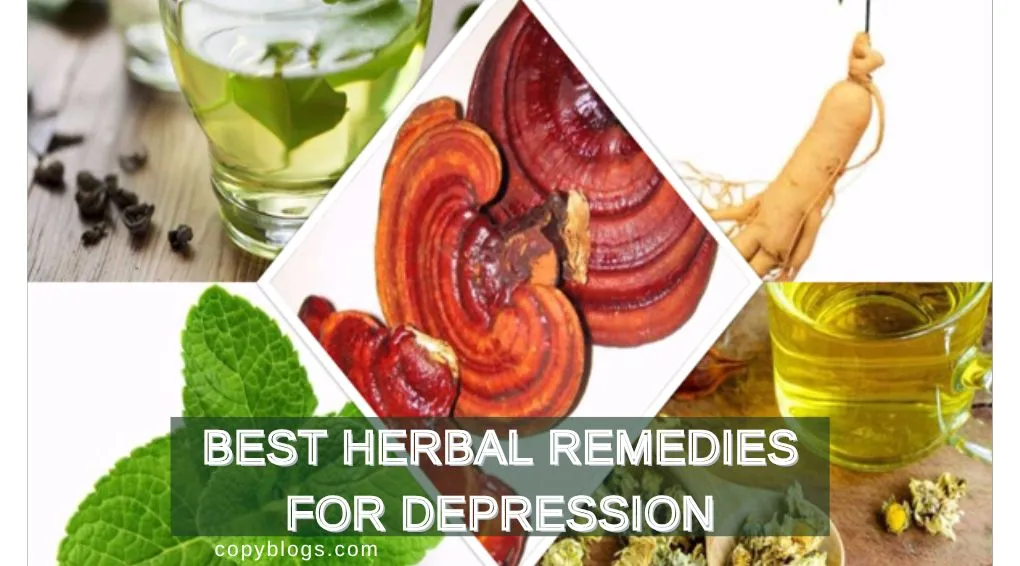
1. Ginseng

One of the best herbal remedies for depression is ginseng. This herb has been used in treatment for cancer, chronic fatigue, heart attack, and high blood pressure (hypertension). It is also proven that it’s effective to ease anxiety and depression. Ginseng helps prevent mental disorders, slow heart rate down, and increase mental excitement and interest in various positive activities. Ginseng is considered an adaptogen, relieving stress and depression effectively.

You can boil 100 ml of water and 1 to 1.5 grams of ginseng within 10 minutes and enjoy it. In another way, drinking ginseng tea (in a ready-to-use tea bag) saves much time for you.

Attention:

  • Take Ginseng only in the morning or afternoon to avoid losing sleep at night.
  • Should not eat seafood or radish after Ginseng.

2. Mint

Among the best herbal remedies for depression, mint is considered an amazing treatment for the nervous system thanks to its essential oil and menthol. Indeed, mint has been used for menstrual cramps, anti-insomnia, deep relaxation of nerves, and management of heart rates. Furthermore, mint is beneficial to calm and relieve stress and depression.

You can boil 4 to 8 grams of mint leaves with water to drink every day. Or you can drink mint tea. Menthol in mint will bring us a good sleep at night and release stress for better mood.

Attention:

  • People with high blood pressure, constipation, or under-2-year-old children should not consume mint.

3. Lingzhi (reishi) mushroom

Lingzhi or Reishi mushroom is among the best herbal remedies for depression. It is beneficial to the heart, releases headaches, relaxes the entire body, lowers blood sugar levels, reduces fatigue, and promotes blood circulation.

You can cook Lingzhi mushrooms to eat with rice or boil them with water to drink as tea.

Attention:

  • Those who have allergies to mushrooms should not consume them.

4. Chrysanthemum tea

Chrysanthemum supports reducing anger, stress, and depression. However, it helps relieve headaches and dizziness. Chrysanthemum tea is helpful in treating anxiety and depression through relaxation and anti-insomnia.

You can boil water, add 3 to 6 organic dried chrysanthemum flowers, and enjoy your tea. You can add some honey to your cup of tea.

Attention:

  • Chrysanthemum will never go along with warfarin.

5. Green tea

Some studies have shown that green tea can be one of the best herbal remedies for depression. L-theanine in green tea is an amino acid that might help us fight off anxiety and depression. It helps us calm and relax.

You can boil water and fresh, clean green tea, or take tea bags. One cup of tea can be consumed per day.

Attention:

  • Never drink green tea that is left overnight.
  • Do not drink green tea at night to avoid insomnia.
  • Should not drink green tea with an empty stomach to prevent inducing gastric mucosa.

Best herbal remedies for depression: Do’s and Don’ts

  1. Do’s:
  • Always talk with your doctor or herbalist before taking any medicine or herbs.
  • Use organic herbs for safety and hygiene.
  • Wash herbs carefully before consumption, especially fresh green leaves or roots.
  1. Don’ts:
  • Overconsume any herbs.
  • Take any of those herbs if you have an allergy to them.

Read Natural foods for stress relief for better stress and depression management.

Food & Health

NATURAL DETOX FOODS AND DRINKS

Natural Body Detox Retreat

Preserve health in a healthy body in the present fast-moving world. Natural detox foods and drinks will help cleanse the body, recharge energy levels, and uplift well-being. All these are wonderful but scientifically nutritional. Let’s dive into a body detox retreat in personal foods and drinks.

Water: The Ultimate Detox Drink

Hydration is the essential ingredient needed to flush out the toxins. Water enables kidneys to filter blood. Drinking good quantities of water will help to flush out waste, digest food, and make the skin glow. Some research evidence suggests that detoxification can be enhanced through drinking warm water with lemon. Staying hydrated is the simplest and most effective way for a body detox retreat.

Coffee: Not Only for a Morning Jolt

All of coffee lovers, cheer up! This drink, which is the number one beverage in the world, works wonders for detoxification. It gives you a reason to drink more coffee than just for getting you started in the morning by being really high in antioxidants, which have been known to help fight free radicals. Studies show that coffee plays an important role in making the liver function at a higher capacity. The liver is responsible for some of the major detoxification of the blood. Therefore, coffee is also on the list of top natural detox foods and drinks. As always, do not overindulge in anything. Too much coffee loads its own load of problems.

Cruciferous Vegetables: Emergently Powerful Detox Group

Broccoli, cabbage, cauliflower, and Brussels sprouts—these trump all. These vegetables contain sulforaphane, a compound that targets the detoxification of the liver. Sulforaphane also helps in the washing out of carcinogenic chemicals. They’re scientifically proven to have detoxification properties. Highly recommended in your diet. Lightly steaming or cooking these vegetables helps preserve detox benefits.

Berries

These small fruits have benefits that do not match their size. Blueberries and cranberries form a great source of antioxidants. Antioxidants neutralize free radicals that tend to harm the body. Blueberries have been shown to help in liver health, whereas cranberries help in urinary health by inhibiting bacteria from growing. For those reasons, berries become a great natural body detox retreat. Their use in the routine diet helps the body in detoxification.

Grapefruit: The Spicy Detoxifier

One other wonderful thing here to add in detoxification of the body is grapefruit, which proved to be the best bet for vitamin C-rich, antioxidant-rich, and fiber-rich cleansing of the liver and toxin elimination. Researchers found that its pectin binds to toxins and removes them from the body. Grapefruit acts regularly in favor of the natural processes of detoxification. Thus, grapefruit is a good detox. However, consult your health practitioner prior to consuming it if you are taking any medicine, as it interferes with the metabolism of some drugs.

Apples: The Detox Snack

An apple a day will keep the sickness away indeed. Apples provide a lot of vitamin C and fiber. Fiber cleanses the digestive tract. Vitamin C boosts the immune system and aids in detoxification. Studies show apples encourage the body’s detoxification processes, being a very good inclusion in any detoxification, fiber-rich diet. Antioxidants add to their richness, which makes them fine natural detox foods. Raw apples or natural juices without sweetening give benefit to ingesting them.

Garlic: The Smelly Detoxifier Pungent

Other natural detox foods and drinks cannot overlook garlic. The health benefits of garlic are well known. It has been in use as a natural remedy for the past century. The sulfur compounds in garlic stimulate liver enzymes to remove toxins. The sulfur compounds of garlic are even helpful in detoxifying the body. On the other hand, due to its antibacterial properties, garlic also promotes a healthy gut. Studies indicate that the compounds of garlic help in detoxifying heavy metals. Well, adding garlic to meals will keep one healthy. Garlic should be consumed raw or lightly cooked for maximum effect.

Fish: Nutrient-Rich Detox Food

Fish particularly oily ones such as salmon and mackerel, are primary sources of omega-3 fatty acids, which support detoxification by reducing inflammation and enhancing overall liver health. They contribute to the natural detoxification processes of the body by reducing inflammation and promoting liver function. Fish is good, despite being included in a balanced diet plan. Preferably, it is recommended to eat wild-caught fish because of their exposure to hazardous chemicals. Pregnant women should avoid too much fish because of mercury contamination.

Other Helpful Natural Detox Foods and Drinks

Green tea in the diet is another one of those ways to detoxify the body naturally. The role of green tea in detoxifying the body is primarily through catechins, rich antioxidants that metabolically support the liver. Another very effective and simple drink for digestion as well as increasing the quantity of vitamin C is lemon water. Regular bowel movement, which is the most important means of detoxification, can be helped by chia seeds that are high in fiber content. Almost all beetroot preparations contain betaine, which helps in liver function. Turmeric too has anti-inflammatory properties and is liver-supportive.

Effects of Natural Body Detox Retreat

  • Improve liver function.
  • Enhance digestion and bowel movements.
  • Increase energy and the immune system.
  • Encourage a glow in the skin and vitality in overall functioning.

When to Visit a Doctor

It is advisable to visit a doctor before beginning any detox treatment, particularly if there are preexisting health problems. Consult a medical professional if you experience unpleasant effects or any symptoms that linger while detoxifying. Not all detox foods and beverages will be safe for all; personal medical advice is important in this case because they may interfere with a medication or provoke an allergy.

Bottom line

Maintaining a lifestyle with wellness through the natural detox foods and drinks is the best thing in life. Learn to harness the strength that these natural detox foods offer for a healthier and toxin-free life.

You may also like:
Remedies for Chilblains | Best vitamin D-Rich Foods

Food & Health

TOP DRINKS TO LOWER BLOOD PRESSURE QUICKLY

Drinks to Lower Blood Pressure Quickly

High blood pressure, also known as hypertension, is common health issue. A quick drop in blood pressure is essential to heart and overall health. Medicines can do the trick, but there’s a host of drinks that can help in hypertension control. Let’s dive into top drinks to lower blood pressure quickly in today’s blog.

Beet Juice

Most known for quickly lowering blood pressure, beet juice comprises high levels of nitrates which then facilitate blood vessel dilation to better blood flow. A journal published entitled Hypertension further revealed that the beet juice is able to bring down systolic blood pressure by as much as 10 mm Hg within a few hours after drinking it. People who might have kidney stones or any other problems with their kidneys should visit their doctor prior to consuming beet juice.

Pomegranate Juice

This juice is also known as one of the top drinks to lower blood pressure quickly. Several studies show that pomegranate juice can significantly reduce blood pressure. The juice is highly regarded as a powerhouse of antioxidants, particularly polyphenols that help lower blood pressure in diverse ways. Individuals with blood thinner medication should avoid this juice. Also, pregnant women should talk with their doctor before drinking pomegranate juice because of its interaction.

Tomato Juice

Surprise, yet another wonderful beverage that lowers the hype in blood pressure is tomato juice. This kind of juice supplies adequate potassium intake and provides other antioxidants including lycopene for heart health. Research proved that daily intake of unsalted tomato juice could reduce systolic and diastolic blood pressure for hypertensive patients. People who experience acid reflux or are allergic to tomatoes should avoid this drink.

Berry Juices

The berry juice from blueberries and strawberries is one of the richest sources of flavonoids that enhances the heart health. A study states that regular intake of berry juice lowers the pressure in humans. For best result, drink fresh juice without added sugar.

Tea

Green and hibiscus teas are particularly good drinks to lower blood pressure quickly. This is due to the fact that green tea contains catechins, whereas in hibiscus tea, anthocyanins decrease blood pressure. Such benefits were confirmed in many studies, for instance in the Journal of Nutrition. If you have caffeine sensitivity or are taking some medications, limit tea intake.

Skimmed Milk

There is a high presence of calcium and vitamin D in skimmed milk, both of which are very helpful in blood pressure reduction. Research found that consuming skimmed milk helped in hypertension. Individuals can use other calcium-fortified alternatives or visit any lacto-free variant in case of having lactose intolerance.

Coconut Water

Other drinks for high blood pressure cannot miss coconut water. It is high in potassium, aiding the relative levels of sodium, thus lowering blood pressure. It was found in a study conducted by the West Indian Medical Journal that coconut water could lower the systolic blood pressure considerably. However, make sure it is pure coconuts with no added sugars. Additionally, if you are under medication for blood pressure, you may need to avoid or limit its use, as it may drop the level even lower. It is best to discuss with your healthcare provider. Also, it is advisable to avoid coconut water two weeks before any surgery because it contains high potassium levels, which can change one’s blood pressure.

Bottom line

Consulting a healthcare professional for best drinks for high blood pressure can be good and most effective personal relief, but not very personal. Consult a health professional to get their advice on specific drinks if you have particular diseases or if you are on medication. Heart conditions can be enhanced and blood pressure managed more effectively through consistent intervention and lifestyle changes, along with such remedies.

You may also like:
Home remedies for stomach ulcers | How to prevent aging naturally

Food & Health

BEST NATURAL HOME REMEDIES FOR GENITAL WARTS

Best Natural Home Remedies for Genital Warts

Genital warts are discomforting and embarrassing. Many treatments have been developed and implemented through medical science. But due to this medical and scientific approach, more people are now adopting alternative ways. Below are some of the best natural home remedies for genital warts, supported by science and practical use.


Best Natural Home Remedies for Genital Warts and HPV Treatment

Tea Tree Oil for HPV and Genital Warts Relief

Tea tree oil, with antiviral and antimicrobial properties, is also capable of reducing warts. Studies have indicated that an active compound in tea tree oil can fight against HPV-related warts. Use a solution of tea tree oil by diluting it and applying it to the wart each day, but avoid touching healthy skin. Some people may be allergic to tea tree oil. Therefore, it is essential to test a small amount of the diluted oil on your arm first. If there is no reaction after 24 hours, it is safe to use.

Garlic – A Potent Natural Remedy for HPV

Among the best home remedies for genital warts, garlic is also helpful. Garlic has allicin, a compound which contains antiviral property. Some research has revealed that garlic extract reduces wart size and even clears it up. Crush some fresh garlic, apply to the wart, or use garlic oil for a similar effect.

Witch Hazel: Soothing Home Remedy for Genital Warts

Witch hazel, a natural astringent, may help dry out genital warts. Its tannins have been shown to reduce inflammation and irritation. Apply a little witch hazel on the wart using a cotton swab. Do not apply witch hazel to mucous membranes, including the inside of the vagina or anus.

Apple Cider Vinegar – Popular DIY Wart Treatment

Apple cider vinegar is one of the most home treatments for genital warts. It is acidic and can destroy the infected cells of the skin. Soak a cotton ball in diluted apple cider vinegar and sit it over the wart for 15–20 minutes each day.

Green Tea Extract and Its Role in HPV Management

Green tea contains catechins, which are very powerful antioxidants. A study has shown that a green tea extract ointment is effective in reducing genital warts. You can drink green tea daily and apply topical green tea extract to the warts. On another hand, you can add one or two drops of coconut oil in green tea extract for applying on the warts.

Nutrient-Rich Foods to Support Natural HPV Treatment

The introduction of nutrient-rich food in your diet can improve your immune system and combat HPV. Some vegetables are full of antioxidants, like cabbage, broccoli, kale, and spinach. Foods high in folate and B12 include beans, almonds, and whole grains, all beneficial for skin health. Lean meats contain zinc, an essential element for proper immune function. Antioxidant-rich fruits paired with these foods enhance your body’s natural defense against warts (TrustedSource).

Lifestyle Changes to Help Cure HPV Naturally

These remedies can be used in conjunction with healthy lifestyle to yield the best results. Quit smoking, manage your stress, and maintain good hygiene. Such practices strengthen the immune system and avoid wart reoccurrence.

A Word of Caution

While these home treatments for genital warts are generally safe, some people may have allergic reactions. For example, tea tree oil or garlic can be irritating to sensitive skin. Thus, you should always test them on a small area first. Those with food allergies should avoid triggering ingredients.

If your condition worsens or the warts persist, consult a healthcare professional. They can provide tailored advice or recommend medical treatments.


Conclusion

Natural home remedies for genital warts give temporary relief and enhance the process of healing. Yet consistency is the word here, so incorporate them in the routine and with it also a balanced diet. Severe cases are recommended to be under the consultation of professionals.

Adopt these remedies combined with healthy lifestyles for effectively fighting genital warts. Patients require patience and persistence.

You may also like:
Best foods for irregulate periods |Home remedies for stomach ulcers  | Herbal remedies for vaginal discharge

Food & Health

NATURAL FOODS FOR FATTY LIVER DISEASE

NATURAL FOODS FOR FATTY LIVER DISEASE

Fatty liver disease is a growing health concern. Fatty liver disease often links to lifestyle factors like excessive alcohol consumption, overweight, and type 2 diabetes. While medical interventions are crucial, incorporating natural foods into your diet can greatly improve liver health. The followings are top natural foods for fatty liver disease.

Natural Foods for Fatty Liver Disease

Diet plays a key role in managing and preventing fatty liver disease. By consuming a balanced diet rich in nutrient-dense foods, it can help reduce liver inflammation and promote liver cell regeneration.

Fatty Fish

Oily fish including salmon, mackerel, and tuna are excellent sources of omega-3 fatty acids, which have anti-inflammatory properties and can reduce liver fat.

Olive and Flaxseed Oil

Extra virgin olive oil and flaxseed oil containing monounsaturated fats and omega-3 fatty acids and other properties. Those properties can support vascular system by reducing bad cholesterol level (LDL). Not only that, olive and flaxseed oil also aid in lowering liver enzymes and liver fat.

Coffee

Regular coffee consumption, particularly black coffee, has been connected with reduction to the risk of fatty liver disease. The compounds in coffee may protect liver cells from damage and prevent progression to a more critical liver disease.

Green Tea

Rich in antioxidants, green tea can help decrease liver enzymes and inflammation and improve liver function.

Nuts

Nuts such as almonds, walnuts, and pistachios are rich in healthy fats, fiber, and antioxidants. Those properties can help regulate blood sugar levels and reduce liver fat. These nuts are amongst the most beneficial natural foods for reducing liver fat.

Berries

Many dark berries including blueberries, raspberries, and cranberries, contain antioxidants which can help protect the liver cells from damage. In addition, those fruits may aid in liver enzyme activity and age-related liver disease.

Green vegetables

Broccoli, spinach, brussel sprouts and other green vegetables can aid in weight loss. Additionally, the greens may help prevent the build-up of fat in the liver and lower blood cholesterol levels.

Avocado

Another natural food for fatty liver disease is avocado. This fruit is rich in fatty acids and really beneficial to health. Avocado may aid in reducing the risks of metabolic syndrome, cardiovascular disease. Furthermore, it can help lower fats and prevent liver damage.

Garlic

Garlic may have benefits to oxidative stress, inflammation and help improve metabolism. It can also support in reducing fat accumulation and fat in the liver. Thus, you can add garlic to your daily diet as top natural foods for fatty liver disease.

Bottom line

Include natural foods into your lifestyle, you can greatly enhance the liver health and reduce the risk of fatty liver disease. While natural foods can be beneficial, they should be part of a comprehensive method to liver health. Talk with a healthcare professional for personalized advice and to address any underlying health conditions.

Read more:
Best natural foods for weight lossTop natural foods for high cholesterol