
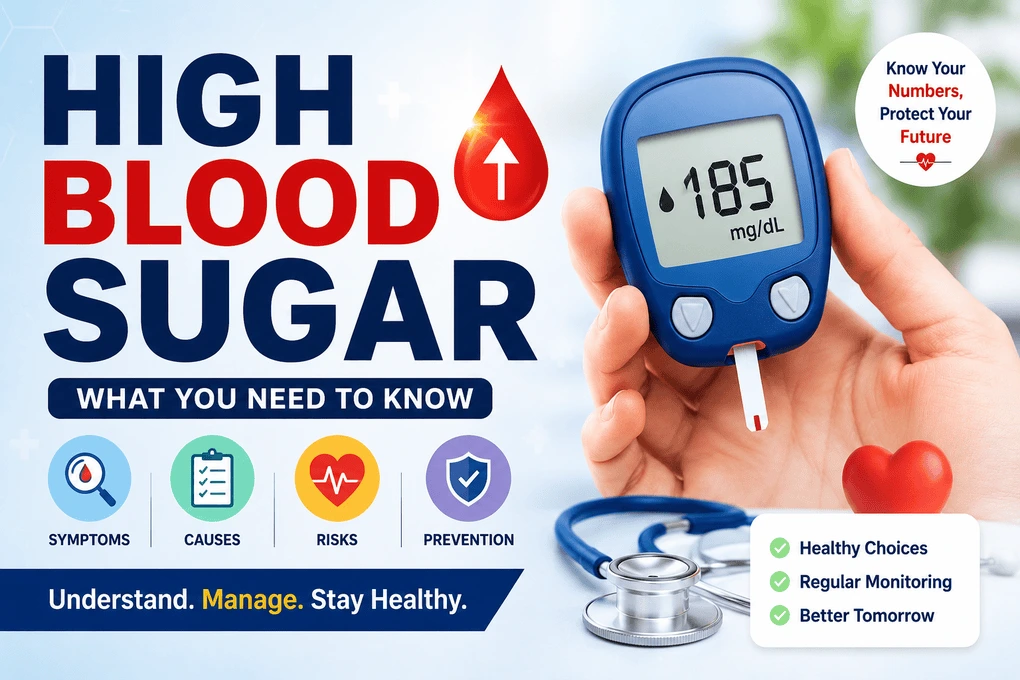
High blood sugar can happen when glucose levels remain above the normal range over time. Blood sugar levels fluctuate naturally in the body throughout the day. It is affected by many factors, including our food, physical activity, stress, etc. Awareness of hyperglycemia and its causes can help us make informed health decisions.
What is High Blood Sugar
The glucose in your body serves as its primary source of energy. It gets into your body after the consumption of food items, especially carbohydrates, and then enters the bloodstream to travel to your body’s cells. Thereafter, the insulin, which is produced by your pancreas, works like a key to open the way for the entrance of glucose into your cells.
However, if there is some problem with the key, or there isn’t an adequate amount of insulin in your body, the glucose cannot enter the cells and remains trapped in the bloodstream, causing the condition known as hyperglycemia. It is also called elevated blood glucose.
The most common cause behind hyperglycemia is diabetes. Nonetheless, illnesses, certain drugs, hormonal changes, and stress may lead to hyperglycemia in individuals without diabetes too.
If elevated levels of glucose in your bloodstream persist for a long time, then they may affect several body parts adversely.
Why Blood Sugar Regulation Matters?
Every organ in your body runs on glucose. Your brain alone uses a large share of your daily energy supply, and it depends on a steady, well-regulated glucose stream to function properly.
Here’s the basic process. You eat something with carbohydrates. Your digestive system breaks it down into glucose. That glucose enters your bloodstream, and your pancreas responds by releasing insulin. Insulin then guides glucose out of the blood and into your muscles, liver, and fat cells, where it gets used or stored for later.
When this system runs smoothly, your glucose levels stay fairly steady throughout the day. When something interferes with insulin production or insulin sensitivity, glucose builds up in the blood instead, and problems follow.
Stable glucose supports:
- Steady energy throughout the day
- Sharp thinking and focus
- Healthy muscle function
- Proper organ performance
Even short bursts of poor glycemic control can leave you feeling foggy, tired, or unusually thirsty. Long stretches of it cause far more serious harm.
Normal Blood Sugar Ranges
Your doctor may set personal targets based on your age, health history, or pregnancy status. Still, these general ranges are widely used as a starting point.
| Test | Typical Range |
| Fasting glucose | Below 100 mg/dL |
| Prediabetes | 100–125 mg/dL |
| Diabetes | 126 mg/dL or higher |
| Two hours after eating | Below 140 mg/dL |
People managing diabetes often work with a wider or more individualized target range, depending on their treatment plan and how their body responds to food and activity.
Checking your numbers regularly helps catch abnormal glucose regulation before it turns into something bigger.
What Counts as High Blood Sugar?
A fasting reading above 125 mg/dL often points toward diabetes. A reading above 180 mg/dL after a meal is generally considered high blood sugar in someone already diagnosed with diabetes.
That said, thresholds shift depending on age, pregnancy, existing health conditions, and how your body typically responds. Your healthcare provider is the best source for what’s safe and normal for you specifically.
High Blood Sugar – Early Warning Signs
Your body usually gives you signals before things get serious. Some people notice them right away. Others brush them off as everyday tiredness or dehydration.
Watch for:
- Unusual thirst
- Frequent trips to the bathroom
- Hunger that shows up more often than usual
- A dry mouth that water doesn’t fully fix
- Headaches
- Blurry vision
- Fatigue that doesn’t lift with rest
- Trouble concentrating
Not everyone experiences all of these. Some people notice only one or two mild symptoms. Others feel nothing at all until their numbers climb quite high, which is part of why routine testing matters.
Signs That Show Up Over Time
When elevated blood glucose sticks around for weeks or months without treatment, the symptoms tend to become more noticeable and harder to ignore.
These include:
- Cuts and scrapes that take longer to heal
- Repeated skin infections
- Frequent yeast infections
- Losing weight without trying
- Ongoing tiredness
- Dry, itchy skin
- Tingling or numbness in the hands or feet
These signs usually mean the problem has been building for a while. Ignoring them raises the risk of long-term diabetes complications, so it’s worth bringing them up with a doctor sooner rather than later.
What Causes Glucose Levels to Rise
Several factors can push glucose levels upward, sometimes on their own and sometimes together.
Diabetes
Diabetes remains the leading driver of chronically raised glucose levels. In type 1 diabetes, the pancreas makes little or no insulin at all. In type 2 diabetes, the body typically still produces insulin, but the cells stop responding to it the way they should.
Explore the ways to manage type 2 diabetes here.
Insulin Resistance
This is one of the most common root causes behind rising numbers. Your pancreas keeps making insulin, but your liver, muscles, and fat tissue stop listening to its signal as effectively. Glucose then lingers in the bloodstream instead of moving into your cells. Over time, unresolved insulin resistance often progresses into prediabetes and eventually type 2 diabetes.
Refined Carbohydrates and Added Sugar
Sugary drinks, white bread, pastries, candy, and packaged desserts all break down into glucose quickly. Eating them often, especially without much fiber or protein alongside them, causes sharp spikes that your body has to work hard to manage.
Stress
Stress triggers the release of hormones like cortisol and adrenaline. These hormones signal the liver to release stored glucose into the blood, preparing your body for a fight-or-flight response that, in modern life, rarely comes. The result is a temporary but real rise in glucose, even without eating anything.
Illness or Injury
When your body fights an infection or heals from an injury, it releases extra stress hormones to support the effort. This can temporarily raise glucose levels, even in people who don’t otherwise have diabetes.
Physical Inactivity
Movement pulls glucose out of your bloodstream and into your muscles for use. Long stretches of sitting reduce that natural process, which allows glucose to build up in the blood more easily. Regular activity, on the other hand, improves how well your cells respond to insulin.
Certain Medications
Some drugs interfere with normal glucose regulation as a side effect. Common examples include corticosteroids, some blood pressure medications, certain psychiatric drugs, and a few HIV treatments. Never stop a prescribed medication without talking to your doctor first, even if you suspect it’s affecting your glucose.
High Blood Sugar: Who Faces a Higher Risk
Certain factors increase the odds of developing this condition, though having one or more doesn’t guarantee it will happen.
- Carrying excess weight
- Limited physical activity
- A family history of diabetes
- Being over age 45
- High blood pressure
- High cholesterol
- Existing prediabetes
- Polycystic ovary syndrome (PCOS)
- A history of gestational diabetes
- Smoking
If several of these apply to you, regular testing becomes especially important, since early detection makes management far easier.
What Happens If It Goes Untreated?
A short-term spike usually isn’t dangerous. The real risk comes from unstable glucose levels that persist for weeks, months, or years without correction.
Nerve Damage
Excess glucose in the bloodstream gradually injures nerve fibers, a condition known as diabetic neuropathy. It often starts as tingling or burning in the feet and hands and can progress to numbness or weakness. Because sensation dulls, small injuries sometimes go unnoticed and become infected.
Eye Damage
The tiny blood vessels inside the eyes are especially vulnerable to raised glucose levels. Over time, this can lead to blurred vision, poor night vision, diabetic retinopathy, and in severe cases, permanent vision loss. Annual eye exams catch most of this early, before real damage sets in.
Kidney Damage
Your kidneys filter waste out of your blood every single day. Years of poor glycemic control can wear down that filtering system, leading to diabetic kidney disease. Early stages rarely cause symptoms, which is exactly why routine blood and urine testing matters so much.
Heart Disease and Stroke
Raised glucose levels damage blood vessel walls and fuel inflammation throughout the body. Over time, this raises the risk of heart attack, stroke, high blood pressure, and poor circulation. Keeping glucose within a healthy range is one of the most effective ways to protect your heart long term.
Slow Wound Healing
High glucose interferes with blood flow and weakens immune response, so cuts and scrapes take longer to close. People managing diabetes should check their feet daily, since small unnoticed wounds can turn into serious infections.
Can Hyperglycemia Turn Into a Medical Emergency?
Yes, in some cases. Very high glucose levels can trigger diabetic ketoacidosis, or DKA, a dangerous condition that needs immediate medical care.
DKA happens most often in type 1 diabetes, though it can occur in type 2 diabetes as well. Without enough insulin, the body starts breaking down fat for fuel instead of glucose. This process produces ketones, and when too many build up, the blood becomes acidic.
Seek emergency care right away if you notice:
- Intense thirst
- Frequent urination
- Nausea or vomiting
- Stomach pain
- Rapid or labored breathing
- Breath with a fruity odor
- Confusion
- Severe exhaustion
- Loss of consciousness
DKA moves fast. Getting treatment early can make the difference between a manageable emergency and a life-threatening one.
How Doctors Diagnose the Condition
Several tests help confirm whether someone has diabetes, prediabetes, or another form of impaired glucose control.
Fasting glucose test
Measures blood sugar after at least eight hours without food. This is one of the most common screening tools.
A1C test
Reflects your average glucose levels over the past two to three months, rather than a single snapshot. Many people with diabetes repeat this test two to four times a year.
Oral glucose tolerance test
Involves drinking a sugary liquid, then checking glucose levels over the following two hours. It’s frequently used to diagnose gestational diabetes during pregnancy.
Home monitoring
Many people track their own numbers using a glucose meter or a continuous glucose monitor, which gives ongoing insight into how food, exercise, stress, and medication affect their levels day to day.
Treatment Options
Treatment depends heavily on the underlying cause and how severe the condition is. Most plans combine lifestyle changes with medical management to control glucose levels for protecting long-term health.
Eat With Balance
This habit helps prevent the sharp spikes that come from eating sugar alone. Fill your plate with vegetables, whole grains, lean protein, and healthy fats, and cut back on added sugar and processed snacks. You can replace processed items with these healthy snacks under 100 calories.
Move Your Body Regularly
Exercise helps your muscles use glucose more efficiently. Aim for roughly 150 minutes of moderate activity a week, even a daily 30-minute walk noticeably improves glucose regulation over time.
Work Toward a Healthy Weight
Carrying excess weight increases insulin resistance. Losing even a modest amount improves how effectively your body uses insulin.
Stay Hydrated
Water supports kidney function and helps flush out excess glucose. Swap sugary drinks for water or unsweetened tea.
Manage Stress and Sleep Well
Stress hormones directly raise glucose, and poor sleep throws off the hormones that regulate it too. Aim for seven to nine hours a night and build in some way to unwind daily.
Learn how to reduce stress with 8 Ayurvedic remedies.
Test glucose levels and take medication as directed
If you have diabetes or prediabetes, follow your provider’s testing schedule closely, and never skip a dose without talking to them first. Regular checks help you catch changes early and adjust your routine before small issues grow.
When to Call Your Doctor
Reach out to your healthcare provider if you notice ongoing thirst, frequent urination, blurry vision, constant fatigue, unexplained weight loss, or wounds that heal slower than usual. Catching these signs early makes treatment simpler and lowers your risk of complications down the road.
Frequently Asked Questions
What are the first signs to watch for high blood sugar?
Increased thirst, frequent urination, fatigue, headaches, blurred vision, and hunger that shows up more often than usual are typically the earliest signals.
What causes glucose levels to spike?
Diabetes, insulin resistance, chronic stress, illness, inactivity, certain medications, and diets heavy in sugar or refined carbs are the most common triggers.
What counts as a normal glucose reading?
A fasting level below 100 mg/dL is generally considered normal, though your provider may set a different target based on your health history.
Conclusion
High blood sugar is common, but it’s not something to shrug off. Knowing the early signs and building a few consistent habits go a long way toward protecting your long-term health.
If your numbers seem off or symptoms won’t quit, talk to your healthcare provider and get a clear picture of what’s going on.
Disclaimer: This article is for educational purposes only and does not replace professional medical advice. Always consult your healthcare provider for personal recommendations.
Reference:
NHS
—————————————————————————————–
You may also be interested in:
6 remedies for tuberculosis
Top 8 nuts and seeds for a healthy pregnancy
8 Home remedies for insomnia
Itchy eye remedies
Best vitamins and supplements for mental health


2 thoughts on “High Blood Sugar Explained: Causes, Signs, and Healthy Lifestyle Support”
Comments are closed.