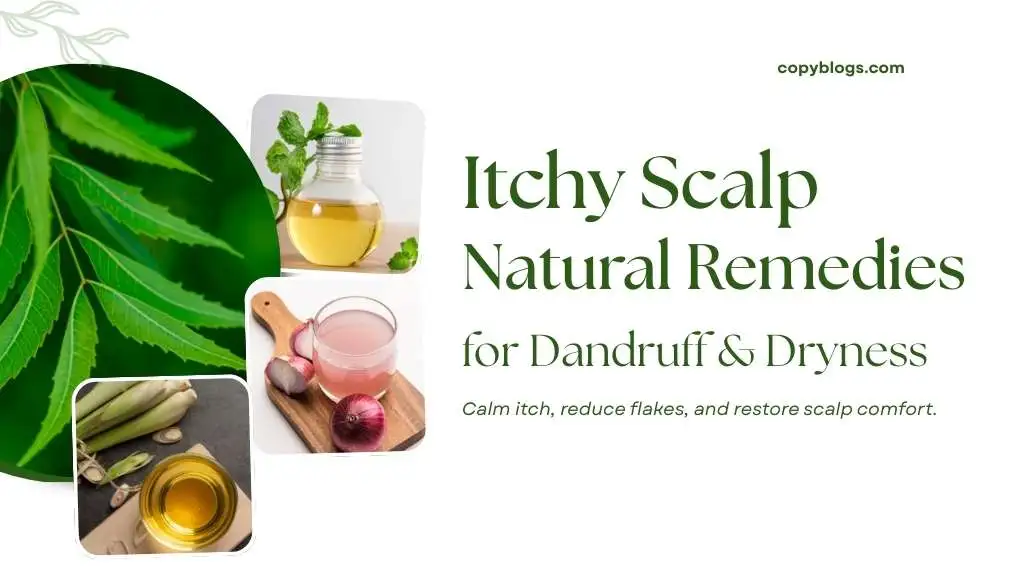
Turmeric skin benefits go far beyond what most people use it. This powerful spice has some surprising remedies backed by science.
Let’s explore 7 lesser-known ways to use turmeric for skin.
Before that, let’s quickly look at some of common turmeric skin uses.
Common Turmeric Skin Benefits
Turmeric is mostly used in skincare for its anti-inflammatory and antioxidant qualities.
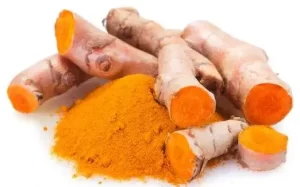 Some benefits of turmeric for skin:
- Turmeric face mask for brightening skin.
- As a remedy for fighting acne and blemishes.
- To lighten dark spots, hyperpigmentation, and wrinkles.
- To soothe eczema, psoriasis, or dry patches.
- As an exfoliator to cleanse and remove dead skin cells.
- Turmeric aids in locking in moisture for dry skin.
These turmeric benefits for skin are supported by Ayurvedic and research.
Now, let’s check out 7 rare turmeric skin benefits.
7 Surprising Uses of Turmeric Skin Benefits
1. Helps Wounds Heal Faster
One of the lesser-known turmeric skin benefits is healing.
Curcumin, turmeric’s active compound, can help:
- Reduce swelling and accelerate skin healing.
- Boost collagen production for skin regeneration.
Turmeric skin uses for healing:
- Cuts
- Scrapes
- Bruises
- Minor burns
Recent research says:
- A review in June 2025 found curcumin boosts skin healing and reduces inflammation.
- Studies in 2023–2024 show nano-curcumin works even better and faster.
- In animal tests, turmeric helped heal diabetic wounds and improved skin strength.
How to use turmeric for wound healing
- Clean the skin gently with water or saline.
- Apply fresh turmeric paste (or pure turmeric powder) to affected area.
- It helps calm inflammation and forms a light, natural barrier.
- Cover with sterile gauze if needed.
DIY turmeric healing paste
 Ingredients:
- ½ tsp pure turmeric powder
- 1 tsp raw honey
- ½ tsp aloe vera gel
Instructions:
- Mix ingredients into smooth paste.
- Spread a thin layer to the affected area.
- Leave on for 20–30 minutes.
- Rinse off with warm water.
- Use once daily for minor cuts or irritation.
2. Soothes Radiation Skin Damage (Radiodermatitis)
Other turmeric skin benefits may include healing skin damage from cancer radiation.
- Radiodermatitis causes redness, burning, peeling, and pain to skin.
- It often happens during radiation therapy.
Recent studies say:
- A 2024 review showed turmeric reduced redness and peeling in patients.
- A clinical trial in March 2025 used a 2% turmeric gel on breast cancer patients.
- It helped lower pain, irritation, and skin damage better than a placebo.
How to use turmeric for skin damage
Medical use (under supervision):
- Apply a 2% curcumin gel or turmeric-based cream as prescribed.
- Use 2–3 times daily on affected areas.
- Ideal during or after radiation therapy.
DIY Turmeric Aloe Vera Soothing Paste (for mild discomfort):
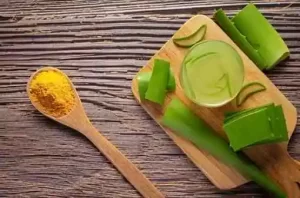 Ingredients:
- ½ tsp pure turmeric powder
- 1 tbsp aloe vera gel.
Instructions:
- Mix all ingredients well.
- Apply a thin layer to clean, dry skin.
- Leave on for 10–15 minutes.
- Wash with cool water.
- Use once daily.
3. Soothes Chronic Itching (Pruritus)
Chronic itching can be caused by:
- Eczema
- Dry skin
- Unknown skin triggers
Turmeric may soothe itchy skin (pruritus) due to:
- Potent anti-inflammatory properties.
- Ability to reduce histamine reactions.
What research says
- Studies link curcumin to reduce pruritus symptoms.
- It helps relieve itchy skin by soothing irritation.
DIY remedies for itchy skin
a. Turmeric-Coconut Oil Paste
Ingredients:
- ½ tsp turmeric
- 1–2 tsp coconut oil
Instructions:
- Mix well and use over the itchy area.
- Leave for 15–20 minutes.
- Rinse gently with water.
b. Turmeric-Yogurt Mask
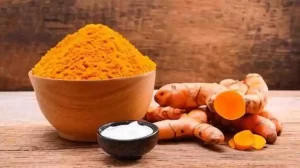 Ingredients:
- ½ tsp turmeric
- 1 tbsp plain yogurt
Instructions:
- Combine both into a paste.
- Spread on affected skin area.
- Leave on skin for 10–15 minutes.
- Wipe off with cool water.
4. Fights Dandruff and Reduces Hair Loss
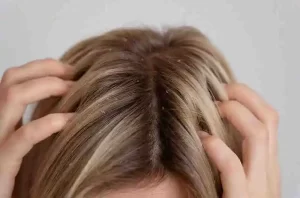
Other turmeric skin benefits are for scalp health.
Its antimicrobial and anti-inflammatory effects can help:
- Reduce itchy scalp
- Clear dandruff flakes
- Soothe scalp irritation
Backed by research:
- Turmeric may calm the scalp and support regrowth in alopecia cases.
 How to use for scalp and hair
- Use a turmeric scalp cleanser 1–2 times weekly.
- Or make a DIY turmeric hair mask:
Ingredients:
- ½ tsp turmeric powder
- 2 tbsp aloe vera gel or coconut oil
Instructions:
- Mix into a smooth paste.
- Massage the paste into scalp.
- Relax for 15–20 minutes.
- Wash off with a mild shampoo.
5. May Support Skin Tone in Vitiligo
Turmeric may calm inflammation in vitiligo, which causes patchy skin loss.
Research shows:
- Turmeric cream reduced vitiligo lesions in a 2022 study.
- A 2023 review supports curcumin’s potential role.
How to use turmeric for vitiligo
Medical use
- Rub turmeric-based cream on patches twice daily.
- Optional: combine with UVB phototherapy under guidance.
- Be patient—changes may take months.
DIY turmeric remedy
Turmeric has been used in traditional skincare to help even out skin tone.
Download the full DIY remedies PDF at the end of this article.
 Ingredients:
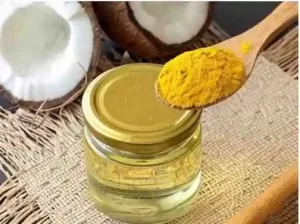
- ½ tsp pure turmeric powder
- 1–2 tsp mustard oil or coconut oil
Instructions:
- Mix well and apply to vitiligo patches.
- Leave for 20–30 minutes.
- Rinse off gently.
- Use twice daily, ideally after light morning sun (5–10 minutes).
6. Protects Against Photoaging
What is photoaging (sun-damaged skin)?
- Skin aging caused by sun exposure.
- Leads to wrinkles, dark spots, and sagging.
Turmeric skin benefits for photoaging
- Rich in antioxidants that protect skin from UV rays.
- Reduce sun spots, discoloration & signs of aging.
- Helps prevent collagen breakdown.
Source: Frontiers – an impactful research publishers.
How to use turmeric for sun-damaged skin
- Use 1–2 times a week in DIY masks or natural SPF creams.
- Best combined with aloe, green tea, yogurt, or honey.
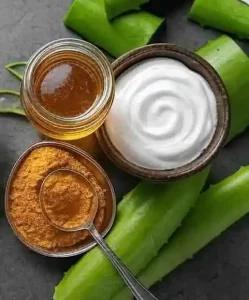
DIY Turmeric Face Mask for Photoaging
 Ingredients:
- ½ tsp pure turmeric powder
- 1 tbsp plain yogurt
- ½ tsp aloe vera gel
- Optional: 1 tsp green tea or honey
Instructions:
- Mix all ingredients into a smooth paste.
- Spread a thin amount to clean face. Avoid the eyes.
- Leave it on for 10–15 minutes.
- Rinse off with warm water and pat dry.
7. Helps Treat Oral Lichen Planus (OLP)
Oral lichen planus is a chronic inflammatory condition affecting the mouth lining.
- It causes red patches, pain, burning, or ulcers.
- Though it appears in the mouth, it’s linked to skin and mucosal inflammation.
What studies show
Clinical trials found turmeric mouthwash and oral gel can:
- Reduce pain
- Decrease inflammation
- Help improve healing of oral lesions
A study review confirmed turmeric may ease OLP due to its anti-inflammatory and antioxidant activities.
How to use turmeric skin benefits for OLP
 Turmeric Oral Gel or Mouthwash
- Use as directed, 2–3 times daily.
DIY Turmeric Rinse (for mild cases)
- Mix ½ tsp turmeric with warm water.
- Swish in the mouth for 30–60 seconds.
- Spit and rinse well.
- Use 1–2 times daily.
Turmeric Skin Benefits – Safety Tips
- Always do a patch test before full use.
- Use only pure, chemical-free turmeric.
- Don’t use on open wounds or severe burns.
- Turmeric is not a cure for acne, eczema, or radiodermatitis.
- Home remedies can soothe but won’t replace medical treatment.
- Talk to a doctor if you have skin issues or are under treatment.
FAQs About Turmeric Skin Benefits
Yes. Turmeric helps reduce melanin and fade pigmentation. Use turmeric and yogurt mask, 2–3 times/week.
It fights bacteria and reduces inflammation. Use a turmeric honey spot mask.
It may reduce itching and inflammation. Try turmeric coconut oil or cream.
It brightens and evens out tone by calming melanin. Use turmeric, lemon and honey once a week.
No. It may stain skin and fabrics. Better leave on for 15–20 mins, then rinse.
Can turmeric fade dark spots?
What are turmeric skin benefits for acne?
Can turmeric help with eczema or psoriasis?
Does turmeric lighten skin naturally?
Can I leave turmeric on overnight?
Conclusion
While most people know about turmeric for acne or dull skin, few explore its full potential. These rare turmeric skin benefits show that this spice is more than a brightening agent.
From healing wounds to calming inflammation and fighting sun damage, turmeric is a powerful, natural solution for many skin conditions.
Include it in your skincare routine, you might discover a whole new level of turmeric skin healing you didn’t know existed.
Disclaimer: For skin conditions or treatment, consult a dermatologist or healthcare professional.