DIY charcoal face masks are a natural way to detox skin, remove dirt, and fight acne. These easy-to-make recipes use kitchen-friendly ingredients and help save money on skincare.
Let’s explore how charcoal works and the best mask recipes to try at home.
What Is Activated Charcoal?
High heat changes carbon-rich materials into activated charcoal. This process creates tiny pores in the charcoal.
These pores help the charcoal trap oil, dirt, and toxins like a magnet.
Dermatologists also note that this adsorption power can clear clogged pores.
It’s still popular in skincare today for removing dirt, oil, and buildup from pores.
Benefits of Activated Charcoal Face Masks
Activated charcoal is used in many personal care products like toothpaste, face wash, lotion, oils, and soap.
Studies and experts support its skincare benefits.
Removes dirt
The tiny pores in charcoal absorb dirt, oil, and toxins from the skin.
Exfoliates
Charcoal clears dead skin and leaves the skin soft and bright.
Controls oil
Charcoal soaks up extra oil and helps reduce shine.
Prevents acne
Charcoal removes dirt and bacteria, helping reduce pimples and breakouts.
Soothes irritation
Charcoal may calm redness, itching, or swelling from skin irritation.
How to Make a DIY Charcoal Face Mask at Home
These activated charcoal face mask recipes are simple to make.
Below are the top 11 trending DIY charcoal masks for face. Each formula contains short and safe ingredient lists.
1. DIY Charcoal Mask with Yogurt and Oats
Benefits
- Yogurt and oats hydrate and gently exfoliate the skin.
- This mild mask suits all skin types.
How to make a homemade charcoal face mask
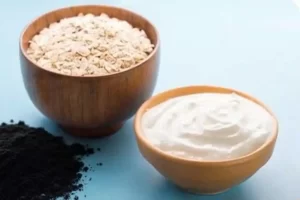 Ingredients:
- 1 tsp activated charcoal powder
- 2 tbsp plain yogurt
- 2 tbsp ground oats
Instructions:
- Mix all ingredients until a smooth paste.
- Wash the face with clean water.
- Apply the paste evenly to the face and neck.
- Leave it on for 15 minutes.
- Rinse off with water.
- Apply a light moisturizer or serum.
2. DIY Charcoal and Aloe Vera Mask
Benefits of this charcoal mask DIY
- This brightening face pack hydrates, soothes, and removes dead skin.
- It helps lighten the skin, tighten pores, and reduce breakouts.
How to make a charcoal aloe vera face mask
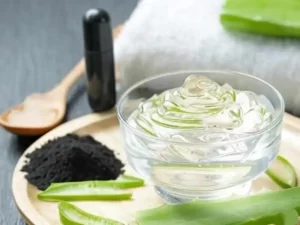 Ingredients:
- 1 activated charcoal capsule (to get powder)
- 1 tbsp fresh aloe vera gel (from its leaf)
Instructions:
- Clean and peel one fresh aloe vera leaf.
- Scoop out the gel.
- Mix the gel with charcoal powder.
- Stir well until smooth.
- Apply the mixture to clean skin.
- Leave it on for 10 minutes.
- Rinse off with cool water.
3. Charcoal, Lemon, and Yogurt Mask for Oily Skin
Benefits of this natural skincare recipe
- Brighten skin, remove dead cells, and reduce oil.
- Help clear acne and may lighten dark spots.
How to make a charcoal mask at home
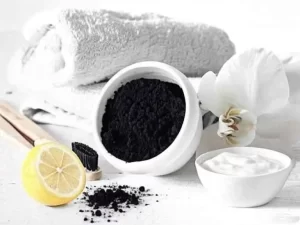 Ingredients:
- 1 tbsp activated charcoal powder
- 5 tbsp plain yogurt
- 2 drops fresh lemon juice
Instructions:
- Mix all ingredients until smooth.
- Clean the skin before applying.
- Spread charcoal mask on face and neck.
- Stay relaxed for 15 minutes.
- Rinse off with cold water.
- Continue the skincare routine.
4. DIY Charcoal Face Mask with Turmeric and Milk
Benefits of this charcoal mask
- Lighten the skin, reduce acne, and fade dark spots.
- Soothe damage, support smooth skin, and clear pores.
How to prepare a charcoal mask for acne and dark spots
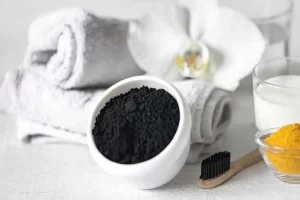 Ingredients:
- 3 tbsp activated charcoal powder
- 1 tbsp turmeric powder
- 2 tbsp fresh milk
Instructions:
- Mix all ingredients into a smooth paste.
- Apply the paste to a clean face and neck.
- Leave this mask on for 15 minutes.
- Rinse well with cold water to remove turmeric stains.
- Pat dry and follow up with moisturizer.
5. Charcoal and Clay Face Mask for Deep Pore Cleansing
Benefits
- Cleanse pores, remove oil, and lift dirt.
- Help unclog skin and leave a fresh look.
How to make a charcoal clay face mask DIY
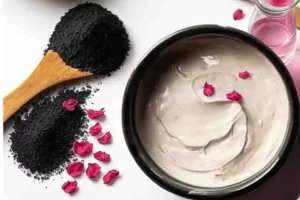 Ingredients:
- 1 tsp activated charcoal powder
- 1 tsp bentonite clay (or kaolin clay)
- 2 – 3 tsp water or rose water
Instructions:
- Mix charcoal and clay in a small bowl.
- Slowly add water until smooth.
- Apply the paste to a clean face and neck.
- Let it sit for 10 – 15 minutes.
- Rinse with lukewarm water and pat dry.
6. Charcoal and Honey Face Mask for Hydration
Benefits
- Hydrate dry skin and gently clean without removing natural moisture.
- Soothe irritation and work well for sensitive skin.
How to make a DIY charcoal and honey mask
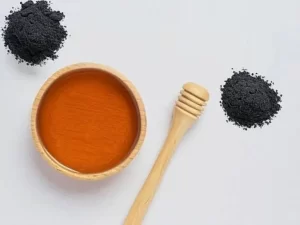 Ingredients:
- 1 tsp activated charcoal powder
- 1 tbsp raw honey
Instructions:
- Mix charcoal and honey until smooth.
- Apply to a clean face with fingertips.
- Leave the mask on for 15 minutes.
- Rinse off with warm water.
- Continue with daily skincare steps.
7. Charcoal and Tea Tree Oil Face Mask for Acne-Prone Skin
Benefits
- Fight acne bacteria and reduce redness.
- Control oil and clear clogged pores.
How to make a DIY charcoal mask for acne
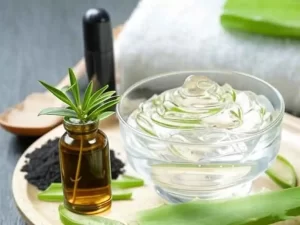 Ingredients:
- 1 tsp activated charcoal powder
- 1 tbsp aloe vera gel or water
- 2 – 3 drops of tea tree essential oil
Instructions:
- Mix charcoal with aloe gel or water.
- Add tea tree oil and stir well.
- Apply the paste to clean face or acne-prone areas.
- Leave it on for 10 – 15 minutes.
- Rinse with cool water.
8. Charcoal and Gelatin Peel-Off Mask for Blackheads
Benefits
- Remove blackheads, whiteheads, and fine hair.
- Unclog pores and make skin smooth and clean.
How to make a charcoal peel-off mask DIY
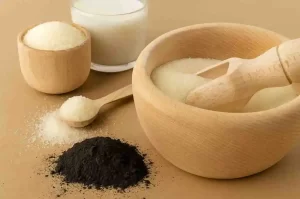 Ingredients:
- 1 tsp activated charcoal powder
- 1 tbsp unflavored gelatin
- 2 tbsp warm water or milk
Instructions:
- Mix gelatin and warm water or milk until smooth.
- Add charcoal powder and stir quickly.
- Apply the warm mixture to clean skin using a brush.
- Avoid eyebrows and hairline.
- Leave the facial mask on for 15 – 20 minutes until fully dry.
- Peel and rinse off the leftover.
9. Charcoal and Coffee Face Mask for Dull Skin
Benefits
- Gently exfoliate and boost circulation.
- Refresh dull skin and give a natural glow.
How to make a homemade charcoal coffee mask
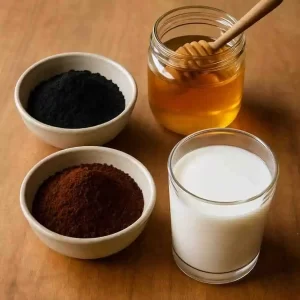 Ingredients:
- 1 tsp activated charcoal powder
- 1 – 2 tsp plain yogurt or raw honey
- 1 tsp ground coffee
Instructions:
- Mix charcoal and coffee in a clean bowl.
- Add yogurt or honey; stir into a paste.
- Apply it to clean face and neck.
- Massage skin in circles for 30 seconds.
- Leave the mask on for 10 – 15 minutes.
- Rinse off with lukewarm water.
10. DIY Antioxidant Charcoal and Green Tea Mask
Benefits
- Fight aging signs and protect skin from damage.
- Soothe irritation and leave skin calm and soft.
Steps to make a charcoal face mask at home
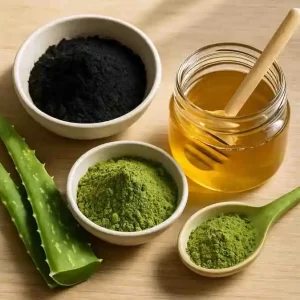 Ingredients:
- 1 tsp activated charcoal powder
- 2 tsp brewed green tea (cooled)
- 1 tsp aloe vera gel or honey
Instructions:
- Mix all the ingredients in a bowl.
- Stir until the mixture is smooth.
- Apply evenly to clean face. Avoid eyes and lips.
- Stay relaxed for 15 minutes.
- Rinse off with cool water.
11. Homemade Charcoal Balm for Skin Repair
Benefits
- Help repair dry, flaky, or irritated skin.
- Soothe minor damage and protect skin from further dryness.
How to make natural charcoal mask for skin repair
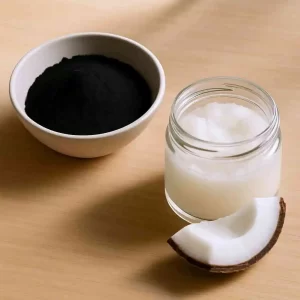 Ingredients:
- 1 tsp activated charcoal powder
- 1 tbsp organic coconut oil
Instructions:
- Melt coconut oil if solid.
- Mix in charcoal powder until smooth.
- Apply a thin layer to clean face.
- Leave the mask on for 10 – 15 minutes.
- Wipe off with a warm, damp cloth.
Basic Steps to Apply Any DIY Charcoal Face Mask
Note: Always follow the specific instructions in each mask recipe. This is a general guide to help apply any charcoal mask properly.
1. Cleanse
Wash the face to remove makeup, dirt, or oil.
2. Apply
Use a clean brush or fingers. Avoid the eye and lip areas.
3. Massage
Gently massage the skin to help nutrients absorb.
4. Wait
Leave the facial mask on for 10 – 20 minutes, depending on the recipe.
5. Rinse or Peel
- Wash off with warm water.
- For peel-off masks, wait until fully dry.
6. Moisturize
Apply moisturizer or serum to restore hydration.
Precautions for DIY Charcoal Face Masks
While DIY charcoal face masks are generally safe, keep in mind these notes:
Patch test
- Apply a small amount of the charcoal mask on the inner arm or behind the ear.
- Wait 15–20 minutes to check for irritation or allergic reactions.
- For sensitive skin, wait for 24 hours.
- If there’s no redness, itching, or swelling, it’s likely safe to use.
Frequency
- Use these DIY charcoal face masks 1–2 times per week.
- For sensitive or dry skin, use only once a week.
Check skin reaction
- Keep watching for signs like burning, itching, redness, or swelling after use.
- Stop if irritation occurs
Avoid sensitive areas
Do not apply the mask near the eyes or lips. These areas are thin and can get irritated easily.
Consult a dermatologist
If there are skin problems, get advice from a skin doctor before using a DIY charcoal face mask.
Safe Use and Storage of DIY Charcoal Masks
Follow these easy tips to avoid irritation and keep the mask fresh.
1. Choose Right Ingredients
Activated Charcoal Powder
- Pick food-grade or cosmetic-grade for clean and pure charcoal.
Bentonite Clay
- Use pure clay with no added chemicals. It’s available in health stores.
Essential Oils
- Choose high-quality, therapeutic-grade oils.
- Always dilute to avoid irritation.
Other Natural Additions
- Use fresh ingredients like honey, yogurt, or lemon juice for better results.
2. How to Store DIY Charcoal Face Masks
- Keep the mask in a clean, airtight container.
- Store in the fridge immediately.
- Use the refrigerated charcoal masks within 3 – 5 days.
- Do not leave it at room temperature.
- Always use clean hands or a spoon to scoop.
- Throw it away if the smell, color, or texture changes.
Who Should Be Careful with DIY Charcoal Face Masks
Homemade charcoal masks are often safe. But some skin types may need extra care.
Sensitive skin
Charcoal and clays may cause dryness or redness.
Dry or eczema-prone skin
These natural charcoal face masks can make the skin feel tighter or more irritated.
Open wounds or active acne
Applying the mask on broken skin may sting or cause an infection.
Allergy to ingredients
Essential oils, honey, or lemon juice may cause a reaction. Thus, always do a patch test.
Rosacea
Charcoal and clay may worsen redness.
Using acne treatments (e.g. retinoids)
Charcoal face masks may increase irritation or peeling.
First-time users or teens
Skin may react easily; therefore, a patch test is important.
FAQS About DIY Charcoal Face Masks
Can I use a charcoal mask every day?
Use only 1–2 times per week to avoid dryness or irritation.
What should I do if my skin feels tight after using it?
Apply a gentle moisturizer and reduce mask use to once a week.
Can I store leftover mask for later use?
Yes. Refrigerate in a sealed container. Use within 3 – 5 days.
Conclusion
DIY charcoal face masks offer a natural way to cleanse and rejuvenate your skin. With 11 homemade charcoal face mask recipes, you can customize your skincare routine affordably. From acne-fighting to brightening masks, there’s a recipe for everyone.
Try these natural charcoal face mask recipes and share your results with us!
Have you tried a homemade charcoal mask? Tags us #copyblogs.