Category

Food & Health

Food & Health

BEST FOODS FOR GOOD EYESIGHT

BEST FOODS FOR GOOD EYESIGHT

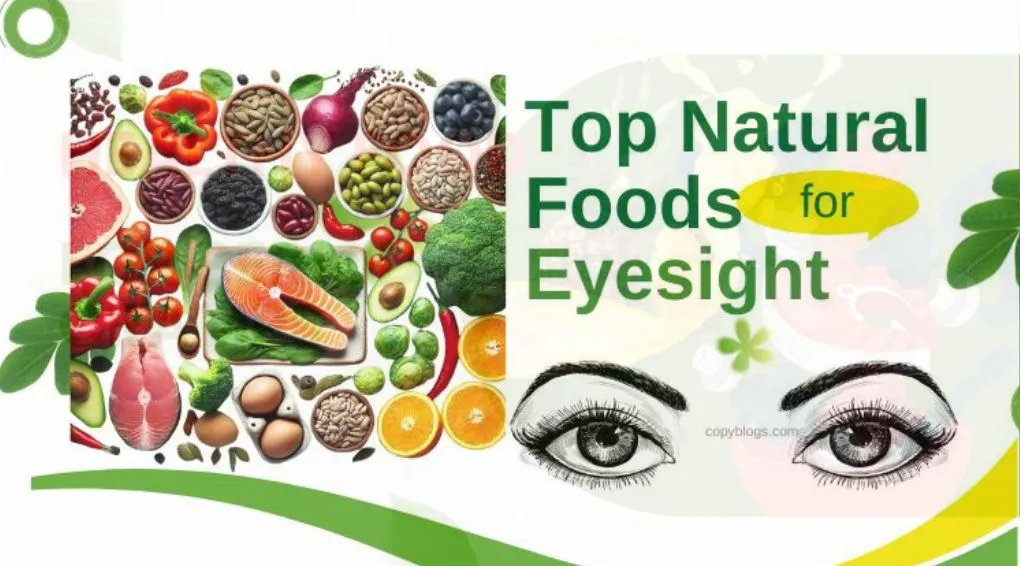
A balanced diet is a necessity for maintaining good eyesight. Adding the best foods for good eyesight to your regular diet can help prevent age-related eye conditions and preserve vision. Let’s explore some of these natural foods and their benefits to our eye health.

Dark, Leafy Vegetables

Lutein and zeaxanthin are antioxidants found in dark, leafy vegetables such as spinach and kale. These nutrients shield the eyes from harmful blue light and inhibit the development of cataracts. Additionally, these greens are a good source of vitamin C and E. Those vitamins aid in lowering the risk of long-term eye diseases. For that reason, you can add these vegetables to your diet through salads, smoothies, or steamed dishes.

Raw Red Peppers

Raw red peppers are full of vitamin C, which is also important for eye health. This vitamin is able to protect against cataracts and maintain the good health of blood vessels in eyes. Thus, the red peppers are among the best foods for good eyesight. Placing raw red peppers in salads or as a crunchy snack can be helpful for significant eye benefits.

Broccoli and Brussels Sprouts

Broccoli and Brussels sprouts are high in vitamins A, C and E and antioxidants. These nutrients help protect the eyes from oxidative damage and keep the eyes healthy. Incorporate these vegetables into your diet by steaming, roasting, or adding them to stir-fries.

Seeds

Seeds, such as chia and flax seeds, are rich in omega-3 fatty acids. Furthermore, the seeds are rich in vitamin E and other nutrients. All together can help slow the risk of age-related macular degeneration (AMD). It may also aid in reducing the risk of cataracts. Sprinkle chia or flax seeds on yogurt, smoothies, or salads to boost your intake as top foods for eyes.

Orange-Colored Fruits and Vegetables

There is evidence that orange-colored fruits and vegetables contain high levels of beta-carotene. Thus, the consumption of those fruits and vegetables will convert beta-carotene into vitamin A, critical in good vision. Therefore, adding colourful foods to your meals shall improve taste and eye-sight. Some orange-colored fruits and vegetables include sweet potatoes, mango, carrots, and apricots.

Fatty fish

Fatty fish such as salmon, tuna, and trout are also top foods for eyes. Those fish are great sources of omega-3 fatty acids, including DHA and EPA. They give great support to the general health of eyes. Additionally, omega-3 reduces inflammation and prevents dry eyes. So, include fatty fish in your diet by grilling, baking, or adding it to salads.

Lean Meat and Poultry

Lean meat and poultry provide zinc, which helps deliver vitamin A from the liver to the retina. This process produces melanin, a protective pigment in the eyes. To help your eye health incorporate lean meat and poultry into your meals. Beef, chicken and pork are good sources of zinc.

Beans and Legumes

Beans and legumes, like lentils, chickpeas, and black beans, are rich in zinc and bioflavonoids. These nutrients protect the retina and reduce the risk of developing AMD and cataracts. Not only that, but beans and legumes also offer a low-fat with high-fiber option to keep your vision sharp.  Add beans and legumes to soups, stews, and salads to improve your eyesight.

Eggs

Eggs contain lutein, zeaxanthin, and zinc, which are beneficial for vision. These nutrients protect the eyes from harmful UV rays. Besides, the compounds in eggs, such as lutein and zeaxanthin, help boost the amount of protective pigment in the macula. Include eggs in your diet through breakfast dishes, salads, or as a protein-rich snack.

Special Considerations

Although these foods are generally good for most individuals, some people should take heed. People who have allergies to certain types of food should be cautious. Also, in general, people with specific medical conditions should consult a health professional before changing their diets.

Conclusion

Top foods for eyes can be incorporated into a diet to significantly improve eye health and prevent age-related vision problems. Raw red peppers, seeds, dark leafy vegetables, orange-colored fruits and vegetables, fatty fish, lean meat and poultry, beans and legumes, eggs, and broccoli and Brussels sprouts are all the best choices. Balanced nutrition along with regular eye check-ups are the keys to maintaining good eyesight.

For a healthier diet, consider adding these foods to your daily meals. Whether it’s a colorful salad, a protein-packed breakfast, or a nutritious snack, these foods can make a significant difference. By prioritizing the best foods for good eyesight, you can enjoy clear vision and overall well-being.

You may also like:

Natural remedies for eye bags and dark circles
Foods that unclog your arteries

Food & Health

BEST FOODS TO REGULATE PERIODS NATURALLY

BEST FOODS TO REGULATE PERIODS NATURALLY

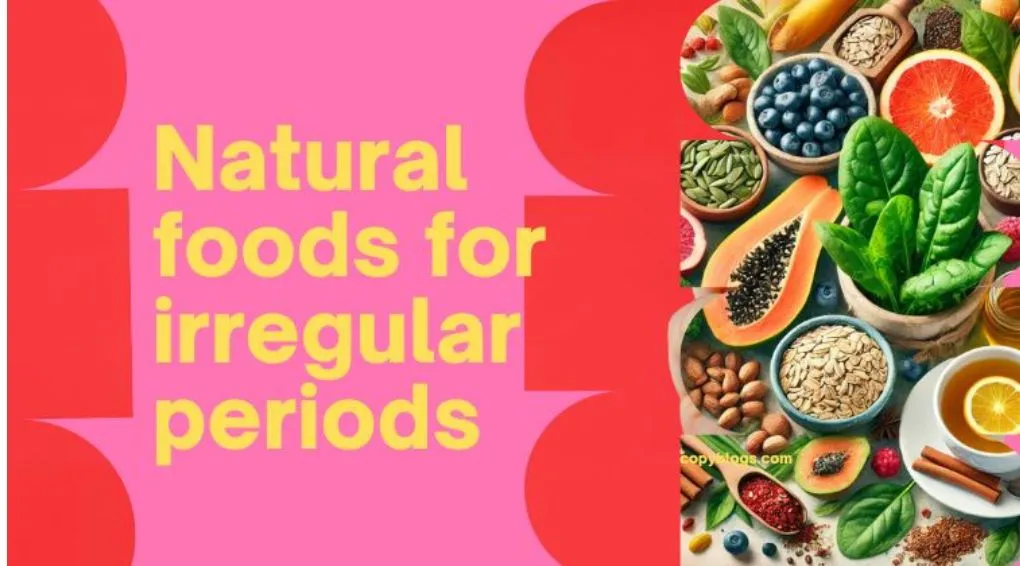
What are best foods to regulate periods naturally? Let’s explore the list of healthy foods for irregular periods in this post.

Irregular period is an unpleasant experience of many women. So, the reasons behind such disturbance may be stress, hormonal imbalance, or certain medical conditions.

The positive part is that some natural food intake could balance menstruation. Here, we learn about the best foods to regulate periods and the functions by which they support the female body during menstruation.


Leafy Greens and Cruciferous Vegetables

First of the best foods to regulate periods are vegetables. Leafy greens, spinach and kale, are rich in iron and magnesium. They replenish lost nutrients during menstruation and release the cramps.

In addition, cruciferous vegetables like broccoli and cauliflower provide essential antioxidants and fibers. Studies indicate that the compounds and nutrients in these vegetables can be helpful to maintain hormonal balance and reproductive health in general. However, people with thyroid disorders should take them in limited quantities.

Whole Grains

Whole grains, such as oats and quinoa, are rich in complex carbohydrates. Additionally, they are good source of B vitamins, minerals and fibers. They help regulate blood sugar levels and alleviate mood swings. Their fiber content assists in maintaining good gut health, which, in turn, affects hormone and periods regulation (Source).

Berries

Strawberries, blueberries, and raspberries, among others, are good sources of antioxidants and vitamin C. These fruits help prevent infections, reduce inflammation, and promote healthy blood flow. Furthermore, this may help regulate menstrual cycles.

Nuts and Seeds

Nuts and seeds, especially flaxseeds and sunflower seeds, are also rich in omega-3 fatty acids and lignans, which help balance estrogen. Flaxseeds specifically contain phytoestrogens that mimic natural estrogen in the body. Thus, a moderate consumption can help reduce the risk of irregular periods. However, you need to avoid excessive amounts as this can disrupt hormonal balance (Source).

Legumes

In the list of the best foods to regulate periods, legumes can support in improving menstrual health. Lentils, chickpeas, and beans are great plant-based protein sources. They also contain B vitamins and zinc, which help with ovulation and hormonal function to make cycles regular.

Fatty Fish

Salmon, sardines, and mackerel are high in omega-3 fatty acids. These healthy fats reduce inflammation and relieve menstrual cramps. Research has shown that they may also reduce the risk of developing irregular cycles due to PCOS (polycystic ovary syndrome).

Ginger

Not only delicious, but ginger is also recommended as one of the best foods to regulate periods. Ginger has anti-inflammatory and analgesic properties. They help regulate hormones and improve them menstruation. Additionally, warm ginger tea is known to reduce period pain. However, excessive consumption might irritate the stomach.

Avocado

Avocados are nutrient-dense, rich in healthy fats, potassium, and vitamin E. These nutrients help in the production of hormones, which also regulates the menstrual cycle. Moreover, their high content of fiber helps in digestive health, which is vital to overall health.

Turmeric and Coriander Seeds

Turmeric contains curcumin, a compound with anti-inflammatory and hormonal benefits. Meanwhile, coriander seeds can help stimulate or increase menstrual flow (Source). For that reason, these seeds are also healthy foods for irregular periods.

Fennels

The fennel seeds are also the best foods to regulate periods.  These seeds have compounds that relax uterine muscles. These properties help in reducing menstrual cramps and regulating menstruation. You can drink fennel seed tea twice a day for 3 – 4 days before your expected period.

Papaya

Papaya contains an enzyme called carotene that can stimulate uterine contractions and regulate flow. It is especially useful when there is a delay in the period. You can eat or consume its juice and smoothies every morning as healthy foods for irregular periods.

Grapes or Raisins

Grapes and raisins are rich in natural sugars and iron. They increase energy and restore blood levels, which is helpful during menstruation.

Green Tea and Cinnamon

Green tea has antioxidants that reduce inflammation and detoxify the body. Cinnamon increases insulin sensitivity, which helps with menstrual health. Sprinkle cinnamon over meals or add it to tea for maximum benefits.

Pineapple

Pineapple is very rich in bromelain, which is an enzyme with anti-inflammatory and muscle-relaxing properties. It helps relieve cramps and helps with the regular menstrual cycles. But excessive consumption of pineapple causes digestive upset. Therefore, you need to consume in moderate portion.

Including These Foods In Your Diet

Adding these healthy foods for irregular periods to your diet is simple. Start your day with oatmeal topped with berries and flaxseeds. Consume leafy greens and legumes in salads or soups. Snack on nuts, raisins, or avocado slices. Prepare teas with ginger, fennel, or coriander seeds for a soothing effect. Include fatty fish or whole grains in your dinner. For dessert, indulge in a slice of fresh pineapple or papaya.

Conclusion

Though these foods help regulate periods, it can differ from one individual to another. If issues persist, you should talk with your doctor. In addition, seek a doctor’s advice before major dietary changes or using a new remedy. These best foods to regulate periods are strong friends but are at their best when balanced with the right lifestyle and proper care.

You may also like:

Home remedies for period pain relief|

Best foods for good eyesight

Food & Health

BEST FOODS FOR PERIOD CRAMPS

BEST FOODS FOR PERIOD CRAMPS

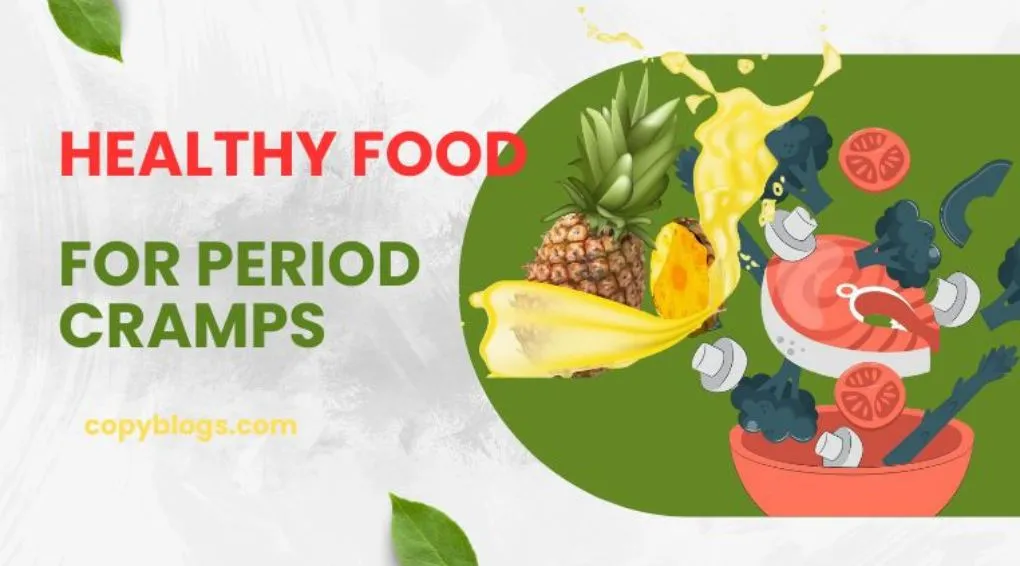
Period cramps can be uncomfortable and disturbing for most women. While pain killers help, the foods can also work effectively. In previous blog, we went through the best home remedies for period pain relief. Today, we are going to dive into the best foods for period cramps. Certain foods can naturally ease period pain and discomfort. Let’s explore those natural foods and how they work to reduce pain.


Best Anti-Cramp Foods to Eat During Your Period

1. Brown Rice

Brown rice is one of the best foods for period cramps. This type of rice is rich in magnesium, which relaxes the muscles and reduces menstrual pain. Indeed, magnesium reduces tension in the uterine muscles. In addition, brown rice is a complex carbohydrate that helps stabilize blood sugar levels. Stable blood sugar can improve mood and energy during your period. Studies show that magnesium-rich diets are beneficial for menstrual discomfort. However, if you have kidney issues, consult your doctor before increasing magnesium intake.

2. Broccoli

Broccoli is a nutrient powerhouse. This vegetable is rich in calcium, magnesium, and fiber. Therefore, it’s also one of the best foods for period cramps. Calcium helps regulate muscle contractions, while magnesium soothes cramps. Additionally, broccoli supports detoxification, which can improve hormone balance during menstruation. A balanced hormone level often means fewer cramps. Its high fiber content aids digestion, which can also alleviate bloating. If you have thyroid issues, consume broccoli in small portion.

3. Leafy Green Vegetables

Leafy greens such as spinach and kale are excellent for menstrual health (Source). They provide iron, calcium, and magnesium, all of which help reduce period pain. These nutrients combat fatigue and bloating while promoting muscle relaxation. Leafy greens also support hydration, which can further ease cramps. If you’re prone to kidney stones, limit high-oxalate greens like spinach.

4. Walnuts

Walnuts are packed with omega-3 fatty acids, which are anti-inflammatory. These properties help reduce the intensity of cramps by soothing inflammation in the uterine lining. Moreover, walnuts are a good source of magnesium and vitamin E. Both of them work well for menstruation. Including walnuts in your diet can improve your overall menstrual health.

5. Flaxseeds

Flaxseeds are tiny but potent. They contain omega-3 fatty acids and lignans, which help regulate hormones. Hormonal balance can lead to fewer cramps and a smoother period. They are also rich in fiber, which helps with digestion and reduces bloating. Research has shown that flaxseeds can reduce menstrual discomfort. Grind flaxseeds for better absorption and avoid them if you’re allergic.

 6. Almonds and Pumpkin Seeds

In the list of the best foods for period cramps, almonds aid in easing muscle tension and pain relief. These seeds are rich in vitamin E, magnesium, and healthy fats. Pumpkin seeds are great source of zinc and magnesium, which help with hormone balance and cramp relief. Some studies found that zinc can reduce menstrual pain effectively. However, be cautious if you have nut allergies, then go for other foods on this list instead.

7. Olive Oil

Olive oil contains healthy monounsaturated fats and antioxidants. These nutrients have anti-inflammatory effects that can reduce period pain. Using olive oil in cooking or as a salad dressing can make your meals both delicious and healthy. Extra virgin olive oil is particularly effective due to its higher nutrient content. Regular consumption promotes better menstrual health and reduced cramp severity.

8. Chicken and Fish

Chicken is a good source of lean protein and iron, which is crucial for replenishing lost nutrients during menstruation. Low iron levels can intensify fatigue and cramps, and chicken is a great ideal addition. Fish, especially fatty fish such as salmon, is rich in omega-3 fatty acids and vitamin D. These nutrients reduce inflammation and relax the muscles. According to research, omega-3s can significantly lower menstrual pain intensity. Avoid fried and processed versions to maintain health benefits.

9. Pineapples

Pineapples are also the best foods for period pain relief. Bromelain, a proteolytic enzyme, in pineapples aids in shedding of the uterine lining. Furthermore, this enzyme helps soften the uterus and relax the muscles. Besides, bromelain improves the blood flow. Thus, the enzyme is very helpful to release the pain during your period.

10. Berries

Berries have high levels of vitamin C, fiber, and flavonoids, which ease menstrual cramps. Vitamin C has been known to balance the hormonal level, thus potentially lowering the degree of pain. Flavonoids contain anti-inflammatory properties, thus alleviating pain. Moreover, fiber helps in digestion, hence it may balance hormones in the body and also relieve discomfort during menstruation.

11. Tomatoes

Tomatoes are known as an excellent antioxidant and anti-inflammation. These properties help minimize the inflammation in the pelvic area. Consequence, it minimizes the menstrual pain. In addition, potassium in tomatoes is affective to the maintenance of electrolyte balance in the body. It supports in lowering bloating and retaining sodium balance during your period.

How to add those foods in your diet to release period pain

Adding these foods to your diet is easy. Start your day with oatmeal topped with flaxseeds and walnuts. Include a leafy green salad with olive oil dressing for lunch. For dinner, grill some fish or chicken and have that with broccoli and brown rice. Snack on almonds or pumpkin seeds throughout the day. Additionally, you can consume juice or smoothies of these foods.

Conclusion

The best foods for period cramps are safe and easy to add in your diet. These foods are rich in nutrients that supports in reducing inflammation, relaxing muscles, and balancing hormones. This would mean quite a lot in combating the pain associated with menstruation. Consult a professional if you have a restricted diet or allergies to particular foods.

Read more:
Foods that unclog your arteries | Natural remedies for headaches and migraines

Food & Health

HOME REMEDIES FOR PERIOD PAIN RELIEF

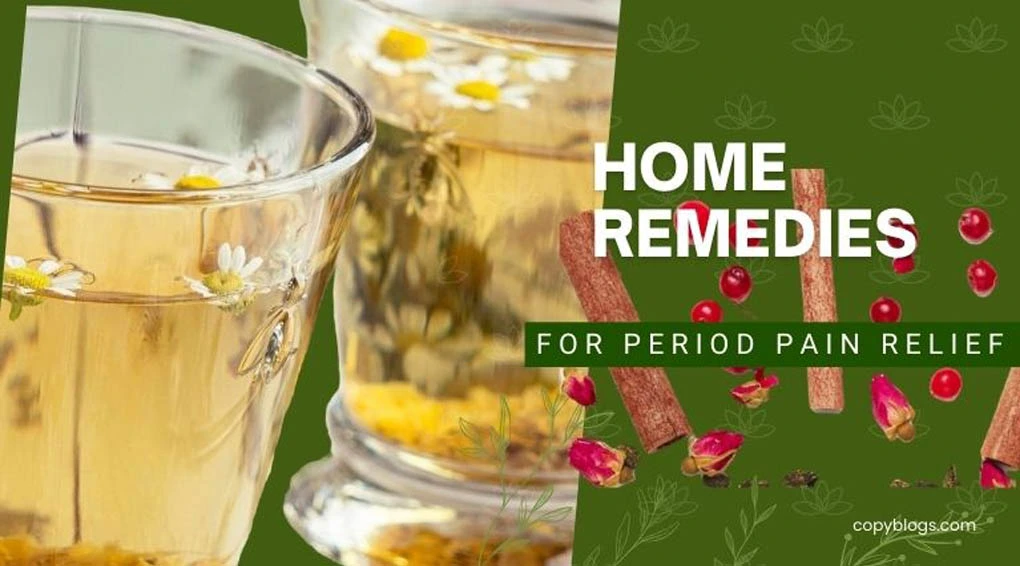
Natural remedies for period pain, including herbal tea, hot water bottle, yoga mat, and magnesium-rich foods.

Period pain can cause exhaustion to most of the women. Fortunately, many home remedies for period pain relief can help deal with this discomfort. Let’s dive into those best home remedies for period cramps.

1. Heat Therapy

Heat therapy is one of the best home remedies for relieving period pain. Applying heat to your lower abdomen relaxes the muscles and reduces cramping.

Use a heating pad, hot water bottle, or a warm towel. Place it on your lower abdomen for 15-20 minutes. Repeat as needed throughout the day.

2. Massage with Essential Oils

Massage on your abdomen with essential oils to relieve pain and create relaxation. Some of the common pain-relieving oils include lavender, clary sage, and marjoram.

Mix a few drops of essential oil with carrier oil such as coconut or olive oil. Massage your lower abdomen for several minutes. Be cautious, however, if you have sensitive skin or allergies to essential oils.

3. Light Exercise or Yoga and Meditation

Light exercise, yoga, and meditation can increase blood flow and reduce stress, which helps in managing period pain. Therefore, this is also one of the best home remedies for period pain relief.

Engage in light activities such as walking, gentle yoga poses, or deep breathing exercises. Aim for at least 30 minutes a day. Avoid strenuous activities if you’re feeling too uncomfortable.

4. Acupressure

Acupressure is the process of using pressure on certain points in the body to help alleviate pain. It is a great technique for the reduction of menstrual cramps.

Find the pressure points, such as the space between your thumb and index finger or three finger-widths below your navel. Use gentle pressure for a few minutes. If you have any health condition, consult a professional before trying acupressure.

5. Ginger

Ginger has anti-inflammatory effects that can soothe menstrual cramps and discomfort. Hence, you can use this herb as home remedies for period cramps.

Prepare ginger tea by putting fresh ginger slices in a pot of boiling water. Boil for 10 minutes, then drink it 2-3 times a day when you’re on your period. However, take ginger in small portions if you have a sensitive stomach. Additionally, you should talk with your doctor if you are taking blood thinners or have a bleeding disorder.

6. Chamomile Tea

It is an excellent soothing and anti-inflammatory herbal remedy for getting relief from menstrual pain.

Steep chamomile tea bags in hot water for 5-10 minutes. Drink the tea 2-3 times a day. But avoid chamomile if you’re allergic to ragweed or similar plants.

7. Magnesium

Magnesium helps relax muscles and reduce cramping. Including magnesium-rich foods in your diet can provide relief.

Intake foods such as spinach, almonds, and avocados. Consult a healthcare provider if you are thinking of taking magnesium supplements.

8. Cinnamon

Cinnamon has anti-inflammatory and antispasmodic properties that help reduce menstrual pain effectively.

Add cinnamon to your tea, smoothies, or meals. One teaspoon of cinnamon powder per day can work as home remedies for period pain relief. If you have liver problems, use cinnamon in moderation.

9. Fennel Seeds

Fennel seeds are supportive to ease menstrual cramps and aid digestion.

Boil one teaspoon of fennel seeds in water for 5-10 minutes. Drink this fennel tea twice a day. If you are pregnant or have any health conditions, you should consult your doctor before consuming fennel seeds.

Conclusion

The following home remedies for period cramps are natural, non-invasive, and quite effective. However, be careful in using the above remedies if you have any health problems or allergies. You should talk with your doctor if needed for best results.

You may also like: Home remedies for cold and flu |  Natural remedies for headaches and migraines

Food & Health

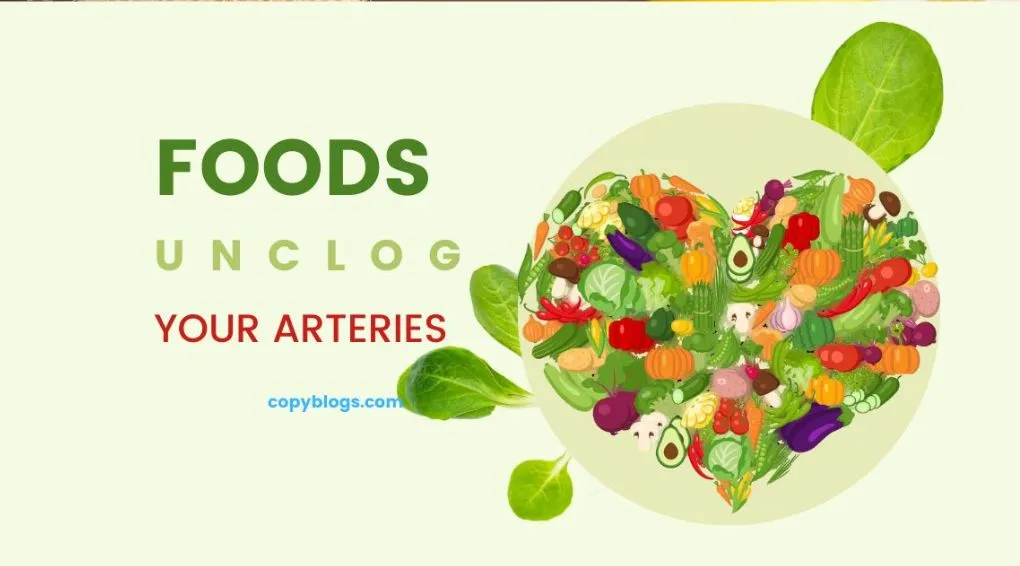
FOODS THAT UNCLOG YOUR ARTERIES

FOODS THAT UNCLOG YOUR ARTERIES

Keeping your arteries in good health is important for maintaining a healthy heart. Arteries become blocked and can lead to heart attacks or strokes. On the other hand, some foods naturally dissolve the blockages in your arteries. These are scientifically supported, easy-to-add foods in your diet. Let’s dive into the foods that unclog your arteries.

Leafy Green Vegetables

Leafy greens, such as spinach, kale, and arugula, contain nitrates. Nitrates dilate arteries and improve blood flow. Moreover, these vegetables are sources of antioxidants, which minimize inflammation. Try them raw in salads, soups, or cooked as a side dish. Patients taking blood thinners should see the doctor before adding leafy greens to their diet.

Tomatoes

Tomatoes are low in calories, high in fiber and antioxidants, and have many nutrients. Particularly, tomatoes contain lycopene and potassium that are good for heart. While potassium helps lower blood pressure, lycopene keeps cells from damage. On that account, tomatoes are also the foods that unclog your arteries.

 Berries

Other foods that unclog your arteries are berries. The fruits are good sources of antioxidants. The antioxidants inhibit inflammation and avoid damaging arteries. Berries help improve blood pressure levels and lower cholesterol levels. Therefore, you can add berries to smoothies, yogurt, or oatmeal for making your heart stronger. But for all that, those diagnosed with diabetes must limit the serving size to avoid effects in blood sugar.

 Avocados

Avocados are a good source of monounsaturated fats and potassium. These nutrients decrease bad cholesterol and minimize plaque in the arteries. Spread avocado on toast or add slices to salads and sandwiches. Additionally, you can add avocados in your smoothies. Though avocados are beneficial, they are calorie-dense, so consume them in moderation.

Apples

 Apples can reduce the risk of heart disease thanks to its soluble fiber. Besides, apples help lower blood pressure and decrease chance of stroke. In consequence, you can definitely add apples in your regular diet. You can eat apples directly. Otherwise, you add them in salads or drink the juice. Yet, if you have diabetes, limit your portion to maintain good blood sugar.

Bananas

 Bananas, filled with potassium, keep up normal heart function and maintain the electrolyte balance in the body. Furthermore, potassium supports the kidneys in excreting excess sodium and maintain healthy blood pressure.

Nuts

Nuts are also the foods that unclog your arteries. Almonds, walnuts and other nuts are excellent choices for your heart health. Loaded with healthy fats, fiber, and antioxidants, they can aid your body in lowering bad cholesterol and plaque formations. Eat one handful of unsalted nuts or sprinkle nuts over salads can reduce the risk of heart disease. However, be cautious if you have allergy to nuts.

 Fatty Fish

Fatty fish include salmon, mackerel, and sardines are beneficial for heart. These contain omega-3 fatty acids. Omega-3s decrease inflammation and lower bad cholesterol (LDL). Not only that, but they also increase good cholesterol (HDL). You can eat fatty fish twice a week by grilling or baking it. Pregnant women should avoid fish with high mercury levels, such as mackerel.

Olive Oil

Extra virgin olive oil is a staple in the Mediterranean diet. It is full of healthy fats and antioxidants that protect the arteries. Olive oil reduces inflammation and bad cholesterol levels. Consequently, consuming olive oil can help unclog the arteries. You can use it as a salad dressing or drizzle it over cooked vegetables. Don’t cook olive oil at very high temperatures to retain its nutrients.

Whole Grains

Whole grains include oats, brown rice, and quinoa. These contain fiber. Fiber reduces cholesterol and helps keep the arteries clear. Whole grains also maintain good blood sugar levels, improving heart health in general. Replace white rice or bread with whole-grain rice or bread. Gluten-sensitive people must use certified gluten-free grains.

Garlic

 Garlic contains allicin, which improves blood flow and reduces plaque. Further, it helps to lower blood pressure. In addition, garlic helps improve cholesterol levels that may lower the risk of heart disease. Crushed garlic can be added to sautéed vegetables, soups, or sauces for flavor and heart benefits. People on blood thinners should take garlic cautiously.

Turmeric

Turmeric possesses curcumin, the chemical with strong anti-inflammation properties. This herb reduces damage to an artery and prevents cholesterol aggregation. Use turmeric powder in curries, tea, or golden milk. You should consult a doctor before any supplementation since some medications may interact.

Green Tea

Green tea is rich in catechins, antioxidants that improve artery health. Moreover, it helps reduce cholesterol and boosts metabolism. Drink 2–3 cups of green tea daily for maximum benefits. People sensitive to caffeine should limit their intake.

Bottom line

Choose the right food for yourself. Fatty fish, nuts, berries, avocados, and leafy greens make your arteries clear. All these provide scientifically proven benefits. Inculcate them in your diet to ensure a healthy heart. Please consult your doctor if you have some specific health issue before you decide to change your diet.

Read more:
Natural remedies for headaches and migraines
Worst foods for high cholesterol

Food & Health

HOME REMEDIES FOR COLD AND FLU

Home Remedies for Cold and Flu

Search for remedies for cold, cough, flu, and sore throat? You’re at the right place.

Cold and flu are common illnesses that can make you feel terrible. While they usually come and go, natural remedies can help ease the symptoms. These home remedies are backed by science and offer safe, effective relief.

Below are the best home remedies for cold and flu for you to try at home.


Quick and Easy Remedies for Cold and Flu Recovery

Garlic

Garlic contains natural antibacterial and antiviral properties (TrustedSource). It helps the body fight infections and reduces cold symptoms.  Additionally, those properties aid you in boosting the immune system.

You can consume raw garlic or add it in soups and salad. For positive outcomes, crush a clove of garlic and let it sit for a few minutes, then eat. However, eating too much garlic may cause stomach discomfort for some people.


Echinacea

Other best home remedies for cold and flu will include echinacea. Echinacea is a popular herb that may help boost your immune system. The herb helps reduce the severity of cold symptoms. Drinking echinacea tea two to three times a day can shorten recovery time. However, people with allergies to daisies or ragweed should avoid echinacea.


Vitamin C

Vitamin C supports your immune system and combat with cold and flu. While it does not prevent illnesses, it can reduce the recovery duration according to research. Vitamin C – rich foods, including oranges, lemons, kiwis, and bell peppers are good sources. Eating these foods frequently can retain your body strong.


Menthol Ointment

Considered as one of the best home remedies for cold and flu, menthol ointments can help in congestion relief.

Rub a small amount of menthol ointment on your chest or under your nose. The cool sensation opens your nasal passages and make it easier to breathe.

If you are having injured or sensitive skin, avoid these areas when you apply menthol.


Saltwater Gargle

A sore throat may come along with your cold and flu. Thus, saltwater gargle is a simple and effective remedy for quick healing (Source).

Mix half a teaspoon of salt in warm water and gargle for a few seconds. Saltwater helps reduce swelling and remove bacteria from your throat. Keep doing this process two to three times daily for a complete healing.


Saltwater Nasal Spray or Steam

Saltwater sprays help clear nasal congestion by thinning mucus. It is easy to make this remedy at home.

Mix one teaspoon of salt in two cups of warm water. Use a clean syringe to apply the solution to your nose.

Alternately, inhaling steam can also loosen mucus. Cover your head with a clean towel, breathe in the steam from a bowl of hot water. Keep your mind and body calm and relax. However, be cautious not to burn yourself with the steam.


Ginger

Ginger is also one of the best home remedies for cold and flu. Thanks to its powerful anti-inflammatory and antioxidant properties, ginger supports in healing nausea.

You can make ginger tea by adding some slices of fresh ginger in hot water. Add some honey for extra soothing benefits. Drink ginger tea two to three times a day for better outcome.


Honey

Honey is another natural remedy that soothes a sore throat and calms coughing.

Studies find that honey works as well as cough syrups for mild coughs.

Simply take a spoonful of honey or mix it into hot water or tea. Alternatively, you can prepare a jar of honey and lemon for ready use in case of coughs.

However, never give honey to children under one year old, as it can cause harm.


Essential Oils

Essential oils, such as eucalyptus or peppermint, help clear congestion and ease breathing (Source).

Add a few drops of essential oil to hot water and inhale the steam for relaxation. You can also mix essential oils with olive oil, or coconut oil and rub it on your chest.

Make sure to avoid direct contact with the eyes and skin irritation.


Probiotics

Probiotics are good bacteria for a healthy immune system. The latest science review in 2023 confirmed its possible effects on common flu, influenza, and influenza-like illness.

Yogurt and fermented foods are great probiotic sources. These foods help your body fight infections and recover faster. Include them in your regular diet to support your gut health.


Cautions and Risks

While these remedies are normally safe, some certain people should keep in mind their side effects.

  1. Garlic and ginger can upset sensitive stomachs if consumed in excess.
  2. Echinacea can cause allergy in people sensitive to daisies or ragweed.
  3. Essential oils must always be diluted and used carefully to avoid skin irritation.
  4. Lastly, honey is unsafe for babies under one year old.

Conclusion

Home remedies can boost healing cold and flu symptoms in a gentle and effective way. Garlic, honey, vitamin C, and ginger are herbs that you can use at home. Steam, saltwater gargles, and menthol ointments come up with benefits to congestion and sore throats.

Nevertheless, these remedies should be used cautiously. Moreover, you should seek medical advice if the symptoms worsen.

By using these tips, you can recover faster and feel more pleasant while your body fights the illness.


You may also like:

Home remedies for stomach ulcers
Best foods for good eyesight

Food & Health

NATURAL REMEDIES FOR HEADACHES AND MIGRAINES

Natural remedies for headaches and migraines

Headaches and migraines can significantly disrupt our lives. Although over-the-counter medications provide relief, many people prefer natural remedies. For those seeking natural remedies for headaches and migraines, several options exist. These remedies are often backed by science and offer effective, side-effect-free relief.

Natural Remedies for Headaches and Migraines – Effective Relief Without Medication


Hydration

First, hydration is essential.

Dehydration is one of the most common headache triggers. Therefore, drinking enough water throughout the day can help reduce the attack frequency. Thus, ensure you stay hydrated.


Herbal Teas

Second, herbal teas such as peppermint and chamomile may help relieve the soreness.

They have a soothing effect and can reduce the pain of headaches.


Essential Oils

Moreover, essential oils are also popular natural remedies.

Among them, peppermint oil has been found to be effective. Applying this to the temples can ease a headache.

Lavender oil is also a powerful oil. Its soothing properties help calm the migraine.

Researchers have also established the benefits of these oils. Therefore, those essential oils are among the best natural remedies for headaches and migraines.


Healthy Diet

Dietary changes can also be transitional. Some foods cause headaches (Source).

Chocolate, caffeine, and aged cheeses are common headache triggers.

Contrarily, foods rich in magnesium can be helpful. Magnesium is known to prevent migraines. Nuts, seeds, and leafy greens are good sources of magnesium.


Exercise

Besides diet changes, the physical practices also play an important role as per the study in 2022.

Regular exercises can decrease the frequency of headaches. Exercise releases endorphins that are natural painkillers.

In addition, yoga and meditation have been found to be effective. They reduce stress, which is one of the major causes of headaches.


Sleep Quality

The quality of sleep is another important aspect. Poor sleep can lead to headaches. Hence, maintaining a good regular sleep schedule is important.

Ensure your sleeping environment is comfortable. This helps in preventing sleep-related headaches.


Acupuncture

Acupuncture is another effective treatment. This traditional Chinese practice is inserting very thin needles into specific points.

Acupuncture can help to ease headache symptoms. Many studies show that it is an effective treatment.


Natural supplements

Feverfew and butterbur are two of the best supplement options (TrustedSource).

These herbs have anti-inflammatory properties. They prevent migraines.

Before beginning any supplement, however, it’s a good idea to talk to a healthcare provider first.


Screen Off

In addition to these remedies, staying away from screens also works for relief of headaches and migraines.

Long screen times lead to eye strain and headaches. One should take frequent breaks in front of the screens.


Ice and Warm Compress

Finally, an ice or a warm compress applied may bring instant relief. The science review in 2023 confirmed that cold intervention is an effective regimen to reduce migraine pain instantly.

Ice compresses numb the area and reduce inflammation. A heat compress relaxes tense muscles. The choice is based on individual preference.


Conclusion

These include several natural remedies for headaches and migraines. The remedies provide wonderful relief without the side effects.

Such natural remedies include staying hydrated, the use of essential oils, dietary change, exercise, good sleep, and acupuncture. Another supplement is feverfew and butterbur.

Limiting time spent on screens and applying compresses can be quick relief. Using these natural remedies for headaches and migraines can improve your quality of life significantly.

Use natural pain management methods for effective prevention and healing of headaches and migraines. Natural pain relief medication provides a healthy and integral solution to managing pain.

Read more:

Best natural foods for weight loss
Top 10 impressive health benefits of watercress

Food & Health

WORST FOODS FOR HIGH CHOLESTEROL

Worst Foods for High Cholesterol

High cholesterol, also known as hyperlipidemia, poses a serious risk for heart disease, making it essential to manage cholesterol levels through dietary changes. Knowing which foods to avoid is key to maintaining a healthy heart. Let’s take a look at the worst foods for high cholesterol.

Red and Processed Meats

Red meats and processed ones including beef, pork, lamb, sausages, and bacon, are loaded with saturated fats. These saturated fats can create LDL cholesterol levels (bad cholesterol), thereby increasing the risk of cardiovascular diseases. Instead of eating those meats, you can intake lean chicken or fish.

Full-Fat Dairy Products

Full-fat dairy products can also be a concern. Items like whole milk, butter, cheese, and cream are high in saturated fats, which can raise cholesterol levels. Choosing low-fat or non-fat dairy options is a better way to go.

Baked Goods and Sweets

Baked goods and sweets frequently contain high amounts of trans fats and sugars. Cakes, cookies, and pastries are prime examples that can raise LDL cholesterol levels. Additionally, items like sodas, candies, and sweetened cereals are also the worst foods for high cholesterol. When baking, applesauce or bananas will be better replacement for butter. Besides, enjoying low-fat frozen yogurt with berries for dessert is more beneficial for your overall health.

 Fried Foods

Fried foods are among the worst foods for high cholesterol. French fries, fried chicken, and doughnuts are often high in trans fats, which contribute to the risk of high cholesterol and heart disease. Instead, consider boiling or steaming your food for a healthier diet.

Tropical Oils

Tropical oils, such as palm oil and coconut oil, have gained a negative reputation due to their high saturated fat content, which is often associated with heart disease. Saturated fat can increase bad cholesterol and triglycerides. Those are the risk factors for heart disease.

Fast Food

Fast food is well-known for being detrimental to cholesterol levels. Foods like burgers, fries, and pizzas are packed with unhealthy fats that can significantly raise cholesterol.

Processed Snacks

Snacks such as chips and crackers are typically high in trans fats and sodium, which can raise cholesterol levels. It’s a good idea to swap these out for healthier options like nuts and fruits.

Bottom line

To maintain heart health, it’s crucial to steer clear of these foods that can negatively impact cholesterol levels. By making informed dietary choices, you can effectively manage your cholesterol. Always check food labels and choose healthier alternatives. A balanced diet is essential for a healthy heart, so aim to include more fruits, vegetables, and whole grains in your meals. Regular exercise and staying hydrated are also important. Additionally, consulting a healthcare provider for personalized advice is always a good idea.

You may also like:

Top natural foods for high cholesterol
Top 10 impressive health benefits of watercress

Food & Health

TOP 10 IMPRESSIVE HEALTH BENEFITS OF WATERCRESS

10 Impressive Health Benefits of Watercress

Watercress is a leafy green contained impressive health benefits. This vegetable grows in many water sources and is used in many dishes. Rich in vitamins, antioxidants, and essential minerals, watercress supports reducing the risk of several chronic diseases and overall health. Let’s take a look at the top 10 impressive health benefits of watercress and how to add it in your meals.

Health Benefits of Watercress

1. Packed with Nutrients

Watercress is low in calories but high in vital nutrients. It contains vitamins A, C, and K, as well as calcium and iron.

One cup (approximately 34 grams) of chopped, fresh watercress contains:
3.7 calories
0.2 g fiber
0.8 g protein
0.4 g carbohydrates
1,085 IU vitamin A (22 percent DV)
85 micrograms vitamin K (106 percent DV)
14.6 milligrams vitamin C (24 percent DV)
40.8 milligrams calcium (4 percent DV)
0.1 milligram manganese (4 percent DV)

2. Support Immune System

The high vitamin C content in watercress help enhance the immune system. It helps fight infections and supports faster recovery from injuries. Not only that, watercress also helps produce healthy collagen for the body. Additionally, vitamin A in this vegetable can aid in keeping the organs strong.

3. Improve Heart Health

Watercress may lessen the risk of heart disease. Studies show that antioxidants in watercress helps lower cholesterol levels and improves blood vessel function.

4. Enhance Eye, Bone and Teeth Health

Along with calcium, potassium and magnesium, vitamin K in watercress is essential for bone health. It fosters calcium absorption and reduces the risk of fractures.

Packed with high levels of vitamin A and lutein, watercress help protect the eyes against damages from blue light. These nutrients reduce the risk of macular degeneration.

5. Aid in Cancer Prevention

Compounds in watercress, like beta-carotene and other carotenoids, show their potential in lowering cancer risk. They help neutralize harmful free radicals.

6. Contribute Anti-inflammatory Benefits

This vegetable contains antiviral and antibacterial properties, which can support in reducing inflammation. Some studies have shown that watercress extract can aid in shrinking tissue damages and lumps.

7. Improves Skin Health

Antioxidants in watercress combat skin aging. With high water content, this vegetable nurtures proper hydration. Additionally, vitamin C supports collagen production, keeping skin firm and youthful.

8. Supports Digestive Health

Watercress contains fiber, which improves digestion. It also stimulates bile production, aiding the breakdown of fats. Digestive enzymes help the body utilize essential nutrients in every meal.

9. Strengthen Athletic Performance

Rich in nitrates, watercress improves oxygen delivery to muscles. This can boost endurance and reduce fatigue during workouts. It also helps muscles function effectively and feel less painful.

10. Control the Weight

Low in calories and high in nutrients, watercress is a good pickup for weight control. Its fiber and water content keep you feeling full for longer and hydrated.

Who Should Avoid Watercress?

Despite impressive health benefits of watercress, some individuals should limit or avoid it. Those taking blood-thinning medications should consult a doctor, as vitamin K may interfere with the drugs. Pregnant women should also avoid excessive consumption due to its potential to stimulate uterine contractions.

How to Incorporate Watercress in Your Diet

Adding watercress to your meals is simple and delicious. Toss it into salads for a peppery flavor boost. Blend it into smoothies with fruits for a nutrient-rich drink. Use it as a garnish in soups or stews for added nutrition. You can also sauté it lightly with garlic for a quick side dish.

Bottom Line

Watercress is a powerhouse vegetable with numerous health benefits. Whether you aim to boost immunity, improve heart health, or enhance your diet, this superfood is worth adding to your meals. Make watercress a regular part of your diet and enjoy its incredible health advantages. In case of smoothies or juice, you should drink it immediately or refrigerate and take it within a day to avoid bacterial contamination.

Read more:

Best natural foods for weight loss| Natural foods for kidney health

Food & Health

BEST NATURAL FOODS FOR WEIGHT LOSS

Best Natural Foods for Weight Loss

Diet trends come and go, but one timeless and effective approach is incorporating natural, whole foods into your diet. While diet and exercise play crucial roles, incorporating the right foods into your diet can significantly boost your weight loss journey. Let’s take a look at the best natural foods for weight loss.

Fruits and Vegetables

Rich in vitamins, minerals, and fiber, fruits and vegetables are key to any weight-loss plan. They are naturally low in calories but high in water content, making them filling while promoting hydration. Their fiber content helps improve digestion and keeps you full longer.

  • Leafy Greens: Spinach, kale, and arugula are low-calorie, nutrient-dense vegetables perfect for weight loss.
  • Berries: Blueberries, raspberries, and strawberries are packed with antioxidants and have fewer calories compared to other fruits. They can help regulate blood sugar levels and reduce cravings.
  • Cruciferous Vegetables: Broccoli, cauliflower, and Brussels sprouts are high in fiber and nutrients, and they support fat loss due to their low-calorie count.

Whole Grains

Unlike refined grains, whole grains including brown rice, oat, quinoa, and whole-wheat bread provide a slow release of energy and help stabilize blood sugar levels and reduce cravings. They are rich in fiber and essential nutrients, which keeps you feeling full for longer and aids in digestion.

Lean Protein

Lean protein sources like chicken breast, fish, eggs, beans, and lentils can help build muscle mass and boost metabolism.

  • Chicken Breast: A lean source of protein, chicken breast helps build muscle without excess fat.
  • Fish: Salmon, mackerel, and sardines are rich in omega-3 fatty acids, which help reduce inflammation and support weight loss.
  • Legumes: Lentils, chickpeas, and beans are plant-based proteins high in fiber and low in fat, ideal for weight loss.
  • Eggs are a versatile and nutritious food that can help you feel full and satisfied. They are a good source of protein and healthy fats.

Yogurt

Yogurt is a great source of protein and probiotics, which can aid in digestion and weight loss.

Healthy Fats

Contrary to popular belief, not all fats are bad. Healthy fats are essential for weight loss as they help absorb vitamins, maintain cell function, and promote satiety.

  • Nuts and seeds, such as almonds, walnuts, flaxseeds and chia seeds are packed with healthy fats, fiber, and protein. They can help you feel full and satisfied, reducing the urge to snack on unhealthy foods.
  • Avocados: Packed with monounsaturated fats, avocados are great for keeping hunger at bay.
  • Olive Oil: Rich in antioxidants and heart-healthy fats, olive oil can be a great addition to salads and cooked meals.

Superfoods

Superfoods are loaded with nutrients and offer numerous health benefits beyond weight loss. They are great for improving metabolism, boosting energy, and detoxifying the body.
Green Tea: Contains antioxidants like EGCG, which can boost metabolism and enhance fat burning.

  • Spirulina: A blue-green algae, spirulina is rich in protein and nutrients that support detoxification and weight loss.

Tips for Success

  1. Eat mindfully: Focus on whole, unprocessed foods and avoid eating out of boredom or stress. Be aware of the foods that make you hungrier.
  2. Portion control: Even natural foods can lead to weight gain if eaten in excess, so keep portion sizes in mind.
  3. Regular exercise: Combine your natural food diet with regular physical activity for optimal weight loss results.
  4. Hydration: Drinking enough water throughout the day is key to avoiding dehydration, which can sometimes be mistaken for hunger.
  5. Consult a Healthcare Professional: Before making significant dietary changes, consult with a healthcare professional to ensure they are suitable for your individual needs.
  6. Finally, the most important thing is to be disciplined with weight loss scheme. Losing weight and having a good shape will take time so all you need is to stick with the plan for best result.

You may also like:
The healing power of ginger honey | Top natural foods for high blood pressure