Category

Food & Health

Food & Health

HEALTH BENEFITS OF POMEGRANATE

HEALTH BENEFITS OF POMEGRANATE

Pomegranate is rich in vitamins, flavonoids, anthocyanins, punicic acid, ellagitannins, alkaloids, fructose, sucrose, glucose, simple organic acids, other components and properties. Let’s check out some health benefits of pomegranate.

Heart Health

Pomegranate contains some heart-protective properties. Studies have shown that pomegranate juice can help lower blood pressure and reduce the risk of heart disease. The antioxidants present in pomegranates help prevent the oxidation of LDL cholesterol, which can lead to plaque buildup in the arteries. Additionally, pomegranate juice may improve blood flow and reduce inflammation, further promoting heart health.

Powerful Antioxidant

Pomegranates are rich in antioxidants, particularly polyphenols like punicalagins and anthocyanins. Antioxidants combat oxidative stress, which can damage cells and contribute to chronic diseases. By neutralizing harmful free radicals, pomegranates help watch over cellular damage and support overall well-being.

Cancer Prevention

Some research suggest that pomegranates may have anticancer properties. The antioxidants and phytochemicals in pomegranates may inhibit the growth of cancer cells and reduce tumor size. Besides, pomegranate extract may be effective to prostate cancer. However, more research is needed to confirm this.

Digestive Health

Pomegranates are a good source of fiber, vitamins and prebiotics. They can aid in digestion and promote regular bowel movements. Moreover, pomegranates’ content can also help prevent constipation, inflammation, gastroesophageal and maintain a healthy gut microbiome.

Support Brain

Pomegranates’ properties may help slow the progression of Alzheimer’s disease. Not only that, those properties may help reduce oxidative stress in the brain and support cognitive function. Furthermore, pomegranate juice can help improve memory and neuroplasticity.

Urinary Health

Pomegranate extract can support bladder health and urinary tract infection (UTI), thus reduce the risk of kidney stones.

Glycaemic Control

Some studies showed that pomegranate may help drop fasting blood glucose and improve insulin sensitivity factor. In addition, pomegranate may support a decrease in the risk of diabetes.

Exercise Stability

A few studies showed that pomegranate may enhance exercise performance. Pomegranate juice can aid to renew damaged muscles.

Other health issues

Addition to the above benefits, pomegranates can support in easing symptoms of arthritis and other inflammatory conditions. Furthermore, this fruit may aid in immunity boost and beating back infections.

Bottom line

Pomegranate is nutritious fruit offering a wide range of health benefits. By adding this fruit to your diet, you can improve your overall health as well as prevent some diseases.

You may also like:

Top 10 Foods for Immunity Boost

Top Natural Foods for High Blood Pressure

Food & Health

Top 10 Foods for Immunity Boost

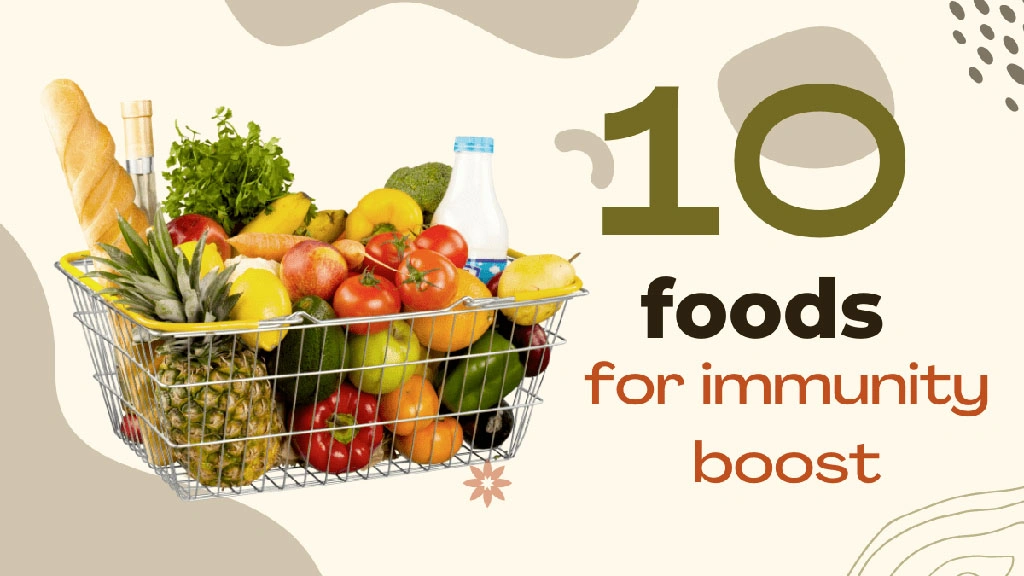
Top 10 Foods for immunity boost

Whenever the weather changes, you always feel uncomfortable and lazy. As a frequency, performance at work and lots of activities get impacted. For energetic recovery and a healthy immune system, you should not skip those foods. Here are the top 10 foods for an immunity boost.

foods for an immunity boostApple

The first of the top 10 foods for immunity boost is apple. Apples are extremely rich in important antioxidants, flavonoids, and dietary fiber. The phytonutrients and antioxidants in apples may help reduce the risk of developing cancer, hypertension, diabetes, and heart disease. Sweet or sour, apples are completely suitable for direct consumption or baking, or salad.


redish for Immunity BoostRadish

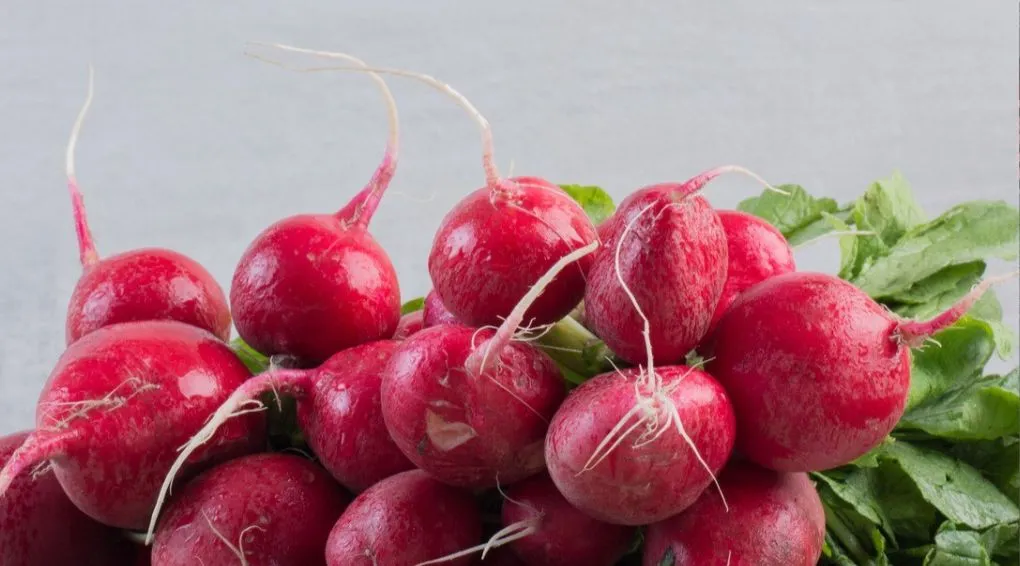
This vegetable is similar to carrots. Radish that common and beloved part of your salad, is a root crop, and it is pungent or sweet in taste with a lot of juice. Radishes can be white, red or purple and in terms of shape, they can be long and cylindrical or round. They can be eaten raw, cooked or pickled. You can also make a salad with some onions and salt. Or you can also cook with fish, or mash them to make sauce or soup. Radishes are rich in potassium and fiber.

Pear

Pears provide a very good source of fiber (4 grams/ per piece) and vitamins B2, C, E, copper, and potassium. They also contain a significant amount of pectin, which is a water soluble fiber. Pears are actually higher in pectin than apples.
The sweetness makes this fruit much loved. Instead of eating them in the normal way, you can mix pears with boiled potatoes, apples, carrots, peas, and other vegetables (at your favorite) and serve them like fresh salad.

Foods to Strengthen the Immune System

Cauliflower

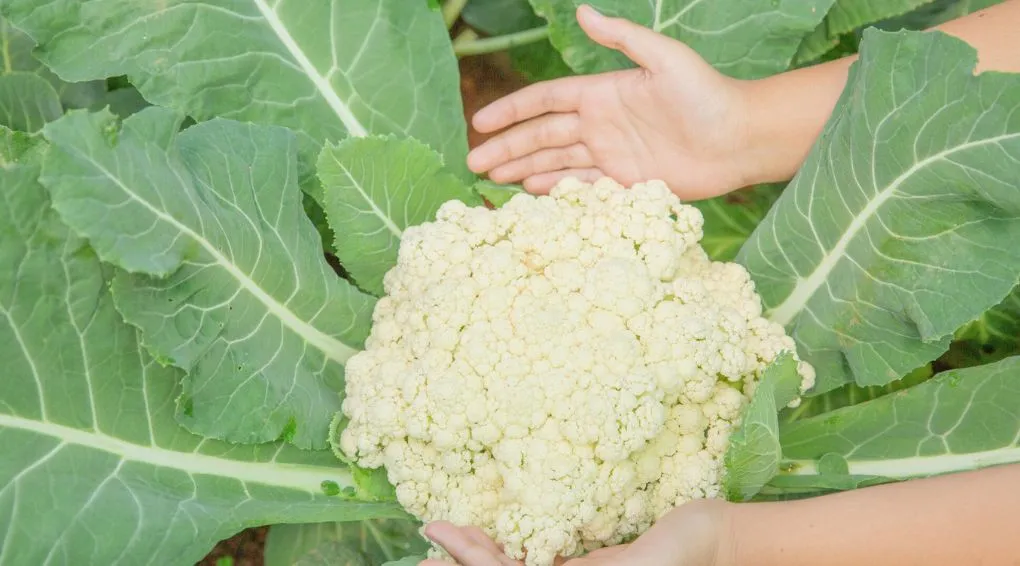
Not only have high levels of vitamin C, but Cauliflowers also contain compounds that help us prevent cancer. You must know that cauliflower supplies phytonutrients which reduce cholesterol.

It is definitely a good idea to have cauliflower in winter. There are different ways to process cauliflowers like boiling, stir-frying, etc. To change the taste, you can prepare chili honey cauliflower for serving – you would love it.

pumpkin for Immunity BoostPumpkin

Pumpkin is one of the widely grown vegetables incredibly rich in vital antioxidants, and vitamins. Though this vegetable is less in calories, it carries omegame-3, vitamin A, and flavonoid poly-phenolic antioxidants such as lutein, and carotenes in abundance. Combining pumpkin with cinnamon and ginger is for a special taste.

Sweet potato

How sweet it is for your health to eat sweet potatoes. This vegetable packs a powerful nutritional punch. They provide lots of vitamin A, manganese, pantothenic acid, iron and anti-inflammatory effects. Additionally, they are a good source of potassium, dietary fiber, and phosphorus. Boiled potatoes will retain more vitamins than baked.

Pomegranate

Pomegranates are among the top 10 foods that can boost your immunity and should be included in your daily diet. They are rich in flavonoids and polyphenols, which are powerful antioxidants that help protect against heart disease and cancer. In fact, a glass of pomegranate juice contains more antioxidants than red wine, green tea, blueberries, and cranberries. Additionally, pomegranates are a good source of vitamin C and folic acid.

Amazing Foods for Immunity Boost

Dates for Immunity BoostDates

Dates offer a variety of health benefits, including relief from constipation, intestinal disorders, heart problems, anemia, sexual dysfunction, diarrhea, and even abdominal cancer. They are rich in essential vitamins, minerals, and fiber. While dates are low in fat, they are high in fiber and potassium, which can help boost the immune system. This versatile fruit can be used in stews or chopped into desserts.

Kiwi

Kiwifruit is attractive due to its vibrant green color and unique taste. However, it offers much more than just an exotic touch to your fruit salad. These emerald delights are packed with numerous phytonutrients, vitamins, and minerals that contribute to your health.

Kiwifruit pairs well with other fruits like strawberries, watermelon, oranges, and pineapple. You might be surprised to learn that kiwifruit

 contains significantly more Vitamin C than oranges.

Grapefruit / Pomelo

Pomelo for immunity boost

Grapefruits are packed with antioxidants and provide approximately 75% of the daily vitamin C requirement for your body. They contain pectin and are rich in lycopene, which is effective in reducing cholesterol levels. Additionally, grapefruits offer vitamin C and beta-carotene, a precursor to vitamin A. Drinking grapefruit juice and consuming the fruit can provide numerous benefits, including weight loss and cancer prevention.

Read more: Top natural foods for high blood pressure

Food & Health

TOP 6 HEALTH BENEFITS OF CAULIFLOWER

TOP 6 HEALTH BENEFITS OF CAULIFLOWER

Cauliflower, a versatile cruciferous vegetable, is gaining popularity due to its numerous health benefits. It’s packed with essential nutrients, antioxidants, and fiber. Its mild flavor and low-carb nature make it a perfect ingredient for various dishes. These are the top 6 health benefits of cauliflower.

Nutritional Value of Cauliflower

The nutrients found in 107g of raw cauliflower are:
Calories: 27
Fiber: 2 g
Vitamin C: 58% of the Daily Value (DV)
Vitamin K: 14% of the DV
Vitamin B6: 12% of the DV
Folate: 15% of the DV
Pantothenic acid: 14% of the DV
Potassium: 7% of the DV
Manganese: 9% of the DV
Choline: 8% of the DV
Magnesium: 4% of the DV
Phosphorus: 4% of the DV

Top 6 Health Benefits of Cauliflower 

One of the most significant health benefits of cauliflower vegetables is to support digestive health. Cauliflower is a good source of dietary fiber, which promotes regular bowel movements and prevents constipation. Fiber nourishes beneficial gut bacteria, reducing inflammation.

Another important benefit of cauliflower is its potential to lower the risk of some chronic diseases. Studies have shown that consuming vegetables like cauliflower may reduce the risks of heart disease, stroke, diabetes, and cancer. This is likely due to their high antioxidant content, which helps save cells from damage caused by harmful free radicals.

In addition to its protective effects, cauliflower can also aid in weight management. This vegetable is low in calories but high in water and fiber, thus it may benefit weight control. By consuming cauliflower instead of high-calorie foods, you can manage your overall calorie intake and promote weight loss.

Furthermore, cauliflower is a great source of essential vitamins and minerals, including vitamin C, vitamin K, and potassium. Vitamin C is an important antioxidant that supports immune function, while vitamin K is beneficial for blood clotting and bone health. Potassium helps maintain healthy blood pressure and assists proper nerve function.

Besides, cauliflower is effective for metabolism and cell membrane integrity thanks to its choline. This nutrient is also essential to brain development as well as helping protect the liver from bad cholesterol accumulation.

Finally, cauliflower is rich in sulforaphane, an antioxidant that may lower blood pressure. Sulforaphane compounds may also benefit several chronic diseases, including diabetes, cancer, and heart disease.

Who need to be cautious while consuming cauliflower?

It’s important to note that while cauliflower is generally safe for most people, there are some individuals who should be careful when consuming it.

Cauliflower may cause digestive issues, including gas or bloating. To improve this matter, those people can try eating a smaller amount.

Next, people with hypothyroidism may need to limit their intake of cruciferous vegetables such as cauliflower. Eating a large amount of raw cauliflower can interfere with the body’s ability to absorb thyroid hormones.

Lastly, this vegetable is rich in vitamin K, which can affect people who are on blood thinner. They should also limit cauliflower, as vitamin K aids in blood clotting.

Bottom line

Although there are some side effects of cauliflower, as long as those considerations are kept in mind, consuming this vegetable is a great choice.

To add cauliflower to your diet, there are a few simple ways to do so. You can use it as a low-carb replacement for rice, potatoes, or pizza crust. It can also be roasted, steamed, boiled, or added to soups, stews, and stir-fries. For a healthy and delicious snack, roasting cauliflower florets with olive oil and spices will be delicious.

In conclusion, the health benefits of cauliflower are impressive and well documented. From supporting digestion to reducing the risk of chronic diseases, this vegetable offers a wide range of benefits for overall well-being. By incorporating cauliflower into your diet, you can improve your health and enjoy the many advantages it has to offer. If you have any health concerns, you should consult your doctor about any dietary limitations.

You may also like:
Top natural foods for high blood pressure
Best natural foods for diabetes
Benefits of amla juice

Food & Health

BEST NATURAL FOODS FOR KIDNEY HEALTH

BEST NATURAL FOODS FOR KIDNEY HEALTH

The kidneys are vital organs in the body. A healthy diet is important for maintaining good kidney function. Consuming the best natural foods for kidney health, which are low in sodium and potassium, can help strengthen kidneys and overall health.

Best Natural Foods for Kidney Health

Berries

Packed with antioxidants, berries, such as blueberries, cranberries, and raspberries, can help protect the kidneys from oxidative stress. Additionally, their low-calorie and high-fiber content promotes overall health.

Red Grapes

Grapes are among the best natural foods for kidney thanks to its good source of vitamin C and K. Those vitamins are really essential to kidneys. Low levels of vitamin C and K may lead to kidney disease. In addition, grapes are high in fiber, antioxidants, minerals and other compounds. They can aid the body in fighting oxidative stress, inflammation and can protect kidneys.

Apples

Apples are low in sodium, potassium and phosphorus, thus the fruits are beneficial to a kidney diet. Not only may help lower cholesterol, blood sugar and battle constipation, but apples may help improve kidney function thanks to their good source of fiber and anti-inflammatory properties.

Plums

A good source of vitamin A, plums may offer many health benefits to kidney, heart, lung and eyesight, and immune system. You can directly eat or cook plums in different ways.

Cauliflower

This vegetable may help the body flush toxins. Cauliflower is low in potassium, sodium and phosphorus; therefore, it’s a good choice for kidney health. Additionally, cauliflower is rich in vitamins and minerals, which are good for overall health.

Onions and Garlic

Nutrients, vitamins, fiber and minerals in onions may help kidney function. Besides, allicin in garlic and onions may lower blood pressure and help improve kidney health.

Turnips

The root vegetables contain vitamins, fiber and other nutrients. With right preparation, turnips can support in reducing the risk of kidney stones and improving overall wellness. You can consume turnips as salad, steam or boiled, or roast in your healthy diet.

Cabbage

Contained vitamins, minerals, bioactive and antioxidant compounds, cabbage may support in controlling blood sugar and reducing the risk of kidney damage.

Red Bell Pepper

These vegetables are a good source of vitamins C – A – B6, fiber and folic acid. Moreover, they contain antioxidants, which may support in protecting the cells from damage.

Arugula

Other healthy greens are often high in potassium, so many kidney patients need to avoid them. However, arugula is low in potassium, so it’s good for kidney.

Olive Oil

Olive oil is a healthier replacement than other cooking oils. Rich in unsaturated fats and vitamin E, olive oil can help lower blood pressure and reduce inflammation. Additionally, it is free from phosphorus, thus it’s a good option for improving kidney function.

Fish

Fatty fish like salmon, mackerel, and tuna are excellent sources of omega-3 fatty acids, which can reduce inflammation and support overall wellness. Though fish contain high protein, consuming small portion may help reduce the risk of kidney damage.

Egg whites

Egg whites deliver a good quality of protein and they’re low in phosphorus, so they’re also healthy renal diet.

Bottom line

By incorporating these best natural foods for kidney health into your daily diet, you can take proactive steps to protect your kidneys and improve your overall well-being. Furthermore, always keep you hydrated as water is the best option to flush toxin out of the kidneys. Before you start any diet plan, consult your healthcare professional for particular advice.

Read more:

Health benefits of pomegranate| Beauty benefits of cucumber

Food & Health

NATURAL FOODS FOR STRESS RELIEF

NATURAL FOODS FOR STRESS RELIEF

Stress has become an unavoidable part of our lives. While stress is a normal human response, chronic stress can have detrimental effects on our mental and physical health. Yet, there is a way to battle against it naturally. Changing your lifestyles and modify eating habit can help a lot.

Eating certain foods can greatly help in managing stress. The below are some natural foods for stress relief that you can add in your diet.

Natural Foods for Stress Relief

Fatty Fish

Fatty fish including salmon, mackerel, and sardines are rich in omega-3 and other nutrients which can help reduce inflammation and improve mood. Along with Omega-3, protein, vitamin B12, vitamin D and magnesium in fish can help lower levels of cortisol hormone. Consuming salmon and other fish at least twice a week can be beneficial to stress relief.

Green vegetables

Dark greens such as spinach, kale, Swiss chard and broccoli are packed with vitamins, minerals, and antioxidants. They can help reduce oxidative stress, which can contribute to feelings of anxiety and depression. Add these greens to your salads, smoothies, or stir-fries.

Artichokes

Artichokes are an incredible source of fibre and especially rich in prebiotics, a type of fibre that feeds the friendly bacteria in your gut. Consuming ate 5 or more grams of prebiotics per day experienced improved anxiety and depression symptoms, as well as that high quality, prebiotic-rich diets may reduce your risk of stress.
Artichokes are also high in potassium, magnesium, and vitamins C and K, all of which are essential for a healthy stress response.

Berries

Berries, including blueberries, strawberries, and raspberries, are rich in antioxidants and vitamins. They can help reduce inflammation and improve mood. Add berries to your smoothies, yogurt, or cereal to support you in battling depression and boosting your mood.

Nuts and Seeds

Nuts and seeds are excellent sources of healthy fats, fibre, and magnesium. Eating a handful of pistachios, walnuts, sunflower seeds or almonds daily may help lower your cholesterol, ease inflammation in your heart’s arteries, and protect you against the effects of stress. Add nuts and seeds to your yogurt, salads, or baked goods.

Legume

Legumes are packed with stress-fighting vitamins and minerals, including magnesium, potassium, B vitamins, zinc, selenium, manganese, and copper. They are also rich in L-tryptophan, which your body needs to produce mood-regulating neurotransmitters.

Herbal Teas

Herbal teas like chamomile, lavender, and peppermint have calming properties that can help reduce stress and anxiety. Sip on a cup of herbal tea before bed to wind down and promote restful sleep.

Green Tea

Green tea contains L-theanine, an amino acid that promotes relaxation and reduces anxiety. For a calming effect, drink one to two cups of green tea daily, especially in the morning or mid-afternoon.

Sweet Potatoes

Sweet potatoes are a whole food that makes an excellent carb choice. They’re packed with nutrients such as vitamin C and potassium, that are important for stress response.

Eggs

Eggs are good source of vitamin D, amino acids, antioxidants and other protein. Those properties are needed for a healthy stress response. Additionally, whole eggs are rich in choline, which has been shown to play an important role in brain health and may protect against stress.

Turmeric

The active ingredient in turmeric, called curcumin, may help lower anxiety by reducing inflammation and oxidative stress. A study found that 1g of curcumin per day reduced anxiety in adults with obesity.

Yogurt

Yogurt is a good source of probiotics, which can help improve gut health. A healthy gut has been linked to better mental health and reduced stress. Consuming healthy bacteria can increase happiness. Therefore, adding yogurt and other fermented foods in the diet can benefit the natural gut bacteria and may reduce anxiety and stress.

Bottom line

A balanced diet is important to overall wellness. By incorporating these natural stress-relieving foods into your daily meals, you can nourish your body and mind, leading to a more relaxing and balanced life. You can consult with your healthcare professional and registered dietitian nutritionist for your particular diet.

Read more:
Natural foods for fatty liver disease | Health benefits of pomegranate

Food & Health

NATURAL FOODS FOR FATTY LIVER DISEASE

NATURAL FOODS FOR FATTY LIVER DISEASE

Fatty liver disease is a growing health concern. Fatty liver disease often links to lifestyle factors like excessive alcohol consumption, overweight, and type 2 diabetes. While medical interventions are crucial, incorporating natural foods into your diet can greatly improve liver health. The followings are top natural foods for fatty liver disease.

Natural Foods for Fatty Liver Disease

Diet plays a key role in managing and preventing fatty liver disease. By consuming a balanced diet rich in nutrient-dense foods, it can help reduce liver inflammation and promote liver cell regeneration.

Fatty Fish

Oily fish including salmon, mackerel, and tuna are excellent sources of omega-3 fatty acids, which have anti-inflammatory properties and can reduce liver fat.

Olive and Flaxseed Oil

Extra virgin olive oil and flaxseed oil containing monounsaturated fats and omega-3 fatty acids and other properties. Those properties can support vascular system by reducing bad cholesterol level (LDL). Not only that, olive and flaxseed oil also aid in lowering liver enzymes and liver fat.

Coffee

Regular coffee consumption, particularly black coffee, has been connected with reduction to the risk of fatty liver disease. The compounds in coffee may protect liver cells from damage and prevent progression to a more critical liver disease.

Green Tea

Rich in antioxidants, green tea can help decrease liver enzymes and inflammation and improve liver function.

Nuts

Nuts such as almonds, walnuts, and pistachios are rich in healthy fats, fiber, and antioxidants. Those properties can help regulate blood sugar levels and reduce liver fat. These nuts are amongst the most beneficial natural foods for reducing liver fat.

Berries

Many dark berries including blueberries, raspberries, and cranberries, contain antioxidants which can help protect the liver cells from damage. In addition, those fruits may aid in liver enzyme activity and age-related liver disease.

Green vegetables

Broccoli, spinach, brussel sprouts and other green vegetables can aid in weight loss. Additionally, the greens may help prevent the build-up of fat in the liver and lower blood cholesterol levels.

Avocado

Another natural food for fatty liver disease is avocado. This fruit is rich in fatty acids and really beneficial to health. Avocado may aid in reducing the risks of metabolic syndrome, cardiovascular disease. Furthermore, it can help lower fats and prevent liver damage.

Garlic

Garlic may have benefits to oxidative stress, inflammation and help improve metabolism. It can also support in reducing fat accumulation and fat in the liver. Thus, you can add garlic to your daily diet as top natural foods for fatty liver disease.

Bottom line

Include natural foods into your lifestyle, you can greatly enhance the liver health and reduce the risk of fatty liver disease. While natural foods can be beneficial, they should be part of a comprehensive method to liver health. Talk with a healthcare professional for personalized advice and to address any underlying health conditions.

Read more:
Best natural foods for weight lossTop natural foods for high cholesterol

Food & Health

TOP 7 NUTS AND SEEDS TO KEEP YOU HEALTHY AND ENERGIZED

Top Nuts and Seeds to Keep You Healthy and Energized

Searching for nuts and seeds for energy and wellness? Winter can be a tough time for our health, especially when it comes to maintaining a balanced diet. Nuts, rich in nutrients and healthy fats, are excellent snacks during the colder months. They not only provide energy but are also packed with vitamins, minerals, and antioxidants to help your body combat winter illnesses. Here are the top 7 nuts and seeds to keep you healthy and energized during this winter.

Almonds

The best sources of proteins, magnesium, phosphorous, manganese, vitamin B2, and vitamin E, almonds give the power to fight the cough and cold that are usually the common things in winter. These nuts also prevent the occurrence of stones in the kidneys and help in reducing the cholesterol levels in the body.

Cashew Nuts

Cashew nuts are rich in polyunsaturated and monounsaturated fatty acids. These healthy fats help trigger thermogenesis in your body to stay warm through the winter. Packed with minerals and antioxidants, these white nuts also boost the immune system.

Walnuts

Among the top 7 nuts and seeds for energy, walnuts are good choice to add in your snacks. Walnuts are rich in omega-3 fatty acids, which are essential for brain health. They can also help reduce inflammation and improve heart health.

Pistachios

Pistachios are a good source of protein, fiber, and antioxidants. They can help lower cholesterol levels and improve heart health.

Sesame seeds

Rich in healthy vitamin B1, fiber, healthy fats, calcium, and many more, these seeds help maintain the blood pressure level during the winter. Rich in anti-cancer properties, these seeds boost good heart health and the overall immune system in the body.

Flax Seeds

These seeds help you feel fuller for a longer period of time, and enhances the chances of losing weight that you have always been craving for. Rich in omega-3 fatty acids and low in cholesterol, these gluten-free seeds improve the digestion process and work on strengthening the bones.

Chia Seeds

Addition to top 7 nuts and seeds to keep you healthy and energized, you can add chia seeds in your diet list. Thanks to the abundant amino acids, omega-3 fatty acids, fibers, and beneficial nutrients which reside in it, these seeds help prevent heart disease. They help you feel full until your next meal, balances out blood sugar levels, and give your body a boost of energy.

Tips on how to make nuts and seeds a part of your diet

As a snack: Enjoy a handful of mixed nuts as a snack between meals.
In breakfast: Add chopped almonds, walnuts, or hazelnuts to your oatmeal or yogurt.
In cooking: Add nuts to soups, stews, or even stir-fries for extra richness and flavor.
Make nut butter: Create your own nut butter using a food processor or blender.
In salads: Sprinkle roasted pistachios or cashews over your winter salads for added crunch and nutrition.
In baking: Use ground almonds or hazelnut meal in your winter baking for a nutrient-dense twist on cookies and cakes.

Read more:
Top 10 foods for immunity boost
Top natural foods for high blood pressure

Food & Health

THE HEALING POWER OF GINGER HONEY

THE HEALING POWER OF GINGER HONEY

Ginger and honey, two natural wonders, have been used for centuries to promote health and beauty. Ginger and honey together make a powerful health and beauty booster. Let’s dig into the healing power of ginger honey.

Health Benefits

Immune booster: Ginger contains anti-inflammatory and antimicrobial properties. Meanwhile, honey has vitamins, minerals and antioxidants. Therefore, those herbs can help strengthen the immune system, making us less susceptible to colds and flu.

Respiratory health: The soothing properties of honey, combined with the anti-inflammatory effects of ginger can help relieve symptoms of colds, sore throats, and other respiratory issues.

Digestion support: The mixture of ginger and honey can help improve digestion by stimulating the production of digestive juices and relieving indigestion.

Nausea relief: Ginger honey is often used to alleviate nausea, especially during pregnancy or after undergoing certain medical procedures.

Pain ease: Ginger honey has analgesic properties that can help reduce pain and inflammation.

Heart health: Ginger honey can help prevent blood clots and reduce cholesterol, which can help fight heart disease.

Inflammation: Ginger honey contains anti-inflammatory compounds that can help reduce the negative effects of chronic inflammation.

Antioxidants: Both ginger and honey have antioxidant properties, which can help fight oxidative stress and damage to your cells.

Beauty Benefits

Radiant skin: The antioxidants in ginger can help protect the skin from damage caused by free radicals. Honey, a natural humectant, can help hydrate the skin. The mixture also helps remove dead skin cells and generate new ones.

Anti-aging: Ginger honey is a source of antioxidants, which can help reduce the risk of wrinkles, hyperpigmentation, and fine lines.

Healthy hair: Ginger honey can stimulate hair growth and prevent hair loss. It can also help soothe an itchy scalp.

Oral health: Ginger honey can help freshen breath and reduce inflammation in the gums.

How to prepare the mixture of ginger and honey

Preparation

Fresh ginger : 500 gr
Honey: 500 gr – 1 kg
A dry clean glass jar

Process

Grate the ginger: Wash and peel the ginger, then grate it finely.
Combine with honey: Mix the grated ginger with honey in a clean jar.
Store: Store the mixture in an airtight jar at room temperature.

Usage

Tea: Add a teaspoon of ginger honey to a cup of hot water.
Direct consumption: Take a teaspoon of ginger honey directly.
Topical application: Apply the mixture to your skin or scalp.

Remember to consult with a healthcare professional before using ginger honey, especially if you are pregnant, breastfeeding, or have any underlying health conditions.

You may be also interested in other natural remedies for health and beauty here.

Food & Health

TOP NATURAL FOODS FOR HIGH BLOOD PRESSURE

Natural Foods For High Blood Pressure

High blood pressure, also known as hypertension, is a silent killer that can lead to serious health complications. While medication is often prescribed to manage this condition, adopting a heart-healthy diet can significantly contribute to lowering blood pressure. Here are some top natural foods that can help lower blood pressure.

Leafy Green Vegetables: A Green Light for Heart Health

Leafy green vegetables like spinach, kale, and collard greens are packed with essential nutrients, including potassium. Not only contain potassium, but those pot herbs are rich in nitrates and bioactive compounds (niacin, omega-3-fatty acids, flavonoids, carotenoids, and sulforaphane). Those nutrients have antioxidant and anti-inflammatory properties that help flush sodium out of your body and relax blood vessel walls as well as manage blood pressure. Incorporate these leafy greens into your diet by adding them to salads, soups, or smoothies.

Berries: A Berry Good Choice

Berries, such as blueberries, strawberries, and raspberries, are rich in antioxidants and fiber. Compounds of those fruits can help improve blood vessel function, reduce blood pressure and improve digestion. Their compounds also help protect cells from damage and lower cholesterol. Add berries to your breakfast cereal, yogurt, or smoothies.

Fatty Fish: A Heart-Healthy Delight

Fatty fish like salmon, mackerel, and herring are excellent sources of omega-3 fatty acids, which can help lower triglycerides and reduce inflammation. These fatty acids can also help lower blood pressure and reduce the risk of heart disease. Incorporate fatty fish into your diet at least twice a week.

Nuts and Seeds: A Crunchy Way to Lower Blood Pressure

Nuts and seeds, such as almonds, walnuts, chia seeds, and flaxseeds are also top foods for high blood pressure. They pack with nutrients like fiber, magnesium, healthy fats, arginine and antioxidants. Those nutrients help relax blood vessels and lower blood pressure. Add nuts and seeds to your salads, yogurt, or oatmeal for a healthy and satisfying snack.

Low-Fat Dairy Products: A Creamy Way to Lower Blood Pressure

Low-fat dairy products, like yogurt and milk, are good sources of calcium and vitamin D, which are essential for bone health. They also have connection with blood pressure reduction. Incorporate low-fat dairy products into your daily diet, such as a bowl of yogurt with fruit or a glass of milk with your meals.

Whole Grains: Secret Weapon Against High Blood Pressure

Eating 3 ounces (85 grams) or more of whole grains a day can help lower your high blood pressure and bad cholesterol. Whole-grain foods are rich in healthy nutrients, such as fiber, potassium, magnesium, iron, folate and selenium. They provide sustained energy and can help regulate blood sugar levels.
By incorporating these heart-healthy foods into your diet and maintaining a healthy lifestyle, you can effectively manage your blood pressure and reduce your risk of heart disease.
Read more: Top Natural Foods for Immunity Boost

Food & Health

TOP NATURAL FOODS FOR HIGH CHOLESTEROL

Natural Foods for High Cholesterol

Heart disease remains the leading cause of death throughout the world and having high cholesterol is a major risk. While medications can be beneficial, adding heart-healthy food to your diet will greatly improve your cholesterol levels as well as overall heart health. Let’s dive in the Top natural foods for high cholesterol.

Fatty Fish

Fish that are fatty, such as mackerel, salmon, and herring are high in omega-3 fatty acids. These aid in lowering triglycerides and lessen inflammation. The fatty acids also aid in lowering blood pressure. Make sure to consume fatty fish at least two times per week.

Oats

Among the top natural foods for high cholesterol, oats are beneficial to controlling cholesterol levels. Oats are an excellent source of soluble fibre, which helps lower LDL cholesterol, which is the “bad” cholesterol. They also aid in regulating your blood sugar, which is vital for heart health overall. Include oats in your breakfast by making oatmeal or incorporating them into smoothies.

Nuts and Seeds

The seeds and nuts, like walnuts, almonds, flaxseeds, chia seeds, and flaxseeds, are loaded with nutritious fats, fiber, and protein from plants. They can aid in lowering LDL cholesterol and decrease the risk of developing heart disease. Add seeds and nuts to your yogurt, salads, or oatmeal.

Fruits and Vegetables

Fruits and vegetables are high in fiber, vitamins and minerals that can lower cholesterol levels and improve the health of your heart. Make sure you eat a selection of bright fruits and veggies each day.

Legumes

Legumes, like chickpeas and lentils as well as beans, are great sources of fiber with plant-based proteins. They are a great way to lower cholesterol levels and decrease the risk of developing heart disease. Add legumes to your diet by including them in stews, soups, salads or even as a side dish.

Olive Oil

It is also a nutritious source of monounsaturated oils, which help to reduce LDL cholesterol levels and lower the risk of developing heart disease. You can use olive oil to make salads, dress them, or drizzle over your vegetables.

Bottom line:

Get in touch with a medical expert: Before making significant changes to your diet, talk with a medical expert to make sure it’s appropriate to your specific requirements.
Balance is the key to success: While these foods are healthy however, moderation is vital.
Hydration Get plenty of fluids to rid your body of toxins in your body and keep it well-hydrated.
Incorporating these healthy foods into your diet routine and living a healthy life, it will greatly reduce the risk of developing heart disease and enhance your overall health.

Read more:

Top 10 Foods for Immunity Boost

Top natural foods for high blood pressure