Tag

whole grains

Food & Health

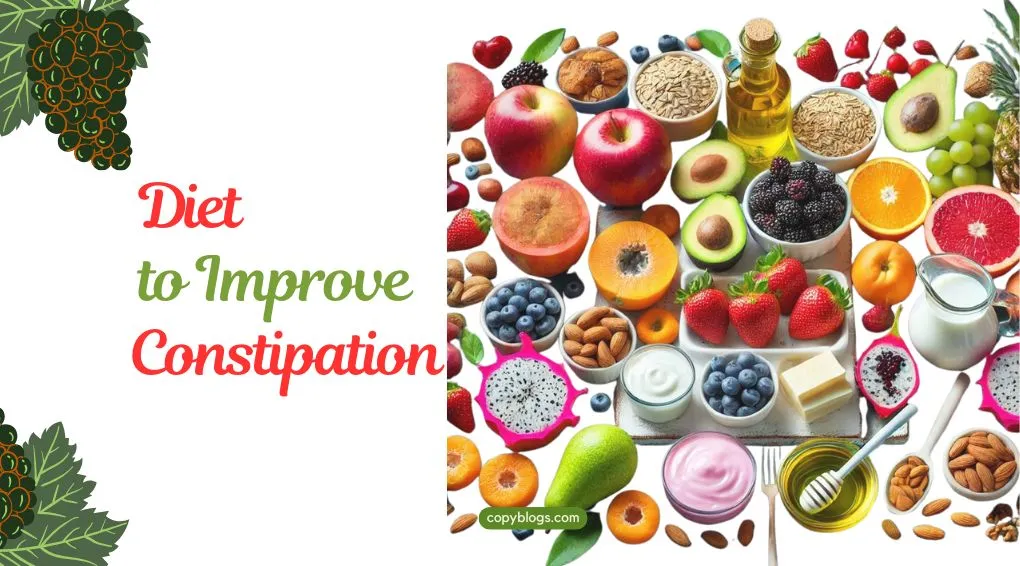
DIET TO IMPROVE CONSTIPATION

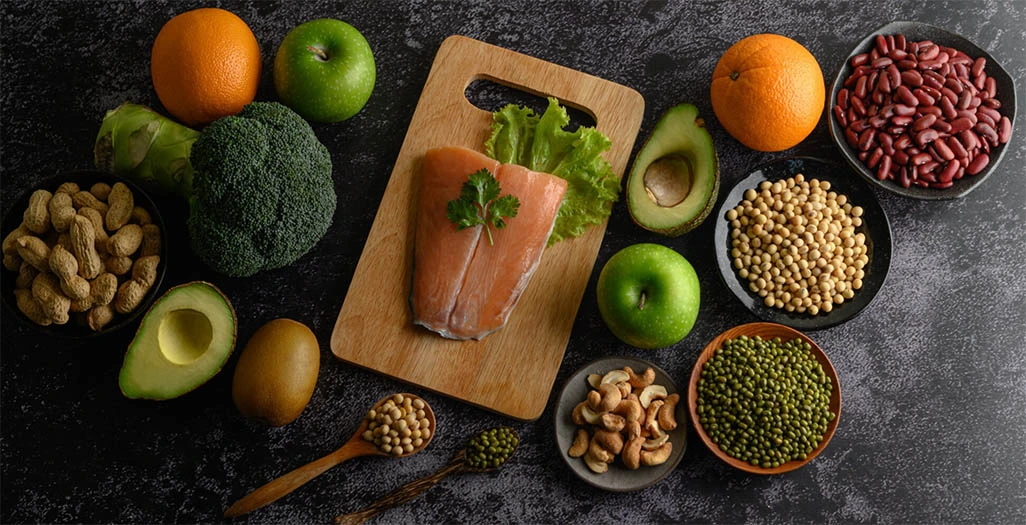
A bowl of high-fiber fruits, vegetables, and whole grains – natural foods for constipation relief and digestive health support

Constipation is a very general ailment, and it is managed mostly through diet. Let’s dive into healthy diet to improve constipation. What are natural foods for constipation that can easily touch a person in creating easy bowel movements?


Diet to Improve Constipation

Vegetables

Green peas, broccoli, collard greens, and carrots are vegetables that are all high in fiber. They help you pass stool and provide the necessary vitamins and minerals for healthy digestion in the body.

Whole grains

Whole grains are very high in fibers as well. They add bulk to the stool and empty stomachs. Some of the fibers in whole grains also act as prebiotics for healthy digestion. Studies found that an increase in bran intake made significant improvement in bowel habits. Most nutrients from whole grain products can be derived when consumed raw or by minimal cooking.

Lemon Juice

Lemon juice serves the purpose of stimulating the digestive system and supporting the bowel movements. Citric acid in lemons flushes out the body from the toxins. Taking warm water with the juice of lemon in the morning does wonders. This combination also promotes fluid intake which is a significant factor in solving the issue of constipation. Try out lemon juice for good diet health improvement in constipation.

Olive Oil

Olive oil is a natural laxative. It is thus possible to lubricate the digestive system and pass stool by one to two tablespoons of olive oil on an empty stomach in the morning.

Coconut Oil

Coconut oil contains medium-chain fatty acids that soften the stool and help in maintaining regularity. You can take it as a teaspoon added in the food daily in your diet as one of the effective natural foods for constipation.

Prune Juice or Dried Prunes

Prune juice or dried prunes have both considered to be natural foods for relieving constipation. Prunes are among the fiber-rich foods and contain sorbitol, a natural laxative. For this reason, drinking prune juice or having dried prunes on a daily basis can greatly contribute toward relieving constipation.

Stewed Apricots

Apricots are excellent sources of fiber and are not restricted to their laxative properties. They help to bulk stool and easier for it to live; they shorten the time to get rid of it. Besides, they help bring out more bowel effects and generally prevent constipation. Stewed apricots are quite easy to prepare at one’s home. Hence, certainly, you must include this fruit in your diet to improve constipation.

Hot Drinks

Hot beverages, including herbal teas and coffee, serve to stimulate the digestive system. These fluids assist in the softening of stools through breaking down food and make emptying the bowels easier. Furthermore, they apply heat into the liquids in order to relax the muscles in your digestive system and speed motility.

Ginger

Drinking ginger tea can really help in getting rid of constipation. Active components of ginger aid in reducing pressure over the lower intestines which good for bowel movements in it. Also, it has anti-inflammatory properties to promote gut health and normal bowel function. It is one of the natural foods for constipation too. You can add ginger to your daily teas or water to cure constipation.

Apples

Apples have pectin, a kind of fiber, that may be helpful in the case of both diarrhea and constipation. They are made up of both soluble and insoluble fiber. They help slow down digestion and ease bowel movements; thus, improving stool consistency. You can eat an apple with skin on. Stewed apples can be eaten or made into juice.

Pears

Other diet to improve constipation can include pears. Like other fruits, pears contain a certain level of fructose, which act as a mild natural laxative. Other than being very high in fiber, these fruits also contain sorbitol. Thus, they help add bulk to stool and make it easier for the stool to pass. However, for maximum benefits, ripe pears may be eaten with the skin.


Natural Foods for Constipation Relief

Fennel

The fennel seeds fall under antispasmodics, inducing the relaxation of muscles in the digestive tract. They also contain some nutritional fibers, besides acting as antioxidants. Thus, it can be concluded that fennels will help relieve constipation, improve the digestive process, facilitate better bowel processing, and maybe act as a preventive measure against these issues. Fennel tea consumption may be practiced or adding seeds with the meals due.

Kiwis

Kiwis are another amazing food for stimulating constipation relief. The outcome of one study revealed that the inclusion of kiwis into a diet can increase the frequency of stools and soften them as well. The enzyme actinidin, found in kiwi fruits, is said to help in the digestive process. These fruits are known to promote increased water retention in the small bowel and colon, thus helping soften stool and regulate bowel movement.

Berries

High on fiber and antioxidant content, berries such as blackberries, strawberries, blueberries and raspberries are rich in water. The aforementioned points lead us to believe that these fruits are among the best natural foods for constipation. Taking them every single day may be very beneficial to digestion and also save from constipation.

Dragon fruits

Another natural food for constipation is dragon fruit. These fruits are very high in fiber that promote regular bowel movement. They also have prebiotics, which make the balance of bacteria, good and bad, in your intestines, improved. They also contain anti-inflammatory properties that reduce inflammation in the gut. It can be eaten in cubes or slices or made smoothies with it.

Omega-3 Oil

Omega-3 oils from fish or flaxseed help in making intestines slippery and thus make passage of stools easier. They assist in performing the function of muscles within the digestive tract. Omega-3s can additionally be helpful in managing irritable bowel syndrome as well as ulcerative colitis and chronic diarrhea. You can include them in your diet for a better digestive state.

Yoghurt & Kefir

Probiotics are found in yoghurt and kefir. Probiotics aid in the balance of gut bacteria. Research shows that probiotics encourage regularity by increasing beneficial bacteria in the digestive system.

Grapes

Grapes can help to relieve constipation as they have a lot of water and fiber. Quercetin, found in the fruit, helps to reduce inflammation and relieve symptoms of constipation. A dozen grapes daily may keep you away from constipation.

Avocados

Avocados are not only creamy and enticing but also high in fiber benefits. Healthy bowel movements are brought about with this fruit. It’s a potassium-rich fruit which promotes healthy digestion. Studies have proven that avocados help to increase good bacteria while reducing inflammation and irritation in the digestive tract.

Oranges

Oranges are quite good sources of fiber and water. Those help bulk up waste and stimulate bowel movements; they also keep you hydrated, which is important in relief and prevention from constipation.

Nuts

Almonds, walnuts, and pecans are all good nuts that offer fiber as well as healthy fats, the contents of which lubricate the digestive tract as well as regularize bowel movements.

Legumes

Legumes are fiber-rich foods responsible for proper nourishment of the digestive system. They include soybeans, chickpeas, lentils, and others. These are efficient in preventing constipation and regularizing bowel movements.

Precautionary Measures

If constipation persists, however, after a consumption of these natural foods, then visit a medical professional. Chronic constipation may be a symptom of an internal health problem that has not been professionally addressed yet. Some nuts or even fruits that are high in fiber may not necessarily work for everybody. A person with allergies to nuts or some gastrointestinal conditions may need to be careful with such natural foods for constipation. Most importantly, drink plenty of fluids. Without sufficient hydration, fiber may worsen constipation.

Conclusion

A diet for constipation doesn’t have to be complicated. Natural foods for constipation such as fruits, vegetables, grains, legumes, nuts, and probiotics would suffice. Add water intake and regular exercise for very effective results. Preferably one should consult a doctor if the condition worsens or doesn’t improve at all since something deeper might be the case. This should bring them closer to their goal of relying on natural remedies towards a more healthy and comfortable digestion.

You may also like:
Best natural home remedies for genital warts | Best foods for good eyesight

Food & Health

BEST NATURAL FOODS FOR WEIGHT LOSS

Best Natural Foods for Weight Loss

Diet trends come and go, but one timeless and effective approach is incorporating natural, whole foods into your diet. While diet and exercise play crucial roles, incorporating the right foods into your diet can significantly boost your weight loss journey. Let’s take a look at the best natural foods for weight loss.

Fruits and Vegetables

Rich in vitamins, minerals, and fiber, fruits and vegetables are key to any weight-loss plan. They are naturally low in calories but high in water content, making them filling while promoting hydration. Their fiber content helps improve digestion and keeps you full longer.

  • Leafy Greens: Spinach, kale, and arugula are low-calorie, nutrient-dense vegetables perfect for weight loss.
  • Berries: Blueberries, raspberries, and strawberries are packed with antioxidants and have fewer calories compared to other fruits. They can help regulate blood sugar levels and reduce cravings.
  • Cruciferous Vegetables: Broccoli, cauliflower, and Brussels sprouts are high in fiber and nutrients, and they support fat loss due to their low-calorie count.

Whole Grains

Unlike refined grains, whole grains including brown rice, oat, quinoa, and whole-wheat bread provide a slow release of energy and help stabilize blood sugar levels and reduce cravings. They are rich in fiber and essential nutrients, which keeps you feeling full for longer and aids in digestion.

Lean Protein

Lean protein sources like chicken breast, fish, eggs, beans, and lentils can help build muscle mass and boost metabolism.

  • Chicken Breast: A lean source of protein, chicken breast helps build muscle without excess fat.
  • Fish: Salmon, mackerel, and sardines are rich in omega-3 fatty acids, which help reduce inflammation and support weight loss.
  • Legumes: Lentils, chickpeas, and beans are plant-based proteins high in fiber and low in fat, ideal for weight loss.
  • Eggs are a versatile and nutritious food that can help you feel full and satisfied. They are a good source of protein and healthy fats.

Yogurt

Yogurt is a great source of protein and probiotics, which can aid in digestion and weight loss.

Healthy Fats

Contrary to popular belief, not all fats are bad. Healthy fats are essential for weight loss as they help absorb vitamins, maintain cell function, and promote satiety.

  • Nuts and seeds, such as almonds, walnuts, flaxseeds and chia seeds are packed with healthy fats, fiber, and protein. They can help you feel full and satisfied, reducing the urge to snack on unhealthy foods.
  • Avocados: Packed with monounsaturated fats, avocados are great for keeping hunger at bay.
  • Olive Oil: Rich in antioxidants and heart-healthy fats, olive oil can be a great addition to salads and cooked meals.

Superfoods

Superfoods are loaded with nutrients and offer numerous health benefits beyond weight loss. They are great for improving metabolism, boosting energy, and detoxifying the body.
Green Tea: Contains antioxidants like EGCG, which can boost metabolism and enhance fat burning.

  • Spirulina: A blue-green algae, spirulina is rich in protein and nutrients that support detoxification and weight loss.

Tips for Success

  1. Eat mindfully: Focus on whole, unprocessed foods and avoid eating out of boredom or stress. Be aware of the foods that make you hungrier.
  2. Portion control: Even natural foods can lead to weight gain if eaten in excess, so keep portion sizes in mind.
  3. Regular exercise: Combine your natural food diet with regular physical activity for optimal weight loss results.
  4. Hydration: Drinking enough water throughout the day is key to avoiding dehydration, which can sometimes be mistaken for hunger.
  5. Consult a Healthcare Professional: Before making significant dietary changes, consult with a healthcare professional to ensure they are suitable for your individual needs.
  6. Finally, the most important thing is to be disciplined with weight loss scheme. Losing weight and having a good shape will take time so all you need is to stick with the plan for best result.

You may also like:
The healing power of ginger honey | Top natural foods for high blood pressure

Food & Health

TOP NATURAL FOODS FOR HIGH BLOOD PRESSURE

Natural Foods For High Blood Pressure

High blood pressure, also known as hypertension, is a silent killer that can lead to serious health complications. While medication is often prescribed to manage this condition, adopting a heart-healthy diet can significantly contribute to lowering blood pressure. Here are some top natural foods that can help lower blood pressure.

Leafy Green Vegetables: A Green Light for Heart Health

Leafy green vegetables like spinach, kale, and collard greens are packed with essential nutrients, including potassium. Not only contain potassium, but those pot herbs are rich in nitrates and bioactive compounds (niacin, omega-3-fatty acids, flavonoids, carotenoids, and sulforaphane). Those nutrients have antioxidant and anti-inflammatory properties that help flush sodium out of your body and relax blood vessel walls as well as manage blood pressure. Incorporate these leafy greens into your diet by adding them to salads, soups, or smoothies.

Berries: A Berry Good Choice

Berries, such as blueberries, strawberries, and raspberries, are rich in antioxidants and fiber. Compounds of those fruits can help improve blood vessel function, reduce blood pressure and improve digestion. Their compounds also help protect cells from damage and lower cholesterol. Add berries to your breakfast cereal, yogurt, or smoothies.

Fatty Fish: A Heart-Healthy Delight

Fatty fish like salmon, mackerel, and herring are excellent sources of omega-3 fatty acids, which can help lower triglycerides and reduce inflammation. These fatty acids can also help lower blood pressure and reduce the risk of heart disease. Incorporate fatty fish into your diet at least twice a week.

Nuts and Seeds: A Crunchy Way to Lower Blood Pressure

Nuts and seeds, such as almonds, walnuts, chia seeds, and flaxseeds are also top foods for high blood pressure. They pack with nutrients like fiber, magnesium, healthy fats, arginine and antioxidants. Those nutrients help relax blood vessels and lower blood pressure. Add nuts and seeds to your salads, yogurt, or oatmeal for a healthy and satisfying snack.

Low-Fat Dairy Products: A Creamy Way to Lower Blood Pressure

Low-fat dairy products, like yogurt and milk, are good sources of calcium and vitamin D, which are essential for bone health. They also have connection with blood pressure reduction. Incorporate low-fat dairy products into your daily diet, such as a bowl of yogurt with fruit or a glass of milk with your meals.

Whole Grains: Secret Weapon Against High Blood Pressure

Eating 3 ounces (85 grams) or more of whole grains a day can help lower your high blood pressure and bad cholesterol. Whole-grain foods are rich in healthy nutrients, such as fiber, potassium, magnesium, iron, folate and selenium. They provide sustained energy and can help regulate blood sugar levels.
By incorporating these heart-healthy foods into your diet and maintaining a healthy lifestyle, you can effectively manage your blood pressure and reduce your risk of heart disease.
Read more: Top Natural Foods for Immunity Boost