Tag

natural foods

Food & Health

TOP 6 HEALTH BENEFITS OF CAULIFLOWER

TOP 6 HEALTH BENEFITS OF CAULIFLOWER

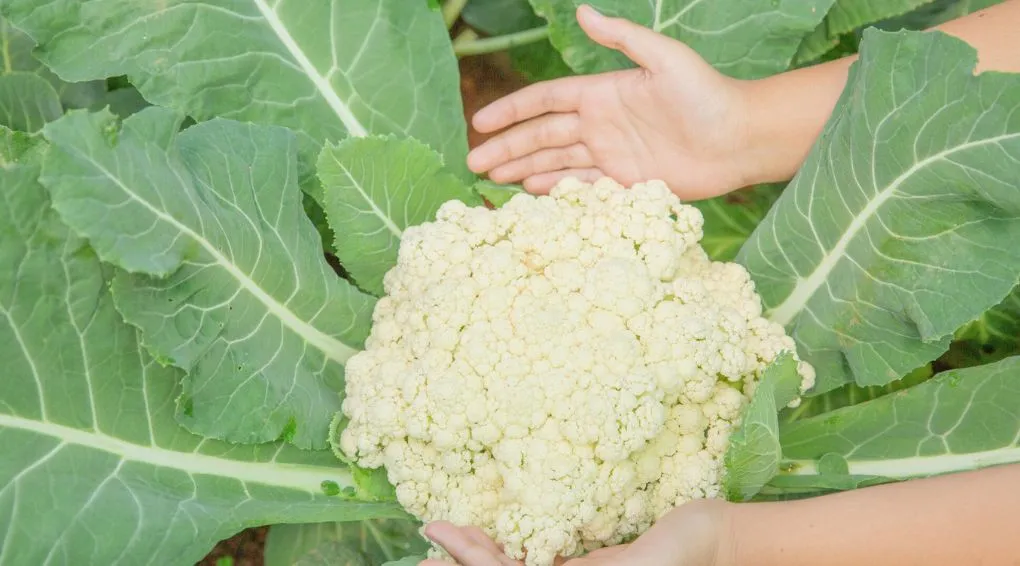
Cauliflower, a versatile cruciferous vegetable, is gaining popularity due to its numerous health benefits. It’s packed with essential nutrients, antioxidants, and fiber. Its mild flavor and low-carb nature make it a perfect ingredient for various dishes. These are the top 6 health benefits of cauliflower.

Nutritional Value of Cauliflower

The nutrients found in 107g of raw cauliflower are:
Calories: 27
Fiber: 2 g
Vitamin C: 58% of the Daily Value (DV)
Vitamin K: 14% of the DV
Vitamin B6: 12% of the DV
Folate: 15% of the DV
Pantothenic acid: 14% of the DV
Potassium: 7% of the DV
Manganese: 9% of the DV
Choline: 8% of the DV
Magnesium: 4% of the DV
Phosphorus: 4% of the DV

Top 6 Health Benefits of Cauliflower 

One of the most significant health benefits of cauliflower vegetables is to support digestive health. Cauliflower is a good source of dietary fiber, which promotes regular bowel movements and prevents constipation. Fiber nourishes beneficial gut bacteria, reducing inflammation.

Another important benefit of cauliflower is its potential to lower the risk of some chronic diseases. Studies have shown that consuming vegetables like cauliflower may reduce the risks of heart disease, stroke, diabetes, and cancer. This is likely due to their high antioxidant content, which helps save cells from damage caused by harmful free radicals.

In addition to its protective effects, cauliflower can also aid in weight management. This vegetable is low in calories but high in water and fiber, thus it may benefit weight control. By consuming cauliflower instead of high-calorie foods, you can manage your overall calorie intake and promote weight loss.

Furthermore, cauliflower is a great source of essential vitamins and minerals, including vitamin C, vitamin K, and potassium. Vitamin C is an important antioxidant that supports immune function, while vitamin K is beneficial for blood clotting and bone health. Potassium helps maintain healthy blood pressure and assists proper nerve function.

Besides, cauliflower is effective for metabolism and cell membrane integrity thanks to its choline. This nutrient is also essential to brain development as well as helping protect the liver from bad cholesterol accumulation.

Finally, cauliflower is rich in sulforaphane, an antioxidant that may lower blood pressure. Sulforaphane compounds may also benefit several chronic diseases, including diabetes, cancer, and heart disease.

Who need to be cautious while consuming cauliflower?

It’s important to note that while cauliflower is generally safe for most people, there are some individuals who should be careful when consuming it.

Cauliflower may cause digestive issues, including gas or bloating. To improve this matter, those people can try eating a smaller amount.

Next, people with hypothyroidism may need to limit their intake of cruciferous vegetables such as cauliflower. Eating a large amount of raw cauliflower can interfere with the body’s ability to absorb thyroid hormones.

Lastly, this vegetable is rich in vitamin K, which can affect people who are on blood thinner. They should also limit cauliflower, as vitamin K aids in blood clotting.

Bottom line

Although there are some side effects of cauliflower, as long as those considerations are kept in mind, consuming this vegetable is a great choice.

To add cauliflower to your diet, there are a few simple ways to do so. You can use it as a low-carb replacement for rice, potatoes, or pizza crust. It can also be roasted, steamed, boiled, or added to soups, stews, and stir-fries. For a healthy and delicious snack, roasting cauliflower florets with olive oil and spices will be delicious.

In conclusion, the health benefits of cauliflower are impressive and well documented. From supporting digestion to reducing the risk of chronic diseases, this vegetable offers a wide range of benefits for overall well-being. By incorporating cauliflower into your diet, you can improve your health and enjoy the many advantages it has to offer. If you have any health concerns, you should consult your doctor about any dietary limitations.

You may also like:
Top natural foods for high blood pressure
Best natural foods for diabetes
Benefits of amla juice

Food & Health

NATURAL FOODS FOR STRESS RELIEF

NATURAL FOODS FOR STRESS RELIEF

Stress has become an unavoidable part of our lives. While stress is a normal human response, chronic stress can have detrimental effects on our mental and physical health. Yet, there is a way to battle against it naturally. Changing your lifestyles and modify eating habit can help a lot.

Eating certain foods can greatly help in managing stress. The below are some natural foods for stress relief that you can add in your diet.

Natural Foods for Stress Relief

Fatty Fish

Fatty fish including salmon, mackerel, and sardines are rich in omega-3 and other nutrients which can help reduce inflammation and improve mood. Along with Omega-3, protein, vitamin B12, vitamin D and magnesium in fish can help lower levels of cortisol hormone. Consuming salmon and other fish at least twice a week can be beneficial to stress relief.

Green vegetables

Dark greens such as spinach, kale, Swiss chard and broccoli are packed with vitamins, minerals, and antioxidants. They can help reduce oxidative stress, which can contribute to feelings of anxiety and depression. Add these greens to your salads, smoothies, or stir-fries.

Artichokes

Artichokes are an incredible source of fibre and especially rich in prebiotics, a type of fibre that feeds the friendly bacteria in your gut. Consuming ate 5 or more grams of prebiotics per day experienced improved anxiety and depression symptoms, as well as that high quality, prebiotic-rich diets may reduce your risk of stress.
Artichokes are also high in potassium, magnesium, and vitamins C and K, all of which are essential for a healthy stress response.

Berries

Berries, including blueberries, strawberries, and raspberries, are rich in antioxidants and vitamins. They can help reduce inflammation and improve mood. Add berries to your smoothies, yogurt, or cereal to support you in battling depression and boosting your mood.

Nuts and Seeds

Nuts and seeds are excellent sources of healthy fats, fibre, and magnesium. Eating a handful of pistachios, walnuts, sunflower seeds or almonds daily may help lower your cholesterol, ease inflammation in your heart’s arteries, and protect you against the effects of stress. Add nuts and seeds to your yogurt, salads, or baked goods.

Legume

Legumes are packed with stress-fighting vitamins and minerals, including magnesium, potassium, B vitamins, zinc, selenium, manganese, and copper. They are also rich in L-tryptophan, which your body needs to produce mood-regulating neurotransmitters.

Herbal Teas

Herbal teas like chamomile, lavender, and peppermint have calming properties that can help reduce stress and anxiety. Sip on a cup of herbal tea before bed to wind down and promote restful sleep.

Green Tea

Green tea contains L-theanine, an amino acid that promotes relaxation and reduces anxiety. For a calming effect, drink one to two cups of green tea daily, especially in the morning or mid-afternoon.

Sweet Potatoes

Sweet potatoes are a whole food that makes an excellent carb choice. They’re packed with nutrients such as vitamin C and potassium, that are important for stress response.

Eggs

Eggs are good source of vitamin D, amino acids, antioxidants and other protein. Those properties are needed for a healthy stress response. Additionally, whole eggs are rich in choline, which has been shown to play an important role in brain health and may protect against stress.

Turmeric

The active ingredient in turmeric, called curcumin, may help lower anxiety by reducing inflammation and oxidative stress. A study found that 1g of curcumin per day reduced anxiety in adults with obesity.

Yogurt

Yogurt is a good source of probiotics, which can help improve gut health. A healthy gut has been linked to better mental health and reduced stress. Consuming healthy bacteria can increase happiness. Therefore, adding yogurt and other fermented foods in the diet can benefit the natural gut bacteria and may reduce anxiety and stress.

Bottom line

A balanced diet is important to overall wellness. By incorporating these natural stress-relieving foods into your daily meals, you can nourish your body and mind, leading to a more relaxing and balanced life. You can consult with your healthcare professional and registered dietitian nutritionist for your particular diet.

Read more:
Natural foods for fatty liver disease | Health benefits of pomegranate

Food & Health

TOP NATURAL FOODS FOR HIGH CHOLESTEROL

Natural Foods for High Cholesterol

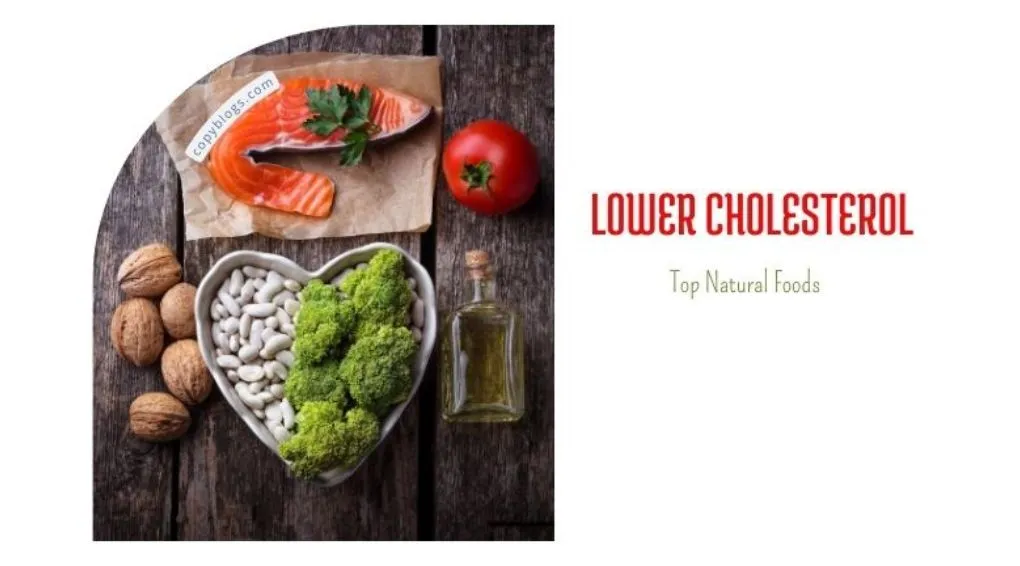
Heart disease remains the leading cause of death throughout the world and having high cholesterol is a major risk. While medications can be beneficial, adding heart-healthy food to your diet will greatly improve your cholesterol levels as well as overall heart health. Let’s dive in the Top natural foods for high cholesterol.

Fatty Fish

Fish that are fatty, such as mackerel, salmon, and herring are high in omega-3 fatty acids. These aid in lowering triglycerides and lessen inflammation. The fatty acids also aid in lowering blood pressure. Make sure to consume fatty fish at least two times per week.

Oats

Among the top natural foods for high cholesterol, oats are beneficial to controlling cholesterol levels. Oats are an excellent source of soluble fibre, which helps lower LDL cholesterol, which is the “bad” cholesterol. They also aid in regulating your blood sugar, which is vital for heart health overall. Include oats in your breakfast by making oatmeal or incorporating them into smoothies.

Nuts and Seeds

The seeds and nuts, like walnuts, almonds, flaxseeds, chia seeds, and flaxseeds, are loaded with nutritious fats, fiber, and protein from plants. They can aid in lowering LDL cholesterol and decrease the risk of developing heart disease. Add seeds and nuts to your yogurt, salads, or oatmeal.

Fruits and Vegetables

Fruits and vegetables are high in fiber, vitamins and minerals that can lower cholesterol levels and improve the health of your heart. Make sure you eat a selection of bright fruits and veggies each day.

Legumes

Legumes, like chickpeas and lentils as well as beans, are great sources of fiber with plant-based proteins. They are a great way to lower cholesterol levels and decrease the risk of developing heart disease. Add legumes to your diet by including them in stews, soups, salads or even as a side dish.

Olive Oil

It is also a nutritious source of monounsaturated oils, which help to reduce LDL cholesterol levels and lower the risk of developing heart disease. You can use olive oil to make salads, dress them, or drizzle over your vegetables.

Bottom line:

Get in touch with a medical expert: Before making significant changes to your diet, talk with a medical expert to make sure it’s appropriate to your specific requirements.
Balance is the key to success: While these foods are healthy however, moderation is vital.
Hydration Get plenty of fluids to rid your body of toxins in your body and keep it well-hydrated.
Incorporating these healthy foods into your diet routine and living a healthy life, it will greatly reduce the risk of developing heart disease and enhance your overall health.

Read more:

Top 10 Foods for Immunity Boost

Top natural foods for high blood pressure