Tag

fatty fish

Food & Health

BEST VITAMIN D-RICH FOODS YOU SHOULD ADD TO YOUR DIET TODAY

Best Vitamin D-Rich Foods You Should Add to Your Diet Today

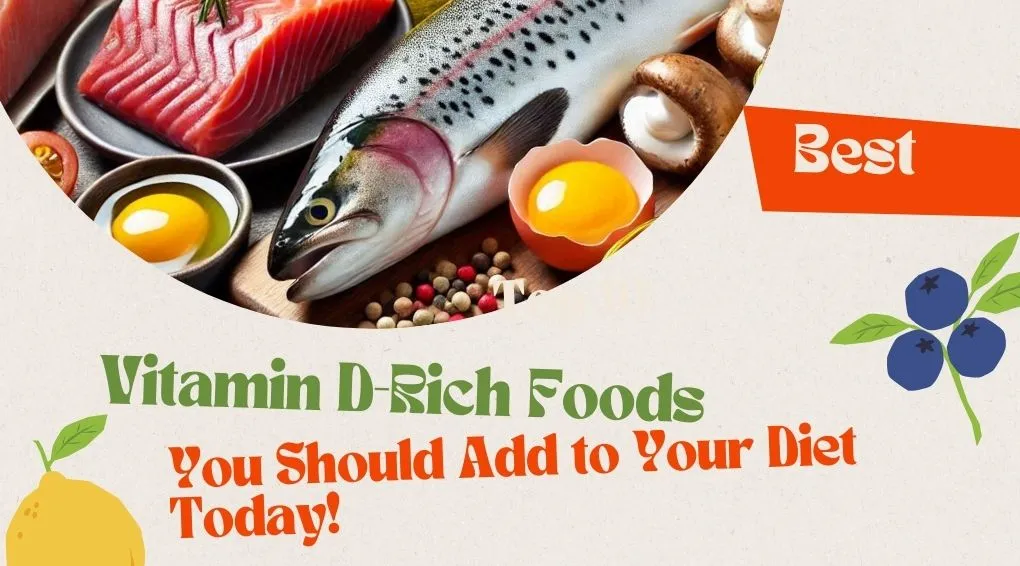
Vitamin D is a nutrient that keeps bones strong and helps improve the immune system and overall health. Unfortunately, most people do not get enough of it. Thus, the best vitamin D-rich foods you should add to your diet today will help you fill the gap. Here are some of the best sources for consideration:

Fish Liver Oils

Fish liver oils are best vitamin D-rich foods you should add to your diet today. Cod liver oils are counted among the richest and most concentrated sources of vitamin D. If you take a tablespoon full, you have already met your daily requirement. Cod liver oils have omega-3 fatty acids that are great for heart health; however, consult your doctor before you use fish liver oil for any length of time while being on blood thinners.

Fatty Fish

Fatty fish such as trout, salmon, tuna, and mackerel is seriously another source of vitamin D. The three-ounce cooked salmon will give you more than 70 percent of your daily value needs at any time. Studies have shown that such benefits also include increased bone density and reduction in inflammation from regular consumption of fatty fish which can be found as the important sources of vitamin D you want to include in your diet.

Red Meat

Vitamin D is found in small quantities in red meat, but those quantities can still be worth it. Otherwise, red meat offers iron and zinc; eaten in moderation, red meat could keep you up to the requirement of vitamin D per day. On the downside of red meat consumption, overconsumption would lead to excess saturated fat, injuring the hearts.

Liver

The liver is a nutrient-rich food, including vitamin D, iron, and vitamin A. Although it is good, it must be especially avoided in pregnancy. Due to its high vitamin A content, it is very harmful for the developing fetus. For everyone else, such occasional consumption is perfectly healthy.

Egg Yolks

Other powerful vitamin D sources you need in your meal are egg yolks. They are usually added to diets as easy, cheap ways of increasing vitamin D. One large egg yolk provides an estimated 5% of total daily needs. In addition, they contain high-quality protein and healthy fats. Buy eggs from pasture-raised hens for extra advantage, as they possess more vitamin D.

Fortified Foods

Many foods are now fortified with this vitamin to fight against the deficiency. Examples are: Fat spreads, breakfast and ready-to-eat cereals, fortified milk, and plant-based milk alternatives. Read product labels and check for well-fortified with vitamin D items. Putting these foods on the chart for meal consumption makes it easier to comply with daily requirements effortlessly.

Mushrooms

Of all plant foods, the only exception is mushrooms with natural vitamin D. Mushrooms are one of the few plant foods which contain ergosterol, a precursor to vitamin D2. The amount of vitamin D2 in mushrooms can be significantly increased by exposing to ultraviolet (UV) light. For vegetarians, the mushrooms are powerful vitamin D sources you need in your meals.

Other Ways to Obtain Vitamin D

This kind of vitamin D can be obtained mainly through food, and of course, the sun is one of those sources. Daily exposure of about 10 to 30 minutes directly onto the skin should suffice for production of this vitamin in the body. However, those people who have darker skin and do not expose their skin often to sunlight may not develop this vitamin adequately. In this case, supplements can be quite useful. Always consult your doctor before starting out any of these supplement intakes.

Special Considerations

Talk to your doctor about any health issues or dietary restrictions to change. Liver should be completely eliminated from the diet of pregnant women since it tends to be very high in vitamin A. Fortified foods and mushrooms should be good alternatives for people who are allergic to fish or eggs.

Bottom line

Include these best vitamin D-rich foods into your diet now so that you can also benefit from good health. Fatty fish, fish liver oils, and mushrooms are among the best. Fortified foods, egg yolks, and red meat should also be included so that variety is maintained. If all the foregoing fails, consider adopting supplements or consult a health provider. By combining these methods, you are sure to be on track as far as vitamin D intake is concerned.

You may also like:

Best foods for good eyesight| Home remedies to relieve constipation quickly

Food & Health

BEST FOODS FOR GOOD EYESIGHT

BEST FOODS FOR GOOD EYESIGHT

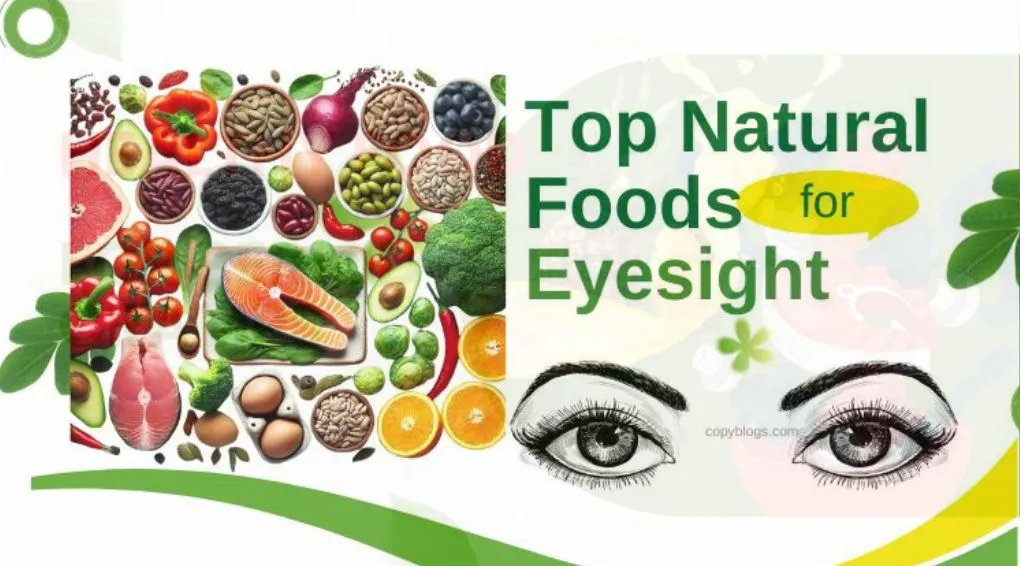
A balanced diet is a necessity for maintaining good eyesight. Adding the best foods for good eyesight to your regular diet can help prevent age-related eye conditions and preserve vision. Let’s explore some of these natural foods and their benefits to our eye health.

Dark, Leafy Vegetables

Lutein and zeaxanthin are antioxidants found in dark, leafy vegetables such as spinach and kale. These nutrients shield the eyes from harmful blue light and inhibit the development of cataracts. Additionally, these greens are a good source of vitamin C and E. Those vitamins aid in lowering the risk of long-term eye diseases. For that reason, you can add these vegetables to your diet through salads, smoothies, or steamed dishes.

Raw Red Peppers

Raw red peppers are full of vitamin C, which is also important for eye health. This vitamin is able to protect against cataracts and maintain the good health of blood vessels in eyes. Thus, the red peppers are among the best foods for good eyesight. Placing raw red peppers in salads or as a crunchy snack can be helpful for significant eye benefits.

Broccoli and Brussels Sprouts

Broccoli and Brussels sprouts are high in vitamins A, C and E and antioxidants. These nutrients help protect the eyes from oxidative damage and keep the eyes healthy. Incorporate these vegetables into your diet by steaming, roasting, or adding them to stir-fries.

Seeds

Seeds, such as chia and flax seeds, are rich in omega-3 fatty acids. Furthermore, the seeds are rich in vitamin E and other nutrients. All together can help slow the risk of age-related macular degeneration (AMD). It may also aid in reducing the risk of cataracts. Sprinkle chia or flax seeds on yogurt, smoothies, or salads to boost your intake as top foods for eyes.

Orange-Colored Fruits and Vegetables

There is evidence that orange-colored fruits and vegetables contain high levels of beta-carotene. Thus, the consumption of those fruits and vegetables will convert beta-carotene into vitamin A, critical in good vision. Therefore, adding colourful foods to your meals shall improve taste and eye-sight. Some orange-colored fruits and vegetables include sweet potatoes, mango, carrots, and apricots.

Fatty fish

Fatty fish such as salmon, tuna, and trout are also top foods for eyes. Those fish are great sources of omega-3 fatty acids, including DHA and EPA. They give great support to the general health of eyes. Additionally, omega-3 reduces inflammation and prevents dry eyes. So, include fatty fish in your diet by grilling, baking, or adding it to salads.

Lean Meat and Poultry

Lean meat and poultry provide zinc, which helps deliver vitamin A from the liver to the retina. This process produces melanin, a protective pigment in the eyes. To help your eye health incorporate lean meat and poultry into your meals. Beef, chicken and pork are good sources of zinc.

Beans and Legumes

Beans and legumes, like lentils, chickpeas, and black beans, are rich in zinc and bioflavonoids. These nutrients protect the retina and reduce the risk of developing AMD and cataracts. Not only that, but beans and legumes also offer a low-fat with high-fiber option to keep your vision sharp.  Add beans and legumes to soups, stews, and salads to improve your eyesight.

Eggs

Eggs contain lutein, zeaxanthin, and zinc, which are beneficial for vision. These nutrients protect the eyes from harmful UV rays. Besides, the compounds in eggs, such as lutein and zeaxanthin, help boost the amount of protective pigment in the macula. Include eggs in your diet through breakfast dishes, salads, or as a protein-rich snack.

Special Considerations

Although these foods are generally good for most individuals, some people should take heed. People who have allergies to certain types of food should be cautious. Also, in general, people with specific medical conditions should consult a health professional before changing their diets.

Conclusion

Top foods for eyes can be incorporated into a diet to significantly improve eye health and prevent age-related vision problems. Raw red peppers, seeds, dark leafy vegetables, orange-colored fruits and vegetables, fatty fish, lean meat and poultry, beans and legumes, eggs, and broccoli and Brussels sprouts are all the best choices. Balanced nutrition along with regular eye check-ups are the keys to maintaining good eyesight.

For a healthier diet, consider adding these foods to your daily meals. Whether it’s a colorful salad, a protein-packed breakfast, or a nutritious snack, these foods can make a significant difference. By prioritizing the best foods for good eyesight, you can enjoy clear vision and overall well-being.

You may also like:

Natural remedies for eye bags and dark circles
Foods that unclog your arteries

Food & Health

TOP NATURAL FOODS FOR HIGH CHOLESTEROL

Natural Foods for High Cholesterol

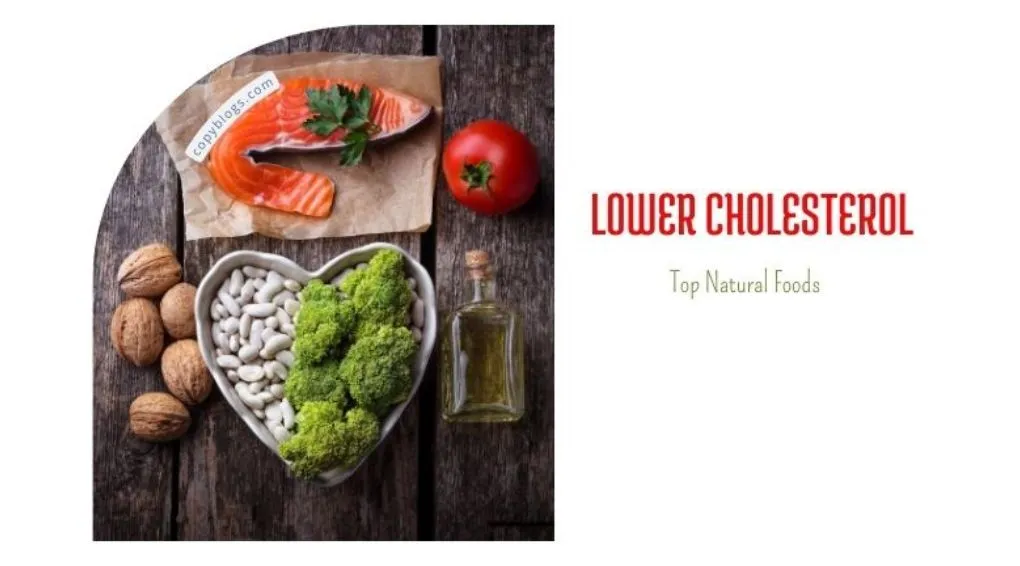
Heart disease remains the leading cause of death throughout the world and having high cholesterol is a major risk. While medications can be beneficial, adding heart-healthy food to your diet will greatly improve your cholesterol levels as well as overall heart health. Let’s dive in the Top natural foods for high cholesterol.

Fatty Fish

Fish that are fatty, such as mackerel, salmon, and herring are high in omega-3 fatty acids. These aid in lowering triglycerides and lessen inflammation. The fatty acids also aid in lowering blood pressure. Make sure to consume fatty fish at least two times per week.

Oats

Among the top natural foods for high cholesterol, oats are beneficial to controlling cholesterol levels. Oats are an excellent source of soluble fibre, which helps lower LDL cholesterol, which is the “bad” cholesterol. They also aid in regulating your blood sugar, which is vital for heart health overall. Include oats in your breakfast by making oatmeal or incorporating them into smoothies.

Nuts and Seeds

The seeds and nuts, like walnuts, almonds, flaxseeds, chia seeds, and flaxseeds, are loaded with nutritious fats, fiber, and protein from plants. They can aid in lowering LDL cholesterol and decrease the risk of developing heart disease. Add seeds and nuts to your yogurt, salads, or oatmeal.

Fruits and Vegetables

Fruits and vegetables are high in fiber, vitamins and minerals that can lower cholesterol levels and improve the health of your heart. Make sure you eat a selection of bright fruits and veggies each day.

Legumes

Legumes, like chickpeas and lentils as well as beans, are great sources of fiber with plant-based proteins. They are a great way to lower cholesterol levels and decrease the risk of developing heart disease. Add legumes to your diet by including them in stews, soups, salads or even as a side dish.

Olive Oil

It is also a nutritious source of monounsaturated oils, which help to reduce LDL cholesterol levels and lower the risk of developing heart disease. You can use olive oil to make salads, dress them, or drizzle over your vegetables.

Bottom line:

Get in touch with a medical expert: Before making significant changes to your diet, talk with a medical expert to make sure it’s appropriate to your specific requirements.
Balance is the key to success: While these foods are healthy however, moderation is vital.
Hydration Get plenty of fluids to rid your body of toxins in your body and keep it well-hydrated.
Incorporating these healthy foods into your diet routine and living a healthy life, it will greatly reduce the risk of developing heart disease and enhance your overall health.

Read more:

Top 10 Foods for Immunity Boost

Top natural foods for high blood pressure