Pancreatic Stones: Causes, Symptoms, and Effective Treatment Options
- November 06, 2025
- by
- Shanaya
Pancreatic stones are tiny but painful deposits that form in the pancreas, often linked to chronic inflammation. Here’s what causes them, how to recognize the symptoms, and safe ways to treat and prevent them.
What are pancreatic stones?
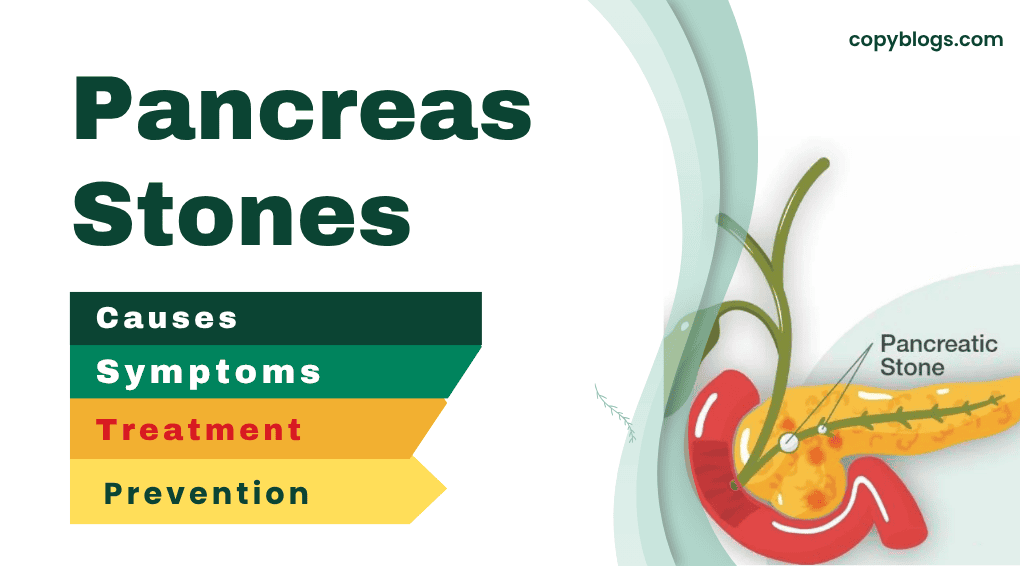
Pancreatic stones are often medically called pancreatolithiasis or pancreatic calculi (PC). Pancreatolithiasis is the consequence of chronic pancreatitis and is commonly seen in parenchyma, side branches, and the common main ducts of the pancreas. Calculi are the product, regardless of how chronic pancreatitis originated. Pancreatic calculi have an inner nidus that is encircled by consecutive calcium carbonate layers.
The stones are composed of hardened digestive fluids, like biliary matter. Pancreatic calculi, however, are often formed of fragments of calcium carbonate that have solidified out of pancreatic enzymes and become lodged in the duct connecting the pancreas to the small intestine.
Composition of pancreatic stones
Pancreatoliths are composed of a calcium carbonate crystalline lattice embedded within a gel-like matrix comprising multiple fibrillar proteins and polysaccharides.
Incidence of pancreatic stones
Pancreatolithiasis is seen in less than 1% of the general population and is primarily diagnosed in those with chronic pancreatitis. The consequence or complication of chronic pancreatitis, known as pancreatic calculi (PC), can develop in roughly 50% of chronic pancreatitis patients.
Classification of pancreatic calculi
Pancreatic calculi or pancreatic stones are classified based on the type, number of stones and location.
Based on the type, the pancreatic calculi are:
- Radio opaque
- Radiolucent
- Mixed
The number of pancreatic calculi is defined as:
- Single or
- Multiple
The locations where pancreatic calculi may occur are:
- Main pancreatic duct (MPD)
- Side branches or in the pancreatic parenchyma
- Head, body or tail regions of the pancreas
Symptoms
Pancreas stones can cause a variety of symptoms, based on the type, number and location, including:
- Severe abdominal pain in the upper left or middle abdomen, radiates to the back or chest
- Sudden and intense pain may last for several hours or days
- Jaundice (yellowing of the skin and eyes)
- Nausea & vomiting
- Fever & Chills
- Difficulty digesting food
- Unwanted weight loss
- Irregular heartbeat (arrhythmia)
- Dehydration
- Low blood pressure
Stone blockage in the pancreatic duct often causes sharp upper abdominal pain that may extend to the back or chest. This pain can be intense and persistent. If you experience back discomfort from this or other causes, you may find relief in simple heat therapies for back pain.
Pancreatic stones can also trigger pancreatitis (inflammation of the pancreas), leading to nausea, fever, chills, and vomiting.
Symptoms may occur suddenly and either persist or come and go. Rarely, additional signs such as jaundice, light-coloured stools, dark urine, rapid breathing (tachypnoea), or a fast heartbeat (tachycardia) may appear.
NOTE:
If any of these symptoms occur, consult a gastroenterologist immediately. Untreated pancreatic stones can cause serious complications.
Not everyone with pancreatic stones will have symptoms. Sometimes they are discovered accidentally during imaging tests for other conditions.
Causes
The exact cause of pancreas stones is not clearly understood, but they are contemplated to form when substances in pancreatic juice such as calcium carbonate, protein, bilirubin solidify.
Pancreas stones are more commonly found in people who have:
- A history of gallstones (cholelithiasis)
- Chronic pancreatitis
- High levels of triglycerides or calcium in the blood
- Certain genetic disorders or inherited diseases
Most pancreatic stones are due to gallstones; the gallstones travel from the gall bladder to the common biliary duct and cause obstruction in the biliary duct, thus resulting in gall stone pancreatitis and stone formation. The blockage of the common bile duct results in the backup of bile into the pancreatic duct, resulting in stone formation.
The causes of pancreatic stones are as follows:
- The high levels of calcium deposition in the pancreatic duct as a result of calcium carbonate fragments that have solidified from pancreatic enzymes result in the formation of pancreatic stones. Also, high calcium levels due to hyperparathyroidism might be prone to pancreatic stones.
- Sliding or travelling of gall or biliary stones to the pancreatic duct (blockage of the biliary duct by gall stones).
Risk factors for pancreatic stones
Pancreatic stones are the consequence of chronic pancreatitis. However, not all pancreatic stones are of pancreatic origin; the following factors might have developed some of them:
Lifestyle and environmental factors
Alcohol abuse
Studies have shown that increased alcohol consumption (5 drinks per day) increases the risk of chronic pancreatitis.
Chronic pancreatitis patients associated with alcohol show decreased pancreatic stone protein secretion, resulting in calcium carbonate crystallisation and deposition, leading to stone formation.
Maintaining proper calcium balance is essential for bone and pancreatic health. Check out these foods for healthy bones to support overall mineral metabolism.
Smoking
Nicotine induces structural and functional changes in the exocrine pancreas.
Environmental conditions
Other factors such as obesity and a sedentary lifestyle increase individuals’ risk of stone formation.
Genetic and autoimmune causes
Gene mutations
SPINK1 gene (pancreatic secretory trypsin inhibitor gene) mutations can increase the risk of chronic pancreatitis, which plays a major role in pancreatic stones.
Autoimmune diseases
In diseases like autoimmune pancreatitis (AIP), the levels of immunoglobulin G4 (IgG4) are elevated; this phenomenon has a high risk of stone formation.
Cystic fibrosis
In cystic fibrosis conditions, the role of cystic fibrosis transmembrane conductance regulator (CFTR) Cl- channel is impaired. CTFR plays a significant role in pancreatic ductal secretory functions.
Metabolic and structural disorders
Metabolic disturbances
Hypertriglyceridemia, hypercalcemia (due to hyperparathyroidism), diabetes mellitus, porphyria, and Wilson’s disease tend to increase the risk of pancreatitis and stone formation.
Anatomical abnormalities
Chronic obstructive pancreatitis and stone evolution might result from ductal blockage caused by inflammatory strictures or malignancies.
Complications of pancreatic stones
The pancreatic stones might cause some complications, such as:
Digestive and organ-related complications
Recurrent pancreatitis
As the stone gets obstructed or dislodged, it might develop inflammation of the pancreas.
Peritonitis
long-lasting inflammation leads to fluid accumulation in the tissues between the organs.
Hypovolemic shock
In some cases, with chronic inflammation, fluid accumulation depletes the blood volume and leads to dehydration. This causes the kidneys to retain the fluid, resulting in hypovolemic shock.
Since pancreatic stones can also affect kidney function through dehydration and fluid imbalance, you may like to explore natural remedies to remove kidney stones for a better understanding of kidney health and stone management.
Infections, nutrient loss, and metabolic complications
Cholecystitis and cholangitis
The pancreatic stones might lead to gall bladder and common bile duct inflammation.
Infection and septic shock
The stone blockage might cause the bacteria from the small intestine to backwash into the ducts, resulting in an infection. Sometimes, this infection might travel to the bloodstream and cause sepsis, which is life-threatening.
Malnutrition
Pancreatic stones may reduce the body’s ability to absorb and digest nutrients. Weight loss and malnutrition might result from this condition.
Diabetes
Obstructive pancreatitis rarely causes type-2 diabetes. Diabetes resulting from chronic pancreatitis or pancreatic stones features low ketosis and high insulin-induced hypoglycemia.
Pancreatic stones interfere with the pancreas and reduce its ability to produce insulin. This condition affects how your body regulates blood sugar and energy levels.
You can learn more about type 2 diabetes and explore natural remedies for diabetes to help manage it safely and effectively.
Severe or long-term complications
Pancreatic cancer
It is a rare complication of pancreatic stones. Pancreatic cancer is more likely to develop in patients suffering from long-lasting pancreatitis.
Pancreatic pseudocysts
Chronic pancreatitis often causes these as a complication. Primarily, it occurs when there is an obstruction in the pancreatic duct due to biliary or pancreatic stones.
Pancreatic necrosis (necrotizing pancreatitis)
It is caused due to chronic inflammation or injury to the pancreas. It is a serious life-threatening condition that can lead to multiple organ failure and sepsis.
Chronic inflammation affects many organs, not just the pancreas. You can also explore natural remedies for arthritis to learn simple ways to manage inflammation naturally.
Pathogenesis of pancreatic stones
A crucial component in the development of pancreatic calculi is pancreatic stone protein (PSP). Gene expression is among the many elements contributing to a decrease in PSP.
Reduced PSP leads to calcium carbonate oversaturation in the pancreatic juice. Subsequently, the calcium carbonate distributes itself over the interior nidus.
Diagnosis
The diagnostic approaches for pancreatic stones include:
Blood tests
Blood tests such as white blood cell count, serum amylase, and serum lipase levels help to evaluate the signs of inflammation and pancreatitis.
Imaging tests
- Abdominal ultrasound
- Computed tomography (CT scan)
- Magnetic resonance imaging (MRI scan)
- Endoscopic ultrasound
- Endoscopic retrograde cholangiopancreatography (ERCP)
Treatment for pancreatic stones
Pancreas stone treatment includes the following approaches:
Medical management:
- Pain relievers and opioid medications
- Stone dissolving medications
- Anti-biotics and more
Endoscopic management:
- Endoscopic retrograde cholangiopancreatography (ERCP)
- Stone extraction with balloon baskets and trawls
- Pancreatic sphincterotomy
- Extracorporeal shock wave lithotripsy (ESWL)
- Electrohydraulic lithotripsy (EHL) or Laser lithotripsy (LL) for stone crushing
- Dilation and stenting of pancreatic duct strictures
- Surgical management (drainage and resection procedures)
Prevention
The following steps can help to avoid developing pancreatic stones:
- Maintaining a healthy weight.
- Eating a healthy diet.
- Maintaining the cholesterol levels within the normal range.
- Managing diabetes and other metabolic diseases.
- Limiting alcohol consumption.
- Avoiding smoking.
- Managing other co-morbidities or medical conditions.
- Avoid foods that have high quantities of sugars and fats.
- Drink plenty of water and fluids.
Along with medical care, certain herbal home remedies may help support digestive and pancreatic health naturally.
Difference between pancreatic stones and gallstones
Pancreatic stones
- Origin: Pancreas
- Symptoms: Severe abdominal pain (sometimes that might radiate to the back or chest region). It might cause additional symptoms such as nausea, vomiting, fever, etc.
- Risk factors: Chronic pancreatitis, metabolic disturbances, obesity, autoimmune diseases, smoking, alcohol, etc.
- Treatment: Medical management, endoscopic approaches and surgeries.
Gallstones
- Origin: Gall bladder
- Symptoms: Biliary colic (pain in the upper abdomen), nausea, vomiting, fever, etc.
- Risk factors: Hypercholesterolemia, obesity, family history, metabolic and congenital abnormalities, etc.
- Treatment: Treatment for gallstones also includes medical management, endoscopic approaches and surgeries.
In some cases, gallstones can relocate from the gallbladder into the bile ducts and then into the pancreatic duct. This can cause a condition called gallstone pancreatitis. Gallstone pancreatitis is the most common cause of pancreatitis.
Frequently Asked Questions
Small pancreatic stones that are not causing any symptoms may not be serious. However, larger pancreatic stones that are blocking the pancreatic duct can cause pancreatitis, a serious inflammation of the pancreas. This can be a life-threatening condition. Usually, pancreatic stones are treatable and might not cause any serious issues. However, if left untreated for a long time, they might develop complications such as recurrent pancreatitis, infection, cholecystitis or cholangitis, septic shock, and more. The patient experiences intense stomach pain and discomfort. The pancreas sits in the upper left abdomen, so the patient might feel pain it there. It could feel sharp or pinching inside. This colic pain could also impact the back, shoulder, or chest. The upper left side or middle of the abdomen commonly shows pancreatic pain. It might radiate to the chest or back. Initially, the pain worsens after eating and drinking; later, it becomes constant and severe and lasts several days.How serious is a pancreatic stone?
How painful are pancreatic stones?
Which side is pancreatic pain?
(According to pacehospital)
You may also like:
How to make your own mouthwash
Top 8 nuts and seeds for a healthy pregnancy
Are grape seeds good for you?
Best 5 vitamins for hair growth
Natural remedies for sore eyes
Foods to balance hormone naturally

You may also Like

Best 8 Herbal Teas for Digestion After Meal

Top 15 Healthy Snacks Under 100 Calories