Beauty

NATURAL FACE MASKS FOR DRY SKIN IN WINTER

NATURAL FACE MASKS FOR DRY SKIN IN WINTER

Winter is the most brutal time of the year for our skin, which becomes dry and flaky and often wants moisture. The winter masks should be applied to make it possible to fight the bad conditions naturally, as grappling the problem of dry skin with a natural face mask for winters would be wonderful. Such use of masks rejuvenates and moistens your skin, giving a refreshing and much-needed shine and relief. Here comes the best-known natural face mask for dry skin in winter.

Avocado Honey Mask

The healthy fats and vitamins of avocado contribute to the nourishment of the skin that is normally considered too dry. While honey is natural and proven to be a good humectant for moisture in the skin. This mask hydrates, softens, soothes, and feels fresh and bright. Hence, it worth being one of the best natural face masks for dry skin in winter that you should try.

Preparation:

  • Mash half an avocado in a bowl.
  • Now add one tablespoon honey, and mix well.
  • Apply this on your face and allow it to stays there for 20 minutes.
  • Rinse-off with warm water.

Yogurt and Oatmeal Face Mask

Yogurt, which has lactic acid in it and does gentle exfoliation; oatmeal, which is known for its tendency to soothe and calm, is perfect together to treat dry, irritated skin. This mask great exfoliates dead skin cells and keeps deep moisturization to give a glow even during winter.

Preparation:

  • Mix two tablespoons of yogurt into plain with one tablespoon of super finely ground oatmeal.
  • Mix to a smooth paste.
  • Apply onto your face for 15-20 minutes.
  • Wash it off with lukewarm water.

Banana and Olive Oil Mask

These two are an excellent face mask used to boost skin elasticity and hydrate the skin. Packed with vitamins and minerals, bananas help skin hydration and elasticity while olive oil is a great extremely penetrative moisturizer. This mask will leave your skin feeling incredibly soft and supple, combating the harsh dryness of winter. Thus, you can start adding banana and olive oil mask in your list of the best natural face masks for dry skin in winter from today.

Preparation:

  • Mashed a ripe banana in a bowl.
  • Add one tablespoon of olive oil, mixing well.
  • Apply the mix over your face and relax for 20 minutes.
  • Rinse with warm water.

The Mask of Aloe Vera and Cucumber

Aloe vera is a quirky shrub that hydrates very well and heals, while cucumber adds a kind of cooling base and gives moisture again. Hence, this mask is so soothing and moisturizing, making it very good for dry skins in winter.

Preparation:

  • A half cucumber and 2 tablespoons of fresh aloe vera gel blended.
  • Apply to the face for 15-20 min and rinse with cool water.

Mask of Coconut Oil with Cocoa Powder

Natural moisture without dryness is imparted by coconut oil, which does repair of the skin barrier. Thanks to its rich content in antioxidants, cocoa powder feeds and protects the skin. Ultimately, this mask is full of force, being heavily revitalizing and moisturizing in a single application of time giving a glow in winter on your skin.

Preparation:

  • Mix up one tablespoon coconut oil with one tablespoon cocoa powder.
  • Apply the mixture to your face and let it sit for 15 minutes. Wash it off with warm water.

Bottom line

You can apply these natural face packs for dry skin in winter 2-3 times a week. Additionally, for good measures, you can incorporate them with a healthy skincare regimen. Furthermore, always have a mild cleanser, moisturize after washing, and make sure you coat yourself with sunscreen, even during winter, against that harmful UV rays of the sun.

All these natural treatments would make your skin glow at the end of winter and all his enjoyment would not see healthy hydrated skin. Welcome these nourishing masks and let your beauties glow!

You may also like:
Beauty benefits of cucumber
Homemade face masks for oily skin

Food & Health

TOP 10 IMPRESSIVE HEALTH BENEFITS OF WATERCRESS

10 Impressive Health Benefits of Watercress

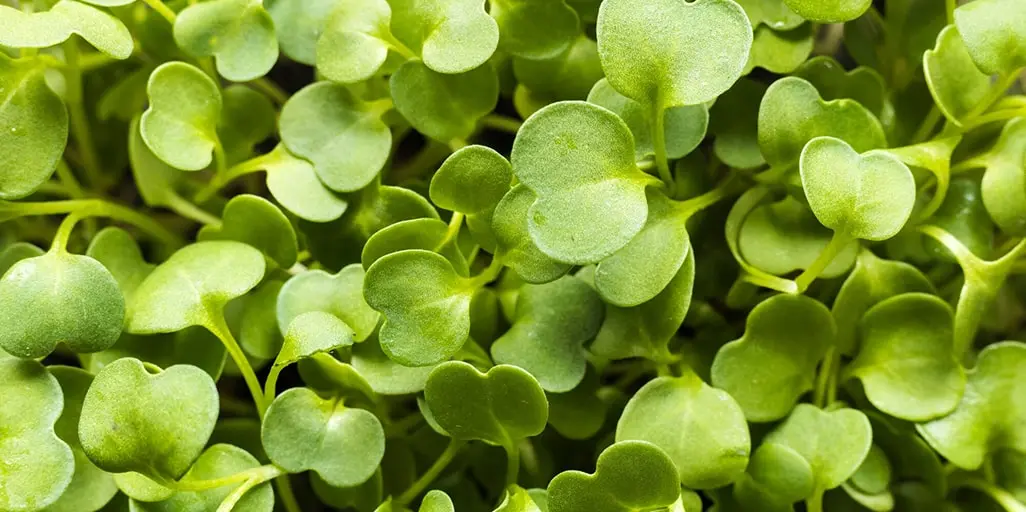
Watercress is a leafy green contained impressive health benefits. This vegetable grows in many water sources and is used in many dishes. Rich in vitamins, antioxidants, and essential minerals, watercress supports reducing the risk of several chronic diseases and overall health. Let’s take a look at the top 10 impressive health benefits of watercress and how to add it in your meals.

Health Benefits of Watercress

1. Packed with Nutrients

Watercress is low in calories but high in vital nutrients. It contains vitamins A, C, and K, as well as calcium and iron.

One cup (approximately 34 grams) of chopped, fresh watercress contains:
3.7 calories
0.2 g fiber
0.8 g protein
0.4 g carbohydrates
1,085 IU vitamin A (22 percent DV)
85 micrograms vitamin K (106 percent DV)
14.6 milligrams vitamin C (24 percent DV)
40.8 milligrams calcium (4 percent DV)
0.1 milligram manganese (4 percent DV)

2. Support Immune System

The high vitamin C content in watercress help enhance the immune system. It helps fight infections and supports faster recovery from injuries. Not only that, watercress also helps produce healthy collagen for the body. Additionally, vitamin A in this vegetable can aid in keeping the organs strong.

3. Improve Heart Health

Watercress may lessen the risk of heart disease. Studies show that antioxidants in watercress helps lower cholesterol levels and improves blood vessel function.

4. Enhance Eye, Bone and Teeth Health

Along with calcium, potassium and magnesium, vitamin K in watercress is essential for bone health. It fosters calcium absorption and reduces the risk of fractures.

Packed with high levels of vitamin A and lutein, watercress help protect the eyes against damages from blue light. These nutrients reduce the risk of macular degeneration.

5. Aid in Cancer Prevention

Compounds in watercress, like beta-carotene and other carotenoids, show their potential in lowering cancer risk. They help neutralize harmful free radicals.

6. Contribute Anti-inflammatory Benefits

This vegetable contains antiviral and antibacterial properties, which can support in reducing inflammation. Some studies have shown that watercress extract can aid in shrinking tissue damages and lumps.

7. Improves Skin Health

Antioxidants in watercress combat skin aging. With high water content, this vegetable nurtures proper hydration. Additionally, vitamin C supports collagen production, keeping skin firm and youthful.

8. Supports Digestive Health

Watercress contains fiber, which improves digestion. It also stimulates bile production, aiding the breakdown of fats. Digestive enzymes help the body utilize essential nutrients in every meal.

9. Strengthen Athletic Performance

Rich in nitrates, watercress improves oxygen delivery to muscles. This can boost endurance and reduce fatigue during workouts. It also helps muscles function effectively and feel less painful.

10. Control the Weight

Low in calories and high in nutrients, watercress is a good pickup for weight control. Its fiber and water content keep you feeling full for longer and hydrated.

Who Should Avoid Watercress?

Despite impressive health benefits of watercress, some individuals should limit or avoid it. Those taking blood-thinning medications should consult a doctor, as vitamin K may interfere with the drugs. Pregnant women should also avoid excessive consumption due to its potential to stimulate uterine contractions.

How to Incorporate Watercress in Your Diet

Adding watercress to your meals is simple and delicious. Toss it into salads for a peppery flavor boost. Blend it into smoothies with fruits for a nutrient-rich drink. Use it as a garnish in soups or stews for added nutrition. You can also sauté it lightly with garlic for a quick side dish.

Bottom Line

Watercress is a powerhouse vegetable with numerous health benefits. Whether you aim to boost immunity, improve heart health, or enhance your diet, this superfood is worth adding to your meals. Make watercress a regular part of your diet and enjoy its incredible health advantages. In case of smoothies or juice, you should drink it immediately or refrigerate and take it within a day to avoid bacterial contamination.

Read more:

Best natural foods for weight loss| Natural foods for kidney health

Food & Health

BEST NATURAL FOODS FOR WEIGHT LOSS

Best Natural Foods for Weight Loss

Diet trends come and go, but one timeless and effective approach is incorporating natural, whole foods into your diet. While diet and exercise play crucial roles, incorporating the right foods into your diet can significantly boost your weight loss journey. Let’s take a look at the best natural foods for weight loss.

Fruits and Vegetables

Rich in vitamins, minerals, and fiber, fruits and vegetables are key to any weight-loss plan. They are naturally low in calories but high in water content, making them filling while promoting hydration. Their fiber content helps improve digestion and keeps you full longer.

  • Leafy Greens: Spinach, kale, and arugula are low-calorie, nutrient-dense vegetables perfect for weight loss.
  • Berries: Blueberries, raspberries, and strawberries are packed with antioxidants and have fewer calories compared to other fruits. They can help regulate blood sugar levels and reduce cravings.
  • Cruciferous Vegetables: Broccoli, cauliflower, and Brussels sprouts are high in fiber and nutrients, and they support fat loss due to their low-calorie count.

Whole Grains

Unlike refined grains, whole grains including brown rice, oat, quinoa, and whole-wheat bread provide a slow release of energy and help stabilize blood sugar levels and reduce cravings. They are rich in fiber and essential nutrients, which keeps you feeling full for longer and aids in digestion.

Lean Protein

Lean protein sources like chicken breast, fish, eggs, beans, and lentils can help build muscle mass and boost metabolism.

  • Chicken Breast: A lean source of protein, chicken breast helps build muscle without excess fat.
  • Fish: Salmon, mackerel, and sardines are rich in omega-3 fatty acids, which help reduce inflammation and support weight loss.
  • Legumes: Lentils, chickpeas, and beans are plant-based proteins high in fiber and low in fat, ideal for weight loss.
  • Eggs are a versatile and nutritious food that can help you feel full and satisfied. They are a good source of protein and healthy fats.

Yogurt

Yogurt is a great source of protein and probiotics, which can aid in digestion and weight loss.

Healthy Fats

Contrary to popular belief, not all fats are bad. Healthy fats are essential for weight loss as they help absorb vitamins, maintain cell function, and promote satiety.

  • Nuts and seeds, such as almonds, walnuts, flaxseeds and chia seeds are packed with healthy fats, fiber, and protein. They can help you feel full and satisfied, reducing the urge to snack on unhealthy foods.
  • Avocados: Packed with monounsaturated fats, avocados are great for keeping hunger at bay.
  • Olive Oil: Rich in antioxidants and heart-healthy fats, olive oil can be a great addition to salads and cooked meals.

Superfoods

Superfoods are loaded with nutrients and offer numerous health benefits beyond weight loss. They are great for improving metabolism, boosting energy, and detoxifying the body.
Green Tea: Contains antioxidants like EGCG, which can boost metabolism and enhance fat burning.

  • Spirulina: A blue-green algae, spirulina is rich in protein and nutrients that support detoxification and weight loss.

Tips for Success

  1. Eat mindfully: Focus on whole, unprocessed foods and avoid eating out of boredom or stress. Be aware of the foods that make you hungrier.
  2. Portion control: Even natural foods can lead to weight gain if eaten in excess, so keep portion sizes in mind.
  3. Regular exercise: Combine your natural food diet with regular physical activity for optimal weight loss results.
  4. Hydration: Drinking enough water throughout the day is key to avoiding dehydration, which can sometimes be mistaken for hunger.
  5. Consult a Healthcare Professional: Before making significant dietary changes, consult with a healthcare professional to ensure they are suitable for your individual needs.
  6. Finally, the most important thing is to be disciplined with weight loss scheme. Losing weight and having a good shape will take time so all you need is to stick with the plan for best result.

You may also like:
The healing power of ginger honey | Top natural foods for high blood pressure

Food & Health

HEALTH BENEFITS OF POMEGRANATE

HEALTH BENEFITS OF POMEGRANATE

Pomegranate is rich in vitamins, flavonoids, anthocyanins, punicic acid, ellagitannins, alkaloids, fructose, sucrose, glucose, simple organic acids, other components and properties. Let’s check out some health benefits of pomegranate.

Heart Health

Pomegranate contains some heart-protective properties. Studies have shown that pomegranate juice can help lower blood pressure and reduce the risk of heart disease. The antioxidants present in pomegranates help prevent the oxidation of LDL cholesterol, which can lead to plaque buildup in the arteries. Additionally, pomegranate juice may improve blood flow and reduce inflammation, further promoting heart health.

Powerful Antioxidant

Pomegranates are rich in antioxidants, particularly polyphenols like punicalagins and anthocyanins. Antioxidants combat oxidative stress, which can damage cells and contribute to chronic diseases. By neutralizing harmful free radicals, pomegranates help watch over cellular damage and support overall well-being.

Cancer Prevention

Some research suggest that pomegranates may have anticancer properties. The antioxidants and phytochemicals in pomegranates may inhibit the growth of cancer cells and reduce tumor size. Besides, pomegranate extract may be effective to prostate cancer. However, more research is needed to confirm this.

Digestive Health

Pomegranates are a good source of fiber, vitamins and prebiotics. They can aid in digestion and promote regular bowel movements. Moreover, pomegranates’ content can also help prevent constipation, inflammation, gastroesophageal and maintain a healthy gut microbiome.

Support Brain

Pomegranates’ properties may help slow the progression of Alzheimer’s disease. Not only that, those properties may help reduce oxidative stress in the brain and support cognitive function. Furthermore, pomegranate juice can help improve memory and neuroplasticity.

Urinary Health

Pomegranate extract can support bladder health and urinary tract infection (UTI), thus reduce the risk of kidney stones.

Glycaemic Control

Some studies showed that pomegranate may help drop fasting blood glucose and improve insulin sensitivity factor. In addition, pomegranate may support a decrease in the risk of diabetes.

Exercise Stability

A few studies showed that pomegranate may enhance exercise performance. Pomegranate juice can aid to renew damaged muscles.

Other health issues

Addition to the above benefits, pomegranates can support in easing symptoms of arthritis and other inflammatory conditions. Furthermore, this fruit may aid in immunity boost and beating back infections.

Bottom line

Pomegranate is nutritious fruit offering a wide range of health benefits. By adding this fruit to your diet, you can improve your overall health as well as prevent some diseases.

You may also like:

Top 10 Foods for Immunity Boost

Top Natural Foods for High Blood Pressure

Beauty

BEAUTY BENEFITS OF CUCUMBER

BEAUTY BENEFITS OF CUCUMBER

Cucumber is a food that contains a lot of antioxidants, vitamins and minerals, as well as other nutrients. The natural ingredients of this vegetable can nourish your skin. Here are some of the beauty benefits of cucumber and how to make a basic cucumber face mask at home.

Reduce swelling and puffiness

Cucumbers have the ability to reduce swelling and puffiness under the eyes, which is especially helpful in cases of lack of sleep, insomnia. Chilled cucumber slices or cucumber juice can help reduce puffiness and “wake up” tired skin.

Prevent acne

Oily skin and dead skin cells can clog pores and cause acne. Cucumbers contain ingredients that cleanse the skin and tighten pores.

Anti-aging

The antioxidants in cucumbers may have beneficial wrinkle-preventing effects. In addition, cucumbers also contain vitamin C and folic acid. Those vitamins help stimulate new cell growth, and fight environmental toxins. Combining these ingredients together can help your skin look smoother and healthier. Furthermore, silica content in cucumbers can boost skin elasticity, and reduce the appearance of fine lines and wrinkles.

Reduce irritation

The cooling and anti-inflammatory effects of cucumber can help relieve pain, redness, and irritation caused by sunburn, insect bites and rashes. Cucumber can also help reduce redness and accelerate the healing process.

Supports hydration production

Cucumber contains 96% water, accordingly, the juice from cucumber when combined with other moisturizing ingredients such as honey, aloe vera will help hydrate and soothe the skin.

Brightens skin tone

Other beauty benefits of cucumber is to brighten your skin tone. The antioxidants in cucumber help fight against free radicals, which can damage skin cells and lead to premature aging. Regular use of cucumber can brighten the complexion and promote a youthful glow.

HOW TO MAKE BASIC CUCUMBER FACE MASK

  • Blend or puree half cucumber in a blender until a paste forms.
  • Separate the juice from the mixture through a sieve.
  • Apply cucumber juice on your face.
  • Leave the mask on your skin for 15 to 20 minutes.
  • Rinse mask off with cool or lukewarm water.
  • Finally use a soft towel to dry your face.

You may also like:

Best natural foods for kidney health
How to prevent aging naturally

Food & Health

Top 10 Foods for Immunity Boost

Top 10 Foods for immunity boost

Whenever the weather changes, you always feel uncomfortable and lazy. As a frequency, performance at work and lots of activities get impacted. For energetic recovery and a healthy immune system, you should not skip those foods. Here are the top 10 foods for an immunity boost.

foods for an immunity boostApple

The first of the top 10 foods for immunity boost is apple. Apples are extremely rich in important antioxidants, flavonoids, and dietary fiber. The phytonutrients and antioxidants in apples may help reduce the risk of developing cancer, hypertension, diabetes, and heart disease. Sweet or sour, apples are completely suitable for direct consumption or baking, or salad.


redish for Immunity BoostRadish

This vegetable is similar to carrots. Radish that common and beloved part of your salad, is a root crop, and it is pungent or sweet in taste with a lot of juice. Radishes can be white, red or purple and in terms of shape, they can be long and cylindrical or round. They can be eaten raw, cooked or pickled. You can also make a salad with some onions and salt. Or you can also cook with fish, or mash them to make sauce or soup. Radishes are rich in potassium and fiber.

Pear

Pears provide a very good source of fiber (4 grams/ per piece) and vitamins B2, C, E, copper, and potassium. They also contain a significant amount of pectin, which is a water soluble fiber. Pears are actually higher in pectin than apples.
The sweetness makes this fruit much loved. Instead of eating them in the normal way, you can mix pears with boiled potatoes, apples, carrots, peas, and other vegetables (at your favorite) and serve them like fresh salad.

Foods to Strengthen the Immune System

Cauliflower

Not only have high levels of vitamin C, but Cauliflowers also contain compounds that help us prevent cancer. You must know that cauliflower supplies phytonutrients which reduce cholesterol.

It is definitely a good idea to have cauliflower in winter. There are different ways to process cauliflowers like boiling, stir-frying, etc. To change the taste, you can prepare chili honey cauliflower for serving – you would love it.

pumpkin for Immunity BoostPumpkin

Pumpkin is one of the widely grown vegetables incredibly rich in vital antioxidants, and vitamins. Though this vegetable is less in calories, it carries omegame-3, vitamin A, and flavonoid poly-phenolic antioxidants such as lutein, and carotenes in abundance. Combining pumpkin with cinnamon and ginger is for a special taste.

Sweet potato

How sweet it is for your health to eat sweet potatoes. This vegetable packs a powerful nutritional punch. They provide lots of vitamin A, manganese, pantothenic acid, iron and anti-inflammatory effects. Additionally, they are a good source of potassium, dietary fiber, and phosphorus. Boiled potatoes will retain more vitamins than baked.

Pomegranate

Pomegranates are among the top 10 foods that can boost your immunity and should be included in your daily diet. They are rich in flavonoids and polyphenols, which are powerful antioxidants that help protect against heart disease and cancer. In fact, a glass of pomegranate juice contains more antioxidants than red wine, green tea, blueberries, and cranberries. Additionally, pomegranates are a good source of vitamin C and folic acid.

Amazing Foods for Immunity Boost

Dates for Immunity BoostDates

Dates offer a variety of health benefits, including relief from constipation, intestinal disorders, heart problems, anemia, sexual dysfunction, diarrhea, and even abdominal cancer. They are rich in essential vitamins, minerals, and fiber. While dates are low in fat, they are high in fiber and potassium, which can help boost the immune system. This versatile fruit can be used in stews or chopped into desserts.

Kiwi

Kiwifruit is attractive due to its vibrant green color and unique taste. However, it offers much more than just an exotic touch to your fruit salad. These emerald delights are packed with numerous phytonutrients, vitamins, and minerals that contribute to your health.

Kiwifruit pairs well with other fruits like strawberries, watermelon, oranges, and pineapple. You might be surprised to learn that kiwifruit

 contains significantly more Vitamin C than oranges.

Grapefruit / Pomelo

Pomelo for immunity boost

Grapefruits are packed with antioxidants and provide approximately 75% of the daily vitamin C requirement for your body. They contain pectin and are rich in lycopene, which is effective in reducing cholesterol levels. Additionally, grapefruits offer vitamin C and beta-carotene, a precursor to vitamin A. Drinking grapefruit juice and consuming the fruit can provide numerous benefits, including weight loss and cancer prevention.

Read more: Top natural foods for high blood pressure

Food & Health

TOP 6 HEALTH BENEFITS OF CAULIFLOWER

TOP 6 HEALTH BENEFITS OF CAULIFLOWER

Cauliflower, a versatile cruciferous vegetable, is gaining popularity due to its numerous health benefits. It’s packed with essential nutrients, antioxidants, and fiber. Its mild flavor and low-carb nature make it a perfect ingredient for various dishes. These are the top 6 health benefits of cauliflower.

Nutritional Value of Cauliflower

The nutrients found in 107g of raw cauliflower are:
Calories: 27
Fiber: 2 g
Vitamin C: 58% of the Daily Value (DV)
Vitamin K: 14% of the DV
Vitamin B6: 12% of the DV
Folate: 15% of the DV
Pantothenic acid: 14% of the DV
Potassium: 7% of the DV
Manganese: 9% of the DV
Choline: 8% of the DV
Magnesium: 4% of the DV
Phosphorus: 4% of the DV

Top 6 Health Benefits of Cauliflower 

One of the most significant health benefits of cauliflower vegetables is to support digestive health. Cauliflower is a good source of dietary fiber, which promotes regular bowel movements and prevents constipation. Fiber nourishes beneficial gut bacteria, reducing inflammation.

Another important benefit of cauliflower is its potential to lower the risk of some chronic diseases. Studies have shown that consuming vegetables like cauliflower may reduce the risks of heart disease, stroke, diabetes, and cancer. This is likely due to their high antioxidant content, which helps save cells from damage caused by harmful free radicals.

In addition to its protective effects, cauliflower can also aid in weight management. This vegetable is low in calories but high in water and fiber, thus it may benefit weight control. By consuming cauliflower instead of high-calorie foods, you can manage your overall calorie intake and promote weight loss.

Furthermore, cauliflower is a great source of essential vitamins and minerals, including vitamin C, vitamin K, and potassium. Vitamin C is an important antioxidant that supports immune function, while vitamin K is beneficial for blood clotting and bone health. Potassium helps maintain healthy blood pressure and assists proper nerve function.

Besides, cauliflower is effective for metabolism and cell membrane integrity thanks to its choline. This nutrient is also essential to brain development as well as helping protect the liver from bad cholesterol accumulation.

Finally, cauliflower is rich in sulforaphane, an antioxidant that may lower blood pressure. Sulforaphane compounds may also benefit several chronic diseases, including diabetes, cancer, and heart disease.

Who need to be cautious while consuming cauliflower?

It’s important to note that while cauliflower is generally safe for most people, there are some individuals who should be careful when consuming it.

Cauliflower may cause digestive issues, including gas or bloating. To improve this matter, those people can try eating a smaller amount.

Next, people with hypothyroidism may need to limit their intake of cruciferous vegetables such as cauliflower. Eating a large amount of raw cauliflower can interfere with the body’s ability to absorb thyroid hormones.

Lastly, this vegetable is rich in vitamin K, which can affect people who are on blood thinner. They should also limit cauliflower, as vitamin K aids in blood clotting.

Bottom line

Although there are some side effects of cauliflower, as long as those considerations are kept in mind, consuming this vegetable is a great choice.

To add cauliflower to your diet, there are a few simple ways to do so. You can use it as a low-carb replacement for rice, potatoes, or pizza crust. It can also be roasted, steamed, boiled, or added to soups, stews, and stir-fries. For a healthy and delicious snack, roasting cauliflower florets with olive oil and spices will be delicious.

In conclusion, the health benefits of cauliflower are impressive and well documented. From supporting digestion to reducing the risk of chronic diseases, this vegetable offers a wide range of benefits for overall well-being. By incorporating cauliflower into your diet, you can improve your health and enjoy the many advantages it has to offer. If you have any health concerns, you should consult your doctor about any dietary limitations.

You may also like:
Top natural foods for high blood pressure
Best natural foods for diabetes
Benefits of amla juice

Food & Health

BEST NATURAL FOODS FOR KIDNEY HEALTH

BEST NATURAL FOODS FOR KIDNEY HEALTH

The kidneys are vital organs in the body. A healthy diet is important for maintaining good kidney function. Consuming the best natural foods for kidney health, which are low in sodium and potassium, can help strengthen kidneys and overall health.

Best Natural Foods for Kidney Health

Berries

Packed with antioxidants, berries, such as blueberries, cranberries, and raspberries, can help protect the kidneys from oxidative stress. Additionally, their low-calorie and high-fiber content promotes overall health.

Red Grapes

Grapes are among the best natural foods for kidney thanks to its good source of vitamin C and K. Those vitamins are really essential to kidneys. Low levels of vitamin C and K may lead to kidney disease. In addition, grapes are high in fiber, antioxidants, minerals and other compounds. They can aid the body in fighting oxidative stress, inflammation and can protect kidneys.

Apples

Apples are low in sodium, potassium and phosphorus, thus the fruits are beneficial to a kidney diet. Not only may help lower cholesterol, blood sugar and battle constipation, but apples may help improve kidney function thanks to their good source of fiber and anti-inflammatory properties.

Plums

A good source of vitamin A, plums may offer many health benefits to kidney, heart, lung and eyesight, and immune system. You can directly eat or cook plums in different ways.

Cauliflower

This vegetable may help the body flush toxins. Cauliflower is low in potassium, sodium and phosphorus; therefore, it’s a good choice for kidney health. Additionally, cauliflower is rich in vitamins and minerals, which are good for overall health.

Onions and Garlic

Nutrients, vitamins, fiber and minerals in onions may help kidney function. Besides, allicin in garlic and onions may lower blood pressure and help improve kidney health.

Turnips

The root vegetables contain vitamins, fiber and other nutrients. With right preparation, turnips can support in reducing the risk of kidney stones and improving overall wellness. You can consume turnips as salad, steam or boiled, or roast in your healthy diet.

Cabbage

Contained vitamins, minerals, bioactive and antioxidant compounds, cabbage may support in controlling blood sugar and reducing the risk of kidney damage.

Red Bell Pepper

These vegetables are a good source of vitamins C – A – B6, fiber and folic acid. Moreover, they contain antioxidants, which may support in protecting the cells from damage.

Arugula

Other healthy greens are often high in potassium, so many kidney patients need to avoid them. However, arugula is low in potassium, so it’s good for kidney.

Olive Oil

Olive oil is a healthier replacement than other cooking oils. Rich in unsaturated fats and vitamin E, olive oil can help lower blood pressure and reduce inflammation. Additionally, it is free from phosphorus, thus it’s a good option for improving kidney function.

Fish

Fatty fish like salmon, mackerel, and tuna are excellent sources of omega-3 fatty acids, which can reduce inflammation and support overall wellness. Though fish contain high protein, consuming small portion may help reduce the risk of kidney damage.

Egg whites

Egg whites deliver a good quality of protein and they’re low in phosphorus, so they’re also healthy renal diet.

Bottom line

By incorporating these best natural foods for kidney health into your daily diet, you can take proactive steps to protect your kidneys and improve your overall well-being. Furthermore, always keep you hydrated as water is the best option to flush toxin out of the kidneys. Before you start any diet plan, consult your healthcare professional for particular advice.

Read more:

Health benefits of pomegranate| Beauty benefits of cucumber

Food & Health

NATURAL FOODS FOR STRESS RELIEF

NATURAL FOODS FOR STRESS RELIEF

Stress has become an unavoidable part of our lives. While stress is a normal human response, chronic stress can have detrimental effects on our mental and physical health. Yet, there is a way to battle against it naturally. Changing your lifestyles and modify eating habit can help a lot.

Eating certain foods can greatly help in managing stress. The below are some natural foods for stress relief that you can add in your diet.

Natural Foods for Stress Relief

Fatty Fish

Fatty fish including salmon, mackerel, and sardines are rich in omega-3 and other nutrients which can help reduce inflammation and improve mood. Along with Omega-3, protein, vitamin B12, vitamin D and magnesium in fish can help lower levels of cortisol hormone. Consuming salmon and other fish at least twice a week can be beneficial to stress relief.

Green vegetables

Dark greens such as spinach, kale, Swiss chard and broccoli are packed with vitamins, minerals, and antioxidants. They can help reduce oxidative stress, which can contribute to feelings of anxiety and depression. Add these greens to your salads, smoothies, or stir-fries.

Artichokes

Artichokes are an incredible source of fibre and especially rich in prebiotics, a type of fibre that feeds the friendly bacteria in your gut. Consuming ate 5 or more grams of prebiotics per day experienced improved anxiety and depression symptoms, as well as that high quality, prebiotic-rich diets may reduce your risk of stress.
Artichokes are also high in potassium, magnesium, and vitamins C and K, all of which are essential for a healthy stress response.

Berries

Berries, including blueberries, strawberries, and raspberries, are rich in antioxidants and vitamins. They can help reduce inflammation and improve mood. Add berries to your smoothies, yogurt, or cereal to support you in battling depression and boosting your mood.

Nuts and Seeds

Nuts and seeds are excellent sources of healthy fats, fibre, and magnesium. Eating a handful of pistachios, walnuts, sunflower seeds or almonds daily may help lower your cholesterol, ease inflammation in your heart’s arteries, and protect you against the effects of stress. Add nuts and seeds to your yogurt, salads, or baked goods.

Legume

Legumes are packed with stress-fighting vitamins and minerals, including magnesium, potassium, B vitamins, zinc, selenium, manganese, and copper. They are also rich in L-tryptophan, which your body needs to produce mood-regulating neurotransmitters.

Herbal Teas

Herbal teas like chamomile, lavender, and peppermint have calming properties that can help reduce stress and anxiety. Sip on a cup of herbal tea before bed to wind down and promote restful sleep.

Green Tea

Green tea contains L-theanine, an amino acid that promotes relaxation and reduces anxiety. For a calming effect, drink one to two cups of green tea daily, especially in the morning or mid-afternoon.

Sweet Potatoes

Sweet potatoes are a whole food that makes an excellent carb choice. They’re packed with nutrients such as vitamin C and potassium, that are important for stress response.

Eggs

Eggs are good source of vitamin D, amino acids, antioxidants and other protein. Those properties are needed for a healthy stress response. Additionally, whole eggs are rich in choline, which has been shown to play an important role in brain health and may protect against stress.

Turmeric

The active ingredient in turmeric, called curcumin, may help lower anxiety by reducing inflammation and oxidative stress. A study found that 1g of curcumin per day reduced anxiety in adults with obesity.

Yogurt

Yogurt is a good source of probiotics, which can help improve gut health. A healthy gut has been linked to better mental health and reduced stress. Consuming healthy bacteria can increase happiness. Therefore, adding yogurt and other fermented foods in the diet can benefit the natural gut bacteria and may reduce anxiety and stress.

Bottom line

A balanced diet is important to overall wellness. By incorporating these natural stress-relieving foods into your daily meals, you can nourish your body and mind, leading to a more relaxing and balanced life. You can consult with your healthcare professional and registered dietitian nutritionist for your particular diet.

Read more:
Natural foods for fatty liver disease | Health benefits of pomegranate

Food & Health

NATURAL FOODS FOR FATTY LIVER DISEASE

NATURAL FOODS FOR FATTY LIVER DISEASE

Fatty liver disease is a growing health concern. Fatty liver disease often links to lifestyle factors like excessive alcohol consumption, overweight, and type 2 diabetes. While medical interventions are crucial, incorporating natural foods into your diet can greatly improve liver health. The followings are top natural foods for fatty liver disease.

Natural Foods for Fatty Liver Disease

Diet plays a key role in managing and preventing fatty liver disease. By consuming a balanced diet rich in nutrient-dense foods, it can help reduce liver inflammation and promote liver cell regeneration.

Fatty Fish

Oily fish including salmon, mackerel, and tuna are excellent sources of omega-3 fatty acids, which have anti-inflammatory properties and can reduce liver fat.

Olive and Flaxseed Oil

Extra virgin olive oil and flaxseed oil containing monounsaturated fats and omega-3 fatty acids and other properties. Those properties can support vascular system by reducing bad cholesterol level (LDL). Not only that, olive and flaxseed oil also aid in lowering liver enzymes and liver fat.

Coffee

Regular coffee consumption, particularly black coffee, has been connected with reduction to the risk of fatty liver disease. The compounds in coffee may protect liver cells from damage and prevent progression to a more critical liver disease.

Green Tea

Rich in antioxidants, green tea can help decrease liver enzymes and inflammation and improve liver function.

Nuts

Nuts such as almonds, walnuts, and pistachios are rich in healthy fats, fiber, and antioxidants. Those properties can help regulate blood sugar levels and reduce liver fat. These nuts are amongst the most beneficial natural foods for reducing liver fat.

Berries

Many dark berries including blueberries, raspberries, and cranberries, contain antioxidants which can help protect the liver cells from damage. In addition, those fruits may aid in liver enzyme activity and age-related liver disease.

Green vegetables

Broccoli, spinach, brussel sprouts and other green vegetables can aid in weight loss. Additionally, the greens may help prevent the build-up of fat in the liver and lower blood cholesterol levels.

Avocado

Another natural food for fatty liver disease is avocado. This fruit is rich in fatty acids and really beneficial to health. Avocado may aid in reducing the risks of metabolic syndrome, cardiovascular disease. Furthermore, it can help lower fats and prevent liver damage.

Garlic

Garlic may have benefits to oxidative stress, inflammation and help improve metabolism. It can also support in reducing fat accumulation and fat in the liver. Thus, you can add garlic to your daily diet as top natural foods for fatty liver disease.

Bottom line

Include natural foods into your lifestyle, you can greatly enhance the liver health and reduce the risk of fatty liver disease. While natural foods can be beneficial, they should be part of a comprehensive method to liver health. Talk with a healthcare professional for personalized advice and to address any underlying health conditions.

Read more:
Best natural foods for weight lossTop natural foods for high cholesterol