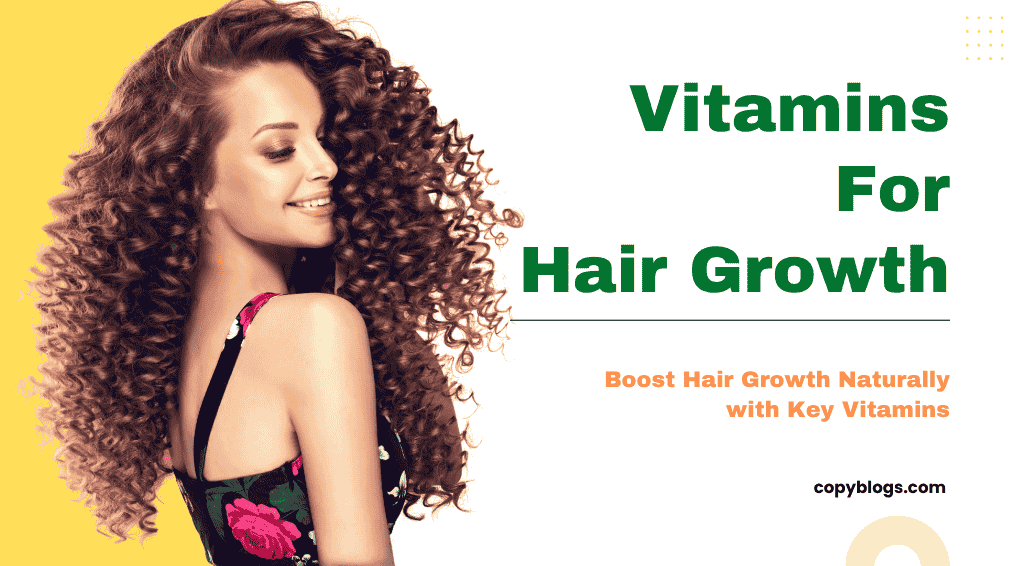
5 Best Vitamins for Hair Growth
- October 28, 2025
- by
- Shanaya
Healthy hair depends on proper nutrition. The right vitamins for hair growth help build strong strands and reduce breakage. Lacking them can lead to thin or weak hair. Each vitamin supports hair in a different way, from root strength to shine.
Balanced eating that includes key hair growth vitamins and minerals gives the scalp what it needs for new growth.
If you prefer time-tested home solutions, explore Grandma’s Secret Natural Hair Fall Remedies Home That Actually Work for traditional tips that pair well with these vitamins.
Top vitamins for hair growth
Vitamin B
Vitamin B, especially Vitamin H (also called biotin or vitamin B7), supports hair strength and thickness. Biotin for hair growth helps produce keratin, the main hair protein. It improves structure and prevents damage.
Low biotin can cause dull or brittle hair. Taking enough vitamins that help hair growth – mainly B vitamins – improves blood flow to the scalp by creating more red blood cells.
To enhance your biotin intake naturally, discover 5 Seeds for Hair Growth, simple seed-based recipes to boost hair strength.
Among these, vitamin B12 for hair growth is important for healthy follicles and encouraging thicker growth.
Foods rich in vitamin B include:
- Eggs and dairy products
- Meat, poultry, and fish
- Whole grains and nuts
- Leafy vegetables
- Fortified cereals and plant milks
When food intake is poor, a B‑complex supplement can support nutrients for healthy hair.
Vitamin A
Vitamin A for hair growth is critical. It helps skin glands produce sebum, a natural oil that moisturizes the scalp and keeps it healthy. Sebum prevents hair from becoming dry, brittle, or breaking easily.
All cells in the body need vitamin A to grow, including your hair cells. However, lack or excess of vitamin A may lead to vitamin deficiency hair loss. So, maintaining the right balance is essential.
Good natural sources of vitamin A:
- Carrots, pumpkins, and sweet potatoes
- Spinach and kale
- Dairy products, eggs, and cod liver oil
A small portion of these foods daily ensures your body has enough for nutrients for healthy hair without risking overconsumption.
Vitamin C
When it comes to protecting hair from damage, vitamin C for hair is a powerful antioxidant. It helps reduce oxidative stress, which can block new hair growth and weaken existing strands.
Vitamin C also plays a role in collagen production, which gives hair its structure and elasticity. Another benefit is improved nutrient absorption – especially iron – which helps supply oxygen to the hair follicles.
Foods rich in vitamin C include:
- Oranges, lemons, and strawberries
- Guavas, bell peppers, and tomatoes
- Kiwi and citrus fruits
Adding these foods regularly can improve shine, strength, and long-term growth for healthy hair.
If you often struggle with scalp dryness or irritation, explore Best 12 Natural Itchy Scalp Remedies for soothing, expert-backed tips.
Vitamin D
If you experience excessive hair shedding, vitamin D deficiency and hair loss might be linked. Research shows that low levels of vitamin D are associated with alopecia, a condition causing baldness or patchy hair loss.
Vitamin D helps form new hair follicles, improving overall scalp health and promoting regrowth. The easiest way to get vitamin D is through safe sun exposure for at least 10 to 15 minutes daily.
Dietary sources of vitamin D include:
- Fatty fish (salmon, sardines, and mackerel)
- Mushrooms and egg yolks
- Fortified milk, juices, and cereals
If you have limited sun exposure, your doctor may recommend a vitamin D supplement to improve hair nourishment and restore growth.
For full food lists, check out our guide in Vitamin D-rich Foods.
Vitamin E
Vitamin E for hair growth is another strong antioxidant that protects the scalp against oxidative stress. It restores shine, improves texture, and helps repair damaged strands. Studies show that it can lead to noticeable improvement in hair thickness over time.
Great sources of vitamin E include:
- Almonds, sunflower seeds, and peanuts
- Spinach, kale, and avocados
- Olive oil, wheat germ, and other plant oils
When paired with other best vitamins for hair growth like vitamin C and biotin, vitamin E boosts circulation and strengthens the scalp. It’s also beneficial for repairing sun-damaged and brittle hair.
Besides vitamin-based care, explore Best Herbal Remedies for Hair Loss to discover proven botanical ingredients that naturally reduce shedding.
Essential nutrients for hair growth
Besides vitamins, your hair requires key minerals and proteins. These essential nutrients for hair growth play a vital role in forming healthy strands and preventing breakage.
Iron for hair
Iron supports the production of red blood cells, which transport oxygen to every part of the body, including the scalp. A shortage if iron can lead to fatigue and significant hair loss.
Iron-rich foods include:
- Lean red meat and fish
- Lentils, beans, and spinach
Zinc for hair
Zinc helps in tissue growth and repair. It keeps the oil glands near hair follicles functioning properly. Both zinc and iron for hair are critical nutrients that work together to maintain strength and structure.
Zinc-rich foods include:
- Oysters, beef, and poultry
- Pumpkin seeds, cashews, and chickpeas
Protein
Since hair is made of keratin, getting enough protein for hair is essential. A lack of protein may lead to weak hair strands and slower growth.
Include good protein sources such as:
- Eggs, tofu, fish, dairy products, beans, and quinoa
Combining these nutrients ensures steady growth and thicker strands.
Learn about more nutrient-rich options in Top Natural Foods for Healthy Hair.
Hair growth supplements
Whole foods should always be your main source of vitamins and minerals for hair, but supplements can be helpful when your diet falls short.
A hair growth supplement can combine vitamins that help hair growth and minerals in one capsule. Options include those containing biotin, vitamin D, zinc, and iron.
However, before using supplements:
- Get a blood test to identify deficiencies
- Choose doctor-recommended brands
- Avoid excess intake to prevent toxicity
Vitamins to prevent hair loss work best when taken under medical guidance. Overuse may harm your health instead of helping it.
For extra nourishment beyond supplements, explore 15 Natural Hair Masks to deeply condition, repair, and restore healthy shine.
Lifestyle and diet for healthy hair
In addition to vitamins for hair growth, improving habits can make your hair naturally fuller and stronger. Consider these healthy routines:
- Eat foods rich in vitamins for hair growth such as fruits, nuts, and green vegetables.
- Drink at least eight glasses of water daily to stay hydrated.
- Massage your scalp using oils like coconut, almond, or argan oil to increase blood flow.
You can even try Homemade Rosemary Oil for Hair, a simple DIY oil that helps stimulate new strands naturally.
- Sleep 7–8 hours to give your body time to repair itself.
- Manage stress through yoga, deep breathing, or light exercise.
- Avoid frequent use of heat styling tools or harsh hair chemicals, as they damage follicles. Natural remedies are often safer and more effective long-term.
These habits protect natural oils and support continuous collagen production.
Best vitamins for hair growth: FAQs
The best vitamins for hair growth and thickness include biotin (vitamin B7), vitamin D, and vitamin E. They support both strength and volume. A lack of vitamin D, iron, or zinc often leads to significant shedding. You can correct this through food or supplements. Yes. Vitamin supplements can help with hair growth. Studies suggest they aid people with deficiencies, especially those low in biotin, D, or iron. You can improve hair growth naturally with vitamins by eating balanced meals, staying active, and keeping your scalp clean. Yes, vitamin D can help with hair regrowth by stimulating new follicle formation on the scalp. Biotin supplements usually range from 2,000 to 5,000 mcg daily but consult your doctor before use.What are the best vitamins for hair growth and thickness?
Which vitamin deficiency causes hair loss?
Do vitamin supplements help with hair growth?
How can I improve hair growth naturally?
Does vitamin D help with hair regrowth?
How much biotin should I take for hair growth?
Long‑term care for healthy hair
Keeping hair thick and strong requires proper nutrition and regular care. Consistent intake of top vitamins for hair growth helps maintain shine and reduces hair fall.
Long‑term nutrition can correct vitamin deficiency hair loss and strengthen hair roots. A balanced routine that includes natural vitamins for hair growth, enough protein for hair, and a clean scalp keeps follicles active for years.
Watch for any change in hair texture or an increase in hair shedding. If this happens, adjust your diet or supplements to maintain healthy growth and prevent future damage.
To keep your scalp healthy and flake-free, explore Best Natural Remedies for Dandruff – simple, proven solutions for lasting relief.
Conclusion
Getting the right balance of vitamins for hair growth makes a visible difference in hair strength, shine, and volume. From vitamin A for hair growth to vitamin E, each nutrient has a vital role in maintaining a healthy scalp and strong strands.
Focus on a nutritious diet for hair growth that includes leafy greens, fruits, lean proteins, and nuts. If necessary, take best vitamins for hair loss or supplements after medical guidance.
Healthy hair begins inside your body. Nourish it with essential vitamins and minerals for hair, and your hair will naturally become stronger, thicker, and more radiant over time.
You may also like:
Natural remedies for sun tanned skin
14 Natural ways to treat acne scars
DIY lip masks
Home treatments for dark lips
Home remedies for insomnia
Remedies for itchy eyes and sore eyes
Disclaimer: This article is for informational purposes only and does not replace professional medical advice. Consult a healthcare provider before starting any vitamin or supplement for hair growth. Individual results may vary based on health conditions and nutritional needs.

You may also Like
10 Home Remedies for Glowing Skin