
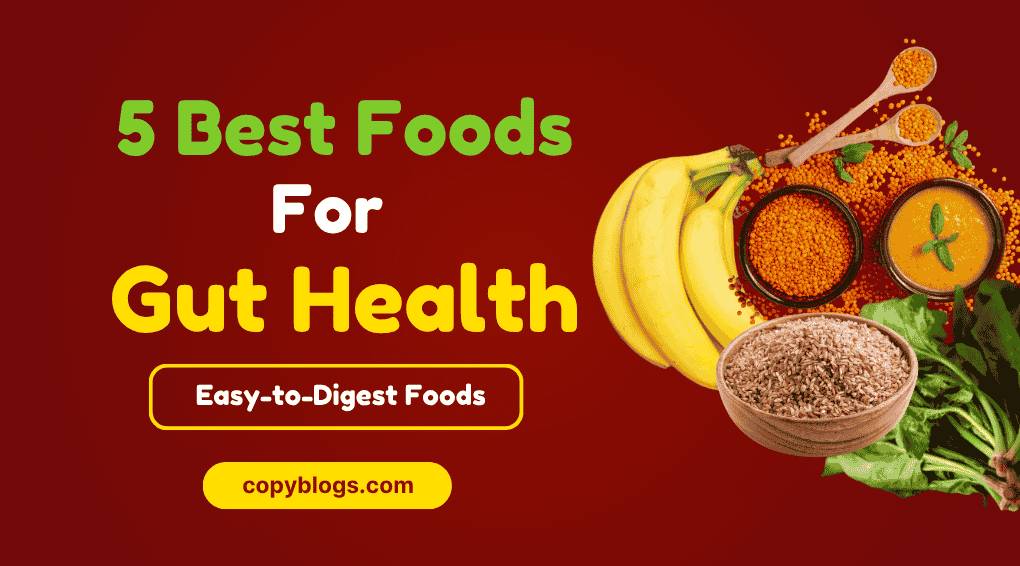
A healthy gut is the base of overall wellness. Eating the best foods for gut health supports smooth digestion, boosts immunity, and prevents discomfort such as bloating and constipation.
Millions of people across the world deal with digestive issues, yet most do not realize that simple food choices can make a big difference. Understanding which foods for better digestion your body needs can help you naturally restore balance to your digestive system.
Why gut health matters
Your digestive system breaks down food, absorbs nutrients, and removes waste. When your gut microbiome is healthy, your digestion works efficiently, and your body absorbs vitamins and minerals better.
A poor diet, stress, or lack of fiber can disturb this balance and lead to problems like gas, diarrhea, or irritable bowel syndrome (IBS).
Including gut friendly foods for digestion is the simplest way to strengthen your gut microbiota and keep your digestive tract healthy. You can also try gentle home remedies for intestinal infections if you often face digestive discomfort.
Top 5 foods for gut health
1. Whole grains
Whole grains are among the most effective high fiber foods for digestion. They contain complex carbohydrates and plant-based nutrients that support better bowel movement and colon health.
Compared to refined grains, whole grains like brown rice, oats, and whole wheat bread have natural fiber and healthy fats that nurture good bacteria in the intestines.
Fiber from grains creates fuel for gut bacteria, leading to the production of short-chain fatty acids. These help protect colon cells and improve immune function.
Doctors recommend daily fiber for strong digestion to be at least 25 grams. This volume of fiber each day is beneficial for proper colon function.
Following a better digestion diet with whole grains helps to:
- Prevent constipation
- Support natural detoxification
- Improve colon cell activity
- Encourage healthy gut bacteria
Even though many low-carb diets suggest reducing grains, completely avoiding them may harm your beneficial gut microbes. Choose whole, unprocessed grains for a healthy digestive system diet.
Whole grains also deliver minerals that contribute to bone strength, similar to these foods for healthy bones.
2. Leafy greens
Among the best foods for gut health, leafy greens are nutrient-rich and gut-friendly.
Leafy greens such as spinach, kale, and lettuce are excellent digestive health foods. These vegetables not only contain fiber, but also vitamins A, C, K, and folate, all of which promote healthy digestion and nutrient absorption.
Research shows that greens contain natural sugars that fuel healthy bacteria in your intestines.
Adding them to your daily meals is an easy way to improve digestion naturally. They help reduce inflammation in the gut and maintain a balanced microbiome.
Benefits of including leafy greens for better digestion:
- Promote a cleaner intestinal tract
- Balance gut bacteria
- Support immune defense
- Offer antioxidants that aid repair
Whether eaten raw in salads or lightly cooked, greens support a natural gut microbiome diet. If you prefer natural plant-based healing, you may like these traditional herbal home remedies.
3. Lean protein
Lean protein is also one of the best foods for gut health because it’s gentle on the gut. People with sensitive stomachs or IBS often digest lean protein gut health foods better than fatty meats. Heavy or fried foods can speed up colon contractions and trigger discomfort.
Healthy foods good for IBS include skinless poultry, fish, eggs, and plant sources like lentils and quinoa. These choices offer protein without the excessive fat that can irritate the gut.
Red meat, when consumed in excess, can promote harmful bacterial activity in the colon. Replacing it with lean options helps your digestion improvement foods plan work effectively. A high-fat diet can also overwork the pancreas, sometimes leading to conditions such as pancreatic stones, which interfere with enzyme flow and digestive efficiency.
Choose lean proteins to:
- Reduce gas and bloating
- Support muscle repair without gut stress
- Prevent high-fat trigger symptoms
- Maintain steady energy levels
This approach is especially important for anyone following a diet for irritable bowel syndrome (IBS).
4. Low-fructose fruits: easier on the digestive system
Certain fruits can worsen bloating or gas due to their high fructose content. A low-fructose fruits digestion plan can ease discomfort and help your body absorb nutrients more efficiently.
Fruits like apples and mangoes are rich in fructose and may cause bloating. Replace them with better options that are easier to tolerate such as:
- Bananas: rich in fiber and inulin, which stimulates beneficial gut bacteria
- Berries: packed with antioxidants and gentle on digestion
- Citrus fruits like oranges or grapefruit: contain low sugar levels and high vitamin C
These fruits act as foods to reduce bloating and gas while still giving you energy and hydration. Including fruits wisely helps develop a diverse gut microbiome and supports foods to ease gas and bloating naturally.
5. Avocado: the gut’s superfood
Avocado is one of the best foods for digestive health because it combines healthy fats, fiber, and potassium. Each serving supports smoother digestion and prevents constipation.
It’s also a low-fructose fruit, making it ideal for those with sensitive gut or IBS. The avocado digestion benefits come from its fiber content, which adds bulk to stool and supports regular bowel movement.
However, portion control is key. Avocados are nutrient-dense but high in fats. Eating small amounts regularly maintains digestive comfort while contributing to a healthy digestion diet plan.
Avocado’s nutrients also play a role in immune defense, similar to these top foods for immunity boost.
Additional tips for improving digestion naturally
Beyond specific foods, simple lifestyle changes ensure better digestion and improve gut health naturally:
- Drink enough water every day.
- Eat slowly, chewing food properly.
- Limit alcohol and caffeine.
- Avoid skipping meals.
- Manage stress levels.
If you’re expecting, choosing light, fiber-rich healthy pregnancy snacks can also support smooth digestion and prevent common issues like bloating or constipation during pregnancy.
Adopting these habits along with foods that aid digestion allows your gut to function smoothly and reduces long-term discomfort.
Build a healthy digestion diet plan
A balanced nutrition for digestion includes fiber, lean proteins, and healthy fats.
Below are some examples to form your daily routine:
- Breakfast: Oatmeal with banana slices and chia seeds
- Lunch: Grilled chicken or fish with steamed broccoli and brown rice
- Snack: Yogurt with mixed berries
- Dinner: Spinach salad with avocado and boiled eggs
Following such a pattern not only supports your digestive system but also contributes to overall wellness and energy.
A consistent digestive health diet plan offers multiple benefits:
- Reduced risk of constipation, gas, and bloating
- Balanced energy throughout the day
- Improved immune system function
- Better nutrient absorption
- Prevention of chronic gut problems
Adding these digestion support foods keeps your intestinal environment balanced and prevents the formation of harmful bacteria.
Conclusion
Making smart food choices is the easiest way to protect your gut. The best foods for gut health – including whole grains, leafy greens, lean proteins, low-fructose fruits, and avocado – can improve digestion, prevent discomfort, and support long-term wellness.
When you improve digestive health naturally, your body rewards you with higher energy, better absorption, and fewer digestion problems.
Focus on adding these gut friendly foods for digestion to your meals daily and experience how a strong, balanced gut can transform your health from the inside out.
You may also like:
Are grapes seeds good for you?
9 Homemade mouthwash for fresh breath
Home remedies for better sleep
Home remedies for tuberculosis
7 Soothing home treatments for itchy eyes
15 Natural remedies for sore throat
10 Best avocado face masks for glowing skin
Disclaimer: This article is for informational purposes only and not a substitute for professional medical advice. Always consult a qualified healthcare provider before making dietary or health-related changes.


2 thoughts on “Best 5 Foods for Gut Health: Natural Ways to Improve Digestion”
Comments are closed.