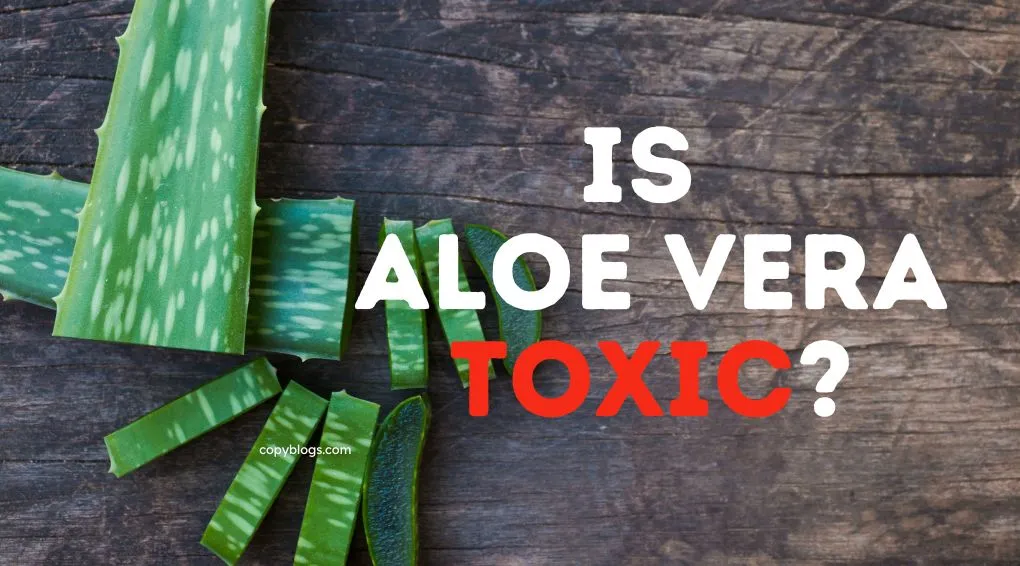
Aloe vera, with its versatility and medicinal properties, is a cactus plant that blooms in dry, hot weather. Often touted as a solution for health issues such as diabetes, obesity, and skin diseases, aloe vera has been welcomed into traditional as well as conventional medicine. As with any home remedy, however, the query remains: is aloe vera toxic? Is it a miraculous cure for health, or does its abuse have latent dangers? Its benefits, side effects, and precautions are crucial to know if one is going to use this plant safely and effectively.
Advantages of Aloe Vera
The useful components of aloe vera are its gel and latex. The gel is obtained from the inner cell layer of the leaf, whereas the latex is from beneath the skin of the leaf. Aloe vera gel has the ability to treat conditions like psoriasis and promote the healing of wounds by enhancing blood flow and avoiding cell death around the wound. It also possesses properties that fight some bacteria and fungi. The latex of the plant includes chemicals that have the effect of natural laxatives. Studies are behind the application of aloe vera in external skin remedies for disorders including:
- Psoriasis
- Seborrhea
- Dandruff
- Mild burns
- Skin abrasions
- Radiation burns of the skin
- Herpes lesions
- Acne
- Anal fissures
There is also evidence of aloe vera juice as a good laxative. But since safety was an issue, the FDA prohibited over-the-counter aloe vera laxatives in 2002. Aloe vera gel taken orally can also decrease diabetics’ blood sugar levels and lower cholesterol. Although there are those advantages, it’s important to answer: is aloe vera toxic? As we’ll explore in the following sections, while aloe vera can be beneficial, it also carries risks, particularly when misused.
Is Aloe Vera Toxic? Side Effects of Aloe Vera
When Taken by Mouth: Aloe vera gel is usually safe for short-term use when ingested in suitable dosages (e.g., 15 ml daily for 42 days or less). But oral intake as a laxative can lead to cramping and diarrhea, which result in electrolyte disturbances. Latex, or the yellow sap, is not safe for ingestion in large amounts and has been known to produce grave problems such as kidney disease, low potassium levels, weak muscles, and even death when taken excessively. Long-term consumption can heighten risks of colorectal cancer. When it comes to whether aloe vera is toxic or not, it’s important to understand that while the gel itself is usually safe in moderation, the latex is toxic if overused.
When Applied to the Skin: Aloe vera gel is safe when applied to the skin as a medicine or cosmetic.
Precautions While Using Aloe Vera
Pregnancy and Breastfeeding: Ingestion of aloe vera gel or latex is not safe, as it can cause miscarriages or birth defects.
Children: Topical use of aloe vera gel is safe, but ingestion of latex can cause stomach cramps or diarrhea in children younger than 12.
Medical Conditions: Individuals with diabetes, intestinal disease, hemorrhoids, kidney problems, or surgery should not use aloe vera latex and seek advice from a healthcare provider before taking aloe vera products. To answer questions regarding the toxicity of aloe vera, individuals with the following conditions need to exercise extra caution to prevent possible side effects.
Drug Interactions
Aloe vera may interact with drugs such as diabetes medications, laxatives, diuretics, and anticoagulant drugs (e.g., warfarin). A doctor should be consulted prior to taking aloe vera together with any medication to avoid potential side effects.
Bottom line
While aloe vera has numerous advantages, ranging from external skin application to possible overall health enhancement, it is not risk-free. For those asking “is aloe vera toxic,” it is important to mention that abuse, especially with the latex part, can cause severe health problems. It is important to be aware of its side effects, drug interactions, and contraindications, particularly for susceptible populations such as pregnant women, children, and patients with certain medical conditions. By balancing its benefits with responsible use, you can unlock the potential of aloe vera safely, so that it is a positive addition to your health program and not an agent of damage.
You may also like:
16 hormone balancing foods | Benefits of amla juice |